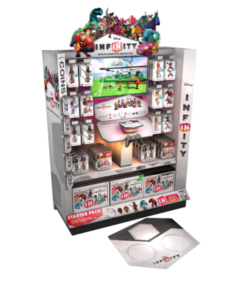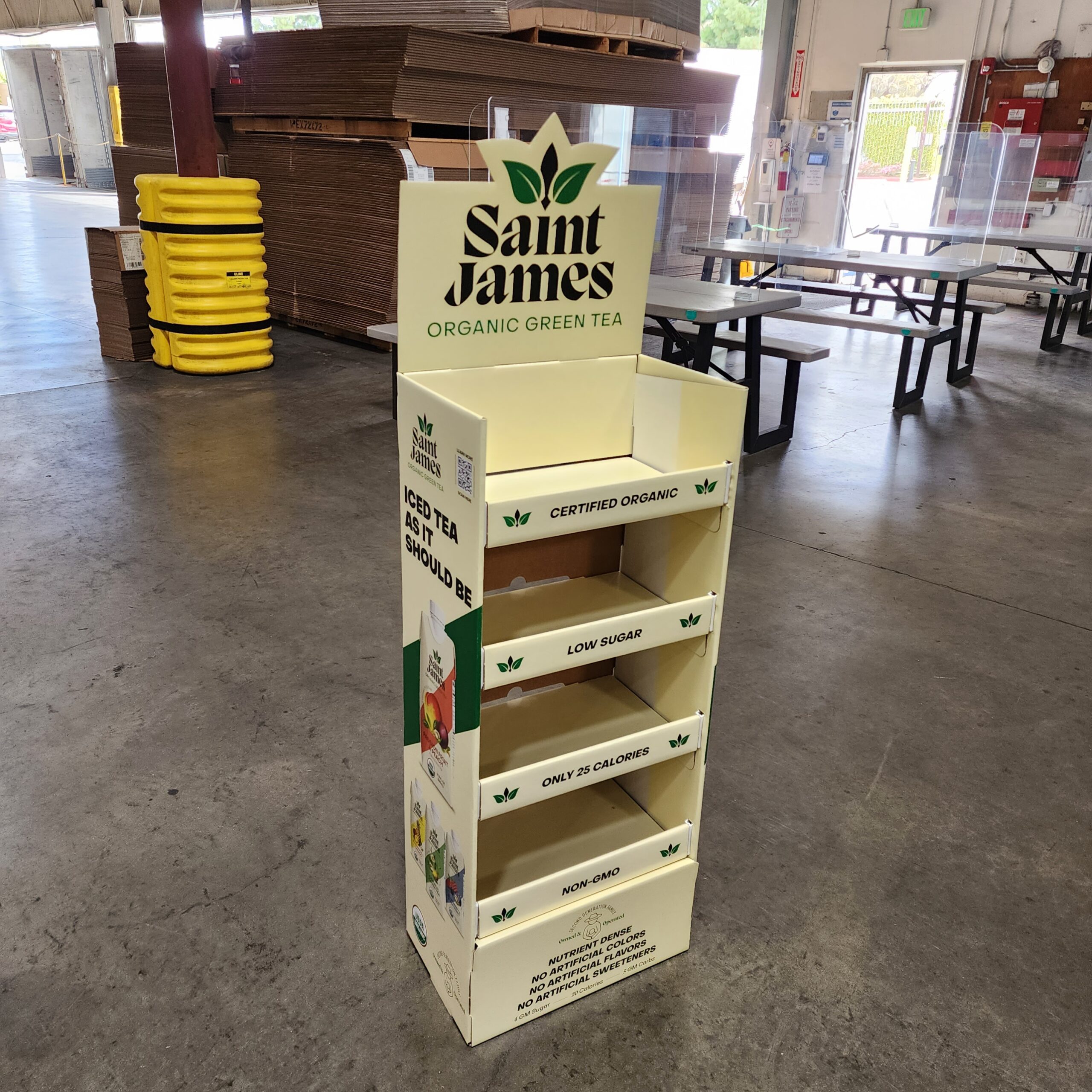

Most POP displays are designed to look good at production. But that’s not where they’re tested. They’re tested here:👉 The supply chain Between the warehouse
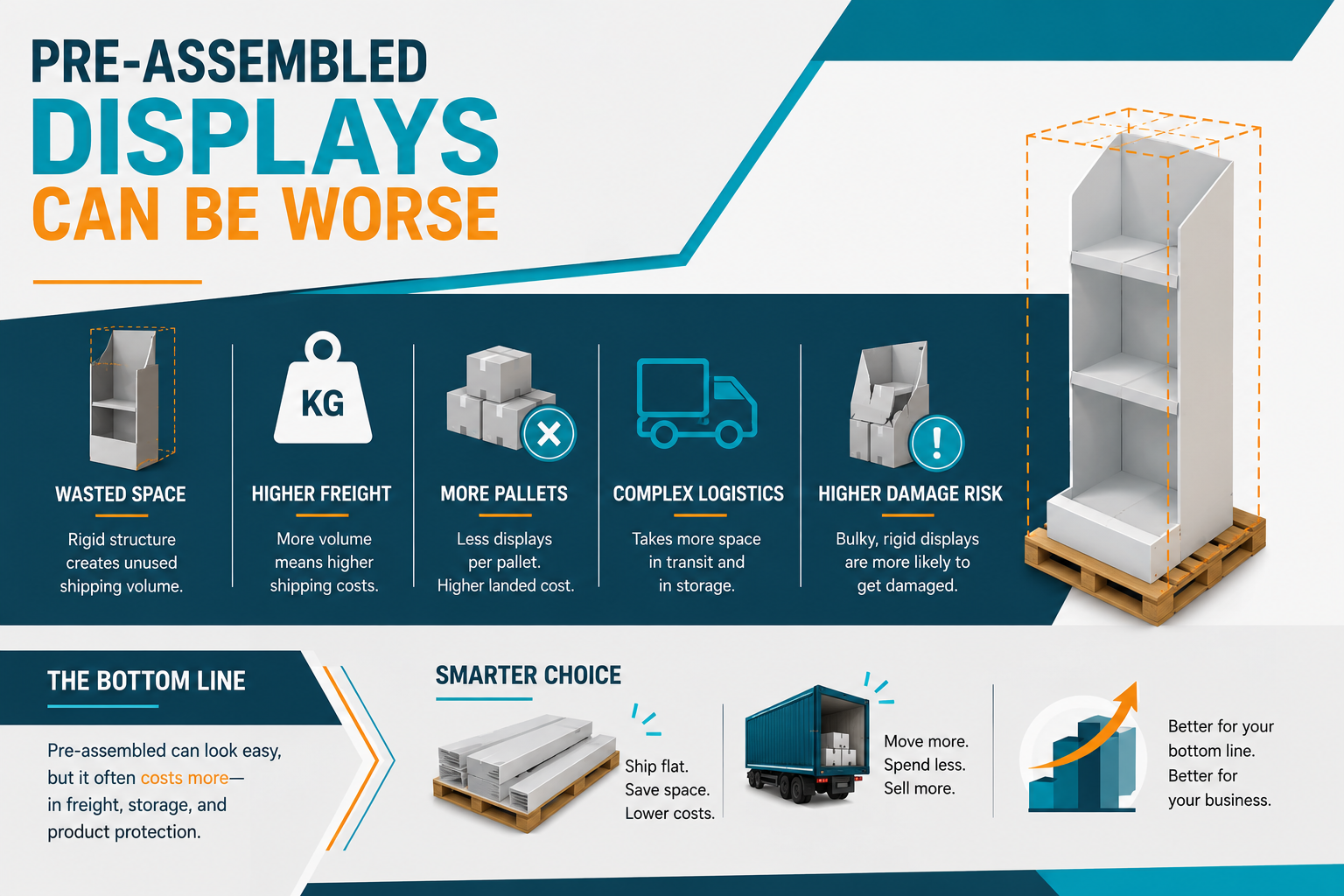
Most cost savings in packaging come from:👉 Ordering more volume But increasing MOQ isn’t always possible. Storage is limited Cash flow is constrained Demand is
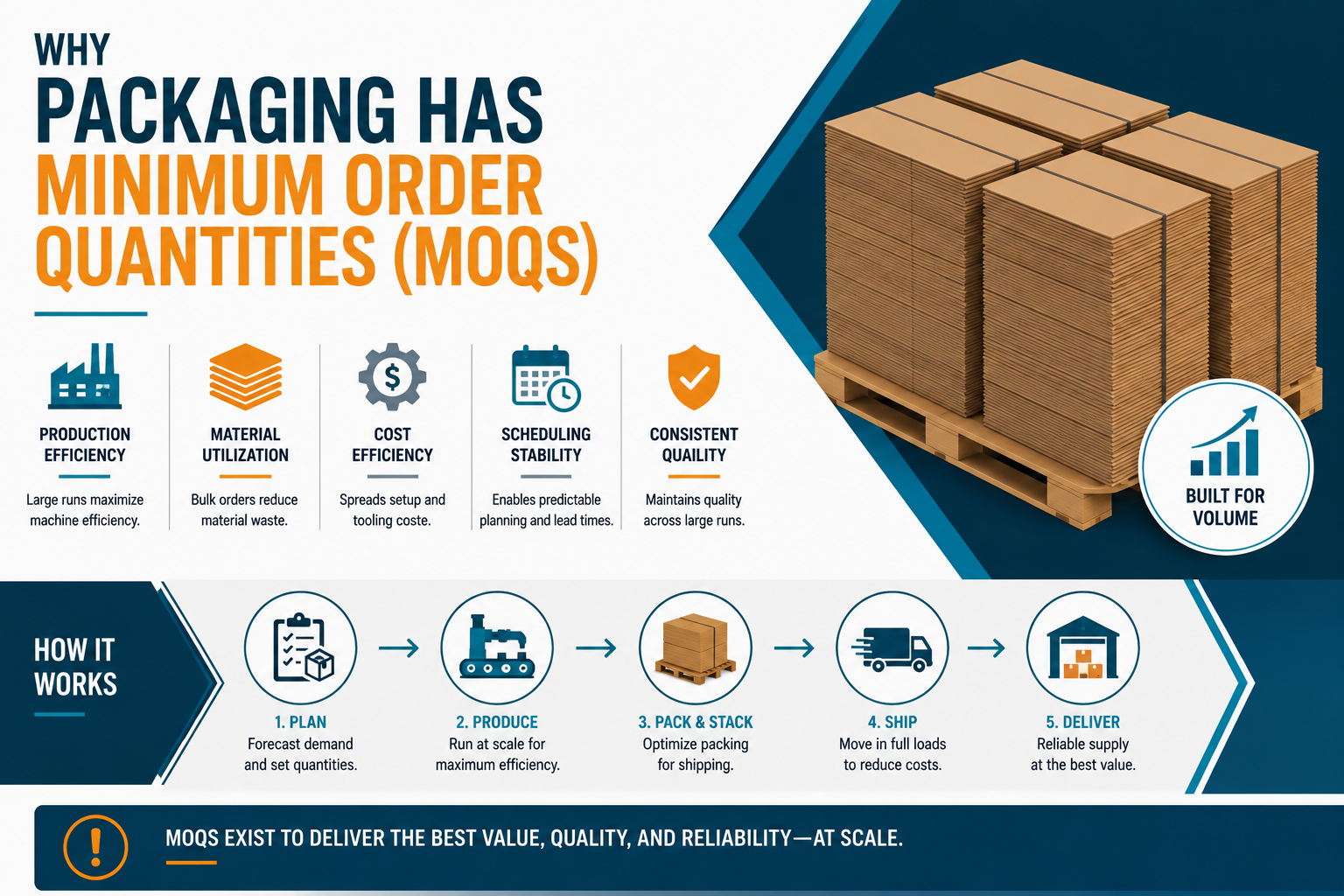
Minimum order quantities (MOQs) aren’t arbitrary. They exist because packaging production has fixed costs that don’t scale down—only up. When you order one unit, you
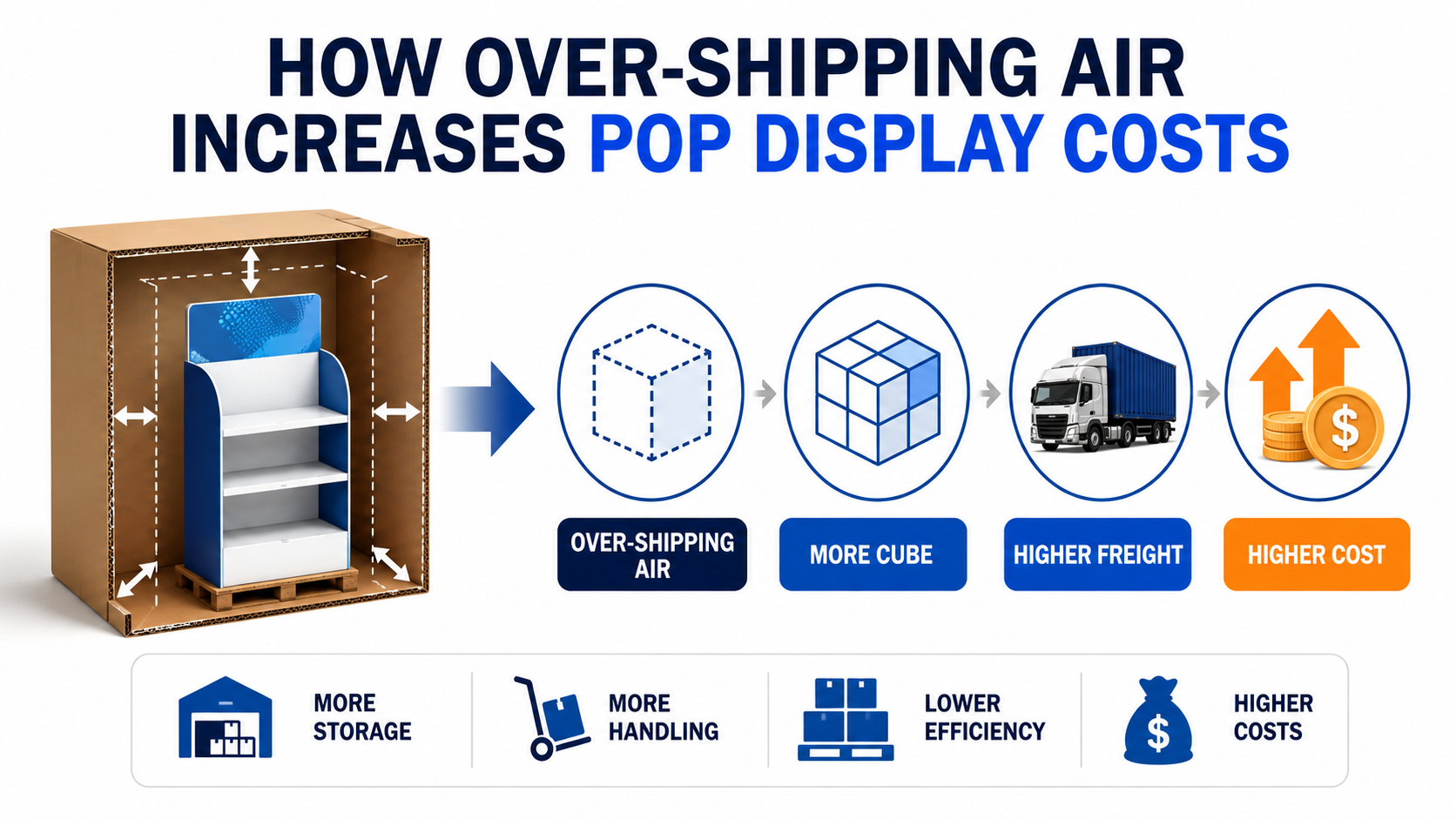
Most POP display programs don’t lose money on materials. They lose it in:👉 empty space Displays are often shipped with: Excess void space Poor stacking
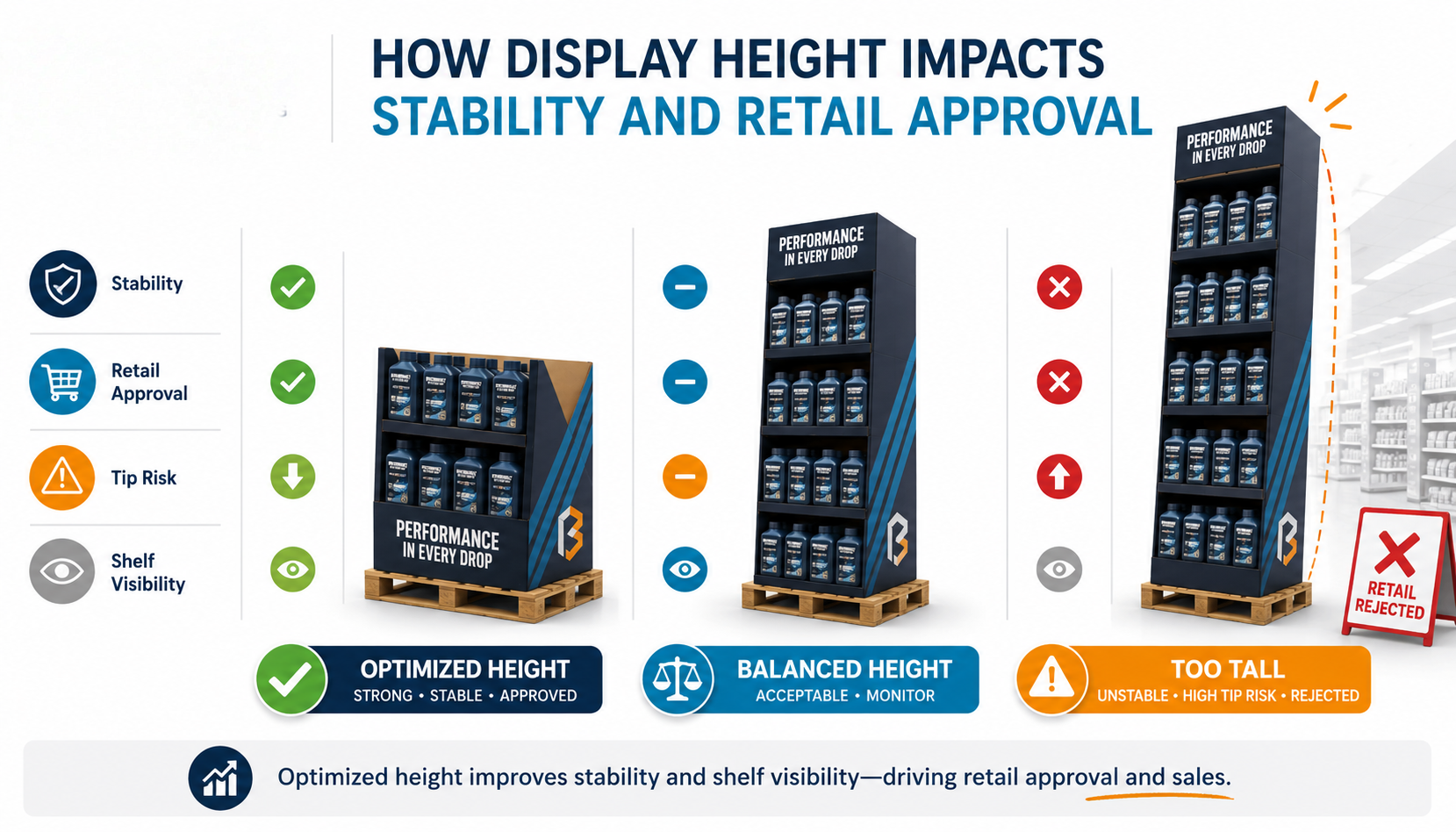
Taller displays get attention. But they also get: Rejected by retailers Unstable under load More likely to fail in-store Height isn’t just a design choice—it’s
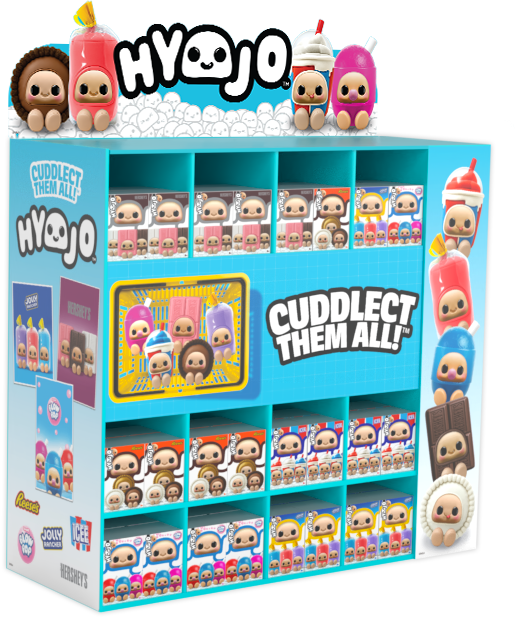
Cutouts sell the product. They improve: Visibility Brand presentation Shopper engagement But they also remove something critical:👉 Structure Every cutout or window reduces material—and with
Most POP displays are designed for full, balanced product loads. But that’s not how they perform in-store. Within days: One SKU sells faster than another
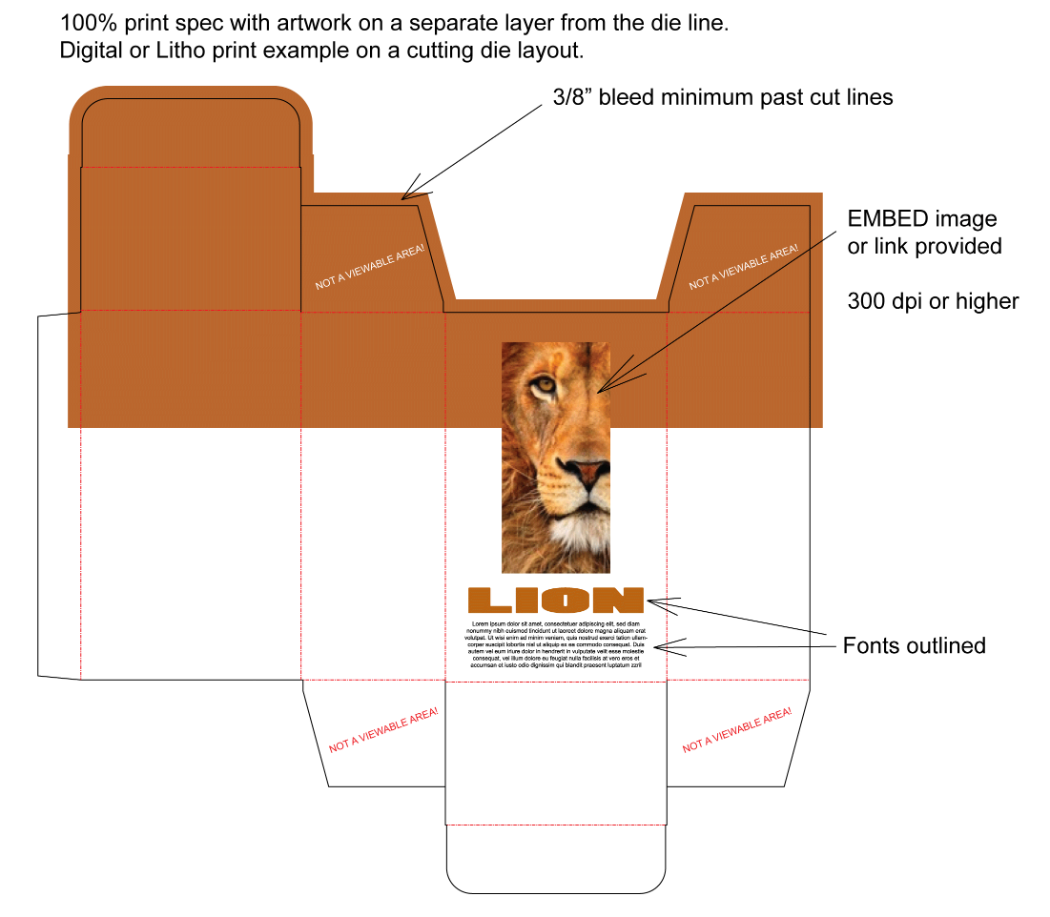
The choice of material and structural design in folding cartons is directly tied to performance, cost, and consumer perception. The right pairing can mean the
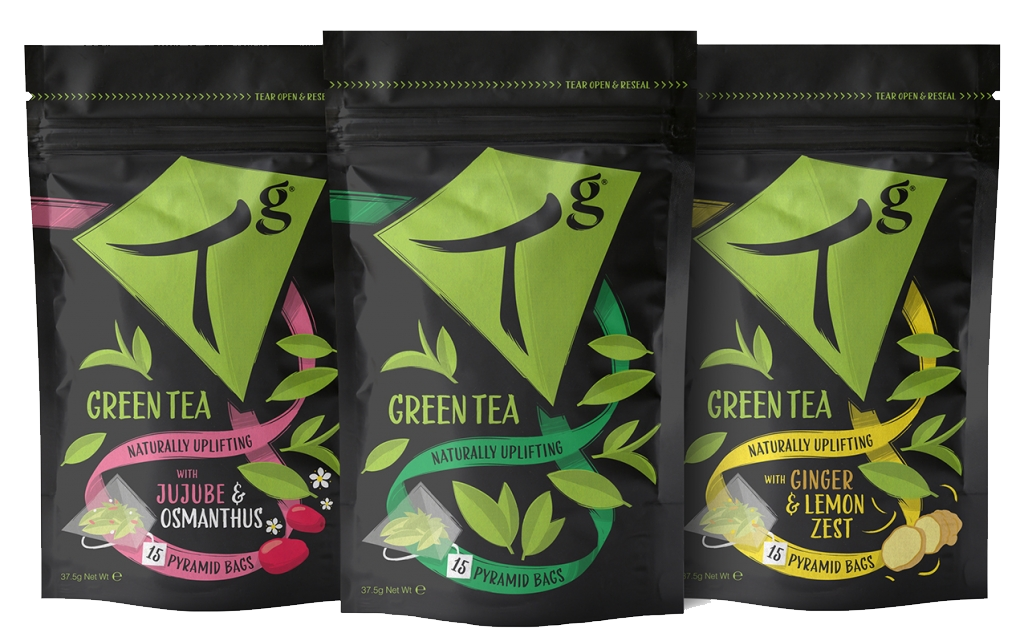
The integrity of a pouch package is only as strong as its seal. Sealing technologies determine not just the strength of closure but also shelf
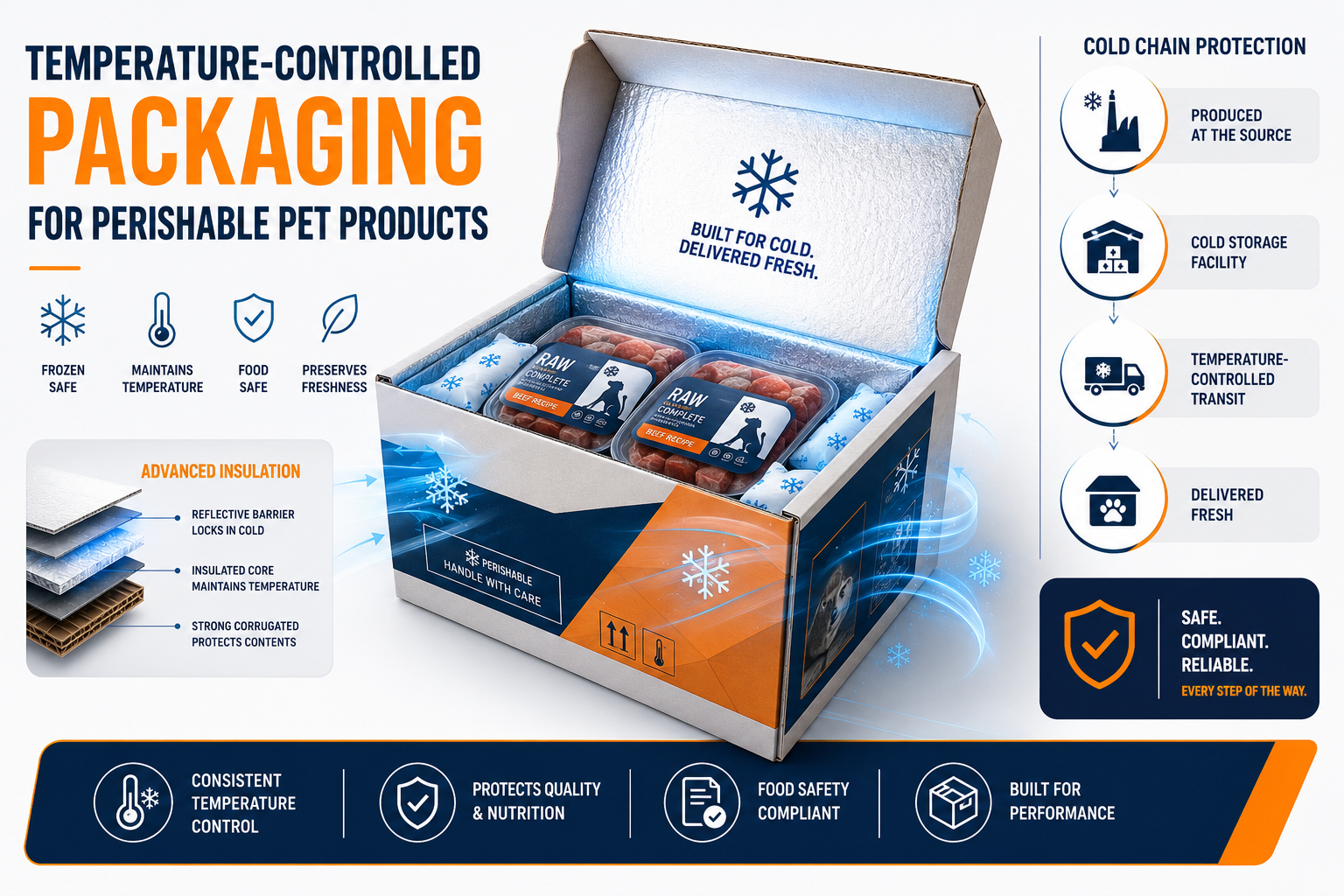
Frozen and fresh pet foods are highly perishable and require strict temperature control throughout the supply chain. Packaging must maintain safe product temperatures during transit,
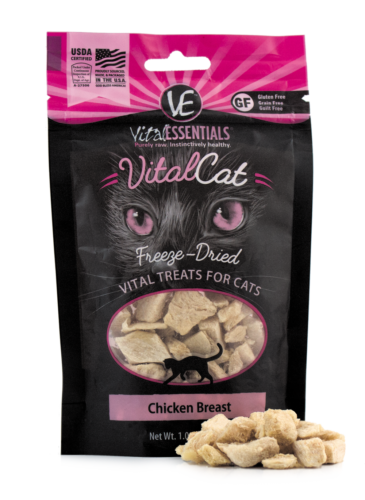
Dry pet food and treats require packaging that not only attracts buyers but also protects product quality throughout its shelf life. The right barrier properties
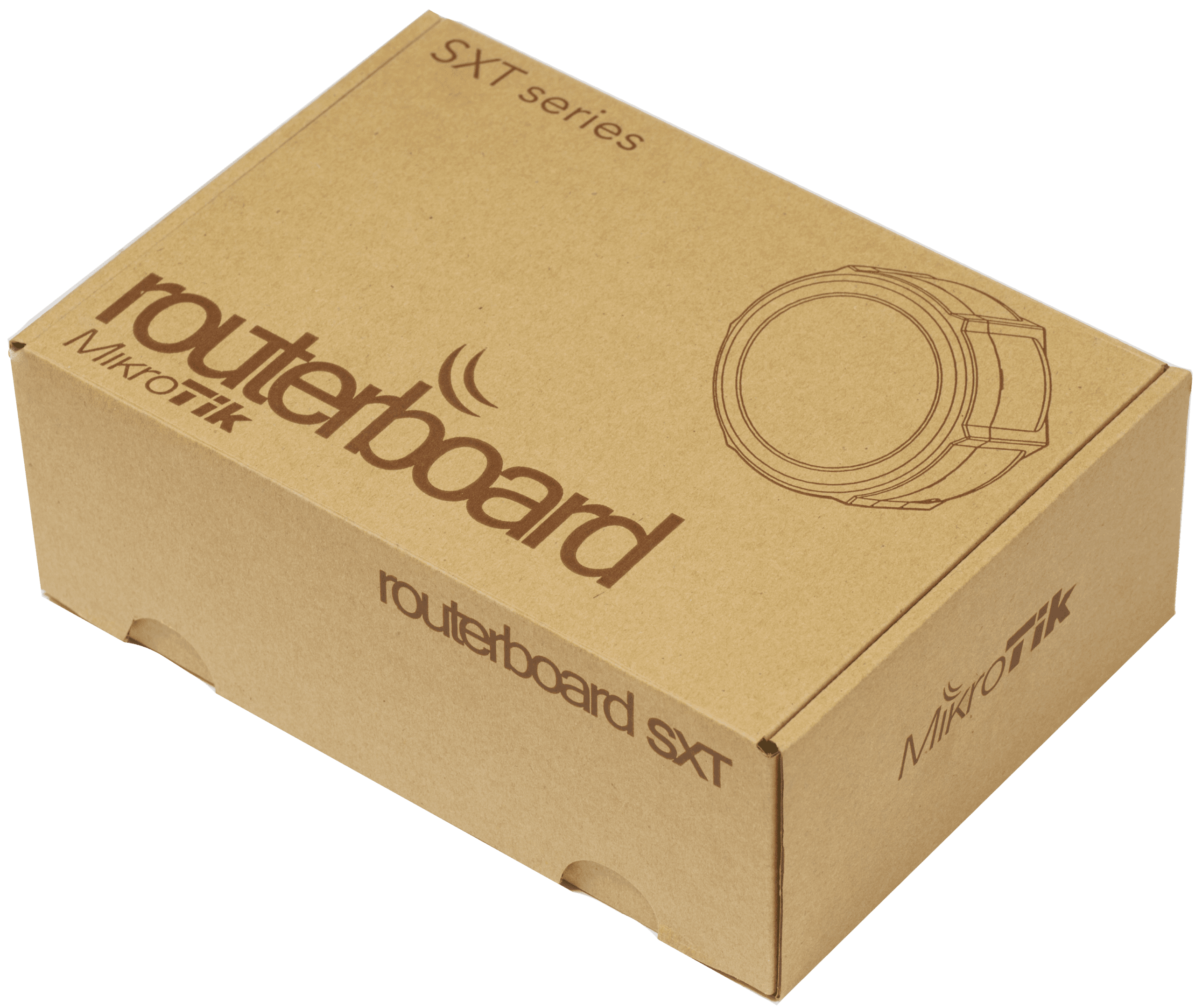
The pressure to stay affordable has never been higher. Between rising material costs, consumer price sensitivity, and evolving retail expectations, brands are being forced to
Full Overlap (FOL) boxes are among the strongest corrugated packaging styles, with flaps that fully overlap to provide double-thickness protection. But the strength of the
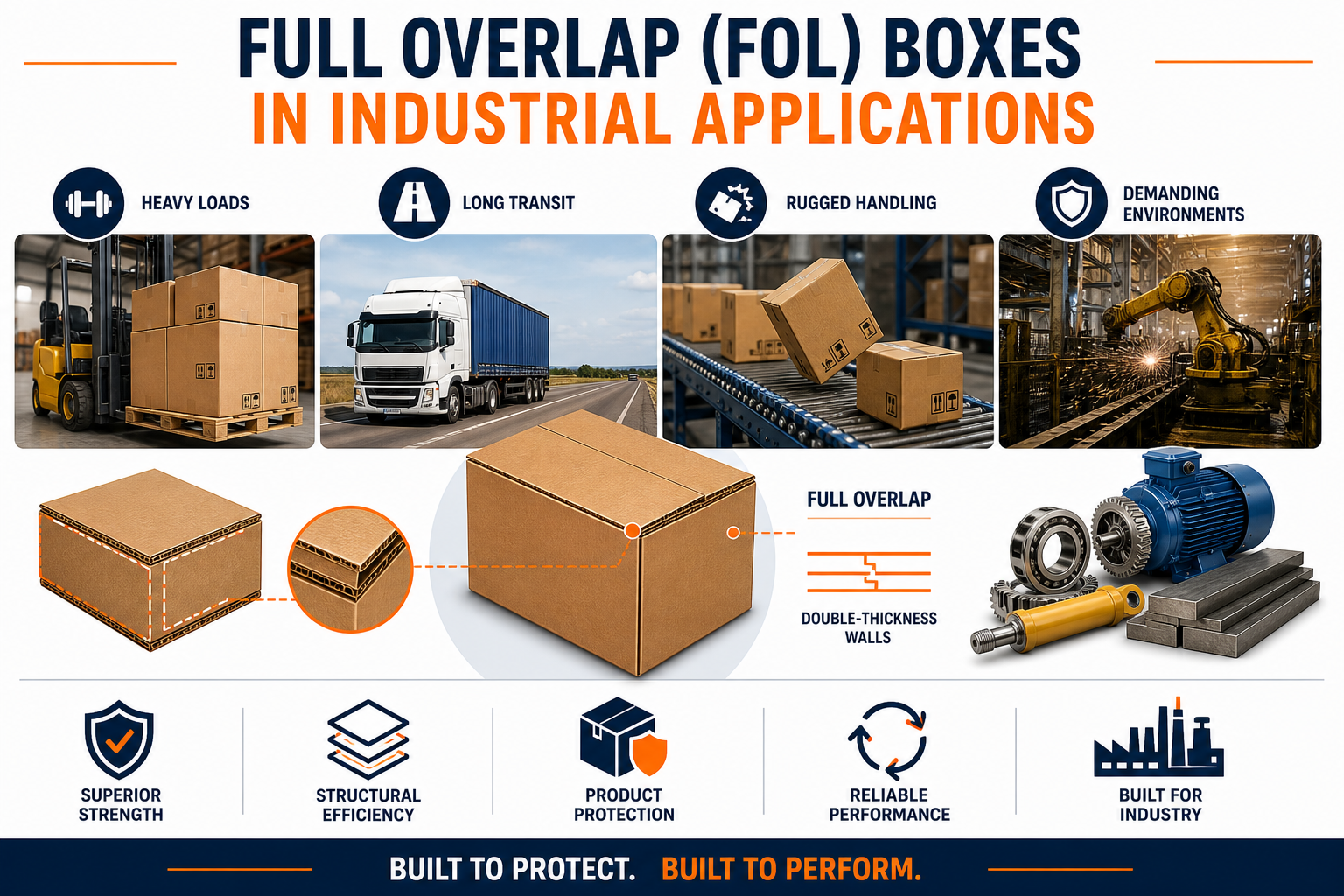
Industrial supply chains demand packaging that can withstand heavy loads, long transit routes, and rugged handling environments. Full Overlap (FOL) boxes offer superior performance in

Full Overlap (FOL) boxes provide superior strength by using overlapping flaps that double the thickness of the top and bottom panels. While this design reduces
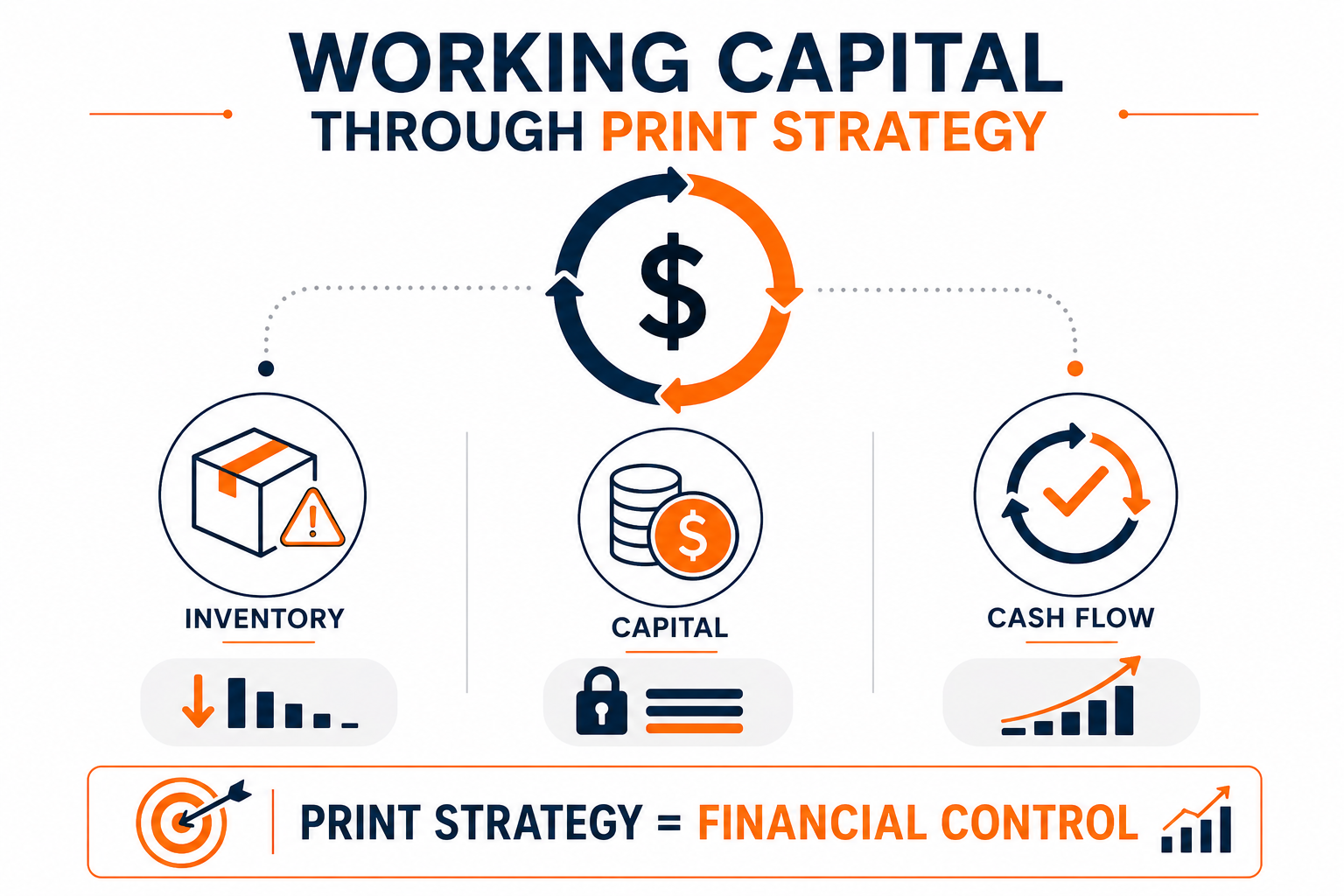
Packaging is rarely viewed as a capital allocation decision. Yet print method selection directly affects working capital, inventory exposure, and cash flow flexibility. In 2026,
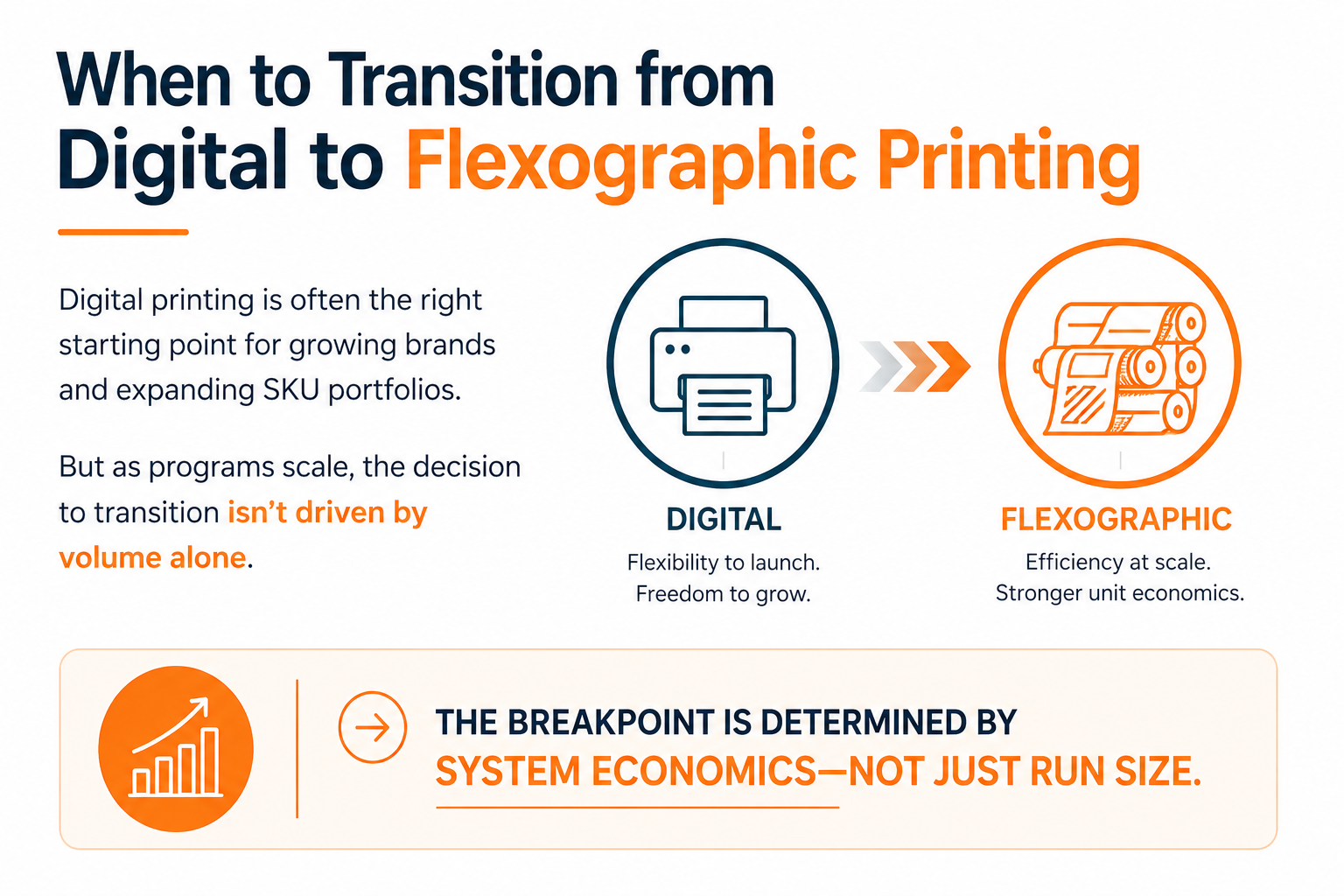
Digital printing is often the right starting point for growing brands and expanding SKU portfolios. But growth eventually raises a critical question: when does it
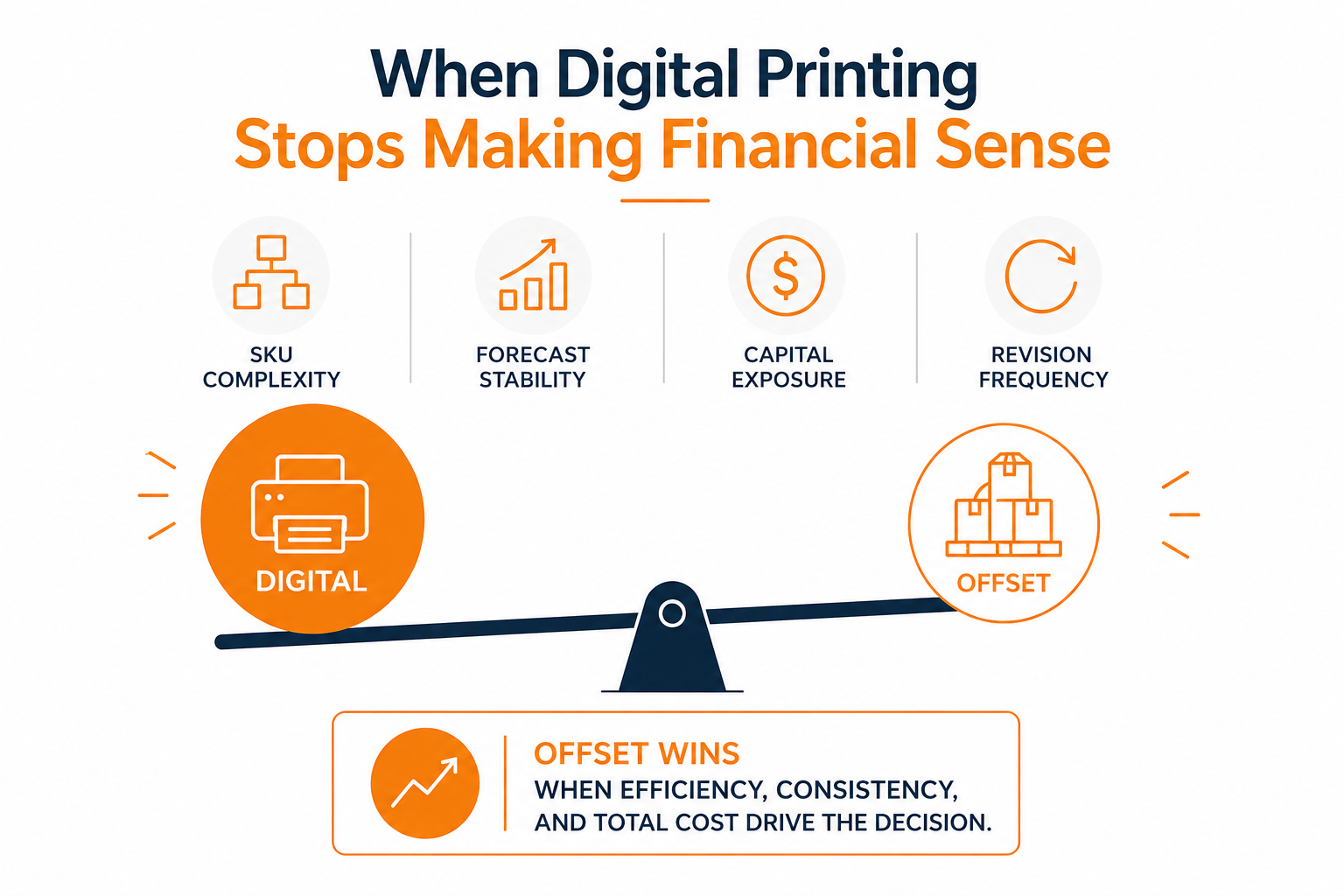
Digital printing is often positioned as the automatic choice for short runs. But the real financial breakpoint isn’t defined by volume alone — it’s determined
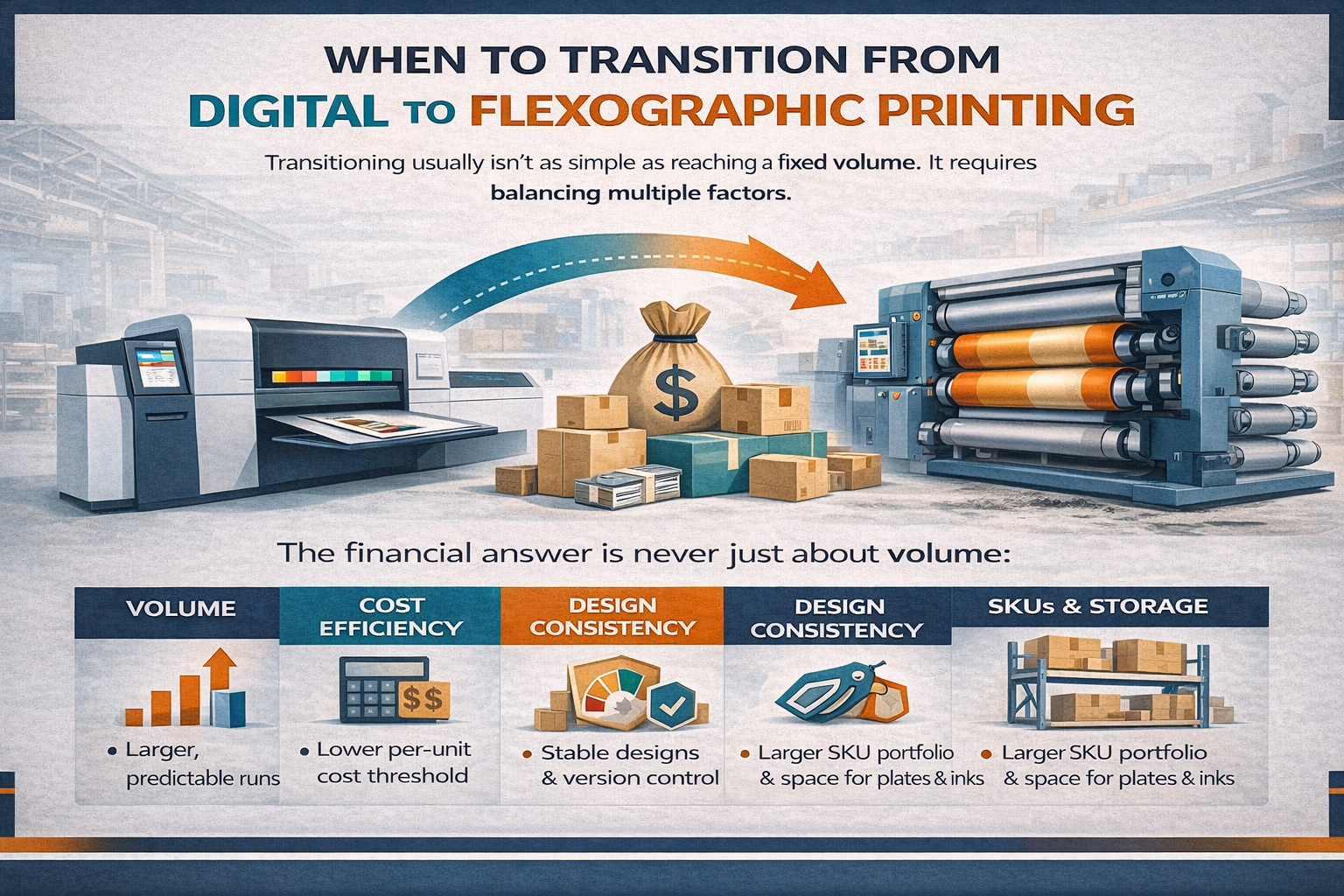
Digital printing is often the right starting point for growing brands and expanding SKU portfolios. But growth eventually raises a critical question: when does it
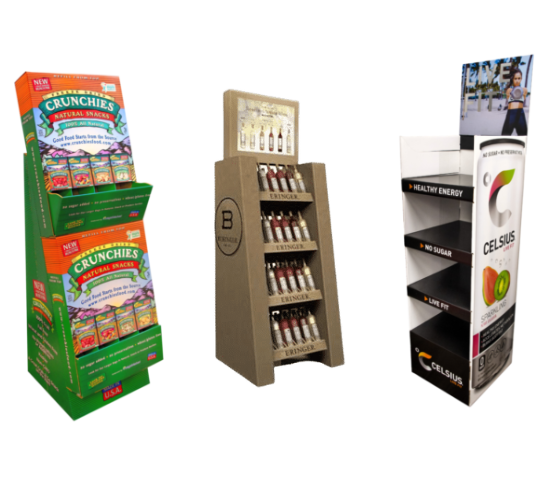
Most POP display programs become inefficient over time—not because of poor design, but because of too many variations. Different sizes, different footprints, different structures. It
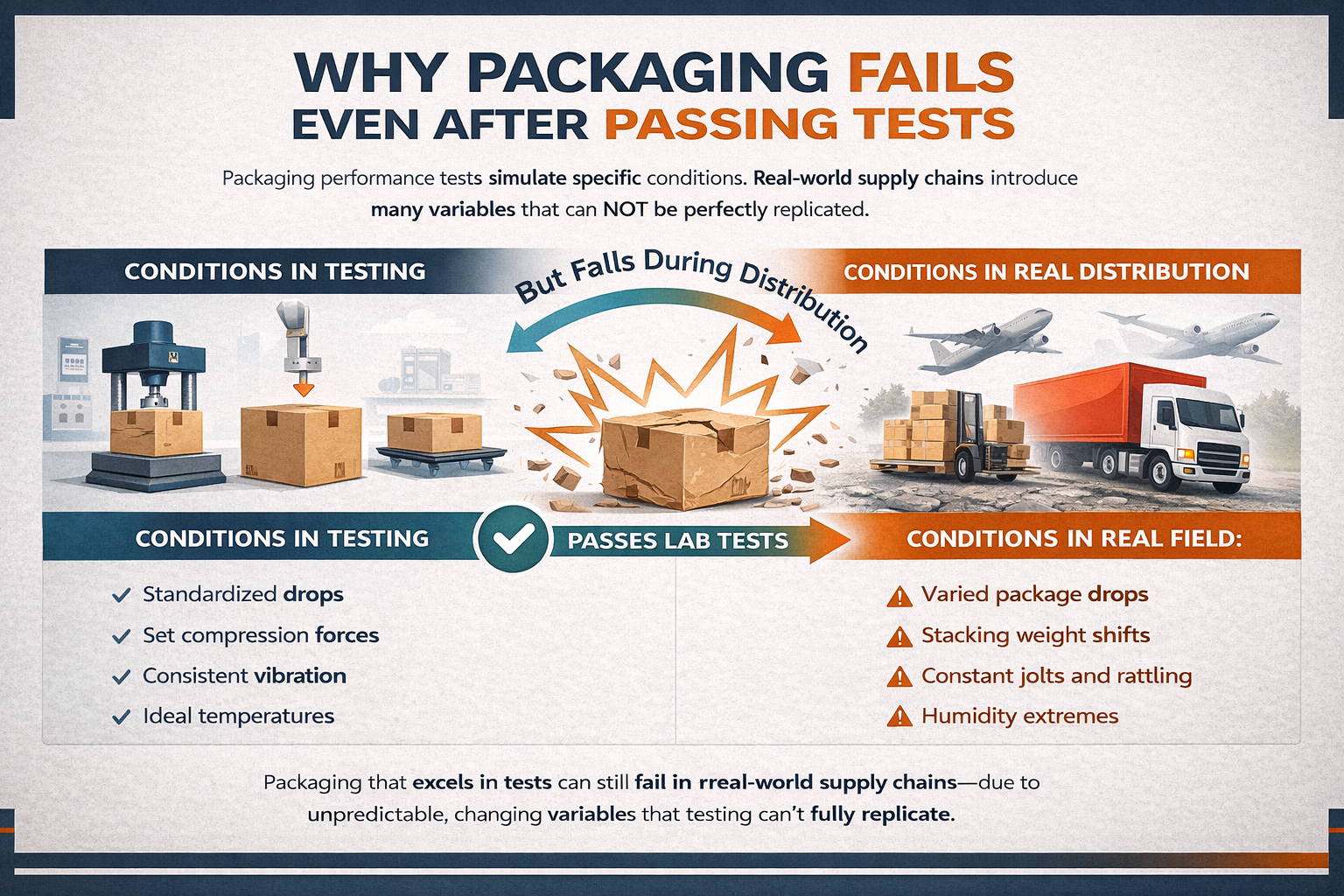
Packaging performance testing is designed to verify that packaging can withstand the stresses of distribution. Tests such as drop testing, compression testing, and vibration testing