


Home » Why Standardizing POP Display Sizes Can Cut Costs
Why Standardizing POP Display Sizes Can Cut Costs
Most POP display programs become inefficient over time—not because of poor design, but because of too many variations.
Different sizes, different footprints, different structures.
It feels flexible—but it creates:
- Higher production costs
- Increased inventory complexity
- Slower fulfillment and rollout
Standardizing display sizes is one of the simplest ways to reduce cost—without sacrificing performance.
The Problem with Too Many Display Variations
When every display is slightly different:
- New tooling is required for each version
- Production setups increase
- Inventory becomes harder to manage
This leads to:
- Higher per-unit costs
- Longer lead times
- More operational friction
Flexibility sounds good—but too much variation creates inefficiency.
What Standardization Actually Means
Standardization doesn’t mean using the exact same display everywhere.
It means:
- Aligning core dimensions across programs
- Using repeatable structural designs
- Keeping consistent footprints where possible
Examples:
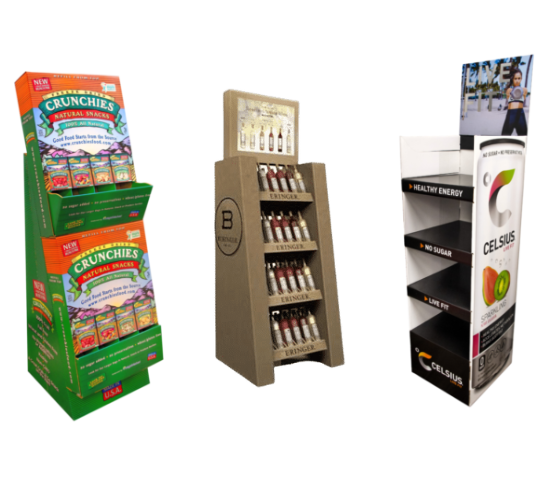
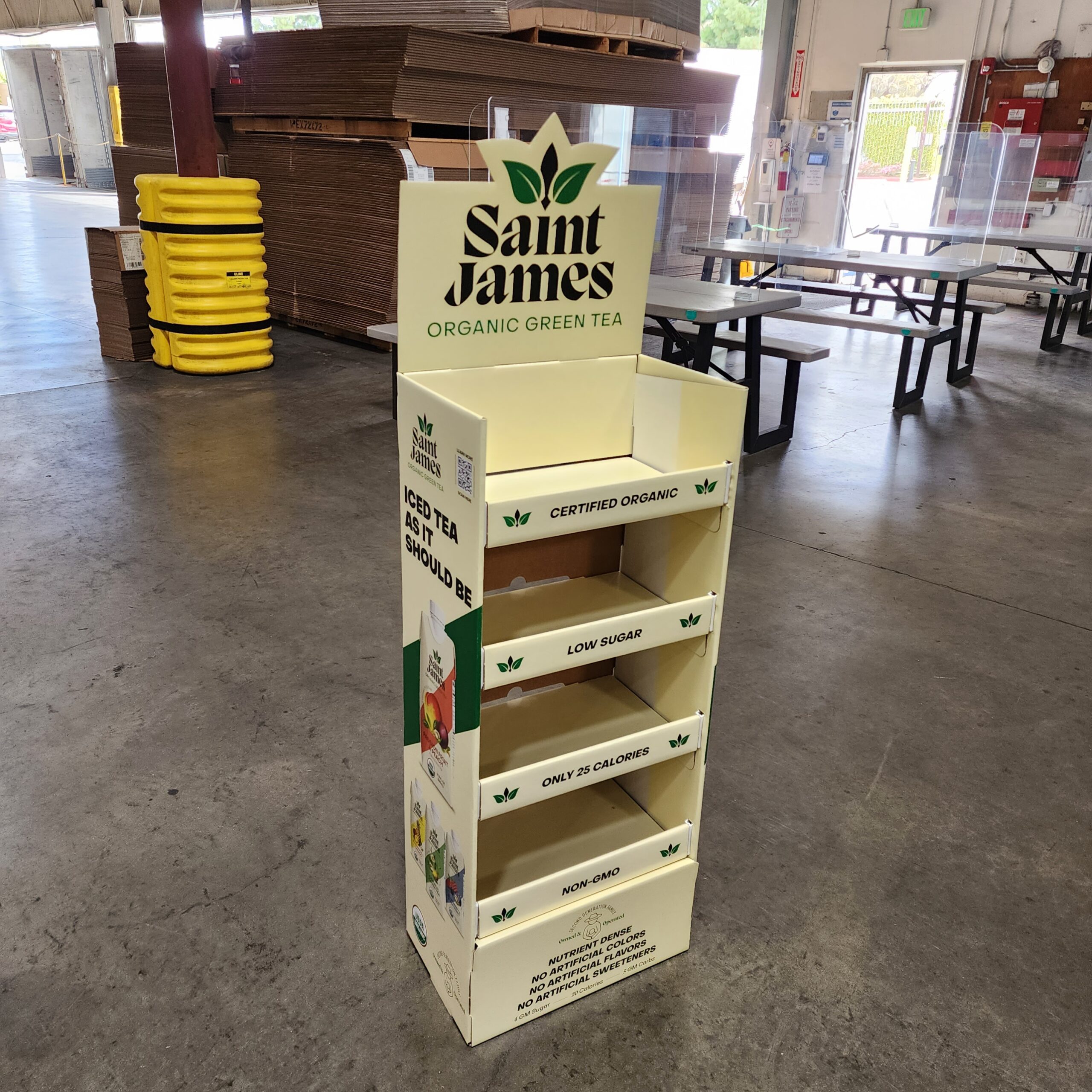
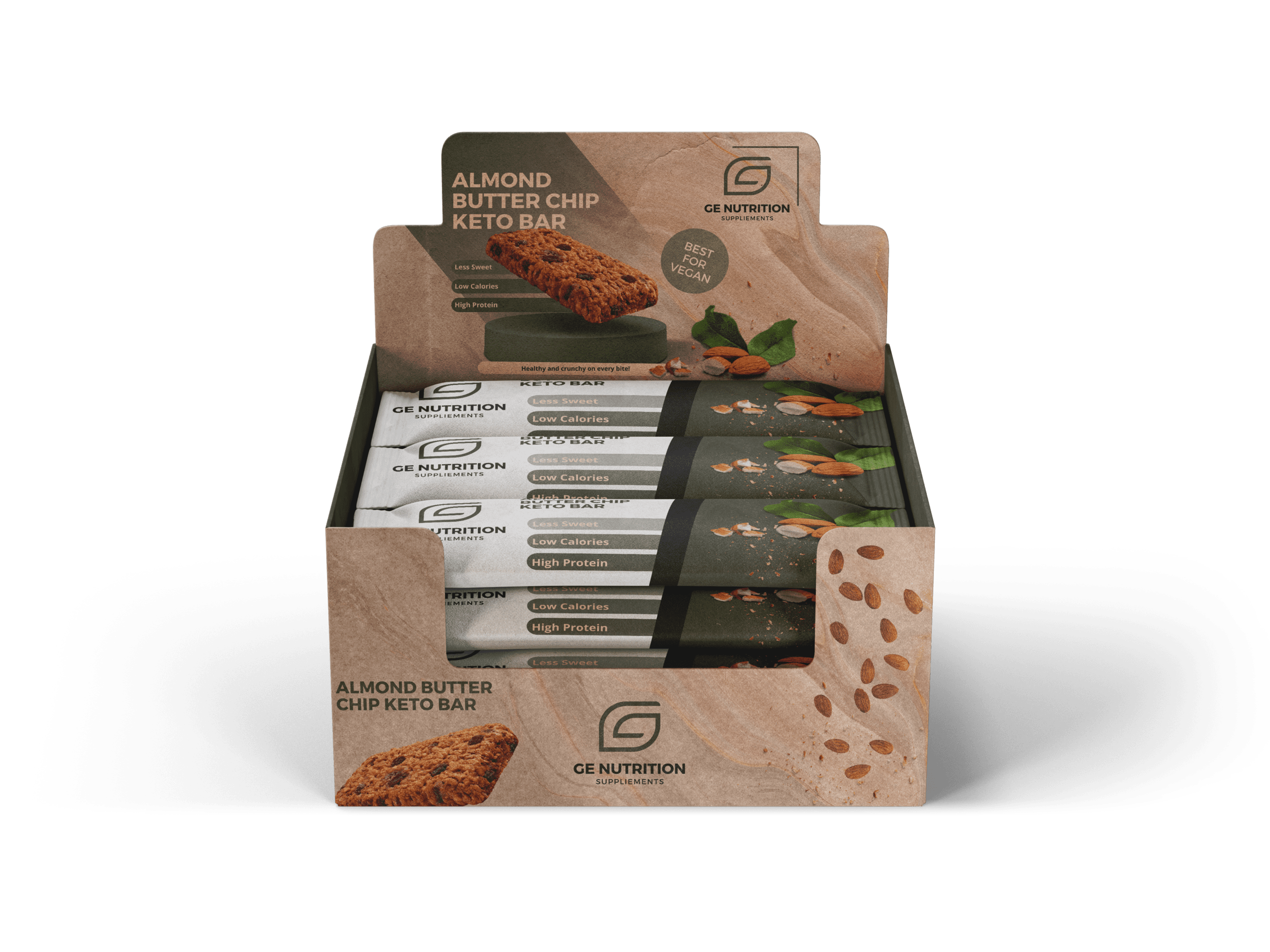
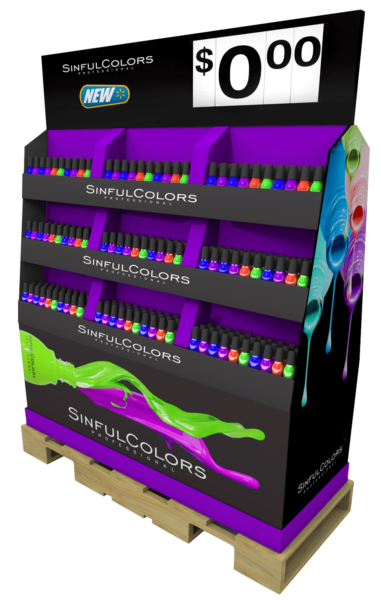
- Same base footprint with different graphics
- Shared structural templates across SKUs
- Modular designs that adapt without redesign
You’re standardizing the framework—not the entire display.
How Standardization Reduces Production Costs
Every unique display requires:
- New dielines
- New tooling
- New setup time
By standardizing:
- Tooling costs are reduced or reused
- Production runs become more efficient
- Setup time decreases across orders
Over multiple programs, this creates significant cost savings.
Inventory and Warehousing Benefits
Too many display sizes create inventory problems:
- More SKUs to track
- More storage space required
- Increased risk of overstock or stockouts
Standardization leads to:
- Simplified inventory management
- Better forecasting accuracy
- Reduced storage requirements
Fewer variations = more control.
Faster Fulfillment and Rollouts
When displays are standardized:
- Production is more predictable
- Inventory is easier to allocate
- Orders can be fulfilled faster
This is critical for:
- Promotions
- Seasonal launches
- Large retail rollouts
Speed becomes a competitive advantage.
Freight and Logistics Efficiency
Consistent display sizes improve:
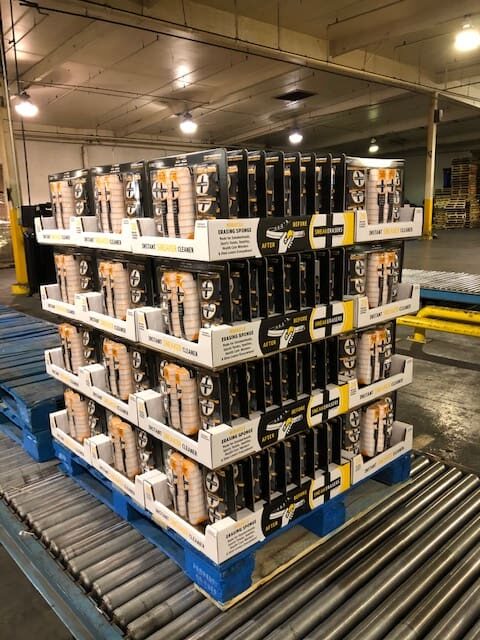
- Pallet configuration
- Truck loading efficiency
- Shipping cost per unit
Benefits include:
- Better pallet density
- Reduced wasted space in transit
- Lower freight costs
Logistics becomes more streamlined across programs.
Where Standardization Still Needs Flexibility
Not everything should be standardized.
Exceptions include:
- Unique product sizes or weights
- Retailer-specific requirements
- Premium or branded campaigns
The goal isn’t uniformity—it’s controlled variation.
The Balance: Standard Core, Flexible Execution
High-performing programs:
- Standardize structural foundations
- Customize graphics and messaging
- Adjust inserts or components as needed
This keeps:
- Costs low
- Flexibility intact
- Performance consistent
Where Brands Get It Wrong
- Over-customizing every display
- Ignoring repeatable design opportunities
- Creating new sizes for minor differences
- Not aligning programs across SKUs
These decisions increase cost without improving results.
What Standardized Programs Do Better
They:
- Reduce tooling and production cost
- Simplify inventory management
- Improve fulfillment speed
- Optimize shipping efficiency
- Maintain consistent performance across programs
They scale better—and scale is where savings happen.
How Brown Packaging Builds Scalable Display Programs
At Brown Packaging, we help brands standardize where it matters—without limiting flexibility.
We focus on:
- Developing repeatable structural systems
- Reducing unnecessary variation across SKUs
- Aligning display dimensions with logistics efficiency
- Maintaining performance across all programs
Because the most efficient display programs aren’t the most customized—they’re the most strategically consistent.
References
Soroka, W. (2009). Fundamentals of Packaging Technology (4th ed.). IoPP.
Freedonia Group. (2023). Retail Display Market Analysis.
Deloitte. (2022). Supply Chain and Inventory Optimization Report.
McKinsey & Company. (2021). Operational Efficiency in Manufacturing.
Shop! Association. (2023). Retail Display Production Guidelines.
Exporting products requires packaging that can endure extended transit times, multiple handling points, and strict international regulations. Full Overlap (FOL) boxes are a proven solution for export shipments because their
A POP display can be perfectly designed, well-produced, and shipped on time… …and still never get placed. This isn’t a design failure—it’s an execution failure. And it’s more common than
Your POP display isn’t used the way you designed it. It’s used the way the store needs it. That means: Products get moved Inserts get removed Layouts get simplified Structure
Lower cost per unit looks like a win. Until the display: Fails early Doesn’t get placed Doesn’t sell product Then it becomes expensive—fast. Because POP display cost isn’t about what
Home » Why Standardizing POP Display Sizes Can Cut Costs