
window.uetq = window.uetq || []; window.uetq.push(‘event’, ‘submit_lead_form’,{ event_label:‘SUBMIT MESSAGE’ }); window.lintrk('track', { conversion_id: 10271009 }); window.lintrk('track', { conversion_id: 10271017 });

Sustainable Stock Packaging

Our sustainable stock packaging products include a wide range of eco-friendly options such as corrugated boxes, chipboard boxes, kraft paper, and mailers. Each product is designed to minimize environmental impact while providing reliable packaging solutions. From durable boxes to recyclable materials, we offer sustainable choices for all your packaging needs.

Sustainable Stock Packaging

Our sustainable stock packaging products include a wide range of eco-friendly options such as corrugated boxes, chipboard boxes, kraft paper, and mailers.

How We Can Assist In Your Sustainability Goals

We assist you in achieving your sustainable packaging goals by offering a range of certified stock packaging solutions, including products that meet standards like FSC, SFI, and BPI for responsible sourcing and recyclability. Our packaging also helps you reduce material waste, improve recyclability, and lower your carbon footprint, all while meeting the highest industry certifications for sustainability.

Stretch Film
Edit Content
Reduce Environmental Impact
Customers want packaging that minimizes their environmental footprint by using recyclable or biodegradable materials. Products like kraft tape and corrugated boxes help achieve this by being made from renewable resources and designed for easy recycling. This reduces landfill waste and supports a circular economy.
Improve Recyclability
A key goal for many businesses is ensuring their packaging can be easily recycled by consumers. Corrugated boxes, chipboard boxes, and kraft mailers are designed with high recyclability, allowing materials to be reprocessed and reused. This contributes to a more sustainable supply chain and reduces the need for virgin materials.
Use of Recycled Content
Incorporating recycled content into packaging helps conserve resources and reduce waste. Products like kraft tape and corrugated boxes often include post-consumer or post-industrial recycled materials, supporting sustainability without sacrificing quality. This approach also reduces the demand for new raw materials, lowering the overall environmental impact.
Minimize Material Waste
Customers aim to reduce excess material in packaging to prevent waste and lower shipping costs. Edge protectors and chipboard boxes offer sturdy protection with minimal material usage, optimizing packaging without compromising product safety. Efficient packaging designs help meet sustainability goals while saving on resources and costs.
Support Sustainable Sourcing
Many businesses prioritize packaging made from sustainably sourced materials, such as kraft paper and corrugated boxes made from responsibly managed forests. This ensures that raw materials are harvested in an environmentally friendly way, helping customers meet their sustainability targets. Certification programs like FSC also guarantee responsible sourcing practices.
Lower Carbon Footprint
Reducing carbon emissions associated with packaging production and shipping is a growing priority for customers. Lightweight options like kraft mailers and chipboard boxes help reduce transportation emissions due to their minimal weight. This helps businesses lower their overall carbon footprint while still protecting their products.
Cost Effective Sustainability
Customers look for sustainable packaging solutions that also help control costs. Products like kraft tape, chipboard boxes, and kraft mailers provide affordable, eco-friendly options without sacrificing quality. This balance between cost and sustainability is critical for businesses aiming to be both financially efficient and environmentally responsible.
Edit Content
Forest Stewardship Council (FSC) Certification
FSC certification ensures that materials like kraft paper, corrugated boxes, and chipboard boxes come from responsibly managed forests. This certification is key for companies prioritizing sustainable sourcing, as it guarantees that raw materials are harvested in an environmentally and socially responsible manner.
Sustainable Forestry Initiative (SFI) Certification
SFI certification is another widely recognized label that assures buyers the packaging materials are sourced from sustainably managed forests. Stock packaging items like corrugated boxes or kraft paper often carry this certification, which supports sustainable forest management in North America.
Recycled Content Certification (SCS Global)
This certification verifies the use of post-consumer or post-industrial recycled materials in packaging products. Stock packaging items such as chipboard boxes or kraft mailers can meet this standard, showcasing a commitment to reducing the use of virgin materials and promoting a circular economy.
Cradle to Cradle Certification
Cradle to Cradle assesses the sustainability of materials based on factors like material health, reuse, and renewable energy. Stock packaging products that meet this certification are designed for a circular economy, ensuring recyclability or compostability, and minimizing environmental impact throughout the lifecycle.
How2Recycle Label
This labeling program provides clear instructions for consumers on how to properly recycle packaging materials. Stock items like corrugated boxes, kraft mailers, and edge protectors may carry this label to help improve recycling rates and ensure proper disposal of packaging.
USDA Certified Biobased Product
This certification indicates that stock packaging products, such as kraft paper or boxes, are made from renewable biological ingredients. It ensures that the packaging contributes to reducing reliance on fossil fuels by utilizing plant-based or renewable materials.
ISO 14001 Environmental Management System
ISO 14001 is a globally recognized standard that ensures a company’s packaging products are produced using environmentally responsible practices. It applies to stock packaging as well, helping customers ensure that their packaging suppliers are committed to minimizing environmental impact throughout production.

Stock Products

We offer a range of foam packaging products, including inserts, sheets, pads, end caps, and edge protectors, designed for maximum product protection. These solutions are tailored to fit your packaging needs, ensuring durability and sustainability throughout the supply chain.

Corrugated, Chipboard, Kraft & Sustainability Explained

Our sustainable packaging options include corrugated, chipboard, and kraft materials, all of which are recyclable and made from renewable or recycled sources. These materials offer eco-friendly, durable solutions that reduce environmental impact while providing reliable protection for your products.

Edit Content
Exploring the Versatility of Packaging Inserts for Corrugated Boxes

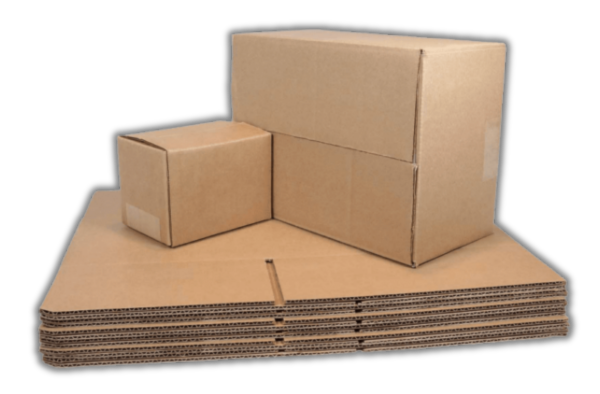
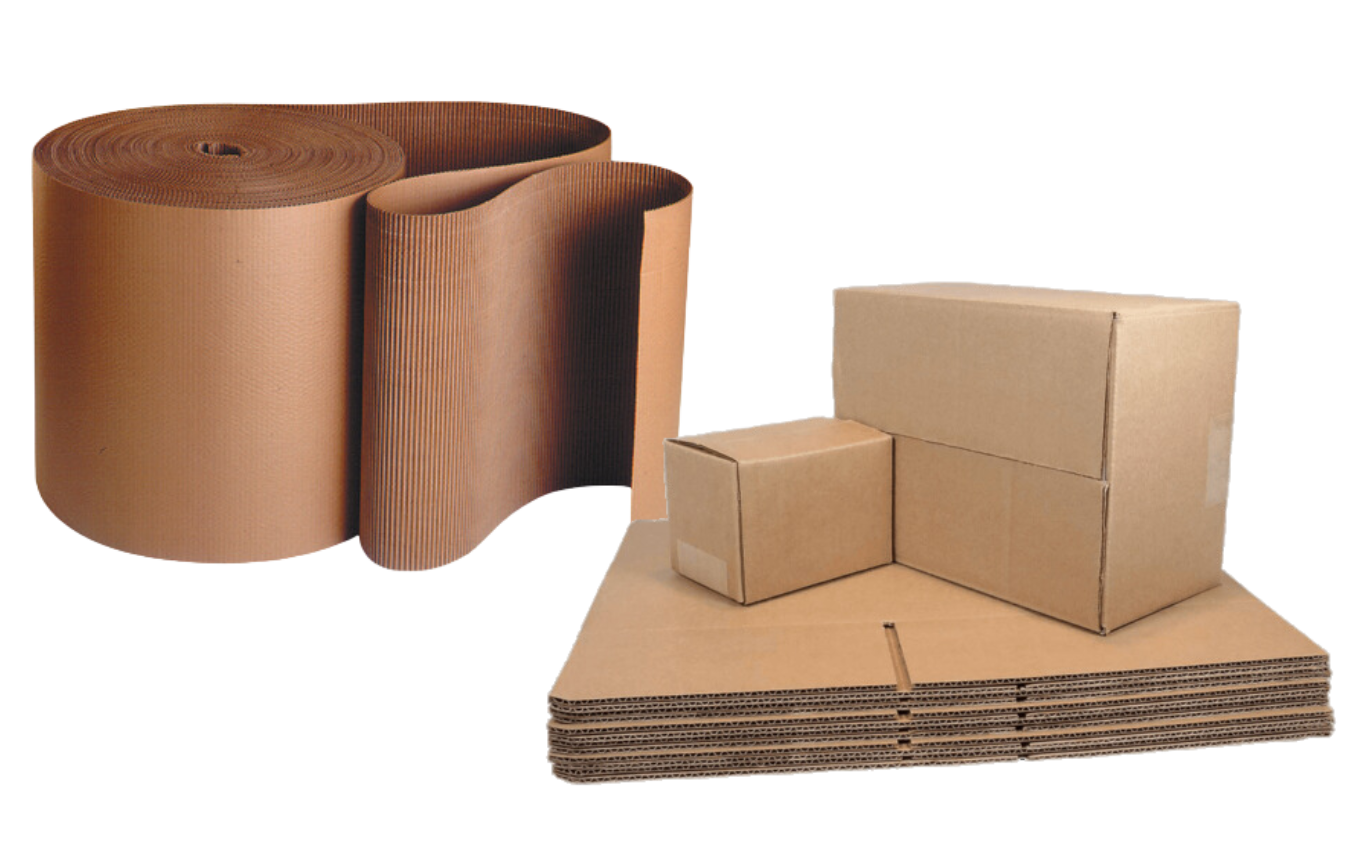
Corrugated packaging is made from renewable wood pulp and is highly recyclable, making it an eco-friendly option. Its durability allows it to be reused multiple times before being recycled, reducing material waste. Although not generally biodegradable due to coatings or adhesives, untreated corrugated may break down in industrial composting environments.

Corrugated Facts:

How to Recycle: Easily recyclable through curbside programs; fibers are reused to create new corrugated materials.

Biodegradable: Not typically biodegradable unless untreated and free of coatings.

Compostable: Not usually compostable, but untreated versions may break down in industrial composting.

Reusable: Can be reused multiple times for shipping and storage before recycling.

Carbon Footprint: Lightweight design reduces emissions during transportation.

Cost Efficiency: Affordable and widely available, offering a balance of sustainability and performance.

Supply Chain Impact: Widely available and easy to source, reducing supply chain disruptions and ensuring consistency.

Edit Content
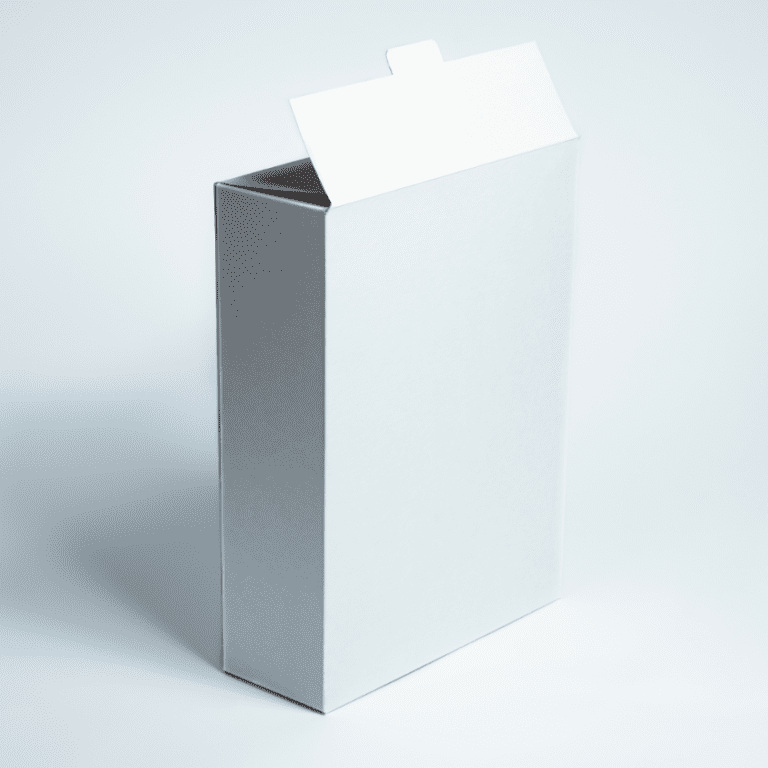
chipboard box

Chipboard is a lightweight and durable packaging material made from recycled paper fibers, making it an eco-friendly choice. It is highly recyclable and can be repurposed into new packaging materials multiple times. Although chipboard is not compostable, it offers a sustainable solution due to its recyclability and low environmental impact during production.

Chipboard Facts:

How to recycle: Easily recyclable through curbside recycling programs, as it is made from recycled paper fibers.

Biodegradable: Chipboard is biodegradable over time when untreated and free of coatings or adhesives.

Compostable: Not typically compostable due to the adhesives or finishes applied, but untreated chipboard may decompose in some composting environments.

Reusable: Can be reused for packaging or cushioning purposes before recycling.

Carbon footprint: Lightweight design reduces transportation emissions, and it is made from recycled materials, further lowering its carbon footprint.

Cost efficiency: Affordable and widely available, making it an economical choice for eco-friendly packaging.

Supply chain impact: Readily available in large quantities, ensuring reliable supply for various packaging needs.

Edit Content
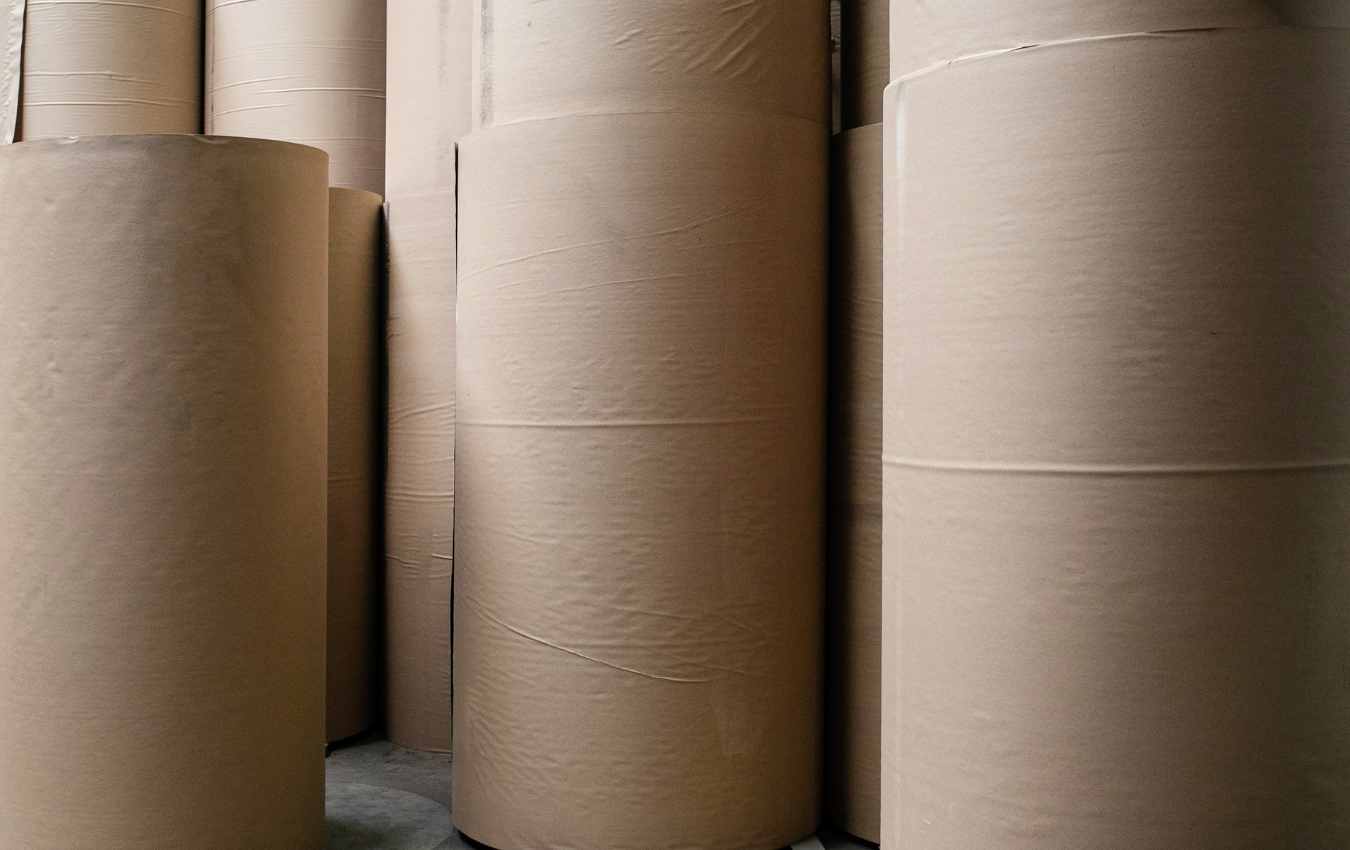
Kraft paper rolls

Kraft paper is an environmentally friendly packaging material made from wood pulp, known for being both recyclable and biodegradable. It can be reused multiple times for wrapping and cushioning before being recycled or composted. Kraft paper breaks down naturally in compost environments when untreated, offering a low-impact disposal option.

Kraft Facts:

How to recycle: Recyclable through curbside programs, provided it’s free from coatings or non-recyclable inks.

Biodegradable: Fully biodegradable when untreated, breaking down naturally in the environment.

Compostable: Compostable if untreated, degrading quickly in compost settings.

Reusable: Can be reused for wrapping, void fill, and other purposes before recycling or composting.

Carbon footprint: Lightweight, reducing emissions in transportation and shipping.

Cost efficiency: Affordable, versatile, and easy to source for various packaging needs.

Supply chain impact: Readily available, ensuring reliable supply for bulk packaging needs.

Stock Versus Custom Sustainable Packaging

Choosing between stock and custom packaging depends on your business needs and sustainability goals. Stock packaging offers cost-effective, ready-made solutions, while custom packaging allows for tailored, eco-friendly designs that minimize waste and enhance brand identity.

Edit Content
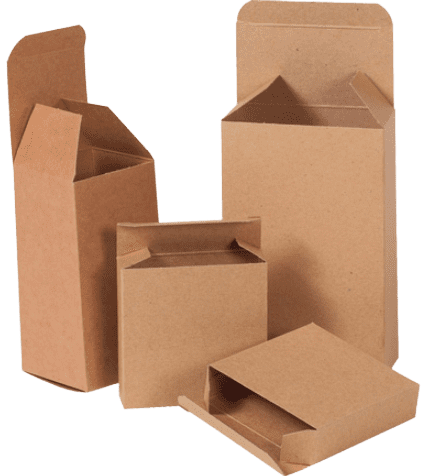
kraft reverse tuck folding carton

Stock packaging is an excellent choice for businesses looking for quick, cost-effective, and eco-friendly solutions. Ready-made packaging such as corrugated boxes, kraft paper, and mailers are readily available and designed with sustainability in mind, often made from recyclable and biodegradable materials. This option is ideal for companies that need efficient, sustainable packaging solutions without the need for customization.

Benefits of Stock Packaging:

  • Cost-Effective: Lower production costs and quicker lead times.
  • Eco-Friendly: Made from recyclable and biodegradable materials.
  • Availability: Readily available in a wide variety of sizes and materials.
Edit Content
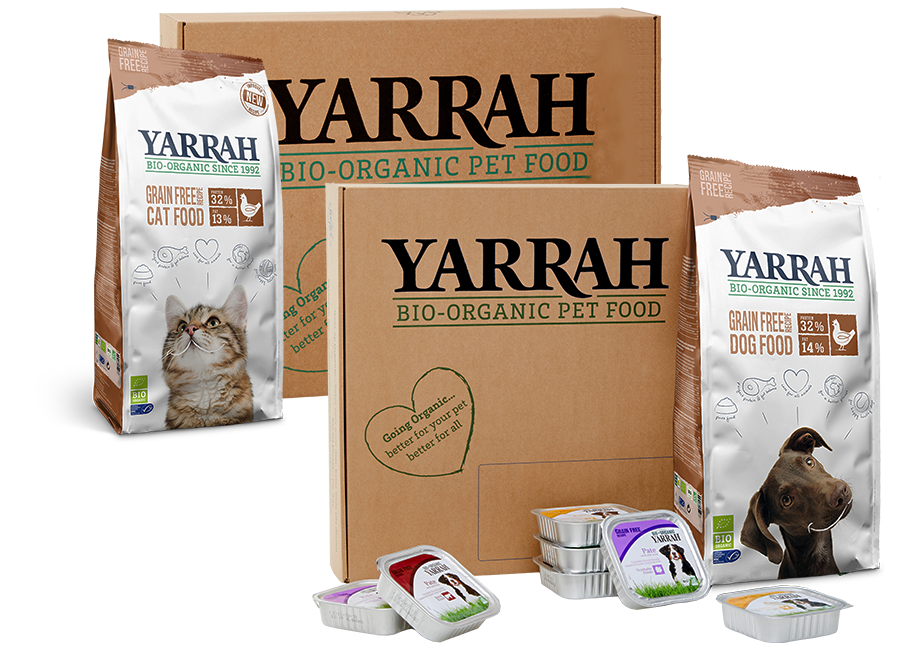
custom corrugated boxes with print and custom printed gusseted pouches

Custom packaging allows businesses to tailor their packaging to specific needs while incorporating sustainable materials and designs. This option enables optimization of packaging size, materials, and branding, reducing waste and improving environmental impact. Custom packaging is perfect for businesses looking to enhance brand identity while ensuring their packaging aligns with sustainability goals.

Benefits of Custom Packaging:

  • Tailored Fit: Custom sizes reduce material waste and optimize shipping efficiency.
  • Branding Opportunities: Customized designs help enhance brand visibility while using sustainable materials.
  • Material Flexibility: Choose specific eco-friendly materials that align with your sustainability goals.

Frequently Asked Questions

Explore how we support your packaging needs with eco-friendly solutions tailored to your business.

Is there an order minimum required for stock packaging?
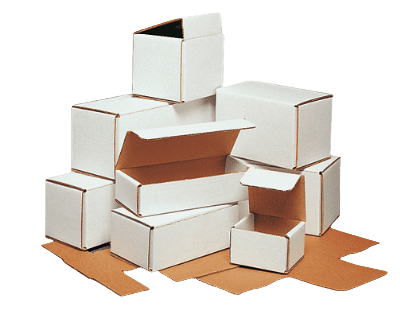
Order minimums vary from project to project, it usually depends on the type of packaging, size and desired materials. Contact us and we will evaluate the best options for your packaging needs.

Corrugated Mailer Boxes
What are your shipping costs and do you deliver throughout the United States?

Shipping is free to all Southern California businesses. Fees are generally added to orders outside of Southern California or if you need a rush order. We also deliver to all of the United States, in which prices for shipping can vary.

I need help selecting the right stock packaging product.
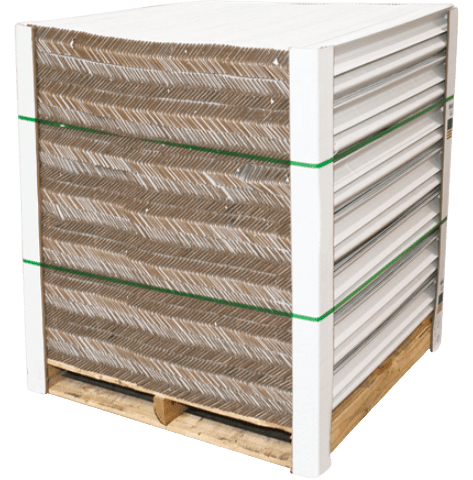
Selecting the right stock sustainable packaging products is crucial for businesses looking to reduce their environmental impact while maintaining product safety and efficiency. Whether you need corrugated boxes, chipboard, kraft materials, or other eco-friendly options, making informed choices helps minimize waste and supports your sustainability goals. Our team is here to help you find the perfect solution for your packaging needs. Contact us for personalized assistance in choosing the right sustainable packaging products for your business.

light duty edge protectors
Where can I learn more about sustainable packaging?
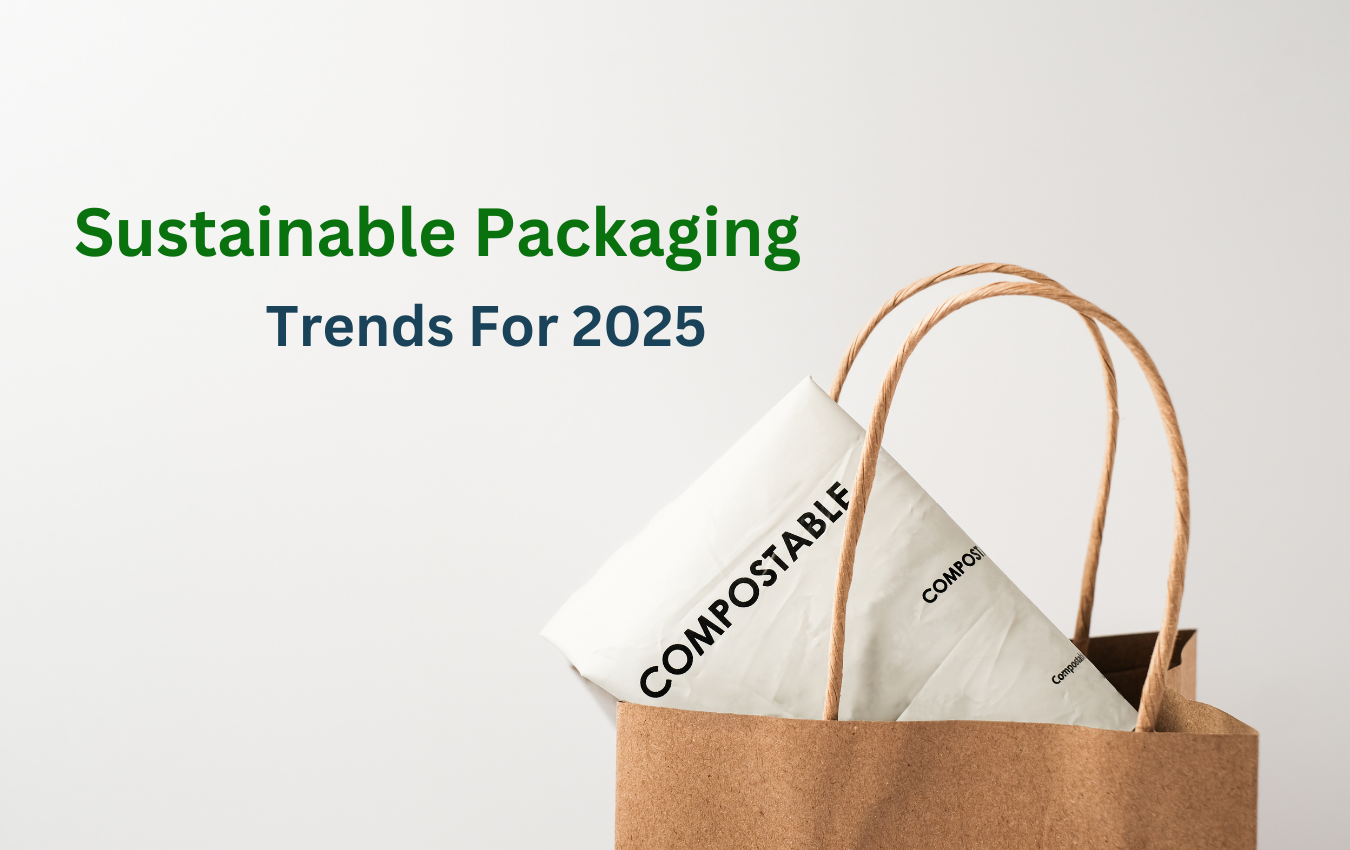
To dive deeper into sustainable packaging, we invite you to explore our blog, which features a wealth of information on eco-friendly practices, innovations in sustainable materials, and expert insights. Our blog is regularly updated to help you stay informed about the latest trends and developments in sustainable packaging. Visit our blog to learn more and take your knowledge to the next level.

Flexographic Printing for Packaging: A Sustainable Solution
Printing
brownpackaging
Flexographic Printing for Packaging: A Sustainable Solution

Flexographic printing is a widely used printing method in the packaging industry that offers several advantages, including high efficiency, versatility, and cost-effectiveness. However, the sustainability of flexographic printing for packaging applications depends on several factors, including the materials used, the printing process, and the disposal of the printed material. In this blog, we will explore these factors in more detail and discuss how companies can adopt sustainable practices to ensure the sustainability of flexographic printing for packaging applications. Materials Used: Sourcing Sustainable Substrate Materials The sustainability of the printed material depends on the sustainability of the substrate material used. Paper and corrugated material is a renewable resource that is widely used in packaging applications. Sustainable paper production practices include using recycled paper, sourcing paper from responsibly managed forests, and using renewable energy sources to power the production process. Plastic is a non-renewable resource that is widely used in packaging applications. Sustainable plastic production practices include using recycled plastic, using bioplastics made from renewable resources, and designing packaging that can be easily recycled or reused. By sourcing sustainable substrate materials, companies can reduce the environmental impact of their packaging materials and ensure the sustainability of their printing practices. Printing Process: Using Environmentally Friendly Inks and Renewable Energy Sources The printing process used in flexographic printing can also impact the sustainability of the printed material. Using environmentally friendly inks, such as water-based or soy-based inks, can reduce the environmental impact of the printing process. These inks are biodegradable and do not contain harmful chemicals, making them a more sustainable choice than traditional petroleum-based inks. Using renewable energy sources, such as solar or wind power, can also reduce the carbon footprint of the printing process and make it more sustainable. Disposal of Printed Material: Designing Packaging for Recycling and Reuse The disposal of printed material is another important factor to consider when assessing the sustainability of flexographic printing for packaging applications. Printed material that is not recycled or reused can end up in landfills, where it can take hundreds of years to break down. Designing packaging that can be easily recycled or reused can help reduce the environmental impact of printed material. This can include using materials that are easily recyclable, such as paper or corrugated, or designing packaging that can be reused, such as refillable containers. Sustainability as a Holistic Approach To ensure the sustainability of flexographic printing for packaging applications, companies should take a holistic approach to their printing practices. This can include sourcing sustainable materials, using environmentally friendly inks, reducing energy consumption, and designing packaging that can be easily recycled or reused. By adopting sustainable practices throughout their printing processes, companies can reduce their environmental impact and help create a more sustainable future for the packaging industry. Conclusion: A Step Towards a Sustainable Future Flexographic printing can be a sustainable printing method for packaging applications, but it requires a commitment to sustainable practices from companies in the packaging industry. By taking a holistic approach to their printing practices and considering the sustainability of their materials, processes, and disposal methods, companies can reduce their environmental impact and help create a more sustainable future for the packaging industry. As consumers become increasingly aware of the environmental impact of packaging materials, companies that adopt sustainable printing practices are likely to have a competitive advantage in the marketplace. If you are interested in custom packaging with flexographic print, then partner with Brown Packaging today to get started. (714)300-0650 request@brownpackaging.com Most Recent Posts: Categories: Corrugated Ecommerce ESD Design Display Flexible Packaging Foam Folding Carton Packaging Plastic Packaging Pouch Printing Protection Retail Rigid Box Thermoform Sustainability Subscribe To Our Newsletter By submitting your information, you agree to our terms and conditions and privacy policy. Custom Packaging Facebook Twitter LinkedIn Pinterest Relevant Posts
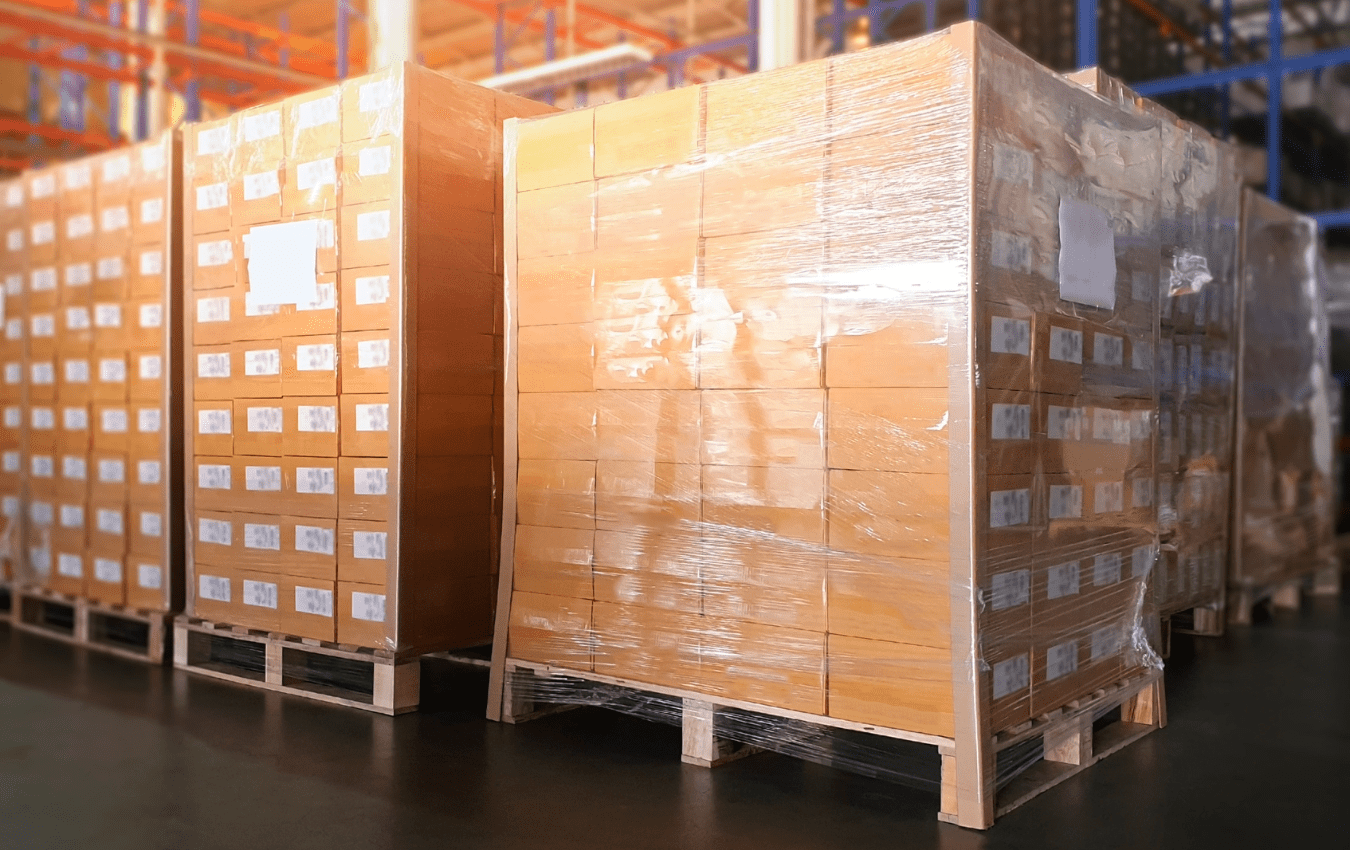
Read More »
Sustainable Trends in the Shipping and Mailing Tubes Industry
Packaging
brownpackaging
Sustainable Trends in the Shipping and Mailing Tubes Industry

In today’s fast-paced world, one industry that keeps businesses and individuals connected is the shipping and mailing industry. An often overlooked but crucial component of this industry is shipping and mailing tubes. These unique packages are designed to protect and transport goods like posters, blueprints, and documents, among other things. With sustainability becoming a global priority, industries, including the shipping and mailing tubes industry, are under increasing pressure to evolve. This article will highlight the current sustainable trends reshaping the shipping and mailing tubes industry. Use of Recycled Materials The push for sustainability has led manufacturers to increasingly turn to recycled materials in the production of shipping and mailing tubes. Using post-consumer waste paper and cardboard not only reduces landfill waste but also lowers the environmental footprint of the industry. Materials like recycled cardboard and paper have become commonplace in this sector, with companies often stating the percentage of recycled materials used in their products. Reusable Shipping Tubes Another emerging trend is the development of reusable shipping tubes. These tubes are designed for multiple uses, with sturdy construction and closures that can be easily opened and closed without damaging the tube. While upfront costs may be higher, these reusable tubes can be cost-effective in the long run and provide an environmentally friendly solution for frequent shippers. Sustainable Packaging Practices Sustainable packaging goes beyond just the tubes themselves. Companies are now focusing on all aspects of their packaging, from the packing materials used inside the tubes (like biodegradable packing peanuts or shredded paper) to the tape used to seal them. Many are also choosing to print with soy-based or other types of eco-friendly inks. Carbon Neutral Shipping While not exclusive to the shipping and mailing tubes industry, the trend towards carbon-neutral shipping has had a significant impact. This involves calculating the carbon emissions generated by shipping goods and investing in projects that reduce or offset those emissions, such as renewable energy projects or tree planting. Many companies are now offering customers the option to choose carbon-neutral shipping at checkout. Supplier Sustainability Programs Businesses are increasingly requiring their suppliers to meet specific sustainability standards. This trend is making waves in the shipping and mailing tubes industry, with manufacturers being asked to provide evidence of their sustainable practices, such as responsible sourcing of materials, waste reduction efforts, and energy-efficient manufacturing processes. Customer Education Companies are also prioritizing educating their customers about sustainable choices. They’re providing clear information about how their tubes are more sustainable, how to recycle them correctly, and the benefits of choosing sustainable options. Education is a vital step in promoting the widespread adoption of sustainable practices. Conclusion Sustainability is more than just a buzzword. It’s a necessary shift to ensure the longevity and health of our planet. The shipping and mailing tubes industry, like many others, is recognizing this and adapting accordingly. The current trends of recycled materials, reusable options, sustainable packaging practices, carbon-neutral shipping, supplier sustainability programs, and customer education are evidence of this growing shift. As consumers, we play an essential role in supporting these trends. By choosing to buy from companies that prioritize sustainability, we can help drive the demand for eco-friendly alternatives and contribute to a more sustainable future. If you are interested in custom or stock mailing tubes, then partner with Brown Packaging today to get started. (714)300-0650 request@brownpackaging.com Most Recent Posts: Categories: Subscribe To Our Newsletter By submitting your information, you agree to our terms and conditions and privacy policy. Custom Mailing Tubes Facebook Twitter LinkedIn Pinterest Relevant Posts

Read More »
California's Rigid Plastic Packaging Container (RPPC) Act
Plastic Packaging
brownpackaging
California’s Rigid Plastic Packaging Container (RPPC) Act

California has long been a pioneer in environmental protection, and its stringent packaging laws are a testament to its commitment to sustainability. Among these regulations, the Rigid Plastic Packaging Container (RPPC) Act stands out as a game-changer. This law not only promotes eco-friendly packaging but also holds manufacturers accountable for reducing packaging waste. In this blog, we will delve into the RPPC Act, exploring its key provisions, impact, and implications for businesses and consumers. Understanding the RPPC Act The RPPC Act, enacted in 1991, places specific requirements on manufacturers of rigid plastic packaging containers sold in California. Its primary objective is to minimize packaging waste and promote recycling. Here are the key provisions of the RPPC Act: Minimum Recycled Content: One of the fundamental requirements of the RPPC Act is that manufacturers must use a minimum percentage of recycled content in the production of rigid plastic packaging containers. This provision encourages the use of post-consumer recycled materials in packaging, reducing the demand for virgin plastics. Recycling Symbols: To enhance recycling efforts and raise consumer awareness, the RPPC Act mandates that qualifying containers bear specific recycling symbols. These symbols provide valuable information to consumers about the recyclability of the packaging. Compliance and Penalties: Non-compliant products, those that do not meet the RPPC Act’s requirements, may face penalties. Manufacturers are obligated to ensure that their packaging adheres to the law’s provisions to avoid potential fines and legal repercussions. Impact on Packaging Sustainability The RPPC Act has had a profound impact on packaging sustainability in California and serves as a model for other states and regions. Here’s how this law has contributed to a greener and more sustainable packaging landscape: Encouraging the Use of Recycled Materials: By mandating a minimum percentage of recycled content in rigid plastic packaging containers, the RPPC Act incentivizes manufacturers to incorporate recycled materials into their products. This reduces the demand for new plastic production and conserves resources. Promoting Recycling Education: The requirement for specific recycling symbols on packaging helps educate consumers about proper recycling practices. When consumers see these symbols, they are more likely to participate in recycling programs, diverting more packaging waste from landfills. Reducing Packaging Waste: Perhaps the most significant impact of the RPPC Act is its role in reducing packaging waste. By setting recycling standards and encouraging the use of recycled materials, the law minimizes the environmental footprint of packaging. Implications for Businesses and Consumers Compliance Challenges for Manufacturers: Manufacturers operating in California must invest in research, development, and production processes that align with the RPPC Act’s requirements. This may involve sourcing recycled materials, redesigning packaging, and ensuring proper labeling. Competitive Advantage: Businesses that proactively comply with the RPPC Act gain a competitive advantage in California’s environmentally conscious market. They can market their products as eco-friendly and responsible choices. Consumer Empowerment: Consumers benefit from the RPPC Act through increased awareness of recycling symbols and access to more sustainable packaging options. They can make informed choices that align with their environmental values. If you are interested in California packaging compliant solutions, then partner with Brown Packaging today to get started. (714)300-0650 request@brownpackaging.com Most Recent Posts: Categories: Corrugated Ecommerce ESD Design Display Flexible Packaging Foam Folding Carton Packaging Plastic Packaging Pouch Printing Protection Retail Rigid Box Thermoform Sustainability Subscribe To Our Newsletter By submitting your information, you agree to our terms and conditions and privacy policy. Custom Packaging Facebook Twitter LinkedIn Pinterest Relevant Posts

Read More »
Is there an order minimum required for packaging foam?
Order minimums vary from project to project, it usually depends on the type of packaging, size and desired materials. Contact us and we will evaluate the best options for your packaging needs.
What are your shipping costs and do you deliver throughout the United States?
Shipping is free to all Southern California businesses. Fees are generally added to orders outside of Southern California or if you need a rush order.
I need help selecting the stock packaging products.
Selecting the right stock sustainable packaging products is crucial for businesses looking to reduce their environmental impact while maintaining product safety and efficiency. Whether you need corrugated boxes, chipboard, kraft materials, or other eco-friendly options, making informed choices helps minimize waste and supports your sustainability goals. Our team is here to help you find the perfect solution for your packaging needs. Contact us for personalized assistance in choosing the right sustainable packaging products for your business.
Where can I learn more about sustainable packaging?
For comprehensive insights into sustainable packaging, we invite you to explore the Brown Packaging blog. Our blog is regularly updated with the latest trends, tips, and guidelines on eco-friendly packaging solutions. Visit us to deepen your understanding and stay informed about sustainable practices in the packaging industry.