
window.uetq = window.uetq || []; window.uetq.push(‘event’, ‘submit_lead_form’,{ event_label:‘SUBMIT MESSAGE’ }); window.lintrk('track', { conversion_id: 10271009 }); window.lintrk('track', { conversion_id: 10271017 });

10 Top Sustainable Packaging Trends for 2025

10 Top Sustainable Packaging Trends for 2025

As environmental concerns continue to dominate consumer and regulatory conversations, the packaging industry is responding with innovative, eco-friendly solutions. In 2025, sustainable packaging will not only be a trend but a necessity for businesses looking to reduce their environmental footprint and appeal to increasingly eco-conscious consumers. Here are the top sustainability packaging trends expected to shape the industry in the coming years:

  1. Biodegradable and Compostable Materials
  2. Recyclable Packaging Solutions
  3. Lightweight Packaging
  4. Reusable Packaging Systems
  5. Plant-Based Packaging
  6. Monomaterial Packaging
  7. Zero-Waste Packaging
  8. Minimalistic Packaging Designs
  9. Renewable Energy in Packaging Production
  10. Smart Packaging for Sustainability

Biodegradable and Compostable Materials

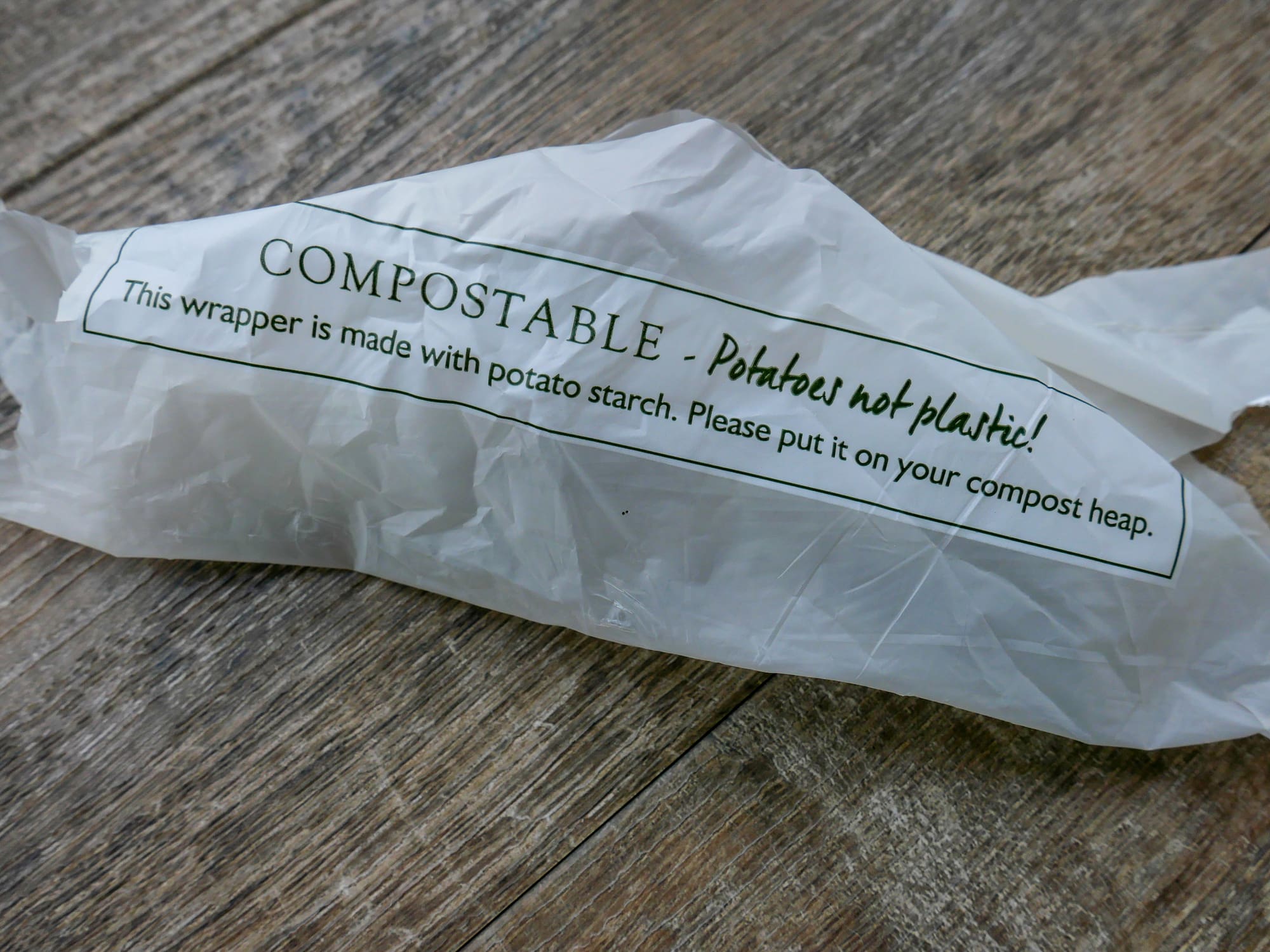
The use of biodegradable and compostable materials is on the rise, as more companies turn to alternatives that naturally break down in the environment. Materials such as plant-based plastics, seaweed, and other organic fibers are becoming popular in food and single-use packaging, helping to eliminate waste and reduce landfill use.

Potato starch compostable wrapper

Recyclable Packaging Solutions

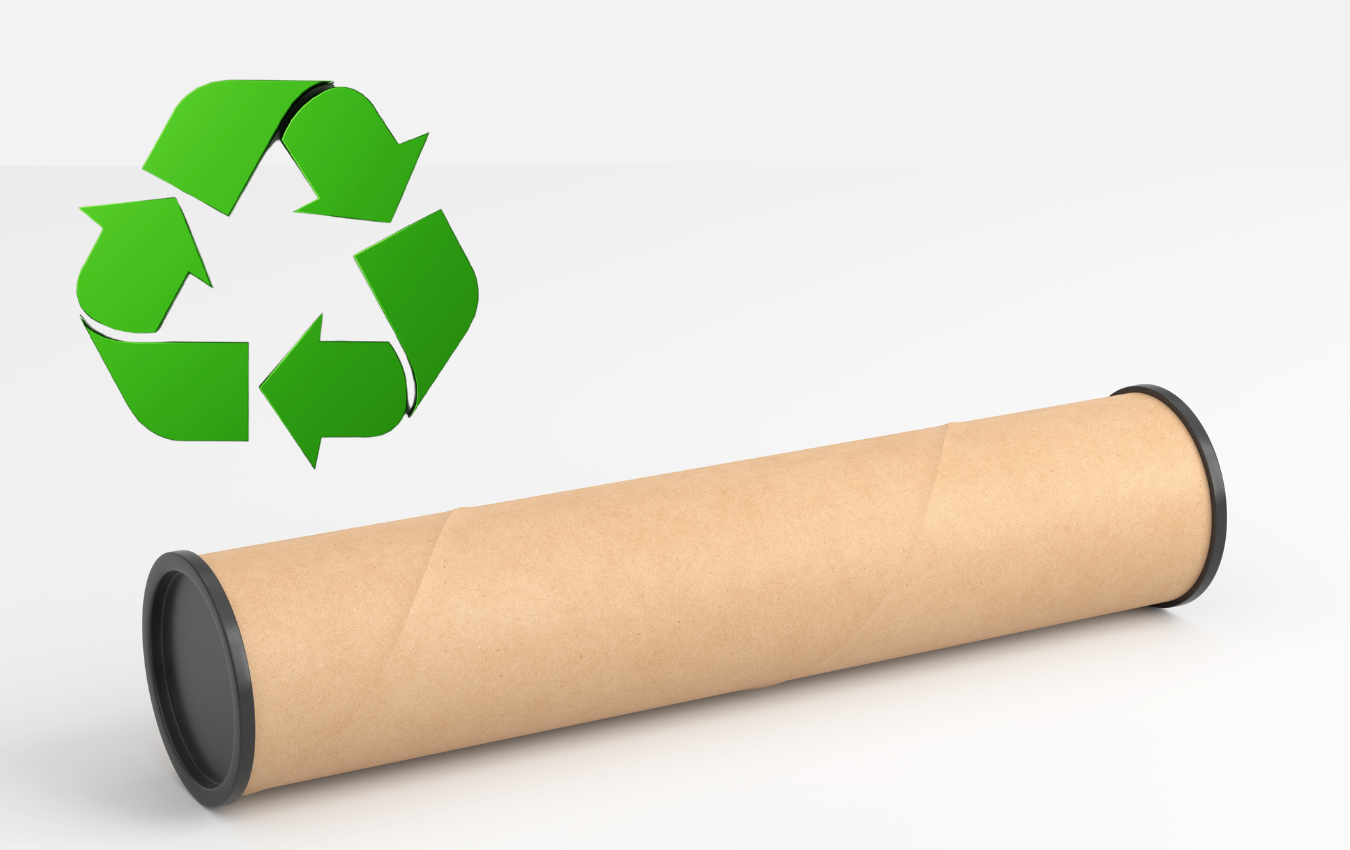
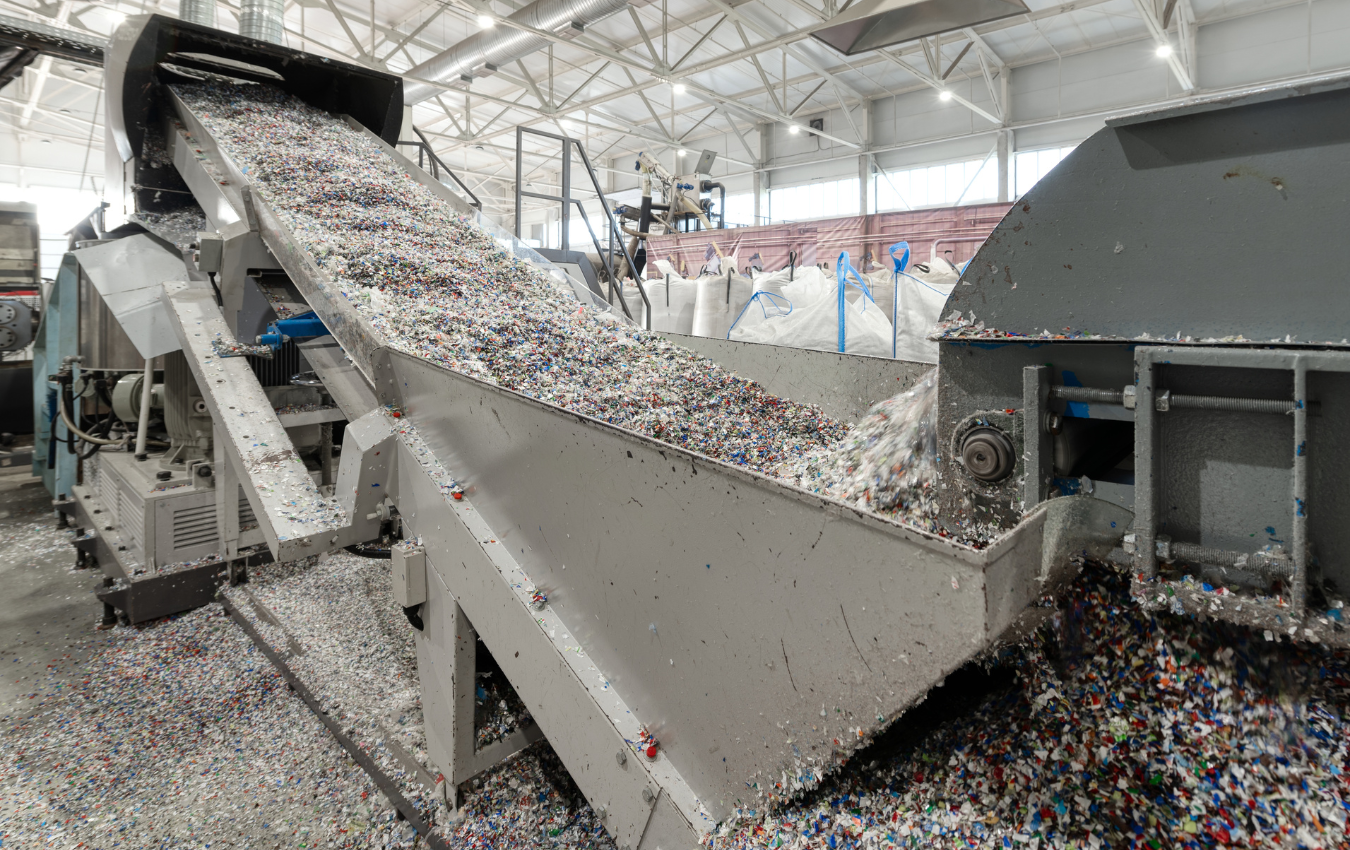
Recycling remains one of the most effective ways to reduce waste, and packaging designed for easy recycling is more important than ever. Companies are investing in materials like paper, cardboard, and recyclable plastics, ensuring they are part of a closed-loop system where packaging can be reprocessed and reused multiple times.

plastic recycling

Lightweight Packaging

Lightweight packaging not only reduces material use but also cuts transportation costs and lowers emissions. By using thinner, stronger materials, companies can achieve the same protective qualities while reducing the carbon footprint of shipping.

Custom Full seal folding cartons with finish

Reusable Packaging Systems

Reusable packaging is gaining momentum, with more brands adopting refillable or returnable containers. This trend reduces the need for single-use materials and allows customers to participate in circular economies where packaging is sent back, cleaned, and reused multiple times.

Plant-Based Packaging

Packaging derived from renewable plant sources like cornstarch, bamboo, and seaweed is an increasingly popular alternative to traditional petroleum-based plastics. These materials are not only renewable but also often biodegradable, making them ideal for a sustainable future.

Monomaterial Packaging

Monomaterial packaging uses a single type of material, making recycling easier and more efficient. By eliminating the need to separate different components, monomaterial solutions improve recyclability rates and simplify waste management processes.

Zero-Waste Packaging

The zero-waste movement is pushing companies to rethink packaging entirely. This trend involves designing products with no waste in mind, where all packaging components are either reusable, recyclable, or compostable. Zero-waste solutions aim to minimize the overall environmental impact throughout the packaging lifecycle.

Minimalistic Packaging Designs

Minimalistic designs reduce the amount of material used in packaging, aligning with sustainability goals. Brands are opting for simple, streamlined packaging that uses fewer resources and emphasizes eco-friendliness, appealing to consumers who prioritize environmental responsibility.

Renewable Energy in Packaging Production

More companies are shifting toward using renewable energy sources in the production of their packaging materials. By adopting solar, wind, and other clean energy solutions, businesses can reduce their reliance on fossil fuels and cut down on carbon emissions, contributing to a greener supply chain.

Smart Packaging for Sustainability

Smart packaging solutions are emerging as a way to improve supply chain efficiency and reduce waste. By using RFID tags, QR codes, and other technologies, companies can track packaging materials, monitor product conditions, and optimize inventory management, ultimately minimizing the environmental footprint of packaging.

These sustainable packaging trends are set to lead the industry into a greener, more eco-friendly future in 2025. By staying ahead of these developments, businesses can not only meet regulatory requirements but also exceed consumer expectations for environmentally responsible packaging solutions.

If you are interested in sustainable packaging solutions, then partner with Brown Packaging today.

Most Recent Posts:
Comparing Single vs. Multi-Material Packaging

Choosing the right packaging material is one of the most important decisions buyers face. Single-material packaging offers simplicity and recyclability, while multi-material designs provide enhanced performance and protection. Understanding the

Read More »
Categories:
Subscribe To Our Newsletter

By submitting your information, you agree to our terms and conditions and privacy policy.

Stock Packaging
Facebook
Twitter
LinkedIn
Pinterest
Relevant Posts
Embracing Sustainability: The Importance of Sustainable Packaging for Businesses
Sustainability
brownpackaging
Embracing Sustainability: The Importance of Sustainable Packaging for Businesses

Sustainability has become a crucial issue in recent years, and more and more businesses are adopting sustainable practices to reduce their environmental impact. One area where companies can make a significant difference is in the packaging they use for their products. Environment friendly packaging is an important consideration for businesses that want to reduce their carbon footprint and minimize waste. Quick Overview: Sustainable Packaging In this blog post, we will explore why businesses should consider eco-friendly packaging for their products. What is Sustainable Packaging? Why is Sustainable Packaging Important? Examples of Sustainable Packaging Challenges of Sustainable Packaging What is Sustainable Packaging? Before we dive into why businesses should consider sustainable packaging, let’s define what it is. Sustainable packaging is packaging that is designed and produced using materials and processes that have a minimal impact on the environment. This means that sustainable packaging is made from renewable resources or recycled materials and can be recycled or composted at the end of its useful life. Sustainable packaging is also designed to minimize the amount of waste generated during the manufacturing and distribution process. Why is Sustainable Packaging Important? Reducing Environmental Impact One of the most important reasons why businesses should consider sustainable packaging is that it helps reduce their environmental impact. Traditional packaging materials like plastic and styrofoam can take hundreds of years to decompose, and they can release harmful chemicals into the environment. Sustainable packaging materials, on the other hand, are biodegradable, compostable, or recyclable, which means they can be safely disposed of and won’t harm the environment. Meeting Consumer Demand Consumers are increasingly aware of environmental issues and are looking for products that are produced eco-friendly. According to a study by Nielsen, 81% of global consumers feel strongly that companies should help improve the environment. By using sustainable packaging, businesses can meet this consumer demand and appeal to environmentally conscious shoppers. Improving Brand Image Using sustainable packaging can also improve a business’s brand image. Companies that are committed to sustainability are often seen as responsible and environmentally conscious, which can improve their reputation and attract new customers. Sustainable packaging can also help businesses differentiate themselves from their competitors and stand out in a crowded market. Saving Money Sustainable packaging can also help businesses save money in the long run. While sustainable packaging materials may be more expensive initially, they can often be reused or recycled, which reduces the need for new packaging. Sustainable packaging can also help businesses reduce their waste disposal costs, which can add up over time. Meeting Regulations Finally, businesses should consider environment friendly packaging to meet regulations. Many countries and regions have introduced regulations aimed at reducing the use of single-use plastics and promoting sustainable packaging. By adopting sustainable packaging practices, businesses can comply with these regulations and avoid fines or other penalties. Examples of Sustainable Packaging Now that we’ve discussed why businesses should consider sustainable packaging let’s look at some examples of sustainable packaging materials: Biodegradable Plastics Biodegradable plastics are made from natural materials that can break down quickly in the environment. These materials include cornstarch, sugarcane, and potato starch. Biodegradable plastics can be used for a range of products, including food packaging and shipping materials. Recyclable Plastics Recyclable plastics are plastics that can be recycled and used to make new products. These materials include PET and HDPE plastics, which are commonly used for water bottles and milk jugs. By using recyclable plastics, businesses can reduce the amount of plastic waste that ends up in landfills and oceans. Paper Packaging Paper packaging is made from renewable resources and is easily recyclable. This material is commonly used for food packaging, shipping boxes, and envelopes. By using paper packaging, businesses can reduce their reliance on non-renewable materials like plastic and styrofoam. Compostable Packaging Compostable packaging is made from natural materials that can break down in a composting environment. These materials include cornstarch, sugarcane, and bamboo. Compostable packaging can be used for a range of products, including food packaging and utensils. By using compostable packaging, businesses can reduce the amount of waste that ends up in landfills and promote the growth of healthy soils. Reusable Packaging Reusable packaging is designed to be used multiple times, reducing the need for new packaging materials. This can include materials like glass, metal, and cloth, which can be used for a range of products, including food and beverage containers. By using reusable packaging, businesses can reduce their waste and save money in the long run. Challenges of sustainable packaging While environment friendly packaging offers many benefits, there are also challenges associated with its adoption. One of the biggest challenges is the cost of eco-friendly packaging materials, which can be higher than traditional materials. This can be a barrier for small businesses that may not have the resources to invest in sustainable packaging. Another challenge is the lack of infrastructure to support the collection and recycling of sustainable packaging materials. In many areas, recycling programs are not equipped to handle compostable or biodegradable materials, which can end up in landfills or oceans. Finally, sustainable packaging may not always be as durable or effective as traditional packaging materials. This can be a concern for businesses that need to ensure that their products are protected during transportation and storage. If you are interested in environment friendly packaging solutions, then partner with Brown Packaging today to get started. (714)300-0650 request@brownpackaging.com Most Recent Posts: Categories: Corrugated Ecommerce ESD Design Display Flexible Packaging Foam Folding Carton Packaging Plastic Packaging Pouch Printing Protection Retail Rigid Box Thermoform Sustainability Subscribe To Our Newsletter By submitting your information, you agree to our terms and conditions and privacy policy. Custom Packaging Facebook Twitter LinkedIn Pinterest Relevant Posts

Read More »
The Environmental Benefits of Corrugated Packaging
Corrugated
brownpackaging
The Environmental Benefits of Corrugated Packaging

Corrugated packaging has been a popular choice for packaging and shipping goods for over a century, and for good reason. The unique structure of corrugated packaging, with its fluted layer between two liners, provides a lightweight yet strong material that can be customized to fit a wide variety of shapes and sizes. However, the environmental benefits of corrugated packaging are often overlooked. With increasing concern over climate change and the impact of waste on the environment, it’s important to consider the sustainability of the materials we use, including packaging. Fortunately, corrugated packaging offers a range of environmental advantages that make it one of the most sustainable packaging materials available today. It’s made from renewable resources, can be easily recycled, and has a relatively low carbon footprint compared to other materials. As consumers become more conscious of their environmental impact, companies are also making an effort to reduce their carbon footprint and contribute to sustainable practices. Choosing corrugated packaging is a simple yet effective way to make a positive impact on the environment. By using recyclable and biodegradable materials, companies can reduce waste, conserve resources, and minimize their carbon footprint. Overview: Corrugated Packaging, Benefits & Sustainability In this article, we will explore the sustainability benefits of corrugated packaging, including its recyclability, biodegradability, and low carbon footprint. We will also examine how these benefits contribute to a more sustainable future and what steps we can take to promote the use of corrugated packaging. Recyclability Biodegradability Low Carbon Footprint Recyclability Recyclability of corrugated packaging is one of the key reasons it is such a sustainable material. Corrugated packaging is made from paper, which is a renewable resource and can be recycled multiple times. Recycling corrugated packaging is easy and efficient, with the vast majority of materials collected and reused within just a few weeks. In this section, we will explore the different aspects of the recyclability of corrugated packaging, including its collection and sorting, recycling process, and benefits to the environment. Collection and Sorting The first step in the recycling process of corrugated packaging is the collection and sorting of materials. Most municipalities have curbside recycling programs that include corrugated packaging, making it easy for households to recycle. The packaging can also be recycled at local recycling centers or through drop-off programs. Once the materials are collected, they are transported to a recycling facility, where they are sorted and prepared for recycling. Recycling Process The recycling process of corrugated packaging is relatively simple and requires minimal energy compared to other materials. The first step is to remove any contaminants, such as tape or staples, which can be done through a pulping process that separates the fibers from the contaminants. The fibers are then cleaned, screened, and de-inked, and made into new paper products. The entire process can take just a few weeks from the time the packaging is collected to the production of new products. Benefits to the Environment Recycling corrugated packaging has many benefits for the environment. Firstly, it conserves resources, as the paper fibers can be recycled multiple times, reducing the need for new materials. Secondly, it reduces the amount of waste sent to landfills, which helps to preserve natural habitats and reduce greenhouse gas emissions. Finally, recycling corrugated packaging helps to promote a circular economy, where materials are reused and waste is minimized. Biodegradability Another sustainability advantage of corrugated packaging is its biodegradability. This means that the material can be broken down by natural processes and does not persist in the environment. In this section, we will explore the biodegradability of corrugated packaging, including how it decomposes, the impact on the environment, and the benefits of composting. Decomposition When corrugated packaging is disposed of in a landfill, it decomposes over time and produces methane gas, a potent greenhouse gas. However, the decomposition process of corrugated packaging is significantly faster than other materials such as plastic, which can take hundreds of years to break down. Corrugated packaging is made from paper, which is a natural material that can be broken down by microorganisms. Impact on the Environment When corrugated packaging is recycled, it is diverted from landfills, and methane emissions are reduced. Methane gas is a potent greenhouse gas that contributes to climate change, so by reducing the amount of corrugated packaging in landfills, we can help mitigate the effects of climate change. Additionally, the biodegradability of corrugated packaging means that it is less likely to persist in the environment and cause harm to wildlife. Composting Corrugated packaging is also an excellent material for composting. It can be shredded and added to a compost pile, where it breaks down quickly and helps to nourish the soil. Composting corrugated packaging also helps to reduce waste and conserve resources. The paper fibers in corrugated packaging provide a good source of carbon for composting, which is essential for creating a balanced compost pile. Benefits of Composting Composting corrugated packaging has many benefits, including reducing the amount of waste sent to landfills, improving soil health, and conserving resources. By adding corrugated packaging to a compost pile, it can help to break down other organic materials, such as food waste, and create a nutrient-rich compost that can be used to grow plants. Low Carbon Footprint The low carbon footprint of corrugated packaging is another important sustainability advantage. The manufacturing process requires less energy compared to other materials, and the packaging is lightweight, which reduces transportation emissions. In this section, we will explore the different aspects of the low carbon footprint of corrugated packaging, including the manufacturing process, transportation emissions, and the impact on the environment. Manufacturing Process The manufacturing process of corrugated packaging requires less energy compared to other materials. The packaging is made from renewable resources, which reduces the reliance on fossil fuels. The process of manufacturing corrugated packaging involves converting wood pulp into paper, which is then formed into the distinctive corrugated structure. The manufacturing process is energy efficient and can be powered by renewable energy sources. Transportation Emissions The lightweight nature of

Read More »
10 Top Sustainable Packaging Trends for 2025
Sustainability
brownpackaging
10 Top Sustainable Packaging Trends for 2025

As environmental concerns continue to dominate consumer and regulatory conversations, the packaging industry is responding with innovative, eco-friendly solutions. In 2025, sustainable packaging will not only be a trend but a necessity for businesses looking to reduce their environmental footprint and appeal to increasingly eco-conscious consumers. Here are the top sustainability packaging trends expected to shape the industry in the coming years: Biodegradable and Compostable Materials Recyclable Packaging Solutions Lightweight Packaging Reusable Packaging Systems Plant-Based Packaging Monomaterial Packaging Zero-Waste Packaging Minimalistic Packaging Designs Renewable Energy in Packaging Production Smart Packaging for Sustainability Biodegradable and Compostable Materials The use of biodegradable and compostable materials is on the rise, as more companies turn to alternatives that naturally break down in the environment. Materials such as plant-based plastics, seaweed, and other organic fibers are becoming popular in food and single-use packaging, helping to eliminate waste and reduce landfill use. Recyclable Packaging Solutions Recycling remains one of the most effective ways to reduce waste, and packaging designed for easy recycling is more important than ever. Companies are investing in materials like paper, cardboard, and recyclable plastics, ensuring they are part of a closed-loop system where packaging can be reprocessed and reused multiple times. Lightweight Packaging Lightweight packaging not only reduces material use but also cuts transportation costs and lowers emissions. By using thinner, stronger materials, companies can achieve the same protective qualities while reducing the carbon footprint of shipping. Reusable Packaging Systems Reusable packaging is gaining momentum, with more brands adopting refillable or returnable containers. This trend reduces the need for single-use materials and allows customers to participate in circular economies where packaging is sent back, cleaned, and reused multiple times. Plant-Based Packaging Packaging derived from renewable plant sources like cornstarch, bamboo, and seaweed is an increasingly popular alternative to traditional petroleum-based plastics. These materials are not only renewable but also often biodegradable, making them ideal for a sustainable future. Monomaterial Packaging Monomaterial packaging uses a single type of material, making recycling easier and more efficient. By eliminating the need to separate different components, monomaterial solutions improve recyclability rates and simplify waste management processes. Zero-Waste Packaging The zero-waste movement is pushing companies to rethink packaging entirely. This trend involves designing products with no waste in mind, where all packaging components are either reusable, recyclable, or compostable. Zero-waste solutions aim to minimize the overall environmental impact throughout the packaging lifecycle. Minimalistic Packaging Designs Minimalistic designs reduce the amount of material used in packaging, aligning with sustainability goals. Brands are opting for simple, streamlined packaging that uses fewer resources and emphasizes eco-friendliness, appealing to consumers who prioritize environmental responsibility. Renewable Energy in Packaging Production More companies are shifting toward using renewable energy sources in the production of their packaging materials. By adopting solar, wind, and other clean energy solutions, businesses can reduce their reliance on fossil fuels and cut down on carbon emissions, contributing to a greener supply chain. Smart Packaging for Sustainability Smart packaging solutions are emerging as a way to improve supply chain efficiency and reduce waste. By using RFID tags, QR codes, and other technologies, companies can track packaging materials, monitor product conditions, and optimize inventory management, ultimately minimizing the environmental footprint of packaging. These sustainable packaging trends are set to lead the industry into a greener, more eco-friendly future in 2025. By staying ahead of these developments, businesses can not only meet regulatory requirements but also exceed consumer expectations for environmentally responsible packaging solutions. If you are interested in sustainable packaging solutions, then partner with Brown Packaging today. (714)300-0650 request@brownpackaging.com Most Recent Posts: Categories: Corrugated Ecommerce ESD Design Display Flexible Packaging Foam Folding Carton Packaging Plastic Packaging Pouch Printing Protection Retail Rigid Box Thermoform Sustainability Subscribe To Our Newsletter By submitting your information, you agree to our terms and conditions and privacy policy. Stock Packaging Facebook Twitter LinkedIn Pinterest Relevant Posts

Read More »