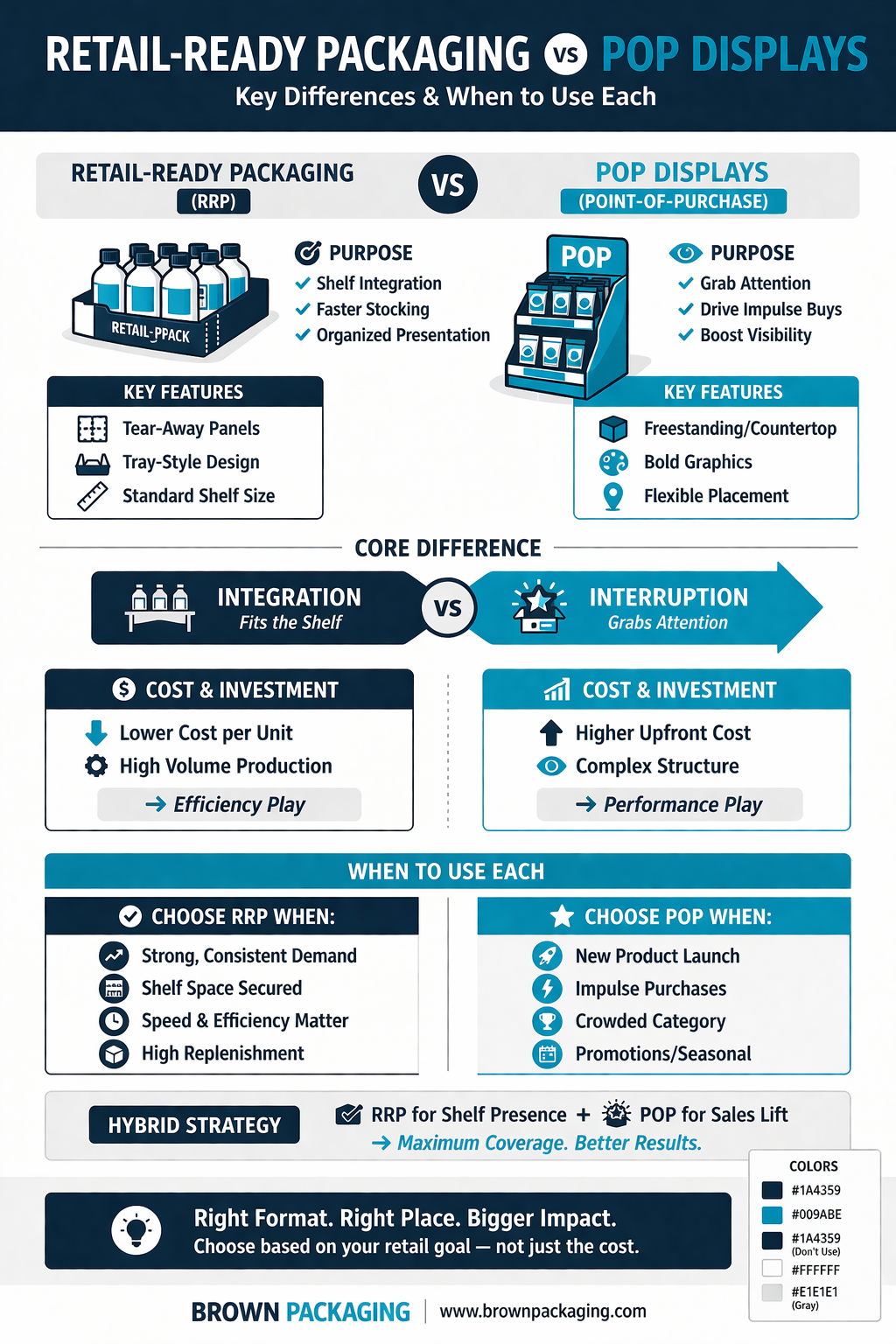
Retail Ready Packaging vs POP Displays
Retail-ready packaging (RRP) and POP displays are often treated as interchangeable. On
Home » Retail
Retail-ready packaging (RRP) and POP displays are often treated as interchangeable. On
Retail packaging continues to evolve as brands balance sustainability, supply chain performance,
Retailers place strict requirements on packaging to ensure products move efficiently through
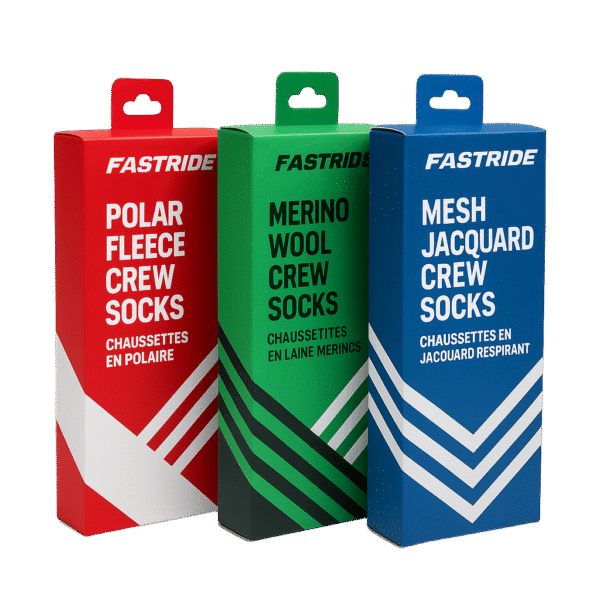
Retail packaging must do two jobs at once—catch the shopper’s eye while

Holiday e-commerce volumes push packaging to its limits. Trailers are overfilled, handling
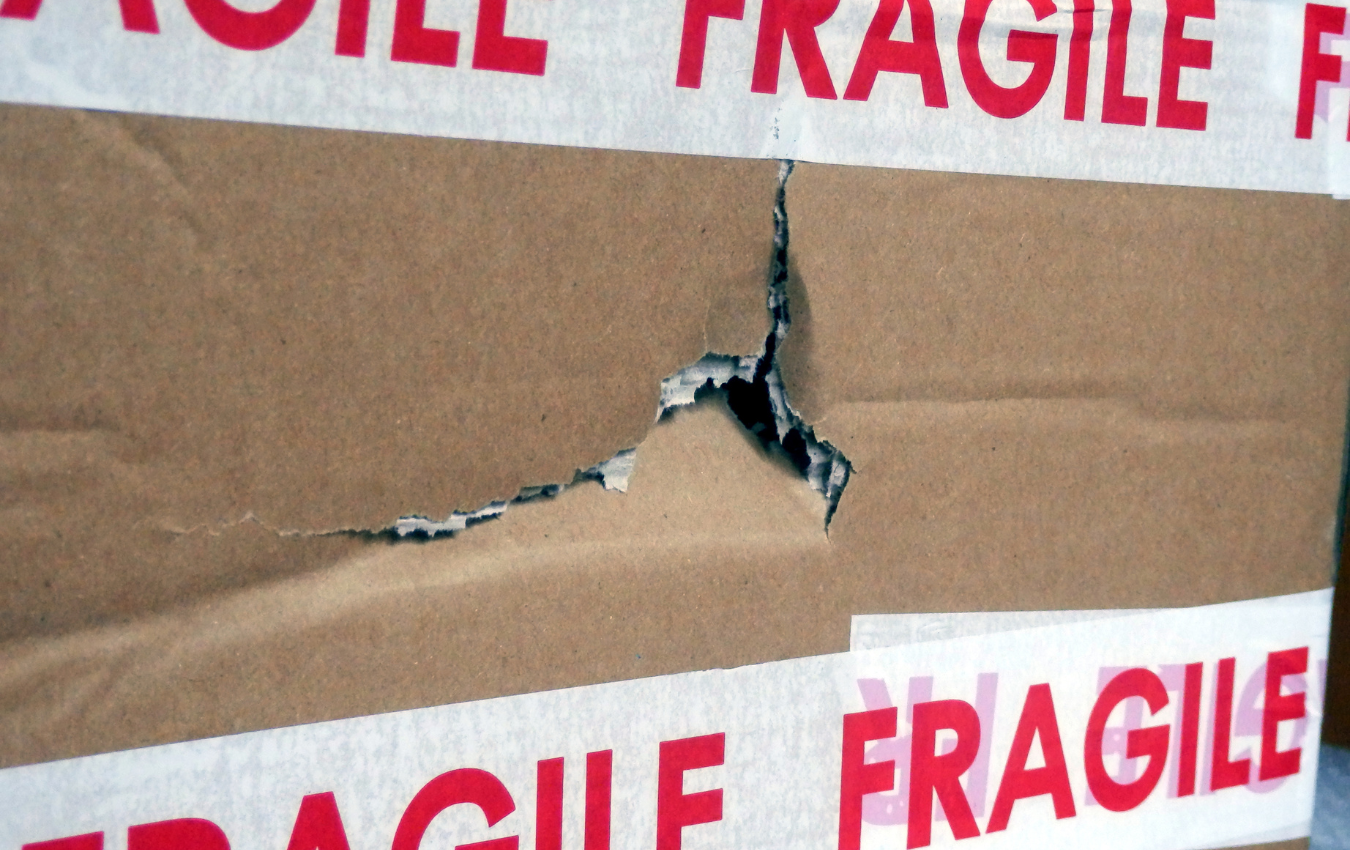
The holiday season is the busiest—and most demanding—time of year for e-commerce
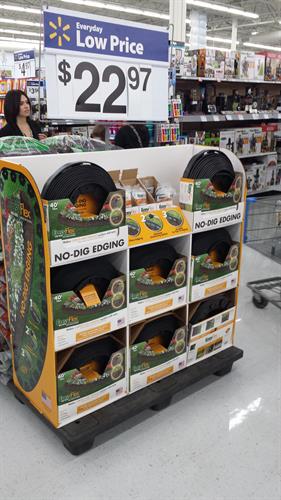
POP displays must balance eye-catching branding with structural integrity. Inadequate load-bearing design

When it comes to maximizing shelf space and capturing buyer attention, few
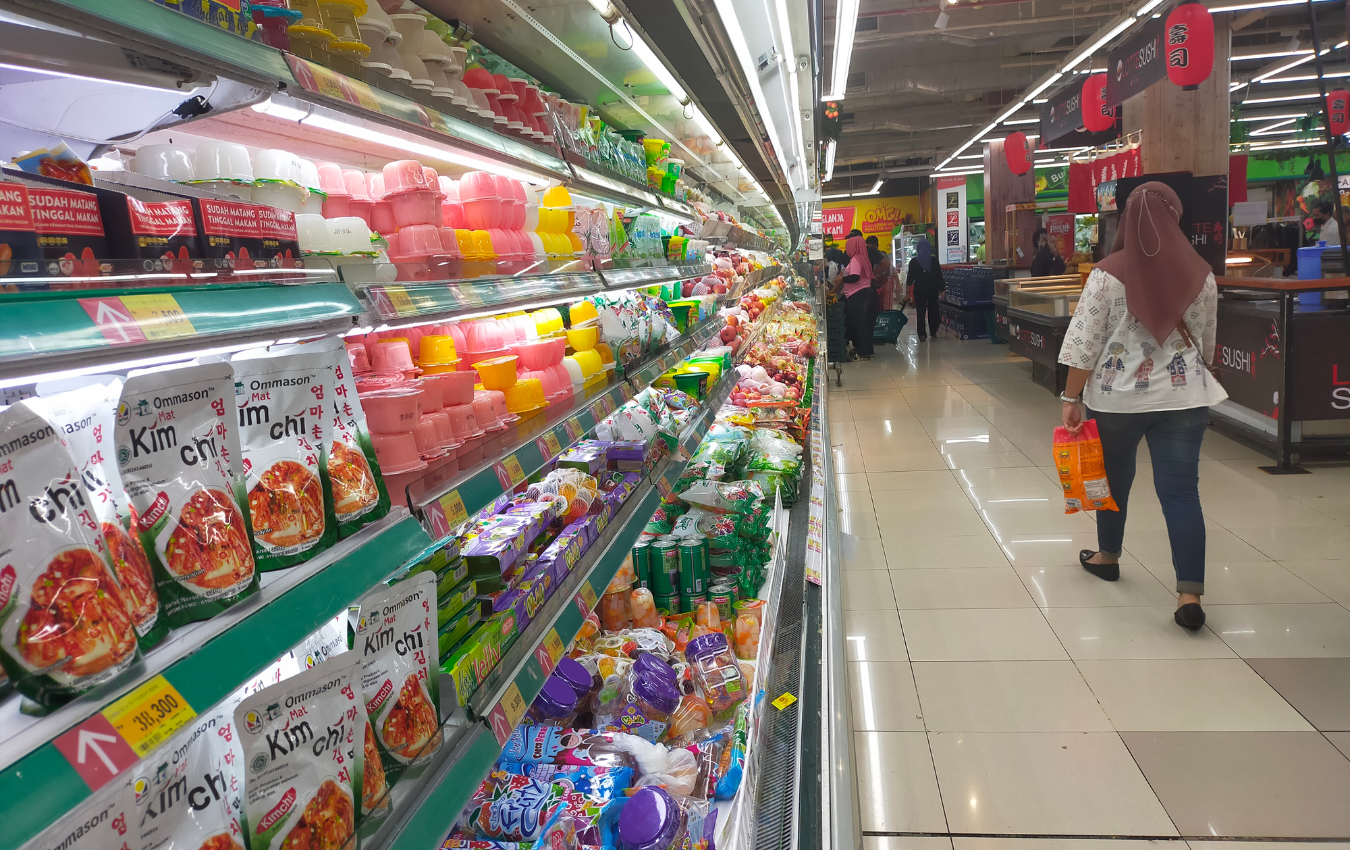
As a small business owner, bringing your product to retail is a
In the competitive world of retail, effective packaging can make all the
Lower cost per unit looks like a win. Until the display: Fails early Doesn’t get placed Doesn’t sell product Then it becomes expensive—fast. Because POP
Many packaging systems pass lab testing—and still fail in real-world shipping. This disconnect happens because testing measures controlled conditions, while shipping introduces variables that are
Folding carton artwork can look finished on screen and still create problems once it reaches production. The dieline is where design, structure, printing, cutting, folding,
Most POP display failures don’t start with materials—they start with geometry. Specifically:👉 Shelf span Designs often look structurally sound on paper, but once loaded, shelves
Lower quantity packaging orders usually mean:👉 Higher cost per unit But that doesn’t mean they’re always the wrong decision. In certain situations, smaller runs are
Not every POP display should be optimized for the lowest cost. In some cases, spending more isn’t inefficient—it’s necessary. Because the real question isn’t:👉 “What