
Home » Retail Packaging Trends for 2026
Retail Packaging Trends for 2026
Retail packaging continues to evolve as brands balance sustainability, supply chain performance, and consumer experience. In 2026, buyers face new challenges shaped by material innovation, compliance requirements, and rising consumer expectations. Understanding these trends helps companies stay competitive while aligning packaging programs with industry standards.
Sustainability Becomes Non-Negotiable
- Greater use of recyclable and compostable substrates.
- Retailers pushing suppliers toward FSC-certified materials.
- Minimalist designs that reduce waste without losing impact.
Smarter Packaging for Supply Chains
- Increased adoption of right-sizing to reduce freight costs.
- Boxes designed for automation and faster fulfillment.
- Stronger corrugated grades to withstand long e-commerce journeys.
Enhanced Consumer Experience
- Custom graphics for seasonal campaigns and limited editions.
- Tear strips, resealable closures, and window cutouts for convenience.
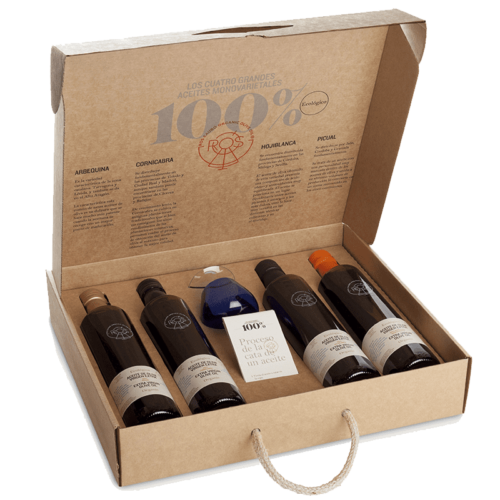
- Premium finishes that elevate gift packaging at retail.
Growth of Hybrid Packaging Formats
- Combining corrugated strength with folding carton graphics.
- Modular designs for multi-SKU and club store environments.
- Packaging engineered to serve both e-commerce and in-store needs.
Compliance and Testing Standards
- Retailers demanding ISTA and ASTM testing for packaging durability.
- Supply chain audits on recyclability and sustainability claims.
- More pressure for transparent reporting on environmental impact.
Retail Packaging Solutions with Brown Packaging
Brown Packaging helps brands adapt to evolving retail packaging trends. From sustainable substrates to automation-friendly designs, our solutions balance branding, durability, and compliance for 2026. Contact us to prepare your packaging program for the year ahead.
References
Forest Stewardship Council (FSC). (2023). FSC Packaging Certification Guidelines. Retrieved from https://fsc.org
Sustainable Packaging Coalition. (2023). Packaging Trends and Consumer Insights. Retrieved from https://sustainablepackaging.org
Soroka, W. (2009). Fundamentals of Packaging Technology (4th ed.). Institute of Packaging Professionals.
Not every POP display should be optimized for the lowest cost. In some cases, spending more isn’t inefficient—it’s necessary. Because the real question isn’t:👉 “What does it cost?” It’s:👉 “What
Most POP displays are designed to look good at production. But that’s not where they’re tested. They’re tested here:👉 The supply chain Between the warehouse and the store floor, displays
Most cost savings in packaging come from:👉 Ordering more volume But increasing MOQ isn’t always possible. Storage is limited Cash flow is constrained Demand is uncertain So the real question
Minimum order quantities (MOQs) aren’t arbitrary. They exist because packaging production has fixed costs that don’t scale down—only up. When you order one unit, you still pay for:👉 The entire
Home » Retail Packaging Trends for 2026