

Home » Bringing Your Small Business Product to Retail
Bringing Your Small Business Product to Retail
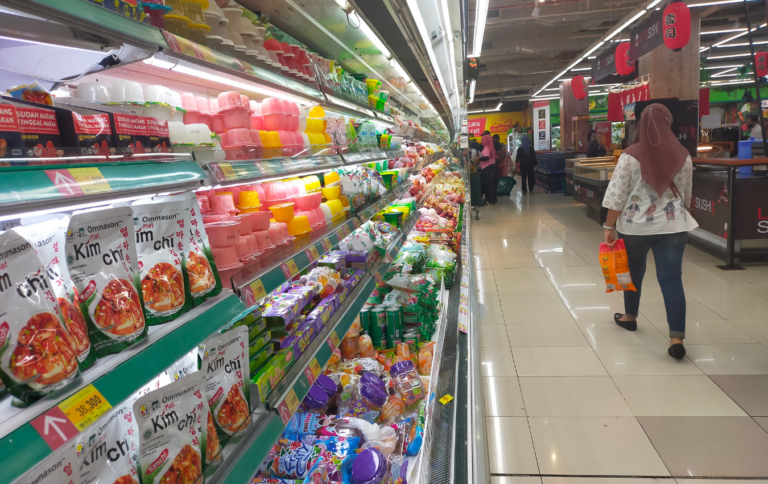
As a small business owner, bringing your product to retail is a significant milestone, and the packaging plays a crucial role in making a lasting impression on customers. Proper packaging not only protects your product but also enhances its visual appeal and brand recognition. In this comprehensive guide, we’ll walk you through the essential steps and considerations for creating the correct and proper packaging for your product as you navigate the retail landscape.
Understand Your Product and Audience
Before diving into packaging design, take the time to thoroughly understand your product and target audience. What are the unique features and benefits of your product? What problem does it solve for your customers? Knowing your product inside and out will help you tailor your packaging to its specific needs and the preferences of your audience.
Determine Your Budget
Packaging costs can vary significantly depending on factors like materials, design complexity, and order quantity. Determine your budget for packaging early in the process to ensure you strike the right balance between cost and quality. Remember that packaging is an investment in your brand’s success.
Choose the Right Materials
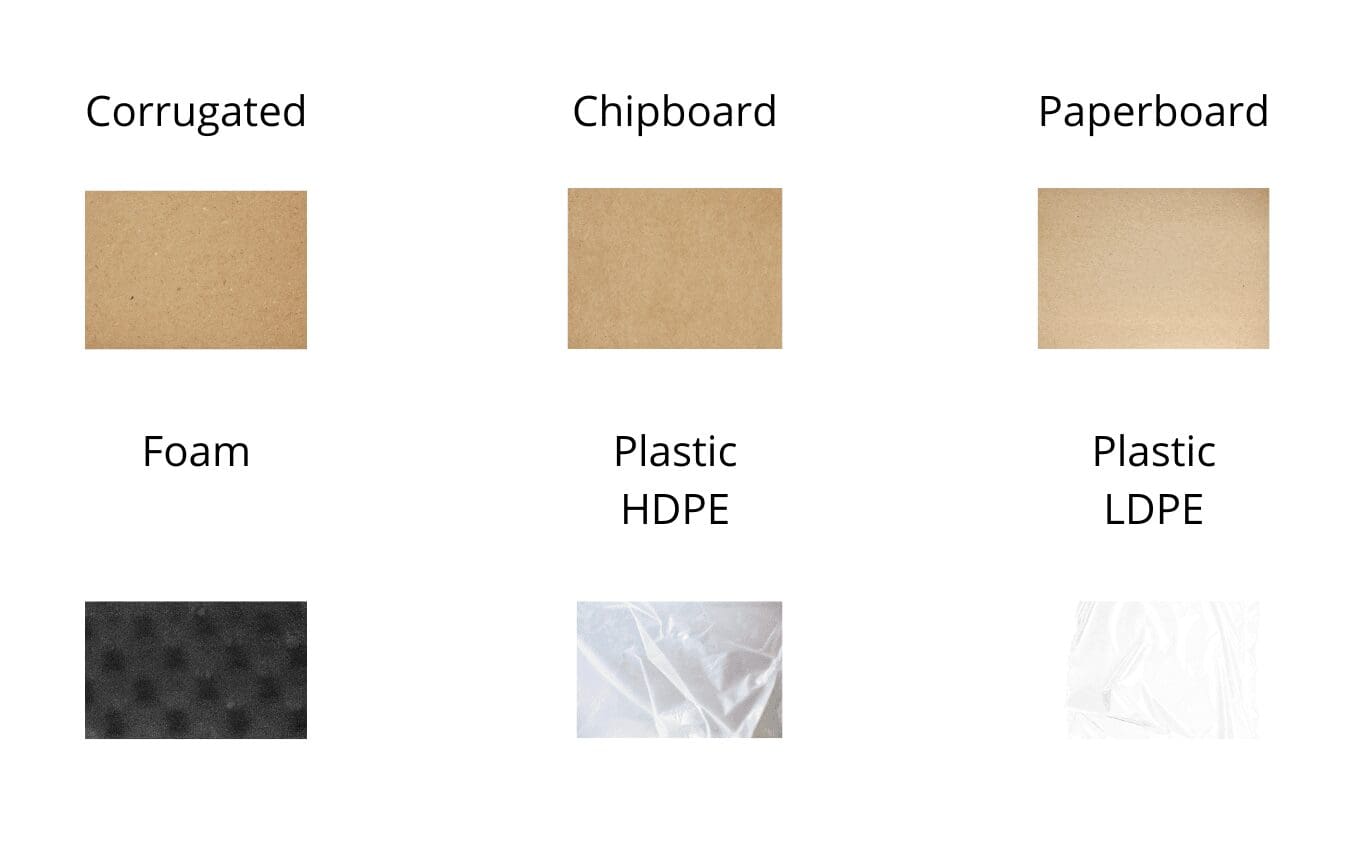
Selecting the appropriate packaging materials is essential for product protection and presentation. Consider factors such as product fragility, weight, and environmental impact when choosing materials. Common packaging materials include cardboard, corrugated cardboard, plastic, glass, and more. If sustainability is a priority, explore eco-friendly options.
Focus on Functionality
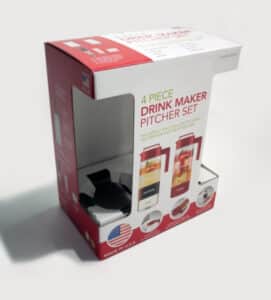
Functionality is key when designing retail packaging. Your packaging should not only protect your product but also make it easy for customers to access and use. Consider features like resealable closures, easy-open tabs, and clear windows that allow customers to see the product inside.
Design for Brand Identity
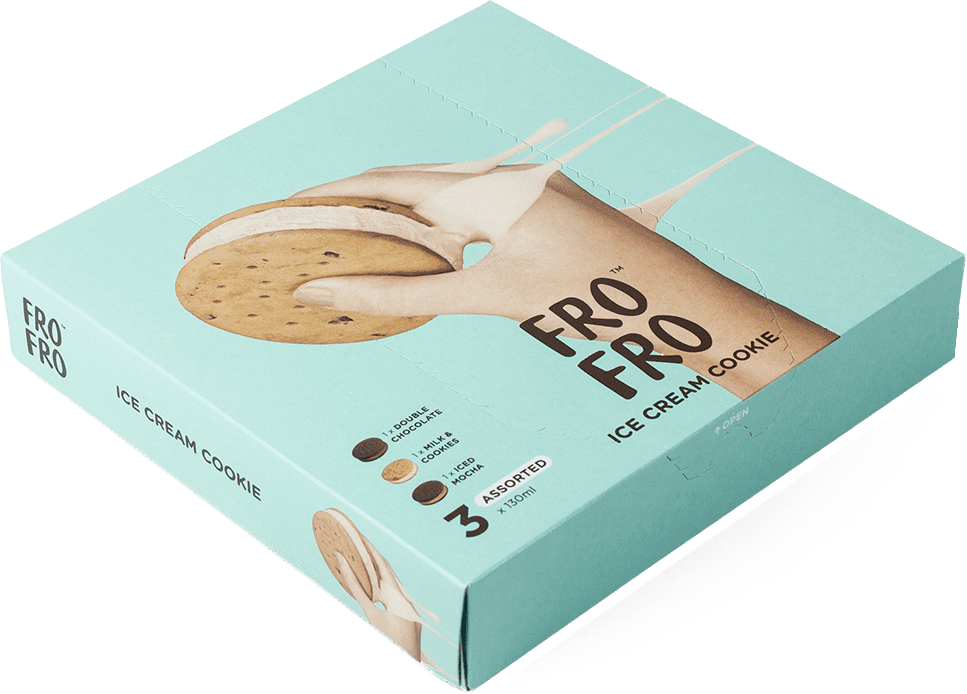
Your packaging should align with your brand’s identity and convey a cohesive message. Use your brand colors, logo, and typography consistently across all packaging elements. A well-designed package enhances brand recognition and encourages customer loyalty.
Follow Retailer Guidelines
If you plan to sell your product through specific retailers, be sure to understand their packaging guidelines and requirements. Retailers often have specific packaging standards that must be met for shelf placement. Failing to comply with these guidelines can hinder your product’s entry into retail stores.
Test and Iterate
Before finalizing your packaging, conduct testing and gather feedback. Test the packaging for durability, functionality, and visual appeal. Seek input from potential customers, friends, or focus groups to ensure it resonates with your target audience. Be open to making adjustments based on the feedback you receive.
Consider Sustainability
Sustainability is an increasingly important factor in packaging design. Many consumers prefer eco-friendly packaging, so explore options like recyclable materials, reduced packaging waste, and sustainable printing practices. Highlight your commitment to sustainability on your packaging if applicable.
Work with Professionals
If you’re not confident in your packaging design skills, consider working with packaging professionals, such as graphic designers and packaging manufacturers. They can provide expertise and guidance to create packaging that meets industry standards and customer expectations.

Plan for Production and Distribution
Once you’ve finalized your packaging design, plan for production and distribution. Choose a reliable packaging manufacturer or supplier that can meet your production needs. Ensure that your packaging is compatible with your distribution methods and can withstand the rigors of shipping and handling.
Conclusion
Creating the correct and proper packaging for your small business product is a critical step in bringing it to retail success. Invest time and resources in thoughtful packaging design that aligns with your brand identity, appeals to your target audience, and meets retailer requirements. A well-designed package not only enhances your product’s chances of success on retail shelves but also communicates your brand’s values and quality to customers. With the right packaging strategy, your small business can make a memorable impact in the retail marketplace.
If you are interested in bringing your products to retail with the correct packaging solutions, then partner with Brown Packaging today to get started.
A folding carton may look simple once it reaches the shelf, but it goes through a controlled production process before it becomes a finished package. Every step — from paperboard
Folding carton production is becoming more automated because buyers are asking for faster timelines, tighter consistency, and more flexibility across more SKUs. Shorter product lifecycles, retail launch windows, labor pressure,
Folding carton style matters because structure affects more than appearance. The right carton can improve shelf presentation, packing speed, product access, closure security, storage efficiency, and overall cost. For retail
Pouch packaging trends in 2027 will be shaped by convenience, shelf impact, sustainability pressure, sealing performance, automation, ecommerce growth, and total packaging cost. Buyers will still want pouches that look
By submitting your information, you agree to our terms and conditions and privacy policy.
Home » Bringing Your Small Business Product to Retail



Gift-giving is a timeless tradition, and the packaging plays a crucial role in making the gesture even more special. When it comes to choosing the

In the ever-evolving world of commerce, packaging serves as a pivotal bridge between businesses and their customers. As shopping habits shift and technology continues to

Holiday e-commerce volumes push packaging to its limits. Trailers are overfilled, handling is rushed, and parcels endure more drops and vibration than usual. Without proper