Home » The Art and Science of Toy Packaging for Newborns
The Art and Science of Toy Packaging for Newborns
In the enchanting world of newborn toys, the packaging is more than just a protective layer; it’s a vital component of the product experience. From safety considerations to psychological impacts, toy packaging for newborns requires a delicate balance of practicality and appeal. In this blog, we’ll explore the multifaceted aspects of toy packaging for the youngest of consumers.
Understanding the Target Audience: Newborns and Parents
Before delving into the specifics of packaging, it’s crucial to understand the dual audience: the newborns and their parents. While the babies are the end-users, parents are the decision-makers. Thus, the packaging must be designed to appeal to adult aesthetics and sensibilities while being safe and suitable for infants.
Safety First: Non-Toxic Materials and Design
- Material Safety: The foremost consideration is safety. Packaging materials must be non-toxic and free from harmful chemicals. Since newborns tend to explore with their mouths, ensuring that inks, dyes, and plastics are safe for potential mouthing is essential.
- Choking Hazards: Small parts are a strict no-no. All elements of the packaging should be large enough to not pose a choking hazard.
- Durability and Protection: While the packaging should be sturdy to protect the toy, it also shouldn’t be too hard or have sharp edges that could harm the baby.
Sensory Appeal: Engaging the Newborn’s Senses
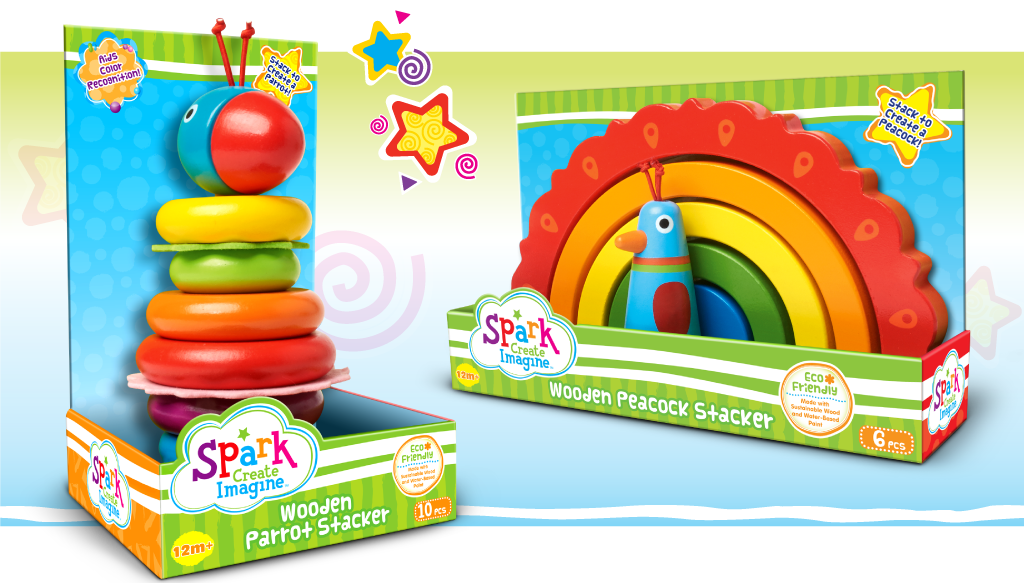
- Visual Stimulation: Bright, high-contrast colors and patterns are known to be more engaging for newborns, aiding in visual development.
- Textural Elements: Incorporating various textures can stimulate tactile exploration, an important aspect of newborn development.
Educational Aspect: Early Learning Opportunities
Packaging that incorporates basic shapes, numbers, or letters can subtly introduce educational elements. This not only adds value but also appeals to parents who are keen on early learning.
Environmental Responsibility: Eco-Friendly Options
With increasing awareness of environmental issues, eco-friendly packaging is highly appealing. Biodegradable, recyclable, or reusable packaging resonates with environmentally conscious parents.
Practicality for Parents: Ease of Opening and Storage
- Ease of Opening: Parents appreciate packaging that is easy to open, especially when juggling the demands of a newborn.
- Storage and Reusability: Packaging that doubles as storage for the toy, or can be repurposed, adds practical value.
Marketing and Branding: Communicating Values and Trust
- Clear Information: Parents look for clear information on age appropriateness, safety standards, and educational benefits.
- Aesthetic Appeal: Elegant, minimalistic designs can be very appealing to modern parents. The packaging should reflect the brand’s values and quality.
Innovations in Packaging: Technology and Trends
- Smart Packaging: QR codes or augmented reality elements can provide additional information or interactive experiences.
- Sensory Experience Enhancements: Some brands are experimenting with gentle sounds or mild scents in packaging to enhance the sensory experience.
If you are interested in toy packaging for newborn products, then partner with Brown Packaging today to get started.
Most brands invest in POP displays without clearly measuring performance. They look at sales after rollout and assume the display worked—or didn’t. But without isolating
Most cost-cutting in POP displays happens in the wrong place. Brands reduce board grade, simplify structure too aggressively, or cut print quality—only to see: Higher
Oil prices don’t just affect fuel—they ripple through nearly every part of packaging. When oil rises, packaging costs follow.When oil drops, costs don’t always fall
Most POP display failures aren’t caused by weak materials—they’re caused by poor weight distribution. A display can use the right board, the right flute, and
Not all retail environments are the same—and your POP display shouldn’t be either. What works in big box retail often fails in specialty stores, and
Bigger doesn’t always mean better. Many brands default to floor displays because they assume more visibility equals more sales. But in many retail environments, counter
Home » The Art and Science of Toy Packaging for Newborns

Retail-ready packaging (RRP) and POP displays are often treated as interchangeable. On paper, they both improve product presentation and efficiency. In reality, they serve completely

In the competitive world of retail, effective packaging can make all the difference. If your product finds itself on the bottom shelf, it’s essential to

Retail packaging continues to evolve as brands balance sustainability, supply chain performance, and consumer experience. In 2026, buyers face new challenges shaped by material innovation,