

Home » Why Shelf Impact is Crucial in Packaging
Why Shelf Impact is Crucial in Packaging
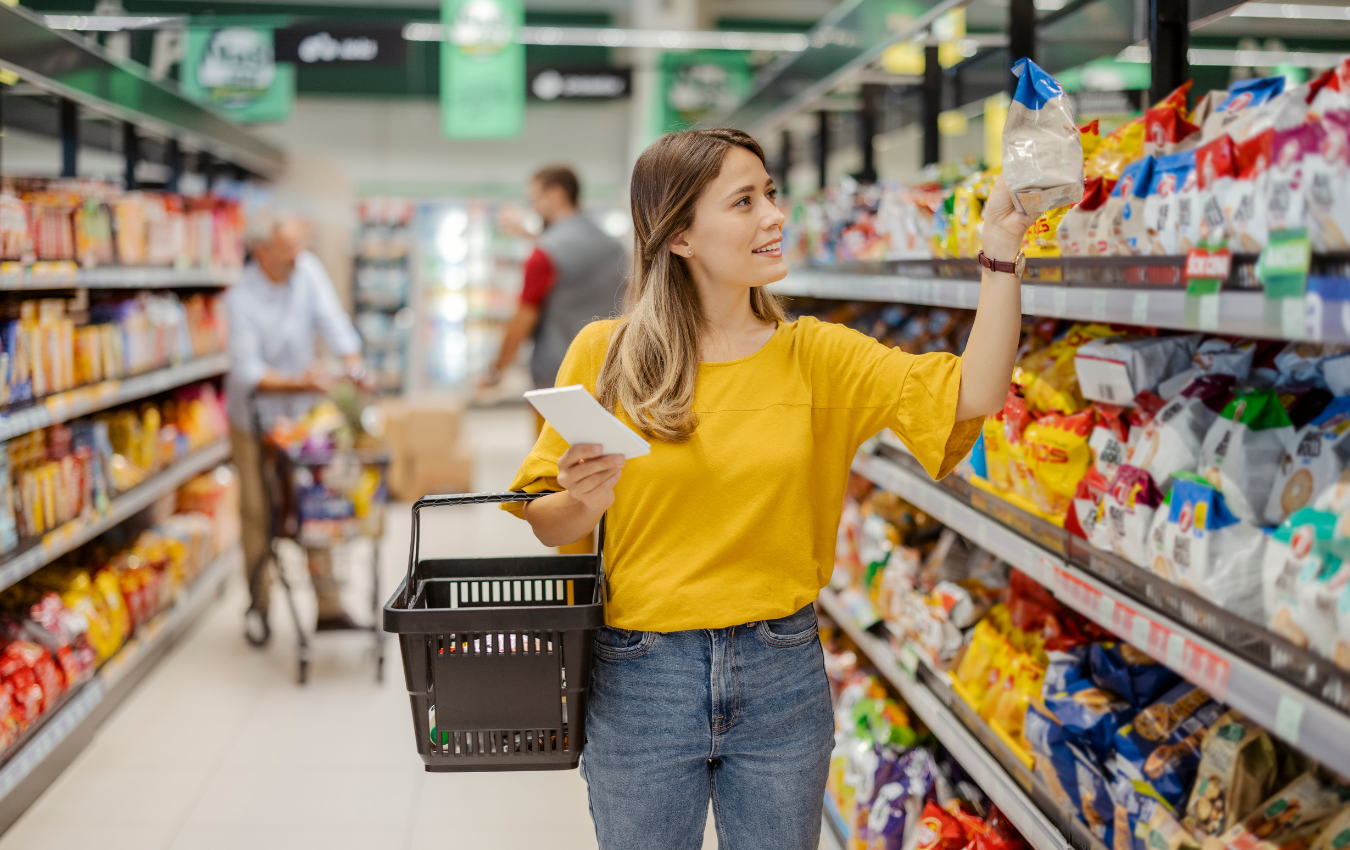
In the competitive landscape of retail, where countless products vie for consumer attention, ‘shelf impact’ is a term that resonates strongly with brands and marketers. Shelf impact refers to the visual appeal and distinctiveness of a product when placed on a store shelf, surrounded by competing products. This blog post delves into why shelf impact is essential in packaging design and how it can influence a brand’s success in the marketplace.
Understanding Shelf Impact
Shelf impact is about making a product stand out in a crowded retail environment. It’s the immediate visual appeal and recognition a product garners when a consumer scans store shelves. Good shelf impact can lead to increased brand awareness, consumer recall, and ultimately, sales.

The Significance of Shelf Impact in Packaging
First Impressions Count:
- Consumers often make purchasing decisions within seconds. Eye-catching packaging can grab attention and influence these split-second decisions.
- Packaging is often the first interaction a consumer has with a product, making it a critical touchpoint.
Differentiation in a Saturated Market:
- In a market flooded with similar products, distinctive packaging can set a product apart.
- Unique design elements, colors, shapes, and textures can differentiate a product from its competitors.
Brand Identity and Perception:
- Packaging that stands out on a shelf can enhance brand recognition and reinforce brand identity.
- High-quality, innovative packaging can elevate a product’s perceived value and position it as a premium offering.
Encouraging Impulse Purchases:
- Visually striking packaging can trigger impulse buys, especially for products that consumers do not pre-plan to purchase.
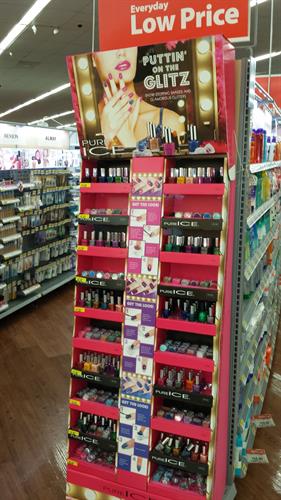
Strategies to Maximize Shelf Impact
Vibrant and Unique Color Schemes:
- Utilize colors that pop or are different from competitors to catch the consumer’s eye.
- Consider color psychology and how different colors evoke different emotions and perceptions.
Innovative Packaging Design:
- Experiment with unusual shapes or structural designs that stand out visually.
- Incorporate unique features like windows to showcase the product or interactive elements.
Clear and Compelling Branding:
- Ensure that branding is prominent and easily recognizable.
- Use typography and logo placement strategically to create visual interest and brand recognition.
High-Quality Graphics and Imagery:
- Employ high-resolution graphics and attractive imagery that resonates with the target audience.
- Packaging should tell a story or convey a message that aligns with the brand’s values.
Material and Finishing Choices:
- Select materials that contribute to the overall appeal and feel of the packaging.
- Finishes such as matte, gloss, embossing, or foil accents can add a touch of luxury and refinement.
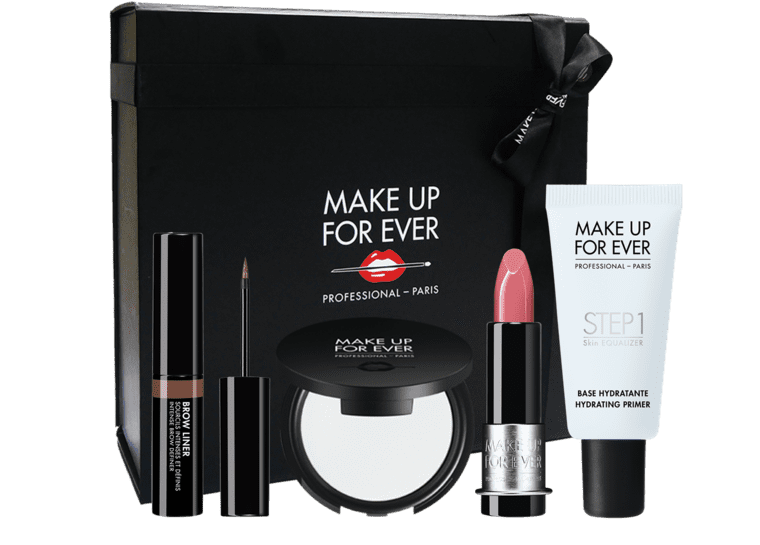
Understanding Consumer Behavior and Trends
- Stay informed about current trends in design and consumer behavior.
- Conduct market research to understand what visual elements appeal to your target demographic.
Sustainability and Shelf Impact
- Incorporating sustainable packaging solutions can positively impact consumer perception, as eco-friendliness is increasingly valued.
- Use sustainable materials in a way that enhances visual appeal, like natural textures or eco-labels.
Testing and Feedback
- Use focus groups and consumer testing to gauge the shelf impact of different packaging designs.
- Regularly review and update packaging based on consumer feedback and market trends.
If you are interested in shelf packaging, then partner with Brown Packaging today to get started.
Sustainable packaging in 2027 will be less about broad claims and more about proof, performance, compliance, and cost control. Buyers will still care about recyclable
Sustainable packaging in 2027 will be less about broad claims and more about proof, performance, compliance, and cost control. Buyers will still care about recyclable
A folding carton may look simple once it reaches the shelf, but it goes through a controlled production process before it becomes a finished package.
Folding carton production is becoming more automated because buyers are asking for faster timelines, tighter consistency, and more flexibility across more SKUs. Shorter product lifecycles,
Folding carton style matters because structure affects more than appearance. The right carton can improve shelf presentation, packing speed, product access, closure security, storage efficiency,
Pouch packaging trends in 2027 will be shaped by convenience, shelf impact, sustainability pressure, sealing performance, automation, ecommerce growth, and total packaging cost. Buyers will
By submitting your information, you agree to our terms and conditions and privacy policy.
Home » Why Shelf Impact is Crucial in Packaging

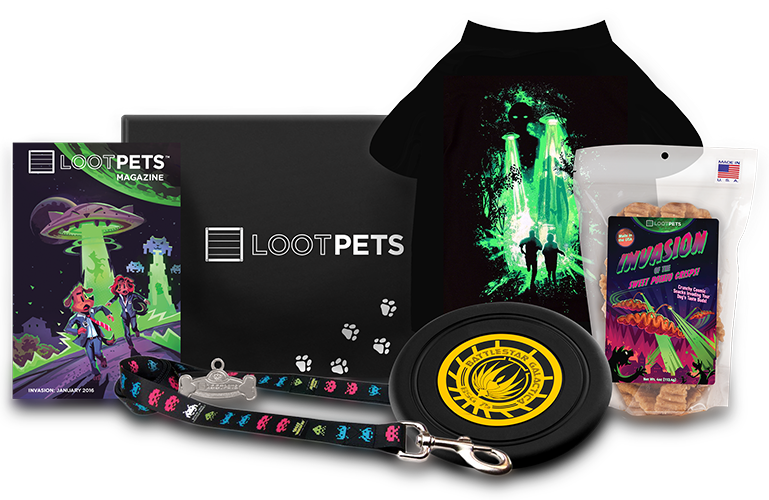

In the world of e-commerce, packaging is much more than just protection for your products. It has evolved into a vital marketing asset that helps
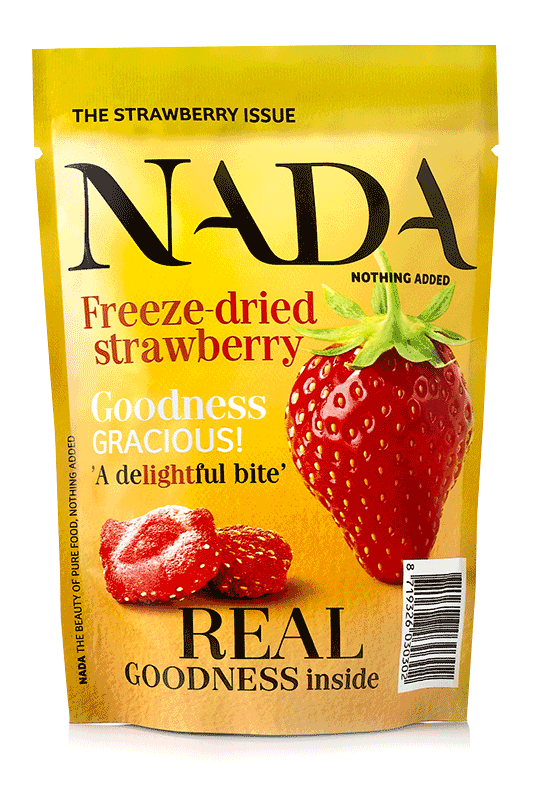
In the competitive retail landscape, the clarity and legibility of pouch packaging play a pivotal role in customer engagement and brand communication. A well-designed package
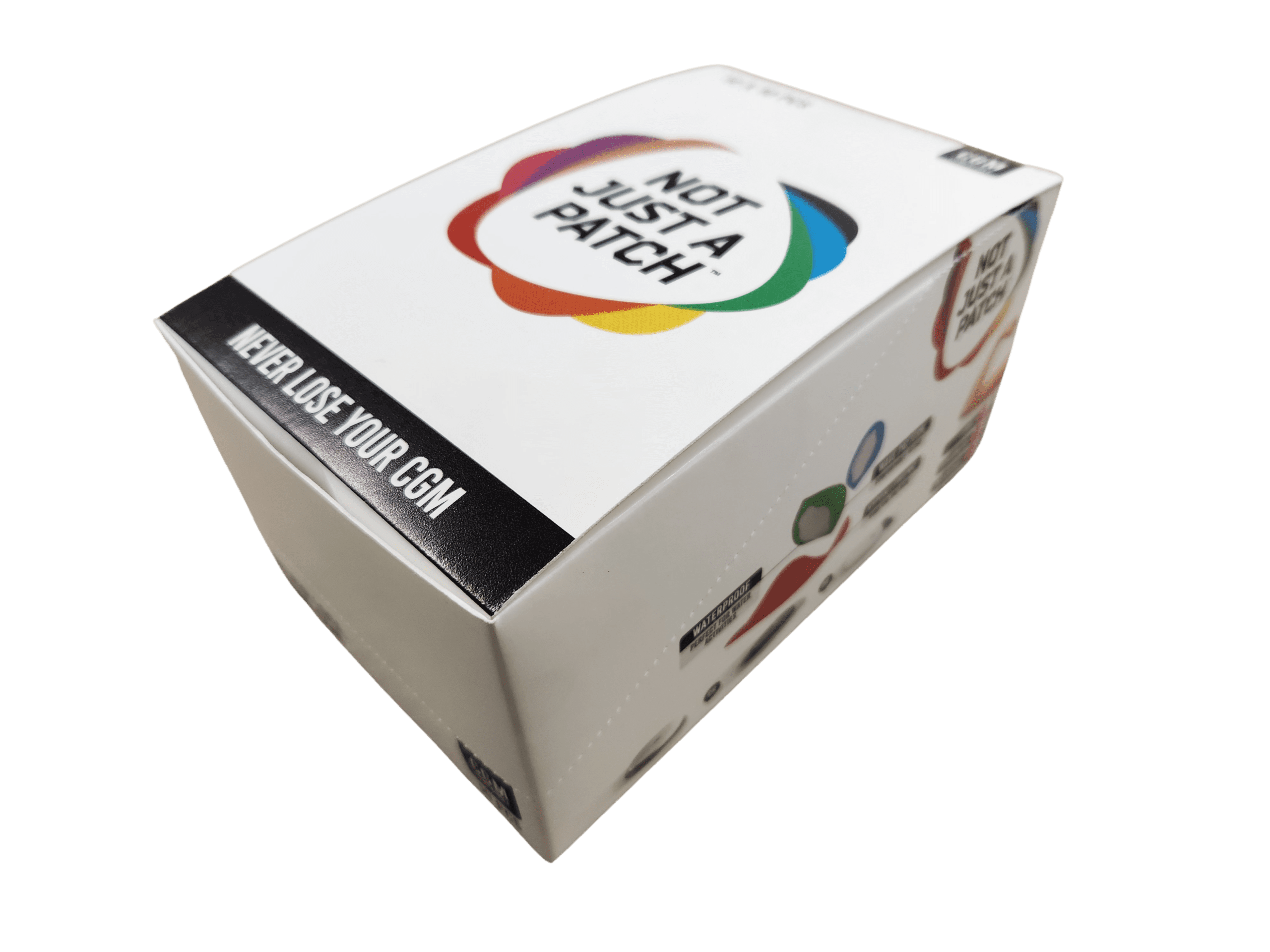
In today’s market, the printing strategy employed on packaging can play a significant role in a product’s success. This guide is tailored to help buyers