Home » Choosing the Right Barrier Packaging for Dry Pet Food and Treats
Choosing the Right Barrier Packaging for Dry Pet Food and Treats
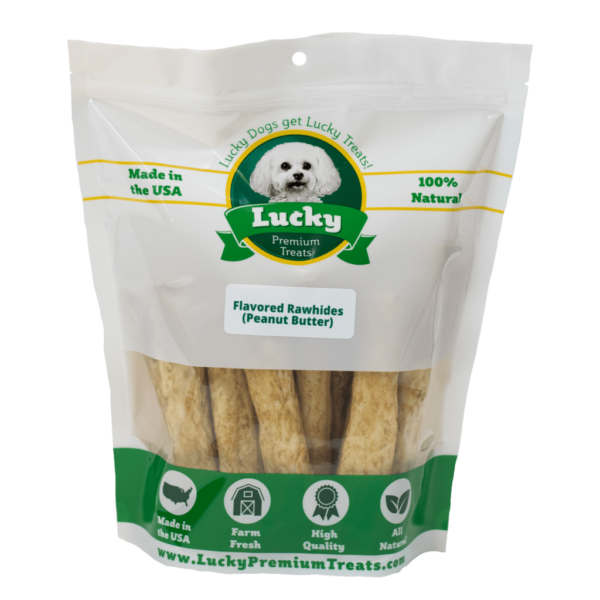
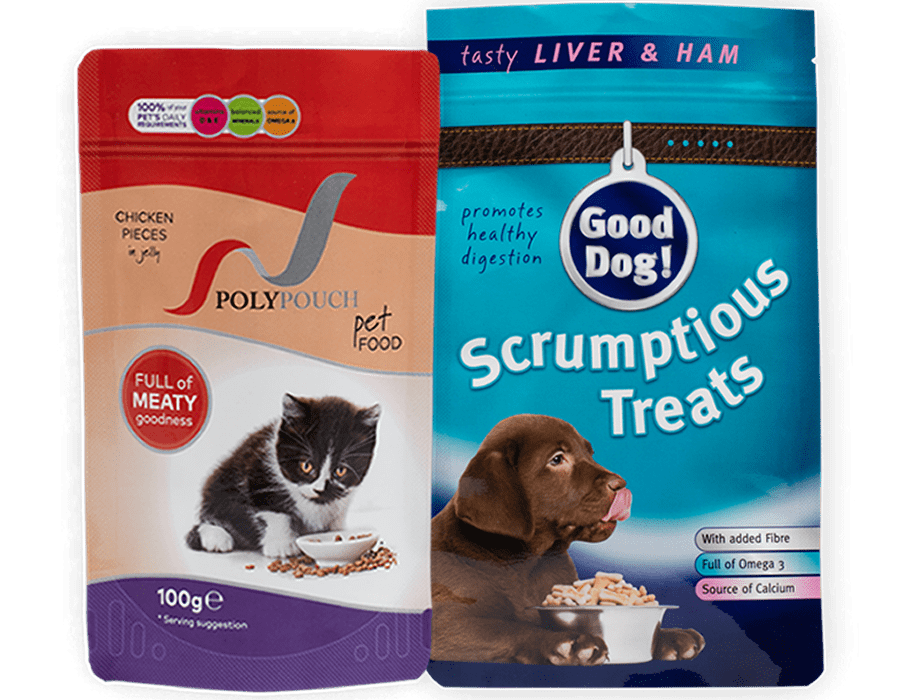
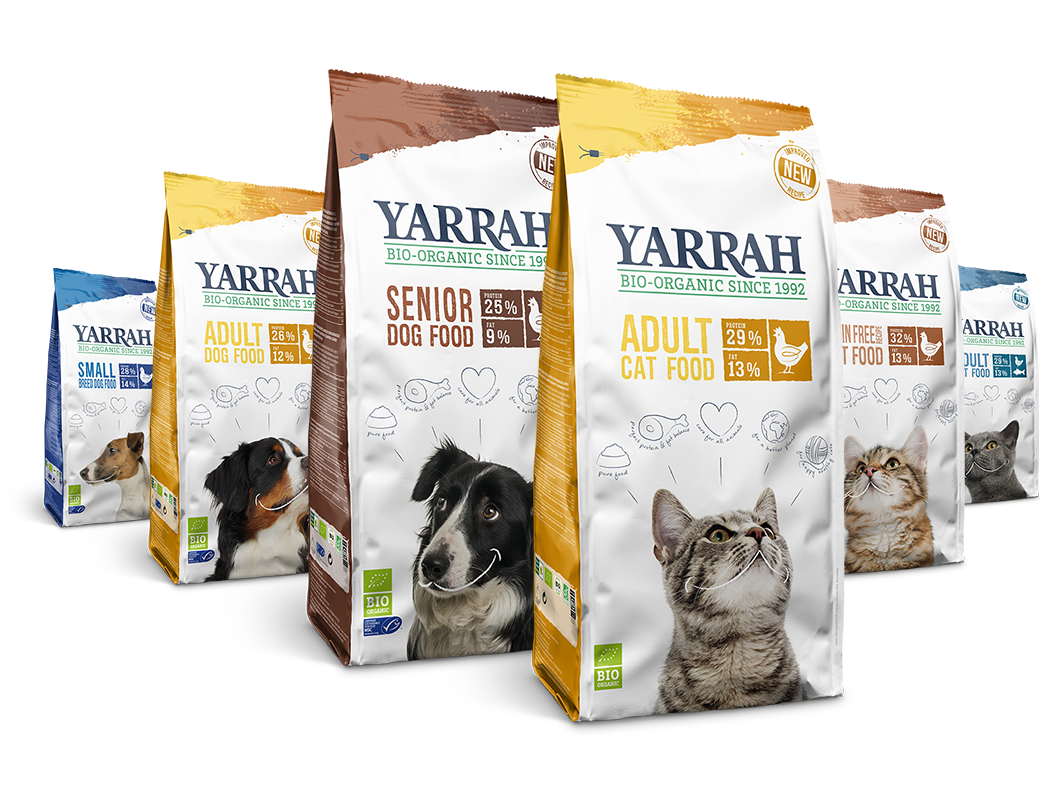
Dry pet food and treats require packaging that not only attracts buyers but also protects product quality throughout its shelf life. The right barrier properties prevent moisture uptake, oxidation, and aroma loss, while resisting punctures from sharp kibble edges or hard treats. This guide explains key barrier considerations and how to match them to your product’s needs.
Moisture Barrier
Moisture ingress is the most common cause of staleness and mold growth in pet food.
- Requirement: Low Water Vapor Transmission Rate (WVTR) to maintain crispness and prevent microbial growth.
- Materials:
- Metalized PET: Excellent moisture and light barrier at lower cost than foil.
- Foil Laminates: Near-zero WVTR, ideal for extended storage.
- High-Density Polyethylene (HDPE): Good moisture resistance, often used in multi-layer bags.
Testing: ASTM F1249 measures WVTR for packaging films.
Oxygen Barrier
Oxygen exposure leads to fat oxidation, rancidity, and nutrient degradation.
- Requirement: Low Oxygen Transmission Rate (OTR) for maximum freshness.
- Materials:
- Ethylene Vinyl Alcohol (EVOH): Exceptional OTR performance but sensitive to moisture.
- Foil Layers: Highest oxygen barrier but higher cost.
- Nylon/EVOH Coextrusions: Balanced cost and barrier for large-format pet food bags.
Testing: ASTM D3985 measures OTR in flexible packaging.
Odor and Aroma Retention
Pet food’s strong aroma is a selling point for pets—but not for storage areas.
- Use multilayer structures with polyamide or foil to trap odors.
- Avoid single-layer polyethylene for aromatic products; migration rates are too high.
Puncture Resistance
Sharp kibble edges and hard treats can compromise packaging integrity.
- Materials: Oriented Nylon (ONY) or PET layers improve puncture resistance without excessive thickness.
- Testing: ASTM D5748 for dynamic puncture resistance in flexible films.
Light Protection
UV light accelerates oxidation and vitamin loss in fortified pet foods.
- Solutions:
- Use opaque laminates or heavy metalized PET.
- Integrate UV-absorbing additives in the film for clear windows.
Sustainability Considerations
- Recyclable Options: Mono-material PE pouches are emerging but may have reduced barrier performance—consider for short shelf life SKUs.
- PCR Integration: Post-consumer recycled content can be incorporated into outer layers where barrier performance isn’t impacted.
Matching Barrier to Shelf Life Goals
- Short Shelf Life (≤6 months): Metalized PET with PE sealant layer.
- Medium Shelf Life (6–12 months): EVOH coextrusion or foil replacement laminates.
- Extended Shelf Life (12+ months): Foil laminates or advanced high-barrier coextrusions with moisture control layers.
References
ASTM International. (2013). ASTM F1249-13: Standard test method for water vapor transmission rate through plastic film and sheeting using a modulated infrared sensor. ASTM International. https://doi.org/10.1520/F1249-13
ASTM International. (2017). ASTM D3985-17: Standard test method for oxygen gas transmission rate through plastic film and sheeting using a coulometric sensor. ASTM International. https://doi.org/10.1520/D3985-17
ASTM International. (2017). ASTM D5748-17: Standard test method for protrusion puncture resistance of flexible packaging materials. ASTM International. https://doi.org/10.1520/D5748-17
Dry pet food and treats require packaging that not only attracts buyers but also protects product quality throughout its shelf life. The right barrier properties prevent moisture uptake, oxidation, and
The pressure to stay affordable has never been higher. Between rising material costs, consumer price sensitivity, and evolving retail expectations, brands are being forced to rethink packaging as both a
Full Overlap (FOL) boxes are among the strongest corrugated packaging styles, with flaps that fully overlap to provide double-thickness protection. But the strength of the box also depends on how
Industrial supply chains demand packaging that can withstand heavy loads, long transit routes, and rugged handling environments. Full Overlap (FOL) boxes offer superior performance in these conditions by combining durability
Home » Choosing the Right Barrier Packaging for Dry Pet Food and Treats