

Home » Affordable Packaging That Still Sells
Affordable Packaging That Still Sells
The pressure to stay affordable has never been higher. Between rising material costs, consumer price sensitivity, and evolving retail expectations, brands are being forced to rethink packaging as both a cost center and a marketing tool. Affordable packaging today isn’t about cutting corners — it’s about engineering value into every layer of design, print, and supply.
Affordability Starts with Smarter Design
Affordability doesn’t come from doing less — it comes from doing better with what you have. Brands often overspend on materials, coatings, or dielines that add visual flair but don’t influence a purchase decision. By simplifying structure — eliminating unnecessary folds, switching to efficient closures, or consolidating box SKUs — companies can lower production costs and assembly time.
The result isn’t a cheaper-looking box. It’s a cleaner, more functional design that feels intentional and modern — a growing trend in retail where consumers associate simplicity with honesty and sustainability.
Right-Sizing for Cost and Perception
Excess space in packaging drives up material use, freight volume, and perceived waste. By optimizing box dimensions to match the product, brands can cut corrugated or board usage by up to 15–20%, improve pallet efficiency, and reduce DIM shipping costs.
But right-sizing isn’t just a logistics advantage — it’s a branding opportunity. Packaging that fits precisely around the product looks tailored, high-quality, and well-engineered. That balance between visual precision and efficiency is where affordability meets premium presentation.
Choosing Materials That Work Harder
Not all cost-saving comes from downsizing — sometimes it comes from spec selection.
Using a lower-grade board or thinner flute doesn’t automatically mean weaker protection. A well-structured B-flute corrugated box or SBS folding carton can perform as well as heavier alternatives when properly engineered for stacking and transit.
This is where a packaging partner makes the difference — understanding compression strength, coating compatibility, and print alignment ensures lower-cost substrates still meet functional and visual standards. The goal is to spend smarter, not smaller.
Printing Efficiency Without Losing Shelf Impact
Many brands equate high-quality packaging with litho or multi-pass printing, but digital and flexographic advances have changed the game.
- Flexographic printing now supports tight registration and multi-color branding for high volumes at low cost.
- Digital printing offers variable graphics and low setup costs for short runs or seasonal promotions.
Combining the right print method with design intent is how brands maximize visual impact per dollar spent. A single well-executed color or matte finish can communicate more authenticity than four unnecessary process layers.
Affordability as a Brand Message
Consumers are increasingly aware that affordability doesn’t have to mean compromise. Packaging can actually communicate that message through honest materials, straightforward design, and minimal waste.
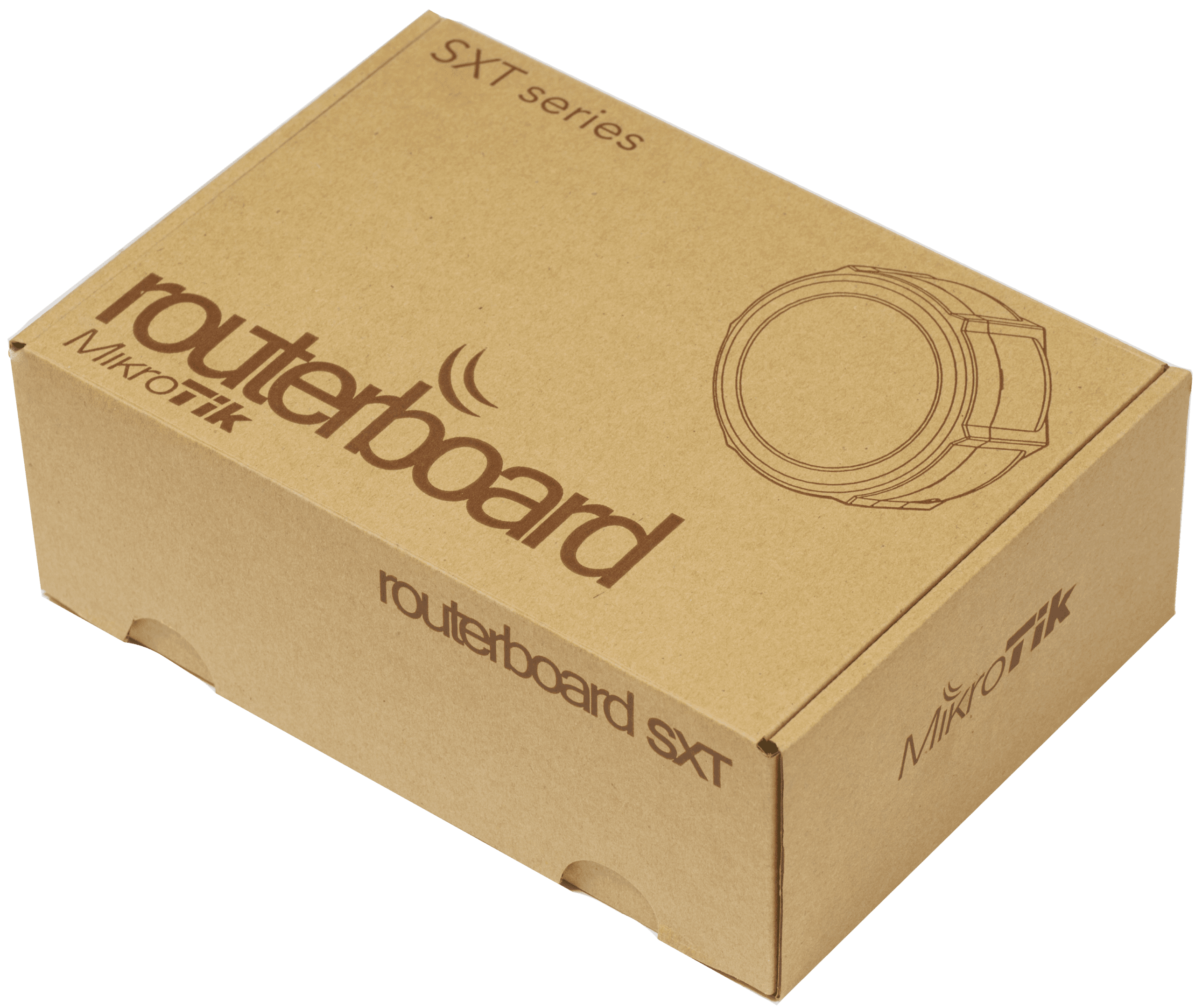
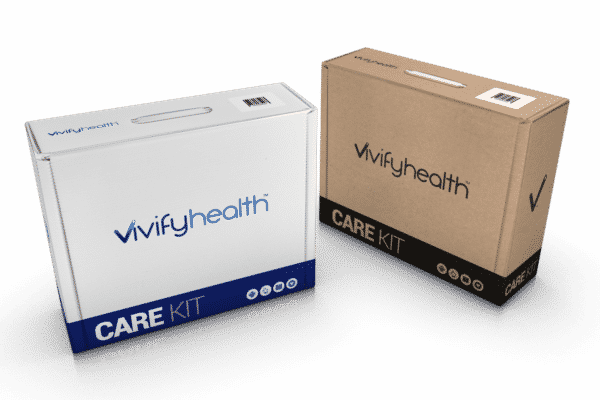
Think of the rise in kraft tones, recyclable boards, and clean typography — these aren’t downgrades; they’re signals of modern value and environmental responsibility. Brands embracing this shift show they understand the consumer mindset: make it simple, make it fair, make it feel intentional.
Partnering for Performance and Cost Control
True packaging affordability comes from collaboration, not shortcuts.
When packaging engineers, designers, and buyers work together from the start, they can align on cost targets, performance specs, and brand consistency before artwork ever hits the press.
Brown Packaging partners with companies across industries to deliver cost-optimized corrugated, folding carton, and rigid box solutions that protect margins, maintain brand presence, and keep products accessible to consumers — without compromise.
References
- Soroka, W. (2009). Fundamentals of Packaging Technology (4th ed.). Institute of Packaging Professionals.
- Packaging Machinery Manufacturers Institute (PMMI). (2023). Trends in Packaging Cost Efficiency.
- McKinsey & Company. (2024). The Consumer Price Shift and Packaging Affordability.
- Packaging World. (2025). Balancing Packaging Value and Cost in Retail Markets.
A POP display can be perfectly designed, well-produced, and shipped on time… …and still never get placed. This isn’t a design failure—it’s an execution failure. And it’s more common than
Your POP display isn’t used the way you designed it. It’s used the way the store needs it. That means: Products get moved Inserts get removed Layouts get simplified Structure
Lower cost per unit looks like a win. Until the display: Fails early Doesn’t get placed Doesn’t sell product Then it becomes expensive—fast. Because POP display cost isn’t about what
Many packaging systems pass lab testing—and still fail in real-world shipping. This disconnect happens because testing measures controlled conditions, while shipping introduces variables that are rarely accounted for. If your
Home » Affordable Packaging That Still Sells