window.uetq = window.uetq || []; window.uetq.push(‘event’, ‘submit_lead_form’,{ event_label:‘SUBMIT MESSAGE’ }); window.lintrk('track', { conversion_id: 10271009 }); window.lintrk('track', { conversion_id: 10271017 });

Moisture Control in Pet Food Packaging

Moisture Control in Pet Food Packaging

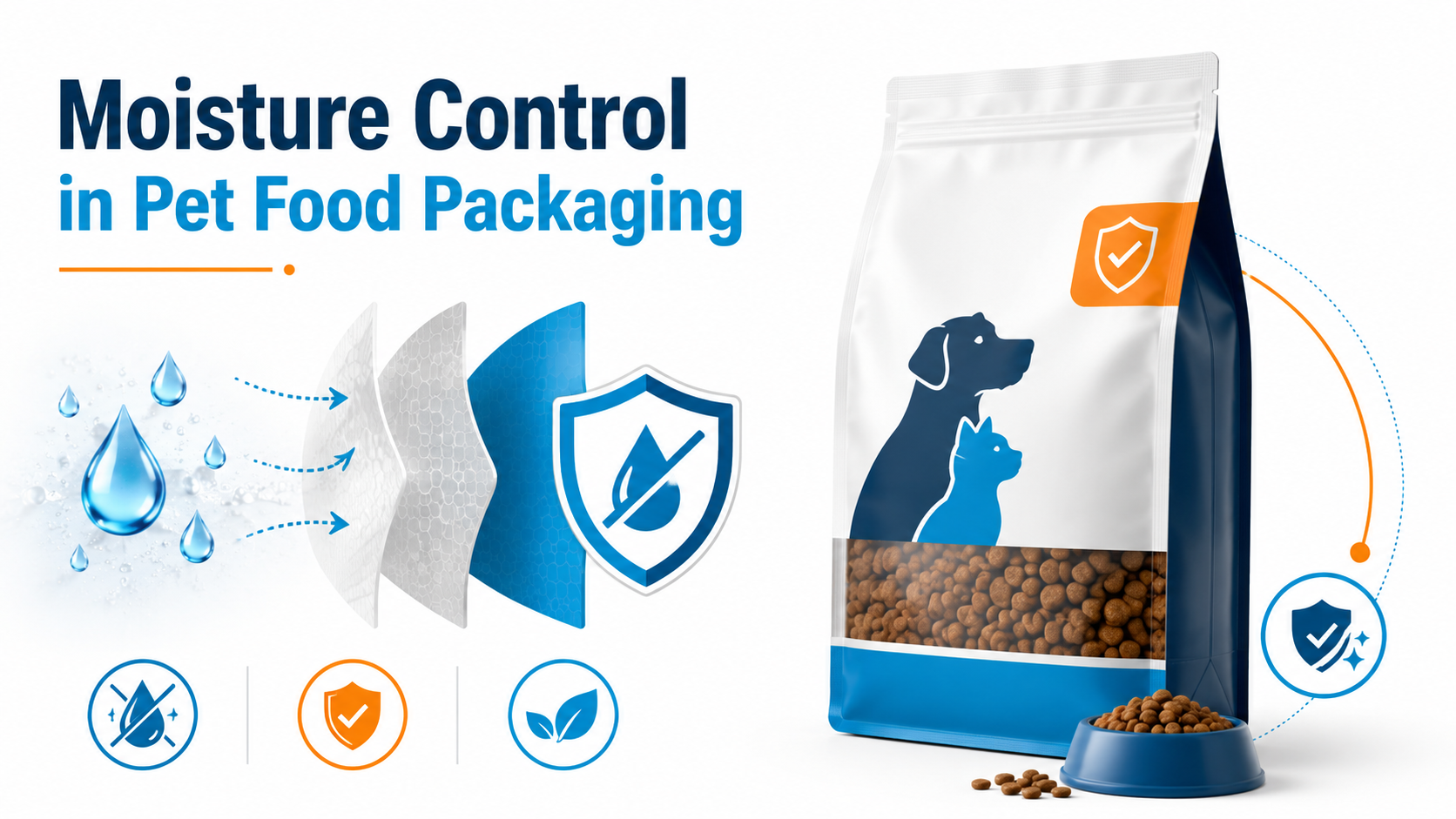
Excess moisture in pet food packaging can cause mold growth, nutrient degradation, clumping, and product spoilage. Effective moisture control combines barrier material selection, packaging design, and controlled production environments to maintain product quality from filling to end use.

Moisture Sensitivity in Pet Food Types

  • Dry Kibble: Susceptible to mold growth when moisture content exceeds 10–12%.
  • Soft-Moist Treats: Require a precise balance of water activity (a_w) to prevent spoilage while maintaining texture.
  • Powders and Meal Mixes: Clump and lose flowability if exposed to high humidity.
  • Freeze-Dried or Dehydrated Products: Extremely hygroscopic; absorb moisture rapidly.

Barrier Material Selection

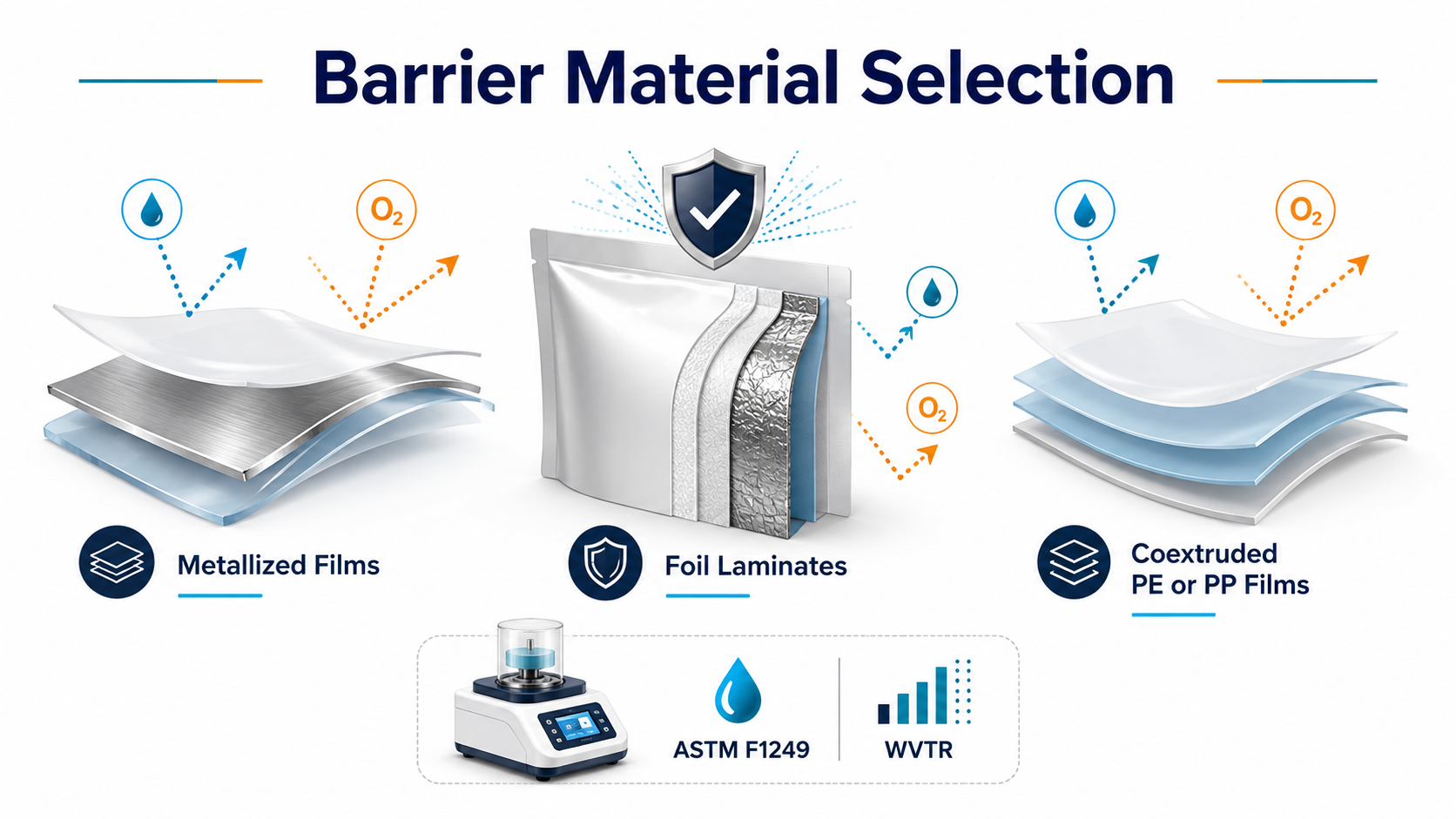
  • Metallized Films (MET-PET, MET-OPP): Provide high moisture and oxygen barrier at lower cost than foil.
  • Foil Laminates: Offer the lowest water vapor transmission rate (WVTR) for maximum protection.
  • Coextruded PE or PP Films: Suitable for products with moderate shelf life in controlled environments.

Testing: ASTM F1249 measures WVTR for packaging materials under controlled temperature and humidity.

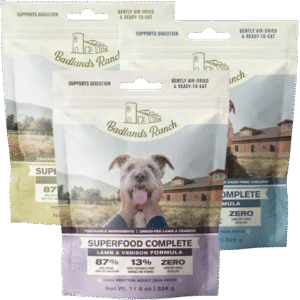
Barrier Material Selection Pouches

Seal Integrity

Even the best barrier films fail if seals allow moisture ingress.

  • Heat-Sealed Joints: Must meet bond strength requirements under ASTM F88/F88M.
  • Pinholes & Micro-Leaks: Detectable via vacuum decay or bubble emission testing.
  • Double Sealing for Bulk Bags: Adds redundancy in high-moisture distribution channels.

In-Package Moisture Control Systems

  • Desiccant Sachets: Absorb ambient moisture inside the package; commonly silica gel or clay-based.
  • Oxygen Absorbers: Secondary benefit of controlling mold growth by eliminating oxygen.
  • Active Barrier Films: Incorporate moisture scavenging agents directly into film layers.

Production Environment Controls

  • Filling in Low-Humidity Conditions: Keeps starting moisture levels within specification.
  • Cold Filling for Heat-Sensitive Products: Reduces condensation risk.
  • Post-Packaging Storage: Maintain temperature and RH stability to avoid condensation inside bags.
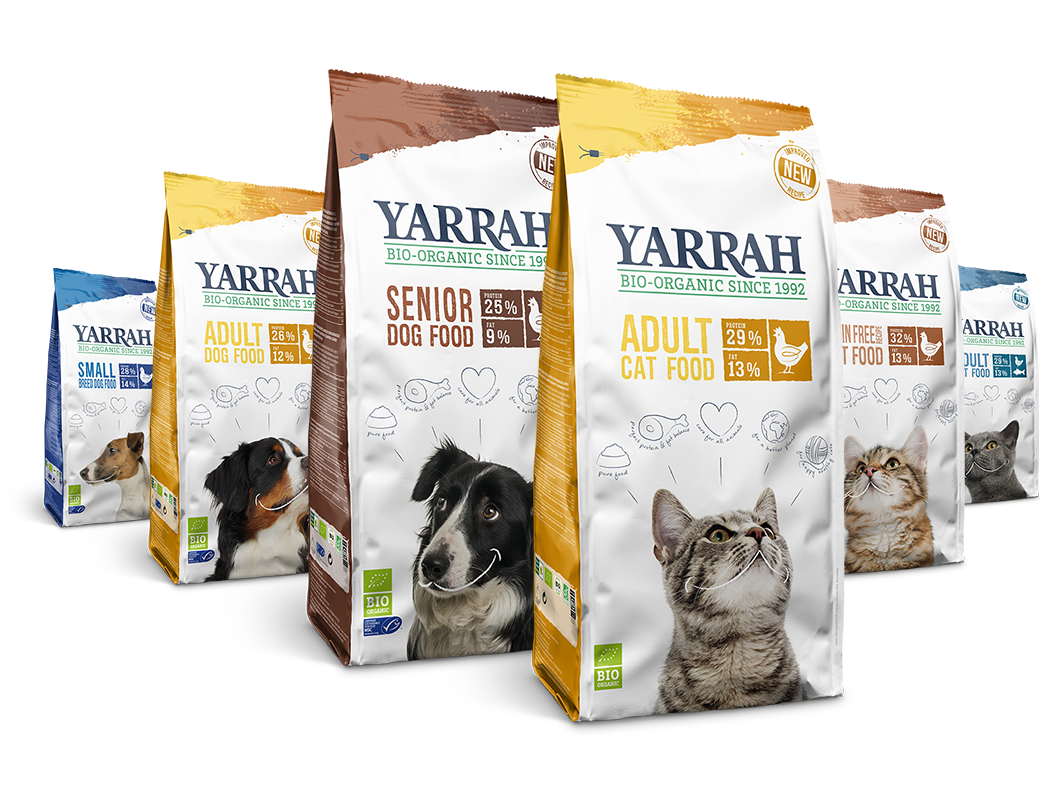
custom pet food digital printed pouch packaging

E-Commerce and Moisture Risks

Packages shipped in varying climates may face rapid humidity shifts.

  • Secondary Overwraps: Provide additional moisture protection during transit.
  • Insulated Shippers: Useful for premium, high-value pet products.

References


ASTM International. (2013). ASTM F1249-13: Standard test method for water vapor transmission rate through plastic film and sheeting using a modulated infrared sensor. ASTM International. https://doi.org/10.1520/F1249-13
ASTM International. (2013). ASTM F88/F88M-13: Standard test method for seal strength of flexible barrier materials. ASTM International. https://doi.org/10.1520/F0088_F0088M-13
Food and Drug Administration. (2023). Pet food labeling. U.S. Food and Drug Administration. https://www.fda.gov/animal-veterinary/animal-food-feeds/pet-food-labeling

Most Recent Posts:
Moisture Control in Pet Food Packaging

Excess moisture in pet food packaging can cause mold growth, nutrient degradation, clumping, and product spoilage. Effective moisture control combines barrier material selection, packaging design, and controlled production environments to

Read More »
Subscribe To Our Newsletter

By submitting your information, you agree to our terms and conditions and privacy policy.

custom stand up pouches with hang holes, digital printed for multi sku pet food packaging
Pet Food Packaging
Facebook
Twitter
LinkedIn
Pinterest
Relevant Posts