

Home » 11 Sustainable Packaging in 2024: What to Expect
11 Sustainable Packaging in 2024: What to Expect

As we gear up for 2024, the world continues to evolve and adapt to the ever-growing demands of sustainability. A major focal point of this shift is the packaging industry. Brands, consumers, and governments are increasingly cognizant of the environmental impacts of packaging waste. As a result, the sustainable packaging industry is set to experience transformative innovations and widespread adoption.
- Rise in Biodegradable and Compostable Materials
- Return to Reuse Systems
- Smart Packaging
- Focus on Minimalism
- Recycled Content Water-Soluble Packaging
- Water-Soluble Packaging
- Governmental Regulations
- Consumer Demand for Transparency
- Reduction in Microplastics
- Innovative Packaging Design
- Digital Platforms & Certifications
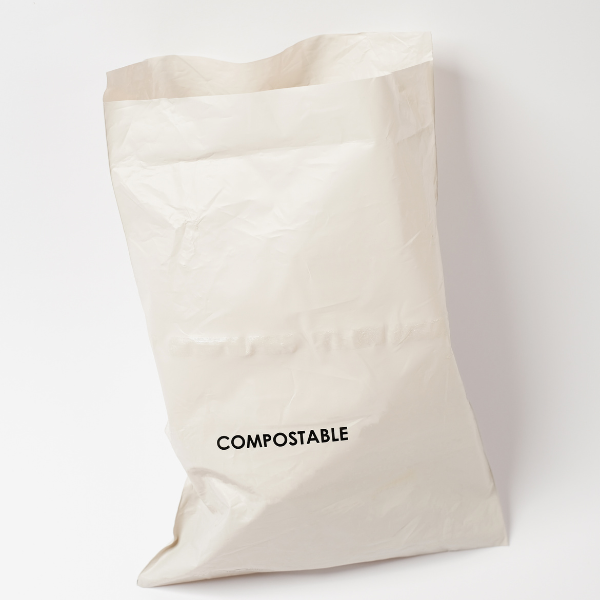
Rise in Biodegradable and Compostable Materials
More companies are likely to adopt packaging made from plant-based plastics, like polylactic acid (PLA), and materials that break down faster in the environment. Mushroom packaging, seaweed-based materials, and other natural alternatives will see broader adoption.
Return to Reuse Systems
A throwback to the milkman days, brands will offer packaging that’s meant to be returned, cleaned, and reused. Loop, a shopping platform that provides products in reusable containers, is a precursor to this trend.
Smart Packaging
Incorporating technology, smart packaging will not only be sustainable but also interactive. This can include QR codes to provide recycling information, sensors indicating product freshness, or even augmented reality experiences that promote sustainability.
Focus on Minimalism
“Less is more” will be the mantra. Brands will opt for minimalist packaging designs, utilizing lesser material while ensuring product safety and integrity. This reduction in materials will also reduce transportation emissions due to lighter weight.
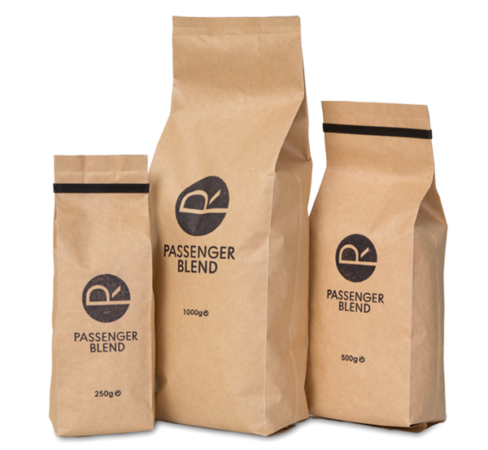
Water-Soluble Packaging
Products like single-use laundry detergents, shampoos, and soaps will adopt water-soluble packaging. These dissolve in water, leaving no trace behind.
Recycled Content
The demand for post-consumer recycled (PCR) content in packaging will continue to rise. Companies will increasingly highlight the percentage of PCR material in their packaging as a selling point.
Governmental Regulations
More countries are likely to impose stricter regulations on packaging materials, promoting the use of sustainable alternatives and penalizing non-compliance. Extended Producer Responsibility (EPR) regulations might become common.
Consumer Demand for Transparency
Brands will need to be more transparent about their packaging’s lifecycle, including its origin, recyclability, and environmental impact. This might even influence purchasing decisions.
Reduction in Microplastics
With increasing awareness about the hazards of microplastics in our oceans and food chain, there will be a significant move to reduce or eliminate them from packaging materials.
Innovative Packaging Design
Brands will collaborate with designers to create packaging that not only looks appealing but also serves multiple purposes. For instance, a package that can be transformed into a hanger, planter, or a storage container.
Digital Platforms & Certifications
More digital platforms offering sustainable packaging solutions will emerge, making it easier for brands to switch. Additionally, sustainable packaging certifications will become a key differentiator for brands.
In Conclusion
2024 promises to be a pivotal year for sustainable packaging. As the world acknowledges the pressing need for environmental conservation, sustainable packaging is no longer just a trend but a necessity. Both industry leaders and emerging startups will play critical roles in shaping the future of packaging. As consumers, our purchasing choices will drive this change, reinforcing the idea that sustainability is not just good for the planet, but good for business too.
If you are interested in sustainable packaging, then partner with Brown Packaging today to get started.
Sustainable packaging in 2027 will be less about broad claims and more about proof, performance, compliance, and cost control. Buyers will still care about recyclable
Sustainable packaging in 2027 will be less about broad claims and more about proof, performance, compliance, and cost control. Buyers will still care about recyclable
A folding carton may look simple once it reaches the shelf, but it goes through a controlled production process before it becomes a finished package.
Folding carton production is becoming more automated because buyers are asking for faster timelines, tighter consistency, and more flexibility across more SKUs. Shorter product lifecycles,
Folding carton style matters because structure affects more than appearance. The right carton can improve shelf presentation, packing speed, product access, closure security, storage efficiency,
Pouch packaging trends in 2027 will be shaped by convenience, shelf impact, sustainability pressure, sealing performance, automation, ecommerce growth, and total packaging cost. Buyers will
By submitting your information, you agree to our terms and conditions and privacy policy.
Home » 11 Sustainable Packaging in 2024: What to Expect

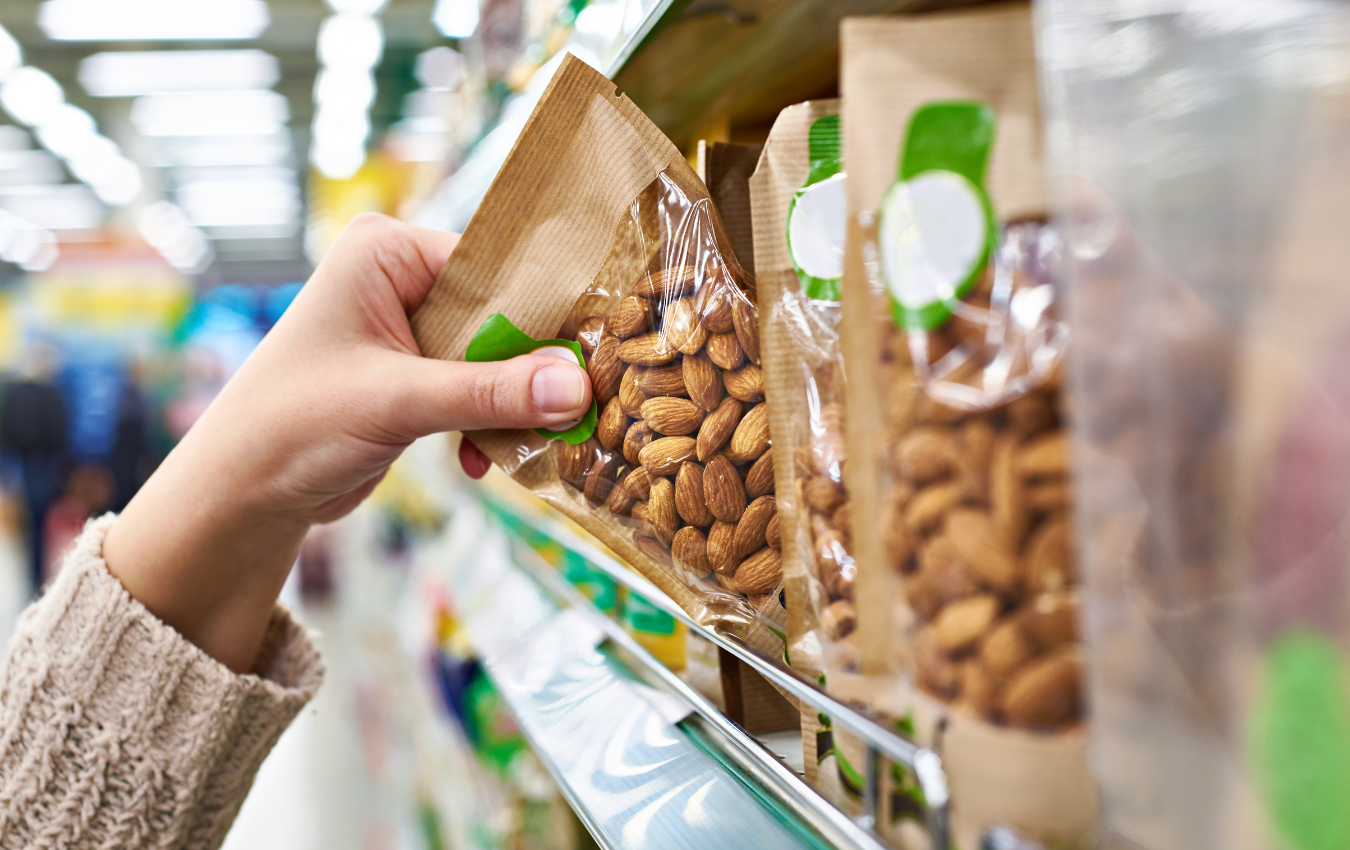

The flexible packaging industry is experiencing a significant evolution as it leans into more sustainable practices. Amid growing environmental concerns, there’s a strong movement within

Sustainable packaging in 2027 will be less about broad claims and more about proof, performance, compliance, and cost control. Buyers will still care about recyclable
California has long been a pioneer in environmental protection, and its stringent packaging laws are a testament to its commitment to sustainability. Among these regulations,