

Home » A Buyer’s Guide to Designing Full-Overlap (FOL) Boxes
A Buyer’s Guide to Designing Full-Overlap (FOL) Boxes

Designing a Full-Overlap (FOL) box tailored to your specific needs is a critical step in ensuring the safe and secure packaging of your products. FOL boxes are renowned for their strength and protection, making them ideal for shipping delicate, valuable, or heavy items.
In this comprehensive buyer’s guide, we will walk you through the essential steps and considerations to design a Full-Overlap box that meets your packaging requirements.
Step 1: Define Your Product Requirements
Step 2: Box Dimensions and Sizing
Step 5: Customization and Branding
Step 6: Testing and Prototyping
Step 7: Eco-Friendly Considerations
Step 1: Define Your Product Requirements
Product Type:
- Clearly identify the product you intend to package. Understand its dimensions, weight, fragility, and any unique characteristics.
Quantity:
- Determine the quantity of products you need to package per box, as this affects the box’s size and capacity.
Protection Needs:
- Assess the level of protection required. Consider whether your product needs cushioning, shock absorption, or additional support within the box.
Step 2: Box Dimensions and Sizing
Interior Dimensions:
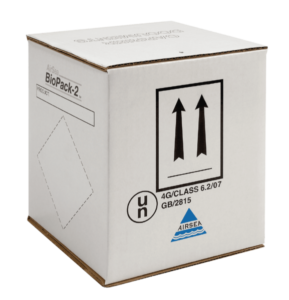
- Calculate the interior dimensions of the box based on your product’s size and quantity. Ensure there is enough space to accommodate the product without excess room that can lead to movement during transit.
Customization:
- Decide if you need a custom-sized box or if standard FOL box sizes are suitable for your product. Customization allows for a perfect fit, reducing the risk of damage during shipping.
Step 3: Material Selection
Corrugated Material:
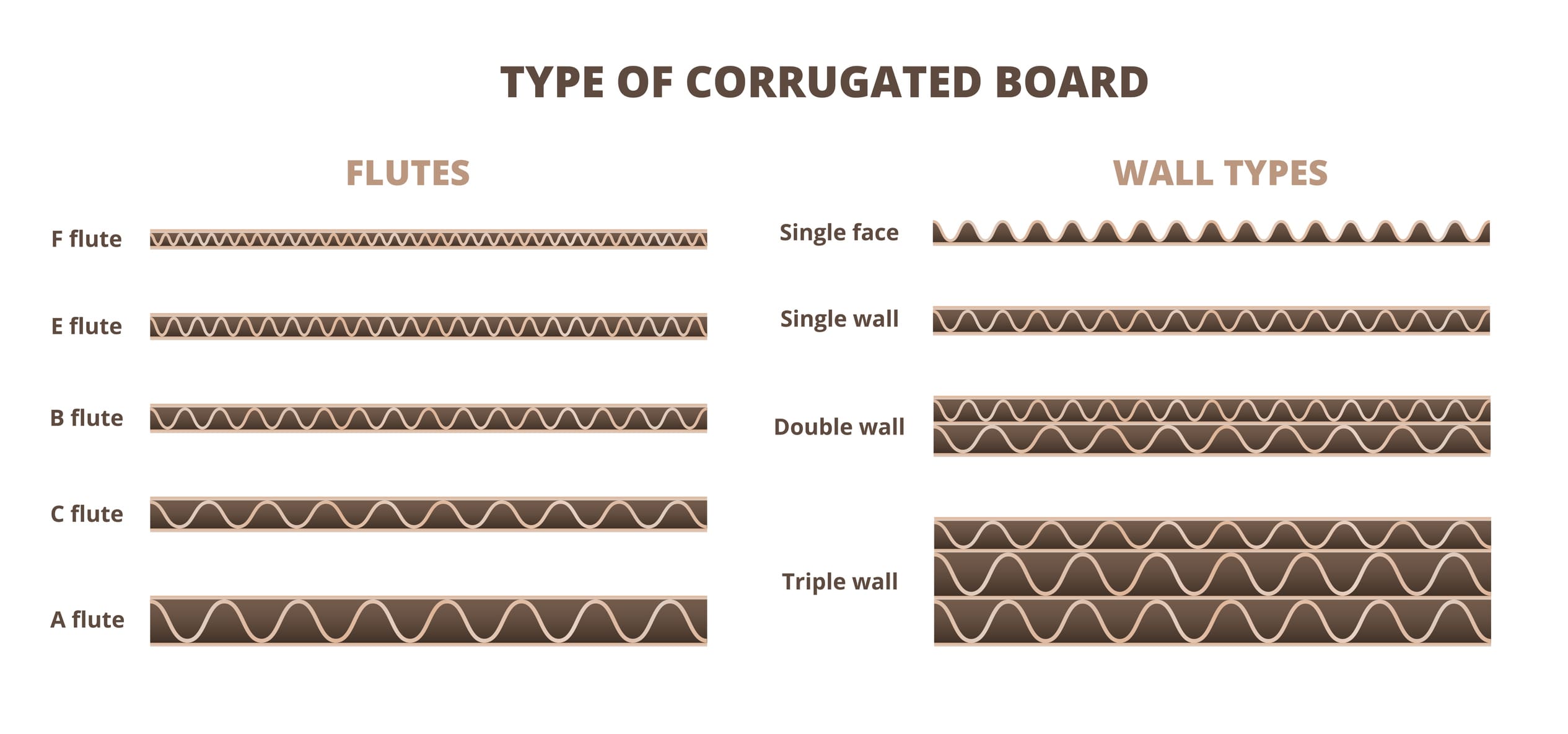
- Choose the corrugated material that suits your packaging needs. Single-wall corrugated is suitable for lightweight items, while double-wall corrugated provides added strength and protection for heavier products.
Flute Type:
- Select the flute type (e.g., A, B, C, or E flute) based on your product’s fragility and weight. Larger flute sizes offer better cushioning.
Step 4: Box Style and Closure
Full-Overlap (FOL) Design:
- Opt for the FOL box style, known for its overlapping flaps that enhance structural integrity and protection.
Closure Method:
- Choose the closure method, such as adhesive tape, glue, or staples, that suits your packaging process and ensures a secure seal.
Step 5: Customization and Branding
Graphics and Branding:
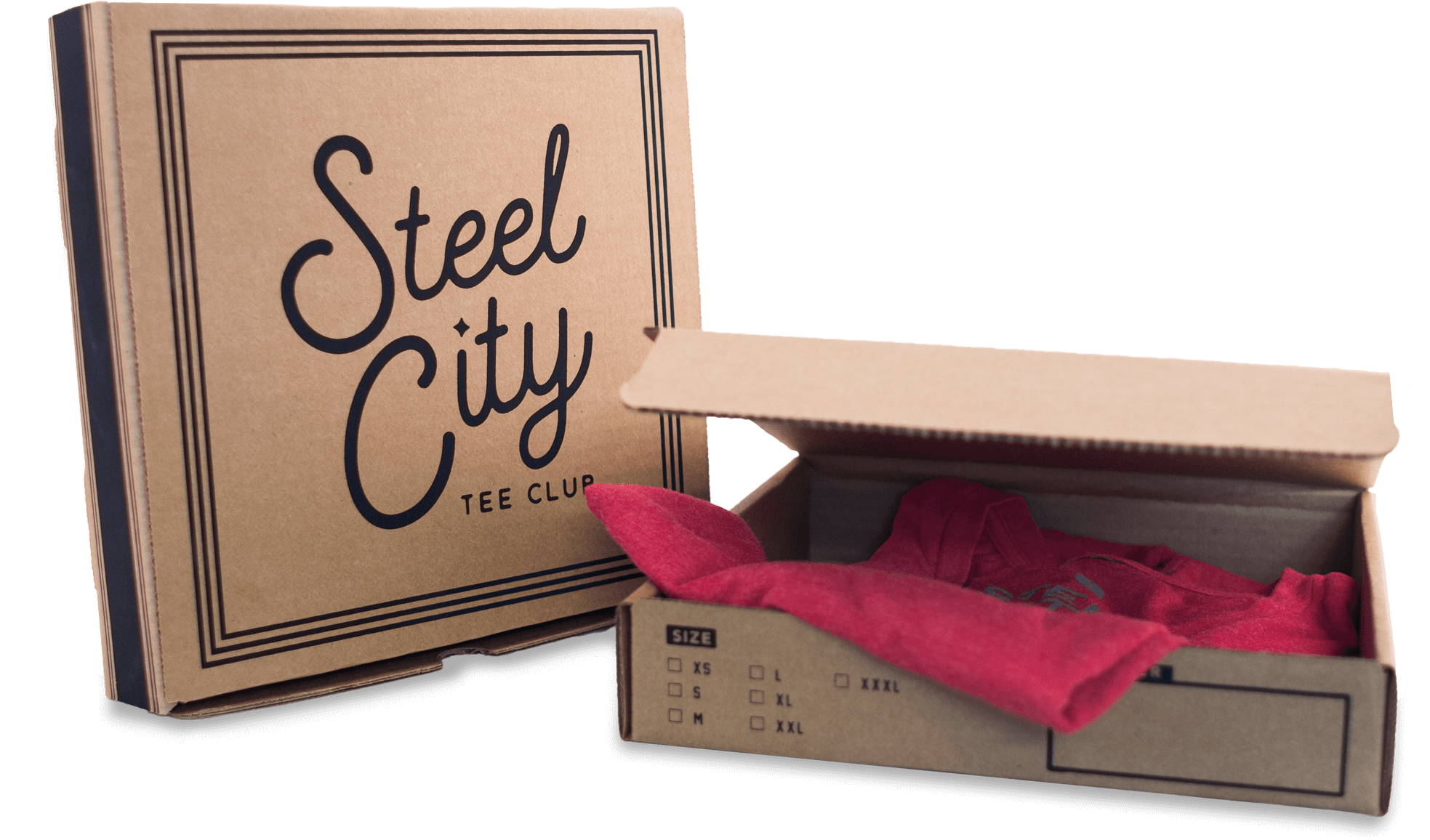
- Consider adding custom graphics, branding, or product information to the box to enhance its visual appeal and promote your brand.
Printing Options:
- Decide between flexographic or lithographic printing methods based on your desired print quality and budget.
Step 6: Testing and Prototyping
Prototyping:
- Before committing to a large production run, create a prototype of your FOL box to test its fit and functionality.
Quality Control:
- Establish quality control measures to ensure that each box meets your specifications and provides the necessary protection.
Step 7: Eco-Friendly Considerations
Recyclability:
- Choose eco-friendly corrugated materials that are easily recyclable, supporting sustainability initiatives.
Ink and Coating:
- Select water-based inks and coatings for environmentally responsible printing options.
Step 8: Production and Ordering
Vendor Selection:
- Choose a reputable corrugated box manufacturer with experience in producing FOL boxes to ensure quality and reliability.
Order Quantity:
- Determine the quantity of FOL boxes you need, considering production lead times and storage space.
Step 9: Shipping and Handling
Storage:
- Store your FOL boxes in a dry, cool, and clean environment to prevent damage before use.
Handling Instructions:
- Provide handling instructions for your shipping and warehouse teams to ensure that the FOL boxes are used correctly.Top of Form
If you are interested full overlap (FOL) corrugated boxes, then partner with Brown Packaging today to get started.
Sustainable packaging in 2027 will be less about broad claims and more about proof, performance, compliance, and cost control. Buyers will still care about recyclable
Sustainable packaging in 2027 will be less about broad claims and more about proof, performance, compliance, and cost control. Buyers will still care about recyclable
A folding carton may look simple once it reaches the shelf, but it goes through a controlled production process before it becomes a finished package.
Folding carton production is becoming more automated because buyers are asking for faster timelines, tighter consistency, and more flexibility across more SKUs. Shorter product lifecycles,
Folding carton style matters because structure affects more than appearance. The right carton can improve shelf presentation, packing speed, product access, closure security, storage efficiency,
Pouch packaging trends in 2027 will be shaped by convenience, shelf impact, sustainability pressure, sealing performance, automation, ecommerce growth, and total packaging cost. Buyers will
By submitting your information, you agree to our terms and conditions and privacy policy.

Home » A Buyer’s Guide to Designing Full-Overlap (FOL) Boxes


In the world of packaging, the visual appeal of your product plays a significant role in catching the customer’s eye and leaving a lasting impression.
Corrugated boxes have been a staple in packaging and shipping for decades, and they continue to play a crucial role in various industries. As we
Most buyers evaluate corrugated packaging based on cost and appearance—but the manufacturing method behind the box often determines performance, consistency, and total cost. When you