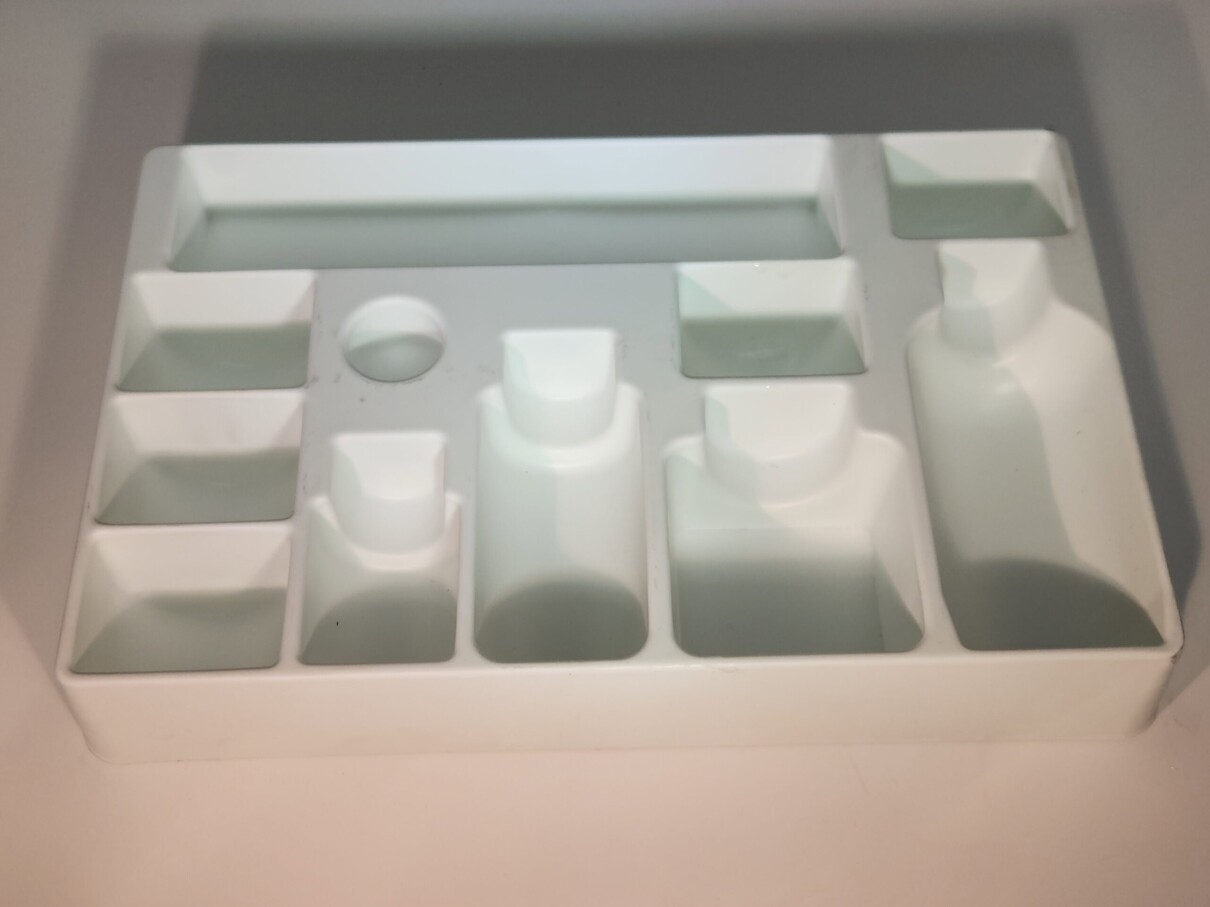
Polypropylene, often referred to as PP plastic, is the second most widely used plastic globally, praised for its remarkable durability, strength, and resistance to various environmental factors. This thermoplastic polymer is behind the resilience of many items in our daily lives, from children’s toys that withstand rough play to the reliable lids on your shampoo bottles that endure frequent use.
Properties of PP Plastic
Durability and Robustness: PP is characterized by its ability to resist wear and tear, making it ideal for high-use products like automotive parts and consumer goods.
Chemical Resistance: PP does not react with a wide range of chemicals, which makes it suitable for containers and pallets in chemical handling applications.
Biological Resistance: It does not degrade or mold easily, resisting damage from biological elements such as bacteria and fungi, enhancing its utility in medical and food applications.
Water Resistance: Its impermeability makes it essential for items that must withstand moisture, including medical devices and lab equipment.
Fatigue Resistance: PP maintains its shape after bending or twisting, exemplified by its use in living hinges, such as those found on shampoo bottle lids.
High Melting Point: With a melting point that allows it to withstand higher temperatures, PP is perfect for kitchenware and food appliances that undergo heat exposure.
Electrical Insulation: Its resistance to electricity makes it a primary choice for electronic components.
Cost-Effectiveness and Recyclability: PP is not only affordable but also fully recyclable, supporting environmental sustainability by reducing landfill waste.
Applications of Polypropylene in Various Industries
Packaging Solutions: PP’s flexibility and low cost make it a popular choice for various packaging needs, replacing traditional materials like paper and cellophane. It is extensively used in manufacturing containers such as pallets, bottles, yogurt containers, and food packaging products.
Automotive Components: Due to its durability and resistance properties, PP is frequently utilized in the automotive industry for parts such as car batteries, bumpers, interior panels, and cladding.
Medical Industry: PP’s resistance to rigorous sterilization makes it indispensable in medical applications. It is used for constructing medical devices and packaging systems for pharmaceutical products.
Consumer Goods: From toys that must endure frequent handling to household items like rugs and kitchen utensils, PP is a staple material in the consumer goods sector.
Material Handling: PP is often the material of choice for making durable plastic pallets and other material handling equipment, thanks to its robustness and resilience.
For more information on polypropylene packaging solutions or to discuss your specific needs, please contact Brown Packaging. We are dedicated to providing high-quality, sustainable packaging solutions tailored to your requirements.