




Home » Sustainable Trends in the Shipping and Mailing Tubes Industry
Sustainable Trends in the Shipping and Mailing Tubes Industry
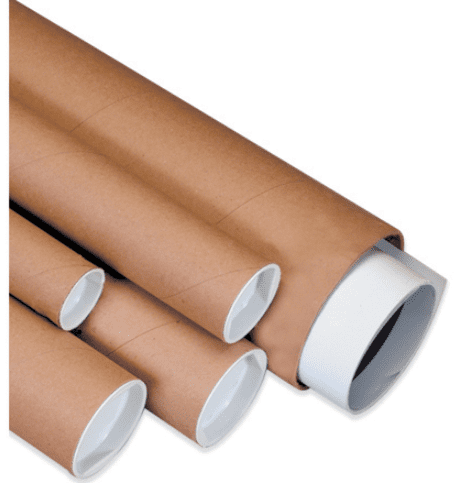
In today’s fast-paced world, one industry that keeps businesses and individuals connected is the shipping and mailing industry. An often overlooked but crucial component of this industry is shipping and mailing tubes. These unique packages are designed to protect and transport goods like posters, blueprints, and documents, among other things.
With sustainability becoming a global priority, industries, including the shipping and mailing tubes industry, are under increasing pressure to evolve. This article will highlight the current sustainable trends reshaping the shipping and mailing tubes industry.
Use of Recycled Materials
The push for sustainability has led manufacturers to increasingly turn to recycled materials in the production of shipping and mailing tubes. Using post-consumer waste paper and cardboard not only reduces landfill waste but also lowers the environmental footprint of the industry. Materials like recycled cardboard and paper have become commonplace in this sector, with companies often stating the percentage of recycled materials used in their products.
Reusable Shipping Tubes
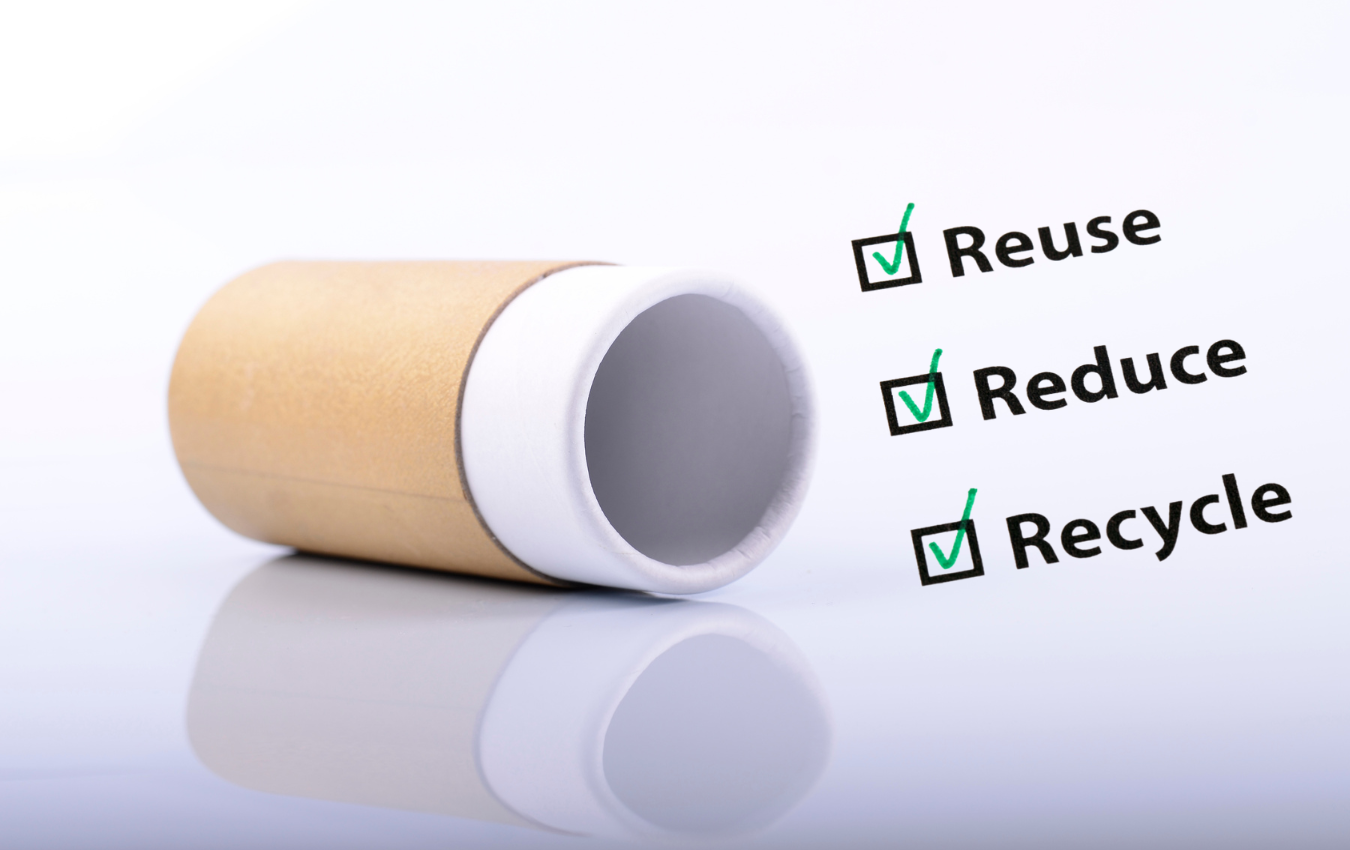
Another emerging trend is the development of reusable shipping tubes. These tubes are designed for multiple uses, with sturdy construction and closures that can be easily opened and closed without damaging the tube. While upfront costs may be higher, these reusable tubes can be cost-effective in the long run and provide an environmentally friendly solution for frequent shippers.
Sustainable Packaging Practices
Sustainable packaging goes beyond just the tubes themselves. Companies are now focusing on all aspects of their packaging, from the packing materials used inside the tubes (like biodegradable packing peanuts or shredded paper) to the tape used to seal them. Many are also choosing to print with soy-based or other types of eco-friendly inks.
Carbon Neutral Shipping
While not exclusive to the shipping and mailing tubes industry, the trend towards carbon-neutral shipping has had a significant impact. This involves calculating the carbon emissions generated by shipping goods and investing in projects that reduce or offset those emissions, such as renewable energy projects or tree planting. Many companies are now offering customers the option to choose carbon-neutral shipping at checkout.
Supplier Sustainability Programs
Businesses are increasingly requiring their suppliers to meet specific sustainability standards. This trend is making waves in the shipping and mailing tubes industry, with manufacturers being asked to provide evidence of their sustainable practices, such as responsible sourcing of materials, waste reduction efforts, and energy-efficient manufacturing processes.
Customer Education
Companies are also prioritizing educating their customers about sustainable choices. They’re providing clear information about how their tubes are more sustainable, how to recycle them correctly, and the benefits of choosing sustainable options. Education is a vital step in promoting the widespread adoption of sustainable practices.
Conclusion
Sustainability is more than just a buzzword. It’s a necessary shift to ensure the longevity and health of our planet. The shipping and mailing tubes industry, like many others, is recognizing this and adapting accordingly. The current trends of recycled materials, reusable options, sustainable packaging practices, carbon-neutral shipping, supplier sustainability programs, and customer education are evidence of this growing shift.
As consumers, we play an essential role in supporting these trends. By choosing to buy from companies that prioritize sustainability, we can help drive the demand for eco-friendly alternatives and contribute to a more sustainable future.
If you are interested in custom or stock mailing tubes, then partner with Brown Packaging today to get started.
In 2026, sustainability is no longer just a trend—it’s a buyer expectation. Forest Stewardship Council (FSC) certification has become a key benchmark for responsible packaging, signaling that materials are sourced from responsibly managed forests. For packaging buyers, FSC certification is more than a compliance checkbox—it’s a brand value that influences purchasing decisions, retailer acceptance, and customer loyalty. What Is FSC Certification? The Forest Stewardship Council certifies that paper-based packaging materials are sourced from forests managed for environmental responsibility, social benefit, and economic viability. FSC Mix: Packaging contains a blend of FSC-certified and controlled wood. FSC Recycled: Packaging is made entirely from recycled fiber. FSC 100%: Packaging is sourced only from FSC-certified forests. Why FSC Matters to Buyers in 2026 Retail access: Many major retailers now require FSC-certified packaging. Sustainability goals: Aligns with corporate ESG and carbon reduction commitments. Consumer trust: Customers recognize the FSC label and view it as credible. Global compliance: Meets international sustainability regulations. How FSC Certification Strengthens Brand Value Differentiation: Stand out with certified sustainable packaging. Marketing advantage: FSC logos reinforce eco-friendly messaging. Risk reduction: Verified sourcing prevents greenwashing claims. Customer loyalty: Environmentally conscious buyers prefer certified products. Challenges in FSC Implementation Limited supply of certain FSC substrates. Higher costs compared to non-certified materials. Need for supplier audits and documentation. Packaging Solutions with Brown Packaging Brown Packaging partners with buyers to integrate FSC-certified materials into corrugated boxes, folding cartons, and retail packaging. Our solutions support sustainability while maintaining cost efficiency and protection. Contact us to strengthen your brand with FSC-certified packaging. References Forest Stewardship Council (FSC). (2023). FSC Certification Guidelines for Packaging. Retrieved from https://fsc.orgSustainable Packaging Coalition. (2023). Consumer Insights on Sustainable Packaging. Retrieved from https://sustainablepackaging.orgSoroka, W. (2009). Fundamentals of Packaging Technology (4th ed.). Institute of Packaging Professionals. (714)300-0650 request@brownpackaging.com Most Recent Posts: Subscribe To Our Newsletter By submitting your information, you agree to our terms and conditions and privacy policy. Sustainable Packaging Facebook Twitter LinkedIn Pinterest Relevant Posts
Sustainability is now a top priority for packaging buyers. Retailers, regulators, and consumers are all demanding packaging solutions that reduce environmental impact without sacrificing performance. In 2026, buyers must balance eco-friendly materials, cost, and compliance to build programs that are both effective and future-ready. What Buyers Need to Know About Sustainable Packaging Regulatory pressure: Governments are enforcing stricter rules on recyclability and plastic use. Retail mandates: FSC certification and recyclable packaging are becoming standard requirements. Consumer expectations: Customers increasingly choose brands with visible sustainability commitments. Sustainable Material Options Recycled corrugated: High recycled content while maintaining compression strength. Compostable films: Suitable for select food and retail applications. Molded pulp inserts: Replace foam or plastic for protective packaging. Water-based coatings: Enhance moisture resistance without harmful chemicals. Balancing Cost and Performance Right-size packaging: Reduces material waste and shipping costs. Hybrid solutions: Combine eco-materials with corrugated for balance. Life cycle analysis: Evaluate true environmental impact, not just marketing claims. How to Evaluate Sustainable Suppliers Verify FSC, SPC, or ISO certifications. Request testing data for durability and recyclability. Audit supply chains for consistency and transparency. Ensure claims meet local and international compliance standards. Packaging Solutions with Brown Packaging Brown Packaging helps buyers implement sustainable packaging programs that balance cost, performance, and compliance. From recycled corrugated to eco-friendly coatings and inserts, we deliver solutions that meet 2026 sustainability goals. Contact us to explore sustainable packaging options. References Forest Stewardship Council (FSC). (2023). FSC Certification Guidelines for Packaging. Retrieved from https://fsc.orgSustainable Packaging Coalition. (2023). Packaging Sustainability Trends and Buyer Insights. Retrieved from https://sustainablepackaging.orgSoroka, W. (2009). Fundamentals of Packaging Technology (4th ed.). Institute of Packaging Professionals. (714)300-0650 request@brownpackaging.com Most Recent Posts: Categories: Corrugated Ecommerce ESD Design Display Flexible Packaging Foam Folding Carton Packaging Plastic Packaging Pouch Printing Protection Retail Rigid Box Thermoform Sustainability Subscribe To Our Newsletter By submitting your information, you agree to our terms and conditions and privacy policy. Sustainable Packaging Facebook Twitter LinkedIn Pinterest Relevant Posts
Choosing the right packaging material is one of the most important decisions buyers face. Single-material packaging offers simplicity and recyclability, while multi-material designs provide enhanced performance and protection. Understanding the trade-offs helps companies balance cost, functionality, and sustainability goals in 2026. What Is Single-Material Packaging? Single-material packaging uses one substrate—such as corrugated board, folding carton, or plastic—for the entire structure. Advantages: Easier to recycle and dispose. Lower material costs in many cases. Streamlined sourcing and inventory. Supports sustainability messaging. Disadvantages: Limited barrier protection. Less customization for fragile or complex products. May require added thickness for strength, increasing weight. What Is Multi-Material Packaging? Multi-material packaging combines two or more substrates—such as corrugated with foam, or paperboard laminated with film—to achieve specific performance outcomes. Advantages: Greater protection against moisture, oxygen, and impact. Allows for premium finishes and enhanced graphics. Ideal for fragile or high-value products. Customizable for unique supply chain conditions. Disadvantages: More difficult to recycle due to material separation. Higher cost and longer lead times. Complex sourcing and inventory management. When to Use Each Approach Single-material packaging: Best for products with low fragility, strong sustainability requirements, or cost-driven programs. Multi-material packaging: Best for high-value, fragile, or regulated products requiring advanced protection. Balancing Performance and Sustainability Buyers must weigh performance needs against eco goals: Use recyclable coatings to extend single-material performance. Choose hybrid designs that separate easily for recycling. Apply multi-material solutions only where risk of damage outweighs cost. Packaging Solutions with Brown Packaging Brown Packaging helps buyers evaluate when to use single- vs. multi-material packaging. Our team balances sustainability, performance, and cost to deliver solutions tailored to your supply chain. Contact us to explore the right approach for your products. References Forest Stewardship Council (FSC). (2023). FSC Packaging Certification Guidelines. Retrieved from https://fsc.orgSoroka, W. (2009). Fundamentals of Packaging Technology (4th ed.). Institute of Packaging Professionals.Sustainable Packaging Coalition. (2022). Design for Recyclability and Multi-Material Packaging Report. Retrieved from https://sustainablepackaging.org (714)300-0650 request@brownpackaging.com Most Recent Posts: Categories: Corrugated Ecommerce ESD Design Display Flexible Packaging Foam Folding Carton Packaging Plastic Packaging Pouch Printing Protection Retail Rigid Box Thermoform Sustainability Subscribe To Our Newsletter By submitting your information, you agree to our terms and conditions and privacy policy. Custom Packaging Facebook Twitter LinkedIn Pinterest Relevant Posts
One of the biggest challenges in sustainable packaging is balancing environmental responsibility with product protection. Buyers often worry that switching to eco-friendly materials means sacrificing durability or driving up costs. In 2026, new material technologies allow brands to meet sustainability goals without compromising strength or supply chain performance. Why Protection Still Matters Damaged products create more waste than packaging ever could. Returns increase logistics costs and carbon emissions. Retailers and e-commerce platforms expect packaging to deliver both sustainability and reliability. Eco-Friendly Material Options Recycled corrugated: Maintains stacking strength while reducing virgin fiber use. Molded pulp inserts: Cushion fragile items while replacing plastic foam. Water-based barrier coatings: Add moisture resistance without plastic films. Compostable films: Ideal for short shelf-life or single-use applications. Paper-based mailers: Replace poly mailers for e-commerce shipments. How to Balance Eco Goals and Protection Use right-sizing to reduce material volume while improving fit. Apply hybrid solutions (corrugated + pulp) for high-value goods. Conduct ISTA testing to validate protective performance. Match material choice to product fragility and supply chain conditions. Examples in Action Electronics: Molded pulp trays replacing EPS foam. Food and beverage: FSC-certified corrugated with recyclable coatings. Retail e-commerce: Recycled paper mailers protecting apparel. Packaging Solutions with Brown Packaging Brown Packaging develops eco-friendly solutions that protect products while meeting sustainability requirements. From recycled corrugated to innovative coatings, our team ensures you never trade protection for environmental impact. Contact us to explore eco-material options. References Forest Stewardship Council (FSC). (2023). FSC Certification Guidelines for Packaging. Retrieved from https://fsc.orgSustainable Packaging Coalition. (2023). Eco-Friendly Packaging Materials and Case Studies. Retrieved from https://sustainablepackaging.orgASTM International. (2023). ASTM D4169: Standard Practice for Performance Testing of Shipping Containers and Systems. (714)300-0650 request@brownpackaging.com Most Recent Posts: Subscribe To Our Newsletter By submitting your information, you agree to our terms and conditions and privacy policy. Custom Packaging Facebook Twitter LinkedIn Pinterest Relevant Posts
Home » Sustainable Trends in the Shipping and Mailing Tubes Industry
As businesses prepare for a new fiscal year, evaluating packaging needs becomes a crucial part of the planning process. Effective packaging not only protects your product but also plays a significant role in branding and customer experience. This blog post will guide you through a comprehensive approach to assess your packaging needs for the upcoming fiscal year. Understanding Current Packaging Performance Start by reviewing the performance of your current packaging. Consider factors like: Customer Feedback: Gather insights from customer reviews and surveys regarding the packaging. Are there any common complaints or suggestions? Damage Rates: Analyze the rate of product damage during shipping. High damage rates might indicate the need for more robust packaging. Cost Effectiveness: Evaluate the cost of your current packaging materials and processes. Are there areas where you can cut costs without compromising quality? Forecasting Product Trends and Changes Anticipate any changes in your product line that might affect packaging needs: New Products: Consider the packaging requirements for any new products you plan to launch. Product Modifications: Changes in size, shape, or fragility of your products will affect packaging choices. Market Trends: Stay abreast of market trends, like sustainable packaging, that could influence consumer preferences. Assessing Sustainability and Environmental Impact Sustainability in packaging is no longer a trend but a necessity. Assess your current packaging’s environmental impact: Material Usage: Are the materials used in your packaging recyclable or biodegradable? Could you switch to more sustainable options? Supply Chain Footprint: Consider the carbon footprint of your packaging supply chain and look for ways to reduce it. Evaluating Supplier Relationships The reliability of your packaging suppliers is crucial. Reflect on these relationships: Supplier Performance: Assess the performance of your current suppliers in terms of quality, delivery time, and communication. Cost Negotiations: Explore opportunities to renegotiate costs or find more cost-effective suppliers without compromising on quality. Technology and Innovation in Packaging Stay updated on the latest in packaging technology and innovations: Automation in Packaging: Can automation improve efficiency in your packaging process? Innovative Materials: Are there new materials that offer better protection, sustainability, or cost-effectiveness? Smart Packaging: Consider the adoption of smart packaging technologies that add value, such as QR codes or augmented reality features. Budget Allocation for Packaging Determine how much of your budget should be allocated to packaging, considering: Cost vs. Benefit Analysis: Balance the cost of improved packaging against the potential benefits, like reduced damage rates or increased customer satisfaction. Long-term Investments: Consider investing in higher-quality packaging that might be more expensive upfront but offers long-term savings. Compliance and Regulatory Considerations Ensure your packaging complies with industry regulations and standards: Local and International Laws: Be aware of packaging laws and regulations, especially if you’re shipping products internationally. Industry-Specific Standards: Certain products may have specific packaging standards, like food safety or hazardous materials. Developing a Packaging Strategy Based on your evaluation, develop a comprehensive packaging strategy for the fiscal year: Setting Goals: Define clear objectives for your packaging, such as reducing costs, minimizing environmental impact, or enhancing customer unboxing experiences. Action Plan: Create a step-by-step action plan to achieve these goals, including timelines and responsibilities. Conclusion Evaluating your packaging needs for the upcoming fiscal year is a multi-faceted process that requires a strategic approach. By assessing current performance, anticipating product changes, focusing on sustainability, and staying attuned to technological advancements, businesses can develop a packaging strategy that not only meets their operational needs but also aligns with customer expectations and environmental responsibilities. Remember, effective packaging is an investment in your product’s success and your brand’s reputation. (714)300-0650 request@brownpackaging.com Most Recent Posts: Categories: Corrugated Ecommerce ESD Design Display Flexible Packaging Foam Folding Carton Packaging Plastic Packaging Pouch Printing Protection Retail Rigid Box Thermoform Sustainability Subscribe To Our Newsletter By submitting your information, you agree to our terms and conditions and privacy policy. Custom Packaging Facebook Twitter LinkedIn Pinterest Relevant Posts
Effective packaging plays a crucial role in product presentation and protection across various industries. Among the many packaging options available, blister packaging stands out as a versatile and valuable choice. Blister packs find widespread use in sectors such as pharmaceuticals, electronics, toys, and consumer goods. In this comprehensive guide, we’ll delve into the top 10 reasons why blister packaging should be a strong consideration for your product packaging needs. Enhanced Product Visibility Reliable Protection from Contamination Tamper-Evident Features Extensive Customization Options Exceptional Durability Cost-Effective Solution Space Efficiency Sustainability Considerations Shelf-Life Extension Versatile Packaging Solution Enhanced Product Visibility Blister packaging excels in showcasing your product. Its transparent plastic shell offers a clear view of the item within. This visibility builds consumer trust and confidence as customers can precisely see the product they are purchasing, reducing the likelihood of misunderstandings or dissatisfaction. Reliable Protection from Contamination One of the primary advantages of blister packs is their superior protection against external contaminants. The sealed plastic shell encases the product securely, shielding it from dust, moisture, and handling. This ensures that your product remains clean and intact until it is opened by the end-user. Tamper-Evident Features Blister packaging can be designed to incorporate tamper-evident features, such as perforated edges or prominently printed warnings. These elements reassure customers that the product has not been tampered with, enhancing safety and trust in your brand. Extensive Customization Options Blister packs offer ample room for customization. You can tailor the packaging to precisely fit the shape and size of your product, allowing you to add branding elements, labels, or eye-catching graphics. This level of customization creates a unique and visually appealing presentation that sets your product apart. Exceptional Durability Blister packs are renowned for their durability. They can withstand the rigors of handling, transportation, and storage. The robust plastic shell resists tearing, ensuring that your products reach customers in excellent condition. Cost-Effective Solution Blister packaging is often a cost-effective choice, particularly for high-volume production. The efficiency of the packaging process and material options can help reduce overall packaging costs while maintaining quality. Space Efficiency Blister packs are space-efficient, making them ideal for retailers and businesses with limited shelf or storage space. The compact design allows for easy stacking and storage, optimizing space usage. Sustainability Considerations Blister packaging can be designed with sustainability in mind. Many blister pack materials are recyclable, contributing to eco-friendly packaging practices. By choosing sustainable options, you can reduce your environmental footprint and appeal to environmentally conscious consumers. Shelf Life Extension Blister packs can be designed to extend the shelf life of products that require protection from moisture, light, or oxygen. This is particularly crucial for industries such as pharmaceuticals and food, where product freshness and integrity are paramount. Versatile Packaging Solution Blister packaging’s versatility is one of its standout features. It is suitable for a wide range of products, spanning pharmaceuticals, cosmetics, small electronics, hardware, and more. Its adaptability and compatibility with diverse product types make it a popular choice across various industries. Blister packaging offers a multitude of advantages, making it an attractive and versatile option for product packaging. Its transparency, contamination protection, tamper-evident features, customization possibilities, durability, cost-effectiveness, and space efficiency are some of the key reasons businesses opt for blister packaging. Additionally, blister packs can contribute to sustainability goals, extend product shelf life, and accommodate a wide array of products. Whether you operate in the pharmaceutical, electronics, or consumer goods industry, exploring the benefits of blister packaging can enhance your product’s appeal, protection, and marketability. If you are interested in blister packaging, then partner with Brown Packaging today to get started. (714)300-0650 request@brownpackaging.com Most Recent Posts: Categories: Corrugated Ecommerce ESD Design Display Flexible Packaging Foam Folding Carton Packaging Plastic Packaging Pouch Printing Protection Retail Rigid Box Thermoform Sustainability Subscribe To Our Newsletter By submitting your information, you agree to our terms and conditions and privacy policy. Custom Corrugated Boxes Facebook Twitter LinkedIn Pinterest Relevant Posts
In the realm of packaging, the size and weight of a package are more than just physical dimensions; they are critical factors that influence a range of business operations, from logistics to customer satisfaction. This blog post delves into the multifaceted impacts of packaging size and weight, highlighting challenges and opportunities for businesses. Shipping and Transportation Costs The size and weight of packaging have a direct bearing on shipping costs. Carriers often charge based on dimensional weight, which considers both size and actual weight. Heavier and bulkier packages typically lead to higher shipping fees, affecting the overall cost-efficiency of product distribution. Storage and Warehousing Demands Packaging size and weight significantly affect warehousing strategies. Larger and heavier packages require more storage space and might necessitate specialized handling equipment, impacting warehouse design, operations, and cost. Environmental Considerations Sustainability is a key concern in packaging decisions. Larger and heavier packages consume more resources and contribute to higher carbon emissions during transportation. Sustainable packaging strategies often focus on minimizing size and weight to lessen environmental impact. Packaging Design and Material Selection Choices in packaging design and materials directly impact size and weight. Innovative design can reduce packaging size without compromising protection or aesthetic appeal. Lightweight yet durable materials can minimize package weight while ensuring product safety. Product Safety and Protection While the primary function of packaging is to protect the product, over-sizing or adding unnecessary weight can be counterproductive. Tailored packaging that fits the product’s dimensions and fragility can provide optimal protection without excessive size or weight. Customer Experience and Brand Perception The size and weight of packaging affect the unboxing experience and, by extension, brand perception. Bulky or heavy packaging can be cumbersome for customers, potentially leading to a negative unboxing experience. Conversely, compact and lightweight packaging can enhance customer convenience and satisfaction. Compliance with Shipping Regulations Packaging must adhere to various shipping regulations, especially for international trade. These regulations often include restrictions on package size and weight, making compliance a key consideration in packaging design. Cost Implications and Efficiency Efficiently designed packaging can lead to cost savings in several areas, including material usage, shipping, and storage. Balancing the size and weight of packaging with the need for product protection and customer appeal is crucial for operational efficiency. If you are interested in optimizing the size and weight of your packaging, then partner with Brown Packaging today to get started. (714)300-0650 request@brownpackaging.com Most Recent Posts: Categories: Corrugated Ecommerce ESD Design Display Flexible Packaging Foam Folding Carton Packaging Plastic Packaging Pouch Printing Protection Retail Rigid Box Thermoform Sustainability Subscribe To Our Newsletter By submitting your information, you agree to our terms and conditions and privacy policy. Custom Packaging Facebook Twitter LinkedIn Pinterest Relevant Posts