
Home » Thermoform Packaging on Product Safety and Shelf-Life
Thermoform Packaging on Product Safety and Shelf-Life
The world of packaging has seen tremendous innovation over the years. With the increasing emphasis on product safety, hygiene, sustainability, and overall aesthetic appeal, manufacturers have adopted various modern packaging techniques. One such technique is thermoform packaging, a method widely recognized for its beneficial impacts on product safety and shelf-life.
Understanding Thermoform Packaging
Definition and Procedure
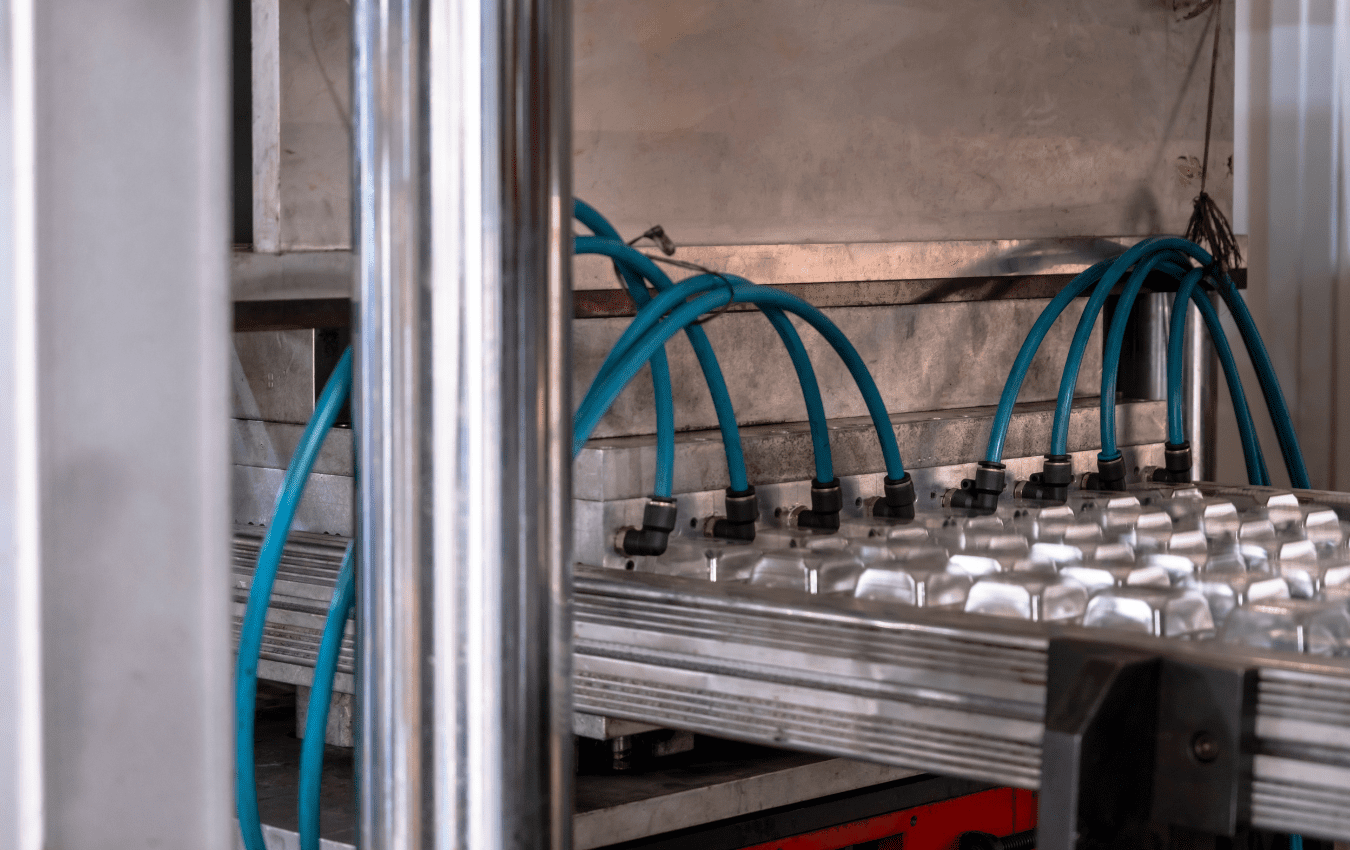
Thermoform packaging involves the use of heat to mold plastic sheets into specific shapes that accommodate a product perfectly. The process involves heating a plastic sheet until it reaches a pliable state, then molding it around a specific form and cooling it. This provides a secure packaging solution that maintains the integrity of the enclosed product.
Types of Thermoform Packaging
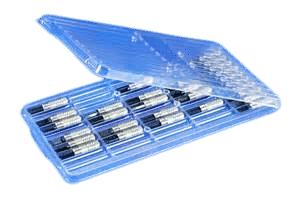
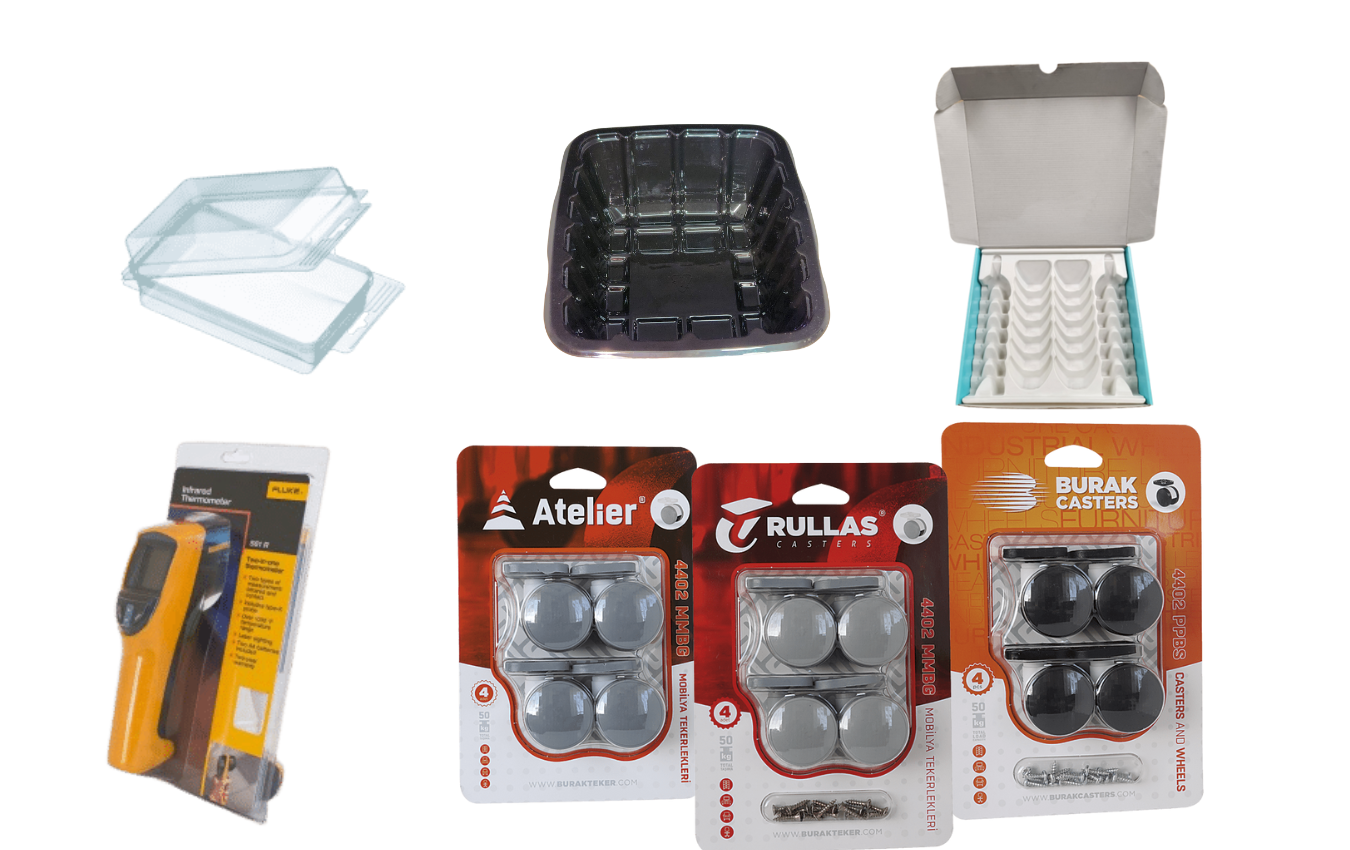
There are several types of thermoform packaging, including clamshells, blister packs, and trap packs. These diverse types allow for a wide range of applications across different industries, including food, pharmaceuticals, and electronics, among others.
Impact on Product Safety
Enhanced Protection
One of the primary benefits of thermoform packaging is that it offers superior product protection. The plastic molding process creates a snug, custom fit around the product, reducing the risk of movement and potential damage during transit. Furthermore, the rigid exterior of the packaging shields the product from external impact, ensuring its safety.
Barrier Properties
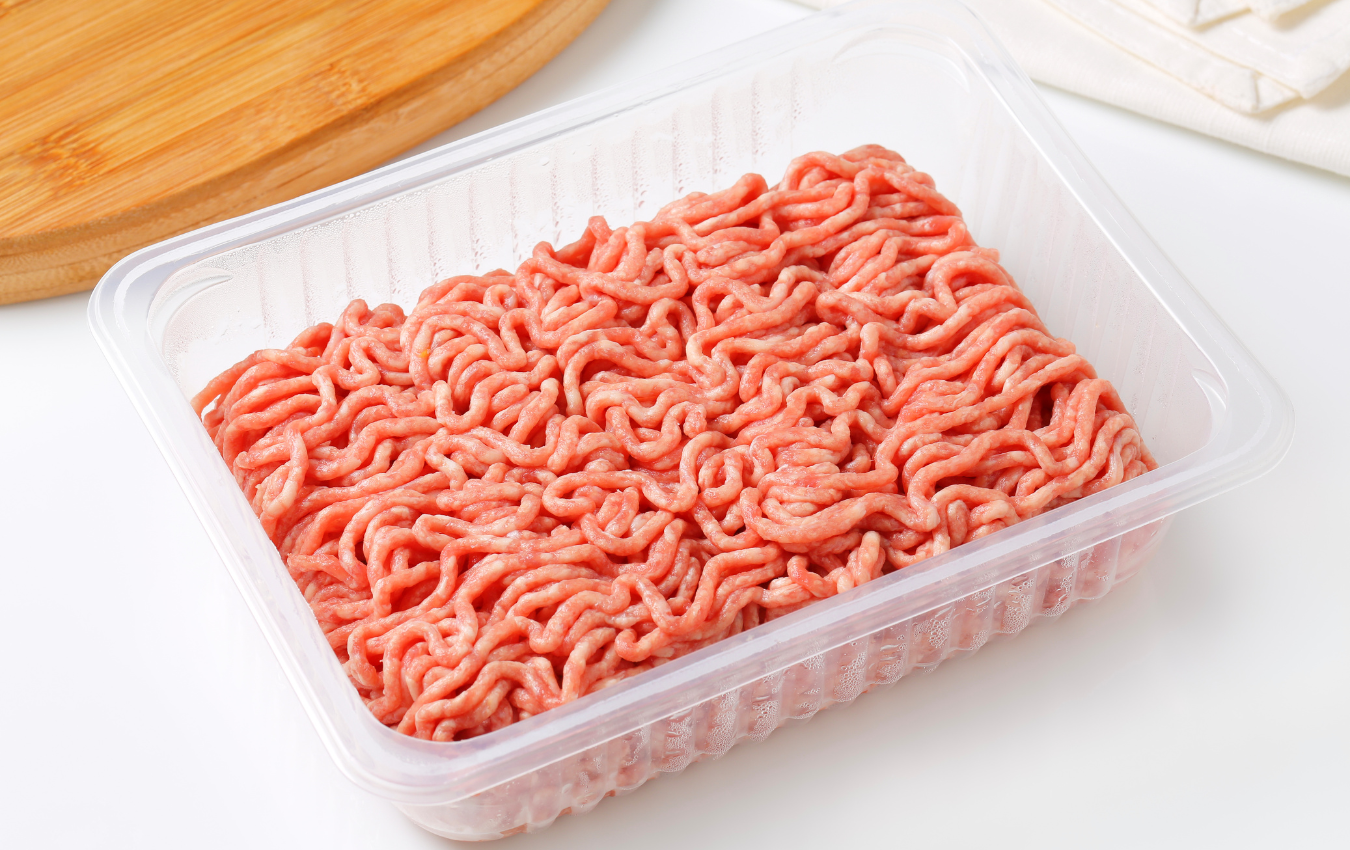
Thermoform packaging provides an excellent barrier against external factors such as moisture, dust, and bacteria, ensuring the product within remains uncontaminated. This is particularly critical in food and pharmaceutical packaging, where the intrusion of such elements could lead to product spoilage and pose serious health risks.
Impact on Shelf-Life
Preservation and Freshness
The impermeability of thermoform packaging to gases like oxygen and carbon dioxide has a significant impact on product shelf-life. By preventing exposure to oxygen, this form of packaging slows down oxidation reactions, reducing food spoilage rates and maintaining freshness for longer.
Reduced Product Waste
As a consequence of the extended shelf-life, thermoform packaging also reduces product waste. With longer periods of freshness and usability, consumers have more time to use products before their expiration date, leading to less waste.
Additional Benefits of Thermoform Packaging
Visibility
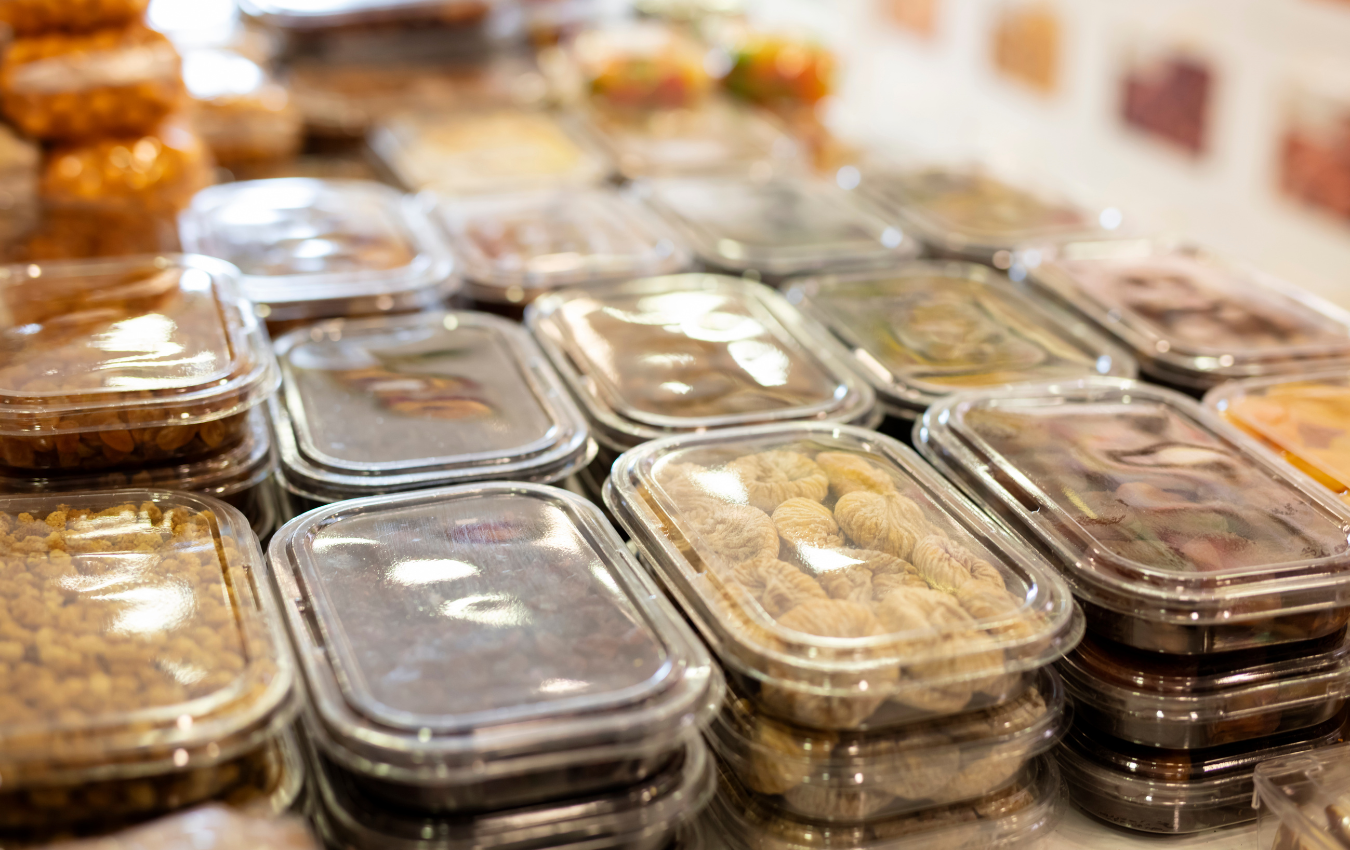
Thermoform packaging, especially types like clamshells and blister packs, provide excellent product visibility. This is beneficial from a marketing perspective, as customers can see the product without opening the package.
Customization
Thermoform packaging allows for high levels of customization. Businesses can create unique packaging shapes that not only fit their product perfectly but also enhance brand recognition and appeal.
Sustainability
Despite the plastic component, many thermoform packages are recyclable, which reduces the environmental impact. Companies are also exploring biodegradable and plant-based plastics for thermoforming, aligning with the global push for sustainability.
Conclusion: A Significant Contribution to Product Safety and Shelf-Life
The benefits of thermoform packaging on product safety and shelf-life are undeniable. Through enhanced protection, superior barrier properties, and extended product freshness, thermoform packaging ensures that products reach consumers in the best possible condition. Its added benefits of customization, visibility, and potential for sustainability make it a compelling choice in the packaging world.
If you are interested in thermoform packaging, then partner with Brown Packaging today to get started.
Box Compression Test (BCT) measures how much vertical load a corrugated box can last before it collapses. This matters when: Boxes are stacked on pallets
Most companies don’t realize how much they’re paying to ship empty space. Packaging is often designed around convenience or standard sizes, not efficiency. The result
Excess moisture in pet food packaging can cause mold growth, nutrient degradation, clumping, and product spoilage. Effective moisture control combines barrier material selection, packaging design,
Exporting products requires packaging that can endure extended transit times, multiple handling points, and strict international regulations. Full Overlap (FOL) boxes are a proven solution
A POP display can be perfectly designed, well-produced, and shipped on time… …and still never get placed. This isn’t a design failure—it’s an execution failure.
Your POP display isn’t used the way you designed it. It’s used the way the store needs it. That means: Products get moved Inserts get
Home » Thermoform Packaging on Product Safety and Shelf-Life

The packaging industry has been subjected to vast shifts in focus over the past few years. With the growing awareness of sustainability issues and the

Thermoforming is a critical process in the manufacturing of diverse products, especially prominent in the packaging industry. This guide offers a detailed examination of the
Polyethylene terephthalate, commonly abbreviated, stands out in the packaging industry for its versatility and environmental friendliness. Recognized as the most widely recycled plastic worldwide, this