
Home » Blister Packs vs. Other Packaging Options: A Comparative Analysis
Blister Packs vs. Other Packaging Options: A Comparative Analysis
In the world of packaging, different products require different packaging solutions. With myriad options available today, companies can be selective about which suits their needs best. One prominent packaging option used across industries is blister packaging. Yet, how does blister packaging stack up against other packaging types? This blog post aims to provide a comprehensive analysis of blister packs in comparison to other prevalent packaging options.
Understanding Blister Packs
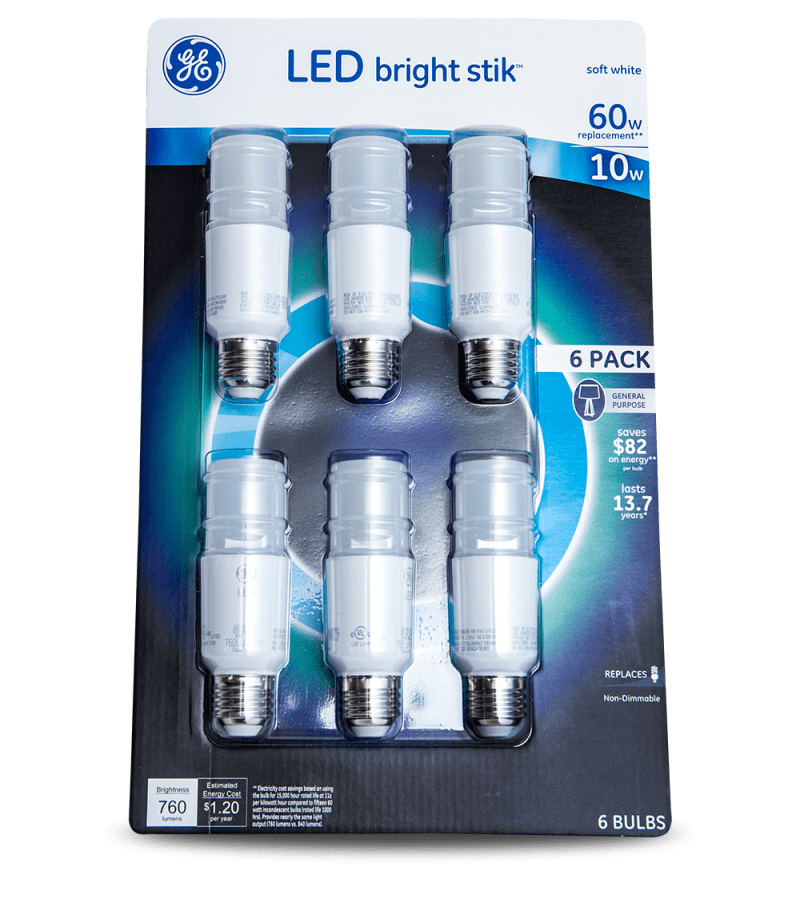
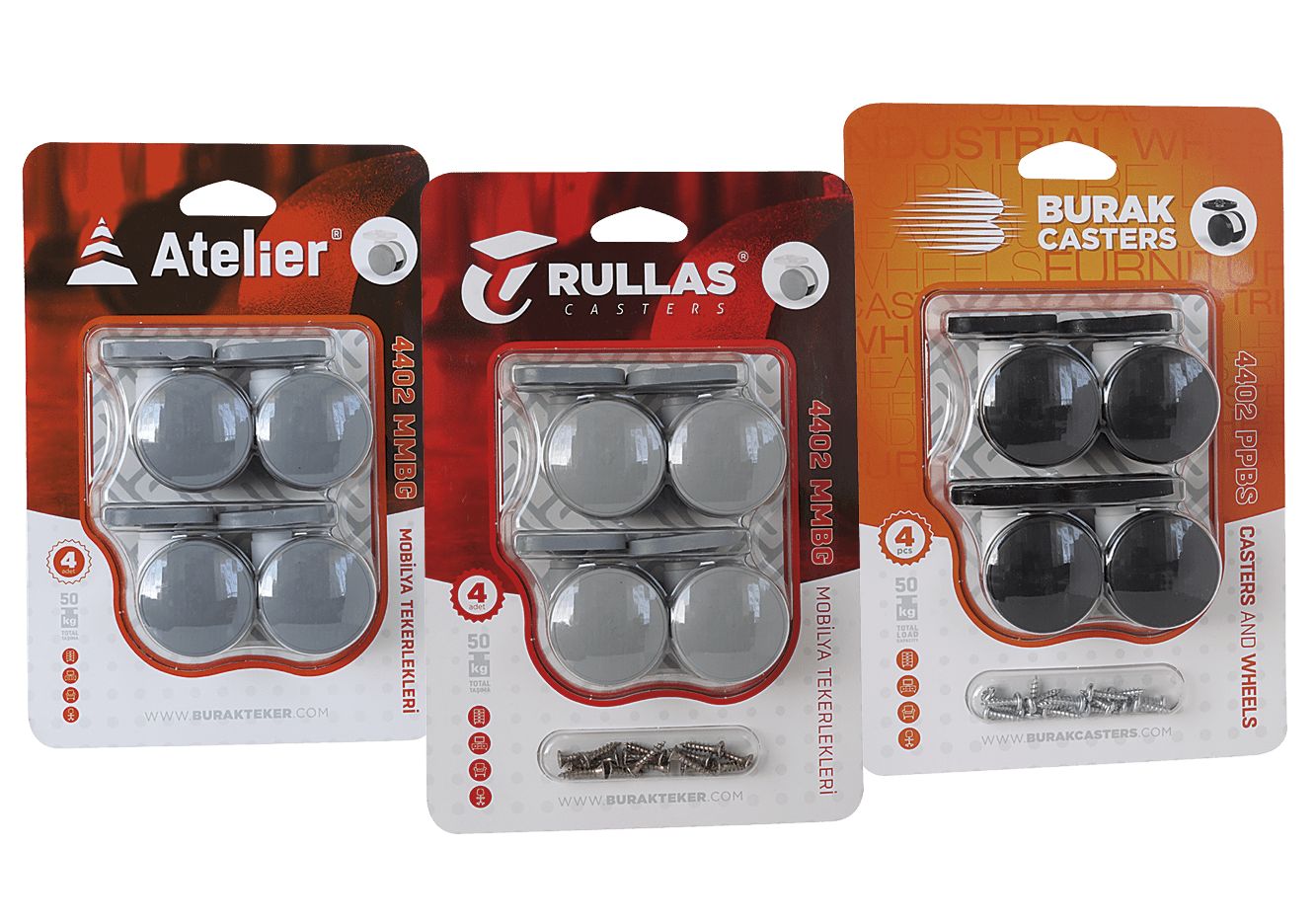
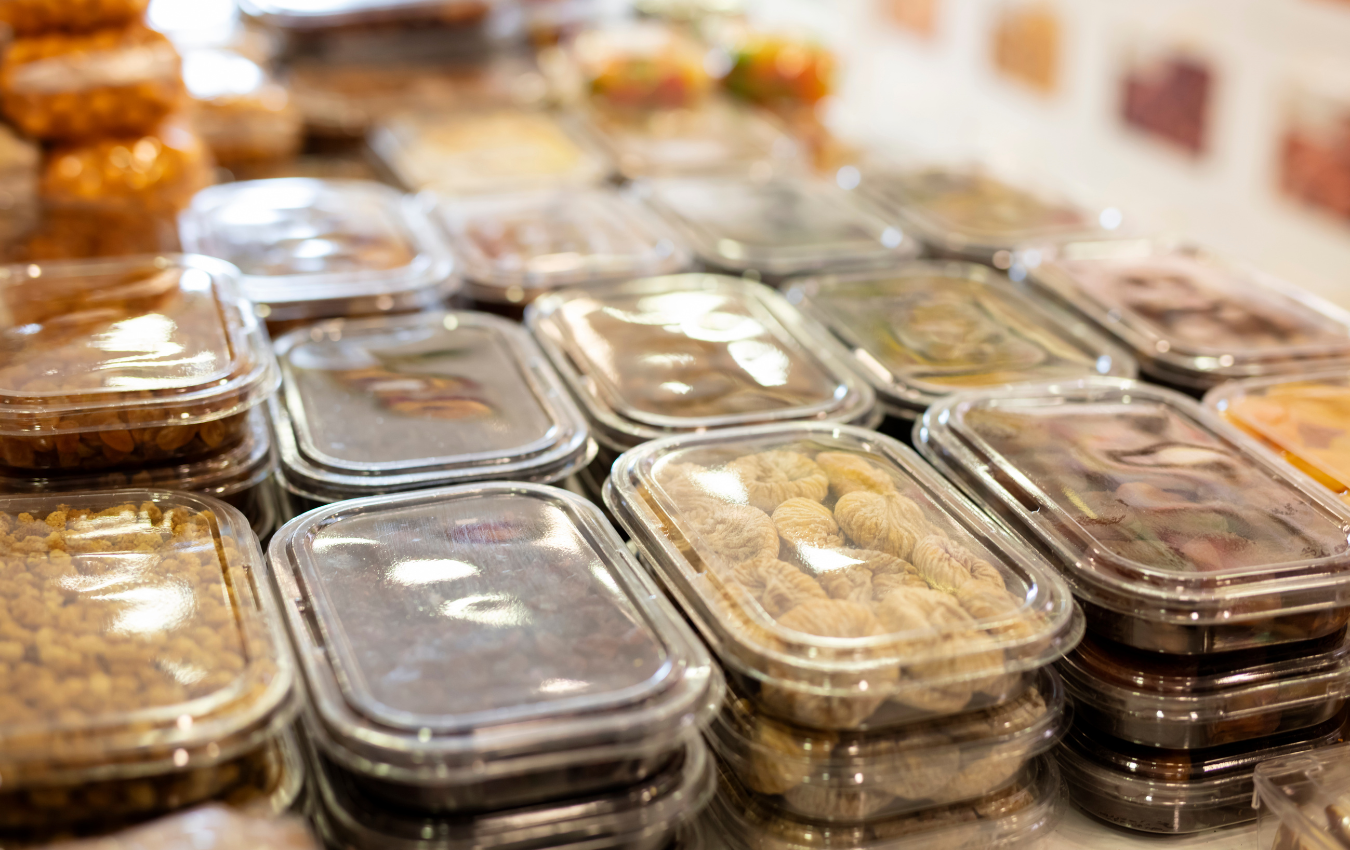
Blister packs, or clamshell packages, are pre-formed plastic packages mainly used for small consumer goods, pharmaceuticals, and medical devices. They have two main components – the cavity or pocket made from a formable web, usually plastic, and the lid, made from a lidding seal, generally aluminum foil, chipboard, corrugated or plastic.
Advantages of Blister Packs
- Product Visibility: Blister packs allow consumers to visually examine the product without opening the packaging. This feature can be crucial for products where design, color, or size matters to the consumer.
- Tamper Evident: Blister packs are designed to show clear signs of tampering, enhancing consumer trust.
- Protection: They provide robust protection from moisture, light, and oxygen, preserving the product’s quality.
- Cost-effective: Blister packs can be more affordable compared to other packaging options.
Other Packaging Options
Bottles & Jars
These types of packaging are commonly used for beverages, pharmaceuticals, cosmetics, and food items.
Advantages of Bottles & Jars
- Reusable: Unlike blister packs, bottles and jars can be reused, offering a sustainable alternative.
- Aesthetics: With options for material and shape customization, bottles and jars can enhance a product’s aesthetic appeal.
- Serving Size Flexibility: They offer more flexibility in terms of serving size, particularly important in the food and beverage industry.
Pouches & Bags
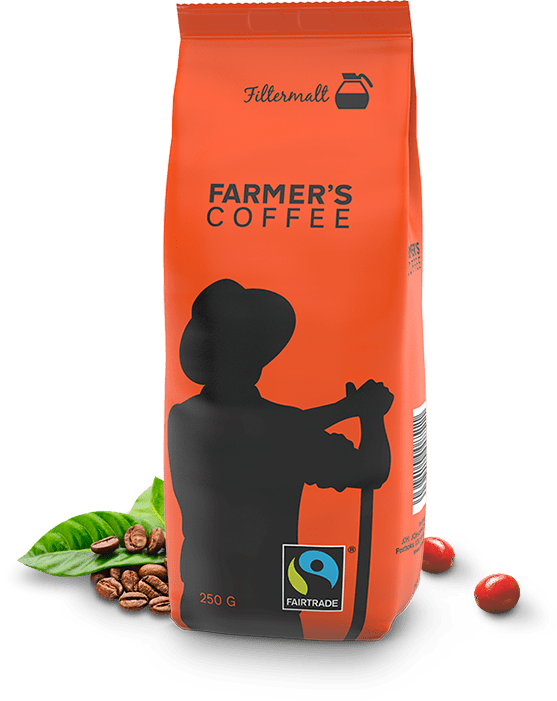
Flexible packaging like pouches and bags is gaining popularity due to its lightweight nature and convenience.
Advantages of Pouches & Bags
- Portability: Lightweight and space-efficient, these are ideal for on-the-go consumption.
- Customizable: They offer a broad spectrum of design possibilities and can be resealable.
Boxes
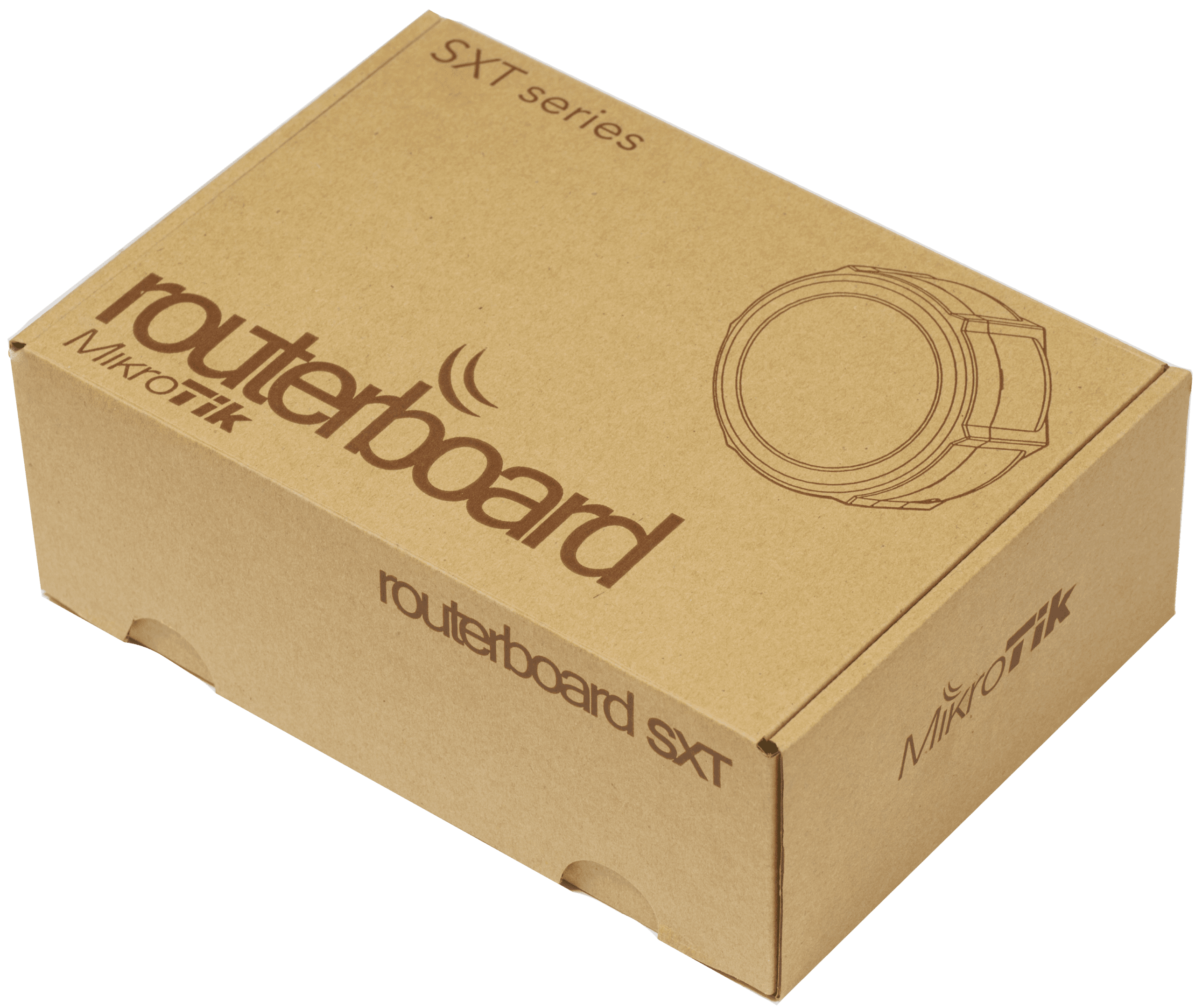
Boxes are ubiquitous in packaging, ranging from shipping heavy equipment to enclosing tiny jewelry items.
Advantages of Boxes
- Durability: Cardboard and corrugated boxes provide robust protection, ideal for shipping.
- Versatility: Boxes can be customized to fit a wide array of products.
Blister Packs vs. Other Packaging Options: Comparative Analysis
Cost
While the exact cost will vary based on size and design, blister packs tend to be more affordable than bottles, jars, and boxes, making them a popular choice for businesses aiming to minimize packaging expenses. Pouches and bags, on the other hand, are often similarly priced to blister packs.
Environmental Impact
Plastic blister packs may not be as environmentally friendly as boxes, pouches, and bags that use biodegradable or recyclable materials. Glass bottles and jars, while recyclable, have a higher carbon footprint due to their weight and the energy required to produce them.
Product Protection
Blister packs provide excellent protection against external factors, rivalling that offered by bottles, jars, and boxes. Pouches and bags may provide less protection, depending on the material used.
Consumer Convenience
While blister packs offer product visibility and tamper evidence, they can be difficult to open. In comparison, bottles, jars, boxes, and especially resealable pouches and bags, provide easier access to the product.
Product Presentation
While blister packs excel in presenting the product visually, they lack the design versatility offered by boxes, pouches, and bags. Glass bottles and jars have a premium aesthetic appeal that blister packs may not match.
If you are interested in blister packs or other packaging options, then partner with Brown Packaging today to get started.
Most brands invest in POP displays without clearly measuring performance. They look at sales after rollout and assume the display worked—or didn’t. But without isolating
Most cost-cutting in POP displays happens in the wrong place. Brands reduce board grade, simplify structure too aggressively, or cut print quality—only to see: Higher
Oil prices don’t just affect fuel—they ripple through nearly every part of packaging. When oil rises, packaging costs follow.When oil drops, costs don’t always fall
Most POP display failures aren’t caused by weak materials—they’re caused by poor weight distribution. A display can use the right board, the right flute, and
Not all retail environments are the same—and your POP display shouldn’t be either. What works in big box retail often fails in specialty stores, and
Bigger doesn’t always mean better. Many brands default to floor displays because they assume more visibility equals more sales. But in many retail environments, counter
Home » Blister Packs vs. Other Packaging Options: A Comparative Analysis
Polyvinyl chloride, commonly known as PVC, is a widely used plastic in the packaging industry, celebrated for its versatility and durability. PVC’s unique properties make
In an increasingly competitive and environmentally conscious world, protective packaging has become an essential component of product manufacturing and delivery. The demand for efficient and
In recent years, sustainability has become a key focus in various industries, including packaging. As companies strive to minimize their environmental footprint, innovative solutions are