Home » How to Use Print Strategically on Folding Cartons
How to Use Print Strategically on Folding Cartons
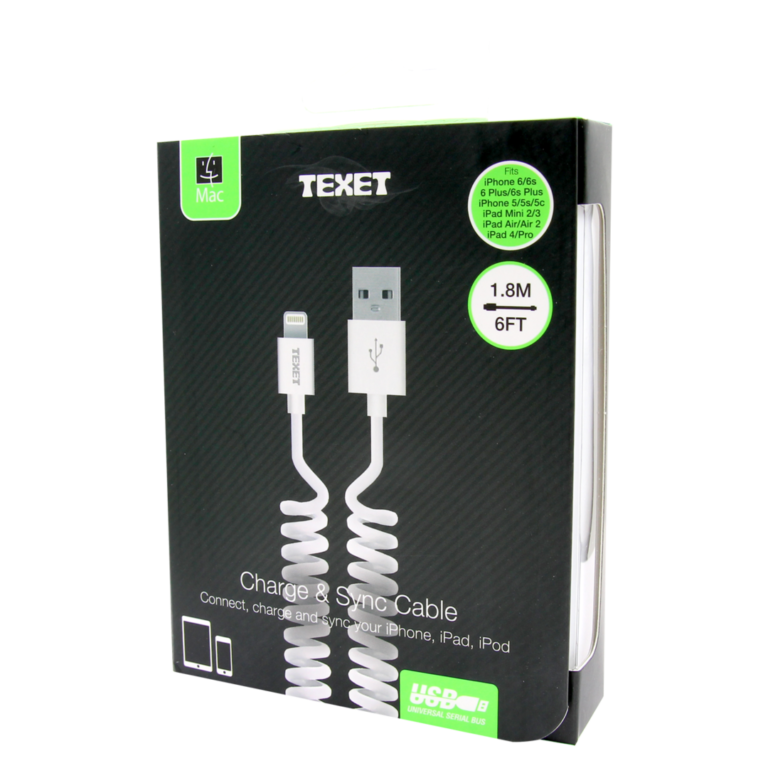
Folding cartons are one of the most versatile forms of retail packaging—and how you print on them can make the difference between a product that blends in and one that commands attention. Strategic printing isn’t just about aesthetics; it’s about communicating value, increasing shelf appeal, and making your packaging work harder without adding cost.
Here’s how to use print effectively to elevate your folding cartons—whether you’re working with skincare, supplements, food, electronics, or lifestyle products.
Use Print to Create Visual Hierarchy
Your folding carton only has a few seconds to make an impression on the shelf. Strategic printing helps guide the customer’s eye to what matters most.
Tips:
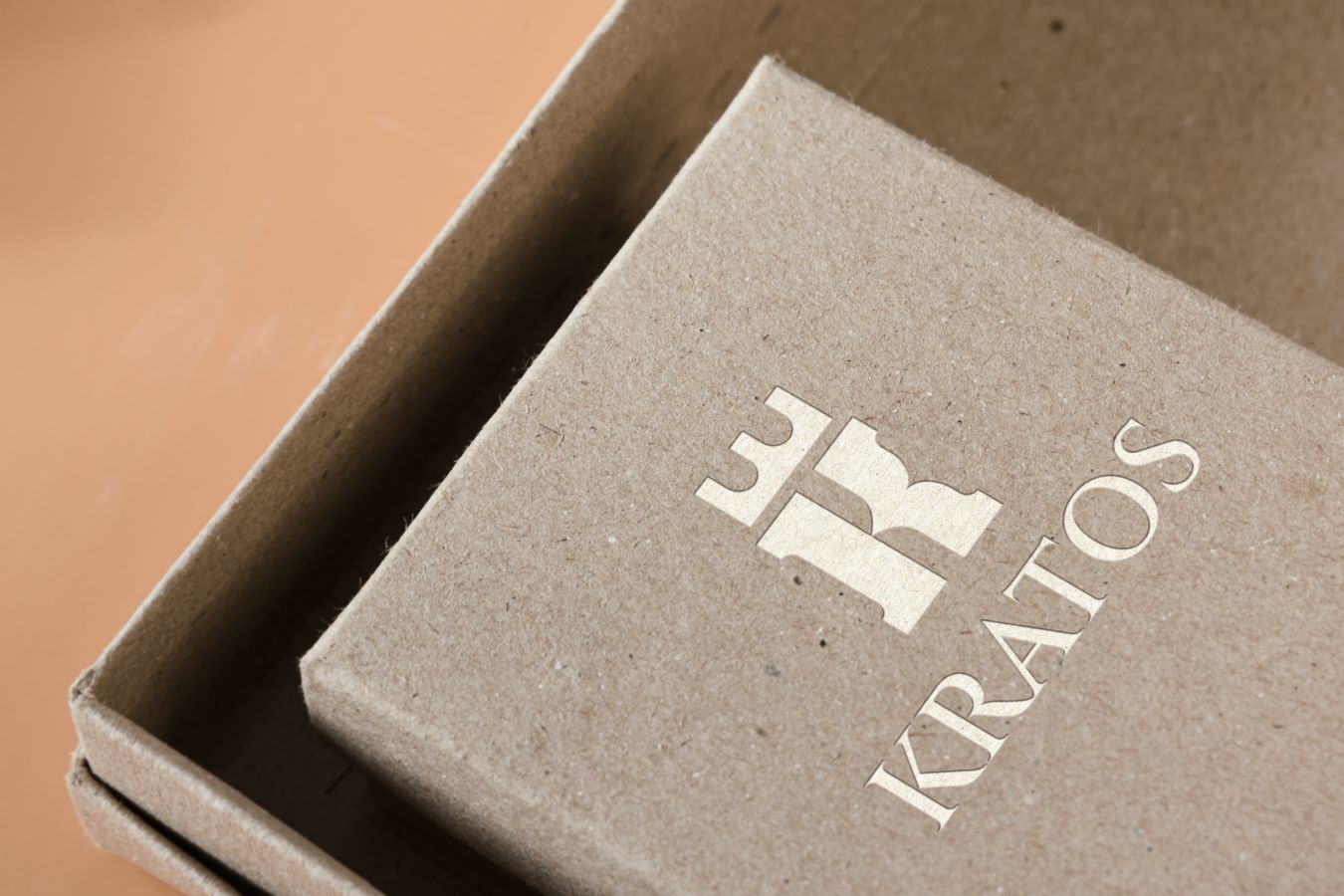
- Use bold, contrasting colors or finishes (spot UV, foil) to highlight your brand name or logo
- Place key selling points (benefits, claims, features) front and center using larger font sizes
- Use typography and spacing to separate messaging and improve readability
✅ Helps the customer immediately understand what your product is and why it matters
✅ Improves visual impact without changing the structure
✅ Reduces reliance on costly redesigns by making the most of layout

Match Print Quality to Product Value
Your packaging should reflect the value of the product inside. Low-quality print on a premium item creates confusion—or worse, distrust. Use printing to reinforce brand perception.
Recommendations:
- For high-end products, use offset or digital printing with high-resolution artwork
- Consider soft-touch coating, foil stamping, or embossed logos to enhance tactile appeal
- For entry-level products, clean flexo printing with sharp colors and simple messaging works well
✅ Aligns packaging with price point
✅ Builds customer trust and perceived quality
✅ Supports brand consistency across SKUs
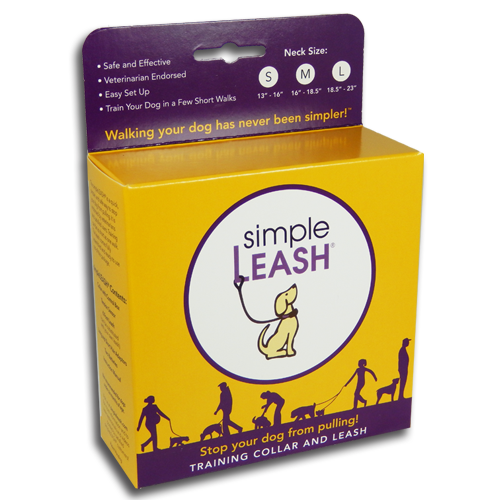
Make the Most of Every Panel
Most folding cartons have six printable panels—front, back, two sides, top, and bottom. Don’t waste the real estate.
Strategies:
- Use side panels for storytelling: sustainability efforts, brand values, QR codes
- Use bottom or inner flaps for certifications or required disclosures
- Add interactive elements (e.g., scan-to-learn codes) to drive post-purchase engagement
✅ Adds value without extra packaging
✅ Keeps primary panels clean and uncluttered
✅ Improves consumer education and brand connection
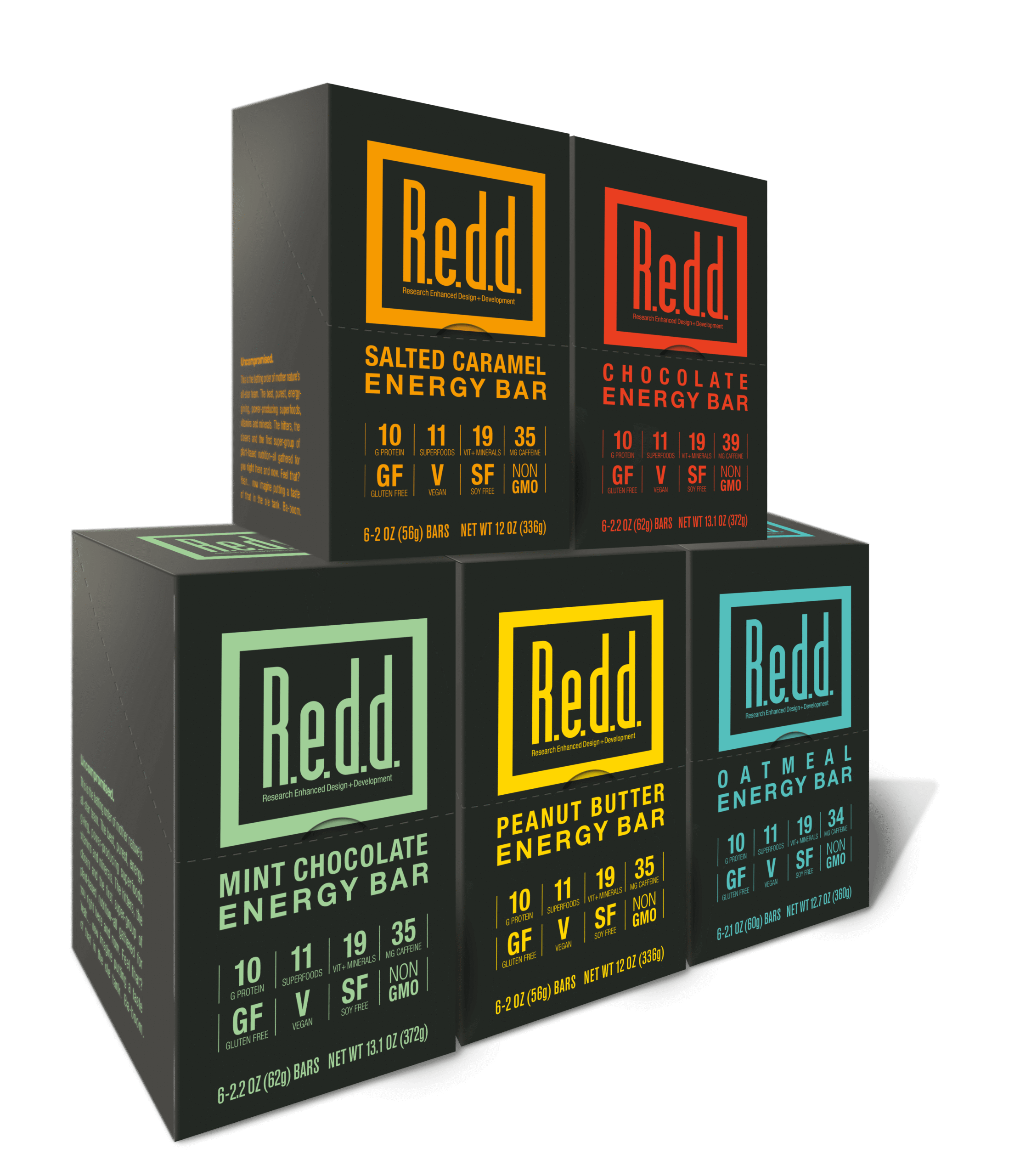
Use Print to Simplify SKU Management
For brands managing multiple SKUs or flavor/variant lines, digital printing or smart layout choices can reduce production complexity.
Tactics:
- Create a shared dieline with only small design changes per SKU (e.g., color blocks, product names)
- Use black plate changes to keep core branding consistent while personalizing each version
- Leverage short-run digital printing for seasonal or promotional packaging
✅ Reduces setup and plate costs
✅ Increases flexibility for new launches
✅ Speeds up time to market for new variants
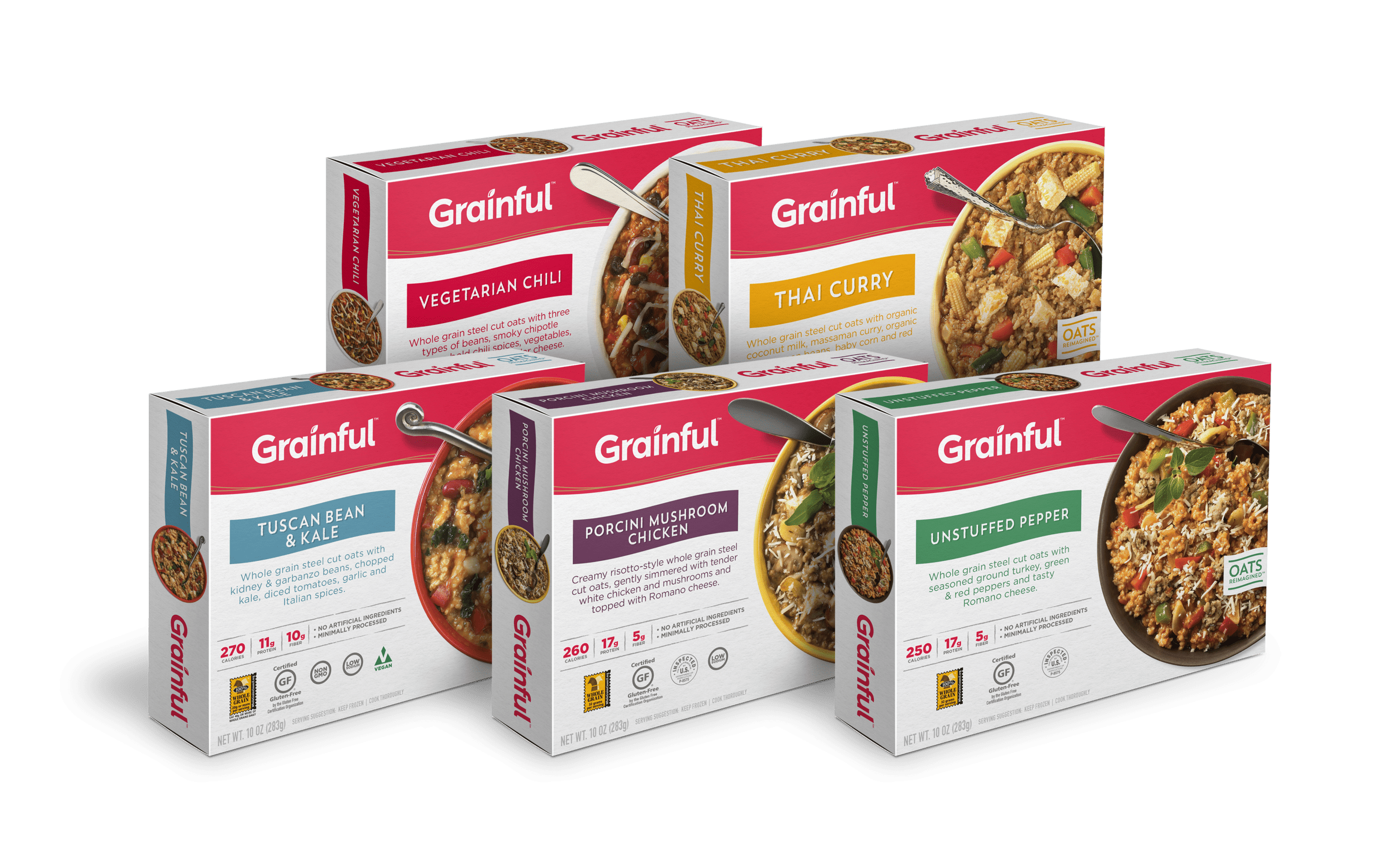
Print for Retail Compliance
Many retailers—especially in food, supplement, and cosmetic categories—have strict requirements around what’s displayed and where.
Best practices:
- Print barcodes and expiration dates in scannable, clearly defined areas
- Use appropriate font sizes and spacing for ingredients, warnings, or supplement facts
- Leave space for lot coding or labeling if filled after printing
✅ Helps avoid costly chargebacks or relabeling
✅ Ensures legal compliance and customer clarity
✅ Streamlines vendor approvals
Create a Memorable Unboxing Moment
Folding cartons aren’t just for shelves—they also deliver an unboxing experience. The inside of the carton is an underutilized branding space.
Ideas:
- Print a thank-you message or tagline inside the top flap
- Include hidden branding, illustrations, or QR codes inside the box
- Use the interior to reinforce key product benefits or cross-sell other products
✅ Turns packaging into a brand moment
✅ Encourages sharing and customer loyalty
✅ Adds value without structural changes
Keep Production Methods in Mind
Not every finish or design choice works with every printing method. Knowing the strengths of each helps you make the most cost-effective decision:
- Digital printing is perfect for small batches, personalized runs, or multiple SKUs
- Offset printing is ideal for high-quality retail packaging in larger volumes
- Flexographic printing is budget-friendly for basic folding cartons or larger quantities with simpler designs
✅ Ensures print decisions align with volume, speed, and budget
✅ Reduces production delays and unexpected costs
Final Thoughts
Your folding carton is more than just a box—it’s your on-shelf sales rep, brand ambassador, and customer touchpoint all in one. Strategic use of print can transform ordinary packaging into a powerful marketing tool, helping you communicate, connect, and convert.
Need help making your folding carton print work harder?
We’ll help you choose the right design, layout, and print method to bring out the best in your packaging—without overcomplicating your process or budget.
In 2026, sustainability is no longer just a trend—it’s a buyer expectation. Forest Stewardship Council (FSC) certification has become a key benchmark for responsible packaging, signaling that materials are sourced
Sustainability is now a top priority for packaging buyers. Retailers, regulators, and consumers are all demanding packaging solutions that reduce environmental impact without sacrificing performance. In 2026, buyers must balance
Choosing the right packaging material is one of the most important decisions buyers face. Single-material packaging offers simplicity and recyclability, while multi-material designs provide enhanced performance and protection. Understanding the
One of the biggest challenges in sustainable packaging is balancing environmental responsibility with product protection. Buyers often worry that switching to eco-friendly materials means sacrificing durability or driving up costs.
Home » How to Use Print Strategically on Folding Cartons
Score cracking—visible fiber breakage along a fold—can ruin a carton’s appearance, weaken its structure, and cause failures on automated lines. Understanding the causes and engineering solutions is critical for producing folding cartons that maintain both strength and visual quality. What Causes Score Cracking Score cracking occurs when fibers along the fold line break instead of bending cleanly. Low Moisture Content: Dry board becomes brittle and less pliable (ASTM D685-22). Improper Score Depth: Shallow scores increase folding resistance; deep scores can cut fibers. Incorrect Grain Direction: Folding parallel to the grain increases cracking risk. Surface Coating Rigidity: Gloss varnish, films, and metallic layers reduce fiber flexibility. Material Selection SBS (Solid Bleached Sulfate): Generally folds cleanly but can crack with heavy coatings or low EMC. CUK (Coated Unbleached Kraft): Higher tear resistance; better for humid conditions. FBB (Folding Boxboard): Softer surface layers reduce cracking risk in coated applications. Tip: Match fiber composition and surface finish to the intended folding radius and production environment. Moisture and Conditioning Pre-Production Conditioning: Allow board to reach equilibrium moisture content (TAPPI T402). Humidity Control: Maintain 40–60% RH in converting and packing areas. Target EMC: Typically 5–8% for most paperboard grades. Coating and Lamination Adjustments Scoring After Coating: Where possible, score post-coating to reduce fiber breakage. Film Selection: Thinner, more flexible films reduce cracking risk. Relief Scoring: Adding micro-perfs in the coating layer only can relieve stress without affecting the substrate. Testing and Quality Control Bend Tests: Assess crack formation on sample folds before full production. High-Speed Trials: Score cracking can be magnified at higher folding speeds. Visual Standards: Establish acceptable limits for cosmetic cracking based on brand requirements. References ASTM International. (2022). ASTM D685-22: Standard practice for conditioning paper and paper products for testing. ASTM International. https://doi.org/10.1520/D0685-22Soroka, W. (2014). Fundamentals of packaging technology (5th ed.). Institute of Packaging Professionals. ISBN: 978-1-930268-37-2TAPPI. (2019). T 402: Standard conditioning and testing atmospheres for paper, board, pulp handsheets, and related products. TAPPI Press.Twede, D., & Goddard, R. (2021). Cartons, crates and corrugated board: Handbook of paper and wood packaging technology (2nd ed.). DEStech Publications. ISBN: 978-1-60595-120-5 (714)300-0650 request@brownpackaging.com Most Recent Posts: Categories: Corrugated Ecommerce ESD Design Display Flexible Packaging Foam Folding Carton Packaging Plastic Packaging Pouch Printing Protection Retail Rigid Box Thermoform Sustainability Subscribe To Our Newsletter By submitting your information, you agree to our terms and conditions and privacy policy. Custom Folding Cartons Facebook Twitter LinkedIn Pinterest Relevant Posts
Folding cartons are a staple in the packaging industry, known for their versatility and functionality. Among the various styles available, two popular choices are the straight tuck end (STE) and reverse tuck end (RTE) cartons. Each style offers unique features and advantages that cater to different packaging needs. In this blog, we will explore the functions, features, design considerations, benefits, and applications of both straight tuck end and reverse tuck end cartons to help you make an informed decision. Straight Tuck End (STE) Cartons Functions and Features: Opening and Closing Mechanism: Straight tuck end cartons feature tuck flaps on the same side at the top and bottom of the box. These flaps can be easily tucked into the carton for closure, providing a secure seal. Design Versatility: STE cartons offer ample design flexibility, with options for custom die-cut windows, embossing, foil stamping, and various printing techniques. This makes them ideal for branding and product visibility. Ease of Assembly: These cartons are user-friendly, as they can be quickly assembled by hand, reducing labor costs in packaging lines. Benefits: Secure Closure: The straight tuck design ensures that the contents remain securely enclosed within the carton, reducing the risk of tampering or damage during transit. Aesthetic Appeal: STE cartons can be designed with a premium look and feel, making them suitable for high-end products like cosmetics, pharmaceuticals, and luxury goods. Cost-Effective: They are often more cost-effective than other carton styles due to their straightforward design and ease of production. Inserts: STE cartons can be made with inserts that provide customizable support and protection, ideal for securing fragile items like electronics or glass during transit. They also enhance product presentation by being designed to fit the exact shape of the product, significantly improving the unboxing experience and making the carton especially appealing for gift items and luxury products where first impressions are key. Window Cutouts: Window cutouts in STE cartons offer product visibility, allowing consumers to view the product inside without opening the packaging, which is particularly advantageous for items where visual appeal influences purchasing decisions, such as food, toys, or beauty products. These cutouts not only enhance shelf appeal by showcasing the product and differentiating it on retail shelves but also provide customization options in terms of shape and size, aligning closely with marketing and branding strategies to create a distinctive visual identity. Applications: Straight tuck end cartons find wide application across various industries, including: Cosmetics and beauty products Pharmaceuticals and healthcare Electronics accessories Food and confectionery Apparel and clothing Reverse Tuck End (RTE) Cartons Functions and Features: Opposite Tuck Closure: Reverse tuck end cartons have tuck flaps on opposite sides of the carton. The top flap tucks into the rear panel, while the bottom flap tucks into the front panel. Product Accessibility: RTE cartons offer easy access to the product as both the top and bottom can be opened separately. This feature is particularly convenient for consumers. Design Space: These cartons provide ample space for product information, branding, and graphics on both the front and rear panels. Benefits: Convenient Access: The reverse tuck design allows consumers to access the product without fully opening the carton, making it user-friendly. Efficient Storage: RTE cartons stack efficiently, saving space during storage and transportation. Versatile Applications: They are versatile and suitable for various product sizes and industries, including electronics, hardware, pharmaceuticals, and consumer goods. Applications: Reverse tuck end cartons are commonly used in the following industries: Electronics and gadgets Hardware and tools Pharmaceuticals and vitamins Consumer goods and retail Office and stationery products Choosing the Right Carton Style: What to Include in Your Decision When deciding between straight tuck end and reverse tuck end cartons, consider the following factors: Product Type: Think about the nature of your product. If it requires easy access for consumers, reverse tuck end cartons may be more suitable. For products requiring a premium presentation, straight tuck end cartons may be preferable. Branding and Design: Assess your branding and design requirements. If you need a larger canvas for graphics and information, reverse tuck end cartons offer more space. However, if you want an elegant and secure packaging solution, straight tuck end cartons might be the better choice. Window and Insert: Consumer Experience: Consider the end-user experience. If convenience and ease of opening are paramount, reverse tuck end cartons are designed with consumers in mind. If you are interested in folding cartons and specific styles such as STE, RTE, auto bottom and more, then partner with Brown Packaging today to get started. (714)300-0650 request@brownpackaging.com Most Recent Posts: Categories: Corrugated Ecommerce ESD Design Display Flexible Packaging Foam Folding Carton Packaging Plastic Packaging Pouch Printing Protection Retail Rigid Box Thermoform Sustainability Subscribe To Our Newsletter By submitting your information, you agree to our terms and conditions and privacy policy. Custom Folding Cartons Facebook Twitter LinkedIn Pinterest Relevant Posts
Choosing a folding carton isn’t just about the graphics or the style—it’s about how the structural design and substrate work in tandem. The right combination can optimize line efficiency, protect products during transit, and reinforce brand perception, while the wrong pairing can lead to excess costs, damaged goods, or production slowdowns. This guide explains how style and material decisions influence one another and how to align them for maximum performance. Load-Bearing and Product Weight Heavier products place greater stress on both the style and the board grade. High-Strength Pairing: Auto-bottom or Full Seal End designs with coated unbleached kraft (CUK) for beverage carriers, glass jars, or frozen food. Lightweight Retail: Straight Tuck End (STE) with SBS for cosmetics or nutraceuticals, where presentation outweighs structural load. Key Interaction: Style choice can compensate for lighter materials—an auto-bottom with medium caliper SBS can still handle moderate weight without upgrading to heavier board. Straight Tuck End (STE) Reverse Tuck End (RTE) Environmental Resistance Packaging exposed to moisture, grease, or temperature swings needs both the right style and the right coating. Cold Chain Products: FSE with poly-coated CUK to prevent panel warping in refrigerated or frozen conditions. Dry Shelf Products: STE or RTE with uncoated SBS for vibrant graphics without added cost. Key Interaction: The wrong pairing—like SBS without coating in high-humidity environments—can fail even if the style is structurally sound. Assembly Speed and Automation Line efficiency depends on how easily the style works with the chosen substrate. High-Speed Automation: FSE or STE in SBS or FBB for consistent feeding and folding with minimal score cracking. Manual Operations: RTE or auto-bottom in softer recycled FBB for easy hand folding. Key Interaction: Certain recycled boards may require adjusted creasing profiles to fold cleanly at high speeds—designers must factor this into style selection. Branding and Shelf Presence Material surface quality and structural layout work together to shape consumer perception. Premium Branding: STE in SBS for uninterrupted front panels and high-gloss finishes. Natural/Artisan Look: Sleeve or RTE in natural kraft CUK for an eco-conscious aesthetic. Key Interaction: Choosing a style with large uninterrupted panels means surface smoothness matters more, favoring higher-grade boards. Cost Optimization The most cost-effective designs balance board grade, caliper, and style complexity. Cost-Down Opportunities: Switch from STE to RTE when material yield is higher in layout, or move from SBS to recycled FBB when strength is over-specified. When to Spend More: Upgrade to auto-bottom when labor costs outweigh the savings of a simpler tuck style. Key Interaction: Sometimes a stronger style allows for a lighter material, and sometimes a higher-grade board allows for a simpler style—knowing which trade-off delivers more savings is critical. Decision Framework Define Product Constraints – Weight, fragility, shelf life, and environmental conditions. Set Line Requirements – Manual vs. automated, speed targets, changeover flexibility. Match Style to Strength – Select a structural format that supports handling and branding needs. Match Material to Style – Ensure board grade, caliper, and coatings enhance the style’s performance. Validate with Prototypes – Test under real-world shipping and retail conditions before committing to production. References Soroka, W. (2014). Fundamentals of packaging technology (5th ed.). Institute of Packaging Professionals. ISBN: 978-1-930268-37-2 Twede, D., & Goddard, R. (2021). Cartons, crates and corrugated board: Handbook of paper and wood packaging technology (2nd ed.). DEStech Publications. ISBN: 978-1-60595-120-5 (714)300-0650 request@brownpackaging.com Most Recent Posts: Categories: Corrugated Ecommerce ESD Design Display Flexible Packaging Foam Folding Carton Packaging Plastic Packaging Pouch Printing Protection Retail Rigid Box Thermoform Sustainability Subscribe To Our Newsletter By submitting your information, you agree to our terms and conditions and privacy policy. Custom Folding Cartons Facebook Twitter LinkedIn Pinterest Relevant Posts