

Home » Key Insights on Anti-Static Packaging
Key Insights on Anti-Static Packaging
In an era where electronic components and sensitive products are more prevalent than ever, understanding and utilizing anti-static packaging has become essential for businesses. This blog post delves into the significance, types, and considerations of anti-static packaging, highlighting its critical role in protecting sensitive items from static damage.
The Importance of Anti-Static Packaging
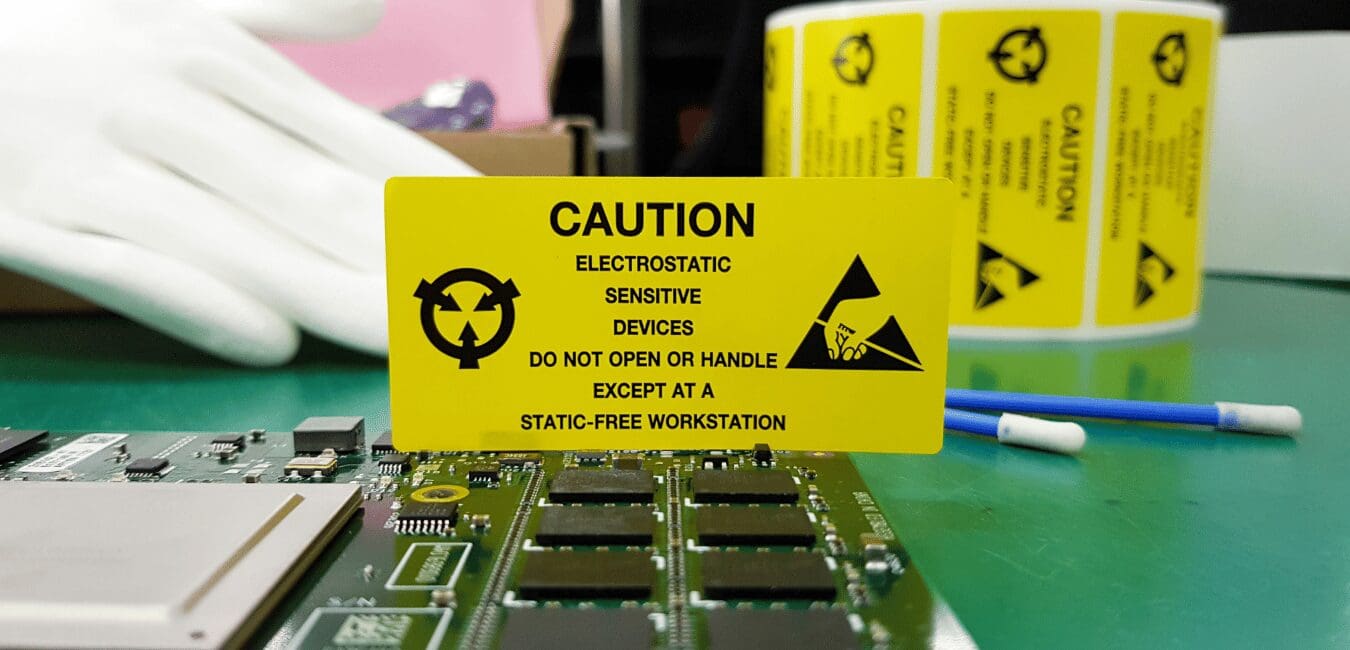
Static electricity can be a silent but deadly foe for electronic components and other sensitive products. Even a small amount of static discharge can damage or destroy these items. This is where anti-static packaging plays a pivotal role, by preventing the build-up of static electricity and protecting the products during storage and transportation.
Types of Anti-Static Packaging
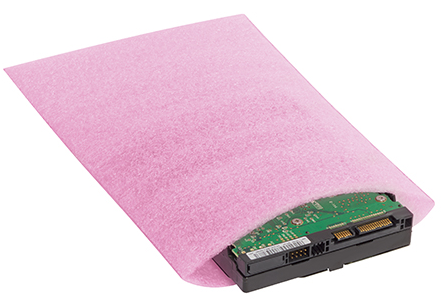
- Anti-Static Bags: These are the most common type of anti-static packaging. Made from plastic with an anti-static coating, they prevent the build-up of static inside the bag. Ideal for small electronic parts like RAM, hard drives, and motherboards.
- Conductive Bins and Totes: Used for larger components or for transportation of multiple items, these containers offer a conductive surface that dissipates static charge.
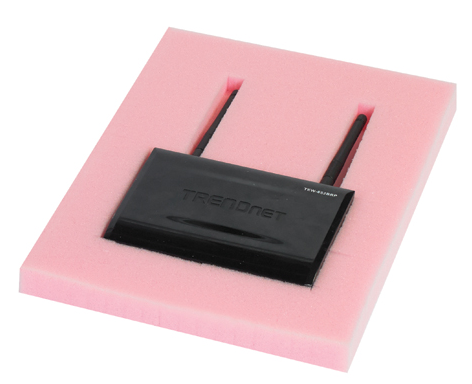
- Foams and Bubble Wraps: Anti-static foam and bubble wrap provide cushioning while also preventing static build-up, making them perfect for delicate or shock-sensitive items.
- Static Shielding Bags: These offer more protection than regular anti-static bags by also protecting the contents from static charges outside the bag.
Why Choose Anti-Static Packaging?
- Protects Sensitive Equipment: The primary purpose is to safeguard electronic components and other static-sensitive products from static damage.
- Reduces Returns and Complaints: By ensuring products arrive in working condition, anti-static packaging reduces the likelihood of returns and customer complaints.
- Compliance with Industry Standards: Many industries mandate the use of anti-static packaging for certain products, making it not just a choice but a compliance issue.
Considerations When Selecting Anti-Static Packaging
- Type of Product: The nature of the product (size, sensitivity to static, value) will determine the type of anti-static packaging needed.
- Cost-Effectiveness: While essential for certain products, anti-static packaging can be more expensive than standard options. Balancing cost with necessity is key.
- Environmental Impact: Some businesses may seek eco-friendly options, as traditional anti-static materials can be less biodegradable.
- Storage and Handling Requirements: Certain anti-static packaging materials may have specific storage or handling requirements to maintain their effectiveness.
Conclusion
Anti-static packaging is a critical component in the safe handling and shipping of electronic and static-sensitive products. Understanding the different types and their appropriate applications can help businesses protect their products, reduce losses, and maintain customer satisfaction. As technology continues to evolve, the importance of anti-static packaging is only set to increase, making it an indispensable part of modern product handling and logistics.
If you are interested in anti-static packaging, then partner with Brown Packaging today to get started.
Most POP display decisions eventually come down to a tradeoff:make it look better or make it perform better. The mistake is thinking you have to
Many packaging purchasing decisions are made by comparing price per box. While this metric is easy to evaluate, it often fails to capture the real
A POP display isn’t successful when it looks good leaving production—it’s successful when it arrives intact, gets placed correctly, and performs in-store. The problem is
Print is one of the biggest cost drivers in POP displays—and one of the most misunderstood. Most decisions are made based on how it looks,
There’s no universal “better” option—but there is a better fit depending on your program. Brands often default to flat-pack to save on freight or pre-assembled
Most packaging cost discussions focus on unit price. Very few quantify the financial impact of obsolete inventory. Yet for many brands and industrial programs, packaging
Home » Key Insights on Anti-Static Packaging

Internal components, such as delicate electronics, mechanical parts, or fragile materials, require specialized protective packaging to ensure they arrive intact and functional. Whether you’re shipping

High Impact Polystyrene, commonly known as HIPS, is a versatile and widely used thermoplastic renowned for its unique blend of properties. This material is crucial

Choosing the right sealing method impacts product quality, cost, durability, and speed to market. The two most common options—heat seal and cold seal—each have distinct