

Home » Kraft vs. White Corrugated Material: Making the Right Choice
Kraft vs. White Corrugated Material: Making the Right Choice
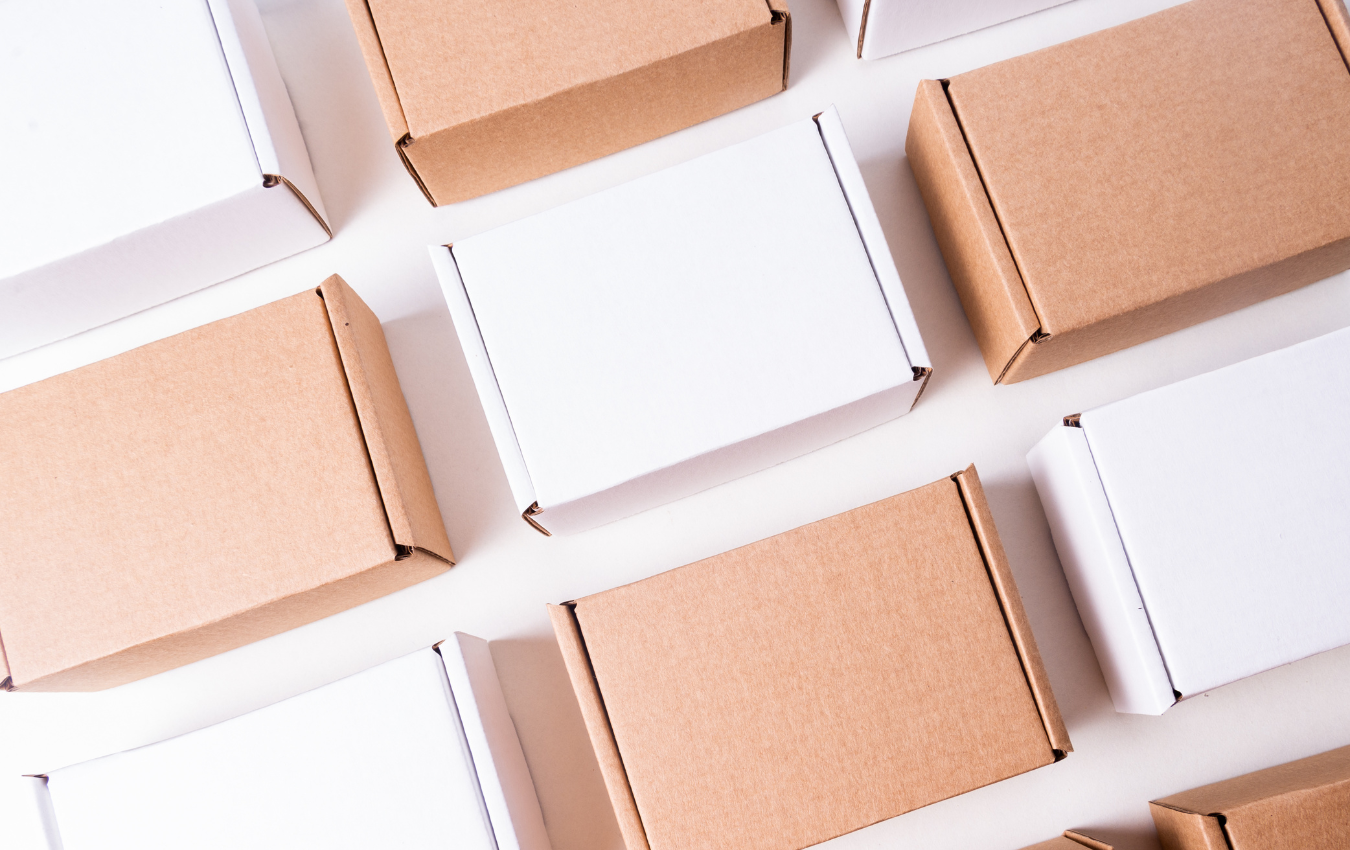
When it comes to packaging solutions, corrugated boxes are at the forefront of industry choices, providing durability, flexibility, and sustainability. However, the debate often arises between using kraft or white corrugated material. Both options have their unique benefits and considerations. Here’s a detailed comparison to guide you in making the right choice for your packaging needs.
Aesthetic Appeal
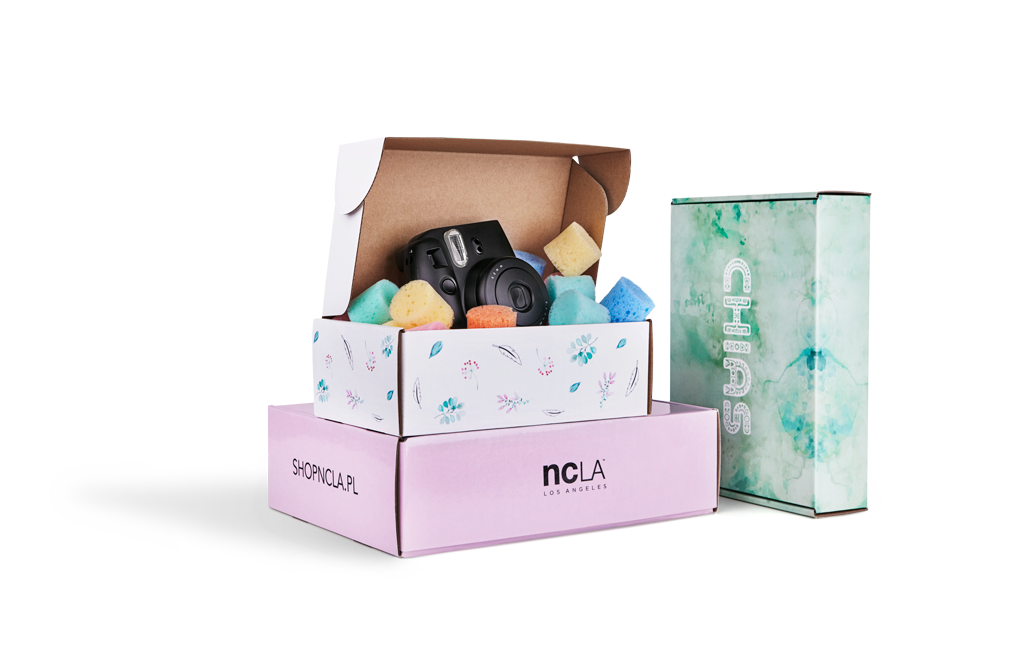
- White Corrugated Material: White corrugated boxes offer a clean, crisp appearance that’s perfect for showcasing high-resolution graphics and detailed print. Their smooth surface is ideal for businesses looking to present a polished and premium image to their customers. Great for retail packaging, especially for electronic items, cosmetics, and luxury goods.
- Kraft Corrugated Material: The natural brown hue of kraft corrugated boxes gives them a rustic, organic feel. This is a favorite for brands aiming for an eco-friendly or artisanal image. They don’t present graphics as vibrantly as white boxes, but they carry a charm of their own.
Printing and Branding
- White Corrugated Material: The white background serves as a blank canvas, ensuring that colors stand out vibrantly and true to their original hue. This is essential for brands with specific color palettes and detailed branding requirements.
- Kraft Corrugated Material: The brownish tone of kraft corrugated material can influence the appearance of printed colors. While this might not be ideal for brands requiring precise color matching, it works well for those aiming for a natural or vintage aesthetic. Plus, minimalistic designs with black or darker hues often pop beautifully on kraft.
Environmental Considerations
- White Corrugated Material: The bleaching process used to achieve the white color can have environmental implications. However, many suppliers now offer white corrugated material made from recycled fibers or with eco-friendly bleaching alternatives.
- Kraft Corrugated Material: Typically more eco-friendly, kraft corrugated boxes are often made from unbleached paper pulp. The absence of the bleaching process means fewer chemicals are involved, making them a more sustainable choice for environmentally-conscious businesses.

Cost
- White Corrugated Material: Generally, white corrugated boxes tend to be slightly more expensive than their kraft counterparts, due to the additional processing required to achieve their pristine appearance.
- Kraft Corrugated Material: Being less processed, kraft corrugated material usually comes with a lower price tag, making them a cost-effective choice for bulk packaging needs.
Durability
Both kraft and white corrugated materials offer excellent durability and protection, depending on their flute size and wall construction. However, any perceived difference in strength between the two is more about the construction and thickness of the corrugated box rather than the color or type of paper used.
Market Perception
- White Corrugated Material: Often associated with a higher-end market perception, white boxes can elevate a product’s perceived value.
- Kraft Corrugated Material: Kraft boxes exude an earthy, organic vibe and are often associated with sustainability and eco-friendliness, making them a favorite for green and artisanal brands.
Final Thoughts
When deciding between kraft and white corrugated materials, it’s essential to consider your brand’s image, budget, and environmental stance. If you’re aiming for a high-end, polished appearance with vibrant printing, white corrugated material is your best bet. On the other hand, if you want to exude a natural, eco-friendly vibe with cost-effectiveness, kraft is the way to go.
Remember, the choice between kraft and white isn’t just about aesthetics or cost – it’s about aligning the packaging with your brand’s values and message. Whichever you choose, ensure it resonates with your target audience and serves your product’s needs effectively.
If you are interested in corrugated boxes, then partner with Brown Packaging today to get started.
Sustainable packaging in 2027 will be less about broad claims and more about proof, performance, compliance, and cost control. Buyers will still care about recyclable
Sustainable packaging in 2027 will be less about broad claims and more about proof, performance, compliance, and cost control. Buyers will still care about recyclable
A folding carton may look simple once it reaches the shelf, but it goes through a controlled production process before it becomes a finished package.
Folding carton production is becoming more automated because buyers are asking for faster timelines, tighter consistency, and more flexibility across more SKUs. Shorter product lifecycles,
Folding carton style matters because structure affects more than appearance. The right carton can improve shelf presentation, packing speed, product access, closure security, storage efficiency,
Pouch packaging trends in 2027 will be shaped by convenience, shelf impact, sustainability pressure, sealing performance, automation, ecommerce growth, and total packaging cost. Buyers will
By submitting your information, you agree to our terms and conditions and privacy policy.
Home » Kraft vs. White Corrugated Material: Making the Right Choice


Packaging is an essential component of product marketing, as it not only protects the products but also helps in promoting them. Boxes are the most

Gift-giving is a timeless tradition, and the packaging plays a crucial role in making the gesture even more special. When it comes to choosing the
Why Packaging Automation Compatibility Matters As more fulfillment centers, contract packagers, and manufacturers turn to automation, packaging that isn’t compatible with machinery becomes a costly