

Home » 8 Packaging Trends for 2024: What to Expect
8 Packaging Trends for 2024: What to Expect

As we approach 2024, the packaging industry continues to evolve, responding to both technological advancements and shifting consumer preferences. From sustainable materials to smart packaging, let’s dive into the anticipated trends and what brands and consumers can expect in the coming year.
Sustainability at the Forefront
The clamor for sustainable packaging solutions has never been louder. Here’s what to anticipate:
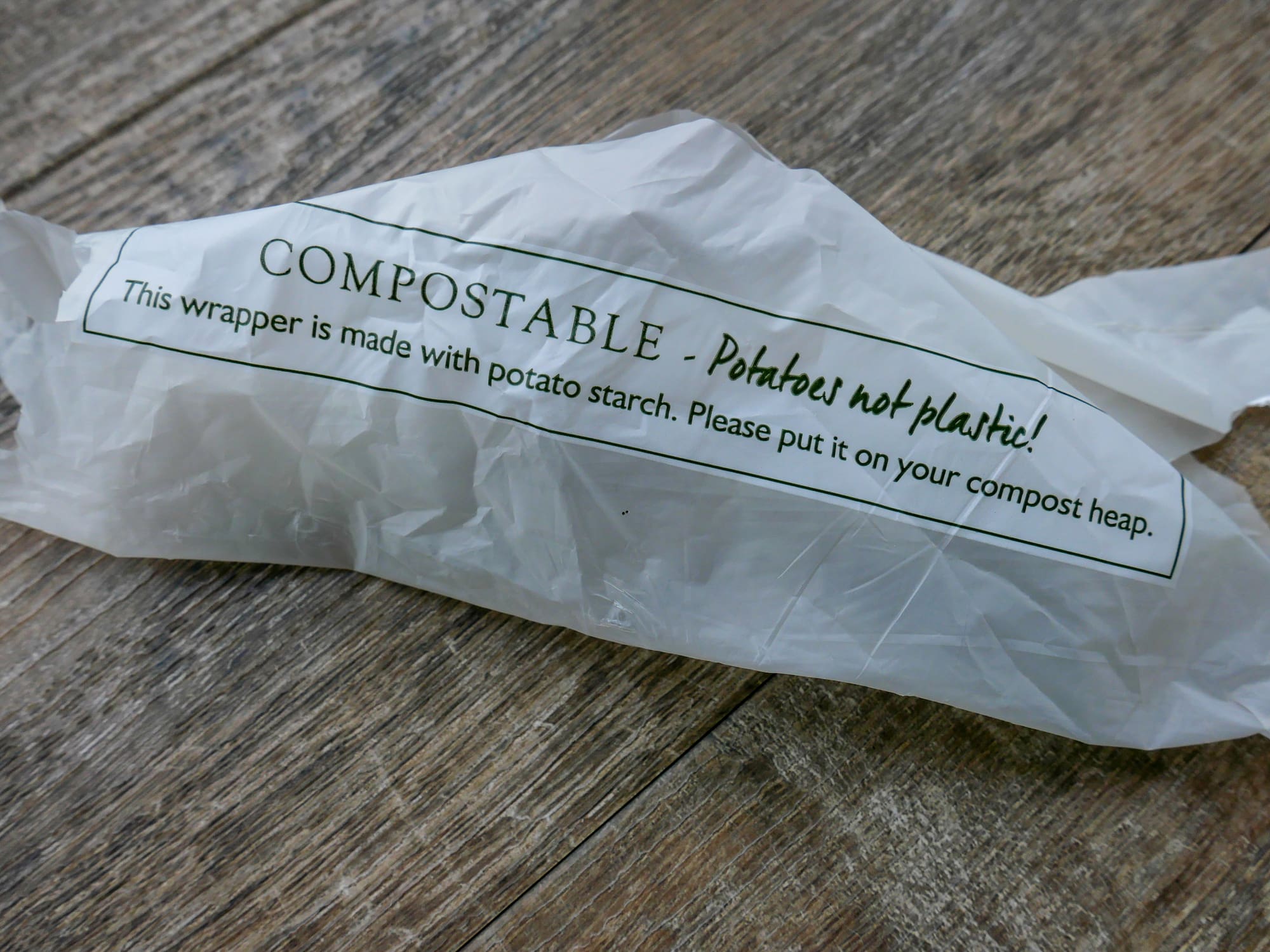
- Biodegradable and Compostable Materials: More brands are expected to replace traditional plastics with materials like Polylactic Acid (PLA), mushrooms, seaweed, and other plant-based derivatives.
- Refill Stations: Embracing the zero-waste movement, some stores will offer refill stations, allowing customers to replenish their products without buying new packaging.
- Recycled Materials: Expect a rise in Post-Consumer Recycled (PCR) content in packaging materials, helping to reduce the carbon footprint.
Smart & Connected Packaging
Smart packaging is set to revolutionize consumer interaction with products:
- QR and AR Integration: Scanning codes will not only provide product information but also offer immersive Augmented Reality (AR) experiences, deepening brand engagement.
- Anti-Counterfeit Features: NFC chips and unique identifiers can ensure product authenticity, addressing the counterfeit market challenges.
- Sensors and Indicators: For perishable goods, expect packaging with freshness indicators or sensors that notify users of product quality or any potential issues.
Minimalistic Designs
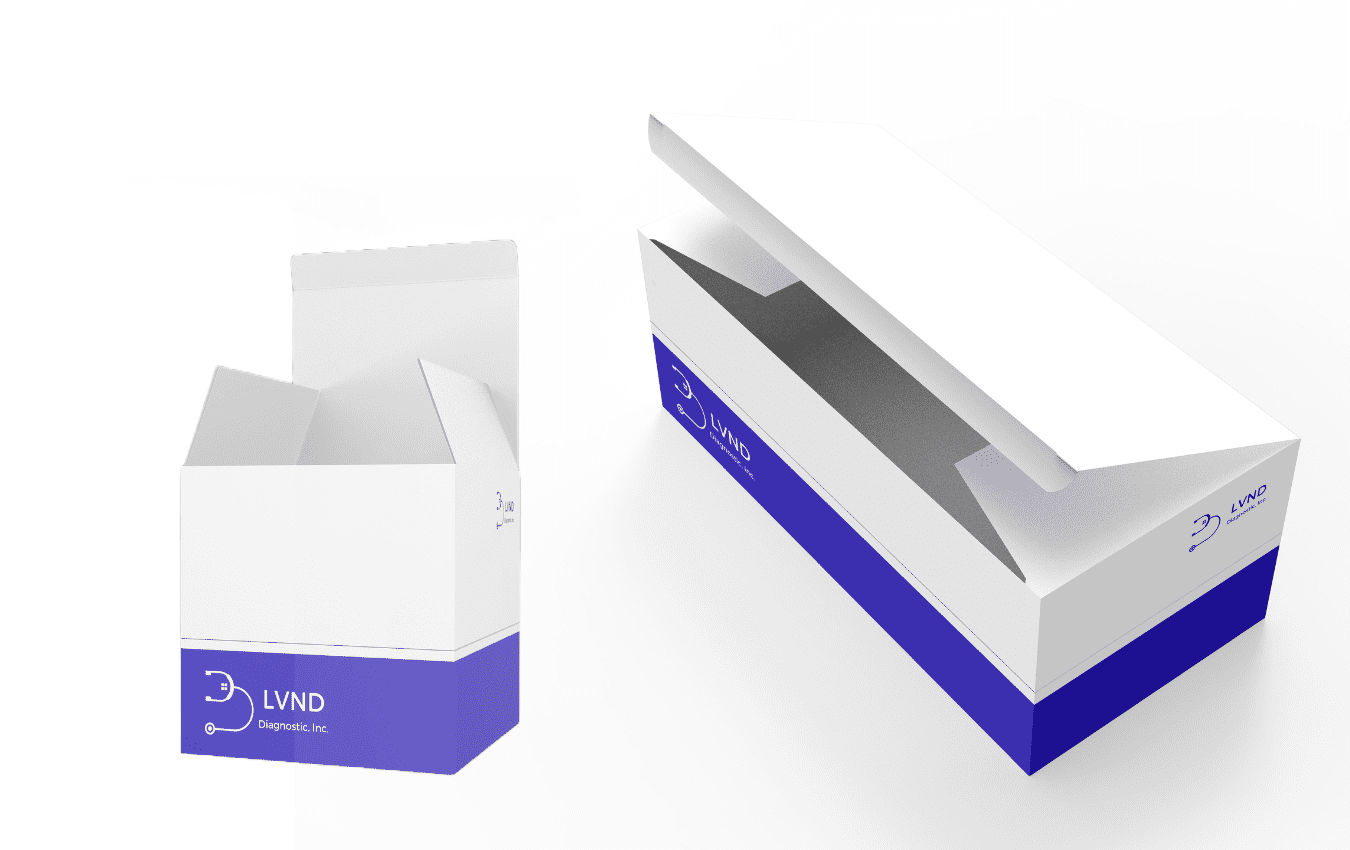
With consumers seeking simplicity, packaging designs will veer towards clean, straightforward aesthetics. This not only reduces printing costs but also caters to the demand for transparency and authenticity.
Flexibility in Packaging
Flexibility in packaging design allows for:
- Personalization: With on-demand printing technologies, companies can offer personalized packaging for special occasions or personalized gifts.
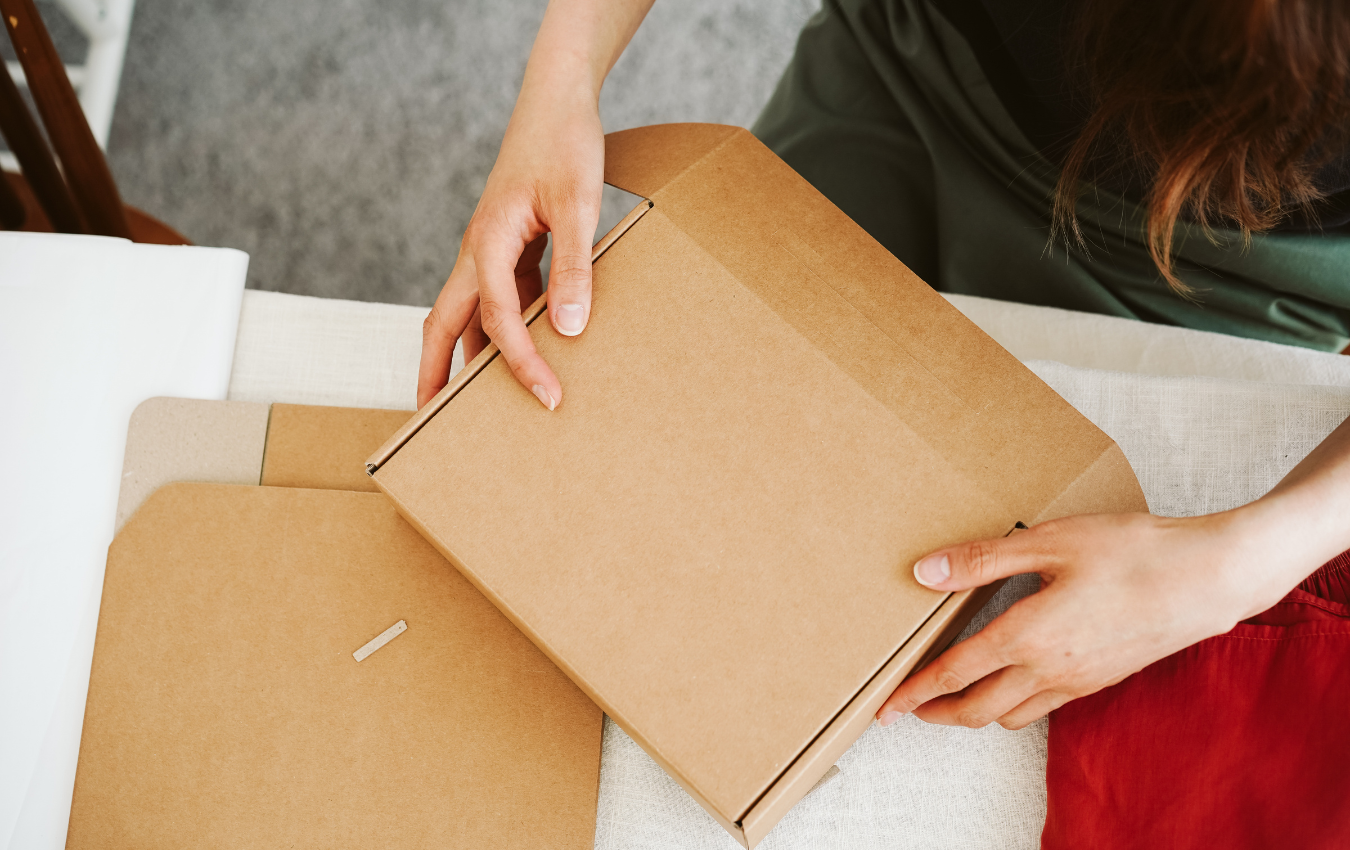
- Adaptable Packaging: For e-commerce, flexible packaging that can adjust to different product sizes will become more prevalent, optimizing shipping and reducing waste.
Health & Safety Innovations
In the wake of global health concerns:
- Antimicrobial Packaging: Materials that can resist or kill microbial growth will become more popular, ensuring longer shelf life and enhanced safety.
- Touchless Delivery: For e-commerce, innovations in packaging that facilitate touchless delivery and receipt will gain traction.

Increased Transparency
Consumers are demanding to know more about their products:
- Transparent Labels: Labels will provide more than just ingredients or materials. They will also dive into the product’s origin, environmental impact, and the company’s social responsibility initiatives.
- Clear Packaging: The use of clear or transparent packaging materials will rise, letting consumers see exactly what they are buying.
Return and Reuse Systems
Building on the circular economy concept:
- Package Return Schemes: Companies will set up systems for consumers to return packaging, which can then be cleaned and reused, reducing waste.
- Multi-use Packaging: Designing packaging that consumers can repurpose or use for other functions post-unwrapping will become more popular.
Localized Production
With global supply chain challenges:
- Localized Material Sourcing: Brands will source packaging materials closer to home, reducing transportation costs and environmental impact.
- Localized Production: Embracing 3D printing and other technologies will enable localized packaging production, shortening lead times.
Conclusion
The packaging trends for 2024 point towards a future that’s not only eco-friendly but also tech-savvy, flexible, and consumer-centric. For brands, it’s time to adapt and innovate; for consumers, the future holds a promise of more mindful, engaging, and dynamic packaging solutions. As always, the intersection of technology and consumer demand will continue to shape this industry’s direction.
If you are interested in custom or stock packaging, then partner with Brown Packaging today to get started.
Sustainable packaging in 2027 will be less about broad claims and more about proof, performance, compliance, and cost control. Buyers will still care about recyclable
Sustainable packaging in 2027 will be less about broad claims and more about proof, performance, compliance, and cost control. Buyers will still care about recyclable
A folding carton may look simple once it reaches the shelf, but it goes through a controlled production process before it becomes a finished package.
Folding carton production is becoming more automated because buyers are asking for faster timelines, tighter consistency, and more flexibility across more SKUs. Shorter product lifecycles,
Folding carton style matters because structure affects more than appearance. The right carton can improve shelf presentation, packing speed, product access, closure security, storage efficiency,
Pouch packaging trends in 2027 will be shaped by convenience, shelf impact, sustainability pressure, sealing performance, automation, ecommerce growth, and total packaging cost. Buyers will
By submitting your information, you agree to our terms and conditions and privacy policy.
Home » 8 Packaging Trends for 2024: What to Expect


When it comes to choosing the right packaging for your products, you’re often faced with various options. One critical decision in the world of packaging

In today’s competitive market, understanding and optimizing the cost of your packaging is crucial for maintaining profitability and enhancing overall business performance. A thorough cost
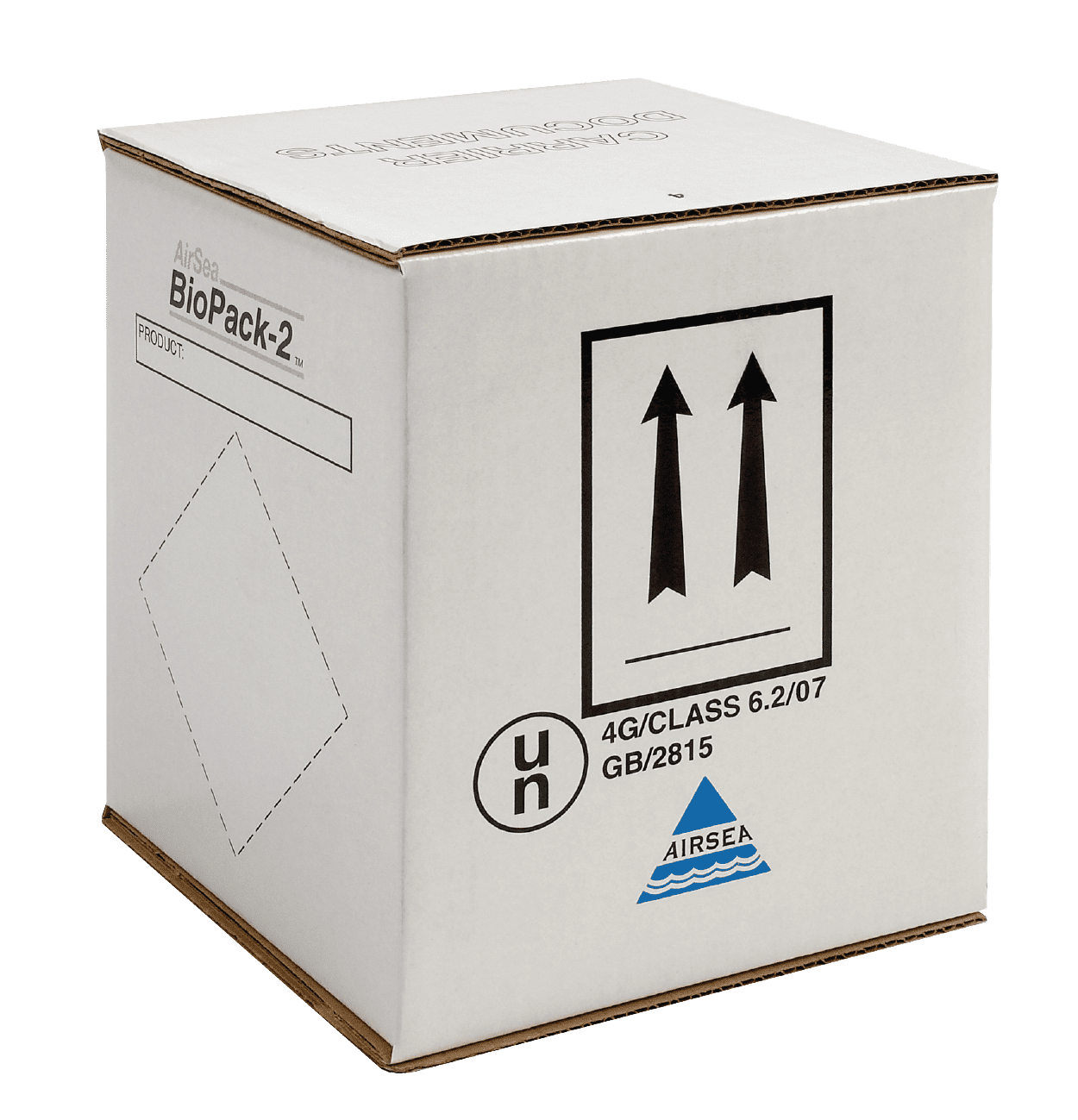
Corrugated boxes are an essential part of the shipping and storage process for businesses worldwide. They are made of corrugated paperboard, which comprises three layers: