Blogs
At Brown Packaging, we provide insightful content about the packaging industry to keep our clients, followers, and partners informed with the latest trends and accurate information. Our goal is to equip you with up-to-date knowledge that helps you stay ahead in the ever-evolving world of packaging.

In the world of product manufacturing and retail, packaging plays a crucial role in protecting products, attracting consumers, and conveying brand messages. Among the various types of packaging, primary packaging holds a special place as it is the first and most direct form of packaging around a product. This blog post aims to explore the concept of primary packaging, its importance, and its various forms. What is Primary Packaging? Primary packaging is the material that first envelops the product and holds it. This type of packaging is in direct contact with the product itself and is often the last to be opened by the consumer before using the product. It serves several critical functions, from protecting the product to providing consumer information and aiding in marketing efforts. The Role of Primary Packaging Protection: The most fundamental role of primary packaging is to protect the product from damage, contamination, and tampering. It ensures the product remains intact and safe for use from the production line until it reaches the consumer. Preservation: For many products, especially food items and pharmaceuticals, primary packaging plays a crucial role in preserving the quality and extending the shelf life of the product by providing barriers to moisture, light, and air. Information and Compliance: Primary packaging is a key medium for conveying necessary product information, instructions for use, ingredients or contents, and compliance with regulatory requirements. Branding and Marketing: Often the first thing a consumer interacts with, primary packaging is an important branding tool. Its design, colors, and materials can significantly influence purchasing decisions and brand perception. Types of Primary Packaging Primary packaging can vary greatly depending on the product. Common types include: Bottles and Jars: Used for liquids and creams in the beverage, beauty, and pharmaceutical industries. Boxes and Cartons: Often used for electronics, cosmetics, and house hold items. Flexible Packaging: Such as pouches or bags, commonly used for snacks, grains, and frozen foods. Blister Packs: ideal for medical devices and electronics. Tubes: For semi-solid products like toothpaste or certain food items. Materials Used in Primary Packaging The choice of material for primary packaging is determined by the product’s needs and includes: Plastics: Versatile and widely used, suitable for a range of products. Glass: Preferred for its non-reactive nature, especially for food and pharmaceuticals. Metal: Often used for its durability and protective qualities. Paper and Cardboard: Commonly used for their recyclability and lightweight properties. Design Considerations in Primary Packaging Designing primary packaging requires a balance between functionality and aesthetics. It should be user-friendly, secure, and aligned with the brand’s identity. Additionally, sustainable design practices are increasingly important to reduce environmental impact. Innovation and Trends in Primary Packaging The primary packaging sector is seeing innovations like smart packaging, which includes the use of QR codes and RFID technology, and sustainable alternatives like biodegradable materials and minimalist designs. If you are interested in primary packaging, then partner with Brown Packaging today to get started. (714)300-0650 request@brownpackaging.com Most Recent Posts: Categories: Corrugated Ecommerce ESD Design Display Flexible Packaging Foam Folding Carton Packaging Plastic Packaging Pouch Printing Protection Retail Rigid Box Thermoform Sustainability Subscribe To Our Newsletter By submitting your information, you agree to our terms and conditions and privacy policy. Custom Packaging Facebook Twitter LinkedIn Pinterest Relevant Posts

In the competitive and dynamic field of packaging, buyers are continually seeking ways to enhance their packaging strategies. From increasing efficiency and sustainability to reducing costs, understanding the right factors to evaluate is crucial for making informed improvements. This blog post focuses on the essential factors buyers should consider in their packaging assessment and optimization efforts. Key Factors Overview: Cost Analysis Packaging Performance Sustainability Factors Packaging Efficiency Customer Satisfaction Supplier Performance Compliance and Regulatory Standards Innovation and Market Trends Now, let’s delve into each of these factors in detail. Cost Analysis Evaluating the financial aspects of packaging is critical. This includes assessing material and production costs, shipping and handling expenses, and the total cost of ownership, which encompasses all related long-term costs. Packaging Performance The effectiveness of packaging in protecting the product is paramount. Important aspects include the damage rate during shipping, the shelf life of perishable goods, and the frequency of product returns due to packaging inadequacies. Sustainability Factors With increasing environmental awareness, it’s essential to measure the sustainability of your packaging. This involves looking at recyclability rates, the carbon footprint of packaging materials, and the use of renewable resources. Packaging Efficiency Efficiency in packaging relates to how well space is utilized and the optimization of the packaging process. Factors to consider include the fill rate, packaging time, and storage efficiency in warehousing. Customer Satisfaction The impact of packaging on the end-user experience is a crucial metric. This covers areas such as customer feedback, the unboxing experience, and the overall aesthetic and design appeal of the packaging. Supplier Performance Evaluating the performance of your packaging suppliers is vital for maintaining quality and efficiency. Key aspects include supplier lead times, consistency in quality, and their flexibility to meet changing demands. Compliance and Regulatory Standards Ensuring that your packaging meets all regulatory compliance and industry standards is crucial. This includes adhering to specific packaging laws and maintaining product safety standards. Innovation and Market Trends Staying abreast of the latest innovations and market trends in packaging can provide a competitive edge. This includes exploring emerging materials and technologies and understanding evolving consumer preferences. If you are interested in making improvements on your existing or future packaging, then partner with Brown Packaging today to get started. (714)300-0650 request@brownpackaging.com Most Recent Posts: Categories: Corrugated Ecommerce Design Foam Folding Carton Packaging Plastic Packaging Pouch Retail Rigid Box Thermoform Sustainability Subscribe To Our Newsletter By submitting your information, you agree to our terms and conditions and privacy policy. Custom Packaging Facebook Twitter LinkedIn Pinterest Relevant Posts

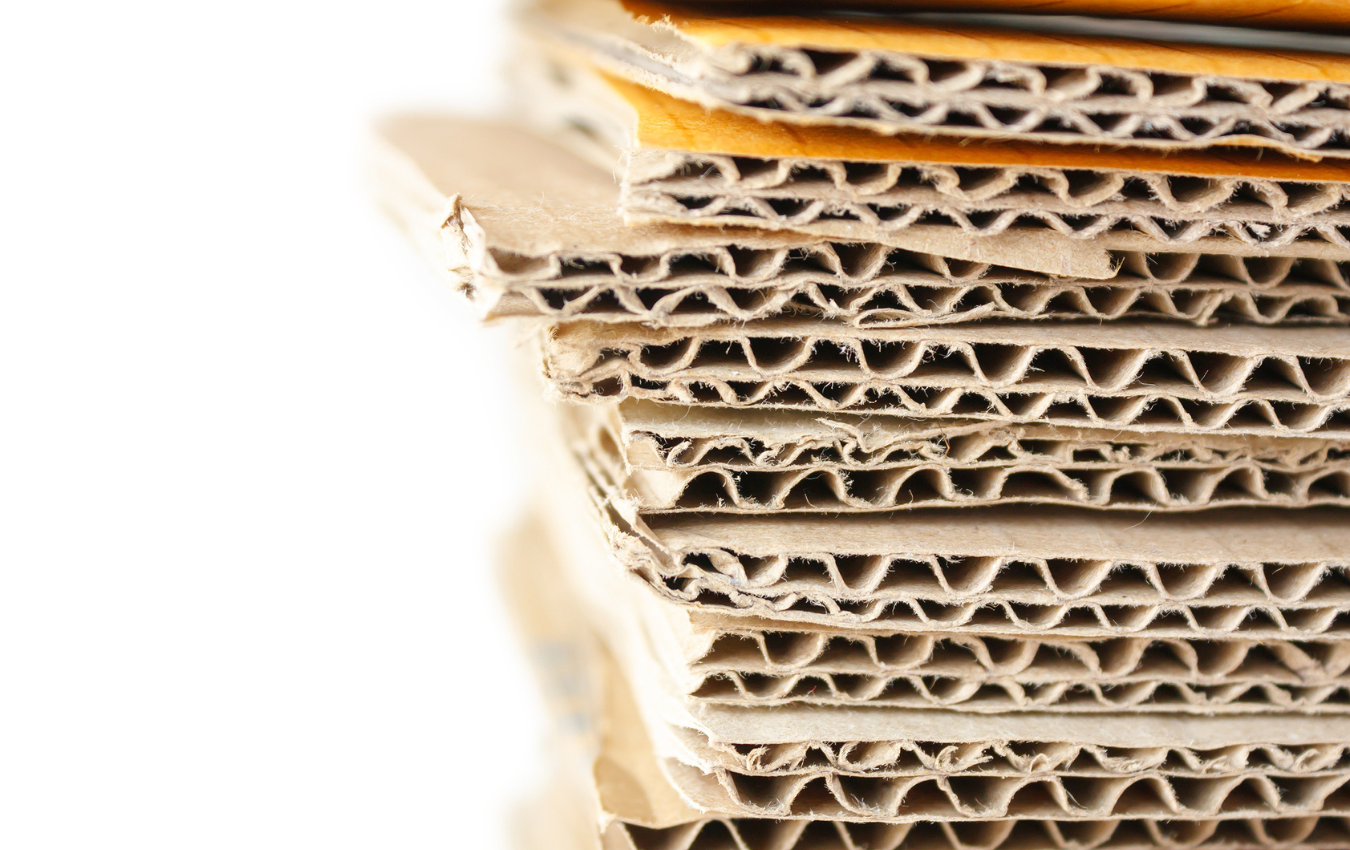
Corrugated boxes, commonly referred to as cardboard boxes, are a ubiquitous presence in our day-to-day lives. From moving houses to shipping products, these boxes are employed in a myriad of applications. As varied as their uses are, so are the demands placed upon them. Two critical factors dictate the effectiveness of a corrugated box: its size and its strength. Let’s delve deep into why these aspects are so important. Ensuring the Right Fit Protecting Contents An appropriately sized box ensures that the products inside do not jostle or shift significantly during transit. If a product is moving freely within a box, it’s more susceptible to damage from impacts or sudden movements. Efficient Space Utilization Especially when it comes to storage or shipping, using boxes of the correct size ensures maximum utilization of available space, whether in a warehouse or a shipping container. Overly large boxes waste space, while small ones may necessitate the use of multiple boxes where one might have sufficed. Cost Efficiency Using the right-sized box can save costs. Employing a box larger than necessary implies more material usage and potentially increased shipping costs based on dimensional weight pricing. Strength to Withstand Pressure Material Composition The strength of a corrugated box is primarily determined by the composition and configuration of its corrugated fibers. There are various flute sizes, with larger flutes providing more cushioning and smaller ones offering better printability and foldability. Stacking Strength When boxes are stacked, especially in storage or during shipping, the strength of the box determines how much weight it can bear without collapsing. A box with appropriate strength will ensure that the contents are not crushed, regardless of its position in a stack. Environmental Protection A sturdy corrugated box can provide some protection against environmental factors like humidity or minor water exposure. The corrugated design, combined with certain coatings or treatments, can help resist moisture infiltration. Balancing Strength with Weight While strength is essential, it’s also crucial to consider the weight of the box. Overly thick or heavy boxes can increase shipping costs and may be overkill for certain lightweight items. The strength-to-weight ratio is thus a crucial aspect when determining the best box for the job. Sustainability Considerations Today, environmental concerns play a significant role in packaging decisions. Corrugated boxes are favored because they are often made from recycled material and are recyclable themselves. By ensuring that a box is neither too big nor stronger than necessary, resources are conserved, and waste is minimized, contributing to a more sustainable packaging solution. Conclusion When selecting a corrugated box, one must consider both size and strength in conjunction to ensure the safety of its contents, cost-efficiency, and optimum space utilization. With the rising emphasis on sustainability, it’s also crucial to choose boxes that align with environmental goals. Whether you’re a business owner or simply moving to a new house, understanding the significance of these factors can make a world of difference in your packing and shipping endeavors. If you are interested in corrugated boxes, then partner with Brown Packaging today to get started. (714)300-0650 request@brownpackaging.com Most Recent Posts: Categories: Corrugated Ecommerce ESD Design Folding Carton Packaging Printing Protection Retail Rigid Box Sustainability Subscribe To Our Newsletter By submitting your information, you agree to our terms and conditions and privacy policy. Custom Corrugated Boxes Facebook Twitter LinkedIn Pinterest Relevant Posts

In the dynamic world of packaging, embossing stands out as a distinguished technique that adds depth and texture to product packaging, elevating the consumer experience. This blog post aims to shed light on the process of embossing, its applications in packaging, and the benefits it offers. Understanding Embossing in Packaging Embossing is a process used to create raised designs or textures on various materials, such as paper, cardboard, and even metal. This technique involves pressing a design into the material from underneath, resulting in a raised, three-dimensional effect on the surface. The Embossing Process The embossing process can be outlined in the following steps: Design Preparation: The first step involves creating a design that will be embossed onto the packaging. This design is typically made using specialized software and is crucial for the final outcome. Creating the Die: Based on the design, a metal die (or stamp) is created. The die is essentially a reverse of the final embossed design. Setting Up the Embossing Press: The packaging material and the die are set up in an embossing press. This machine precisely aligns the die with the material. Applying Pressure: The press applies high pressure to the die, pushing it into the material. The areas where the die meets the material are raised, creating the embossed effect. Quality Check: Post-embossing, each piece is checked for quality to ensure the design is accurately and uniformly embossed across all units. Materials Suitable for Embossing Embossing can be applied to a variety of materials, including: Paper and Cardboard: Common in business cards, book covers, and packaging boxes. Leather: Adds a luxurious feel to high-end product packaging. Metal Sheets: Used for creating unique, textured surfaces on metal packaging. Types of Embossing There are different embossing techniques, each offering a unique look: Single-Level Embossing: A simple and common technique where the design is raised to a single flat level. Multi-Level Embossing: Involves varying levels of depth, adding more detail and texture to the design. Sculptured Embossing: The most detailed, creating a three-dimensional image that looks sculpted. Applications in Packaging Embossing is widely used in various types of packaging: Branding and Logo Embossing: Used to make logos stand out on product packaging. Decorative Embossing: Adds decorative patterns to packaging for a more elegant look. Textural Embossing: Creates a tactile experience for the consumer, enhancing the perception of quality. Benefits of Embossing in Packaging Embossing offers several advantages: Enhanced Aesthetic Appeal: Adds a touch of sophistication and luxury to the packaging. Tactile Experience: The raised design provides a unique tactile experience, making the packaging more engaging. Brand Differentiation: Helps in making products stand out on the shelves and can strengthen brand recognition. Considerations When Using Embossing When opting for embossing, there are a few considerations: Cost Implications: Embossing can add to the cost of packaging due to the specialized process and equipment required. Design Limitations: Some designs may not translate well into embossing, especially highly intricate patterns. Material Constraints: Not all materials are suitable for embossing, and the choice of material can impact the final result. If you are interested in embossed packaging, then partner with Brown Packaging today to get started. (714)300-0650 request@brownpackaging.com Most Recent Posts: Categories: Corrugated Design Display Flexible Packaging Folding Carton Packaging Plastic Packaging Pouch Printing Retail Rigid Box Thermoform Sustainability Subscribe To Our Newsletter By submitting your information, you agree to our terms and conditions and privacy policy. Custom Packaging Facebook Twitter LinkedIn Pinterest Relevant Posts

When you think about dental care, your mind might immediately go to toothbrushes, floss, and toothpaste. But behind the scenes, a critical aspect of the dental industry ensures these products reach consumers in pristine condition: dental packaging. In this comprehensive guide, we’ll unveil the world of dental packaging, its significance, and the considerations that go into creating packaging solutions that uphold oral health. Unveiling Dental Packaging Dental packaging refers to the specialized packaging materials and designs used to protect and preserve dental products, equipment, and supplies throughout their journey from manufacturer to consumer. This category encompasses a wide range of items, including toothbrushes, toothpaste, dental instruments, orthodontic appliances, dental implants, and more. Dental packaging serves not only as a barrier against external factors but also as a means to maintain product integrity, hygiene, and regulatory compliance. Significance of Dental Packaging The importance of dental packaging extends beyond the physical protection of dental products. Here’s a closer look at why dental packaging is a critical component of the oral care industry: Product Integrity Dental products are highly sensitive to contamination, moisture, and other environmental factors. Proper packaging prevents these elements from compromising the quality and effectiveness of the products. Infection Control Sterility and hygiene are paramount in the dental field. Packaging materials and designs are carefully chosen to prevent contamination, ensuring that dental instruments and supplies remain free from harmful microbes. Regulatory Compliance The dental industry is subject to strict regulations and standards to ensure patient safety. Dental packaging must adhere to these regulations, providing clear labeling, information, and tamper-evident features. Patient Confidence Well-designed and secure packaging instills confidence in patients, as they trust that the products they receive are safe, untampered with, and of high quality. Brand Identity Dental packaging offers a canvas for branding and design. Packaging that reflects a dental brand’s values, aesthetics, and professionalism can leave a lasting impression on consumers. Convenience and Accessibility User-friendly packaging designs ensure that dental products are easy to access, use, and store, enhancing the overall consumer experience. Considerations in Dental Packaging Creating effective dental packaging requires careful consideration of various factors: Materials Dental packaging materials must be compatible with the products they encase. They may include materials such as plastics, paperboard, metals, and films. Biocompatibility is crucial, especially for products that come into direct contact with oral tissues. Barrier Properties Depending on the product, packaging may need to provide barriers against moisture, air, light, and other contaminants. This is especially vital for dental instruments and orthodontic appliances. Sterilization Compatibility For dental instruments and implants, packaging must be compatible with sterilization methods such as autoclaving or ethylene oxide treatment. Packaging should maintain sterility until the moment of use. Labeling and Information Clear and accurate labeling is essential for dental products. Instructions for use, expiration dates, and batch numbers ensure regulatory compliance and patient safety. Ease of Use Packaging should facilitate easy removal and use of products, especially for items like floss, toothbrushes, and mouthwash. Tamper-Evident Features To ensure product authenticity and safety, dental packaging often includes tamper-evident seals or closures that indicate if the package has been opened. Types of Dental Packaging and Applications Dental packaging encompasses various types, each tailored to specific products and applications: Blister Packs Commonly used for toothbrushes, floss, and small dental instruments, blister packs offer individual compartments that protect products and allow easy access. Bottles and Tubes Toothpaste, mouthwash, and gels are often packaged in bottles and tubes, providing controlled dispensing and protection against contamination. Pouches and Sachets Travel-sized dental products and single-use items like dental floss picks are often packaged in pouches and sachets for convenience. Cartons and Boxes Multi-product kits, orthodontic appliances, and dental instrument sets are packaged in cartons and boxes, ensuring organized presentation and protection. Blister Pack Rigid Box (Slide/Match) Single-Use Packaging Disposable items like disposable dental mirrors and saliva ejectors require single-use packaging to maintain hygiene standards. Sterile Packaging Dental implants, surgical instruments, and other sterile items are packaged in sterile pouches or trays to preserve sterility until use. Child-Friendly Packaging Dental products for children often feature playful designs and packaging to engage young patients and promote positive oral hygiene habits. If you are interested in dental packaging solutions, then partner with Brown Packaging today to get started. (714)300-0650 request@brownpackaging.com Most Recent Posts: Categories: Corrugated Ecommerce ESD Design Display Flexible Packaging Foam Folding Carton Packaging Plastic Packaging Pouch Printing Protection Retail Rigid Box Thermoform Sustainability Subscribe To Our Newsletter By submitting your information, you agree to our terms and conditions and privacy policy. Dental Packaging Facebook Twitter LinkedIn Pinterest Relevant Posts

Gift-giving is a timeless tradition, and the packaging plays a crucial role in making the gesture even more special. When it comes to choosing the right gift box, there are several options available, each with its own unique characteristics. In this blog, we’ll delve into the world of gift packaging and compare three popular choices: corrugated boxes, folding cartons, and rigid boxes. By understanding the features, pros, and cons of each, you can make an informed decision and enhance your gift-giving experience. Corrugated Boxes Corrugated boxes are a versatile and cost-effective option for gift packaging. They are constructed from three layers of paper, with a fluted inner layer sandwiched between two flat liner boards. Here’s what you need to know: Pros: Durability: Corrugated boxes are known for their strength and resilience, making them ideal for shipping delicate or fragile gifts. Customizability: They can be easily customized with various printing options, making it easy to add a personal touch. Eco-Friendly: Many corrugated boxes are made from recyclable materials, appealing to environmentally conscious consumers. Affordability: These boxes are typically more budget-friendly compared to rigid boxes. Cons: Aesthetic Limitations: Corrugated boxes may lack the elegance and sophistication of rigid boxes or folding cartons. Bulkiness: They tend to be bulkier than other options, which can be a concern if storage space is limited. Folding Cartons Folding cartons are the most common type of packaging for retail products and gifts. They are typically made from paperboard and are designed to fold flat for easy storage and shipping. Let’s explore their advantages and disadvantages: Pros: Aesthetic Appeal: Folding cartons offer a wide range of design possibilities, allowing for eye-catching graphics, unique shapes, and luxurious finishes. Space-Efficient: They are space-efficient when stored flat and can be easily assembled when needed. Versatility: Folding cartons come in various sizes and shapes, catering to a wide range of gift-giving occasions. Printing Quality: The smooth surface of paperboard ensures high-quality printing, making it perfect for detailed graphics and images. Cons: Less Durability: Folding cartons are not as sturdy as corrugated boxes or rigid boxes, so they may not be suitable for heavy or fragile items. Limited Customization: While they offer design flexibility, they might not provide the same level of customization as rigid boxes. Rigid Boxes Rigid boxes, also known as setup boxes or gift boxes, are synonymous with luxury and premium gift packaging. These boxes are made from thick, rigid board and are known for their sturdiness and elegance. Let’s explore their attributes: Pros: Luxury and Elegance: Rigid boxes exude luxury and sophistication, making them perfect for high-end gifts and occasions. Durability: They offer exceptional protection for fragile or valuable items, ensuring the gift arrives in pristine condition. Customization: Rigid boxes can be fully customized with premium printing, embossing, foil stamping, and other embellishments. Reusability: Many recipients cherish rigid boxes and reuse them for storage or as decorative items. Cons: Cost: Rigid boxes are more expensive to produce than corrugated boxes or folding cartons, making them less budget-friendly. Storage: They take up more storage space due to their rigidity, which may not be practical for everyone. If you are interested in gift boxes, whether they are corrugated boxes, folding cartons or rigid boxes, then partner with Brown Packaging today to get started. (714)300-0650 request@brownpackaging.com Most Recent Posts: Categories: Corrugated Ecommerce ESD Design Display Flexible Packaging Foam Folding Carton Packaging Plastic Packaging Pouch Printing Protection Retail Rigid Box Thermoform Sustainability Subscribe To Our Newsletter By submitting your information, you agree to our terms and conditions and privacy policy. Custom Packaging Facebook Twitter LinkedIn Pinterest Relevant Posts

When it comes to packaging, it’s easy to dismiss it as merely a wrapper for the product. However, packaging serves a crucial role in not only protecting the product but also influencing consumer perception and purchase decisions. In the world of custom packaging, understanding the hierarchy of needs is essential to create packaging that not only satisfies basic requirements but also elevates your brand. Let’s dive into this packaging hierarchy and explore how it can impact your business. Functional Needs: The Foundation of Packaging At the base of the packaging hierarchy lie the functional needs. These are the fundamental requirements that packaging must meet to serve its primary purpose effectively. Without these basic functions, packaging would fail in its essential role. Protection: Packaging should safeguard the product from damage during transportation, handling, and storage. It’s the first line of defense against the rigors of the supply chain. Containment: A well-designed package securely holds the product, preventing spillage, breakage, or leakage. It ensures that the product reaches the customer intact. Accessibility: Packaging should facilitate easy access to the product. Consumers shouldn’t struggle to open or close the package, ensuring a seamless user experience. Safety and Compliance: Meeting Industry Standards Once functional needs are met, safety and compliance considerations come into play. Adherence to regulations and safety standards is vital for both consumer safety and the brand’s reputation. Regulatory Compliance: Packaging must conform to relevant laws and regulations, including labeling requirements and environmental standards. Non-compliance can lead to legal issues and damage your brand’s image. Product Safety: Beyond legal requirements, the packaging materials themselves should not pose any safety risks to consumers. This includes considerations like avoiding toxic substances in packaging. Aesthetic and Branding Needs: Making a Visual Statement Moving up the hierarchy, we encounter the aesthetics and branding aspects of packaging. These elements contribute to the visual appeal of your product and its ability to communicate your brand identity. Visual Appeal: Your packaging should be visually attractive. Colors, graphics, and design should align with your brand’s image and resonate with your target audience. Information: Effective packaging communicates essential product information, usage instructions, and branding elements clearly. It helps consumers make informed choices and reinforces your brand. User Experience and Convenience: Enhancing Customer Satisfaction Beyond aesthetics, the user experience and convenience are paramount. Packaging should enhance the overall customer experience and convenience in using the product. Ease of Use: Packaging should be user-friendly, allowing customers to open and close it without frustration. A pleasant unboxing experience can leave a lasting positive impression. Eco-Friendliness: In today’s environmentally conscious world, eco-friendly packaging is a priority. Sustainable materials and responsible design can appeal to eco-conscious consumers. Customization and Personalization: Setting Your Brand Apart At the pinnacle of the packaging hierarchy is customization and personalization. Custom packaging solutions can set your brand apart and create a unique identity in the market. Tailored Solutions: Custom packaging designs cater to specific products and consumer preferences. They can be tailored to fit various product shapes and sizes. Brand Differentiation: In a crowded marketplace, custom packaging helps your brand stand out. It reinforces brand recognition and builds a loyal customer base. In conclusion, the hierarchy of needs in custom packaging serves as a roadmap for designing packaging that not only meets basic requirements but also elevates your brand. By starting with the foundation of functionality and working your way up to aesthetics and customization, you can create packaging that not only protects your product but also enhances its appeal and strengthens your brand identity. Remember, in the world of packaging, meeting basic needs is just the beginning of a beautiful branding journey. If you are interested in custom packaging, then partner with Brown Packaging today to get started. (714)300-0650 request@brownpackaging.com Most Recent Posts: Categories: Corrugated Ecommerce ESD Design Display Flexible Packaging Foam Folding Carton Packaging Plastic Packaging Pouch Printing Protection Retail Rigid Box Thermoform Sustainability Subscribe To Our Newsletter By submitting your information, you agree to our terms and conditions and privacy policy. Custom Packaging Facebook Twitter LinkedIn Pinterest Relevant Posts

Packaging is not merely a practical aspect of shipping; it’s also a statement about your brand’s commitment to quality and protection. When it comes to safeguarding your products during transportation, two commonly utilized materials for packaging inserts are corrugated and foam. In this detailed exploration, we will delve into the nuances that set these two options apart, helping you make an informed choice that aligns with your specific packaging needs. Corrugated Inserts Material Composition: Corrugated inserts, the stalwarts of the packaging world, owe their strength to the clever combination of three layers – an inner layer, an outer layer, and a fluted middle layer. This design ensures remarkable durability while maintaining a lightweight profile. Customization: The versatility of corrugated inserts is impressive. They can be intricately die-cut into various shapes and sizes, perfectly tailored to cradle your products. Cost-Effectiveness: If budget constraints are a concern, corrugated inserts offer a cost-effective solution, ensuring that your products are protected without breaking the bank. Eco-Friendly: With environmental consciousness on the rise, corrugated cardboard stands out as an eco-friendly choice. Its recyclability and biodegradability resonate well with eco-conscious customers. Protection: Corrugated inserts provide reliable protection against common shipping hazards like impacts and vibrations, making them ideal for products with moderate fragility. Stackability: Their stackable nature makes corrugated inserts efficient for storage, a feature that can significantly optimize warehouse space. Foam Inserts Material Composition: Foam inserts come in various formulations, including polyethylene (PE) foam, polyurethane (PU) foam, and ethylene-vinyl acetate (EVA) foam. These foams are revered for their cushioning properties. Customization: Like their corrugated counterparts, foam inserts can be precision-cut to match the unique contours and shapes of your products, ensuring a snug and secure fit. Superior Cushioning: Foam inserts are the champions of cushioning, excelling in cradling delicate items with an extra layer of protection. They are often the go-to choice for high-value electronics, precision instruments, and delicate medical devices. Density Options: The availability of various foam densities allows you to select the level of cushioning that precisely matches your product’s fragility and weight. Reusability: Foam inserts, being more durable, can be reused multiple times. This can be a cost-effective option for businesses dealing with returns or shipments to multiple destinations. Weight: It’s worth noting that foam inserts are more bulkier than corrugated inserts, which may contribute to the overall space required of the package and potentially affect shipping costs, especially for international deliveries. Conclusion In the packaging world, one size does not fit all. Your choice between corrugated inserts and foam inserts hinges on several factors, including the fragility of your products, budget constraints, and your commitment to environmental sustainability. Sometimes, a hybrid approach works best – employing corrugated inserts for the outer packaging and foam inserts within to offer a comprehensive solution that marries cost-effectiveness and superior cushioning. Remember, your packaging reflects your brand’s dedication to quality, so choose wisely to ensure your products arrive safely and leave a lasting impression on your customers. If you are interested in corrugated, foam or other packaging inserts, then partner with Brown Packaging today to get started. (714)300-0650 request@brownpackaging.com Most Recent Posts: Categories: Corrugated Ecommerce ESD Design Foam Folding Carton Packaging Protection Retail Rigid Box Sustainability Subscribe To Our Newsletter By submitting your information, you agree to our terms and conditions and privacy policy. Packaging Inserts Facebook Twitter LinkedIn Pinterest Relevant Posts

In the realm of product management, the relationship between packaging and storage is often overlooked, yet it is a critical aspect of operational efficiency and cost-effectiveness. Striking the right balance between these two can significantly impact a business’s bottom line. This blog post explores strategies for balancing storage needs with effective packaging, ensuring that your business maximizes space without compromising on packaging quality. Understanding the Importance of Balance The challenge lies in optimizing packaging to protect and enhance the product while also considering how it fits into storage facilities. Overly bulky packaging can consume excessive storage space, leading to higher costs, whereas insufficient packaging can lead to product damage. Assessing Your Current Packaging and Storage Situation Begin by evaluating your current packaging designs and storage setup: Analyze Packaging Size and Design: Determine if your current packaging is space-efficient and if not, identify areas for improvement. Storage Utilization Review: Assess how effectively you are using your existing storage space. Are there gaps or overcrowded areas? Optimizing Packaging for Storage Efficiency Design for Space Efficiency: Consider redesigning packaging to fit more compactly into storage spaces. Utilize designs that are stackable and easy to handle. Material Considerations: Explore materials that provide adequate protection but are also more flexible or compressible for storage. Modular Packaging: Implement packaging that can be easily adjusted or reconfigured to accommodate different storage spaces or product sizes. Incorporating Smart Storage Solutions Vertical Storage Strategies: Utilize vertical space effectively, especially if floor space is limited. Shelving and stacking systems can maximize vertical storage. Just-in-Time Inventory: Implement just-in-time (JIT) inventory practices to reduce the need for large storage spaces. Automated Storage Systems: Consider investing in automated storage solutions that can optimize space utilization and improve retrieval efficiency. Balancing Safety with Space Optimization Safety Considerations: Ensure that in your pursuit of space optimization, the safety and integrity of the products are not compromised. Emergency Stock Storage: Keep a emergency stock to manage fluctuations in demand without overburdening your storage with excess packaging materials. Evaluating Packaging and Storage Costs Cost-Benefit Analysis: Regularly conduct a cost-benefit analysis of your packaging and storage. This includes assessing the costs of potential packaging redesigns versus the savings in storage space and handling. Long-term Savings: Consider the long-term savings that can be achieved through more efficient packaging and storage solutions, even if they require upfront investment. Environmental Considerations Sustainability in Packaging and Storage: Adopt sustainable practices in both packaging and storage. This can include using recyclable materials and implementing energy-efficient storage systems. Reducing Waste: Efficient packaging and storage can significantly reduce waste, contributing to a more environmentally friendly operation. Leveraging Technology for Better Coordination Inventory Management Software: Use technology to better coordinate between packaging and storage. Inventory management systems can provide real-time data to optimize both. Collaboration Tools: Use collaborative tools to ensure seamless communication between packaging designers, warehouse managers, and logistics teams. If you are looking to maximize your packaging efficiency while balancing your storage space, then partner with Brown Packaging today to get started. (714)300-0650 request@brownpackaging.com Most Recent Posts: Categories: Corrugated Ecommerce ESD Design Display Flexible Packaging Foam Folding Carton Packaging Plastic Packaging Pouch Printing Protection Retail Rigid Box Thermoform Sustainability Subscribe To Our Newsletter By submitting your information, you agree to our terms and conditions and privacy policy. Custom Packaging Facebook Twitter LinkedIn Pinterest Relevant Posts

The fascinating world of protective packaging has seen considerable evolution over the decades. These advancements have been driven by the needs of various industries, emerging technologies, sustainability concerns, and consumer demand. In essence, protective packaging’s primary purpose remains to ensure products reach their destinations unscathed. This blog post will delve into the intriguing evolution of protective packaging solutions, tracing the industry’s trajectory from rudimentary beginnings to modern, eco-friendly innovations. The Humble Beginnings Packaging, in its earliest forms, was incredibly basic. The prime objective was to contain and protect goods, often food, during transportation and storage. Examples of early packaging materials include leaves, animal skins, and rudimentary wooden crates and barrels. The ancient Egyptians, for example, used reed and clay pots for packaging wine and grain. The Industrial Revolution: A Turning Point The advent of the Industrial Revolution in the late 18th century marked a significant milestone in the evolution of protective packaging. Mass production and global trade increased exponentially, requiring efficient and durable packaging solutions. During this period, glass containers and tin cans made their debut, offering better product preservation and protection. The 20th Century: The Era of Plastic and Styrofoam The 20th century saw a transformative shift in the packaging world, with the introduction of synthetic materials like plastic and Styrofoam. These materials offered superior protection, were lightweight, and could be molded into virtually any shape, making them ideal for a wide range of products. Bubble wrap, invented in the late 1950s, became a popular packaging material due to its cushioning properties. Polystyrene (Styrofoam) peanuts soon followed, providing a cost-effective solution for filling voids in packaging and preventing product movement. Towards Eco-friendly Solutions Despite their protective qualities, materials like plastic and Styrofoam became a significant source of environmental concern due to their non-biodegradable nature. With increased awareness of environmental issues and consumer demand for sustainable practices, the packaging industry began exploring eco-friendly alternatives. This shift has led to the development of biodegradable packaging materials, such as cornstarch and mushroom packaging. Cornstarch, a renewable resource, is used to create bioplastic, which has similar protective qualities to conventional plastic but decomposes naturally over time. Mushroom packaging, made from mycelium (the root structure of mushrooms), provides a sustainable and compostable alternative to polystyrene. Embracing Technology: Modern Protective Packaging Solutions The 21st century has welcomed the use of technology in creating innovative protective packaging solutions. Cutting-edge options like air pillows and inflatable packaging are grew in popularity. These solutions are not only effective in protecting products but also reduce the volume of packaging materials required, leading to cost and environmental benefits. Technology has also enabled the use of advanced analytics in packaging. Companies can use data to optimize packaging design, improve protection, reduce waste, and enhance customer satisfaction. The Future of Protective Packaging Solutions As we look ahead, the future of protective packaging appears to be driven by two major trends: sustainability and customization. With environmental consciousness at an all-time high, the push for biodegradable, recyclable, and reusable packaging materials will continue to grow. Additionally, with the advent of technologies like 3D printing and AI, we can expect to see an increase in customized protective packaging solutions. This allows for packaging to be tailored to the unique needs of each product, improving protection and customer satisfaction. If you are interested in protective packaging solutions, then partner with Brown Packaging today to get started. (714)300-0650 request@brownpackaging.com Most Recent Posts: Categories: Corrugated Ecommerce ESD Design Display Flexible Packaging Foam Folding Carton Packaging Plastic Packaging Pouch Printing Protection Retail Rigid Box Thermoform Sustainability Subscribe To Our Newsletter By submitting your information, you agree to our terms and conditions and privacy policy. Custom Packaging Facebook Twitter LinkedIn Pinterest Relevant Posts

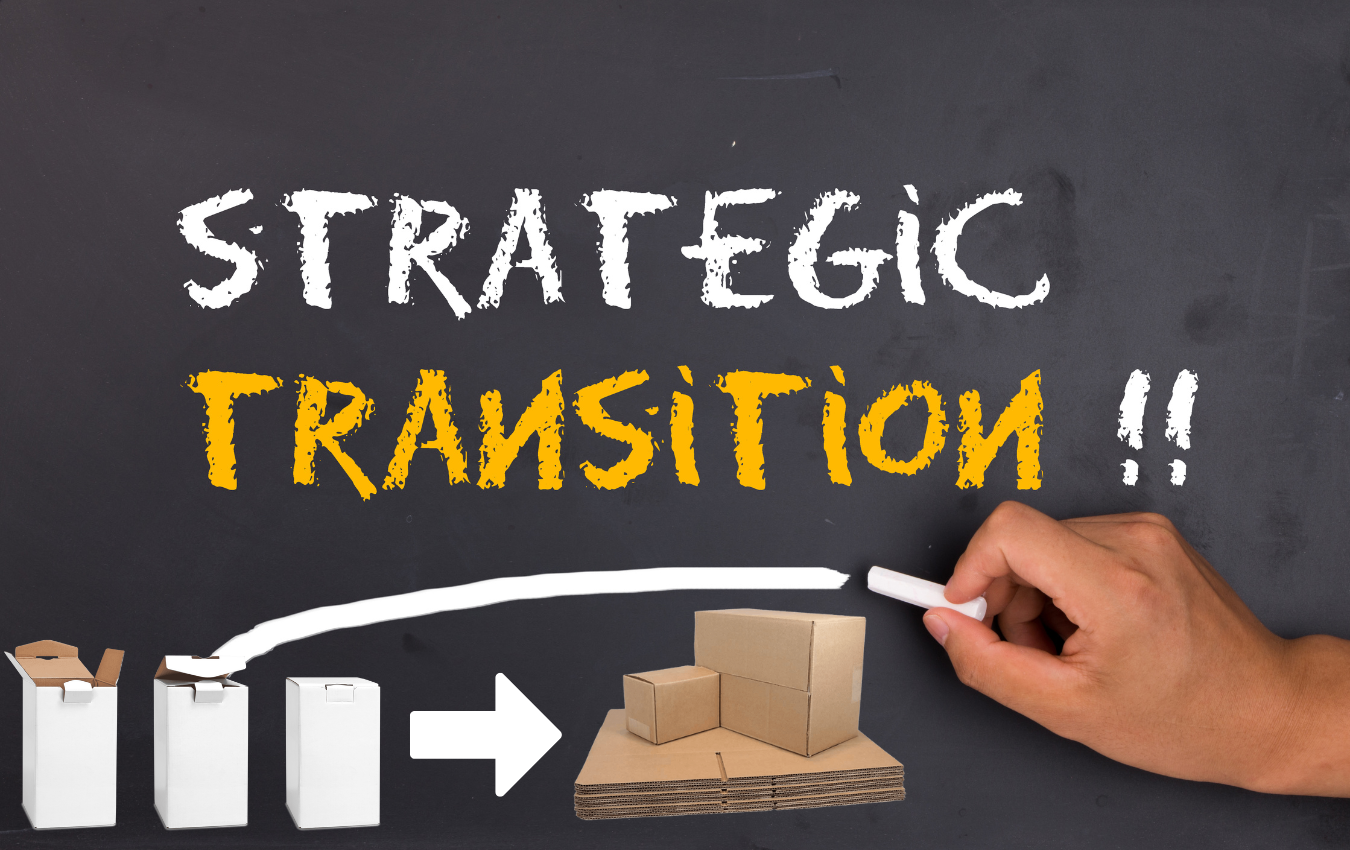
Transitioning from off-the-shelf packaging to custom solutions is a significant milestone for many businesses. This shift not only aligns packaging more closely with brand identity but also enhances customer engagement and can streamline supply chain operations. This blog post will guide businesses through the strategic approach to moving from generic, off-the-shelf packaging to bespoke, custom-designed packaging solutions. Understanding the Shift to Custom Packaging Custom packaging offers a unique opportunity for branding, providing a tangible connection between the product and the customer. It’s a move from one-size-fits-all solutions to packaging that speaks directly to your brand’s ethos and your customer’s expectations. Assessing Current Packaging Solutions Begin by evaluating your current packaging: Identify Shortcomings: Consider where off-the-shelf options may fall short in terms of size, material, durability, or branding potential. Customer Feedback: Utilize customer feedback to understand how your current packaging is perceived and what improvements are desired. Defining Your Custom Packaging Objectives Clearly outline what you aim to achieve with custom packaging: Brand Alignment: Ensure your packaging reflects your brand’s image, values, and market position. Enhancing Customer Experience: Consider how your packaging can improve the unboxing experience or offer added convenience. Budget Considerations for Custom Packaging Transitioning to custom packaging typically involves a higher upfront investment: Comprehensive Cost Analysis: Factor in design, production, storage, and potential waste costs. Investment vs. ROI: Balance the initial costs against the potential return on investment, including brand enhancement and customer satisfaction. Designing Your Custom Packaging The design phase is crucial in custom packaging: Hire a Professional Designer: Consider engaging a packaging designer or agency with expertise in your industry. Material Choices: Select materials that align with your brand values, product needs, and sustainability goals. Prototyping and Testing Before mass production, develop and test prototypes: Create Prototypes: Build samples of your custom packaging for a hands-on evaluation. Conduct Testing: Test these prototypes for functionality, durability, and customer appeal, refining the design as needed. Choosing a Manufacturing Partner Partnering with the right manufacturer is key: Research and Selection: Look for manufacturers with a track record in custom packaging solutions. Evaluate Capabilities: Ensure they can meet your quality requirements, production timelines, and offer flexibility for order volumes. Implementing a Gradual Rollout A phased approach can help in a smooth transition: Inventory Management: Strategically manage existing packaging stocks to phase them out. Marketing and Communication: Use the rollout as an opportunity to reinforce your brand message and inform customers about the new packaging. Gathering Feedback and Making Adjustments Continuous improvement is essential: Customer Insights: Regularly solicit customer feedback on the new packaging. Adapt Based on Feedback: Be prepared to make adjustments in response to customer insights and market changes. If you are interested in transitioning your packaging from stock to custom, then partner with Brown Packaging today to get started. (714)300-0650 request@brownpackaging.com Most Recent Posts: Categories: Corrugated Ecommerce ESD Design Display Flexible Packaging Foam Folding Carton Packaging Plastic Packaging Pouch Printing Protection Retail Rigid Box Thermoform Sustainability Subscribe To Our Newsletter By submitting your information, you agree to our terms and conditions and privacy policy. Custom Packaging Facebook Twitter LinkedIn Pinterest Relevant Posts

Packaging for toddler toys is a unique segment that requires a thoughtful approach, balancing safety, engagement, and often, an educational aspect. This blog post explores the intricacies of designing packaging for toddler toys, emphasizing the importance of each element to create an optimal product experience for both the child and the parent. Understanding the Target Audience: Toddlers and Their Parents When designing packaging for toddler toys, the primary audience is twofold: the toddlers themselves who are attracted to certain visual elements, and their parents who are concerned with safety and educational value. Understanding the needs and preferences of both is crucial. Safety: The Foremost Priority For toddlers, safety is paramount. This extends to the packaging as well as the toy itself. Choking Hazards: Ensure that the packaging has no small parts or detachable pieces that could pose a choking hazard. Non-Toxic Materials: Use materials that are non-toxic and free from harmful chemicals, as toddlers tend to put things in their mouths. Secure Packaging: The packaging should be secure enough to prevent accidental openings by toddlers, yet accessible for adults. Engaging and Attractive Design The visual appeal of packaging is a key factor in capturing the attention of a toddler. Bright Colors and Bold Shapes: Use vibrant colors and simple, bold shapes that are known to attract toddlers. Interactive Elements: Incorporate elements that toddlers can interact with, such as flaps to open or textures to touch. Clear Visibility of the Toy: Allowing the toy to be visible through the packaging can instantly engage a child’s interest. Educational Aspect Packaging can be more than just a container; it can be an educational tool. Informational Graphics: Include simple, age-appropriate graphics or text that can educate about the toy or related concepts. Play Ideas: Provide suggestions on how to play with the toy, which can be helpful for parents to engage with their children. Language Development: Use packaging as a means to introduce basic words, numbers, or concepts, enhancing the educational value of the toy. Eco-Friendly and Sustainable Choices Increasingly, parents are looking for eco-friendly options, especially for their children. Recyclable Materials: Opt for recyclable or biodegradable materials in packaging. Minimalist Design: Reduce waste by avoiding unnecessary packaging layers or materials. Educational Messaging about Sustainability: Use the opportunity to educate about recycling or caring for the environment through the packaging. Brand Storytelling and Consistency The packaging should reflect the brand’s story and ethos, creating a consistent experience for the customer. Brand Colors and Logo: Use brand elements consistently in packaging design. Quality and Trust: The packaging should convey the quality and trustworthiness of the brand, which is essential for parents. If you are interested in packaging solution for toddlers, then partner with Brown Packaging today to get started. (714)300-0650 request@brownpackaging.com Most Recent Posts: Categories: Corrugated Ecommerce ESD Design Display Flexible Packaging Foam Folding Carton Packaging Plastic Packaging Pouch Printing Protection Retail Rigid Box Thermoform Sustainability Subscribe To Our Newsletter By submitting your information, you agree to our terms and conditions and privacy policy. Toy Packaging Facebook Twitter LinkedIn Pinterest Relevant Posts

Packaging plays a pivotal role in the world of snacks, influencing everything from freshness and shelf life to branding and consumer appeal. With a multitude of packaging materials available, selecting the right one for your snacks is a critical decision that affects both product quality and market success. In this comprehensive guide, we’ll explore the various packaging materials suitable for snacks and delve into their benefits and considerations. Factors to Consider When Choosing Packaging Material Before delving into specific packaging materials, let’s examine the key factors to consider: Product Protection: The packaging material must protect snacks from external factors like moisture, air, light, and physical damage. Freshness and Shelf Life: Different materials offer varying levels of barrier protection, affecting the snacks’ freshness and shelf life. Brand Identity: Packaging contributes to brand recognition. The material’s appearance, texture, and print quality should align with your brand’s image. Eco-Friendliness: As sustainability gains prominence, choosing environmentally friendly materials is essential to minimize environmental impact. Cost: Packaging costs influence your product’s overall pricing strategy. Balancing quality and cost is crucial. Consumer Convenience: Packaging should be easy to open, resealable, and suitable for on-the-go consumption. Common Snack Packaging Materials Flexible Plastic Bags Benefits: Versatile, lightweight, and cost-effective. Offers excellent barrier properties against moisture and air. Considerations: Some plastic materials are not environmentally friendly. May lack a premium look for high-end products. Paperboard Cartons Benefits: Sturdy, printable, and environmentally friendly. Ideal for branding and visual appeal. Considerations: Limited barrier protection compared to other materials. Not suitable for snacks requiring a longer shelf life. Aluminum Foil Benefits: Provides exceptional barrier protection against moisture, light, and oxygen. Ensures prolonged freshness. Considerations: Relatively higher cost. Limited recyclability due to composite materials. Metal Cans Benefits: Offers excellent protection, ideal for snacks prone to breakage. Durable and visually appealing. Considerations: Heavier and costlier compared to other materials. Limited options for resealability. Stand-Up Pouches Benefits: Lightweight, space-efficient, and visually appealing. Can incorporate resealable features for convenience. Considerations: Barrier properties vary based on materials used. Not ideal for all types of snacks. Biodegradable and Compostable Materials Benefits: Environmentally friendly, reducing plastic waste. Appeals to eco-conscious consumers. Considerations: May have limited barrier properties compared to traditional materials. Higher cost for some options. Paperboard Pouch (Plastic Films) Corrugated Matching Materials to Snack Types Different snacks have unique requirements that influence the ideal packaging material: Chips and Crisps: Air-tight packaging like foil bags or metal cans maintain crispiness. Cookies and Baked Goods: Paperboard cartons offer a balance between protection and branding. Fresh Fruit Snacks: Flexible plastic with resealable features preserves freshness. Nuts and Trail Mix: Barrier properties of foil pouches prevent spoilage. Chocolate and Candy: Aluminum foil provides protection against temperature changes. Granola Bars: Biodegradable materials align with health-conscious branding. Roll Stock Balancing Sustainability and Practicality As consumers demand eco-friendly options, brands are focusing on sustainable packaging solutions. However, it’s essential to strike a balance between sustainability and practicality. Biodegradable materials might be ideal for some products, while others require longer shelf life provided by traditional materials. If you are interested in snack packaging solutions, then partner with Brown Packaging today to get started. (714)300-0650 request@brownpackaging.com Most Recent Posts: Categories: Corrugated Ecommerce ESD Design Display Flexible Packaging Foam Folding Carton Packaging Plastic Packaging Pouch Printing Protection Retail Rigid Box Thermoform Sustainability Subscribe To Our Newsletter By submitting your information, you agree to our terms and conditions and privacy policy. Snack Packaging Facebook Twitter LinkedIn Pinterest Relevant Posts

In the packaging industry, achieving the perfect balance between ensuring product safety and optimizing space is a complex yet vital goal. This blog post explores various strategies and considerations for businesses aiming to navigate this balance effectively. Understanding the Challenge The intricacies of packaging require a careful balance. While it’s crucial to protect the product, it’s equally important to design packaging that is space-efficient for storage and transportation. This balance impacts not only cost-effectiveness but also environmental sustainability. Prioritize Product Safety The first and foremost consideration in packaging should always be the safety of the product. Understanding the product’s vulnerability, selecting quality materials, and conducting thorough testing are essential steps to ensure that the packaging adequately protects its contents. Design for Space Efficiency Effective packaging design maximizes space utilization without compromising safety. Compact and customized designs, along with modularity, can significantly enhance space efficiency in both storage and transportation. Implement Smart Packing Techniques Smart packing involves using strategic layering, padding, and multi-functional components to protect the product. These techniques aim to provide maximum safety with minimal material usage. Explore Advanced Materials and Technologies Innovative materials and technologies can offer improved protection with less bulk. The integration of smart sensors and advanced protective materials can revolutionize how products are packaged and monitored. Optimize for Storage and Transportation Optimizing packaging for storage and transportation involves designing for stackability and considering pallet optimization. This ensures that the packaging fits efficiently in warehouses and during transit, reducing transportation costs and space requirements. Conduct a Cost-Benefit Analysis Regularly assessing the costs associated with packaging materials and potential product damage is crucial. This analysis should weigh the costs of robust packaging against savings from reduced damage rates and improved space utilization. Sustainability Considerations Sustainable packaging is not just an environmental responsibility; it also contributes to the safety-space balance. Eco-friendly materials and strategies that minimize waste and promote recycling can play a significant role in this balance. Continuous Improvement and Adaptation Establishing a feedback loop for continuous data gathering and staying informed about industry trends are essential for adapting and improving packaging strategies. This approach ensures that packaging remains effective and efficient over time. Conclusion Balancing safety with space optimization in packaging is a dynamic and ongoing process. By focusing on these key areas and maintaining a flexible approach to packaging design and materials, businesses can achieve a packaging strategy that effectively protects their products while optimizing space and resources. If you are interested in packaging solutions, then partner with Brown Packaging today to get started. (714)300-0650 request@brownpackaging.com Most Recent Posts: Categories: Corrugated ESD Design Foam Packaging Printing Protection Retail Sustainability Subscribe To Our Newsletter By submitting your information, you agree to our terms and conditions and privacy policy. Custom Packaging Facebook Twitter LinkedIn Pinterest Relevant Posts

For industries seeking efficient solutions for material storage and transportation, corrugated gaylord boxes have emerged as a viable alternative to plastic totes and super sacks. These lightweight and cost-effective containers are not only environmentally friendly but also surprisingly versatile. Despite misconceptions about their single-use nature, gaylord boxes boast impressive durability and reusability, making them a favorite among businesses. In this guide, we’ll explore the diverse landscape of gaylord box sizes, shedding light on the various options available to manufacturers, retailers, and distributors alike. Versatility of Corrugated Gaylord Boxes Before we delve into the specifics of sizing, let’s revisit what makes Corrugated gaylord boxes a staple in the logistics world. Designed to accommodate bulk materials, these containers typically feature cubic or rectangular, ensuring easy access and secure storage. Corrugated Gaylord Box Sizes: An Overview Corrugated gaylord boxes span a range of sizes to suit diverse needs across industries. Sizing is typically expressed in inches, measuring length, width, and height. Below, we’ll detail some of the most common gaylord box sizes, along with their dimensions: Standard Corrugated Gaylord Size: 48 x 40 x 36″ The quintessential gaylord box, measuring 48 inches in length, 40 inches in width, and 36 inches in height. Often rectangular or octangular in shape with three to five walls, these boxes are the most prevalent, with up to 500-550 boxes fitting on a single trailer when properly palletized. The four and five wall variants of this size boast weight capacities ranging from 4,000 to 5,000 lbs. A standout feature is their compatibility with standard pallet dimensions, allowing for double stacking within trailers. This makes them ideal for metal, plastic, and electronic waste recycling. Moreover, these boxes can be bound to pallets, enabling multiple reuses and contributing to their resale value. Pallet Container: 40 x 40 x 40″ Similar in weight and carrying capacity to the standard 48 x 40 x 36″ corrugated gaylord box, this size measures 40 inches in each dimension. They offer versatility for internal logistics and transportation. The remarkable advantage is their ability to fit and stack on both 40 x 40 and 48 x 40 pallets. This flexibility, coupled with the capacity to hold 3,000 lbs in the four and five wall variants, positions them as a preferred choice for many users. Pallet Boxes: 40 x 30 x 30″ Measuring 40 inches in length, 30 inches in width, and 30 inches in height, these boxes vary in walls (2-5) and shapes (rectangular or octagonal). While their weight capacity depends on these factors, they are designed for lighter loads compared to the standard 48 x 40 x 36″ corrugated gaylord box. The typical 40 x 30 x 30″ box features 4 walls and holds around 1,200-1,500 lbs. Their advantage lies in their compatibility with standard 40 x 48 pallets, ensuring even stacking and easy transportation. Small Corrugated Gaylords: 36 x 36 x 36″ Catering to more compact needs, these boxes measure 36 inches in each dimension and typically feature three or four walls. Their smaller stature and lower wall count result in reduced weight and carrying capacities compared to the standard 48 x 40 x 36″ corrugated gaylord box. Weight capacities usually range from 1,000 to 1,200 lbs. While they may hold less weight, these boxes offer two distinct advantages: a higher quantity can fit onto a trailer, and they often come with a lower price per unit. Choosing the Perfect Fit: Factors to Consider Selecting the right corrugated gaylord box size involves a careful evaluation of several factors: Materials Volume: Assess the quantity of materials you intend to store or transport. Storage Space: Consider the available storage area or warehouse dimensions. Weight Capacity: Ensure the chosen size can safely accommodate the weight of your materials. Transportation: Account for any transportation constraints, such as truck dimensions or shipping regulations. Applications: Tailoring Sizes to Industries Different industries benefit from various corrugated gaylord box sizes: Agriculture and Manufacturing: Optimal sizes vary for packing produce or components. Uses mid to large sizes. Retail and Distribution: Choose sizes that streamline packaging and distribution processes. Uses small to mid sizes. Recycling Centers: corrugated gaylord boxes facilitate sorting recyclables of varying volumes. Use mid to large sizes. If you are interested in custom or stock corrugated gaylord boxes, then partner with Brown Packaging today to get started. (714)300-0650 request@brownpackaging.com Most Recent Posts: Categories: Corrugated ESD Design Foam Packaging Printing Protection Retail Sustainability Subscribe To Our Newsletter By submitting your information, you agree to our terms and conditions and privacy policy. Gaylord Boxes Facebook Twitter LinkedIn Pinterest Relevant Posts

Packaging is a critical component of our daily lives, serving a dual purpose of protecting products and conveying vital information to consumers. In the wake of growing environmental concerns, the selection of packaging materials has become a focal point. In this blog, we will delve into the intricate interplay between price, sustainability, and quality in packaging. Price Price typically takes center stage for businesses when they contemplate packaging materials. It wields a direct impact on the financial bottom line and is a key determinant of profitability. Let’s dissect the pricing considerations for various packaging materials: Flexible Plastic: Flexible plastic packaging is often the most economical choice. Its production cost is low, and its lightweight nature reduces transportation expenses. It is important to recognize that generic non-flexible plastic packaging can be more expensive depending on the application. Bulk purchasing of flexible plastic packaging materials is budget-friendly. Nevertheless, a holistic cost analysis should factor in long-term expenses, including disposal and potential harm to a brand’s reputation due to environmental concerns. Corrugated: Corrugated packaging materials are generally cost-effective but may sometimes surpass flexible plastic packaging in terms of pricing. Customization or printing on corrugated packaging can incrementally raise costs. Opting for recycled corrugated materials not only contributes to cost efficiency but also promotes sustainability. Chipboard and Paperboard: Chipboard and paperboard packaging materials tend to offer an economical solution. Their competitive pricing, coupled with their adaptability and versatility, make them suitable for a wide spectrum of products. Utilizing recycled chipboard and paperboard further enhances their cost-effectiveness and sustainability. Flexible Plastic Corrugated Chipboard/Paperboard Sustainability As global environmental consciousness continues to rise, sustainability has emerged as a pivotal factor in packaging decisions. Sustainable packaging aims to minimize its ecological impact across its entire lifecycle. Here’s how different materials stack up in terms of sustainability: Plastic: Traditional plastic packaging is often criticized for being non-biodegradable and for exacerbating plastic pollution. However, innovations such as biodegradable plastics and recycled PET offer more sustainable alternatives. Corrugated: Corrugated packaging is generally regarded as a more sustainable option, especially when sourced from responsibly managed forests or containing recycled content. Its biodegradability and ease of recycling bolster its eco-friendly credentials. Chipboard and Paperboard: Chipboard and paperboard packaging materials inherently possess sustainability attributes, often originating from renewable sources like wood pulp. Their recyclability and biodegradability make them environmentally responsible choices. Quality Packaging quality plays a pivotal role in safeguarding products, preserving their integrity, and enhancing the overall customer experience. Here’s how different materials perform concerning quality: Plastic: Plastic packaging excels in protecting products from moisture and is highly resistant to breakage. However, it may not be suitable for products requiring breathability or specific temperature conditions. Corrugated: Corrugated packaging offers versatility and can be tailored to accommodate various product types. It is particularly well-suited for dry goods and provides robust protection when designed effectively. Chipboard and Paperboard: Chipboard and paperboard packaging are renowned for their adaptability and quality, making them suitable for a diverse range of products. They excel in maintaining product integrity and are an excellent choice for items sensitive to light or air. If you are looking for custom packaging solutions tailored to your needs, then partner with Brown Packaging today to get started. (714)300-0650 request@brownpackaging.com Most Recent Posts: Categories: Corrugated Ecommerce ESD Design Display Flexible Packaging Foam Folding Carton Packaging Plastic Packaging Pouch Printing Protection Retail Rigid Box Thermoform Sustainability Subscribe To Our Newsletter By submitting your information, you agree to our terms and conditions and privacy policy. Custom Packaging Facebook Twitter LinkedIn Pinterest Relevant Posts

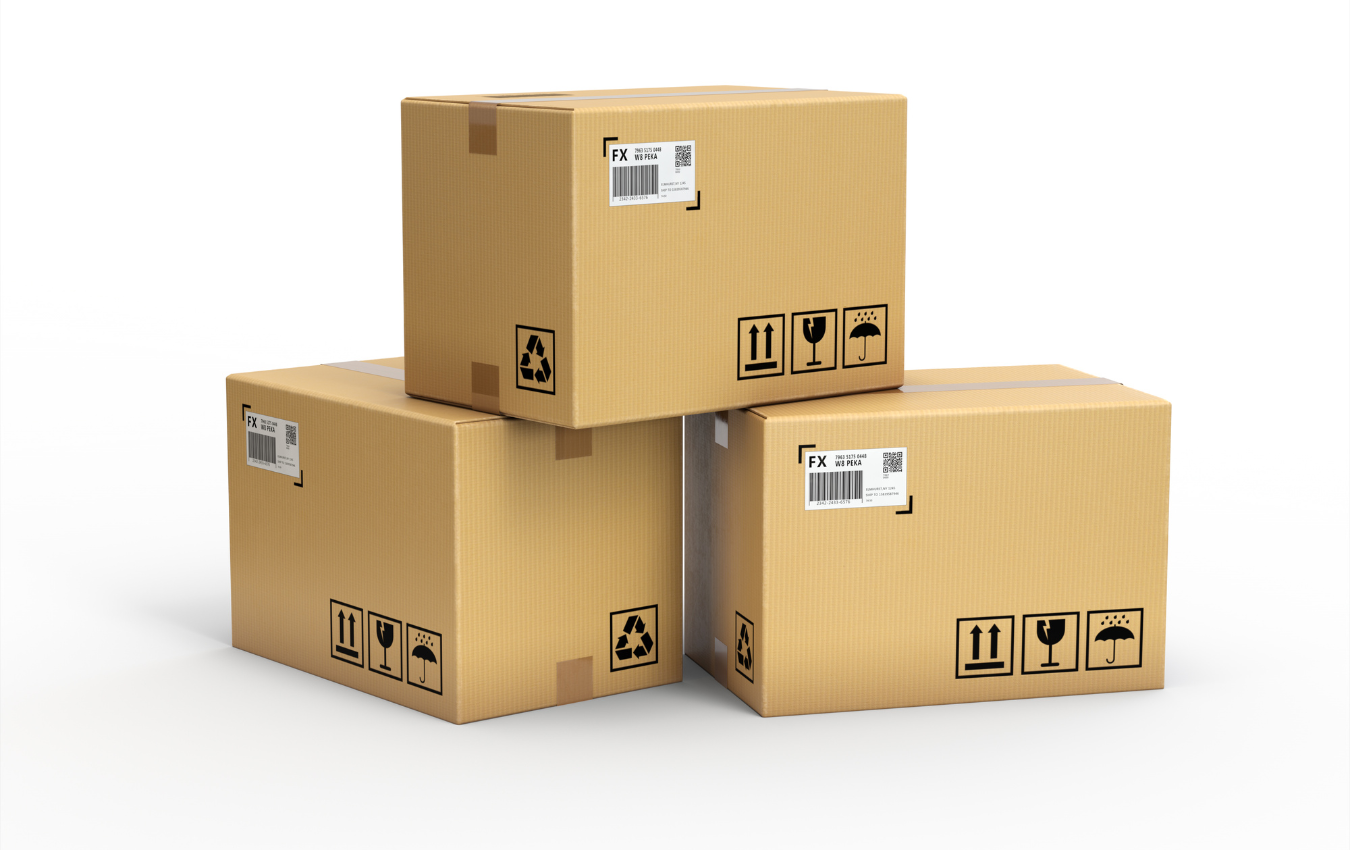
Shipping goods can be a stressful experience, especially when you’re worried about their safety during transit. Corrugated boxes, due to their durable and versatile nature, are a preferred choice for many shippers. Here, we delve into the best practices for packing using corrugated boxes and how to ensure your contents remain protected throughout their journey. Best Practices for Packing: Choosing the Right Box Layering is Key Center the Items Limit Movement Seal Securely Label Clearly Protecting Contents During Transit: Quality is Paramount Corner Protectors Waterproofing Desiccants Avoid Overloading Handle with Care Labels Insure Your Shipments Best Practices for Packing Choosing the Right Box: The first step to secure packing is choosing the right-sized box. You don’t want too much empty space, as this can cause items to shift, but you also don’t want to overstuff the box. Ensure the box is sturdy and without damages. Layering is Key: Start with a layer of padding at the bottom of the box. This could be bubble wrap, packing peanuts, or crumpled newspaper. This acts as a cushion for your products. Center the Items: Place your items in the center of the box, ensuring they’re surrounded by cushioning on all sides. This minimizes the risk of damage from any potential impact during transit. Limit Movement: Use fillers like air pillows, foam, or crumpled paper to fill any voids in the box. This ensures items don’t move about during shipping. Seal Securely: Once everything is packed, seal the box with strong packing tape. Ensure all openings and seams are closed to prevent the ingress of moisture or dust. Label Clearly: Use a waterproof marker to label the contents and provide clear shipping instructions. Fragile items should be marked as such. Protecting Contents During Transit Quality is Paramount: Invest in high-quality corrugated boxes. They come with different wall structures – single, double, or triple wall. For heavier items or long-distance shipping, consider double or triple-wall boxes. Corner Protectors: For items that have sharp or fragile corners, like framed art, use corner protectors. They absorb shocks and reduce the risk of damage. Waterproofing: Consider wrapping items in a plastic wrap or placing them in sealable plastic bags before packing, especially if they’re susceptible to water damage. Desiccants: If shipping items sensitive to moisture, like electronics or certain types of food, add desiccants inside the box. These help absorb any moisture that might find its way inside. Avoid Overloading: Even with strong boxes, there’s a weight limit. Respect it. Overloading can compromise the box’s structural integrity. Handle with Care Labels: Use labels that indicate if a package needs to be handled with care or kept in a certain orientation. This informs handlers about how to treat the package. Insure Your Shipments: For high-value items, consider getting shipment insurance. This provides an added layer of protection in case of any unforeseen damages during transit. If you are interested in corrugated boxes, then partner with Brown Packaging today to get started. (714)300-0650 request@brownpackaging.com Most Recent Posts: Categories: Corrugated Ecommerce ESD Design Display Flexible Packaging Foam Folding Carton Packaging Plastic Packaging Pouch Printing Protection Retail Rigid Box Thermoform Sustainability Subscribe To Our Newsletter By submitting your information, you agree to our terms and conditions and privacy policy. Custom Corrugated Boxes Facebook Twitter LinkedIn Pinterest Relevant Posts

In the world of packaging, roll stock, also referred to as candy wrappers or snack wrappers, is a versatile and essential component. It refers to a continuous sheet of flexible material wound into a roll, used in various packaging applications. Roll stock materials come in a wide range of options, each designed to meet specific packaging requirements. Whether you are a seasoned packaging professional or a newcomer to the field, this buyer’s guide to roll stock will help you navigate the complexities of selecting the right material for your packaging needs. Understand Your Packaging Requirements Before diving into the specifics of roll stock materials, it’s crucial to understand your packaging requirements. Ask yourself the following questions: What type of product are you packaging? What are the dimensions and weight of your product? Is your product sensitive to environmental factors like moisture, oxygen, or light? What is the expected shelf life of your product? Do you require printing or branding on the packaging material? What is your budget for packaging materials? By answering these questions, you’ll gain a clearer picture of your packaging needs and be better equipped to choose the right roll stock material. Types of Roll Stock Materials Roll stock materials come in various types, each offering unique characteristics and benefits. Here are some common roll stock materials: Flexible Films: Polyethylene (PE) Polypropylene (PP) Polyvinyl chloride (PVC) Polyester (PET) Nylon (PA) Flexible films are suitable for a wide range of products, from food to electronics. They offer excellent barrier properties and are customizable for printing. Foil Laminates: Aluminum foil laminated with various substrates Foil laminates provide exceptional barrier properties against moisture, light, and oxygen. They are often used for perishable food items and pharmaceuticals. Paper-Based Roll Stock: Kraft paper Coated paper Paper-based roll stock is eco-friendly and ideal for products where a natural or rustic appearance is desired. Specialty Films: Metallized films Biodegradable films Retort pouch films Specialty films cater to unique packaging needs, such as high gloss, sustainability, and resistance to high-temperature processing. Barrier Properties Consider the barrier properties required for your product. For example, if you are packaging perishable goods, you’ll need materials with excellent moisture and oxygen barrier properties. Foil laminates and certain specialty films are often preferred for such applications. Printing and Branding If branding and aesthetics are crucial for your product, choose roll stock materials that offer excellent printability. Flexible films and paper-based materials are typically easier to print on, allowing for vibrant graphics and branding. Environmental Impact In today’s environmentally conscious world, it’s essential to consider the environmental impact of your packaging materials. Biodegradable films and sustainable materials are excellent choices for eco-friendly packaging. Budget Constraints Budget constraints are a significant factor in the decision-making process. While high-performance materials may offer superior properties, they can also be more expensive. Balance your budget with your packaging requirements to find the most cost-effective solution. Regulatory Compliance Ensure that your chosen roll stock material complies with relevant industry regulations and standards. This is particularly important for packaging in the food and pharmaceutical industries, where strict guidelines are in place. Supplier Selection Choose a reliable and reputable roll stock supplier. Look for a supplier with a proven track record of delivering high-quality materials on time and within budget. If you are interested in packaging your products with roll stock, then partner with Brown Packaging today to get started. (714)300-0650 request@brownpackaging.com Most Recent Posts: Categories: Corrugated Ecommerce ESD Design Display Flexible Packaging Foam Folding Carton Packaging Plastic Packaging Pouch Printing Protection Retail Rigid Box Thermoform Sustainability Subscribe To Our Newsletter By submitting your information, you agree to our terms and conditions and privacy policy. Roll Stock Facebook Twitter LinkedIn Pinterest Relevant Posts

Packaging design is a crucial aspect of any product’s marketing strategy. It serves as a visual ambassador for your brand and plays a pivotal role in attracting and engaging your target audience. In this blog post, we will explore how marketing teams can build an effective packaging design tailored to their audience. Understand Your Audience The first step in designing packaging that resonates with your audience is to thoroughly understand who your audience is. This involves: Conducting market research: Gather data on your target demographic, including their preferences, buying behaviors, and lifestyle. Creating buyer personas: Develop detailed profiles of your ideal customers, considering factors like age, gender, income, interests, and values. Analyzing competitors: Study how your competitors are packaging similar products and identify gaps or opportunities to stand out. Define Your Brand Identity Before delving into design, ensure your team has a strong grasp of your brand identity. Your packaging should consistently reflect your brand’s values, mission, and personality. This includes: Brand messaging: Define the key messages you want to convey through your packaging. Is your brand known for sustainability, luxury, or affordability? Color palette and typography: Establish a consistent color scheme and font style that align with your brand’s personality. These elements should be recognizable and evoke specific emotions. Logo placement: Decide where your logo will be prominently featured on the packaging. This ensures brand recognition and reinforces your identity. Focus on Functionality Effective packaging design isn’t just about aesthetics; it also needs to be practical and functional. Consider the following aspects: Product protection: Ensure your packaging provides adequate protection for the product. Fragile items may require cushioning, while food products may need tamper-evident seals. Ease of use: Make it easy for customers to open, access, and use the product. User-friendly packaging can enhance the overall customer experience. Storage and shelf space: Design packaging that is stackable and doesn’t take up excessive shelf space, as this can impact retailers’ willingness to stock your product. Incorporate Storytelling Packaging is an opportunity to tell a story and connect with your audience on a deeper level. You can achieve this through: Visual storytelling: Use imagery and graphics to convey your brand’s story, values, and product benefits. Visual elements should be consistent with your brand’s narrative. Content writing: Craft compelling and concise copy that engages consumers. Highlight key features, benefits, and unique selling points. QR codes and augmented reality: Incorporate technology to provide customers with an interactive experience, such as access to additional information or videos related to your product. Sustainability Matters Today’s consumers are increasingly eco-conscious, and sustainable packaging design can be a significant selling point. Consider the following: Eco-friendly materials: Explore sustainable packaging materials such as recycled paper, biodegradable plastics, or reusable containers. Reduce waste: Minimize excess packaging and opt for minimalist designs that reduce material consumption. Communicate your efforts: Highlight your commitment to sustainability on the packaging to resonate with environmentally conscious consumers. Test and Iterate Once your packaging design is ready, don’t rush into production. Conduct testing and gather feedback from focus groups or surveys. Use this feedback to make necessary improvements and refinements. Iteration is key to ensuring your packaging design is as effective as possible. Collaborate with Design Professionals While marketing teams have valuable insights into their brands and audiences, it can be beneficial to collaborate with design professionals, especially for complex or specialized projects. Graphic designers, packaging engineers, and UX designers can provide expertise that complements your team’s efforts. If you are interested in packaging solutions, then partner with Brown Packaging today to get started. (714)300-0650 request@brownpackaging.com Most Recent Posts: Categories: Corrugated Ecommerce ESD Design Display Flexible Packaging Foam Folding Carton Packaging Plastic Packaging Pouch Printing Protection Retail Rigid Box Thermoform Sustainability Subscribe To Our Newsletter By submitting your information, you agree to our terms and conditions and privacy policy. Custom Packaging Facebook Twitter LinkedIn Pinterest Relevant Posts

Packaging is an essential aspect of the modern supply chain, serving as a protective shield for products, preserving their quality, and enhancing their marketability. Among the plethora of packaging materials available today, Expanded Polystyrene (EPS) foam has been a versatile and effective choice. In this comprehensive guide, we will delve into the world of EPS foam in packaging, exploring its properties, applications, benefits, environmental considerations, and more. Understanding EPS Foam What is EPS Foam? EPS foam, also commonly referred to as Styrofoam, is a lightweight and rigid plastic material derived from polystyrene. Its manufacturing process involves the expansion of polystyrene resin beads using heat and steam, resulting with exceptional cushioning and insulation properties. Key Properties of EPS Foam EPS foam possesses several key properties that make it an ideal material for packaging purposes: Lightweight: It is exceptionally light, reducing transportation costs. Insulation: Offers excellent thermal resistance and moisture protection. Cushioning: Provides superior shock absorption, safeguarding products during transit. Buoyancy: EPS foam is buoyant, making it suitable for applications requiring flotation. Moldability: It can be molded into various shapes and sizes to fit a wide range of products. Recyclability: While recyclable, EPS foam recycling often requires specific facilities and processes. Applications of EPS Foam in Packaging Protective Packaging EPS foam is widely used to safeguard fragile and sensitive items during shipping. It serves as an effective cushion against impacts, vibrations, and temperature variations. Common applications include electronics, glassware, and equipment. Insulated Packaging Thanks to its exceptional insulation capabilities, EPS foam is employed for packaging temperature-sensitive goods such as food, pharmaceuticals, and chemicals. It helps maintain the desired temperature, minimizing spoilage and product damage. Void Fill and Dunnage EPS foam can be converted into loose-fill packaging or custom shapes to fill empty spaces within packages, preventing products from shifting and sustaining damage during transit. Industrial Packaging In industries such as automotive and manufacturing, EPS foam is used for bulk packaging of components and materials. It provides protection against mechanical damage and corrosion. Benefits of EPS Foam Packaging Superior Protection EPS foam’s ability to absorb shocks and vibrations ensures that products arrive intact at their destination, reducing returns and customer complaints. Lightweight The lightweight nature of EPS foam contributes to lower shipping costs and reduced fuel consumption, thereby decreasing carbon emissions. Thermal Insulation For products requiring temperature control, EPS foam acts as an efficient insulator, helping maintain product quality and safety. Customization EPS foam’s moldability allows for the creation of precisely tailored packaging solutions, minimizing waste and material usage. Cost-Effective EPS foam remains a cost-effective choice compared to many alternative packaging materials with similar protective properties. Environmental Considerations Recycling While EPS foam is recyclable, the availability of collection and recycling facilities varies by region. It is crucial for businesses and consumers to follow local recycling guidelines and utilize available facilities. Sustainable Alternatives Ongoing efforts within the industry focus on finding sustainable alternatives to EPS foam, such as biodegradable foams and other eco-friendly packaging materials. EPS Foam in a Circular Economy Extended Life EPS foam can have an extended life beyond packaging through recycling or repurposing in various applications, including construction and arts and crafts. Closed-Loop Recycling Some companies are investing in closed-loop recycling systems, which collect and reuse EPS foam packaging, contributing to a more sustainable and circular economy. If you are interested EPS foam packaging solutions, then partner with Brown Packaging today to get started. (714)300-0650 request@brownpackaging.com Most Recent Posts: Categories: Corrugated Ecommerce ESD Design Display Flexible Packaging Foam Folding Carton Packaging Plastic Packaging Pouch Printing Protection Retail Rigid Box Thermoform Sustainability Subscribe To Our Newsletter By submitting your information, you agree to our terms and conditions and privacy policy. Expanded Polystyrene Foam Facebook Twitter LinkedIn Pinterest Relevant Posts

In the world of logistics and supply chain management, the cost of shipping plays a pivotal role in determining a company’s profitability. While factors like distance, weight, and shipping method undoubtedly influence shipping costs, one often overlooked aspect is packaging lead times. Packaging lead times refer to the amount of time it takes for a product to be prepared, packaged, and ready for shipment. In this blog, we will delve into the intricate relationship between packaging lead times and shipping costs, and how businesses can optimize this crucial element of their operations. Understanding Packaging Lead Times Before we delve into the impact of packaging lead times on shipping costs, it’s essential to understand what packaging lead times entail: Product Preparation: This involves getting the product ready for shipment. It includes quality checks, labeling, and any necessary assembly or disassembly. Packaging: Once the product is prepared, it needs to be securely and appropriately packaged to ensure it arrives at its destination intact. Packaging materials, like boxes, bubble wrap, and pallets, need to be sourced and utilized. Documentation: Preparing the required shipping documents, including customs paperwork and shipping labels, is a crucial part of packaging lead times. Storage: If products are not shipped immediately, they must be stored safely and efficiently, incurring storage costs. How Packaging Lead Times Impact Shipping Costs Inventory Holding Costs: The longer products sit in storage due to extended packaging lead times, the higher the inventory holding costs become. This includes warehousing fees, insurance, and depreciation of the stored goods. These costs can add up significantly over time. Shipping Mode Selection: Companies often choose shipping modes based on the urgency of delivery. Air freight, which is faster but more expensive, may be chosen when packaging lead times are short. Conversely, when lead times are extended, less expensive options like sea freight may be preferred. Rush Orders: In some cases, rushed packaging to meet tight delivery deadlines can result in higher labor and material costs, potentially impacting overall shipping costs. Space Utilization: Efficient packaging lead times allow for better space utilization in containers or trucks. Products that are poorly packaged or not properly consolidated may require more space and lead to additional transportation costs. Consolidation Opportunities: Longer packaging lead times provide opportunities to consolidate shipments. Combining several smaller shipments into one larger shipment can be more cost-effective, as it reduces the cost per unit transported. Customs and Compliance: Adequate packaging lead times enable companies to complete all necessary customs and compliance documentation accurately. Rushed processes may lead to errors and fines, increasing overall shipping costs. Optimizing Packaging Lead Times Forecasting: Accurate demand forecasting is crucial for planning packaging lead times effectively. Companies should use historical data, market trends, and customer orders to predict packaging requirements. Efficient Packaging Processes: Streamline and optimize your packaging processes to reduce lead times without compromising on quality. Automation and lean principles can be valuable in achieving this. Communication: Collaborate closely with suppliers and logistics partners to align packaging lead times with transportation schedules. Clear communication can help avoid unnecessary delays. Inventory Management: Do not run out of supplies by keeping enough with demand and maintaining a safety stock. Contingency Planning: Develop contingency plans for unexpected delays or spikes in demand. These plans can help maintain customer satisfaction while mitigating additional shipping costs. Conclusion Packaging lead times are a critical factor in determining shipping costs. An efficient packaging process not only reduces the time products spend in storage but also enables better transportation planning. By understanding and optimizing packaging lead times, businesses can not only reduce their shipping costs but also enhance their overall supply chain efficiency and customer satisfaction. In today’s highly competitive market, these factors can make a significant difference in a company’s success. If you are interested in packaging products, then partner with Brown Packaging today to get started. (714)300-0650 request@brownpackaging.com Most Recent Posts: Categories: Corrugated Ecommerce ESD Design Display Flexible Packaging Foam Folding Carton Packaging Plastic Packaging Pouch Printing Protection Retail Rigid Box Thermoform Sustainability Subscribe To Our Newsletter By submitting your information, you agree to our terms and conditions and privacy policy. Custom Packaging Facebook Twitter LinkedIn Pinterest Relevant Posts