

Home » Revolutionizing Protection: The Latest Technological Innovations in Protective Packaging
Revolutionizing Protection: The Latest Technological Innovations in Protective Packaging
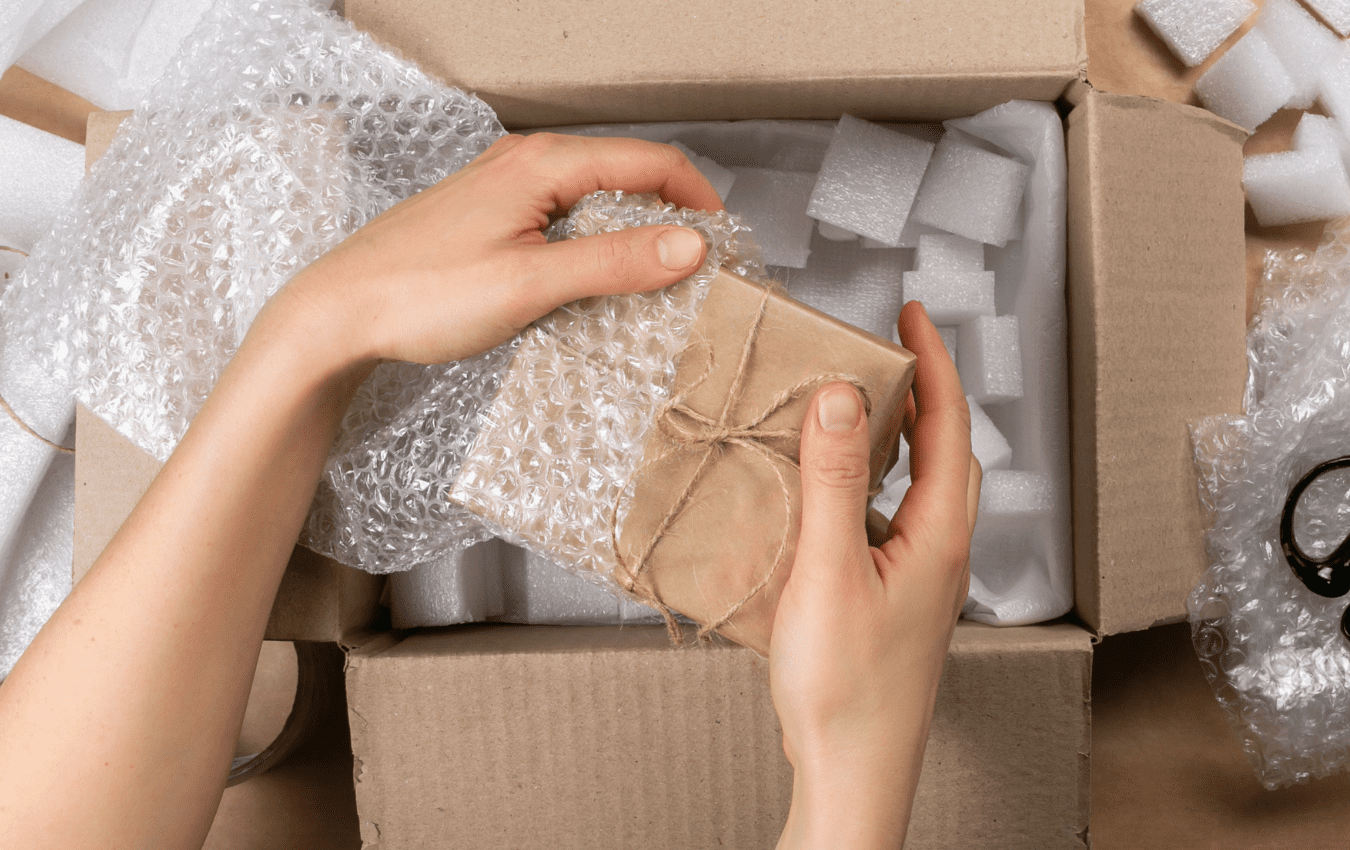
In today’s fast-paced world, protecting fragile and valuable items during transportation is of utmost importance. Whether it’s delicate electronics, intricate machinery, or even perishable goods, reliable and innovative protective packaging solutions are essential to ensure products reach their destination unharmed.
Over the years, advancements in technology have revolutionized the field of protective packaging, offering improved safety, efficiency, and sustainability. In this blog, we will delve into some of the most exciting technology innovations in protective packaging and explore their potential to transform the industry.
Smart Packaging
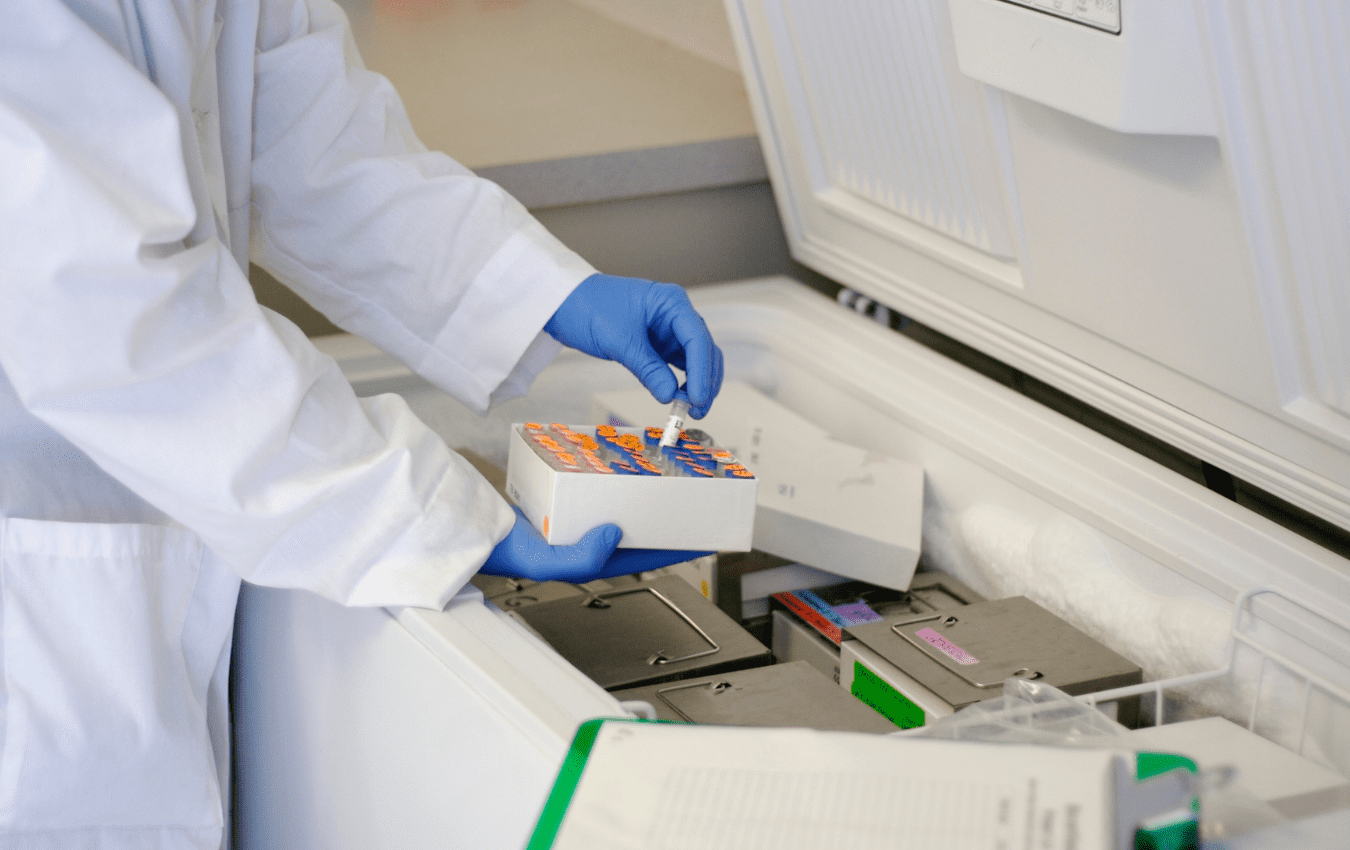
The integration of smart technologies into packaging has brought about a paradigm shift in protective packaging. Sensors and embedded devices now enable real-time monitoring of various environmental conditions, including temperature, humidity, pressure, and even shock. This data helps companies identify potential risks and take proactive measures to prevent damage.
For instance, pharmaceutical companies can monitor temperature-sensitive medications to ensure they remain within the required temperature range during transit. Furthermore, smart packaging can also provide end-to-end visibility, allowing customers and businesses to track their packages in real-time, enhancing security and peace of mind.
Active Packaging
Active packaging involves incorporating active substances or systems within packaging materials to extend the shelf life of perishable products. For instance, oxygen absorbers and moisture control packets help maintain the freshness of food items, reducing spoilage and waste. Similarly, antimicrobial packaging inhibits the growth of bacteria, ensuring the safety and longevity of medical supplies and food products. By actively interacting with the product or its environment, these packaging solutions actively contribute to preserving the quality and integrity of goods during storage and transportation.
Eco-friendly Materials
Sustainability is a key focus in the packaging industry, and protective packaging is no exception. Innovations in eco-friendly materials have paved the way for greener packaging solutions. Biodegradable and compostable packaging materials derived from renewable resources, such as plant-based plastics are gaining popularity.
These materials offer comparable protective properties while significantly reducing the environmental impact associated with traditional packaging. Moreover, advancements in recycling technologies allow for the efficient reprocessing of packaging materials, promoting a circular economy.
Shock-Resistant Packaging
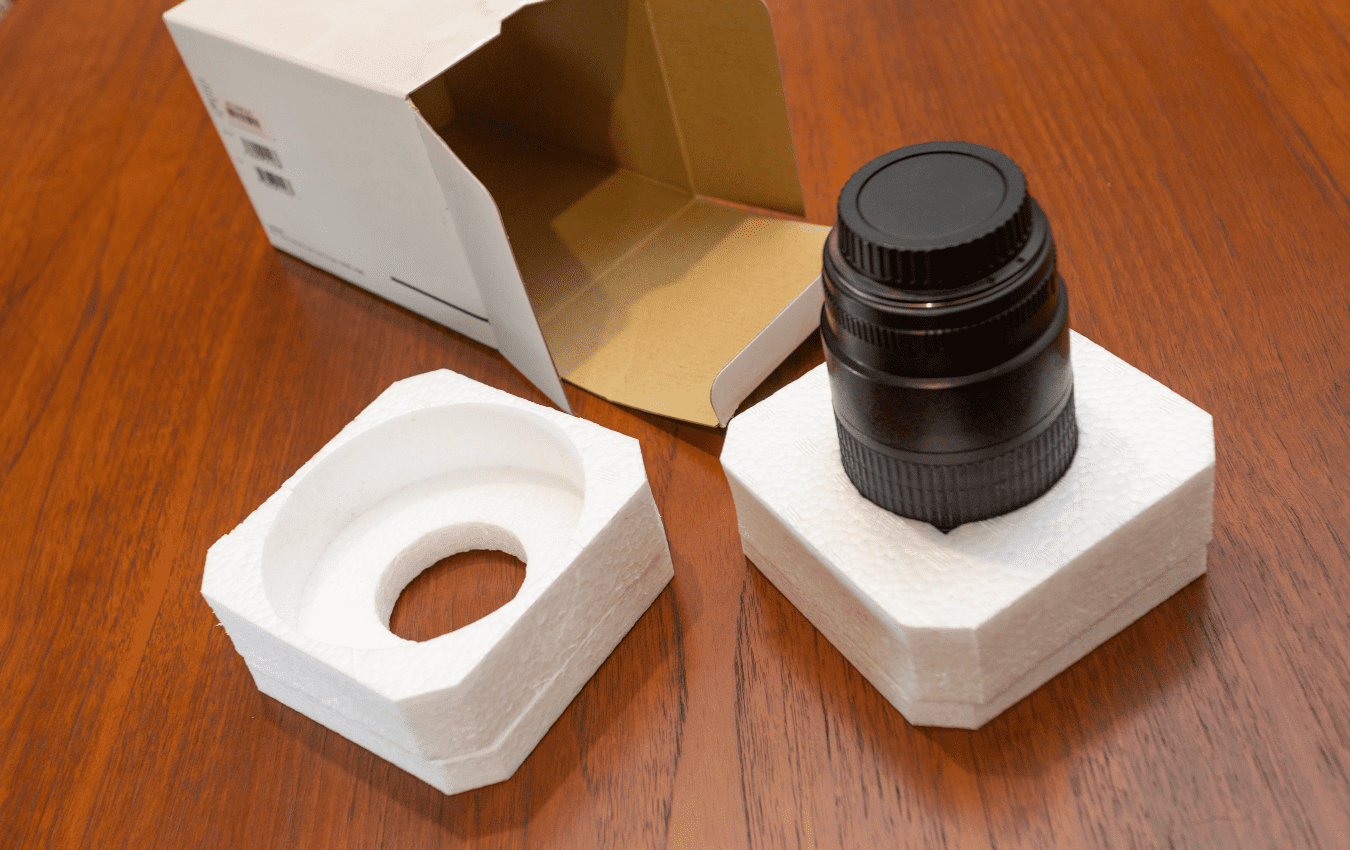
One of the primary challenges in protective packaging is mitigating the impact of shocks and vibrations during transportation. Recent technological advancements have led to the development of shock-resistant packaging materials with enhanced cushioning properties. For instance, advanced foam materials, such as polyethylene (PE or EPE) foams, polyurethane (PU) foams, and cross-linked foams, offer excellent shock absorption capabilities.
Final Thoughts: Protective Packaging Technology Innovations
Technology innovations in protective packaging have revolutionized the way we safeguard valuable and fragile items during transportation. From smart packaging with real-time monitoring capabilities to active packaging that extends the shelf life of perishable goods, these advancements have significantly improved safety and efficiency.
Additionally, the adoption of eco-friendly materials and the development of shock-resistant packaging have contributed to reducing environmental impact and mitigating damage caused by transportation hazards. As technology continues to evolve, we can expect further advancements in protective packaging, ensuring the safe and secure delivery of products in the future.
If you are interested in protective packaging, then partner with Brown Packaging today to get started.
Sustainable packaging in 2027 will be less about broad claims and more about proof, performance, compliance, and cost control. Buyers will still care about recyclable
Sustainable packaging in 2027 will be less about broad claims and more about proof, performance, compliance, and cost control. Buyers will still care about recyclable
A folding carton may look simple once it reaches the shelf, but it goes through a controlled production process before it becomes a finished package.
Folding carton production is becoming more automated because buyers are asking for faster timelines, tighter consistency, and more flexibility across more SKUs. Shorter product lifecycles,
Folding carton style matters because structure affects more than appearance. The right carton can improve shelf presentation, packing speed, product access, closure security, storage efficiency,
Pouch packaging trends in 2027 will be shaped by convenience, shelf impact, sustainability pressure, sealing performance, automation, ecommerce growth, and total packaging cost. Buyers will
By submitting your information, you agree to our terms and conditions and privacy policy.
Home » Revolutionizing Protection: The Latest Technological Innovations in Protective Packaging

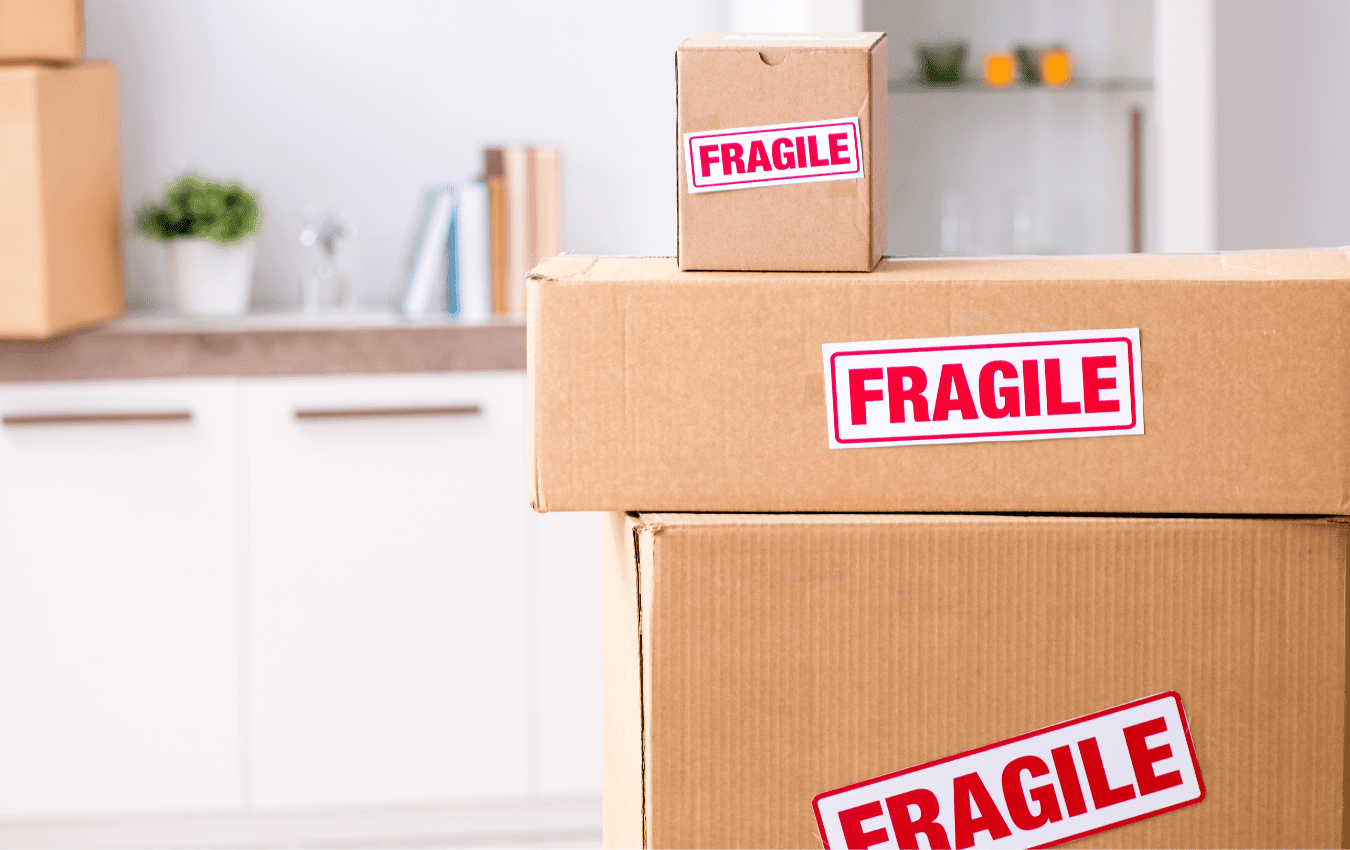

In the world of packaging and delivery, corrugated boxes have long been the workhorse of choice. Known for their durability, flexibility, and affordability, these boxes
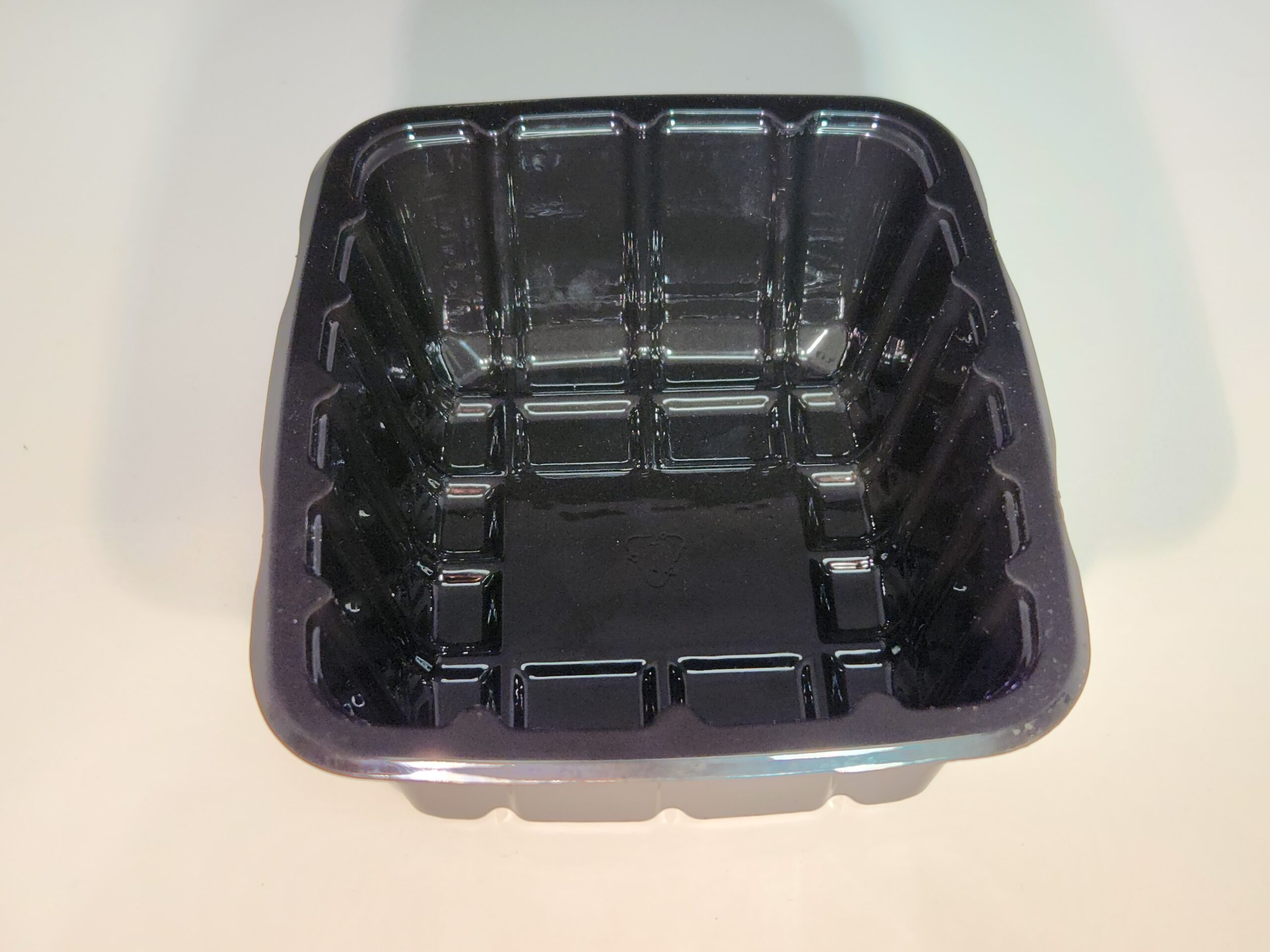
Polyethylene terephthalate, commonly abbreviated, stands out in the packaging industry for its versatility and environmental friendliness. Recognized as the most widely recycled plastic worldwide, this
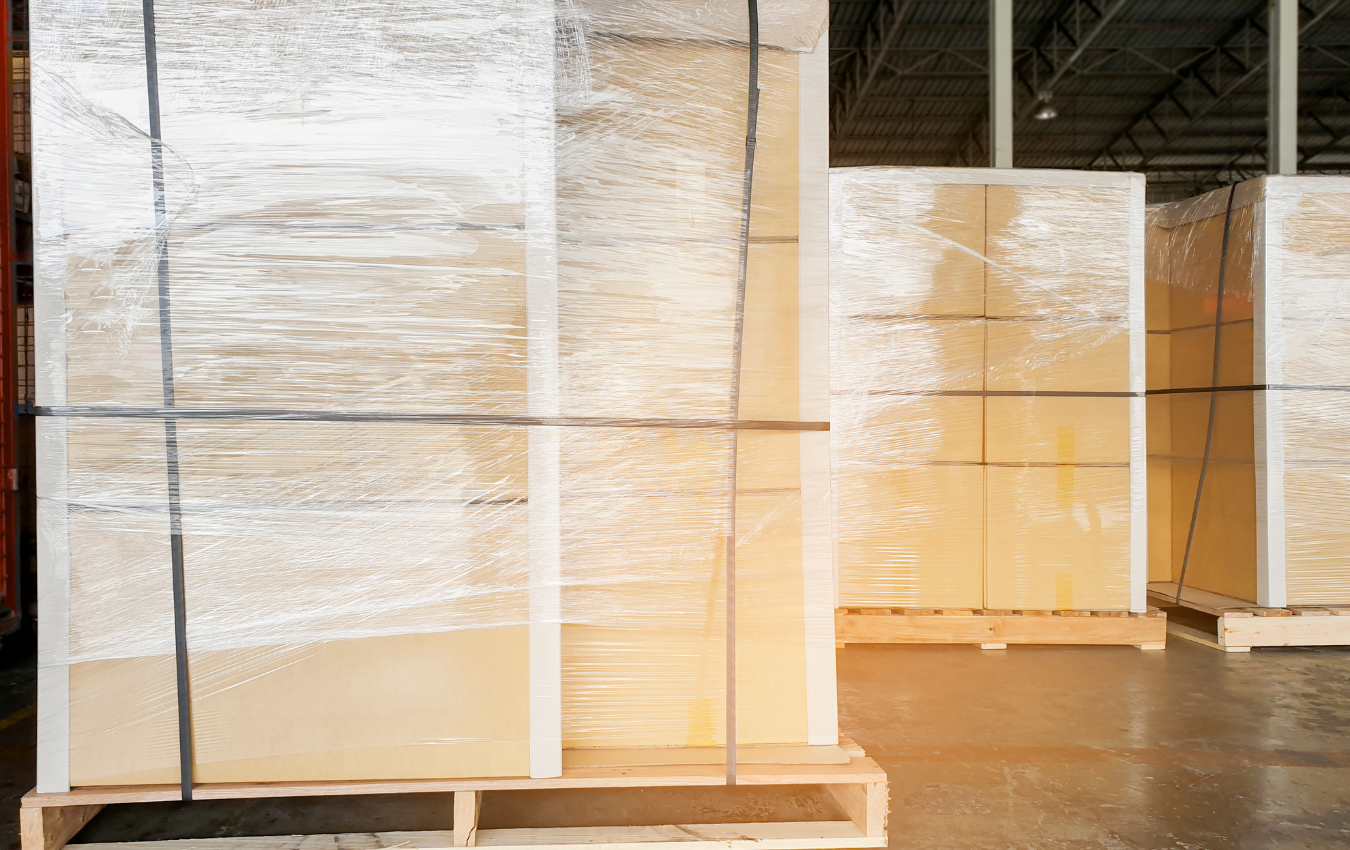
The world of packaging is an intricate system of components working together to ensure products reach consumers in pristine condition. Many packaging elements such as