
Home » 3 Things You Should Consider When Selecting the Right Pouch Style
3 Things You Should Consider When Selecting the Right Pouch Style
A pouch is a flexible packaging product which is made up of layers of plastic film, metalized, barrier film and other materials. Typically they are used to package small, lightweight products. Pouches are ideal solutions for a variety of markets with solid, liquid and powder products. They are highly customizable, environmentally friendly, cost efficient, consumer friendly, and can extend the shelf life of products.
Choosing the right pouches for your packaging needs can be complicated due to the many options available and the various feature combinations you can create for your final packaging solution. There is 3 main things you need to consider when making this decision; style, material, and feature functionality. It is important to learn about all options in order to choose the right one for your packaging needs.
Styles
Stand up:
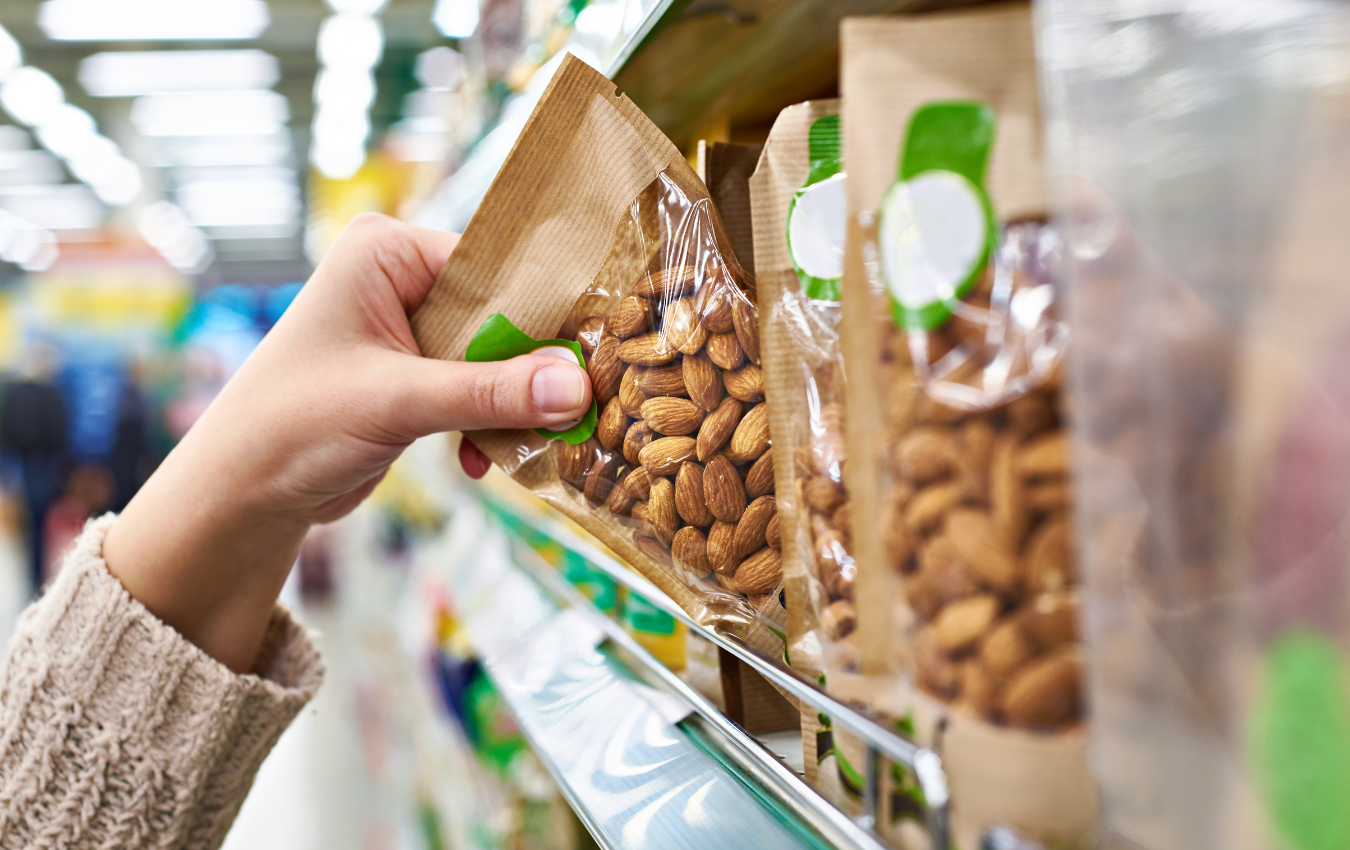
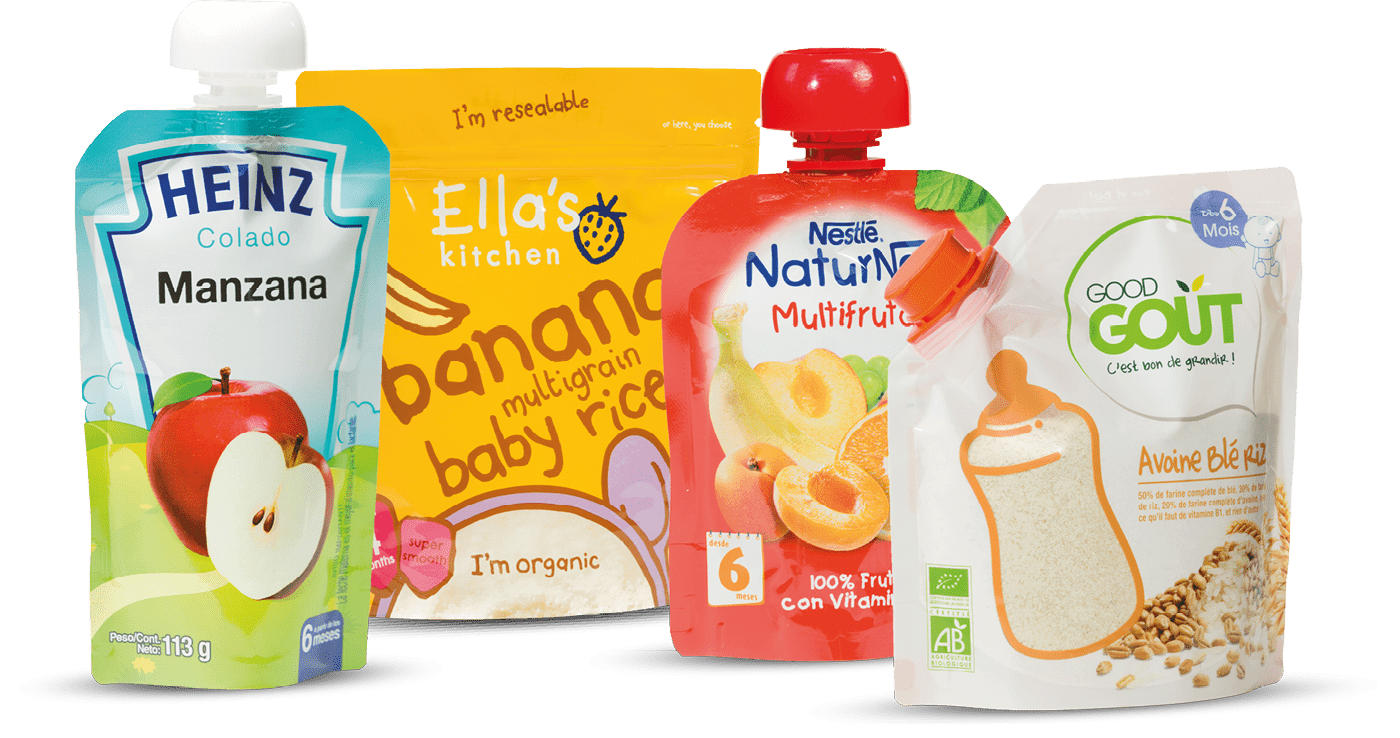
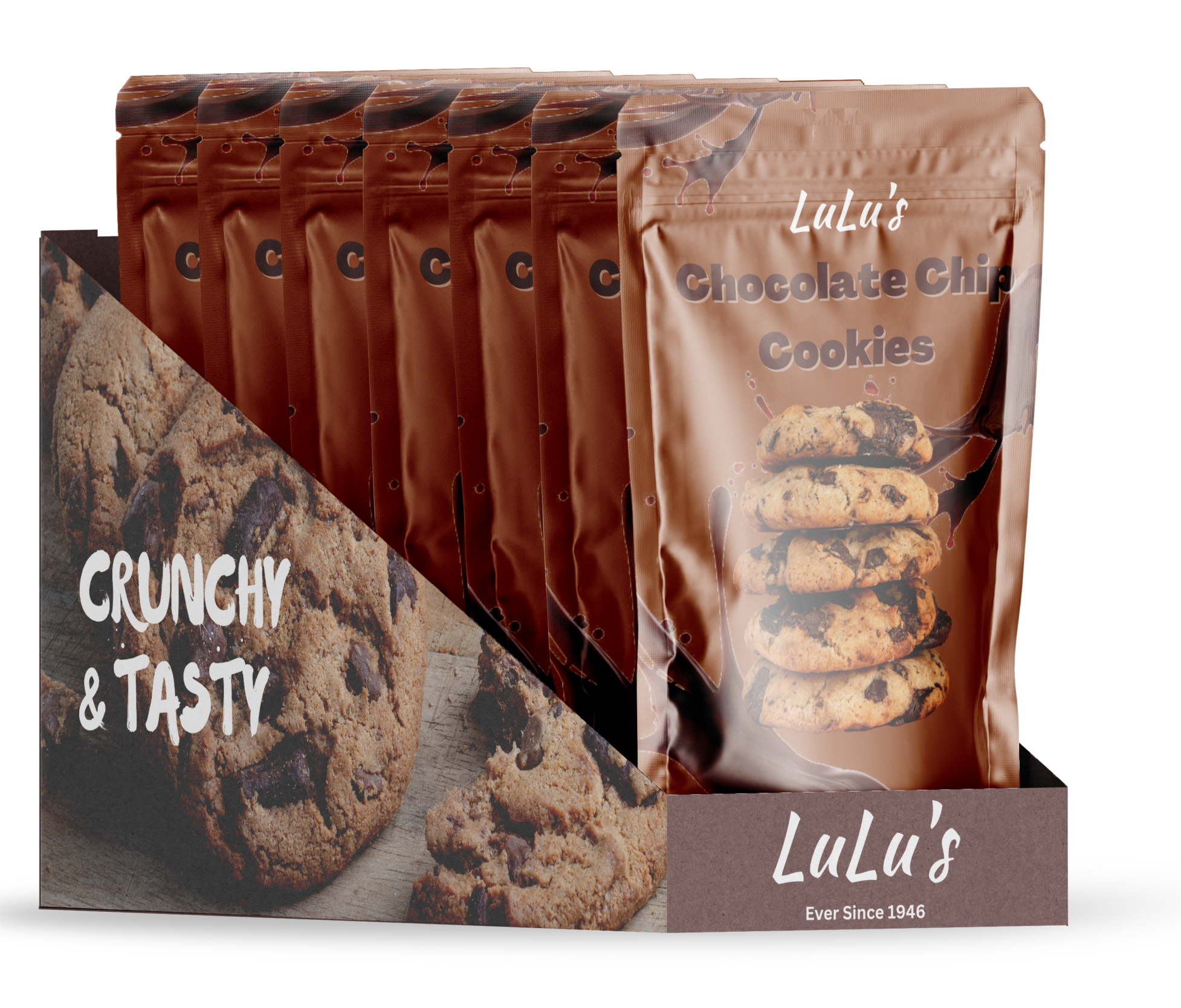
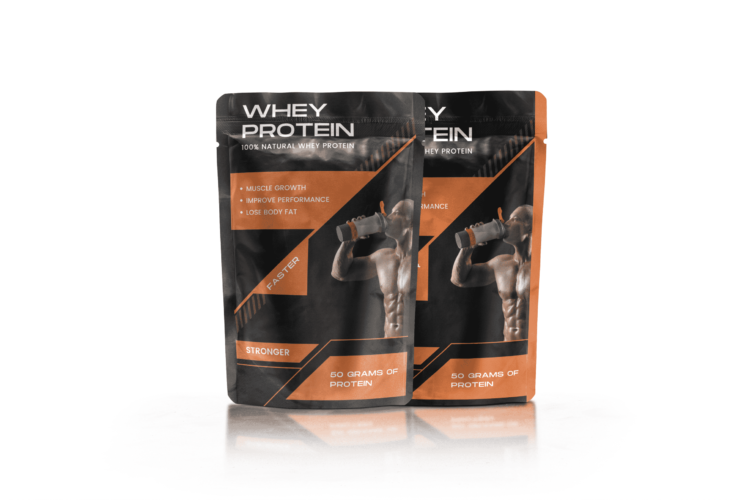
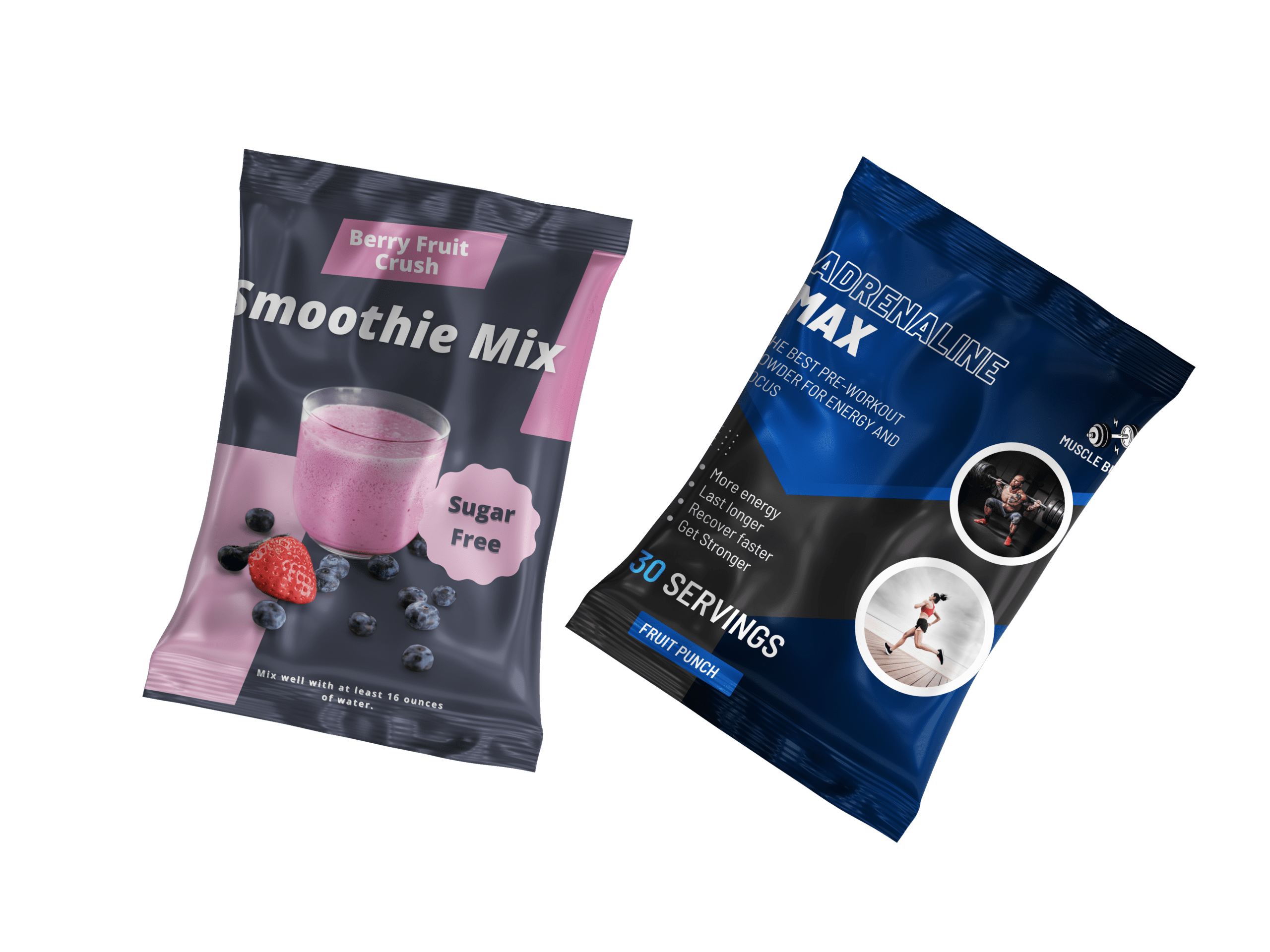
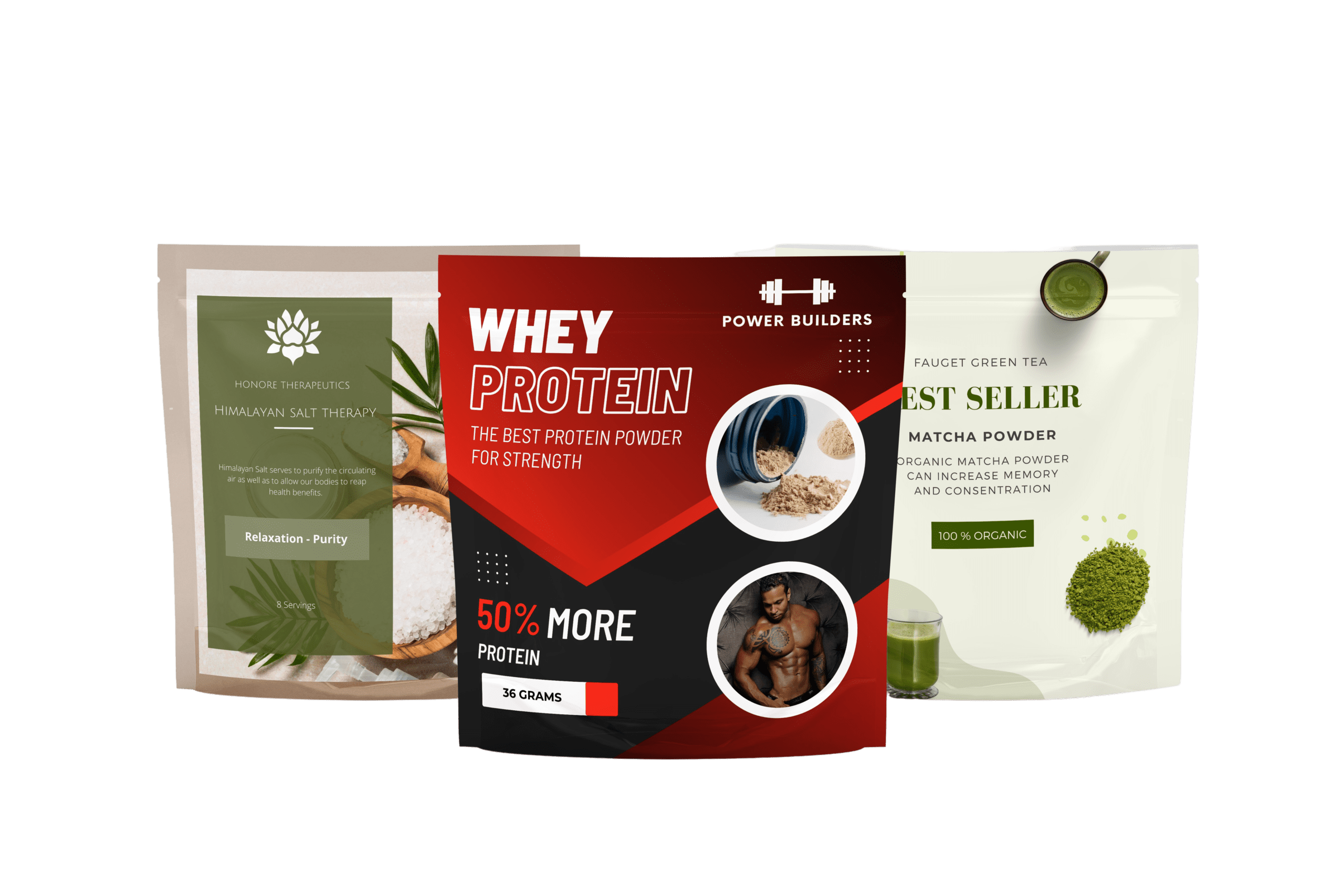
Stand up pouches are designed to stand up from the bottom for display, storage and usage. They are made up of one to three layers of high quality materials that keep the product fresh and secure. The first layer is designed to seal, second is to protect and third is for customization.
There are three main styles of a stand up pouch, those being; K-Style Bottom Gusset, W-Fold Bottom Gusset and Doyen Style Gusset. A gusset bag is a bag that has been designed with extra space and support structure typically on the side or bottom of the bag. These bags are ideal for packaging applications that require more filling volume or weight capacity.
These pouches come in many materials, features, and finishes which makes them ideal for a wide variety of products. They are resealable which makes them ideal for perishables because it will keep them fresh longer, overall extending shelf life.
Ideal for:
- Food and Beverages
- Pet food and Treats
- Cosmetics
- Home supplies and Gardening
- Electronics
- Outdoor supplies
Lay Flat:
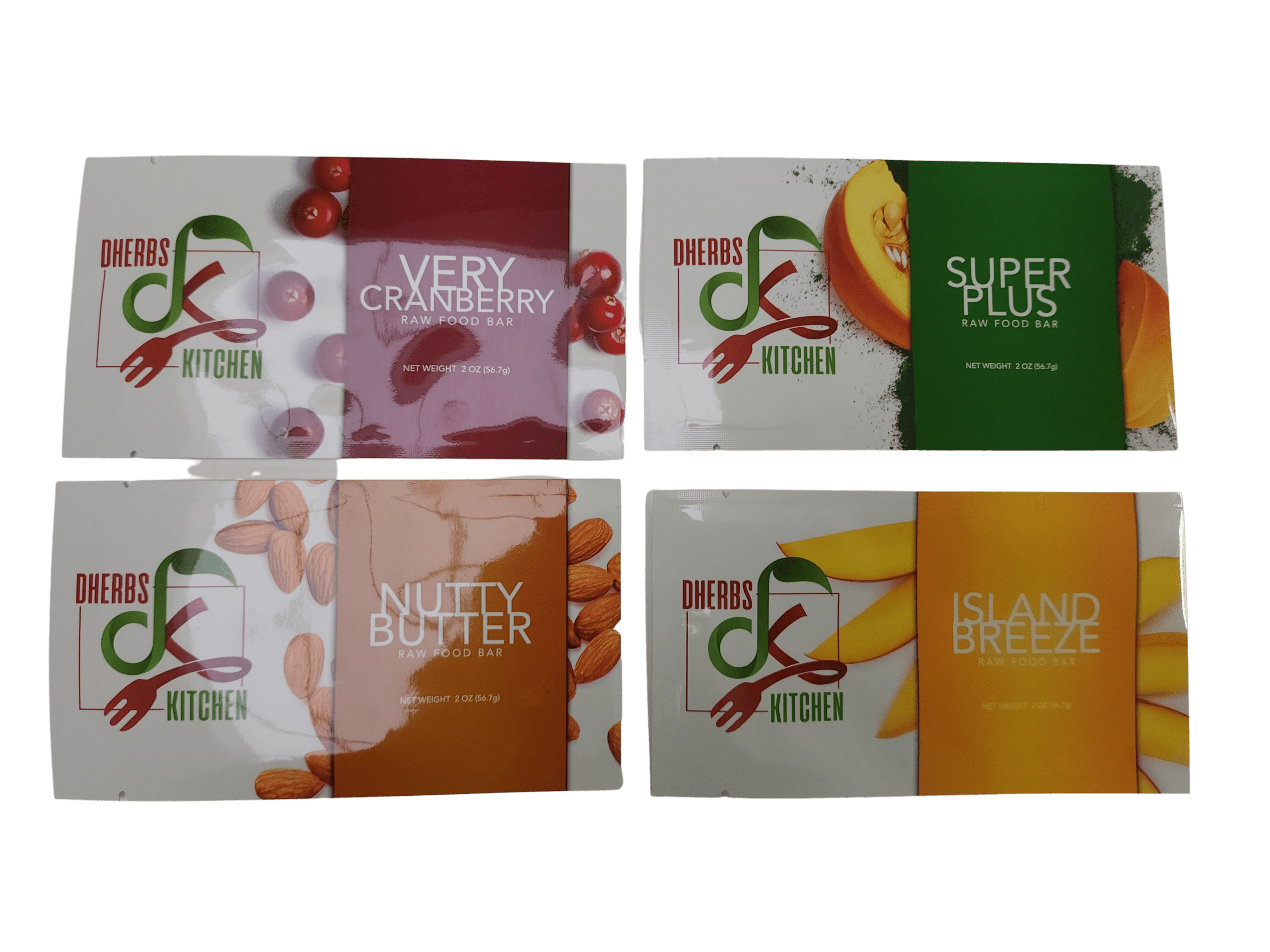
A lay flat pouch is designed to lay flat for display, storage and usage. These pouches are usually smaller and for single use. They are sized to fit tightly around the product in order to reduce packaging waste. Similar to stand up pouches, they also have one to three layers dependent on product needs. Lay flat pouches are typically sealed on all sides, whereas stand up pouches are only sealed on three sides. It is commonly best used for samples and to fit inside a box or tray.
Ideal for:
- Sachet: Sample packaging
- Static Shielding Bags: Electronics
Roll Stock
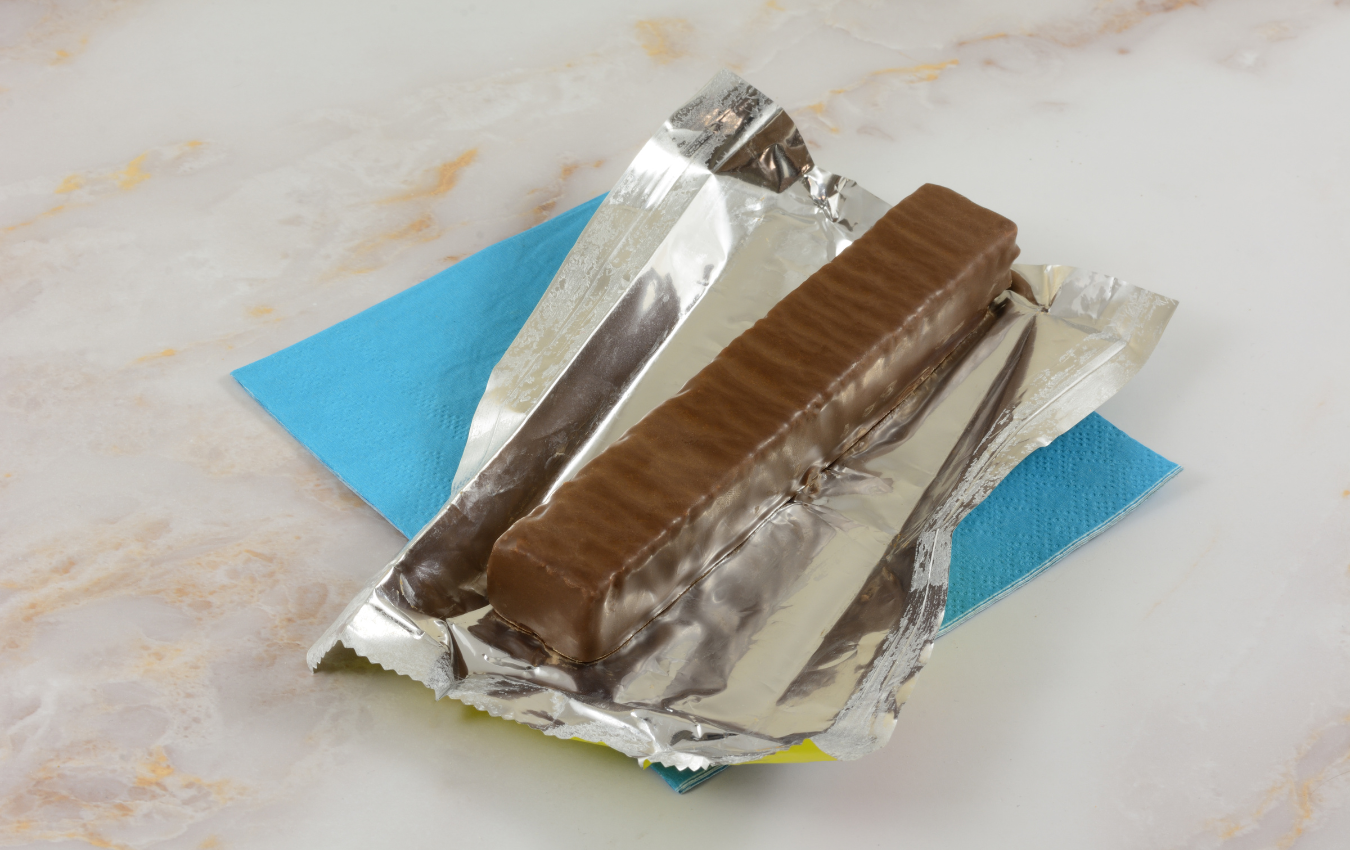
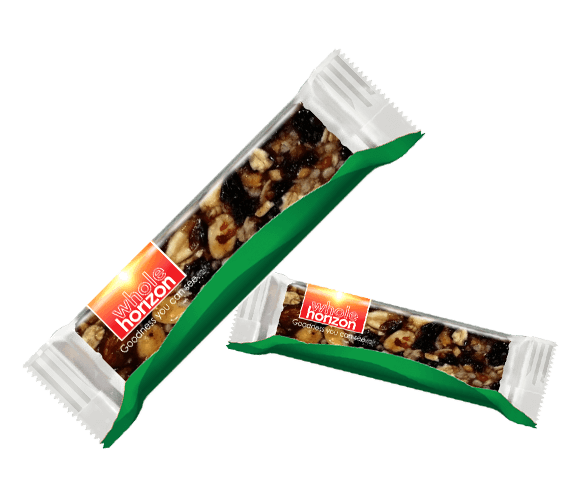
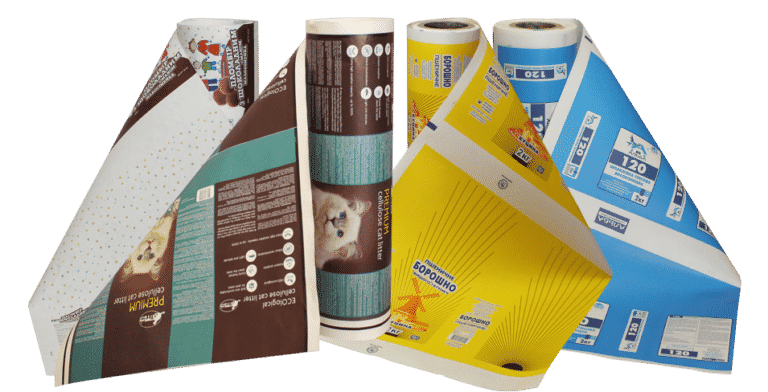
Roll stock also known as a film for horizontal or vertical wrapper, is printed laminated film on a roll, which is used to form, fill, and seal a product. Roll stock seals around a product using a Form Fill Sealing Machine (FFS Machine). This packaging is for single use items. It is mainly used to package candy bars, snacks, chips and other consumer goods.
Ideal for:
- Single serve snacks
- Single serve samples
Material
In addition to regular pouch materials, there are a few different material types for special applications. The main ones being; Vacuum Bags, Mil-Spec and Static Control. Vacuum bags are used for food products in which the air needs to be sucked out in order to keep the product fresh. This is commonly used for meat products. Mil-Spec is meant for military grade products, they must meet a certain standard in order to be considered mil-spec. If you are needing mil-spec packaging that is something we offer. Static control bags are designed to keep technology products safe. If you are packaging any electronics, this is the type of material you will need to use.
If you aren’t needing any of these special materials, then you would just use the standard one to three layer materials dependent on your product needs. There are three main film laminations used for these pouches.
- High Barrier: Create long shelf-life, comes in foil and clear. Blocks gases, moisture and chemicals.
- Bi-Oriented Polypropylene: Superior strength and durability
- Metalized: Best for customizing your packaging.
Features/Functionality
Features for Stand up:
- Multi-Sku
- Gusseted/Block or Flat Bottom
- Puncture & Tear Resistant
- Clouded & Transparent windows
- Hanger Holes
- Spout Pouches
- Cold Chain Solutions
- Fully customizable for design, size and finish
Features for Lay Flat:
- Samples
- Multi-Sku
- Clouded & Transparent Windows
- High Vapor Barriers
- Puncture & Tear Resistant
- Hanger Holes
- Fully customizable for design, size and finish
Features for Roll stock:
- Samples
- Multi-Sku
- Width and Impression Length Adjustment
- Clouded & Transparent
- Semi or Full Automation
- Fully customizable for design, size and finish
A lower unit price doesn’t mean lower cost. In POP display programs, the biggest losses rarely show up on the quote—they show up in damage
A visually impressive POP display doesn’t guarantee performance. In fact, many of the best-looking displays underperform because they’re designed for approval—not for real retail conditions.
Digital printing is often positioned as a short-run solution for emerging brands. But advances in press technology, workflow automation, and material compatibility have expanded its
Most POP displays are designed for day-one appearance—not for what happens after the first few units sell. That’s a problem. Because in retail, performance is
Most POP display decisions eventually come down to a tradeoff:make it look better or make it perform better. The mistake is thinking you have to
Many packaging purchasing decisions are made by comparing price per box. While this metric is easy to evaluate, it often fails to capture the real
Home » 3 Things You Should Consider When Selecting the Right Pouch Style

In the dynamic world of packaging, one must constantly innovate to maintain a competitive edge. As we move through 2024, custom pouch packaging is standing

Packaging plays a crucial role in marketing a product. The packaging material and design not only protect the product but also influence the customer’s purchasing

When designing flexible packaging for perishables, customers often have initial ideas for graphics but lack clarity on functional aspects critical to product performance. Shelf life