Home » Maximizing Clarity and Legibility in Pouch Packaging
Maximizing Clarity and Legibility in Pouch Packaging
In the competitive retail landscape, the clarity and legibility of pouch packaging play a pivotal role in customer engagement and brand communication. A well-designed package is not just a container for your product; it’s a crucial marketing tool. This blog post delves into the strategies for maximizing clarity and legibility in pouch packaging, ensuring your product stands out on the shelf and communicates effectively with consumers.
Understanding the Importance of Clarity and Legibility
Clarity and legibility in packaging design are about more than just aesthetics. They directly impact a customer’s ability to quickly identify and understand your product, which can be the deciding factor in the purchasing decision. Clear and legible packaging also ensures compliance with labeling regulations, particularly important in industries like food and pharmaceuticals.
Tips for Enhancing Clarity and Legibility
Choose the Right Font and Optimize Size:
- Use simple, easy-to-read fonts for critical information like product names, ingredients, and instructions.
- Avoid overly stylized fonts that might look attractive but reduce readability.
- Ensure that the font size is large enough to be read easily from a normal viewing distance.
- Prioritize key information and make it more prominent.
Contrast is Key:
- Use high-contrast color schemes to enhance readability. Dark text on a light background or vice versa usually works best.
- Be mindful of colorblindness and avoid color combinations that might pose readability issues.
Simplify the Design:
- Avoid cluttered designs that can overwhelm the eye and make it difficult to locate important information.
- Use whitespace effectively to create a clean, organized look that draws attention to key details.
Use Clear Imagery:
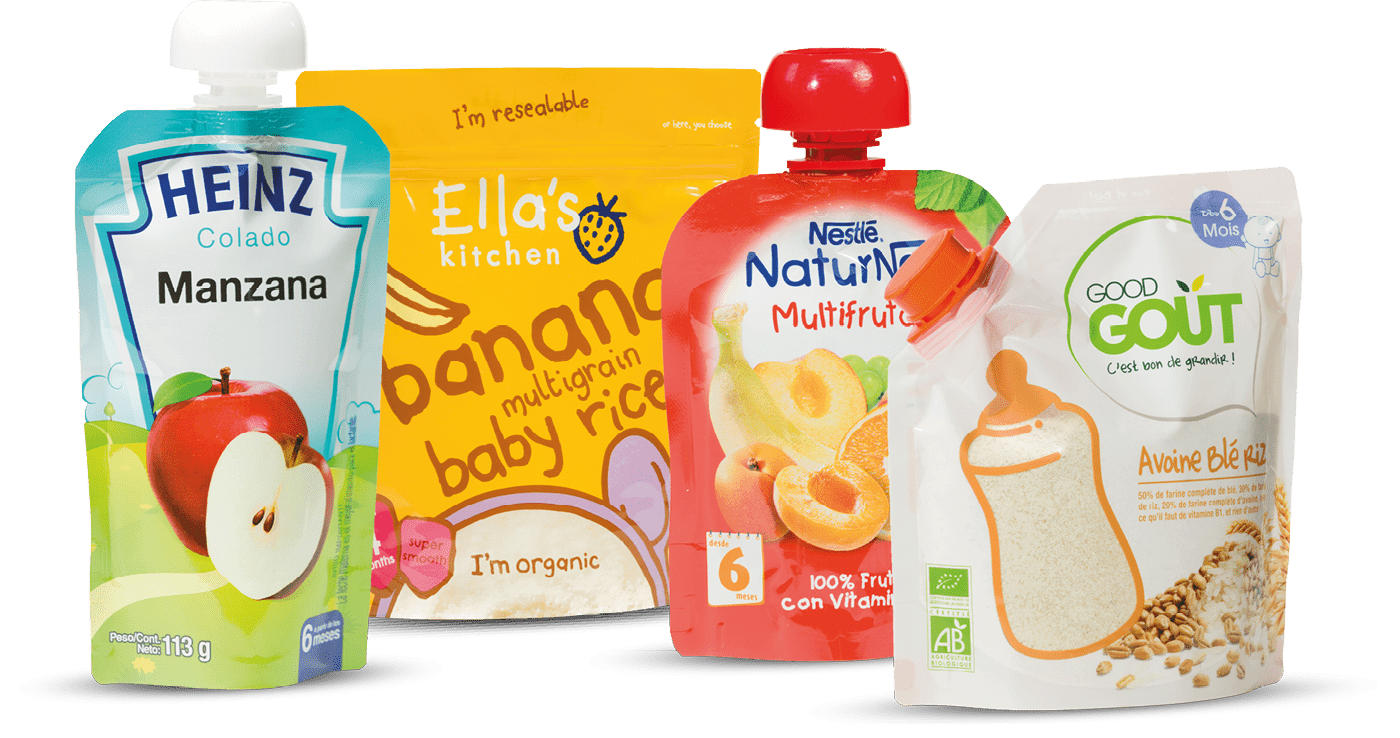
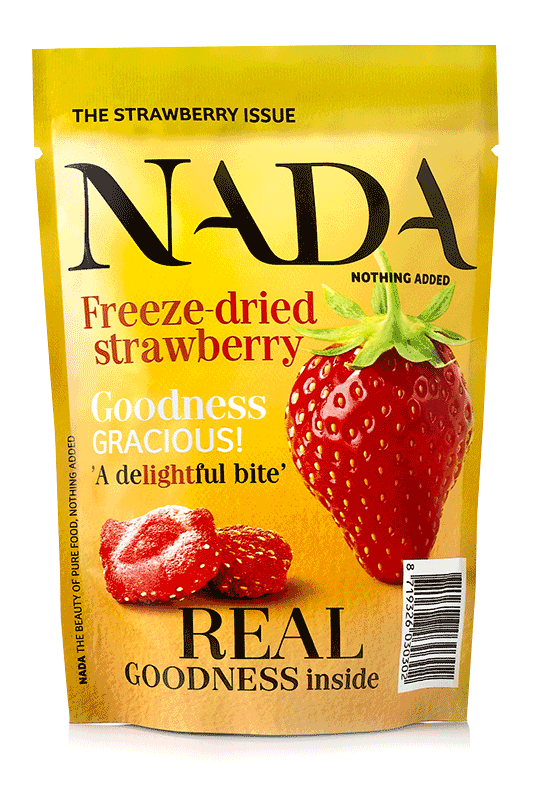
- Incorporate high-quality images that accurately represent the product. This helps in quick identification and adds to the visual appeal.
- Ensure that images do not overshadow or interfere with the text.
Hierarchical Information Layout:
- Organize information hierarchically. Place the most important information (like the brand and product name) in the most prominent position.
- Secondary details should be easily locatable but not dominate the primary information.
Incorporate Informative Icons:
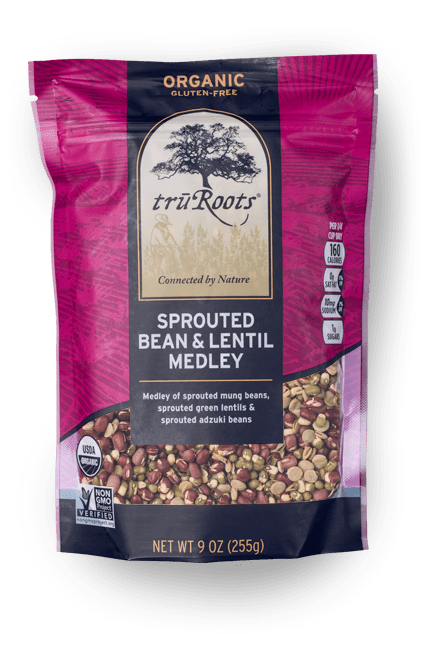
- Use universally recognized icons to convey information quickly, such as gluten-free or vegan symbols.
- Icons can be a great way to communicate key features without relying on text.
Consider the Material and Finish:
- The material of the pouch can affect visibility. Matte finishes reduce glare, while clear windows can showcase the product directly.
- Test the legibility against the pouch’s texture and finish under various lighting conditions.
Regulatory Compliance:
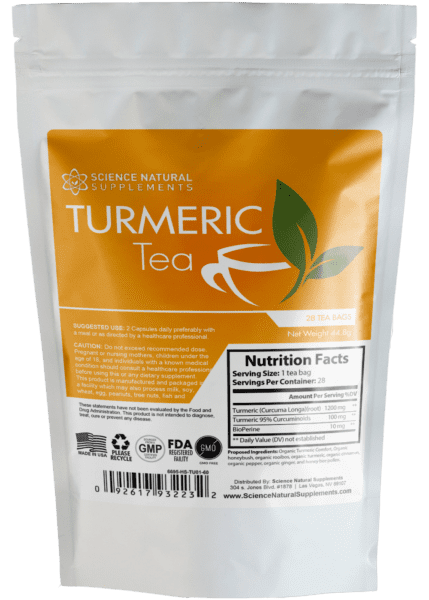
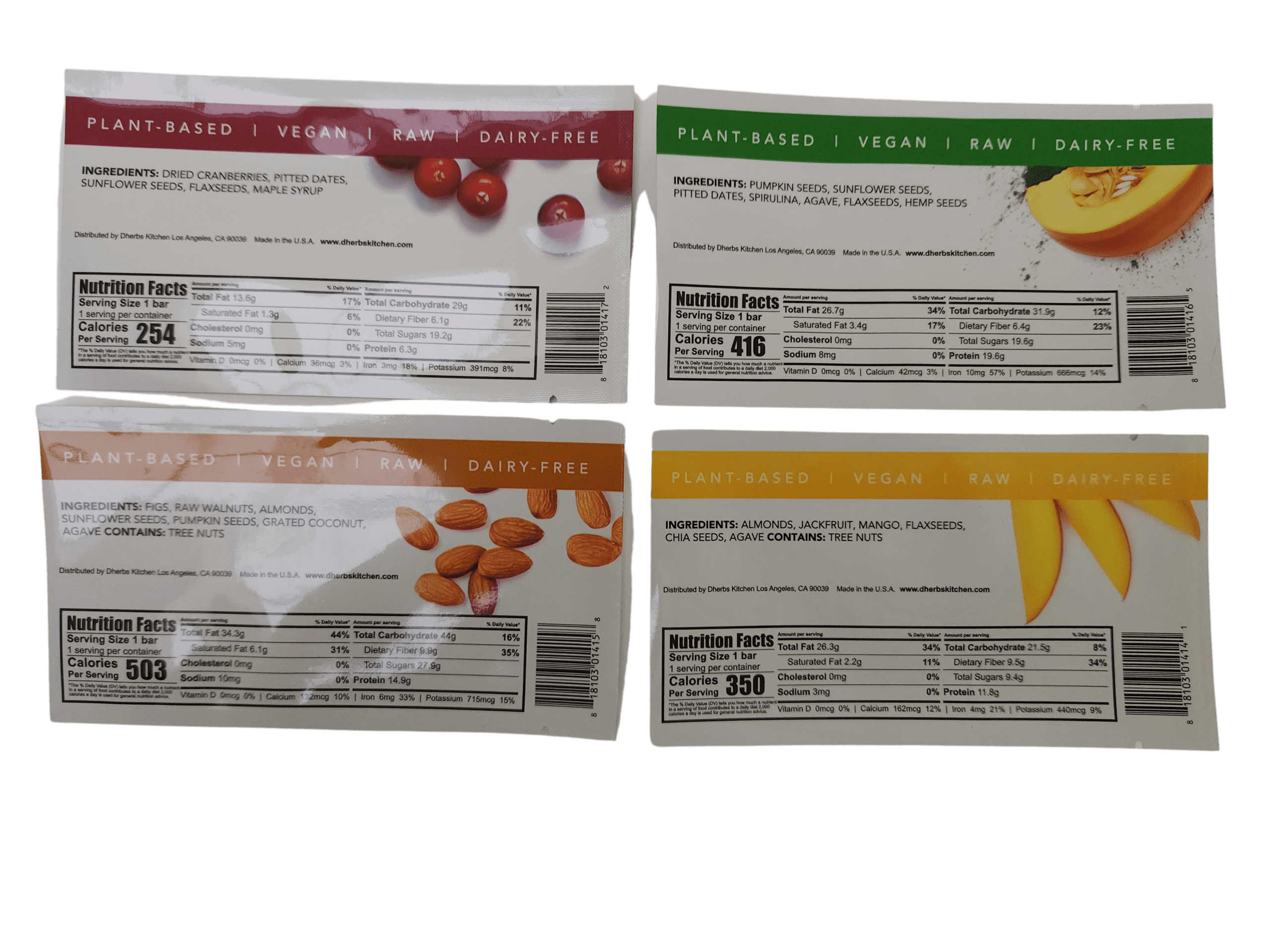
- Ensure that all required information, such as nutritional facts, ingredients, and usage instructions, complies with legal requirements in terms of visibility and legibility.
Feedback and Testing:
- Conduct consumer testing to gather feedback on the packaging’s clarity and legibility.
- Make adjustments based on real-world input to optimize the design.
If you are interested in pouch packaging, then partner with Brown Packaging today to get started.
Most POP displays are designed for day-one appearance—not for what happens after the first few units sell. That’s a problem. Because in retail, performance is
Most POP display decisions eventually come down to a tradeoff:make it look better or make it perform better. The mistake is thinking you have to
Many packaging purchasing decisions are made by comparing price per box. While this metric is easy to evaluate, it often fails to capture the real
A POP display isn’t successful when it looks good leaving production—it’s successful when it arrives intact, gets placed correctly, and performs in-store. The problem is
Print is one of the biggest cost drivers in POP displays—and one of the most misunderstood. Most decisions are made based on how it looks,
There’s no universal “better” option—but there is a better fit depending on your program. Brands often default to flat-pack to save on freight or pre-assembled
Home » Maximizing Clarity and Legibility in Pouch Packaging
Flexible packaging stands out in the packaging industry for its adaptability and efficiency. Utilizing materials that can flex and mold, this type of packaging adjusts
In the dynamic world of packaging, one must constantly innovate to maintain a competitive edge. As we move through 2024, custom pouch packaging is standing
Multi-SKU product lines offer variety, but when it comes to packaging, they also create complexity. Whether you’re offering different flavors, sizes, formulas, or bundle combinations,