

Home » Holiday Co-Packaging: Boost Efficiency and Brand Impact
Holiday Co-Packaging: Boost Efficiency and Brand Impact
Why Co-Packaging Becomes Critical During the Holidays
As the holiday season approaches, packaging teams are under pressure to deliver high volumes of promotional sets, combo packs, seasonal SKUs, and display-ready units—all with strict deadlines and compliance requirements. Co-packaging is the behind-the-scenes process that brings these programs together. It involves the final assembly, labeling, and packing of finished products into retail or shipping units, often across multiple components or brands.
During Q4, co-packaging isn’t just a convenience—it’s a strategic necessity. With limited time, increased SKU complexity, and fluctuating demand, outsourcing to a co-packer helps brands stay agile, reduce bottlenecks, and scale without sacrificing quality. It’s especially useful for:
- Gift-ready promotional kits
- Seasonal value packs or multipacks
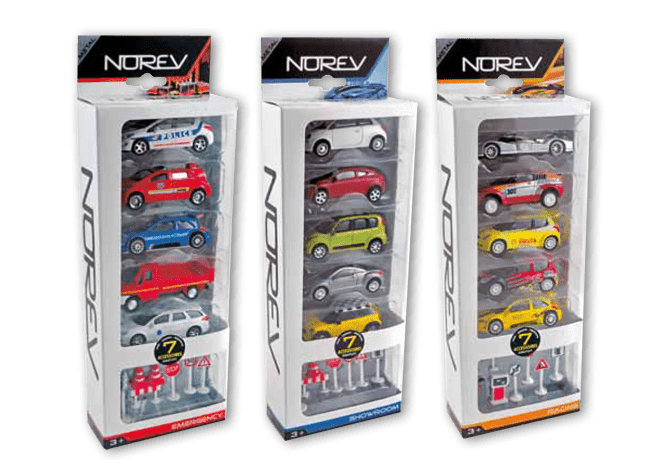
- Retail displays pre-packed by store or region
- Assortments containing items from different suppliers
Key Benefits of Holiday Co-Packaging
Speed and Flexibility
Co-packaging facilities are built for speed—capable of packing thousands of units per shift with rapid line changeovers. This allows you to adapt to late-breaking promos, changes in retailer demand, or packaging redesigns without derailing timelines.
Scalable Labor & Equipment
Rather than trying to stretch internal resources, you gain access to skilled labor, specialized automation (e.g., shrink tunnels, labeling machines), and the space to stage components and manage multi-SKU builds.
Custom Assembly with Quality Control
Whether assembling mixed bundles, adding branded sleeves, or applying tamper-evident features, trained teams ensure every unit meets specifications. This reduces repacks, chargebacks, and inconsistent customer experiences.
Retail & E-Commerce Compliance
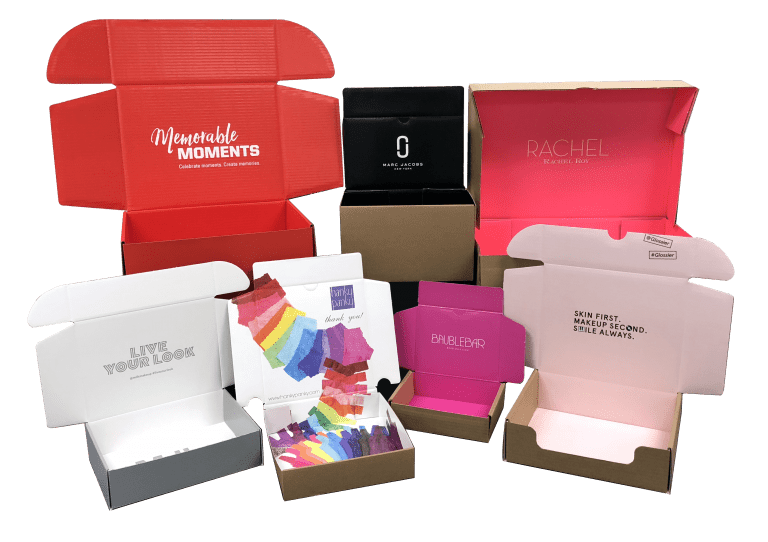
From shelf-ready trays to e-commerce unboxing kits, co-packers handle labeling, bundling, and pallet configuration to meet strict retailer requirements—critical for holiday compliance.
What to Plan Ahead for Holiday Co-Packing
To avoid missed windows, brands should lock in co-packing programs by late summer. Lead times can shrink rapidly as more brands compete for space. When planning holiday co-packing:
- Forecast volumes and timelines clearly
Co-packers need visibility into SKU counts, component arrival dates, and packout quantities. - Define packaging specifications early
Finalize custom cartons, sleeves, and inserts with enough buffer to accommodate production and delivery. - Group projects by fulfillment destination
Packaging specs may vary depending on whether goods go to retailers, distributors, or DTC fulfillment centers. - Coordinate inbound shipments tightly
Co-pack success depends on having all components—packaging, product, inserts—arrive on time.
How Brown Packaging Helps Brands Execute Holiday Co-Packing
Brown Packaging offers end-to-end co-packaging support, including:
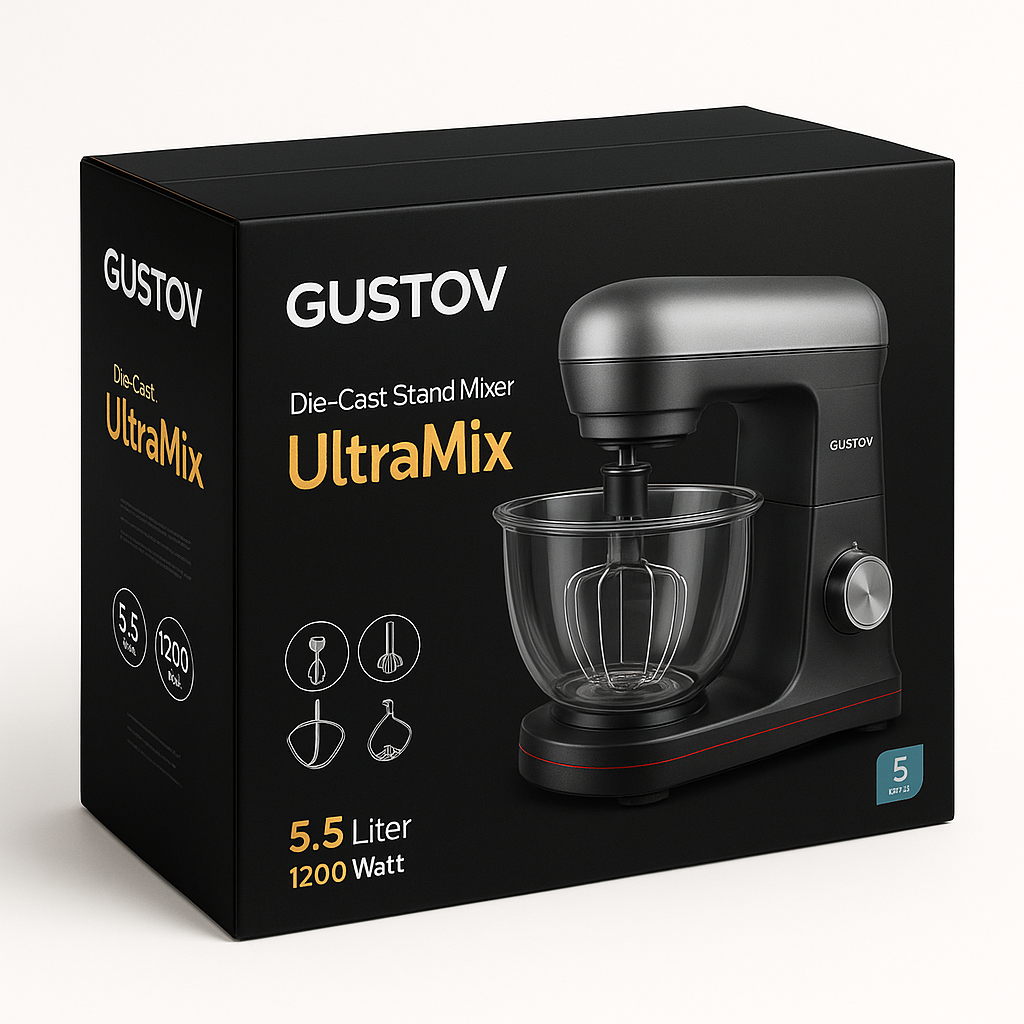
- Sourcing and supplying structural packaging components (RSC boxes, cartons, inserts, trays)
- Custom kitting, labeling, and multi-SKU packout
- Display assembly and palletization for retail-ready programs
- Compliance checks for shipping, handling, and storage
- Integrated supply chain coordination with your vendors and 3PLs
Whether you’re packaging 10,000 units for a national retail promotion or 2,500 custom e-commerce bundles, we help streamline every touchpoint from box design to packed pallet.
Final Takeaway
The holiday season is no time to gamble with last-minute fulfillment or overloaded internal teams. Co-packaging enables scale, speed, and brand consistency—all while letting your core team stay focused on strategy and growth. But capacity fills fast—start now to ensure your holiday campaigns stay on track.
Need co-packing support for the holidays? Let’s build your program together—contact Brown Packaging today.
Box Compression Test (BCT) measures how much vertical load a corrugated box can last before it collapses. This matters when: Boxes are stacked on pallets Loads are stored for extended
Most companies don’t realize how much they’re paying to ship empty space. Packaging is often designed around convenience or standard sizes, not efficiency. The result is wasted cube, higher freight
Excess moisture in pet food packaging can cause mold growth, nutrient degradation, clumping, and product spoilage. Effective moisture control combines barrier material selection, packaging design, and controlled production environments to
Exporting products requires packaging that can endure extended transit times, multiple handling points, and strict international regulations. Full Overlap (FOL) boxes are a proven solution for export shipments because their
Home » Holiday Co-Packaging: Boost Efficiency and Brand Impact