

Home » Embracing Sustainability: The Importance of Sustainable Packaging for Businesses
Embracing Sustainability: The Importance of Sustainable Packaging for Businesses
Sustainability has become a crucial issue in recent years, and more and more businesses are adopting sustainable practices to reduce their environmental impact. One area where companies can make a significant difference is in the packaging they use for their products. Environment friendly packaging is an important consideration for businesses that want to reduce their carbon footprint and minimize waste.
Quick Overview: Sustainable Packaging
In this blog post, we will explore why businesses should consider eco-friendly packaging for their products.
What is Sustainable Packaging?
Before we dive into why businesses should consider sustainable packaging, let’s define what it is. Sustainable packaging is packaging that is designed and produced using materials and processes that have a minimal impact on the environment. This means that sustainable packaging is made from renewable resources or recycled materials and can be recycled or composted at the end of its useful life. Sustainable packaging is also designed to minimize the amount of waste generated during the manufacturing and distribution process.
Why is Sustainable Packaging Important?
Reducing Environmental Impact
One of the most important reasons why businesses should consider sustainable packaging is that it helps reduce their environmental impact. Traditional packaging materials like plastic and styrofoam can take hundreds of years to decompose, and they can release harmful chemicals into the environment. Sustainable packaging materials, on the other hand, are biodegradable, compostable, or recyclable, which means they can be safely disposed of and won’t harm the environment.
Meeting Consumer Demand
Consumers are increasingly aware of environmental issues and are looking for products that are produced eco-friendly. According to a study by Nielsen, 81% of global consumers feel strongly that companies should help improve the environment. By using sustainable packaging, businesses can meet this consumer demand and appeal to environmentally conscious shoppers.
Improving Brand Image
Using sustainable packaging can also improve a business’s brand image. Companies that are committed to sustainability are often seen as responsible and environmentally conscious, which can improve their reputation and attract new customers. Sustainable packaging can also help businesses differentiate themselves from their competitors and stand out in a crowded market.
Saving Money
Sustainable packaging can also help businesses save money in the long run. While sustainable packaging materials may be more expensive initially, they can often be reused or recycled, which reduces the need for new packaging. Sustainable packaging can also help businesses reduce their waste disposal costs, which can add up over time.
Meeting Regulations
Finally, businesses should consider environment friendly packaging to meet regulations. Many countries and regions have introduced regulations aimed at reducing the use of single-use plastics and promoting sustainable packaging. By adopting sustainable packaging practices, businesses can comply with these regulations and avoid fines or other penalties.
Examples of Sustainable Packaging
Now that we’ve discussed why businesses should consider sustainable packaging let’s look at some examples of sustainable packaging materials:
Biodegradable Plastics
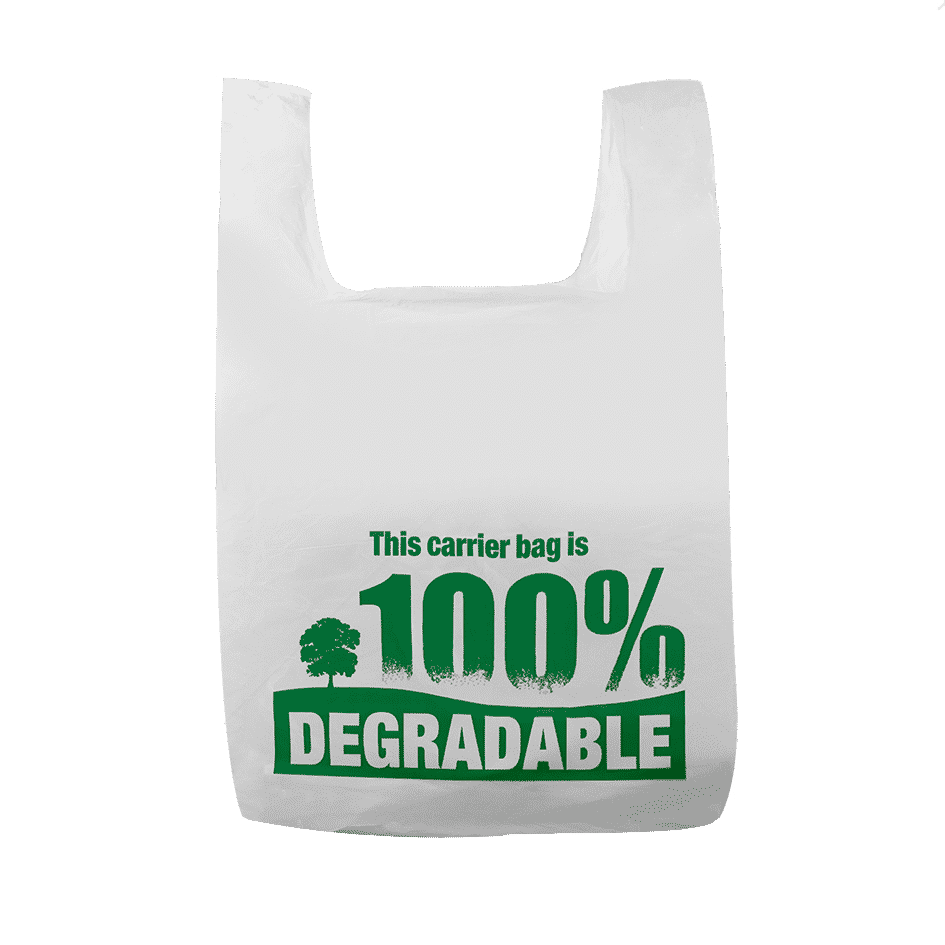
Biodegradable plastics are made from natural materials that can break down quickly in the environment. These materials include cornstarch, sugarcane, and potato starch. Biodegradable plastics can be used for a range of products, including food packaging and shipping materials.
Recyclable Plastics
Recyclable plastics are plastics that can be recycled and used to make new products. These materials include PET and HDPE plastics, which are commonly used for water bottles and milk jugs. By using recyclable plastics, businesses can reduce the amount of plastic waste that ends up in landfills and oceans.
Paper Packaging
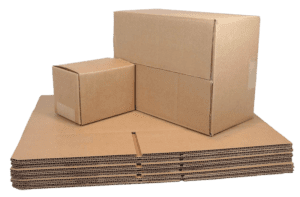
Paper packaging is made from renewable resources and is easily recyclable. This material is commonly used for food packaging, shipping boxes, and envelopes. By using paper packaging, businesses can reduce their reliance on non-renewable materials like plastic and styrofoam.
Compostable Packaging
Compostable packaging is made from natural materials that can break down in a composting environment. These materials include cornstarch,
sugarcane, and bamboo. Compostable packaging can be used for a range of products, including food packaging and utensils. By using compostable packaging, businesses can reduce the amount of waste that ends up in landfills and promote the growth of healthy soils.
Reusable Packaging
Reusable packaging is designed to be used multiple times, reducing the need for new packaging materials. This can include materials like glass, metal, and cloth, which can be used for a range of products, including food and beverage containers. By using reusable packaging, businesses can reduce their waste and save money in the long run.
Challenges of sustainable packaging
While environment friendly packaging offers many benefits, there are also challenges associated with its adoption. One of the biggest challenges is the cost of eco-friendly packaging materials, which can be higher than traditional materials. This can be a barrier for small businesses that may not have the resources to invest in sustainable packaging.
Another challenge is the lack of infrastructure to support the collection and recycling of sustainable packaging materials. In many areas, recycling programs are not equipped to handle compostable or biodegradable materials, which can end up in landfills or oceans.
Finally, sustainable packaging may not always be as durable or effective as traditional packaging materials. This can be a concern for businesses that need to ensure that their products are protected during transportation and storage.
If you are interested in environment friendly packaging solutions, then partner with Brown Packaging today to get started.
A folding carton may look simple once it reaches the shelf, but it goes through a controlled production process before it becomes a finished package.
Folding carton production is becoming more automated because buyers are asking for faster timelines, tighter consistency, and more flexibility across more SKUs. Shorter product lifecycles,
Folding carton style matters because structure affects more than appearance. The right carton can improve shelf presentation, packing speed, product access, closure security, storage efficiency,
Pouch packaging trends in 2027 will be shaped by convenience, shelf impact, sustainability pressure, sealing performance, automation, ecommerce growth, and total packaging cost. Buyers will
Corrugated box trends in 2027 will be driven by a practical mix of cost control, sustainability, ecommerce growth, automation, retail requirements, and supply chain performance.
Packaging trends in 2027 will be shaped by one major reality: buyers are no longer looking at packaging as just a box, carton, insert, pouch,
By submitting your information, you agree to our terms and conditions and privacy policy.
Home » Embracing Sustainability: The Importance of Sustainable Packaging for Businesses


Packaging plays a crucial role in the success of a product. It not only protects the product from damage but also serves as a medium

One of the fundamental decisions that buyers face when it comes to packaging is whether to prioritize quality or quantity. This choice can significantly impact
Shipping is a critical part of any business that provides physical goods to its customers. Efficient, cost-effective shipping processes not only improve customer satisfaction but