

Home » Establishing Brand Differentiation With Packaging
Establishing Brand Differentiation With Packaging
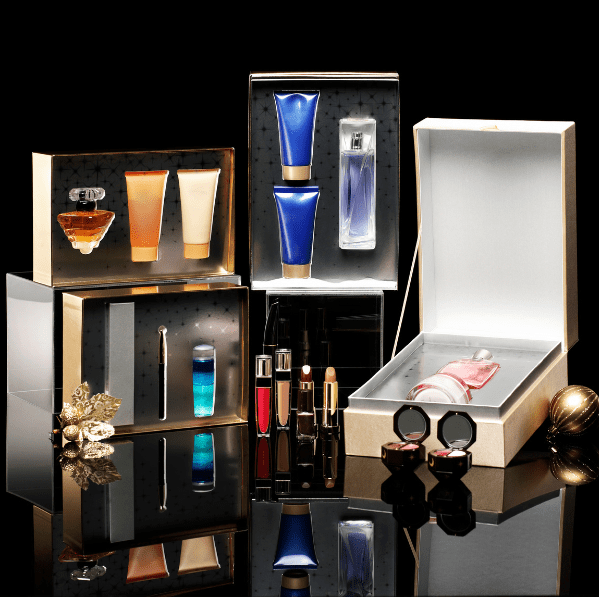
In today’s crowded marketplace, where consumers are overwhelmed with choices, establishing differentiation is crucial for any brand’s success. One of the most effective ways to stand out is through innovative and distinctive packaging. This blog post will explore strategies for leveraging packaging as a tool to differentiate your products in a saturated market.
Understanding the Power of Packaging in Market Differentiation
Packaging is not just a means to protect and contain a product; it’s a critical marketing tool. It communicates your brand’s message, values, and identity. In a saturated market, unique packaging can be the deciding factor that sways consumer preference and drives purchase decisions.

Strategies for Differentiating Packaging
- Bold and Unique Design:
- Use eye-catching designs and color schemes that differentiate your product from competitors. Think outside the traditional aesthetics of your category to captivate attention.
- Incorporate unique shapes, sizes, or textures in your packaging design. Unconventional packaging can intrigue consumers and encourage them to take a closer look.
- Innovative Materials and Sustainability:
- Opt for innovative materials that not only protect the product but also align with emerging consumer preferences, like sustainability.
- Utilize eco-friendly materials, such as biodegradable plastics or recycled paper, to appeal to environmentally conscious consumers.
- Customization and Personalization:
- Offer personalized packaging options. This could range from personalized labels to customizable packaging designs.
- Limited editions and seasonal packaging can create a sense of exclusivity and novelty.
- Interactive and Smart Packaging:
- Integrate technology into your packaging, such as QR codes, AR elements, or NFC tags. This adds an interactive layer to your product, enhancing customer engagement.
- Use smart packaging to provide additional product information, tell your brand’s story, or offer a unique digital experience.
- Clear and Consistent Branding:
- Ensure your packaging clearly communicates your brand identity. Consistent use of logos, colors, and imagery helps build brand recognition.
- Packaging should reflect the brand’s personality, whether it’s luxury, playful, eco-conscious, or cutting-edge.
- Functionality and Convenience:
- Design packaging that adds functional value. For example, resealable or easy-to-open packaging can be a significant differentiator.
- Consider the end-user experience. Packaging that simplifies storage, usage, or disposal can offer an edge over competitors.
- Storytelling Through Packaging:
- Use your packaging to tell a story. This could be the history of your brand, the journey of your product, or the ethos behind your company.
- Storytelling can create an emotional connection with consumers and make your product more memorable.


Market Research and Consumer Insights
- Conduct thorough market research to understand what resonates with your target audience.
- Stay updated with current trends in packaging and consumer preferences.
- Collect feedback on your packaging and continually refine based on consumer insights.
Testing and Prototyping
- Before a full launch, test different packaging designs in focus groups or small market segments to gauge consumer response.
- Use prototyping tools to visualize and modify packaging designs efficiently.

If you are interested in brand differentiation for your product and packaging, then partner with Brown Packaging today to get started.
Sustainable packaging in 2027 will be less about broad claims and more about proof, performance, compliance, and cost control. Buyers will still care about recyclable
Sustainable packaging in 2027 will be less about broad claims and more about proof, performance, compliance, and cost control. Buyers will still care about recyclable
A folding carton may look simple once it reaches the shelf, but it goes through a controlled production process before it becomes a finished package.
Folding carton production is becoming more automated because buyers are asking for faster timelines, tighter consistency, and more flexibility across more SKUs. Shorter product lifecycles,
Folding carton style matters because structure affects more than appearance. The right carton can improve shelf presentation, packing speed, product access, closure security, storage efficiency,
Pouch packaging trends in 2027 will be shaped by convenience, shelf impact, sustainability pressure, sealing performance, automation, ecommerce growth, and total packaging cost. Buyers will
By submitting your information, you agree to our terms and conditions and privacy policy.

Home » Establishing Brand Differentiation With Packaging


The importance of packaging in our daily lives cannot be overstated. Packaging protects, preserves, and transports the products we use and consume every day, ensuring
Most POP displays are designed for full, balanced product loads. But that’s not how they perform in-store. Within days: One SKU sells faster than another
In the world of retail and e-commerce, packaging isn’t just about protecting products; it’s an essential part of the overall customer experience. One effective strategy