

Home » How To Reduce Food Packaging Waste
How To Reduce Food Packaging Waste
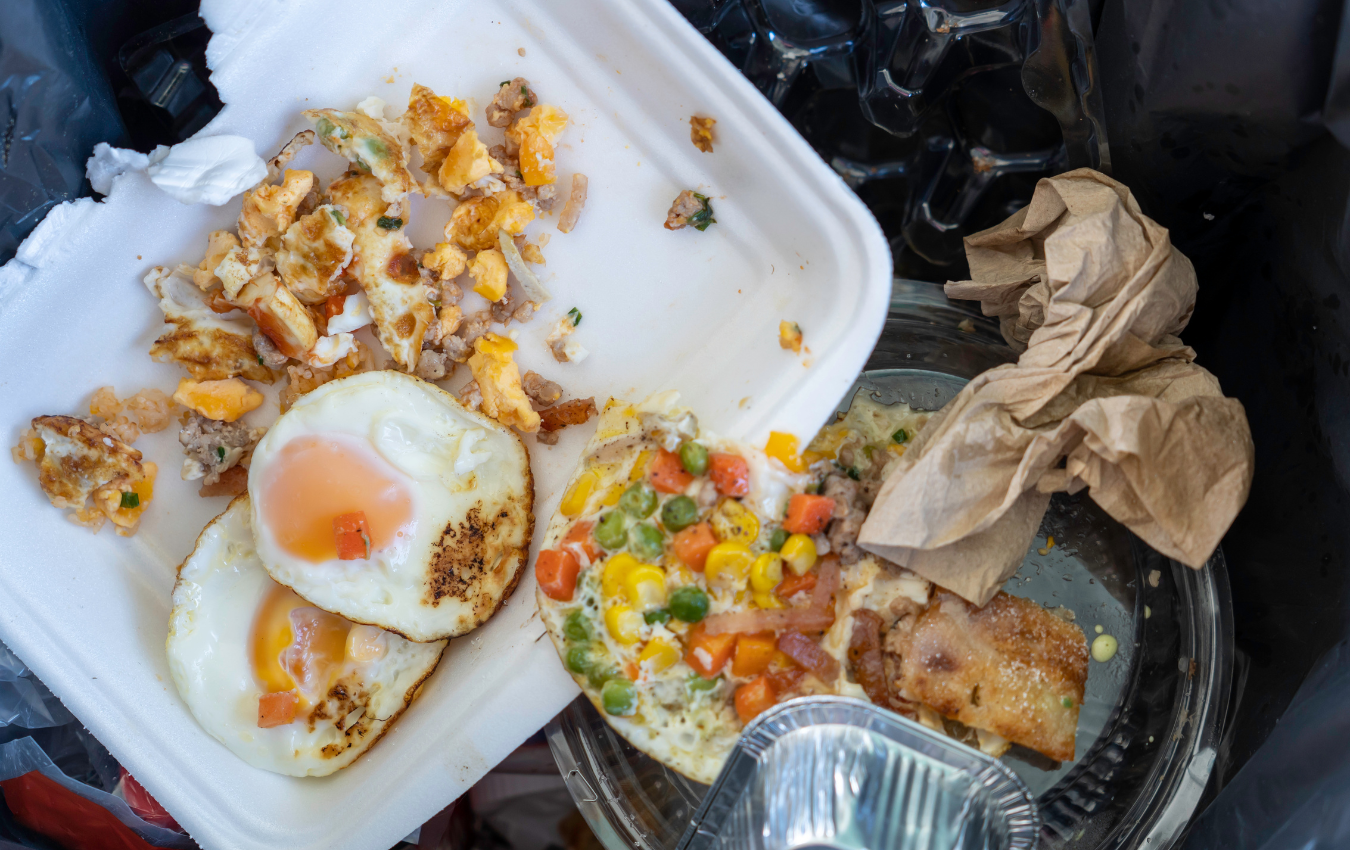
Food packaging waste is a pressing environmental issue that demands our attention. Excessive packaging, single-use plastics, limited recycling facilities, and consumer habits all contribute to the problem. In this blog, we will explore effective strategies to minimize food packaging waste, from sustainable materials to consumer education and corporate responsibility.
The Challenge of Food Packaging Waste
Excessive Packaging: Over-packaging, or using more packaging than necessary, is a significant contributor to food packaging waste.
Single-Use Plastics: Single-use plastic packaging, notorious for its non-biodegradable nature, poses a severe threat to the environment.
Lack of Recycling: Inadequate recycling facilities and low recycling rates for certain materials exacerbate the problem.
Consumer Behavior: Consumer habits, including excessive food waste and improper disposal of packaging, also contribute to the issue.
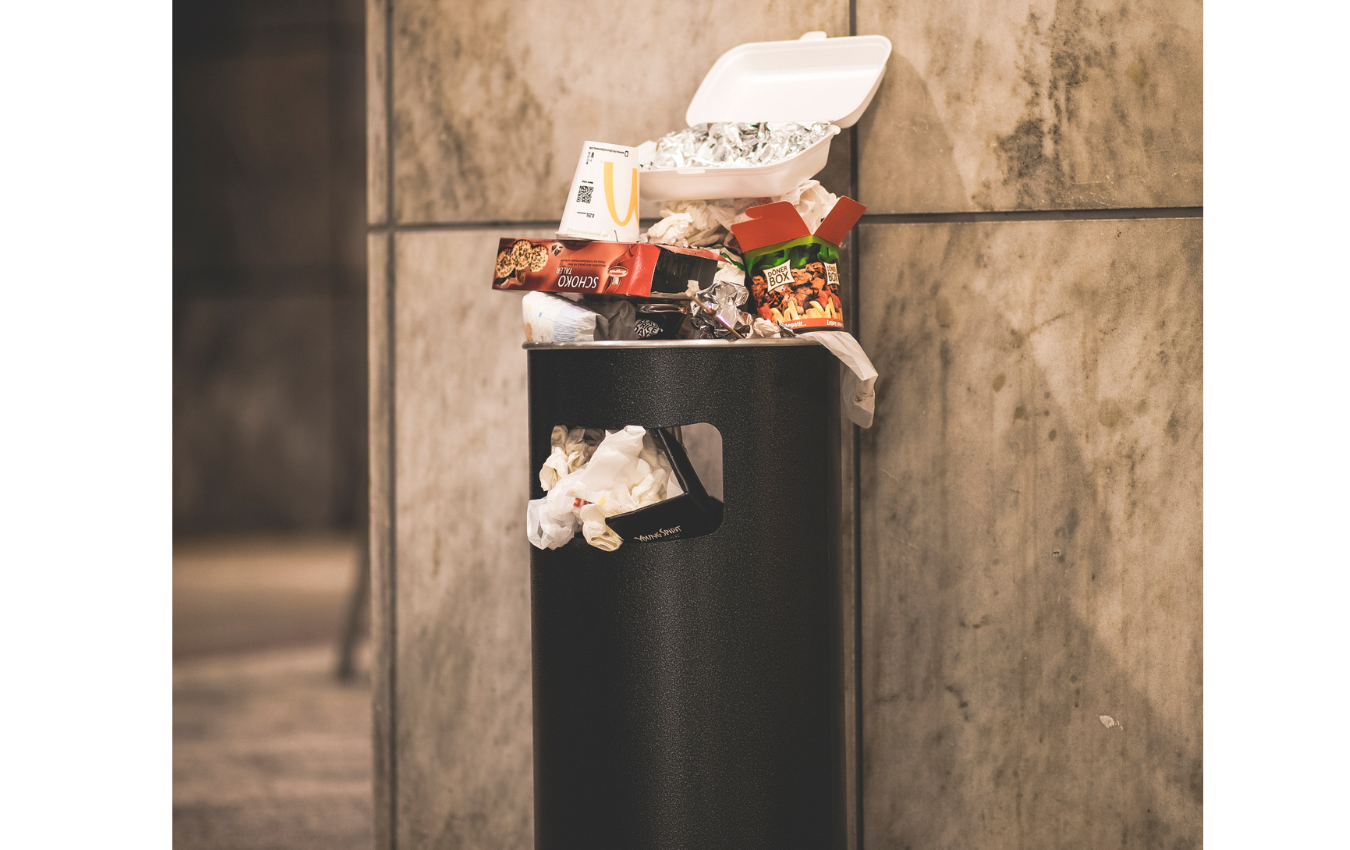
Sustainable Strategies to Reduce Food Packaging Waste
Optimize Packaging Design: Rethink packaging design to use the least amount of material necessary while maintaining product safety and quality.
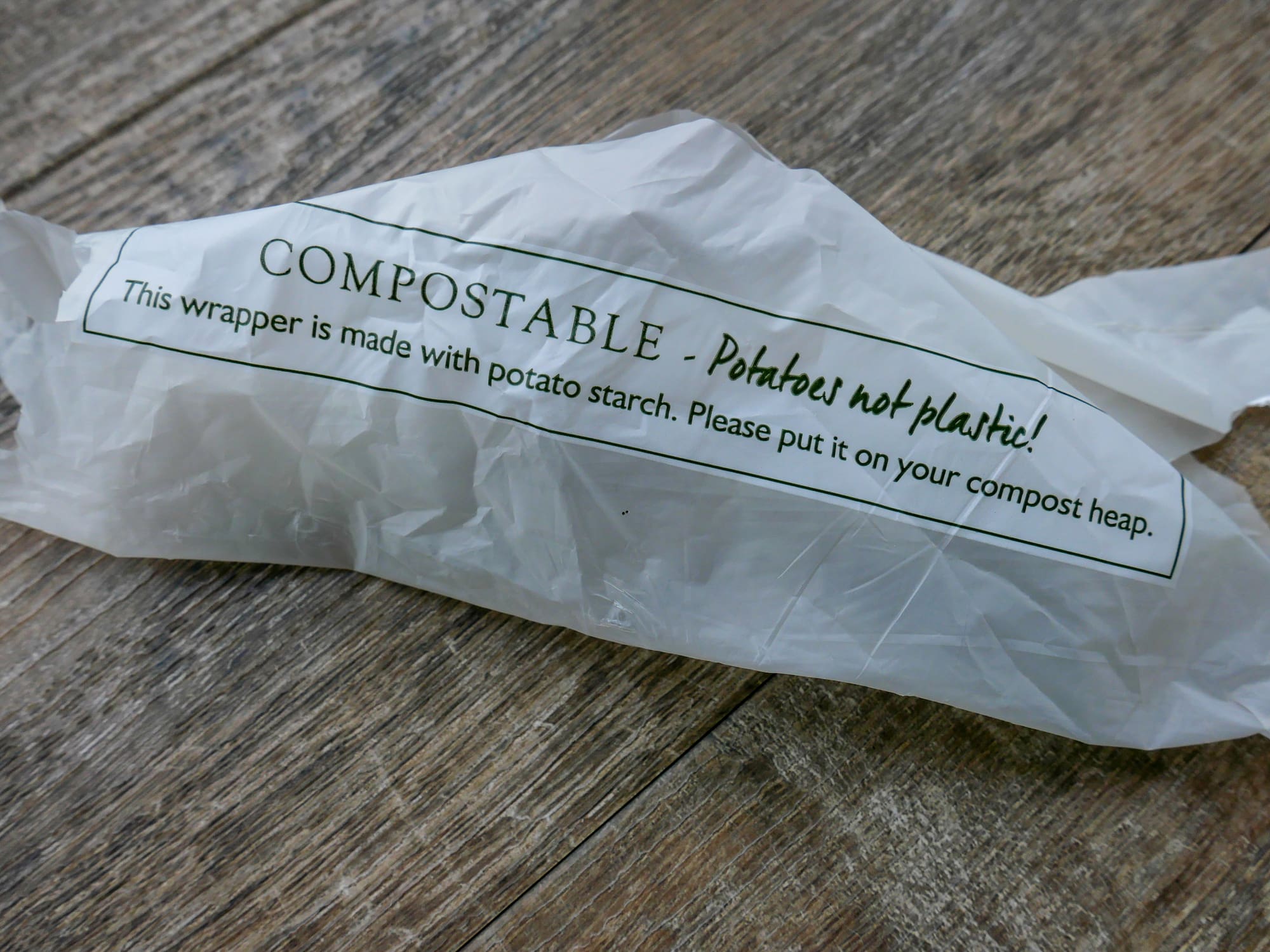
Eco-Friendly Materials: Embrace sustainable packaging materials such as biodegradable plastics, compostable materials, and recycled content.
Reduce Single-Use Plastics: Transition away from single-use plastics and adopt reusable and refillable packaging options.
Minimalist Packaging: Embrace minimalist packaging with clear labeling and reduced graphics to reduce material usage.
Innovative Packaging: Explore innovative packaging solutions, such as edible packaging or dissolvable packaging materials.
Recyclability and Compostability: Prioritize materials that are easily recyclable or compostable to promote responsible disposal.
Consumer Education: Educate consumers about responsible packaging disposal, recycling programs, and the importance of reducing food waste.
Reduced Food Waste: Encourage portion control or provide resealable packaging to minimize food waste.
Circular Economy: Implement circular economy principles, which prioritize recycling, reusing, and reducing materials in the packaging lifecycle.
Corporate Responsibility in Reducing Food Packaging Waste
Sustainable Sourcing: Source packaging materials from sustainable and ethical suppliers.
Eco-Friendly Initiatives: Invest in sustainable packaging research and development and collaborate with industry partners to promote eco-friendly practices.
Packaging Audits: Regularly evaluate and audit packaging to identify areas for waste reduction and improved sustainability.
Regulatory Compliance: Stay informed about and comply with evolving regulations related to packaging and waste reduction.
Transparency: Be transparent with consumers about your sustainability efforts and progress.
The Consumer Role in Reducing Food Packaging Waste
Responsible Disposal: Dispose of packaging materials in accordance with local recycling and waste disposal guidelines.
Minimalist Shopping: Make informed and mindful purchasing decisions to reduce unnecessary packaging.
Support Sustainable Brands: Choose products from companies committed to sustainable packaging and waste reduction.
Conclusion
Reducing food packaging waste is a shared responsibility that involves businesses, consumers, and policymakers. By implementing sustainable packaging strategies, embracing eco-friendly materials, and educating consumers about responsible disposal and purchasing habits, we can work towards a greener future with minimized food packaging waste. It’s time to rethink, redesign, and reduce our packaging footprint to protect the planet for future generations.
If you are interested in reducing your food packaging waste, then partner with Brown Packaging today to get started.
A folding carton may look simple once it reaches the shelf, but it goes through a controlled production process before it becomes a finished package.
Folding carton production is becoming more automated because buyers are asking for faster timelines, tighter consistency, and more flexibility across more SKUs. Shorter product lifecycles,
Folding carton style matters because structure affects more than appearance. The right carton can improve shelf presentation, packing speed, product access, closure security, storage efficiency,
Pouch packaging trends in 2027 will be shaped by convenience, shelf impact, sustainability pressure, sealing performance, automation, ecommerce growth, and total packaging cost. Buyers will
Corrugated box trends in 2027 will be driven by a practical mix of cost control, sustainability, ecommerce growth, automation, retail requirements, and supply chain performance.
Packaging trends in 2027 will be shaped by one major reality: buyers are no longer looking at packaging as just a box, carton, insert, pouch,
By submitting your information, you agree to our terms and conditions and privacy policy.
Home » How To Reduce Food Packaging Waste



For industries seeking efficient solutions for material storage and transportation, corrugated gaylord boxes have emerged as a viable alternative to plastic totes and super sacks.
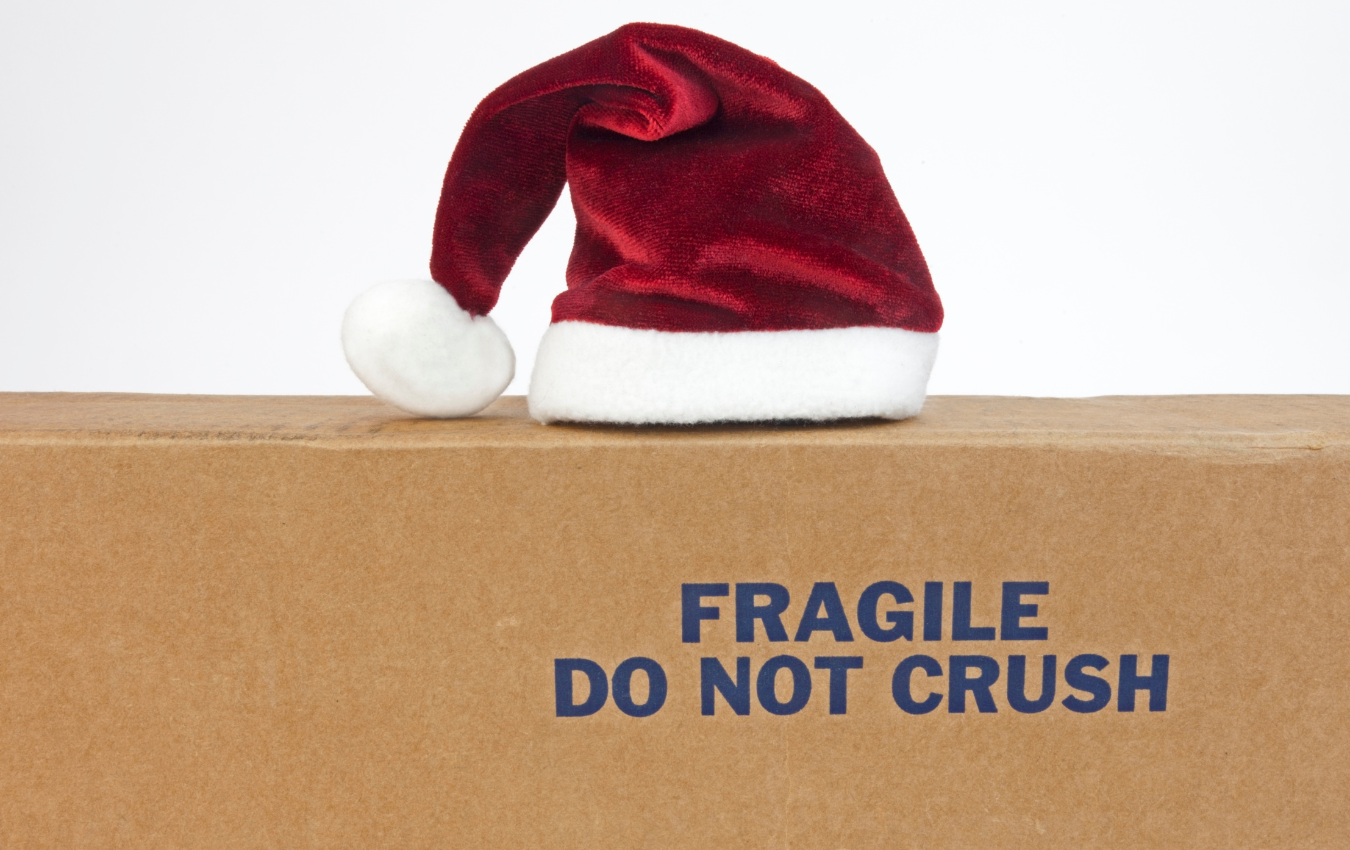
Fragile products like glassware, electronics, and specialty gifts are especially vulnerable during the holiday rush. With more handling points, packed trailers, and faster fulfillment, the
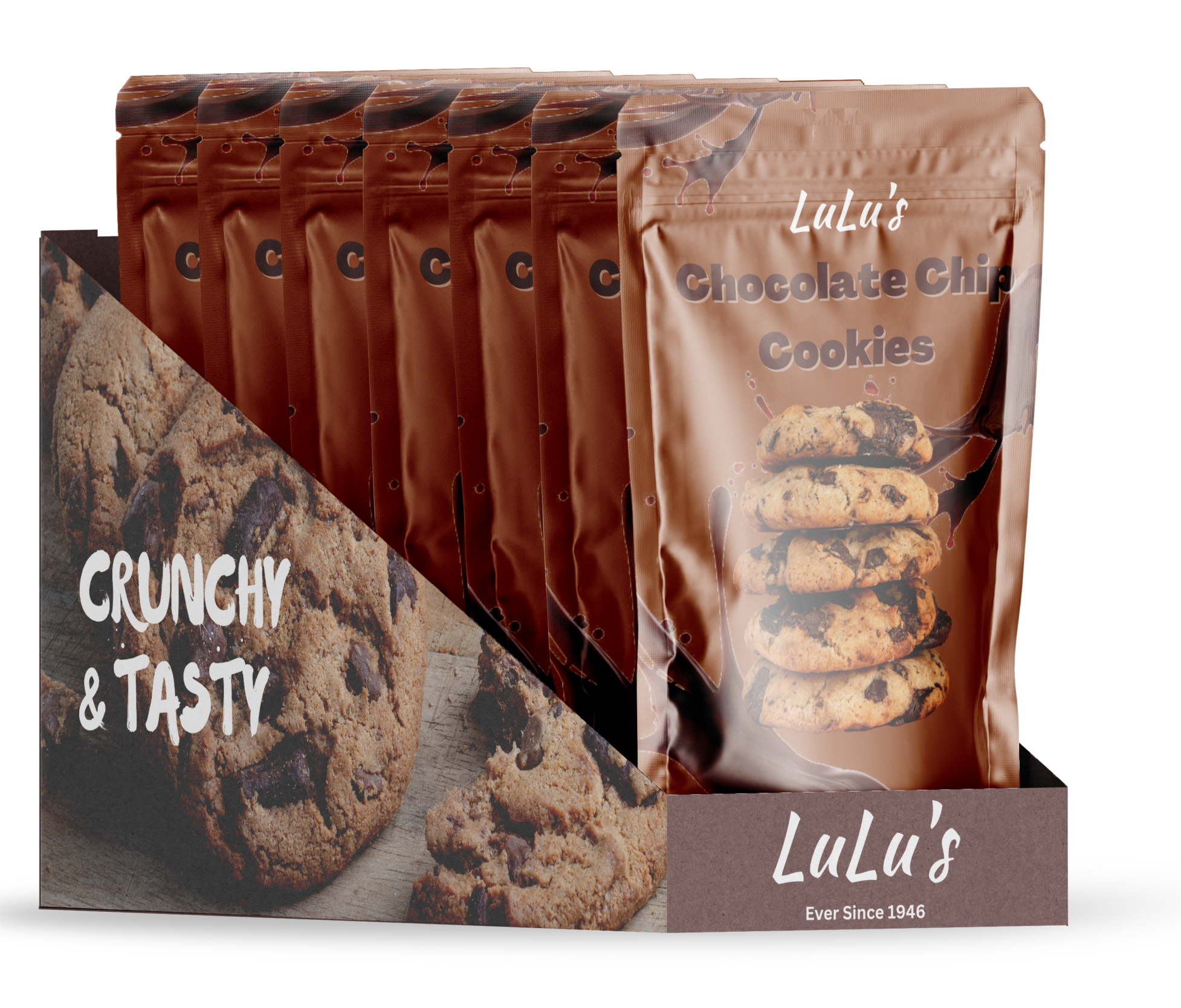
In a fiercely competitive retail landscape, brands strive to ensure their products stand out on the shelves. And one powerful tool they leverage is packaging.