
Home » How Critical is Customer Perception in Medical Device Packaging
How Critical is Customer Perception in Medical Device Packaging
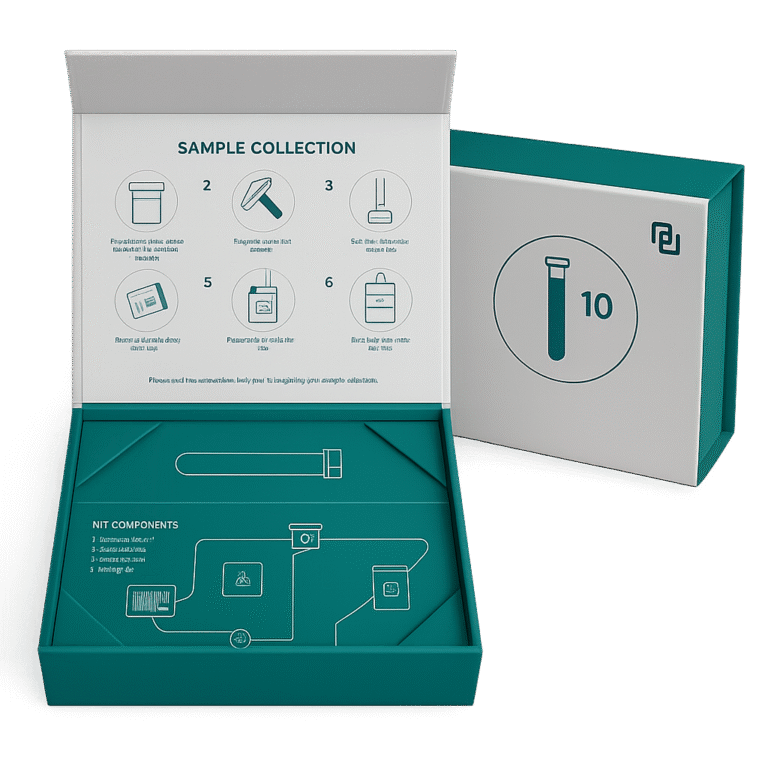
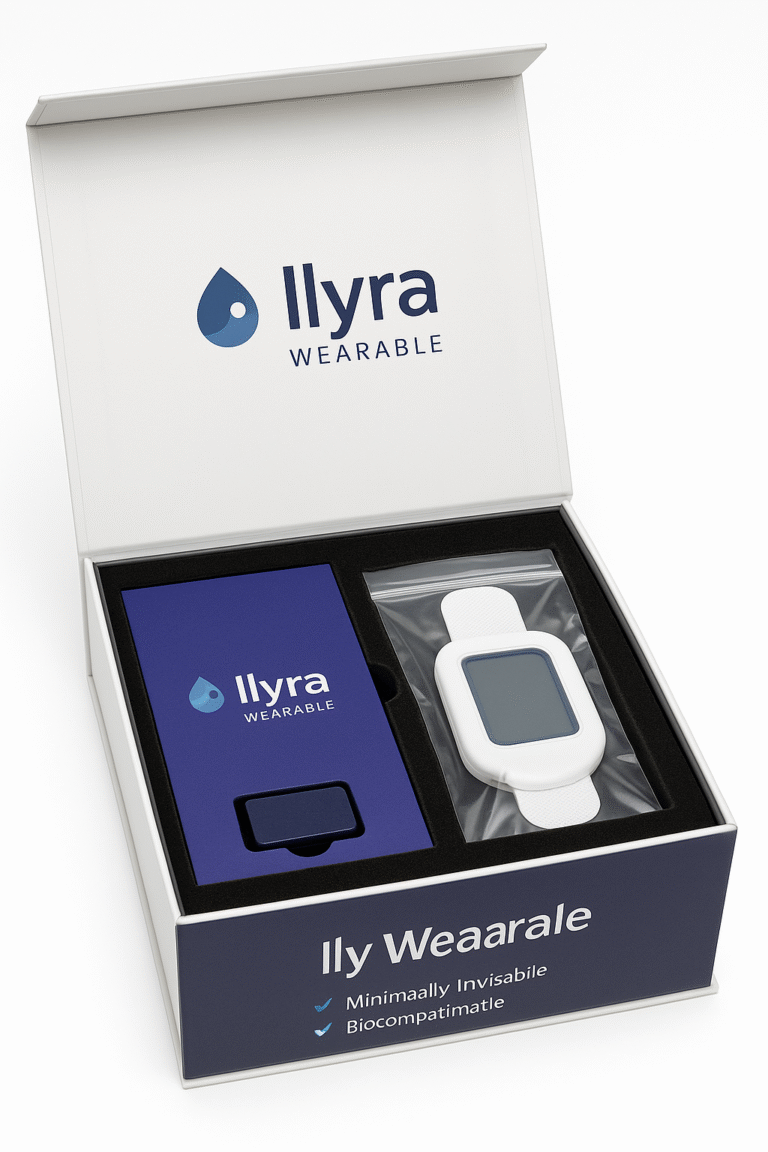
Medical device packaging plays a crucial role in protecting products, ensuring sterility, and enhancing user confidence. Beyond just functionality, packaging influences customer perception, which can directly impact a company’s reputation, product adoption, and market success. When customers—including hospitals, healthcare providers, and patients—receive a medical device, the first interaction is with the packaging, making it a critical factor in trust and credibility.

How Packaging Affects Customer Perception
Trust and Brand Credibility
In the medical field, trust is paramount. Packaging that looks clean, professional, and tamper-proof reassures customers that the device inside is safe and high quality. Poorly designed or damaged packaging, on the other hand, can raise concerns about contamination or product reliability, negatively affecting customer confidence.
Compliance and Safety Assurance
Customers expect medical devices to meet strict regulatory standards for safety and sterility. Packaging that clearly displays compliance certifications (FDA, ISO, CE), expiration dates, and handling instructions reassures end-users that the product is reliable and meets industry standards. Conversely, unclear or missing information can create hesitation or even rejection of the product.
Ease of Use and Accessibility
Medical professionals and patients often interact with packaging in high-pressure environments, where ease of access is essential. Packaging should be intuitive, easy to open, and designed for quick, safe product retrieval. If packaging is difficult to open or use, it can lead to frustration, delays in treatment, or even damage to the device before use.
Tamper Evidence and Product Integrity
Medical device packaging must incorporate tamper-evident features to ensure product integrity. Seals, RFID tracking, and authentication labels help customers feel secure that the product hasn’t been compromised. If packaging appears tampered with or unsecure, it can result in returns, complaints, or loss of trust in the brand.
Optimizing Medical Device Packaging for Positive Customer Perception
To ensure packaging creates a strong, positive impression, companies should consider:
- High-quality materials that ensure product protection and sterility.
- Clear and concise labeling to provide essential information without clutter.
- User-friendly design for accessibility in both clinical and home settings.
- Tamper-proof features to prevent unauthorized access and enhance security.
Final Thoughts: Why Packaging Perception Matters
Customer perception of medical device packaging is as important as the device itself. Trust, safety, ease of use, and branding all play a role in how a product is received. Investing in high-quality, well-designed packaging not only ensures compliance but also enhances user confidence and strengthens brand reputation.
Looking to improve your medical device packaging solutions? Contact Brown Packaging today for expert insights and customized packaging solutions that align with industry standards and customer expectations.
Box Compression Test (BCT) measures how much vertical load a corrugated box can last before it collapses. This matters when: Boxes are stacked on pallets Loads are stored for extended
Most companies don’t realize how much they’re paying to ship empty space. Packaging is often designed around convenience or standard sizes, not efficiency. The result is wasted cube, higher freight
Excess moisture in pet food packaging can cause mold growth, nutrient degradation, clumping, and product spoilage. Effective moisture control combines barrier material selection, packaging design, and controlled production environments to
Exporting products requires packaging that can endure extended transit times, multiple handling points, and strict international regulations. Full Overlap (FOL) boxes are a proven solution for export shipments because their
Home » How Critical is Customer Perception in Medical Device Packaging