
Home » Temporary vs. Permanent POP Displays: Pros and Cons
Temporary vs. Permanent POP Displays: Pros and Cons
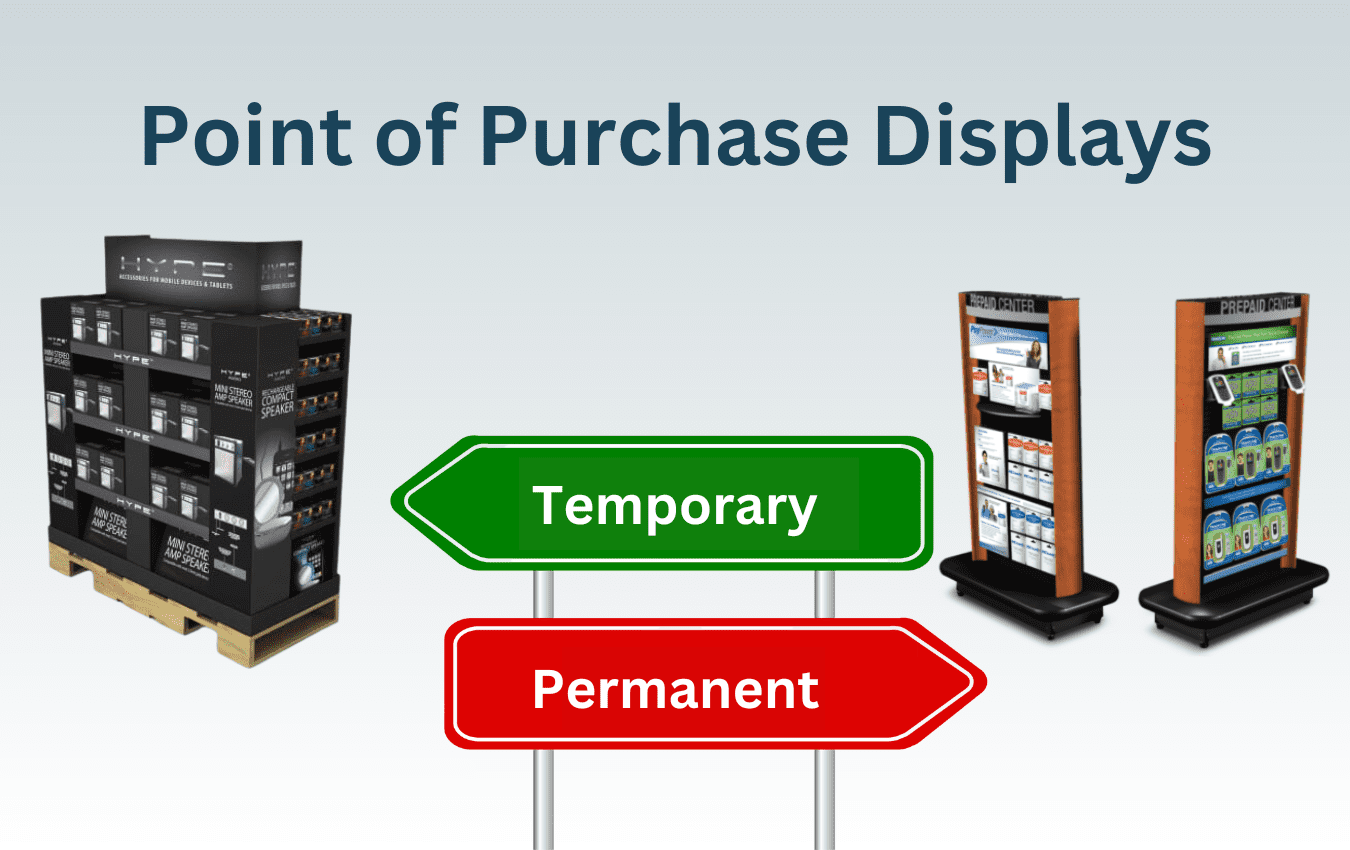
In the intricate world of retail, Point-of-Purchase (POP) displays play a critical role in influencing consumer decisions and driving sales. When it comes to choosing between temporary and permanent POP displays, retailers face a crucial decision that can significantly impact their marketing strategy and brand visibility. Each option comes with its own set of advantages and drawbacks, making it essential to understand the pros and cons of both approaches.
Temporary POP Displays
Pros
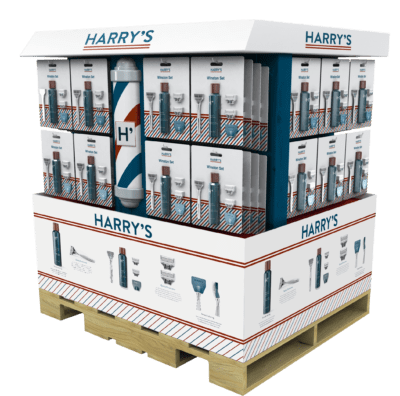
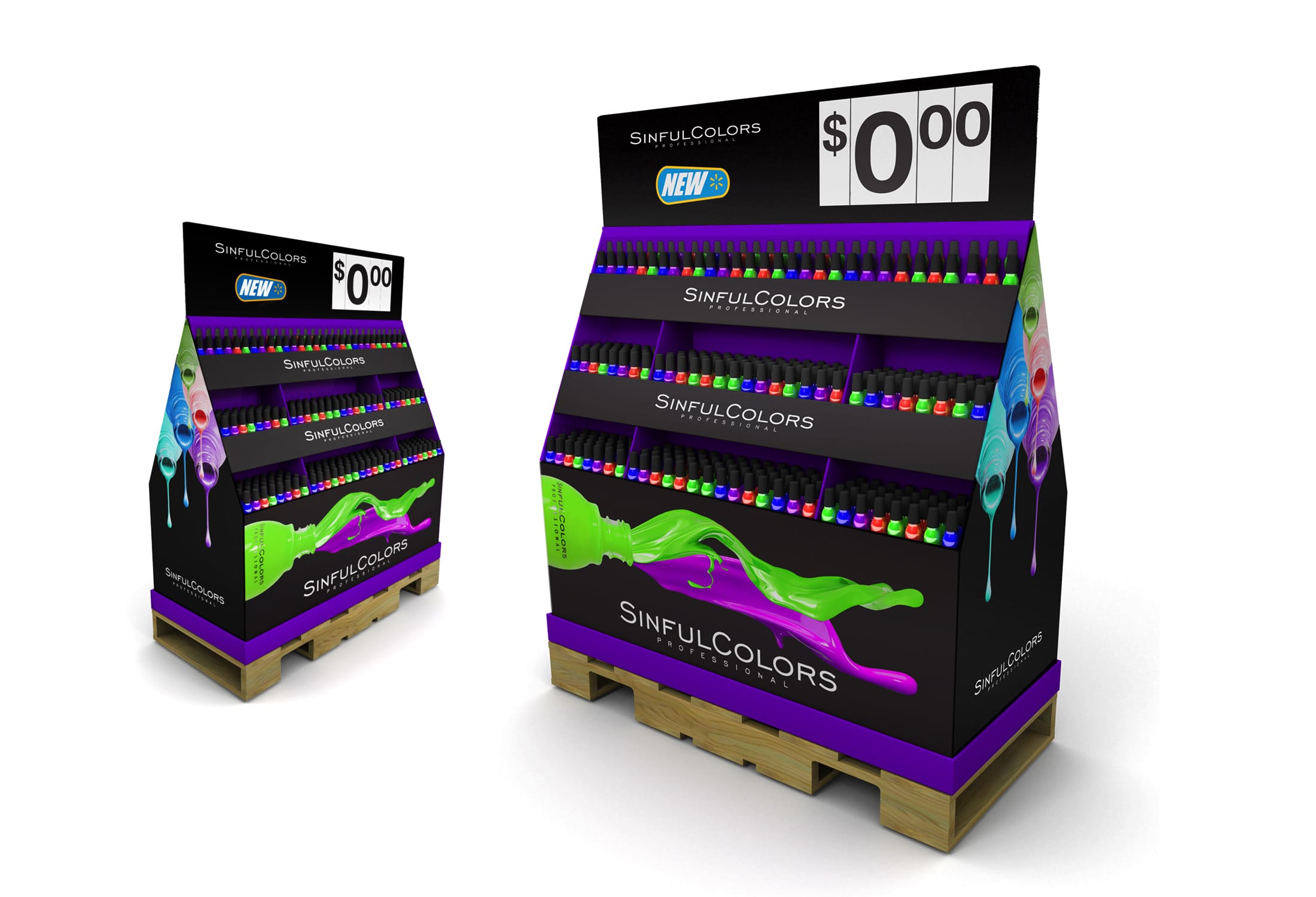
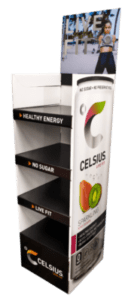
- Flexibility: Temporary displays are ideal for short-term promotions, seasonal campaigns, or product launches. They can be quickly set up and removed, allowing retailers to adapt to changing marketing strategies.
- Cost-Effective: These displays often require lower upfront costs, making them suitable for brands with budget constraints.
- Variety: Temporary displays come in various shapes, sizes, and materials, providing room for creativity and experimentation.
Cons
- Limited Durability: As the name suggests, temporary displays are not built for long-term use and may not withstand heavy wear and tear.
- Brand Consistency: Achieving consistent branding can be challenging across various temporary displays, potentially affecting brand recognition.
- Environmental Impact: Frequent replacement of temporary displays can contribute to waste and environmental concerns.
Permanent POP Displays
Pros
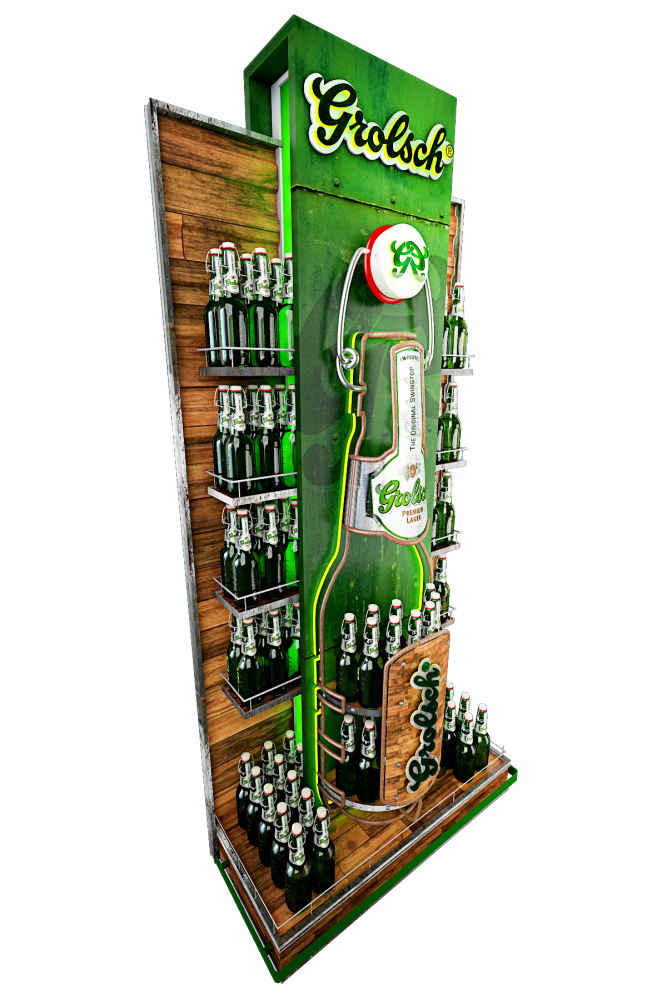
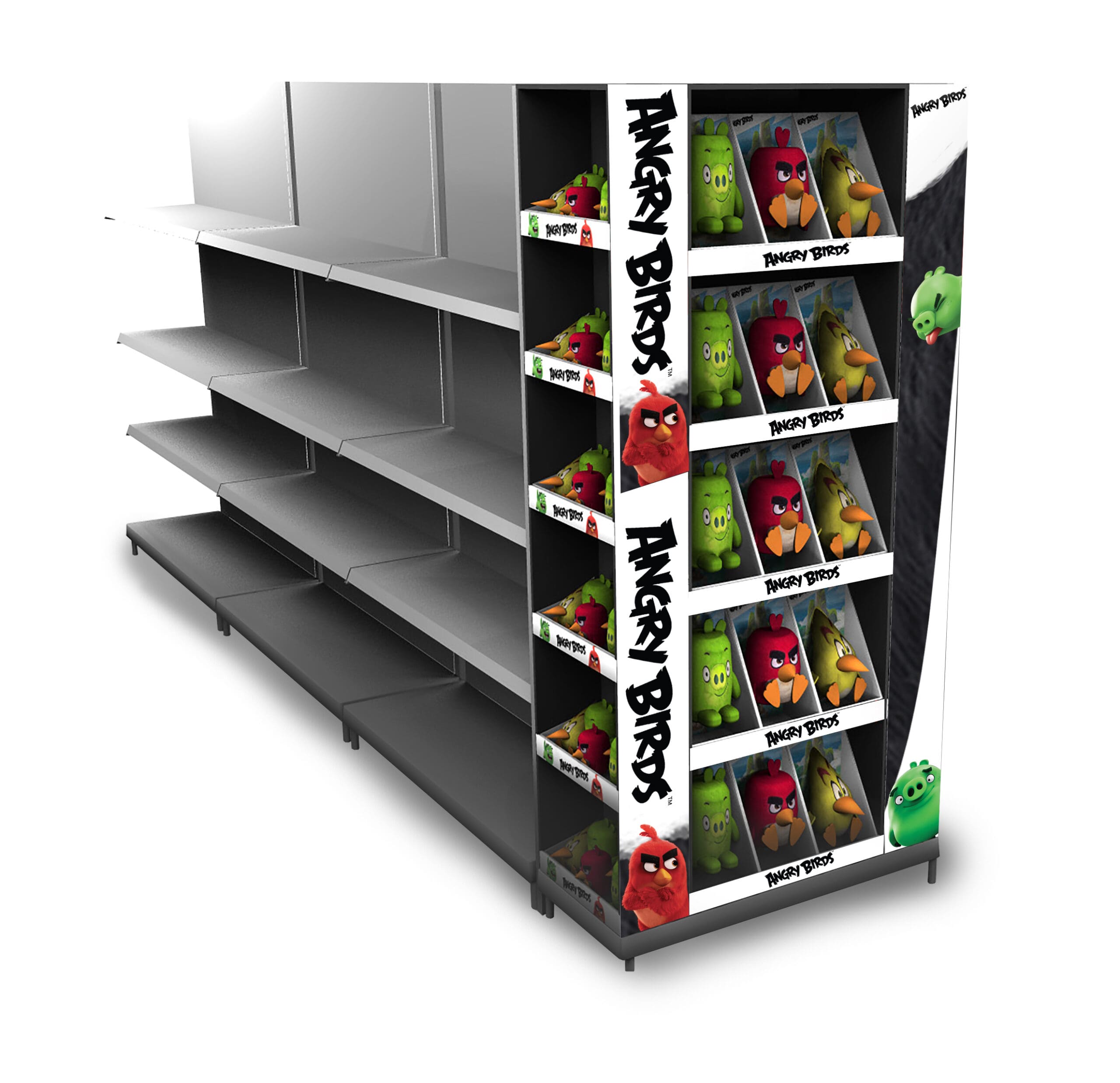
- Durability: Permanent displays are designed to withstand continuous use and are suitable for long-term campaigns. They offer a more robust solution that can last for years.
- Consistent Branding: Permanent displays offer a consistent brand image throughout the store, enhancing brand recognition and customer familiarity.
- Sustainability: While they may involve higher upfront costs, permanent displays can be more environmentally friendly in the long run due to their extended lifespan.
Cons
- Higher Costs: Permanent displays often require a larger investment upfront, including design, manufacturing, and installation expenses.
- Limited Flexibility: Once installed, making changes to permanent displays can be challenging and costly.
- Space Considerations: Permanent displays require dedicated space within the store, limiting flexibility in layout changes.
Making the Right Choice
The decision between temporary and permanent POP displays ultimately depends on your specific goals, budget, and brand strategy.
Temporary Displays Are Ideal When:
- You have short-term promotions or seasonal campaigns.
- You want to test different display concepts and measure their effectiveness.
- Budget constraints are a concern.
- You want to keep your displays fresh and engaging by frequently updating them.
Permanent Displays Are Ideal When:
- You have a consistent brand message that you want to convey throughout the year.
- You’re looking for a long-term solution that offers durability and sustainability.
- You have the budget for upfront investment and are willing to commit to a more substantial display presence.
- You want to establish a strong and recognizable brand presence within the store.
A Hybrid Approach
In some cases, it may be beneficial to opt for a hybrid approach, combining both temporary and permanent displays to leverage the strengths of each. For instance, permanent displays can serve as the foundation, while temporary displays are used for specific promotions or new product launches.
If you are interested in pop displays, then partner with Brown Packaging today to get started.
Digital printing is often positioned as the automatic choice for short runs. But the real financial breakpoint isn’t defined by volume alone — it’s determined
Digital printing is often the right starting point for growing brands and expanding SKU portfolios. But growth eventually raises a critical question: when does it
Most POP display programs become inefficient over time—not because of poor design, but because of too many variations. Different sizes, different footprints, different structures. It
Packaging performance testing is designed to verify that packaging can withstand the stresses of distribution. Tests such as drop testing, compression testing, and vibration testing
Most POP floor displays don’t fail immediately—they fail after they’ve been on the retail floor for a short period of time. Week one looks fine.By
Home » Temporary vs. Permanent POP Displays: Pros and Cons
Cross-merchandising is one of the most effective ways to increase basket size in retail. By pairing complementary products in a single point-of-purchase (POP) display, brands
Most brands invest in POP displays without clearly measuring performance. They look at sales after rollout and assume the display worked—or didn’t. But without isolating
Point of Purchase (POP) displays are a key element in influencing consumer decisions at the critical moment before purchase. The effectiveness of these displays can