

Home » Enhancing Brand Recognition Through Consistent POP Displays
Enhancing Brand Recognition Through Consistent POP Displays
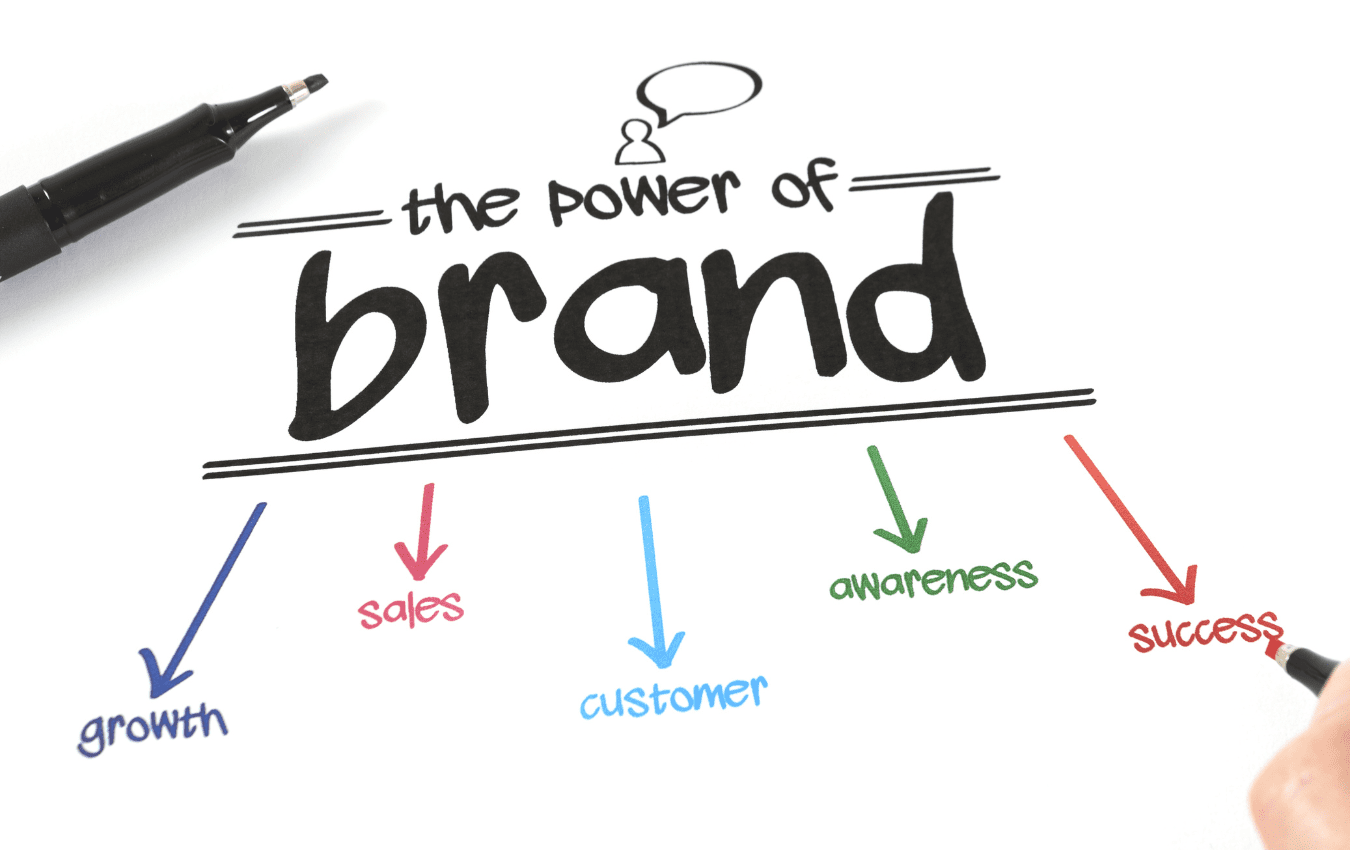
In the fiercely competitive world of retail, brand recognition is the key to success. Standing out amidst a sea of choices requires a strategic approach, and one effective method to achieve this is through the art of consistent Point-of-Purchase (POP) displays. These displays are more than just functional; they are an opportunity to reinforce your brand identity and leave a lasting imprint on your customers’ minds.
The Role of Brand Recognition in Retail
Brand recognition is the ability of consumers to identify and associate a brand with specific attributes, values, and emotions. It’s not just about recalling a company’s name; it’s about forging a strong connection that leads to trust, loyalty, and increased sales.
The Power of Consistency in Branding
Consistency is the cornerstone of effective branding. It entails presenting a unified and harmonious image across all touchpoints, whether online, on packaging, or in-store displays. Consistency builds familiarity, making it easier for customers to connect with your brand on a profound level.
Leveraging POP Displays for Cohesive Branding
POP displays, strategically placed within a retail environment, offer a golden opportunity to reinforce consistent branding. These displays serve as visual ambassadors, conveying your brand’s essence in a matter of seconds. When executed seamlessly, they bridge the gap between online and offline experiences.
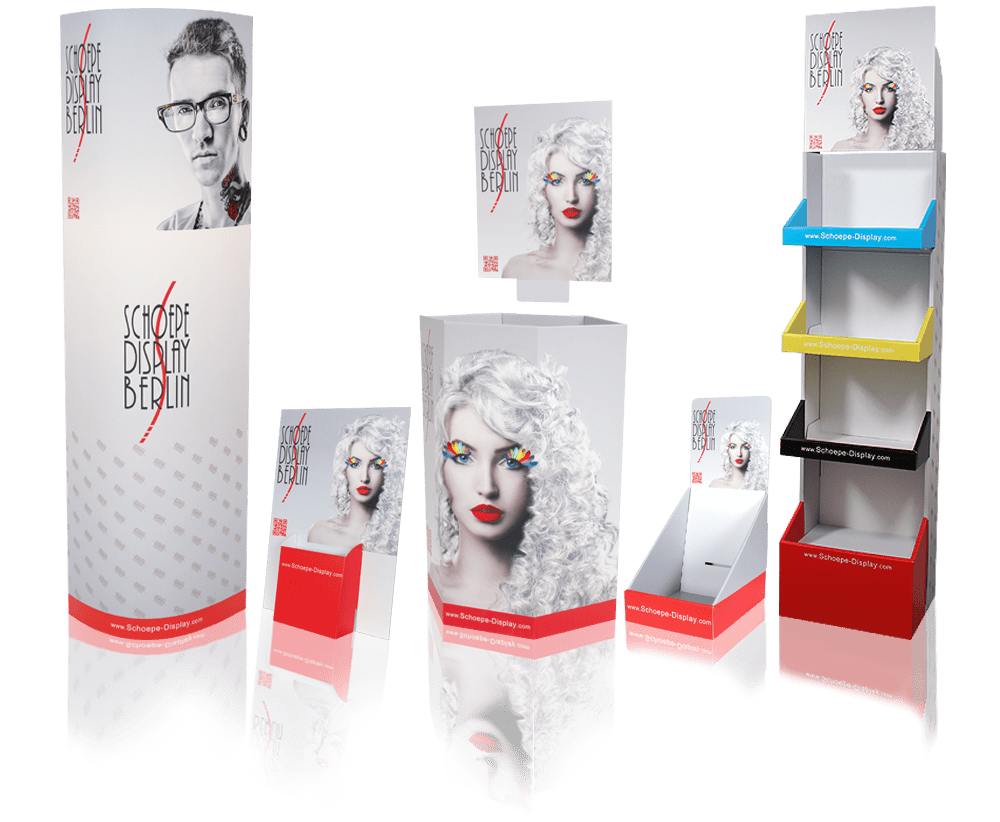
Key Elements of Consistent POP Displays
Color Palette and Typography
Consistency in color and typography is a visual hallmark of your brand. Opt for a color palette that aligns with your brand’s personality and resonates with your audience. Whether bold and vibrant or minimalistic and subdued, the colors you choose should reflect your brand’s identity. The same holds true for typography—choose fonts that are not only readable but also reflective of your brand’s tone.
Logo Placement and Sizing
Your logo is your brand’s visual signature. Ensure it’s prominently placed on all your POP displays. Maintain a consistent logo size, regardless of the display’s dimensions. This consistency reinforces brand recognition and fosters a cohesive appearance.
Messaging and Tone
Craft a clear and succinct brand message that effectively communicates your value proposition. Keep a consistent tone across your messaging—whether it’s light-hearted, professional, or inspirational. A unified tone helps customers identify and resonate with your brand’s voice.
Visual Style and Imagery
Select a visual style that aligns with your brand’s essence. Whether through photography, illustrations, or graphics, make sure your chosen style remains consistent across all displays. A cohesive visual approach enhances brand recognition and makes your displays instantly recognizable.
Creating a Unified In-Store Experience
Consistent POP displays contribute to a unified in-store experience. When customers encounter consistent visual elements across various products and displays, it reinforces a sense of familiarity and trust. This experience plays a vital role in cultivating long-lasting customer relationships.
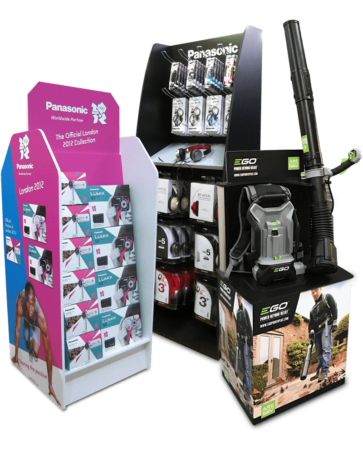
Benefits of Consistent Branding in POP Displays
- Instant Recognition: Customers can quickly identify your brand.
- Professionalism: Consistency conveys professionalism and dependability.
- Trust and Loyalty: Familiarity fosters trust, leading to customer loyalty.
- Unified Brand Identity: Consistency maintains a unified brand image across touchpoints.
Tips for Implementing Consistent Branding in POP Displays
- Conduct a brand audit to identify key visual elements.
- Establish clear brand guidelines for your POP displays.
- Educate your staff on the significance of consistent branding.
- Regularly review and update displays to ensure alignment with your brand.
Measuring the Impact of Brand-Centric POP Displays
Monitor metrics such as customer engagement, sales lift, and customer feedback to gauge the impact of consistent POP displays on brand recognition and overall performance.
Future Trends in Brand-Focused POP Displays
Explore emerging trends like interactive displays, personalized experiences, and the integration of technology. Discuss how brands can incorporate these trends while maintaining consistency.
By harnessing the potential of consistent POP displays, retailers can forge a commanding brand presence that resonates with customers, nurtures loyalty, and propels long-term success in today’s dynamic retail landscape.
If you are interested in Point of purchase displays, then partner with Brown Packaging today to get started.
Sustainable packaging in 2027 will be less about broad claims and more about proof, performance, compliance, and cost control. Buyers will still care about recyclable
Sustainable packaging in 2027 will be less about broad claims and more about proof, performance, compliance, and cost control. Buyers will still care about recyclable
A folding carton may look simple once it reaches the shelf, but it goes through a controlled production process before it becomes a finished package.
Folding carton production is becoming more automated because buyers are asking for faster timelines, tighter consistency, and more flexibility across more SKUs. Shorter product lifecycles,
Folding carton style matters because structure affects more than appearance. The right carton can improve shelf presentation, packing speed, product access, closure security, storage efficiency,
Pouch packaging trends in 2027 will be shaped by convenience, shelf impact, sustainability pressure, sealing performance, automation, ecommerce growth, and total packaging cost. Buyers will
By submitting your information, you agree to our terms and conditions and privacy policy.

Home » Enhancing Brand Recognition Through Consistent POP Displays

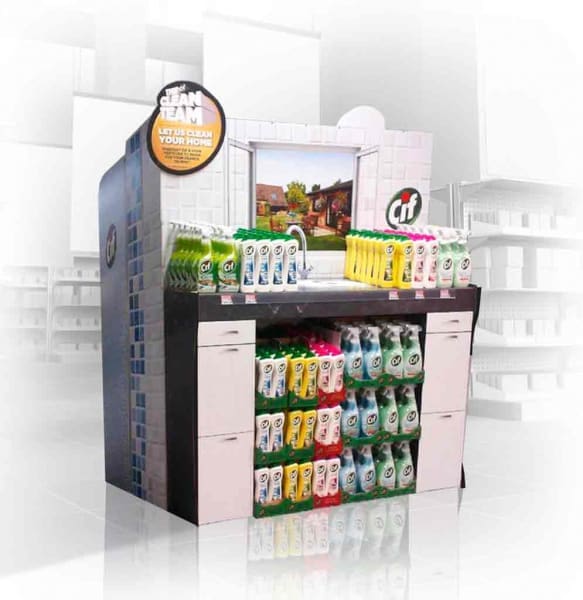

Point of Purchase (POP) displays are a dynamic marketing tool used to engage customers and boost sales at the point of decision-making. Whether you’re a
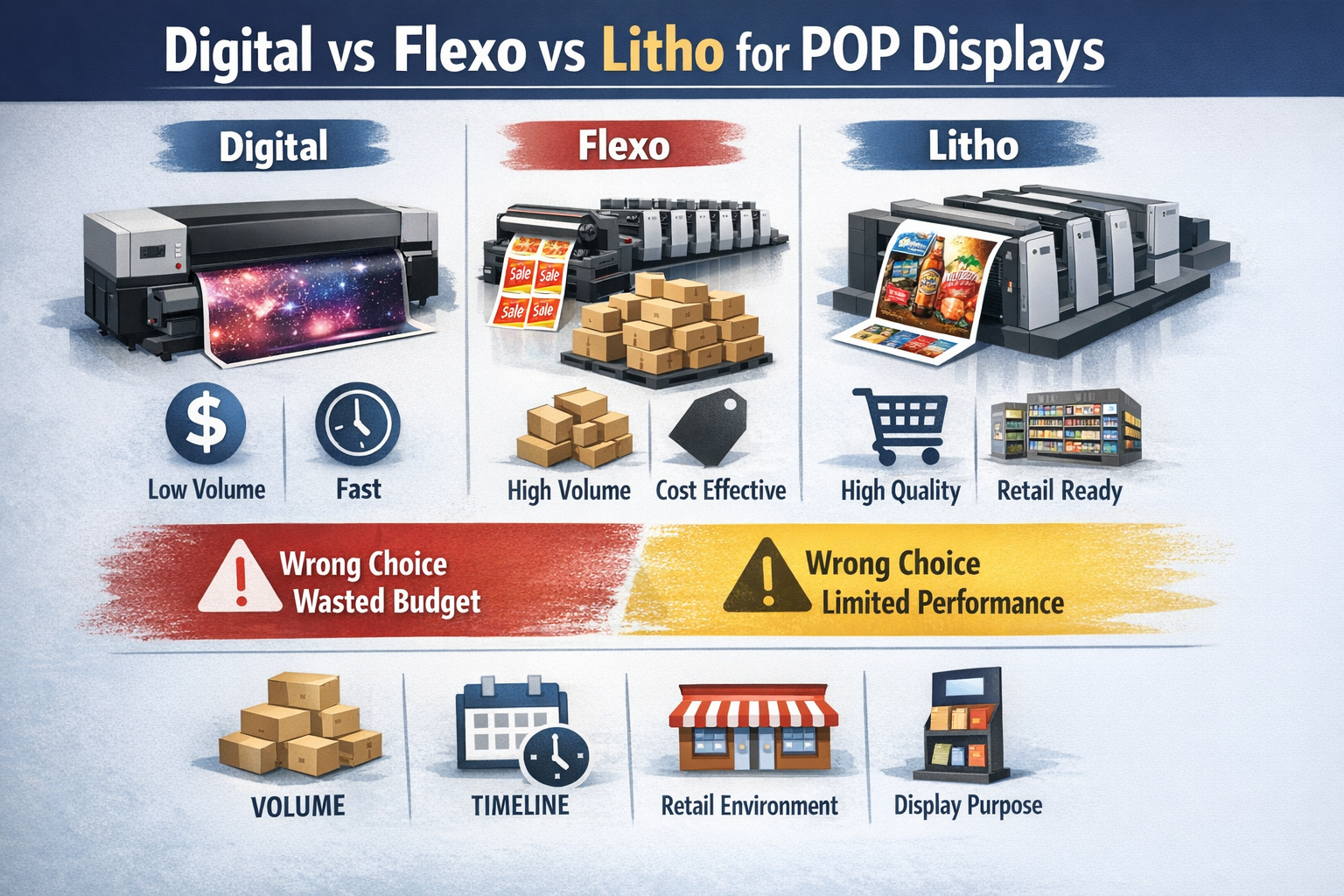
Print is one of the biggest cost drivers in POP displays—and one of the most misunderstood. Most decisions are made based on how it looks,

In the dynamic world of retail, the collaboration between POP Displays and Trap Blister Packs holds immense potential. These two elements – POP Displays and