

Home » Innovative Custom Packaging Ideas for Limited Edition and Special Collections
Innovative Custom Packaging Ideas for Limited Edition and Special Collections
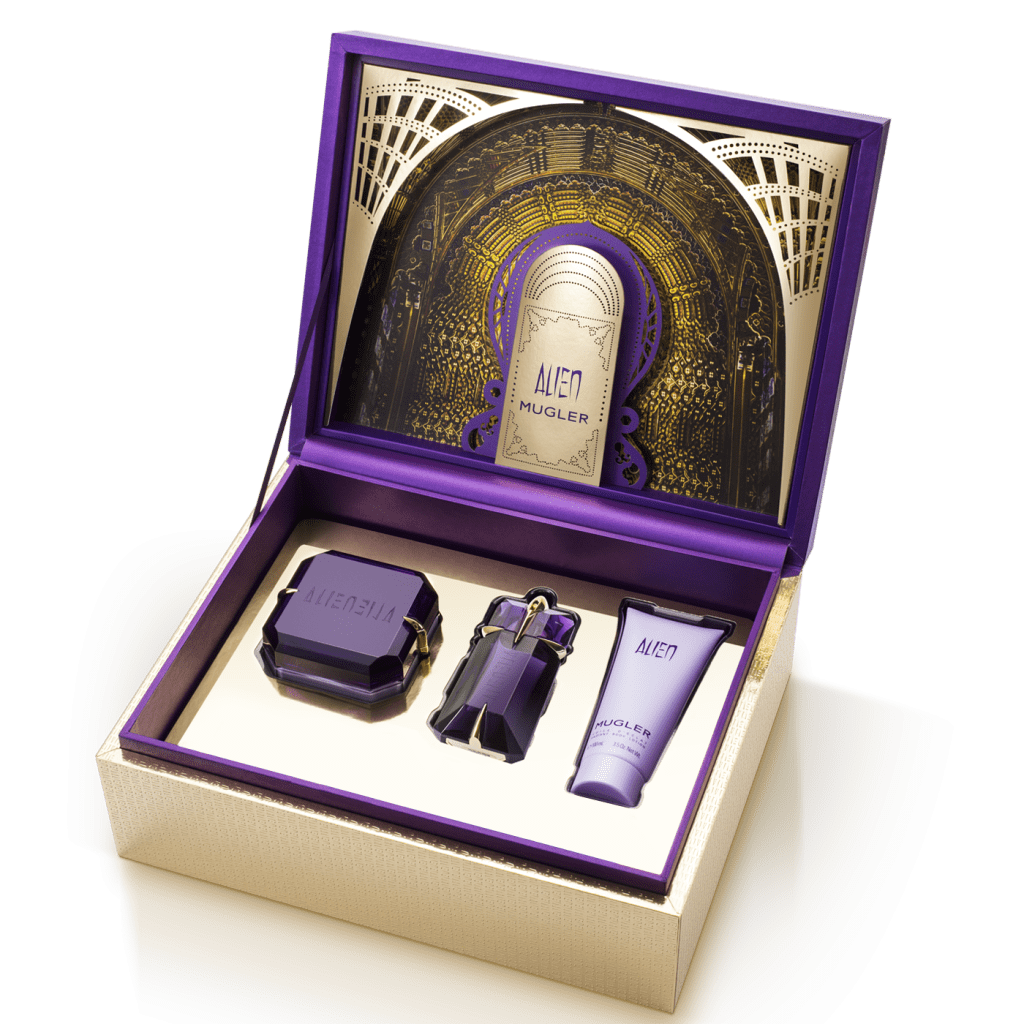
Limited edition and special collection items provide a unique customer experience that can significantly elevate a brand’s appeal. One way to make these products stand out is through innovative custom packaging. It’s an important aspect that, when executed thoughtfully, can transform an ordinary item into an unforgettable, must-have product. This article explores a series of innovative custom packaging ideas that will make your limited edition or special collection products genuinely special.
Creative Unboxing Experiences
The unboxing experience is an exciting moment for customers. It’s a chance for brands to impress and surprise, heightening the sense of exclusivity. Consider designing a package that unfolds, slides open, or otherwise transforms during unboxing. You could also include unique, reusable packaging materials, such as branded tissue paper or decorative ribbons.
Sustainability-Focused Packaging
With consumers increasingly concerned about the environment, sustainable packaging is more than just a trend; it’s an expectation. Consider using biodegradable or recyclable materials for your packaging. Additionally, reusable packaging that serves a secondary purpose, like storage containers or tote bags, can add an extra level of appeal. Packaging made from plantable seed paper, for example, can transform into a beautiful array of flowers, herbs, or vegetables.
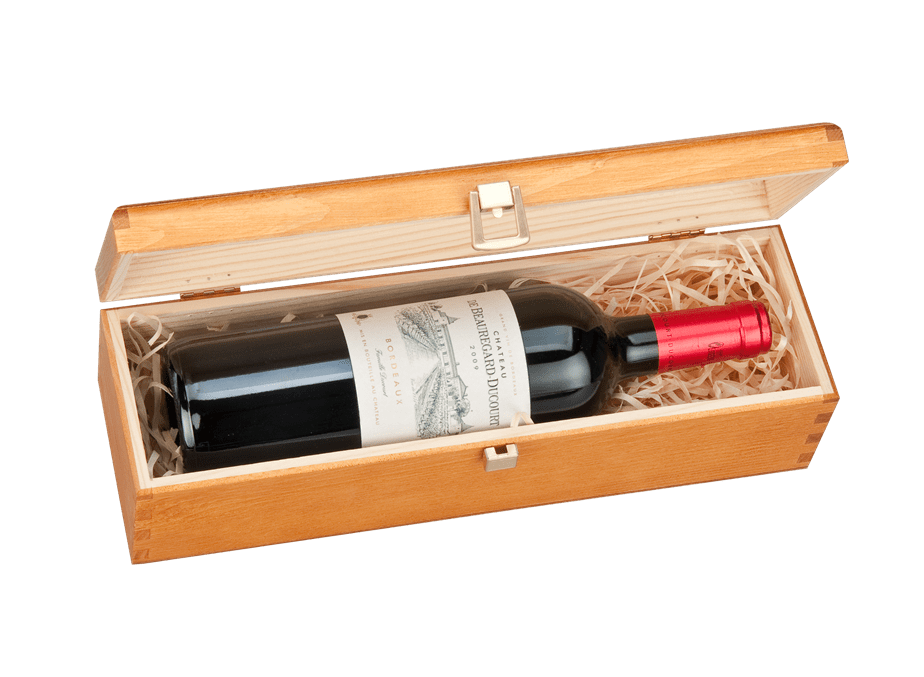
Handcrafted Wooden Boxes
Wooden boxes add a premium feel to any product, and they can be especially effective for limited edition items. They can be custom carved, painted, or engraved to match the product or the brand’s aesthetic. Plus, they’re reusable and often kept by customers as keepsakes.
Augmented Reality Packaging
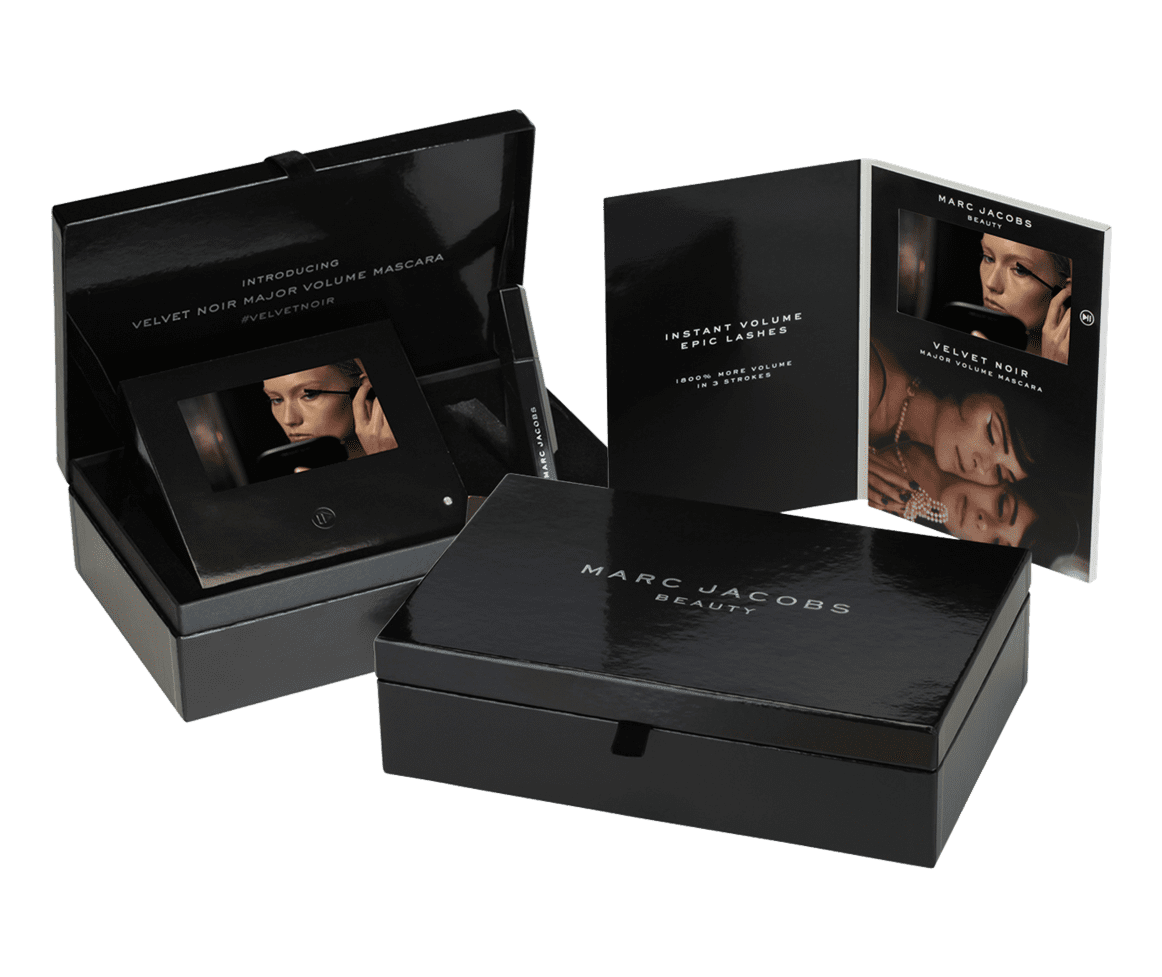
Technology has opened up exciting new opportunities for custom packaging. Augmented reality (AR) is one such innovation that brands can leverage. With an AR app, customers can point their smartphones at the packaging to bring up additional content, such as videos, 3D models, or interactive experiences. This feature can make the unboxing experience feel even more exclusive and personalized.
Custom Illustrations and Artwork
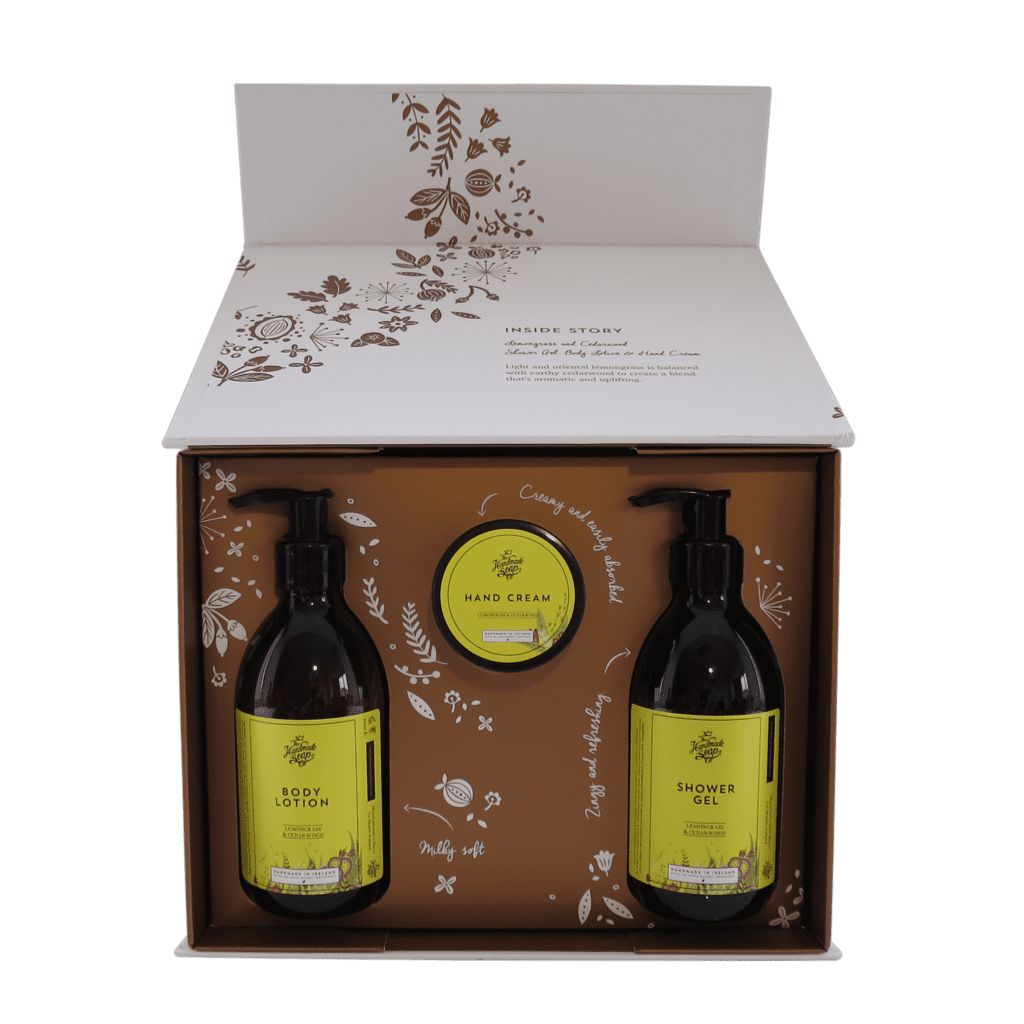
Another way to create an exclusive feeling with your packaging is to incorporate custom illustrations or artwork. You could commission a local artist or run a competition among your customers for the design. This not only makes the package unique; it also creates a stronger connection with the community around your brand.
Hidden Messages or Surprises
Including hidden messages or surprises in your packaging can create a memorable unboxing experience. This could be anything from a hidden compartment with a bonus item, a message printed on the inside of the box, or a puzzle or game incorporated into the package design.
Personalized Packaging
Personalization can take various forms, from printing the customer’s name on the box to including custom items based on their preferences. This requires more effort on the brand’s part, but the increased customer satisfaction and word-of-mouth marketing can make it worthwhile.
Limited Edition Labels or Badges
Include unique labels or badges on your packaging to highlight the exclusivity of limited edition products. This could be a serialized label indicating which number of the product the customer has received (e.g., “No. 1 of 500”) or a unique badge that isn’t included with the standard edition of the product.
Storytelling Through Packaging
Incorporate elements of storytelling into your packaging. This could be the story of how the product was made, the inspiration behind the collection, or information about the people who made it. This not only makes the packaging more interesting; it also helps create a deeper connection between the customer and the product.
Thematic Packaging
Finally, consider thematic packaging that ties into the specific collection or season. This could involve specific colors, designs, or materials related to the theme. For instance, a winter collection might use snowy motifs, metallic accents, and cool-toned colors, while a spring collection could incorporate floral patterns, pastel colors, and sustainable materials. Similarly, a limited-edition product released in conjunction with a special event, like a movie premiere or a sports championship, could feature design elements related to that event.
If you are interested in custom packaging, then partner with Brown Packaging today.
Sustainable packaging in 2027 will be less about broad claims and more about proof, performance, compliance, and cost control. Buyers will still care about recyclable
Sustainable packaging in 2027 will be less about broad claims and more about proof, performance, compliance, and cost control. Buyers will still care about recyclable
A folding carton may look simple once it reaches the shelf, but it goes through a controlled production process before it becomes a finished package.
Folding carton production is becoming more automated because buyers are asking for faster timelines, tighter consistency, and more flexibility across more SKUs. Shorter product lifecycles,
Folding carton style matters because structure affects more than appearance. The right carton can improve shelf presentation, packing speed, product access, closure security, storage efficiency,
Pouch packaging trends in 2027 will be shaped by convenience, shelf impact, sustainability pressure, sealing performance, automation, ecommerce growth, and total packaging cost. Buyers will
By submitting your information, you agree to our terms and conditions and privacy policy.
Home » Innovative Custom Packaging Ideas for Limited Edition and Special Collections



Finding the right packaging supplier for your business can be challenging, as there are many companies to choose from. Suppliers vary in quality of service
In the intricate landscape of logistics and supply chain management, compliance with shipping regulations is a critical aspect that businesses must navigate meticulously. The packaging

In 2022, businesses are experiencing a challenging time with increased cost of packaging materials such as corrugated, plastic, chipboard, thermoform, and other products. In addition,