Blogs
At Brown Packaging, we provide insightful content about the packaging industry to keep our clients, followers, and partners informed with the latest trends and accurate information. Our goal is to equip you with up-to-date knowledge that helps you stay ahead in the ever-evolving world of packaging.

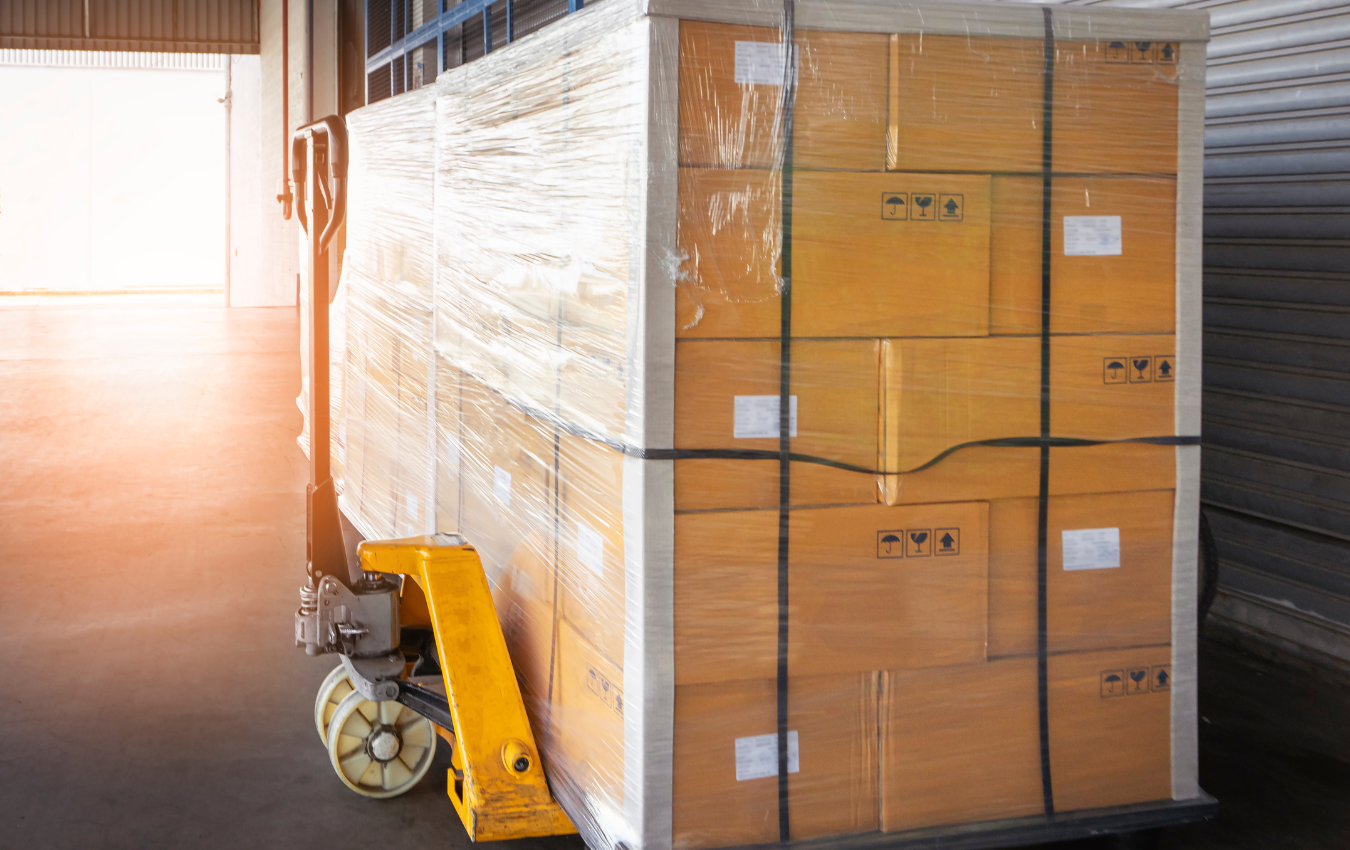
The final steps in deploying a permanent and semi-permanent Point of Purchase (POP) display involve the logistics of distribution and the specifics of installation. Effective management of these stages is crucial to ensure that your displays are set up correctly, on time, and with optimal impact. This blog will guide you through the logistics and installation processes, providing insights on how to streamline these operations for maximum efficiency and effectiveness. Planning and Coordinating Logistics Understanding Distribution Requirements Begin by assessing the distribution requirements for your POP displays. Consider the number of locations, geographical spread, and the timeline for deployment. Effective logistics planning ensures that all displays reach their intended locations without delays or damage. Choosing a Distribution Partner Selecting the right logistics partner is vital. Look for providers with experience in handling retail displays, as they can offer specialized services such as on-time delivery to multiple locations, careful handling of materials, and even storage solutions if needed. Packaging for Protection Ensure that the POP displays are packaged securely to prevent damage during transit. This might involve custom crating or protective padding, especially for more delicate components. The goal is to have the displays arrive in pristine condition, ready for installation. Efficient and Effective Installation Preparing Installation Guidelines Provide clear, detailed installation guidelines to ensure consistent setup across all locations. This should include instructions on assembly, placement, and any necessary tools or materials. Proper guidelines help minimize errors and reduce the time needed for installation. Training Teams or Hiring Professionals Decide whether to train your staff for installation or to hire professional installers. Training in-house teams can be cost-effective and allow for more control over the process. However, professional installers can offer the advantage of experienced, quick, and reliable setup, which might be crucial for complex displays or large-scale rollouts. Coordinating with Retail Locations Work closely with the management of the retail locations where the displays will be installed. Coordination is essential for ensuring that the installation process does not disrupt business operations and that the display is placed in the most effective spot within the store. On-site Adjustments Be prepared for on-site adjustments. Even with thorough planning, the need for minor tweaks during installation is common. Quick decision-making and adaptability can help overcome any unforeseen challenges that arise during the setup. Monitoring and Troubleshooting Initial Feedback Loop Once the displays are installed, establish an initial feedback loop with the store managers and installation teams. Gather insights on the installation process and the initial response of customers to the displays. This feedback can be invaluable for making any immediate adjustments and for improving future deployments. Ongoing Maintenance Plan for the maintenance of the displays to ensure they remain attractive and functional throughout their intended lifespan. This might involve regular check-ups, cleaning, and repairs. Maintaining the displays well can significantly enhance their effectiveness and protect your investment. Conclusion Logistics and installation are critical phases in the deployment of POP displays. Efficiently managing these aspects ensures that your displays are set up to attract and engage customers effectively. By focusing on careful planning, clear communication, and flexibility, you can streamline these processes to achieve a successful display rollout that meets both your operational goals and marketing objectives. If you are interested in POP displays, then partner with Brown Packaging today to get started. (714)300-0650 request@brownpackaging.com Most Recent Posts: Categories: Corrugated Ecommerce ESD Design Display Flexible Packaging Foam Folding Carton Packaging Plastic Packaging Pouch Printing Protection Retail Rigid Box Thermoform Sustainability Subscribe To Our Newsletter By submitting your information, you agree to our terms and conditions and privacy policy. Custom Packaging Facebook Twitter LinkedIn Pinterest Relevant Posts

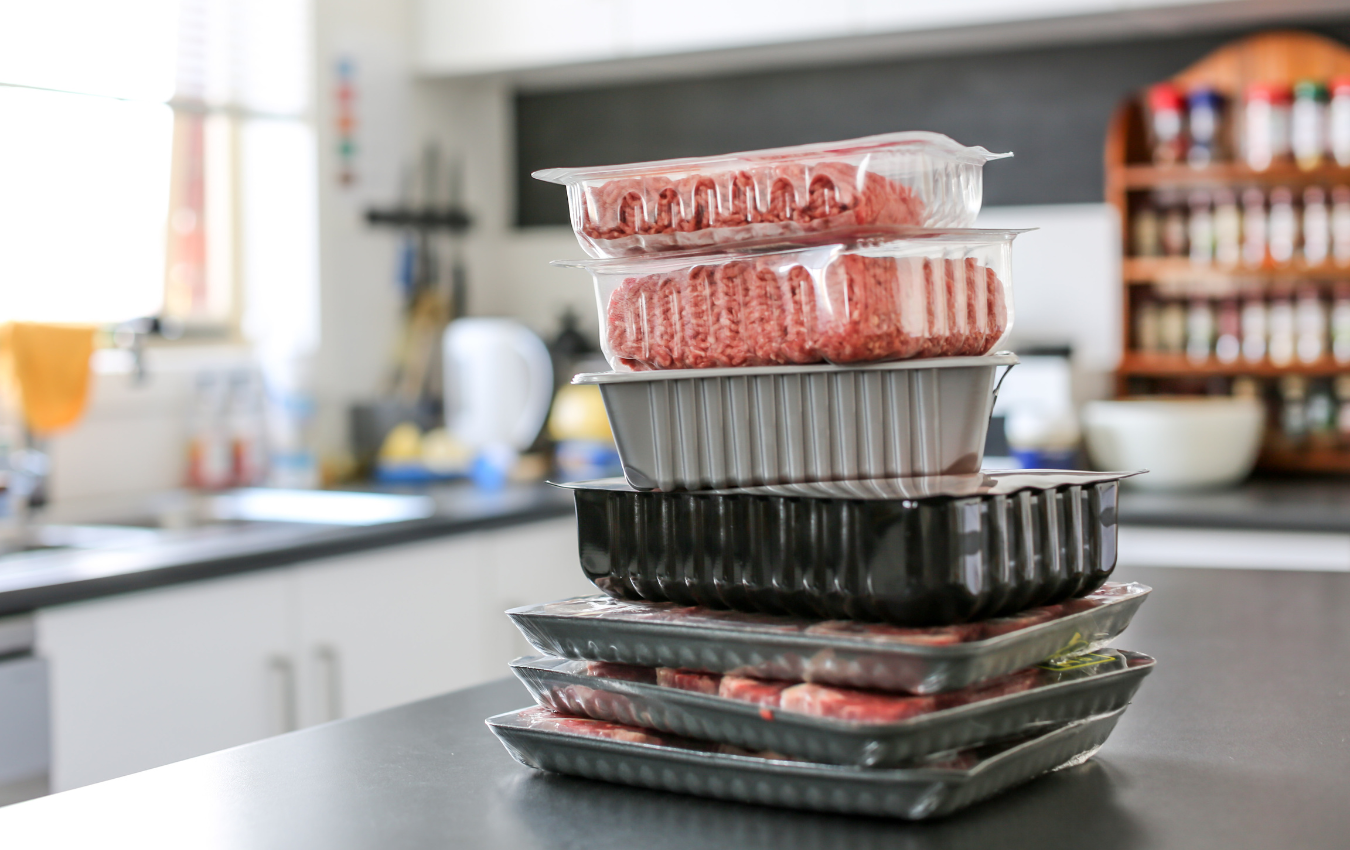
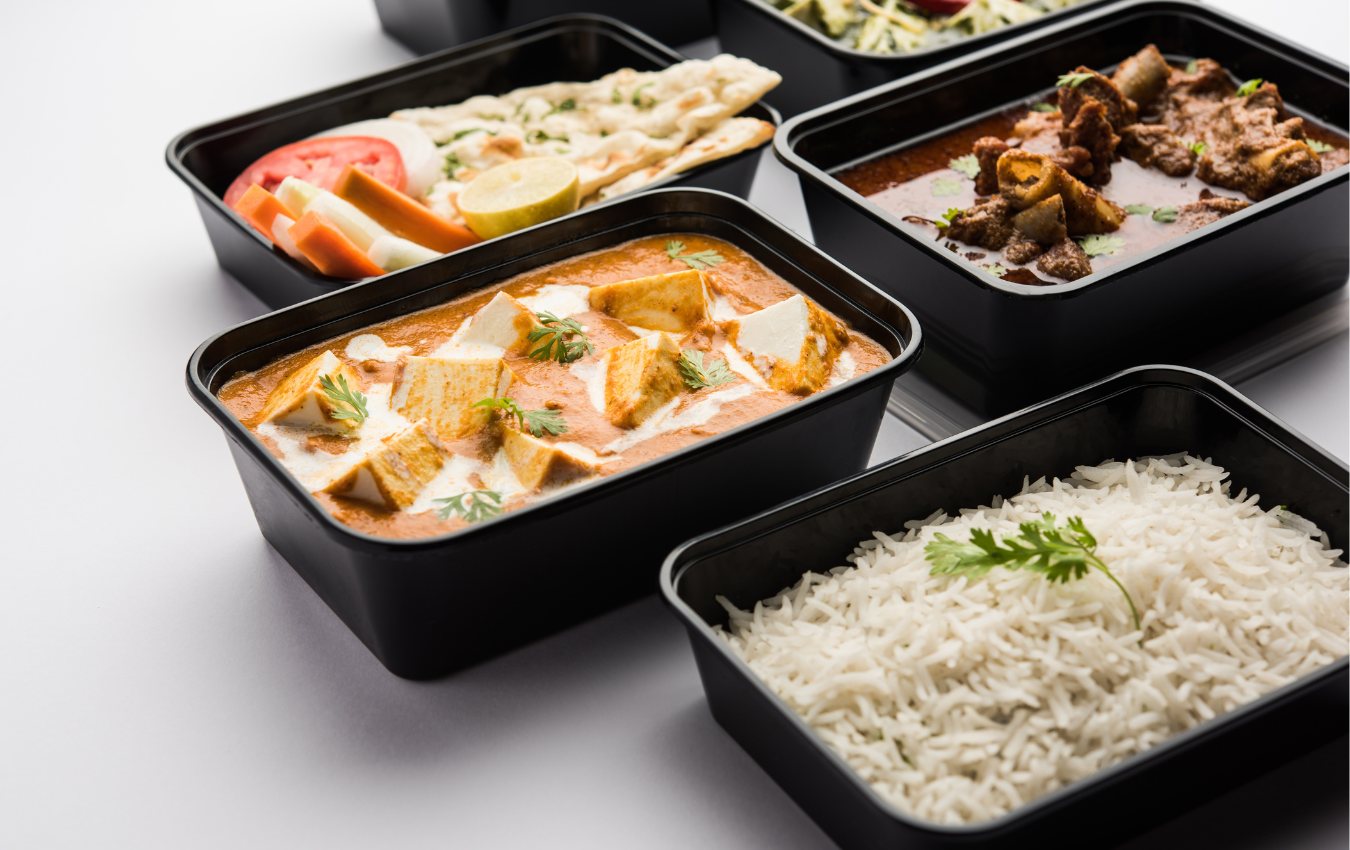
Food packaging waste is a pressing environmental issue that demands our attention. Excessive packaging, single-use plastics, limited recycling facilities, and consumer habits all contribute to the problem. In this blog, we will explore effective strategies to minimize food packaging waste, from sustainable materials to consumer education and corporate responsibility. The Challenge of Food Packaging Waste Excessive Packaging: Over-packaging, or using more packaging than necessary, is a significant contributor to food packaging waste. Single-Use Plastics: Single-use plastic packaging, notorious for its non-biodegradable nature, poses a severe threat to the environment. Lack of Recycling: Inadequate recycling facilities and low recycling rates for certain materials exacerbate the problem. Consumer Behavior: Consumer habits, including excessive food waste and improper disposal of packaging, also contribute to the issue. Sustainable Strategies to Reduce Food Packaging Waste Optimize Packaging Design: Rethink packaging design to use the least amount of material necessary while maintaining product safety and quality. Eco-Friendly Materials: Embrace sustainable packaging materials such as biodegradable plastics, compostable materials, and recycled content. Reduce Single-Use Plastics: Transition away from single-use plastics and adopt reusable and refillable packaging options. Minimalist Packaging: Embrace minimalist packaging with clear labeling and reduced graphics to reduce material usage. Innovative Packaging: Explore innovative packaging solutions, such as edible packaging or dissolvable packaging materials. Recyclability and Compostability: Prioritize materials that are easily recyclable or compostable to promote responsible disposal. Consumer Education: Educate consumers about responsible packaging disposal, recycling programs, and the importance of reducing food waste. Reduced Food Waste: Encourage portion control or provide resealable packaging to minimize food waste. Circular Economy: Implement circular economy principles, which prioritize recycling, reusing, and reducing materials in the packaging lifecycle. Corporate Responsibility in Reducing Food Packaging Waste Sustainable Sourcing: Source packaging materials from sustainable and ethical suppliers. Eco-Friendly Initiatives: Invest in sustainable packaging research and development and collaborate with industry partners to promote eco-friendly practices. Packaging Audits: Regularly evaluate and audit packaging to identify areas for waste reduction and improved sustainability. Regulatory Compliance: Stay informed about and comply with evolving regulations related to packaging and waste reduction. Transparency: Be transparent with consumers about your sustainability efforts and progress. The Consumer Role in Reducing Food Packaging Waste Responsible Disposal: Dispose of packaging materials in accordance with local recycling and waste disposal guidelines. Minimalist Shopping: Make informed and mindful purchasing decisions to reduce unnecessary packaging. Support Sustainable Brands: Choose products from companies committed to sustainable packaging and waste reduction. Conclusion Reducing food packaging waste is a shared responsibility that involves businesses, consumers, and policymakers. By implementing sustainable packaging strategies, embracing eco-friendly materials, and educating consumers about responsible disposal and purchasing habits, we can work towards a greener future with minimized food packaging waste. It’s time to rethink, redesign, and reduce our packaging footprint to protect the planet for future generations. If you are interested in reducing your food packaging waste, then partner with Brown Packaging today to get started. (714)300-0650 request@brownpackaging.com Most Recent Posts: Categories: Corrugated Ecommerce ESD Design Display Flexible Packaging Foam Folding Carton Packaging Plastic Packaging Pouch Printing Protection Retail Rigid Box Thermoform Sustainability Subscribe To Our Newsletter By submitting your information, you agree to our terms and conditions and privacy policy. Food Packaging Facebook Twitter LinkedIn Pinterest Relevant Posts

Reverse Tuck End (RTE) cartons are a popular packaging solution known for their unique design and versatility. In this blog, we will delve into the functions and features of RTE cartons, focusing on their distinctive opposite tuck closure mechanism, which sets them apart from other carton styles. Opposite Tuck Closure Mechanism At the heart of the RTE carton’s design is its distinctive opposite tuck closure mechanism. This mechanism is characterized by having two tuck flaps—one at the top and one at the bottom of the carton—each tucking into the opposite panel, creating a secure and user-friendly closure. Let’s explore the functions and features associated with this design: Secure Closure: The primary function of the opposite tuck closure mechanism is to provide a secure seal for the contents of the carton. When the top flap is tucked into the rear panel and the bottom flap into the front panel, the carton is effectively closed, protecting the contents from external factors such as dust, moisture, and tampering. This ensures that the product reaches the end consumer in pristine condition. Easy Accessibility: One of the standout features of RTE cartons is their user-friendly design. Unlike some other carton styles that require complete opening, RTE cartons allow for convenient access to the product without the need to fully unseal the package. Consumers can easily open the carton by partially releasing one of the tuck flaps, retrieve the product, and then reseal it, maintaining the product’s freshness and usability. Space for Information and Branding: RTE cartons provide ample space for product information, branding, and graphics on both the front and rear panels. This design feature allows manufacturers and marketers to convey important details about the product, such as usage instructions, ingredients, and promotional messaging. Additionally, the extended surface area offers an excellent canvas for eye-catching visuals and branding elements, enhancing the product’s shelf appeal. Efficient Storage and Stacking: RTE cartons are designed with efficiency in mind. Their rectangular shape and opposite tuck closure facilitate easy stacking and storage. Whether on store shelves or in warehouses, RTE cartons maximize space utilization, making them a practical choice for businesses with storage constraints. Versatile Applications: RTE cartons are highly versatile and suitable for a wide range of products and industries. Their ease of use, secure closure, and ample branding space make them a preferred choice for packaging electronics, hardware, pharmaceuticals, consumer goods, office supplies, and more. If you are interested in reverse tuck end folding cartons, then partner with Brown Packaging today to get started. (714)300-0650 request@brownpackaging.com Most Recent Posts: Categories: Corrugated Ecommerce ESD Design Display Flexible Packaging Foam Folding Carton Packaging Plastic Packaging Pouch Printing Protection Retail Rigid Box Thermoform Sustainability Subscribe To Our Newsletter By submitting your information, you agree to our terms and conditions and privacy policy. Folding Carton (RTE) Facebook Twitter LinkedIn Pinterest Relevant Posts

In a diverse consumer market, the effectiveness of your packaging strategy can hinge on how well it resonates with specific customer segments. Customization for different segments in packaging allows brands to tailor their approach to meet the unique preferences and needs of various consumer groups. This blog post continues to explore the strategies and benefits of segment-specific packaging customization. Demographic-Based Customization Age Groups: Packaging for different age groups requires distinct design elements. Bright, bold designs may attract a younger audience, while older consumers might prefer sleek, sophisticated packaging. Gender-Specific Design: While moving towards more gender-neutral designs is a growing trend, some products might still benefit from gender-specific packaging, using color schemes and imagery that traditionally appeal more to men or women. Lifestyle and Interest Customization Hobby or Interest-Based Packaging: Products aimed at specific hobbies or interests can benefit from customized packaging that reflects these activities. For instance, sports equipment packaging can feature athletic imagery and dynamic designs. Cultural and Geographic Tailoring: Customizing packaging to reflect local cultures, languages, and symbols can significantly increase its appeal in different geographic markets. Customization Based on Consumer Behavior Eco-Conscious Packaging: For environmentally conscious consumers, using sustainable materials and minimalist designs can make the product more appealing. Luxury and Premium Packaging: High-end products can benefit from packaging that exudes luxury through high-quality materials, elegant designs, and exclusive finishes. Personalization: The Ultimate Customization Individualized Packaging: Advances in printing technology have made it possible to create personalized packaging, such as including a customer’s name or a personalized message, which can greatly enhance the customer experience and loyalty. Technological Integration for Targeted Segments Smart Packaging Elements: Incorporating technology like QR codes or augmented reality can appeal to tech-savvy segments, offering them an interactive and informative packaging experience. Testing and Consumer Feedback Market Testing: Before fully committing to a new packaging design for a specific segment, conduct market tests to gauge consumer response. Feedback Loops: Regularly collecting and analyzing consumer feedback can provide insights into how well your packaging resonates with different segments and what improvements can be made. Challenges in Segment-Specific Customization Balancing Cost and Benefit: While customization can significantly increase appeal, it can also raise production costs. It’s crucial to balance the level of customization with the potential return on investment. Avoiding Stereotypes: It’s important to base customization on genuine consumer insights and avoid reinforcing stereotypes that might be offensive or outdated. If you are interested in customer packaging, then partner with Brown Packaging today to get started. (714)300-0650 request@brownpackaging.com Most Recent Posts: Categories: Corrugated Ecommerce ESD Design Display Flexible Packaging Foam Folding Carton Packaging Plastic Packaging Pouch Printing Protection Retail Rigid Box Thermoform Sustainability Subscribe To Our Newsletter By submitting your information, you agree to our terms and conditions and privacy policy. Custom Packaging Facebook Twitter LinkedIn Pinterest Relevant Posts

The selection of materials and the production process are critical aspects of creating a Point of Purchase (POP) display that not only captures attention but is also cost-effective and durable. This stage in the creation of a POP display involves deciding on the materials that will best convey the brand message while standing up to the retail environment. This blog explores how to choose the right materials for your POP display and discusses key considerations for the production process. Material Selection: Balancing Aesthetics, Budget, and Durability Understand Material Options The most common materials used in POP displays include cardboard, plastic, metal, and wood. Each has its advantages and drawbacks: Cardboard (Corrugated) is cost-effective and versatile but less durable. Plastic offers durability and a clean look but can be more expensive. Metal is highly durable and stable, suitable for heavier products. Wood provides a premium aesthetic but is often heavier and more costly. Consider Environmental Factors Select materials that are appropriate for the display’s environment. For indoor displays, durability concerns might be less stringent than for outdoor displays. Additionally, consider the sustainability of materials if environmental impact is a concern for your brand. Align with Budget Your material choice is heavily influenced by your budget. While it’s important to aim for high-quality, cost-effective materials that offer visual appeal and durability, ensure they do not stretch your budget too thin. Plan to allocate resources efficiently to balance between material costs and other elements like design and transportation. Production Process: Ensuring Quality and Efficiency Choose the Right Manufacturer Selecting a manufacturer is a pivotal decision in the production process. Look for manufacturers with experience in producing similar types of displays, good reputations for quality and reliability, and the ability to provide valuable insights and adjustments to your design. Prototype Testing Before moving into mass production, ensure that a prototype of the display is tested. This helps in identifying any potential issues with the design or materials that might affect the display’s functionality or durability. Quality Control Establish a strict quality control process with your manufacturer to ensure that every display meets your standards. Consistent quality is crucial, as any defects can detract from the effectiveness of your display and potentially harm your brand’s reputation. Consider Assembly and Installation Think about the assembly process for your display. If the displays need to be assembled on-site, ensure that they are designed to be easily put together, with clear instructions provided. This can significantly affect the overall success of the display deployment. Plan for Logistics Coordinate with the manufacturer about logistics. This includes the packaging of the displays for shipment and the delivery schedules to ensure that displays arrive in good condition and on time for deployment. Conclusion Choosing the right materials and overseeing a careful production process are essential steps in creating effective POP displays. By considering factors like material properties, budget constraints, and environmental conditions, and by working closely with a reliable manufacturer, you can ensure that your POP display effectively represents your brand and engages your target audience. This attention to detail in the production phase will pay dividends in the display’s success and durability. If you are interested in POP displays, then partner with Brown Packaging today to get started. (714)300-0650 request@brownpackaging.com Most Recent Posts: Categories: Corrugated Ecommerce ESD Design Display Flexible Packaging Foam Folding Carton Packaging Plastic Packaging Pouch Printing Protection Retail Rigid Box Thermoform Sustainability Subscribe To Our Newsletter By submitting your information, you agree to our terms and conditions and privacy policy. POP Display Facebook Twitter LinkedIn Pinterest Relevant Posts

When it comes to retail marketing, Point of Purchase (POP) displays are essential for capturing customer attention and promoting your products effectively. The size and structure of these displays play a critical role in their success, influencing both visibility and shopper engagement. This blog explores how to optimize the size and structure of POP displays to maximize their impact in a retail setting. Understanding the Importance of Size and Structure The size and structure of a POP display can dramatically affect how a product is perceived by shoppers. Too large, and the display can overwhelm the product or clutter the shopping environment; too small, and it risks being overlooked. The right balance ensures the display is engaging without being obtrusive, and that it fits well within the available retail space. Key Considerations for Optimizing Size Retail Space Constraints Before designing a POP display, it’s crucial to consider the available space. In a crowded retail environment, a compact, well-organized display might be more effective. Conversely, in larger, more open spaces, a bigger display could be used to make a bolder statement. Product Type and Size The size of the display should correspond to the size and type of the product. Larger items might need sturdier and more spacious displays, while smaller items can benefit from more petite, densely packed displays that allow for easy browsing. Visibility and Reach Ensure that the display is not only visible from a distance but also easily accessible to all customers, including those with disabilities. The height of the display should allow children and adults to comfortably interact with the products, ideally without having to reach too high or bend too low. Strategies for Structuring Your Display Modular Design Modular POP displays offer flexibility as they can be easily adjusted or reconfigured to accommodate different products or to fit different spaces. This adaptability makes them ideal for retailers who frequently change their promotions or product placements. Durable Materials The choice of material can affect both the appearance and durability of a POP display. Materials should be chosen not only for their aesthetic appeal but also for their ability to withstand regular interaction from customers. Metal or high-grade plastic structures can offer longevity, while cardboard might be suitable for shorter, seasonal campaigns. Interactive Elements Incorporating interactive elements such as digital screens, touch panels, or movable parts can make a display more engaging. These features can help draw in customers and provide them with a memorable shopping experience. Use of Levels and Depth Creating levels and depth within a display can guide the shopper’s eye and highlight different products effectively. Elevated platforms or staggered shelving can help make each product stand out while ensuring that none are hidden from view. Balancing Aesthetics and Functionality While the structure should be visually appealing, it must also be functional. The design should facilitate an easy flow of traffic around the display and allow customers to interact with the products without any barriers. Careful consideration of the layout and overall design can prevent the display from becoming too complicated or confusing to navigate. If you are interested in POP displays, then partner with Brown Packaging today to get started. (714)300-0650 request@brownpackaging.com Most Recent Posts: Categories: Corrugated Ecommerce ESD Design Display Flexible Packaging Foam Folding Carton Packaging Plastic Packaging Pouch Printing Protection Retail Rigid Box Thermoform Sustainability Subscribe To Our Newsletter By submitting your information, you agree to our terms and conditions and privacy policy. POP Display Facebook Twitter LinkedIn Pinterest Relevant Posts

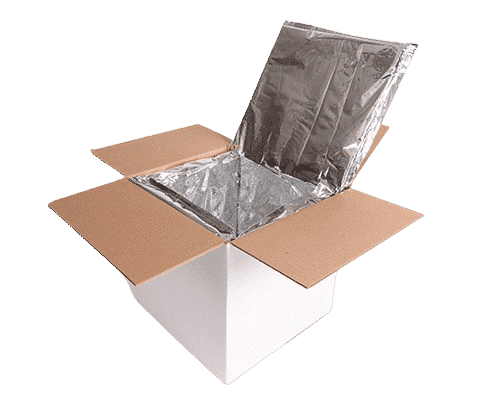
In the world of packaging, there’s a constant tug-of-war between two critical factors: extending the shelf life of products and controlling costs. This delicate balancing act requires businesses to make strategic decisions that align with their objectives and market dynamics. In this exploration, we’ll delve into the intricate tradeoff between shelf life and costs, examining the interconnectedness of these factors and how businesses can navigate this complex landscape. Packaging Priorities When considering packaging options, companies must weigh the significance of extending shelf life against the imperative of controlling costs. These two aspects are closely intertwined, and understanding their interplay is essential: Extending Shelf Life Extending the shelf life of products carries multifaceted advantages: Enhanced Product Quality: A prolonged shelf life ensures that products maintain their quality, flavor, and efficacy, translating into higher customer satisfaction. Waste Reduction: By reducing spoilage and the deterioration of goods, companies can curtail waste, aligning with both environmental and economic sustainability. Broader Market Reach: Products with extended shelf lives can access wider markets, including regions with extended distribution chains or markets where products may sit on shelves for prolonged periods. Fortified Brand Reputation: Offering products with extended shelf life can bolster a brand’s reputation for delivering reliability and quality. Cost Control Effective cost control is crucial for profitability and competitiveness: Competitive Pricing: Cost-efficient operations enable businesses to offer competitive prices, attracting price-conscious consumers. Profit Margin Enhancement: Improved cost control directly impacts profit margins, contributing to the financial health of the business. Investment in Innovation: Redirecting cost savings towards research and development allows companies to innovate and stay ahead in the market. Market Expansion: Lower production costs may facilitate market expansion and investments in marketing and promotional activities. The Interplay Between Shelf Life and Costs The connection between extending shelf life and controlling costs becomes evident when considering the following scenarios: Enhanced Packaging Materials: Investing in high-quality packaging materials can extend shelf life by protecting products from external factors. While this may increase upfront costs, it can reduce long-term expenses related to product spoilage. Optimized Packaging Designs: Streamlining packaging designs, materials, and sizes can cut production and transportation costs while still preserving product quality. This optimization can strike a balance between shelf life extension and cost control. Temperature-Controlled Packaging: Employing temperature-controlled packaging is costlier but essential for certain temperature-sensitive products. It extends shelf life by preventing spoilage, ultimately reducing overall costs associated with product wastage. Regular Quality Control: Implementing stringent quality control measures may increase initial costs. Still, it ensures that products meet quality standards, reducing expenses tied to product recalls or customer complaints. Navigating the Packaging Tradeoff Striking the right equilibrium between extending shelf life and controlling costs is a nuanced endeavor, necessitating a holistic approach: Market Insight: Thorough market research helps businesses understand consumer preferences, demand patterns, and price sensitivity, guiding decision-making. Product Assessment: Recognize that different products have varying requirements. Prioritize shelf life extension for perishable goods, while focusing on cost control for less time-sensitive products. Continuous Optimization: Regularly assess processes, materials, and packaging to identify opportunities for cost savings without compromising product quality or shelf life. Adaptability: Be prepared to adapt strategies as market conditions, consumer preferences, and technological advancements evolve. If you are interested in maximizing your packaging extended shelf-life while limiting costs, then partner with Brown Packaging today to get started. (714)300-0650 request@brownpackaging.com Most Recent Posts: Categories: Corrugated Ecommerce ESD Design Display Flexible Packaging Foam Folding Carton Packaging Plastic Packaging Pouch Printing Protection Retail Rigid Box Thermoform Sustainability Subscribe To Our Newsletter By submitting your information, you agree to our terms and conditions and privacy policy. Custom Packaging Facebook Twitter LinkedIn Pinterest Relevant Posts

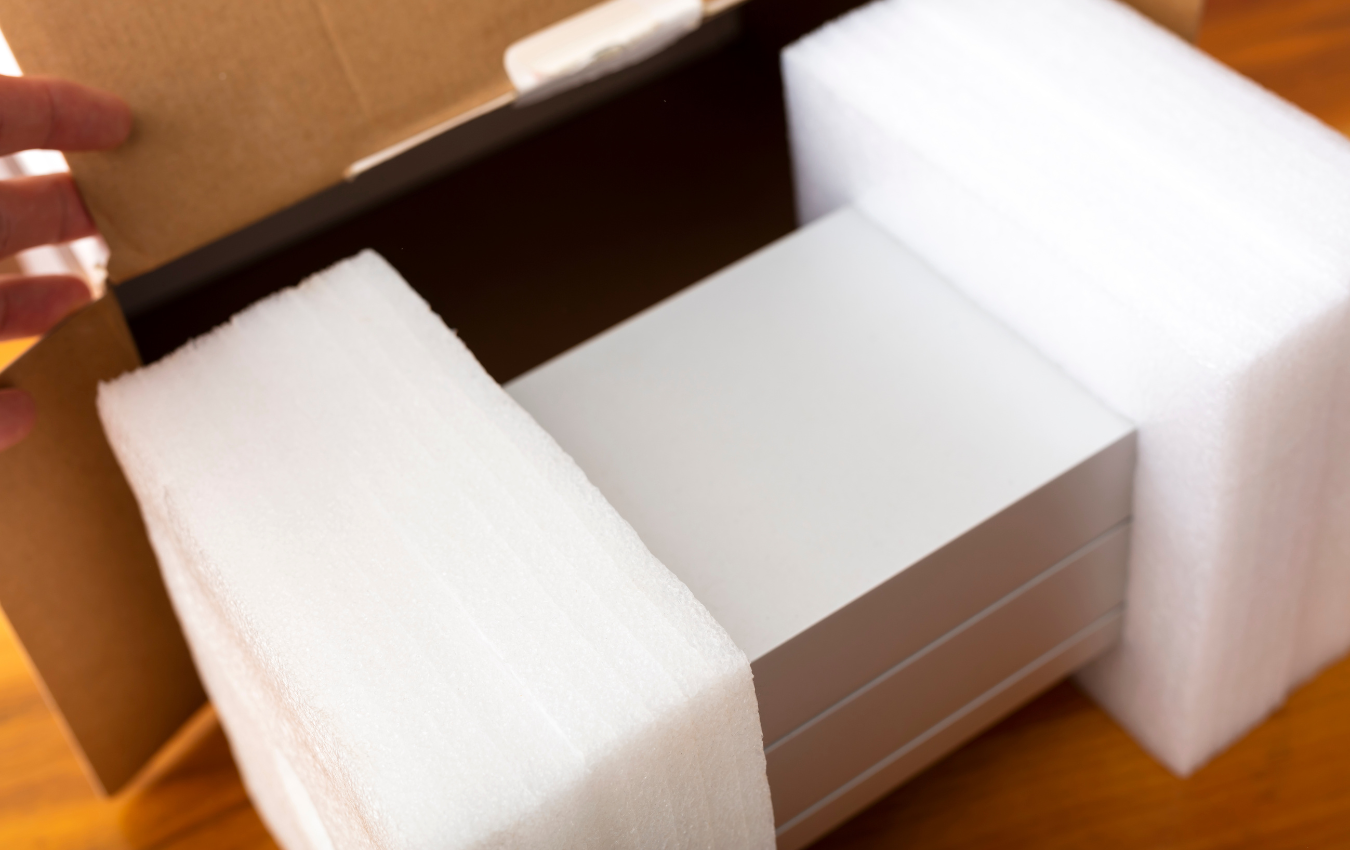
When it comes to packaging, especially for delicate and fragile items, foam materials play a crucial role in ensuring the safety and protection of the contents. One often-overlooked but vital aspect of foam materials is their compression properties. In this comprehensive guide, we will explore why the compression properties of foam matter in packaging, how they impact product protection, and what to consider when choosing the right foam for your packaging needs. Understanding Foam Compression Properties Before delving into the importance of foam compression properties, it’s essential to understand what these properties entail. Foam compression properties refer to how a foam material responds when subjected to external pressure or force. These properties are typically categorized into two key characteristics: Compression Deflection (Firmness): This measures the force required to compress a foam material by a certain percentage of its original thickness. It indicates how firm or soft the foam feels and how much it resists deformation under load. Compression Set: Compression set refers to the ability of a foam material to recover its original shape after being compressed. It quantifies the foam’s ability to bounce back to its initial form once the compressive force is removed. Now, let’s delve into why these compression properties are of paramount importance in foam packaging: Protection Against Impact and Shock One of the primary functions of foam in packaging is to cushion and protect items from impact and shock during transportation and handling. The compression deflection of foam determines how effectively it absorbs and disperses the energy generated during these impacts. A foam with the right compression deflection will minimize the risk of damage to the packaged goods, ensuring they arrive in pristine condition. Maintaining Product Integrity For delicate and sensitive products, maintaining their structural integrity is crucial. When a foam has a suitable compression set, it ensures that even after compression during packaging or transit, the foam will regain its original shape. This property is particularly essential for products with intricate shapes or those that must be held securely within the packaging. Load Distribution In some cases, packaged items may be subjected to prolonged periods of compression, either from stacking in storage or during transit. The compression properties of foam become instrumental in evenly distributing the load. Foam materials with well-chosen compression deflection and compression set characteristics will prevent uneven pressure points that could lead to deformation or damage to the packaged items. Customizability and Versatility Different products have varying packaging requirements, and foam materials can be tailored to meet these needs. By selecting foam with the right compression properties, packaging designers can ensure that the foam conforms to the specific shape and fragility of the item, providing tailored protection. Choosing the Right Foam Material Selecting the right foam material with suitable compression properties involves assessing your packaging needs and the fragility of your products. Factors to consider include: Product Weight: Heavier items may require foam with a higher compression deflection to withstand the load without bottoming out. Product Fragility: Delicate or sensitive products benefit from foam with both a suitable compression deflection and compression set to absorb and recover from shocks effectively. Packaging Design: The shape and design of your packaging play a role in determining the foam’s compression requirements. Custom-cut foam inserts can optimize protection. Environmental Conditions: Consider the environmental conditions the packaged items will face. Some foams are better suited for extreme temperatures or exposure to moisture. Cost Considerations: Balance your packaging needs with your budget. Different foam materials may vary in cost, so choose one that meets your requirements without overstretching your budget. If you are interested in foam packaging solutions, then partner with Brown Packaging today to get started. (714)300-0650 request@brownpackaging.com Most Recent Posts: Categories: Corrugated Ecommerce ESD Design Display Flexible Packaging Foam Folding Carton Packaging Plastic Packaging Pouch Printing Protection Retail Rigid Box Thermoform Sustainability Subscribe To Our Newsletter By submitting your information, you agree to our terms and conditions and privacy policy. Custom Foam Facebook Twitter LinkedIn Pinterest Relevant Posts

For those well-versed in the basics of packaging, a deeper dive into the technicalities of custom folding cartons can reveal a world of intricate details and complex considerations. This blog post is tailored for an audience with a foundational understanding of folding cartons, aiming to provide advanced insights and a more nuanced perspective on the intricacies of these packaging solutions. Material Specifications and Selection Paperboard Grades and Characteristics: Understand the different types of paperboard used in folding cartons, such as SBS (Solid Bleached Sulfate), CUK (Coated Unbleached Kraft), clay coated news back (CCNB and more. Each type has specific properties like weight, thickness, stiffness, and ink absorbency that impact the carton’s structural and visual qualities. Weight and Caliper Considerations: The weight (GSM) and caliper (thickness) of the paperboard are critical in determining the carton’s strength and how it performs in various stages of its lifecycle, from manufacturing to end-user handling. Structural Design and Engineering Complex Die-Cuts and Creases: Explore advanced die-cut patterns and crease lines that contribute to innovative shapes and functionality. Understanding the limitations and capabilities of die-cutting machinery is crucial in pushing the boundaries of folding carton design. Load Bearing and Stackability: For products that require stacking during transport or display, the structural integrity of the carton becomes paramount. Advanced design software can simulate load-bearing scenarios and optimize the carton structure accordingly. Printing Techniques and Finishing Processes Advanced Printing Technologies: Delve into high-definition printing techniques such as offset lithography, flexography, and digital printing, each offering unique benefits in terms of print quality, run size, and cost-effectiveness. Finishing Touches: Explore sophisticated finishing options like UV coating, aqueous coating, spot varnishing, foil stamping, and embossing. Each finishing technique can enhance the tactile and visual appeal of the carton but requires careful consideration regarding cost and production time. Innovative Closure Mechanisms Functional Closures: Investigate innovative closure designs beyond the standard tuck-flap. Magnetic closures, snap-lock bottoms, auto-bottom or friction-fit closures can add functionality and enhance user experience but may introduce additional manufacturing complexities. Tamper-Evident Features: In sectors like pharmaceuticals and food, tamper-evident features are crucial. Examine how folding cartons can incorporate these elements without compromising design integrity. Sustainability and Environmental Considerations Eco-Friendly Materials: Deepen your understanding of sustainable paperboard options, including those made from post-consumer recycled content, and how they impact the recycling stream and overall environmental footprint. Lifecycle Assessment: Consider the full lifecycle of the carton, from raw material extraction to disposal or recycling. Advanced assessment tools can help quantify the environmental impact and guide material and process choices. Compliance and Regulatory Standards Industry-Specific Requirements: For industries like pharmaceuticals, food, and cosmetics, compliance with regulatory standards (FDA, EU regulations) is critical. Understanding these regulations can guide the selection of suitable inks, coatings, and adhesives. Technological Integration Smart Packaging Technologies: Explore the integration of technologies like QR codes, NFC tags, and augmented reality. These can turn a folding carton into an interactive platform but require alignment with the overall packaging design and brand strategy. If your interested in custom folding cartons, then partner with Brown Packaging today to get started. (714)300-0650 request@brownpackaging.com Most Recent Posts: Categories: Corrugated Ecommerce ESD Design Display Flexible Packaging Foam Folding Carton Packaging Plastic Packaging Pouch Printing Protection Retail Rigid Box Thermoform Sustainability Subscribe To Our Newsletter By submitting your information, you agree to our terms and conditions and privacy policy. Custom Packaging Facebook Twitter LinkedIn Pinterest Relevant Posts

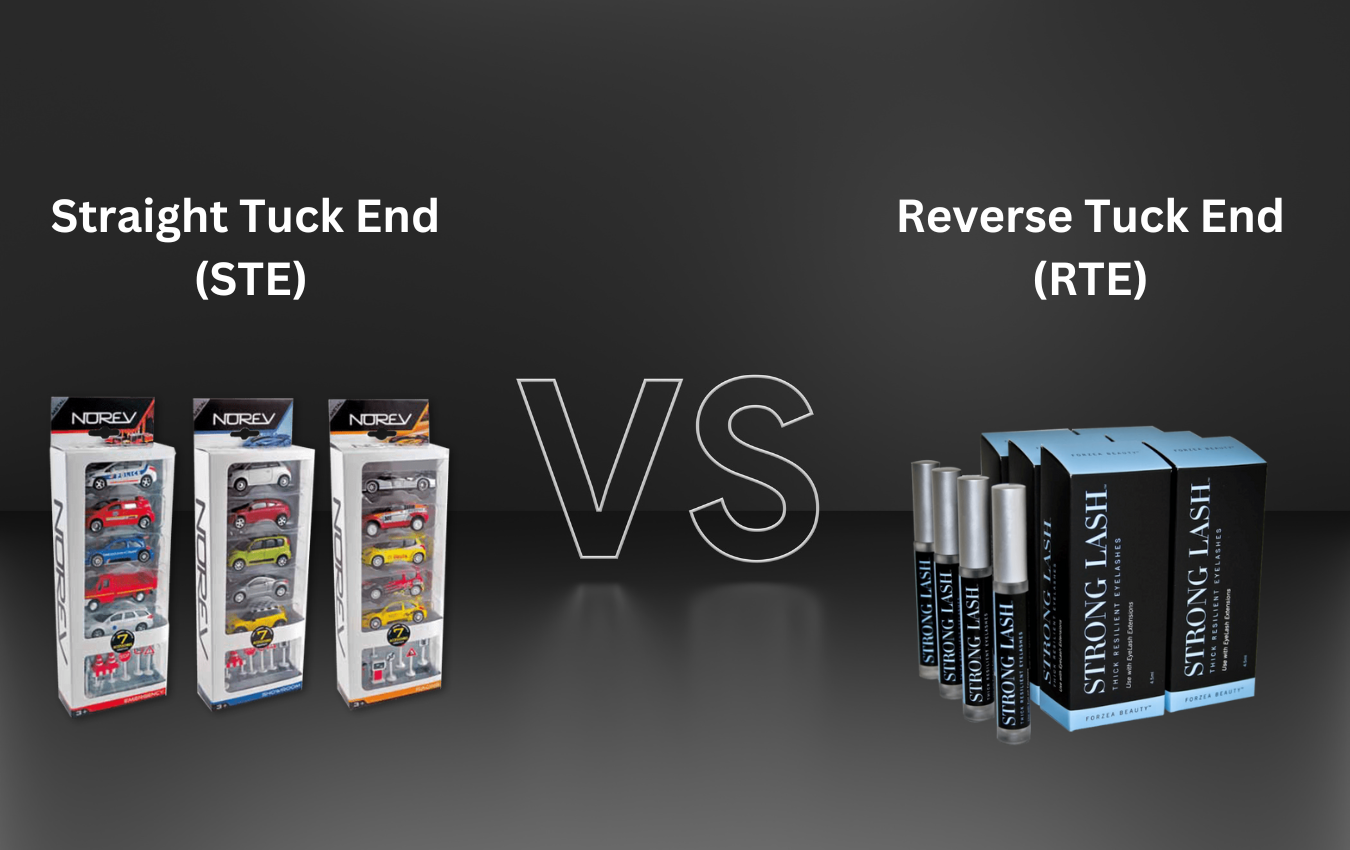
In the packaging industry, the design of a carton can significantly impact both the presentation and functionality of a product. Among the various styles available, auto bottom and tuck end folding cartons are popular choices, each with its distinct advantages. This blog post explores when to use an auto bottom carton versus a tuck end (straight or reverse) folding carton, helping you make an informed decision based on your product’s specific needs. Understanding Auto Bottom Folding Cartons Auto bottom cartons are designed for ease of assembly and durability. They feature a pre-glued bottom that automatically snaps into place when the carton is opened. Ease of Assembly: Ideal for efficiency in packing processes, as they can be quickly and easily assembled. Durability and Strength: The auto bottom design provides a strong and stable base, making these cartons suitable for heavier items. Applications: Commonly used for products like cereals, frozen foods, and electronics that require sturdy packaging. Exploring Tuck End Folding Cartons Tuck end cartons come in two main types: straight tuck end and reverse tuck end. Both involve tucking flaps at one or both ends of the carton, but they differ in the direction in which the flaps close. Straight Tuck End: Flaps tuck in the same direction, providing a clean, uniform look. Ideal for products where presentation is key, such as cosmetics or pharmaceuticals. The continuous surface is excellent for showcasing branding and product information. Reverse Tuck End: Flaps tuck in opposite directions, offering a secure closure. More stable when standing up than straight tuck end. Commonly used for lighter items, including consumer goods and food products. When to Use Auto Bottom Cartons Auto bottom cartons are particularly useful in the following scenarios: For Heavier Products: Their structural integrity makes them ideal for heavier items that require additional support at the base. High-Speed Assembly Requirements: If your packing process demands speed and efficiency, auto bottom cartons are a time-saver. Automated Packing Lines: They are well-suited for automated packaging systems, reducing manual labor and increasing productivity. When to Opt for Tuck End Cartons Tuck end cartons are preferred in situations where: Aesthetics Matter: If your product requires a high level of shelf appeal, straight tuck end cartons offer a sleek and clean presentation. Versatility in Packaging: Both straight and reverse tuck end cartons can accommodate a variety of products and are easily customizable in terms of size and design. Cost-Effectiveness: Particularly with reverse tuck end cartons, they can be more economical, making them suitable for products with tight budget constraints. Customization and Branding Both auto bottom and tuck end cartons offer excellent opportunities for customization and branding. Printing and Finishing Options: You can enhance the cartons with various printing techniques, finishes, and textures to make your product stand out. Sustainability Options: Consider eco-friendly materials and inks to appeal to environmentally conscious consumers. If you are interested in custom folding cartons such as auto bottom, straight tuck end, reverse tuck end, or any other style, then partner with Brown Packaging today to get started. (714)300-0650 request@brownpackaging.com Most Recent Posts: Categories: Corrugated Ecommerce ESD Design Display Flexible Packaging Foam Folding Carton Packaging Plastic Packaging Pouch Printing Protection Retail Rigid Box Thermoform Sustainability Subscribe To Our Newsletter By submitting your information, you agree to our terms and conditions and privacy policy. Custom Packaging Facebook Twitter LinkedIn Pinterest Relevant Posts

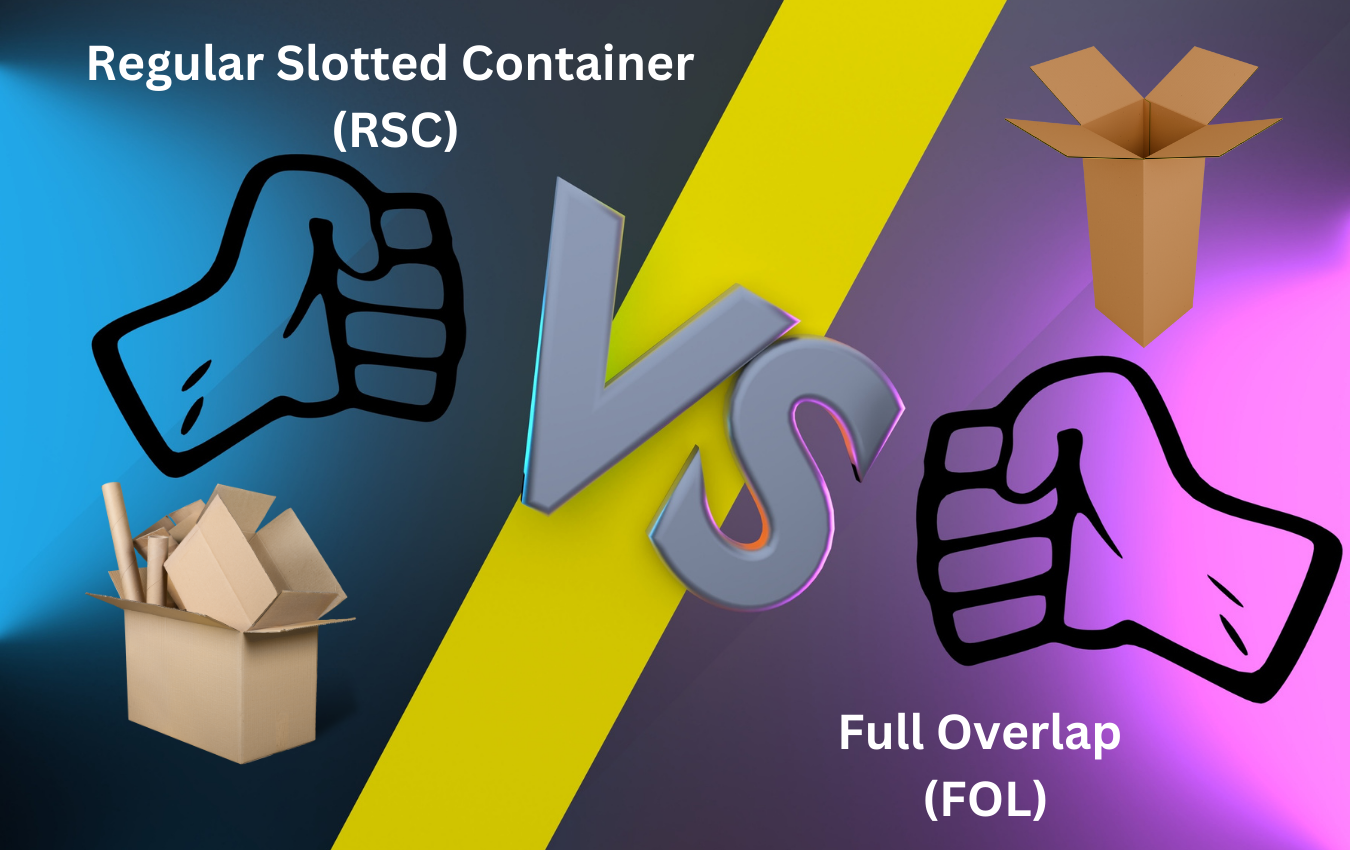
Corrugated boxes are more than mere containers; they’re the culmination of engineering, design, and environmental consideration. This advanced guide delves into the nuances of corrugated boxes, offering in-depth knowledge for those looking to master their use in packaging. The Complex Anatomy of Corrugated Boxes Understanding the structure of corrugated boxes is crucial for maximizing their utility. Flute Profiles Explained: Each flute type – A, B, C, E, and F – has specific characteristics. A-flute offers excellent cushioning, B-flute is great for die-cutting and printing, C-flute strikes a balance between cushioning and stacking strength, E-flute offers superior printability, and F-flute is ideal for retail packaging. Wall Construction Varieties: The choice between single, double, or triple wall construction impacts the box’s strength and durability. Each type serves different shipping and handling requirements. Diverse Types of Corrugated Boxes Selecting the right box type is critical for product protection and cost efficiency. Regular Slotted Containers (RSC): The industry standard, versatile for a wide range of products. Full Overlap Boxes (FOL): Their overlapping flaps provide added strength for heavy or delicate items. Die-Cut Boxes: Custom-made for unique product shapes, offering both functionality and aesthetic appeal. Mailer Boxes: Popular in e-commerce, they provide a secure and presentable packaging solution. Customization and Branding Techniques Corrugated boxes are a blank canvas for branding and customization. Advanced Printing Methods: Flexographic, lithographic, and digital printing offer varied benefits from cost efficiency to high-resolution graphics. Structural Customization: Designing inserts, partitions, and dividers for product-specific protection and presentation. Surface Treatments: Laminations, coatings, and varnishes not only protect the product but also enhance the tactile and visual appeal of the box. Measuring Strength and Durability The resilience of a corrugated box is key to its performance. Understanding ECT vs. Mullen Test: The Edge Crush Test (ECT) measures stacking strength, while the Mullen Test assesses bursting strength. The choice depends on the product’s shipping and storage needs. Quality Standards and Certifications: Familiarize with industry standards like the Box Maker’s Certificate (BMC), which guarantees certain strength parameters. Sustainability in Focus Corrugated boxes play a significant role in sustainable packaging. Environmental Impact of Materials: Emphasize the use of recycled content and the recyclability of the boxes. Lifecycle Assessment: Consider the environmental impact throughout the box’s lifecycle, from production to disposal. Sourcing Ethics: Ensure the raw materials are sourced following sustainable forestry practices. Leveraging Technological Innovations Stay abreast of technological advancements that enhance corrugated box utility. Smart Packaging Features: Integrate technologies like QR codes, RFID tags, and IoT devices for tracking, user engagement, and authenticity verification. Automated Production Techniques: Understand the latest in box manufacturing technology for improved precision and efficiency. Regulatory Compliance and Industry Standards Navigating the maze of regulations is vital for hassle-free distribution. Shipping and Handling Compliance: Ensure your boxes meet the carrier’s requirements for size, weight, and strength. Adhering to Industry-Specific Norms: Certain sectors like food, pharmaceuticals, and electronics have specific packaging standards that must be followed. If you are interested in custom or stock corrugated boxes, then partner with Brown Packaging today to get started. (714)300-0650 request@brownpackaging.com Most Recent Posts: Categories: Corrugated Ecommerce ESD Design Display Flexible Packaging Foam Folding Carton Packaging Plastic Packaging Pouch Printing Protection Retail Rigid Box Thermoform Sustainability Subscribe To Our Newsletter Custom Corrugated Boxes By submitting your information, you agree to our terms and conditions and privacy policy. Facebook Twitter LinkedIn Pinterest Relevant Posts

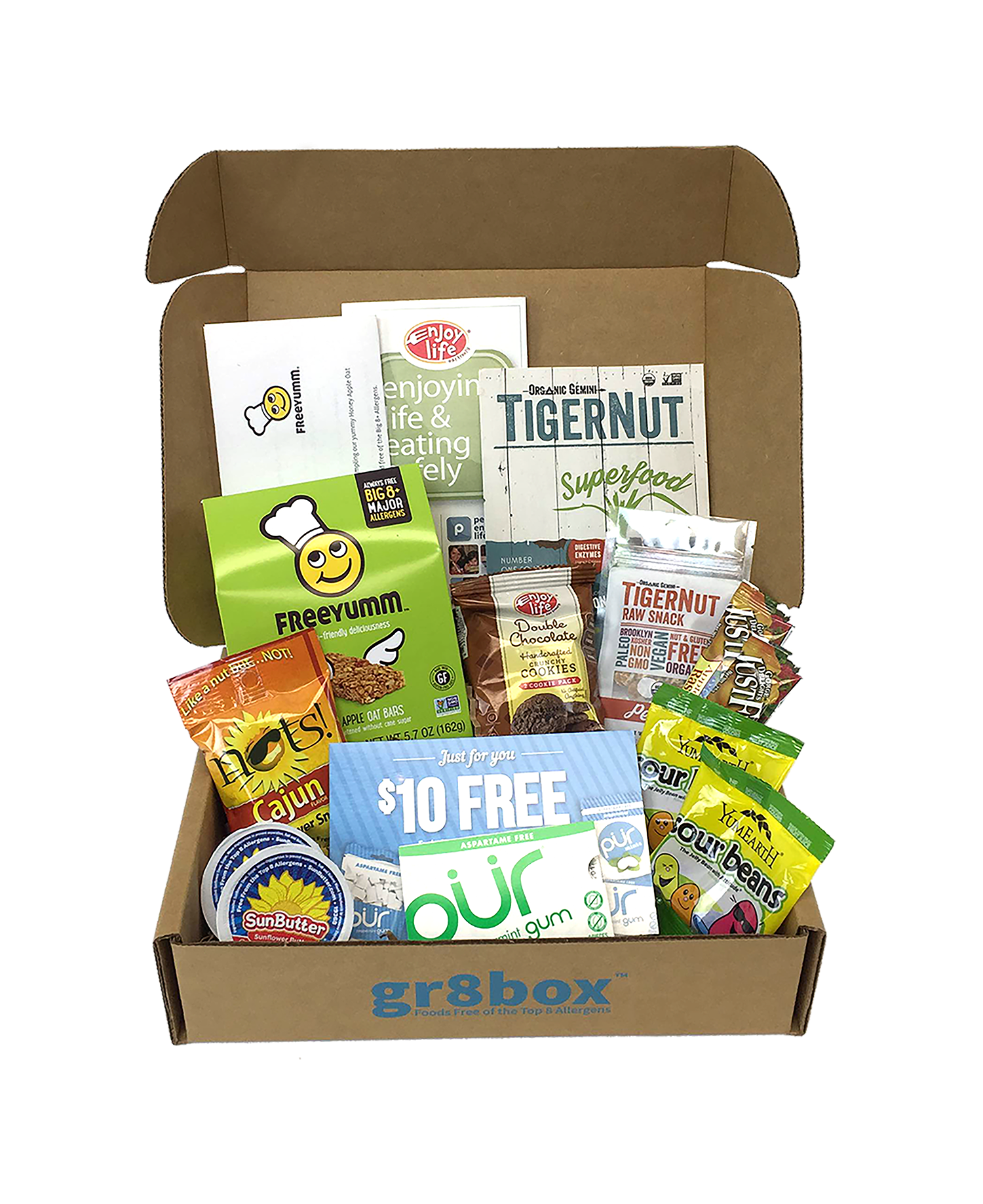
The world of packaging design is rich with innovative solutions that cater to various product needs. Among these, Roll End Tuck Tops (RETT), Cherry Locks, and Dust Flaps are noteworthy for their unique functionalities and benefits. This blog post aims to shed light on these specific packaging features, explaining how each of them works and the value they add to product packaging. Roll End Tuck Tops (RETT) RETT boxes are a popular choice in the packaging industry, known for their strength and user-friendly design. Design Features: RETT boxes are characterized by their roll-end sides and a top flap that tucks into the front of the box. This design provides enhanced strength and durability, making it ideal for heavier items. Ease of Assembly: A major advantage of RETT boxes is their ease of assembly, as they do not require additional adhesives or tapes. This feature not only simplifies the packing process but also offers a seamless unboxing experience. Applications: RETT boxes are versatile and can be used for a wide range of products, including retail items, subscription boxes, and e-commerce shipments. Their robust structure ensures product safety during transit, while their sleek appearance enhances the visual appeal. Cherry Locks Cherry Locks are designed for added security and strength, ensuring that the contents of a box remain secure. Locking Mechanism: The distinctive feature of Cherry Locks is the interlocking tabs that securely close the box without the need for glue or tape. This mechanism provides a firm lock, safeguarding the contents inside. Versatility in Use: Cherry Locks can be incorporated into various box styles, making them a suitable choice for diverse packaging needs. Their secure locking system is particularly beneficial for shipping and handling. User Experience: The secure closure of Cherry Locks, combined with the ease of opening, makes them an attractive choice for enhancing the customer experience. Dust Flaps Dust Flaps serve an important function in protecting the product from external elements. Purpose and Function: Positioned on the sides of the box’s top panels, Dust Flaps fold inward to prevent dust, dirt, and other contaminants from entering the package. Protection and Cleanliness: While they may seem like a minor addition, Dust Flaps are essential in ensuring product cleanliness, especially for items that are sensitive to dirt and dust. Wide Applicability: Dust Flaps are particularly valuable in industries where maintaining product integrity is critical, such as in food packaging, pharmaceuticals, and electronics. If you are interested in RETT boxes with dust flaps and/or cherry locks, then partner with Brown Packaging today to get started. (714)300-0650 request@brownpackaging.com Most Recent Posts: Categories: Corrugated Ecommerce ESD Design Display Flexible Packaging Foam Folding Carton Packaging Plastic Packaging Pouch Printing Protection Retail Rigid Box Thermoform Sustainability Subscribe To Our Newsletter By submitting your information, you agree to our terms and conditions and privacy policy. Roll End Tuck Top (RETT) Facebook Twitter LinkedIn Pinterest Relevant Posts

In today’s competitive market, understanding and optimizing the cost of your packaging is crucial for maintaining profitability and enhancing overall business performance. A thorough cost analysis of your packaging can reveal opportunities for cost savings and efficiency improvements. This blog post provides a detailed guide on how to conduct a cost analysis on your packaging. Understanding the Importance of Packaging Cost Analysis Before diving into the analysis, it’s essential to understand why it matters. Packaging costs can significantly impact your product’s price and your company’s bottom line. An effective cost analysis helps in identifying areas where expenses can be reduced without compromising quality or customer satisfaction. Step 1: Identify All Packaging Components Start by listing all elements that make up your packaging, including: Primary Packaging: The immediate packaging that holds your product. Secondary Packaging: Additional layers like boxes or wrappers for protection and branding. Tertiary Packaging: Bulk packaging used for transportation and storage. Labeling and Graphics: Costs associated with branding, labeling, and graphic design. Step 2: Calculate Material Costs Assess the cost of materials used for each packaging component. Consider: Unit Costs: Calculate the cost per unit of each material used. Bulk Discounts: Factor in discounts for bulk purchases, if applicable. Sustainable Materials: Compare costs of traditional materials with sustainable alternatives. Step 3: Include Design and Development Costs This includes: Design Fees: Costs paid to designers for packaging design. Prototyping Costs: Expenses for creating sample packaging for testing. Testing and Compliance: Costs associated with ensuring packaging meets industry standards. Step 4: Factor in Storage and Handling Costs These are often overlooked but crucial: Warehouse Storage: Costs for storing packaging materials. Handling Costs: Expenses related to the handling and management of packaging materials. Step 5: Consider Shipping and Distribution Costs Calculate the cost of getting your packaged product to the market: Transportation Costs: Freight and shipping expenses. Packaging Efficiency: Consider how packaging size and weight impact shipping costs. Step 6: Assess Environmental Impact Costs Evaluate costs related to the environmental impact of your packaging: Recycling and Disposal: Costs of disposing of or recycling packaging materials. Carbon Footprint: Potential costs or savings from environmental impacts. Step 7: Analyze and Optimize With all data gathered, analyze where costs can be reduced: Compare Suppliers: Look for cost-effective suppliers without compromising quality. Efficiency Improvements: Identify ways to streamline the packaging process to reduce costs. Bulk Purchasing: Consider larger orders to reduce unit costs. If you are interested in cost effective packaging solutions, then partner with Brown Packaging today to get started. (714)300-0650 request@brownpackaging.com Most Recent Posts: Categories: Corrugated Ecommerce ESD Design Display Flexible Packaging Foam Folding Carton Packaging Plastic Packaging Pouch Printing Protection Retail Rigid Box Thermoform Sustainability Subscribe To Our Newsletter By submitting your information, you agree to our terms and conditions and privacy policy. Custom Packaging Facebook Twitter LinkedIn Pinterest Relevant Posts

In the dynamic world of packaging, two materials often stand at the forefront: traditional corrugated cardboard and its modern counterpart, plastic corrugated. While both have their unique advantages and applications, understanding the nuances between them is crucial for businesses and consumers alike. This blog post delves deep into comparing these two popular packaging materials. Corrugated Cardboard: The Classic Choice History and Composition Corrugated cardboard has been a staple in packaging for over a century. Its structure, featuring a fluted corrugated sheet sandwiched between two flat linerboards, provides a blend of strength and cushioning. Eco-Friendly and Recyclable A significant advantage of corrugated cardboard is its environmental friendliness. Made from renewable resources (mainly recycled paper and pulp), it is biodegradable and widely recycled. Cost-Effectiveness For businesses looking to minimize packaging costs, corrugated cardboard is often the go-to choice. Its materials and production process are relatively inexpensive, making it an economical option for bulk packaging. Limitations However, corrugated cardboard isn’t without its drawbacks. It’s susceptible to moisture and isn’t the most durable option for long-term or heavy-duty packaging. Plastic Corrugated: The Modern Alternative Composition and Durability Plastic corrugated sheets, made from polypropylene or polyethylene, are known for their durability. Unlike cardboard, they are resistant to moisture, chemicals, and impacts, making them suitable for more rigorous applications. Reusability and Longevity One of the most significant advantages of plastic corrugated is its reusability. These materials can withstand repeated use without significant degradation, offering long-term cost savings despite a higher initial cost. Versatility Plastic corrugated is available in various colors and can be easily customized, offering aesthetic and branding advantages. Its flexibility in design makes it ideal for specialized packaging needs. Environmental Considerations While plastic corrugated is recyclable, its environmental impact is a point of contention. The recycling process is more complex than that of cardboard, and if not properly recycled, it contributes to plastic pollution. Choosing the Right Material for Your Packaging Needs Assessing Product Requirements The choice between corrugated and plastic corrugated depends largely on the product being packaged. For lightweight, short-term, or cost-sensitive applications, corrugated cardboard is often sufficient. However, for heavier, long-term, or moisture-sensitive products, plastic corrugated may be the better option. Cost vs. Sustainability Budget constraints and environmental considerations play a significant role. Businesses committed to sustainability might prefer corrugated cardboard, while those requiring durability and long-term use might lean towards plastic corrugated. If you are interested in corrugated or plastic corrugated packaging, then partner with Brown Packaging today to get started. (714)300-0650 request@brownpackaging.com Most Recent Posts: Categories: Corrugated ESD Design Display Foam Folding Carton Packaging Plastic Packaging Printing Protection Retail Rigid Box Thermoform Sustainability Subscribe To Our Newsletter By submitting your information, you agree to our terms and conditions and privacy policy. Plastic Corrugated Facebook Twitter LinkedIn Pinterest Relevant Posts

The packaging world is vast, catering to various industry needs and requirements. Among the myriad options, Gaylord boxes stand out for their durability, versatility, and sustainability. Initially designed for shipping agricultural products, they’ve evolved to serve multiple sectors, ensuring products are shielded effectively. Let’s explore how these boxes can provide unparalleled protection for your goods. What is a Gaylord Box? A Gaylord box, often referred to as a bulk box or pallet box, is a large corrugated container predominantly used for bulk shipping and storage. They are known for their strength and capability to handle weighty items, coming in varied sizes and strengths based on the number of corrugated layers they contain. Key Features of Gaylord Boxes Enhancing Protection Multi-layered Design: The inherent strength of Gaylord boxes comes from their multi-layered corrugated structure. This design makes them robust and resistant to external pressures. Reinforced Corners: Another significant feature of these boxes is their reinforced corners. This ensures they support the weight of their contents without giving way. Broad Flaps: The flaps on these boxes are wide and may overlap, providing a cushioning effect that adds another protective barrier against external impacts. Sustainable and Reusable Beyond their protective attributes, Gaylord boxes champion sustainability. Made primarily from recycled materials, they are eco-friendly. Their sturdy design means they can be reused several times, leading to reduced environmental waste. Versatility in Use Gaylord boxes are versatile. They can hold a range of items, from agricultural produce to automotive parts. This adaptability ensures the contents receive maximum protection against external variables. Efficient for Storage and Transport Their standardized dimensions mean they can be stacked effectively in storage facilities, making the most of available space. This same uniformity makes them a favorite for transportation as they are easily loaded onto transportation vehicles, assuring a safe passage for goods. Enhanced Protection with Complementary Materials When combined with other protective packaging materials, such as bubble wrap or foam inserts, the defensive capabilities of Gaylord boxes increase exponentially, ensuring products remain unscathed. Conclusion Gaylord boxes are a testament to how packaging can be both effective and eco-friendly. Whether you’re an entrepreneur searching for bulk shipping solutions or someone needing robust storage options, Gaylord boxes are a top-tier choice. Their blend of durability, environmental responsibility, and adaptability positions them as a preferred option for those who prioritize the safekeeping of products. If you are interested in gaylord boxes, then partner with Brown Packaging today to get started. (714)300-0650 request@brownpackaging.com Most Recent Posts: Categories: Corrugated Ecommerce ESD Design Display Flexible Packaging Foam Folding Carton Packaging Plastic Packaging Pouch Printing Protection Retail Rigid Box Thermoform Sustainability Subscribe To Our Newsletter By submitting your information, you agree to our terms and conditions and privacy policy. Stock Gaylord Boxes Facebook Twitter LinkedIn Pinterest Relevant Posts

Storage is an essential aspect of our daily lives, be it for personal use or in the professional sector. The need for effective and efficient storage has led to the development of various storage solutions. In this blog, we will delve deep into a comparison between corrugated bin boxes and one of the most popular storage alternatives – plastic bins. Our primary focus will be on durability and lifespan. What are Corrugated Bin Boxes? Corrugated bin boxes are made from corrugated cardboard. They are commonly used in warehouses, offices, and retail settings for sorting and storing small items. The design is simple: a rectangular open-top box that can be easily labeled and stacked. The primary material – corrugated cardboard – comprises fluted or arched layers sandwiched between two linerboards, which provides strength and rigidity. What are Plastic Bins? Plastic bins are storage containers made of different types of plastic materials. They come in a myriad of sizes, colors, and designs, ranging from small organizational bins to large tote containers. Their use spans from households to industrial settings, with special designs like stackable or lidded options available based on needs. Durability: Plastic Bins vs. Corrugated Bin Boxes Plastic Bins Strength: Plastic bins are generally stronger and more resilient than corrugated bin boxes. They can handle rougher treatment, such as being tossed around or holding heavier items. Weather Resistance: Plastic bins offer better protection against moisture, humidity, and other environmental factors. They can be used in settings where corrugated bin boxes might deteriorate quickly, such as damp basements or outdoor storage. Wear and Tear: Plastic is resistant to tearing, denting, and breaking, making plastic bins more durable in environments with frequent handling or movement. Corrugated Bin Boxes Strength: While corrugated bin boxes provide reasonable strength due to their fluted structure, they are not as robust as plastic bins. They are best suited for lighter items and gentler handling. Weather Resistance: Corrugated boxes are susceptible to moisture and can degrade if exposed to water or high humidity for extended periods. Wear and Tear: Over time, corrugated boxes may start to wear out, especially at the edges or corners. They are also more prone to tearing if mishandled. Lifespan: Plastic Bins vs. Corrugated Bin Boxes Plastic Bins: The lifespan of plastic bins can range from several years to decades, depending on the quality of the plastic and the conditions in which they’re used. High-quality, heavy-duty plastic bins can last a very long time, especially if they’re not exposed to direct sunlight (which can degrade certain plastics) or extreme temperatures. Corrugated Bin Boxes: The lifespan of a corrugated bin box is generally shorter than that of a plastic bin. Under optimal conditions, they can last several years. However, frequent use, exposure to moisture, or heavy contents can significantly shorten their life. They are often considered a more temporary or recyclable solution compared to plastic bins. Conclusion Both plastic bins and corrugated bin boxes offer unique advantages. The choice between the two will largely depend on your specific needs. If you require a more durable, long-lasting, and weather-resistant solution, plastic bins are the way to go. On the other hand, if you are looking for a more eco-friendly, recyclable, or temporary storage solution, corrugated bin boxes might be the better choice. Regardless of the option you select, always consider the storage environment, the items you’re storing, and the frequency of use to make the most informed decision. If you are interested in corrugated bin boxes, then partner with Brown Packaging today to get started. (714)300-0650 request@brownpackaging.com Most Recent Posts: Categories: Corrugated Ecommerce ESD Design Display Flexible Packaging Foam Folding Carton Packaging Plastic Packaging Pouch Printing Protection Retail Rigid Box Thermoform Sustainability Subscribe To Our Newsletter By submitting your information, you agree to our terms and conditions and privacy policy. Bin Boxes Facebook Twitter LinkedIn Pinterest Relevant Posts

In the realm of packaging, the size and weight of a package are more than just physical dimensions; they are critical factors that influence a range of business operations, from logistics to customer satisfaction. This blog post delves into the multifaceted impacts of packaging size and weight, highlighting challenges and opportunities for businesses. Shipping and Transportation Costs The size and weight of packaging have a direct bearing on shipping costs. Carriers often charge based on dimensional weight, which considers both size and actual weight. Heavier and bulkier packages typically lead to higher shipping fees, affecting the overall cost-efficiency of product distribution. Storage and Warehousing Demands Packaging size and weight significantly affect warehousing strategies. Larger and heavier packages require more storage space and might necessitate specialized handling equipment, impacting warehouse design, operations, and cost. Environmental Considerations Sustainability is a key concern in packaging decisions. Larger and heavier packages consume more resources and contribute to higher carbon emissions during transportation. Sustainable packaging strategies often focus on minimizing size and weight to lessen environmental impact. Packaging Design and Material Selection Choices in packaging design and materials directly impact size and weight. Innovative design can reduce packaging size without compromising protection or aesthetic appeal. Lightweight yet durable materials can minimize package weight while ensuring product safety. Product Safety and Protection While the primary function of packaging is to protect the product, over-sizing or adding unnecessary weight can be counterproductive. Tailored packaging that fits the product’s dimensions and fragility can provide optimal protection without excessive size or weight. Customer Experience and Brand Perception The size and weight of packaging affect the unboxing experience and, by extension, brand perception. Bulky or heavy packaging can be cumbersome for customers, potentially leading to a negative unboxing experience. Conversely, compact and lightweight packaging can enhance customer convenience and satisfaction. Compliance with Shipping Regulations Packaging must adhere to various shipping regulations, especially for international trade. These regulations often include restrictions on package size and weight, making compliance a key consideration in packaging design. Cost Implications and Efficiency Efficiently designed packaging can lead to cost savings in several areas, including material usage, shipping, and storage. Balancing the size and weight of packaging with the need for product protection and customer appeal is crucial for operational efficiency. If you are interested in optimizing the size and weight of your packaging, then partner with Brown Packaging today to get started. (714)300-0650 request@brownpackaging.com Most Recent Posts: Categories: Corrugated Ecommerce ESD Design Display Flexible Packaging Foam Folding Carton Packaging Plastic Packaging Pouch Printing Protection Retail Rigid Box Thermoform Sustainability Subscribe To Our Newsletter By submitting your information, you agree to our terms and conditions and privacy policy. Custom Packaging Facebook Twitter LinkedIn Pinterest Relevant Posts

In the enchanting world of newborn toys, the packaging is more than just a protective layer; it’s a vital component of the product experience. From safety considerations to psychological impacts, toy packaging for newborns requires a delicate balance of practicality and appeal. In this blog, we’ll explore the multifaceted aspects of toy packaging for the youngest of consumers. Understanding the Target Audience: Newborns and Parents Before delving into the specifics of packaging, it’s crucial to understand the dual audience: the newborns and their parents. While the babies are the end-users, parents are the decision-makers. Thus, the packaging must be designed to appeal to adult aesthetics and sensibilities while being safe and suitable for infants. Safety First: Non-Toxic Materials and Design Material Safety: The foremost consideration is safety. Packaging materials must be non-toxic and free from harmful chemicals. Since newborns tend to explore with their mouths, ensuring that inks, dyes, and plastics are safe for potential mouthing is essential. Choking Hazards: Small parts are a strict no-no. All elements of the packaging should be large enough to not pose a choking hazard. Durability and Protection: While the packaging should be sturdy to protect the toy, it also shouldn’t be too hard or have sharp edges that could harm the baby. Sensory Appeal: Engaging the Newborn’s Senses Visual Stimulation: Bright, high-contrast colors and patterns are known to be more engaging for newborns, aiding in visual development. Textural Elements: Incorporating various textures can stimulate tactile exploration, an important aspect of newborn development. Educational Aspect: Early Learning Opportunities Packaging that incorporates basic shapes, numbers, or letters can subtly introduce educational elements. This not only adds value but also appeals to parents who are keen on early learning. Environmental Responsibility: Eco-Friendly Options With increasing awareness of environmental issues, eco-friendly packaging is highly appealing. Biodegradable, recyclable, or reusable packaging resonates with environmentally conscious parents. Practicality for Parents: Ease of Opening and Storage Ease of Opening: Parents appreciate packaging that is easy to open, especially when juggling the demands of a newborn. Storage and Reusability: Packaging that doubles as storage for the toy, or can be repurposed, adds practical value. Marketing and Branding: Communicating Values and Trust Clear Information: Parents look for clear information on age appropriateness, safety standards, and educational benefits. Aesthetic Appeal: Elegant, minimalistic designs can be very appealing to modern parents. The packaging should reflect the brand’s values and quality. Innovations in Packaging: Technology and Trends Smart Packaging: QR codes or augmented reality elements can provide additional information or interactive experiences. Sensory Experience Enhancements: Some brands are experimenting with gentle sounds or mild scents in packaging to enhance the sensory experience. If you are interested in toy packaging for newborn products, then partner with Brown Packaging today to get started. (714)300-0650 request@brownpackaging.com Most Recent Posts: Categories: Corrugated Ecommerce Design Display Flexible Packaging Foam Folding Carton Packaging Plastic Packaging Printing Retail Sustainability Subscribe To Our Newsletter By submitting your information, you agree to our terms and conditions and privacy policy. Custom Packaging Facebook Twitter LinkedIn Pinterest Relevant Posts

In the competitive landscape of retail, where countless products vie for consumer attention, ‘shelf impact’ is a term that resonates strongly with brands and marketers. Shelf impact refers to the visual appeal and distinctiveness of a product when placed on a store shelf, surrounded by competing products. This blog post delves into why shelf impact is essential in packaging design and how it can influence a brand’s success in the marketplace. Understanding Shelf Impact Shelf impact is about making a product stand out in a crowded retail environment. It’s the immediate visual appeal and recognition a product garners when a consumer scans store shelves. Good shelf impact can lead to increased brand awareness, consumer recall, and ultimately, sales. The Significance of Shelf Impact in Packaging First Impressions Count: Consumers often make purchasing decisions within seconds. Eye-catching packaging can grab attention and influence these split-second decisions. Packaging is often the first interaction a consumer has with a product, making it a critical touchpoint. Differentiation in a Saturated Market: In a market flooded with similar products, distinctive packaging can set a product apart. Unique design elements, colors, shapes, and textures can differentiate a product from its competitors. Brand Identity and Perception: Packaging that stands out on a shelf can enhance brand recognition and reinforce brand identity. High-quality, innovative packaging can elevate a product’s perceived value and position it as a premium offering. Encouraging Impulse Purchases: Visually striking packaging can trigger impulse buys, especially for products that consumers do not pre-plan to purchase. Strategies to Maximize Shelf Impact Vibrant and Unique Color Schemes: Utilize colors that pop or are different from competitors to catch the consumer’s eye. Consider color psychology and how different colors evoke different emotions and perceptions. Innovative Packaging Design: Experiment with unusual shapes or structural designs that stand out visually. Incorporate unique features like windows to showcase the product or interactive elements. Clear and Compelling Branding: Ensure that branding is prominent and easily recognizable. Use typography and logo placement strategically to create visual interest and brand recognition. High-Quality Graphics and Imagery: Employ high-resolution graphics and attractive imagery that resonates with the target audience. Packaging should tell a story or convey a message that aligns with the brand’s values. Material and Finishing Choices: Select materials that contribute to the overall appeal and feel of the packaging. Finishes such as matte, gloss, embossing, or foil accents can add a touch of luxury and refinement. Understanding Consumer Behavior and Trends Stay informed about current trends in design and consumer behavior. Conduct market research to understand what visual elements appeal to your target demographic. Sustainability and Shelf Impact Incorporating sustainable packaging solutions can positively impact consumer perception, as eco-friendliness is increasingly valued. Use sustainable materials in a way that enhances visual appeal, like natural textures or eco-labels. Testing and Feedback Use focus groups and consumer testing to gauge the shelf impact of different packaging designs. Regularly review and update packaging based on consumer feedback and market trends. If you are interested in shelf packaging, then partner with Brown Packaging today to get started. (714)300-0650 request@brownpackaging.com Most Recent Posts: Categories: Corrugated Ecommerce ESD Design Display Flexible Packaging Foam Folding Carton Packaging Plastic Packaging Pouch Printing Protection Retail Rigid Box Thermoform Sustainability Subscribe To Our Newsletter By submitting your information, you agree to our terms and conditions and privacy policy. Custom Packaging Facebook Twitter LinkedIn Pinterest Relevant Posts

When it comes to packaging, two critical elements come into play – structural design and graphic design. Both are essential in their ways, but depending on your audience, one may hold more significance than the other. This blog post delves into the nuances of structural and graphic design in packaging and examines which aspect resonates more with different types of audiences. Understanding Structural and Graphic Design in Packaging Structural Design refers to the physical shape and functionality of the packaging. It’s about how the package is constructed, how it protects the product, and how it functions from a user’s perspective. Graphic Design, on the other hand, involves the visual elements on the packaging’s exterior. This includes the use of colors, fonts, images, and other graphical elements that communicate the brand and attract the consumer. Structural Design: The Functional Communicator Structural design is crucial when the audience prioritizes functionality, usability, and convenience. This aspect is particularly important in: Products Requiring Safe Transit: For fragile or high-value items, the structural design ensures safety and integrity. Consumer Convenience: Products aimed at offering convenience, like easy-to-open or resealable packaging, appeal more through their structural design. Innovative Niche Markets: In markets where innovation is highly valued, unique structural designs can make a significant impact. Graphic Design: The Visual Storyteller Graphic design becomes a dominant factor when the audience is influenced by brand story, aesthetics, and emotional connection. It’s significant in: Lifestyle and Luxury Products: For products where brand perception and aesthetic appeal are crucial, graphic design takes center stage. Products Aimed at Younger Audiences: Younger demographics often respond strongly to visually appealing and trendy designs. Brand-Driven Products: When the brand story and identity are integral to the product, graphic design helps in forging that connection with the audience. Balancing Both for Maximum Impact In most cases, a balance of both structural and graphic design is necessary to fully engage your audience. This balance can be achieved by: Understanding Customer Preferences: Conduct market research to understand what your audience values more – functionality or aesthetics. Cohesive Design Strategy: Ensure that both structural and graphic designs complement each other and align with the overall brand strategy. Innovative Blending: Experiment with innovative ways to blend structural and graphic elements for a unique packaging experience. Considerations Based on Product Type and Audience FMCG Products: Fast-moving consumer goods often rely on graphic design for quick shelf impact but require structurally sound packaging for transportation and storage. Tech Products: For tech products, structural design often takes precedence for protection, but graphic design plays a key role in brand positioning. If you are interested in structural and/or graphic design for your packaging, then partner with Brown Packaging today to get started. (714)300-0650 request@brownpackaging.com Most Recent Posts: Categories: Corrugated Ecommerce ESD Design Display Flexible Packaging Foam Folding Carton Packaging Plastic Packaging Pouch Printing Protection Retail Rigid Box Thermoform Sustainability Subscribe To Our Newsletter By submitting your information, you agree to our terms and conditions and privacy policy. Custom Packaging Facebook Twitter LinkedIn Pinterest Relevant Posts

Corrugated boxes are a staple in the packaging world, known for their strength and versatility. However, maximizing their durability is key to ensuring products reach their destinations safely. This blog post explores effective strategies for enhancing the durability of corrugated boxes, ensuring they withstand the rigors of shipping and handling. Understanding Corrugated Boxes Before diving into durability enhancement, it’s crucial to understand what corrugated boxes are. Made from corrugated fiberboard, these boxes consist of a fluted corrugated sheet and one or two flat linerboards. The flutes between the liners offer strength and cushioning, making these boxes ideal for a wide range of products. Selecting the Right Material The choice of material is fundamental in determining a box’s durability. Flute Profiles: Corrugated boxes come in various flute sizes – A, B, C, E, and F. Each offers different levels of strength and compression resistance. For instance, A-flute provides the highest cushioning, while B-flute is more rigid and excellent for printing. Board Grade: The strength of the corrugated board, measured in terms of the bursting strength and edge crush test (ECT), is also vital. Higher ECT-rated boxes are more durable and withstand higher stacking pressures. Optimal Design and Construction The design and construction of the box significantly impact its durability. Box Style: Choose a box style suited to your product. For example, Regular Slotted Containers (RSCs) are a standard choice for many products, but for heavier items, a Full Overlap (FOL) style can offer extra strength. Wall Construction: Consider using double-wall or even triple-wall corrugated boxes for added durability, especially for heavier or more fragile items. Proper Sizing and Fit Ensuring that your product fits well within the corrugated box is essential. Avoid Oversizing: Too much space can cause the contents to shift and become damaged. Use appropriate void fillers if necessary. Custom Sizing: Custom-sized boxes reduce the need for additional packing materials and provide better protection. Sealing and Closure A strong seal is critical to maintaining the integrity of the box. Quality Adhesives: Use high-quality tape or glue. Reinforced water-activated tape is often a strong choice for sealing corrugated boxes. Proper Sealing Techniques: Apply tape evenly across the box’s center seam and down the sides to reinforce the box’s edges. Handling Instructions Clearly marked handling instructions can enhance the durability by ensuring proper handling. Label Appropriately: Use labels such as “Fragile,” “Handle With Care,” or “This Side Up” to encourage careful handling during transit. Visibility of Instructions: Place labels and instructions prominently to ensure they are easily seen by handlers. Climate Considerations Environmental conditions can affect the durability of corrugated boxes. Moisture Resistance: In humid conditions, consider using a moisture barrier such as a wax or plastic coating to protect the box. Temperature Fluctuations: Be aware that extreme temperatures can weaken the adhesive bonds in corrugated boxes. Regular Testing and Quality Checks Conduct regular testing to ensure the boxes meet your durability standards. Drop and Compression Tests: Regularly perform these tests to evaluate the box’s ability to withstand shocks and stacking pressures. Continuous Improvement: Use the test results to make ongoing improvements to your packaging strategy. If you are interested in maximizing the durability of your corrugated boxes, then partner with Brown Packaging today to get started. (714)300-0650 request@brownpackaging.com Most Recent Posts: Categories: Corrugated Ecommerce ESD Design Display Flexible Packaging Foam Folding Carton Packaging Plastic Packaging Pouch Printing Protection Retail Rigid Box Thermoform Sustainability Subscribe To Our Newsletter By submitting your information, you agree to our terms and conditions and privacy policy. Custom Corrugated Boxes Facebook Twitter LinkedIn Pinterest Relevant Posts