

Home » Packaging Guide to High Impact Polystyrene (HIPS)
Packaging Guide to High Impact Polystyrene (HIPS)
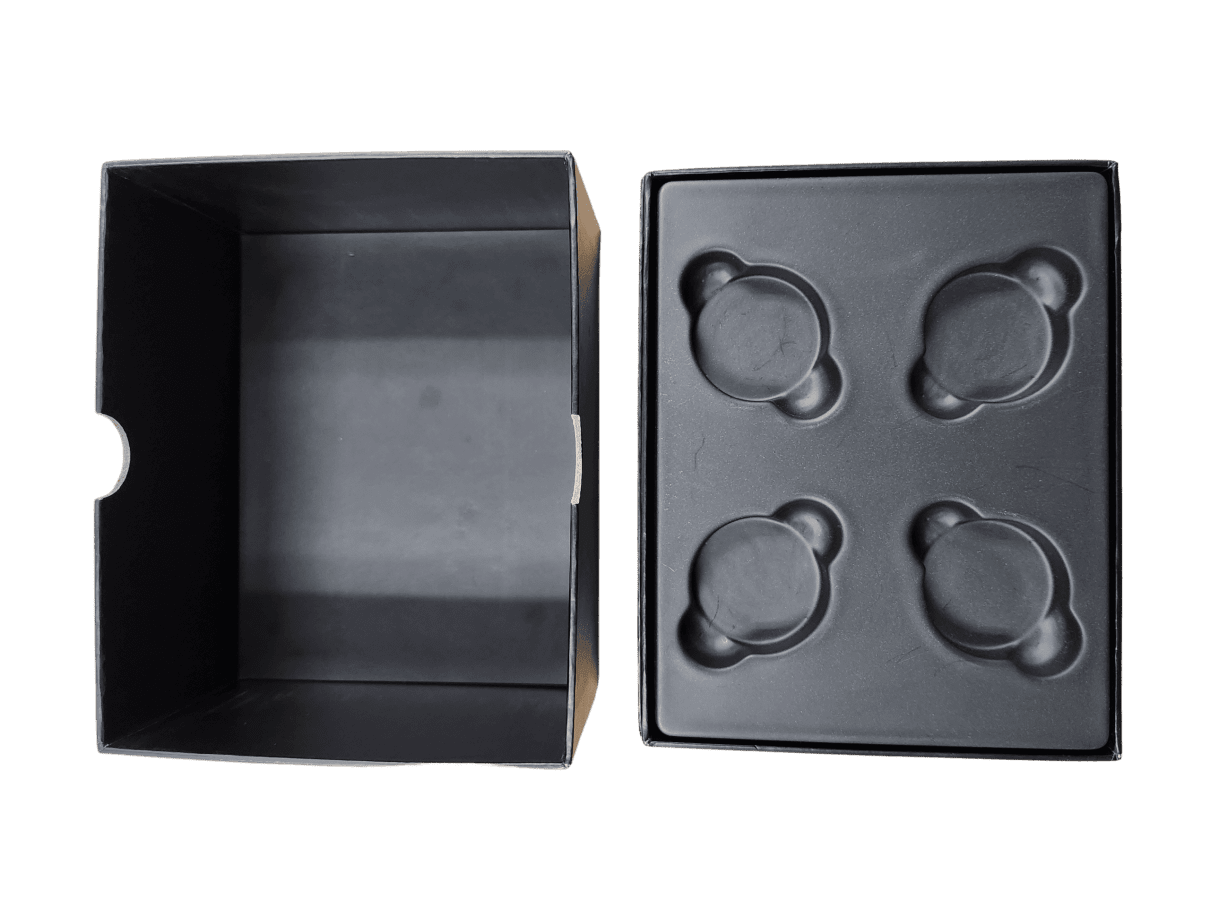
High Impact Polystyrene, commonly known as HIPS, is a versatile and widely used thermoplastic renowned for its unique blend of properties. This material is crucial in various industries, including consumer goods and packaging, due to its high-impact strength, rigidity, affordability, and ease of processing.
Essential Properties of HIPS
HIPS boasts several properties that make it an excellent choice for numerous applications:
- High Impact Strength: Provides durability and resistance to physical impacts.
- Rigidity: Maintains shape and structural integrity under stress.
- Chemical Resistance: Withstands exposure to many chemicals, oils, and greases.
- Biological Resistance: Resists degradation from biological factors like fungi and bacteria.
- Water Resistance: Impermeable qualities make it suitable for applications requiring moisture resistance.
- Fatigue Resistance: Capable of enduring repeated stress without losing its form, ideal for components like living hinges.
- Thermal Insulation: Offers significant insulation properties, beneficial in both industrial and consumer products.
- Electrical Insulation: Highly resistant to electricity, making it safe for use in electronic components.
- Affordability and Recyclability: Cost-effective and fully recyclable, supporting environmental sustainability.
Diverse Applications of HIPS
HIPS’s versatility allows its use across various sectors:
- Consumer Goods: Utilized in products requiring durability and impact resistance, such as toys, household appliances, and office supplies.
- Packaging Materials: Ideal for making clamshell containers, blister packs, and trays due to its moldability and cost-effectiveness.
- Automotive Industry: Used in components like interior trim parts, instrument panels, and exterior body parts due to its lightweight and sturdy nature.
- Construction Industry: Forms part of materials such as wall panels, ceiling tiles, and insulation boards, thanks to its insulation properties.
- Medical Industry: Common in the production of medical devices and packaging, valued for its chemical resistance and stability.
Manufacturing Process of HIPS
The production of HIPS involves several steps:
- Polymerization: Styrene monomers are polymerized using catalysts like benzoyl peroxide to form the HIPS polymer.
- Mixing: The polymer is blended with impact modifiers, stabilizers, and pigments to enhance its properties and appearance.
- Molding: HIPS can be shaped through extrusion or injection molding, allowing it to be formed into various products.
- Cooling and Finishing: Post-molding, HIPS is cooled and can undergo additional processing like trimming and polishing to achieve the desired quality.
Environmental Considerations
While HIPS is not biodegradable, it is recyclable. Recycling HIPS contributes to waste reduction and resource conservation, mitigating the environmental impact associated with plastic production.
Frequently Asked Questions About HIPS
- Is HIPS food safe? Yes, when certified, HIPS is safe for food contact applications.
- Difference between HIPS and ABS? ABS is generally more robust with better temperature resistance, but HIPS is more cost-effective.
- Can HIPS be painted or printed on? Yes, HIPS can be easily painted or printed on, provided the surface is properly prepared.
- Color options for HIPS? Available in a broad spectrum of colors, including custom shades to meet specific project requirements.
Conclusion
High Impact Polystyrene (HIPS) stands out as a valuable material in the realm of plastics due to its excellent properties and wide range of applications. From packaging and automotive parts to household items and medical devices, HIPS continues to be a preferred choice for manufacturers seeking a reliable, cost-effective, and versatile material. As the industry advances, the sustainability and recyclability of HIPS make it even more significant in our ongoing journey towards environmental consciousness.
For further details or inquiries about using HIPS for your packaging and manufacturing needs, please contact Brown Packaging. We are committed to delivering high-quality, sustainable packaging solutions tailored to your specifications.
Sustainable packaging in 2027 will be less about broad claims and more about proof, performance, compliance, and cost control. Buyers will still care about recyclable
Sustainable packaging in 2027 will be less about broad claims and more about proof, performance, compliance, and cost control. Buyers will still care about recyclable
A folding carton may look simple once it reaches the shelf, but it goes through a controlled production process before it becomes a finished package.
Folding carton production is becoming more automated because buyers are asking for faster timelines, tighter consistency, and more flexibility across more SKUs. Shorter product lifecycles,
Folding carton style matters because structure affects more than appearance. The right carton can improve shelf presentation, packing speed, product access, closure security, storage efficiency,
Pouch packaging trends in 2027 will be shaped by convenience, shelf impact, sustainability pressure, sealing performance, automation, ecommerce growth, and total packaging cost. Buyers will
By submitting your information, you agree to our terms and conditions and privacy policy.

Home » Packaging Guide to High Impact Polystyrene (HIPS)


Selecting the right stretch film is essential for ensuring the stability, safety, and integrity of your products during storage and transit. Stretch film plays a

In the current competitive retail landscape, the packaging of a product plays an increasingly significant role in customer decision-making. Brands are progressively realizing the power
In shipping large quantities of goods, ensuring the safety and stability of pallet loads is paramount. Edge protectors play a vital role in protecting palletized