

Home » Guide to Creating POP Displays: From Concept to Completion
Guide to Creating POP Displays: From Concept to Completion
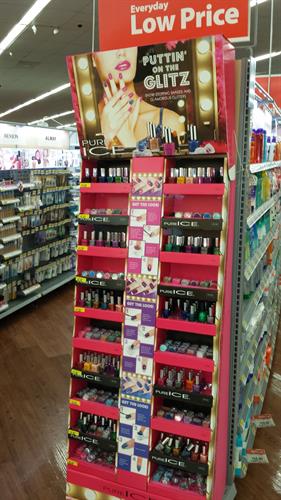
Creating an effective Point of Purchase (POP) display can be a game changer for any retail business, influencing buying decisions and enhancing product visibility. For packaging buyers, understanding the journey from concept to completion of a POP display is crucial.
This blog will walk you through each step of the process, ensuring that you have the knowledge and tools to create a successful display.
Step 1: Understanding the Objective
Define Your Goals: Before you begin designing a POP display, it’s important to define what you hope to achieve. Are you looking to increase brand awareness, promote a new product, or boost sales of an existing product? Your goals will shape every decision you make going forward.
Step 2: Research and Planning
Market Research: Conduct research to understand your target audience’s preferences and behaviors. Look at competitors’ displays to identify what works and what doesn’t.
Budget Planning: Determine your budget for the POP display. This will help guide your choices regarding materials, size, and design complexity.
Step 3: Design and Prototyping
Creative Design: Work with designers to develop the concept. This stage should embody creativity that aligns with your brand and meets the defined objectives. Use engaging graphics, eye-catching colors, and effective messaging that resonates with your target audience.
Prototyping: Build a prototype of your POP display. This is a critical step to visualize how the display will look in a real environment and make necessary adjustments before mass production.
Step 4: Choosing Materials
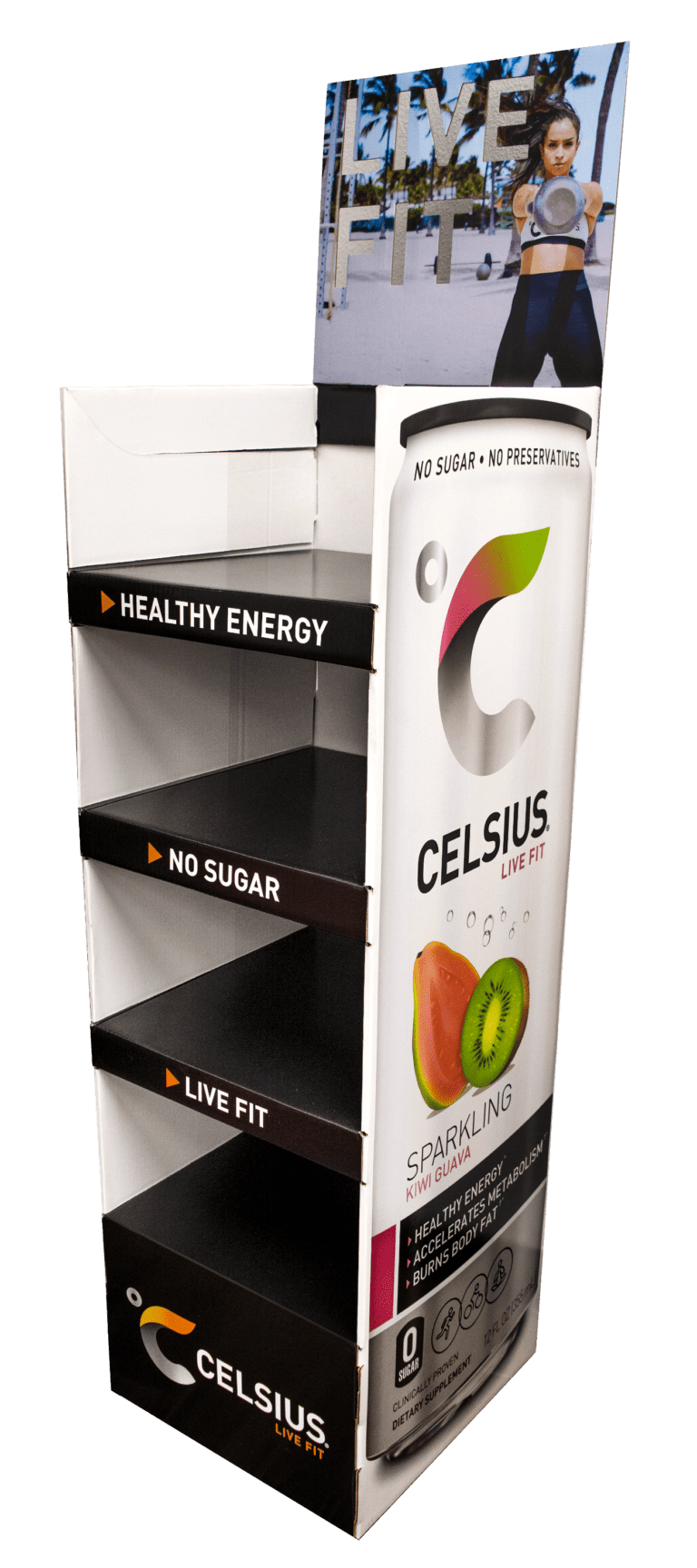
Material Selection: Choose materials that not only fit within your budget but also reflect the quality of your brand. Consider durability, especially if the display will be used in high-traffic areas. Options range from cardboard and plastics to metal and wood, depending on the display’s required longevity and aesthetic.
Step 5: Production
Manufacturing: Once the design and materials are finalized, the production phase begins. Ensure quality control standards are in place to avoid any issues that could detract from the display’s effectiveness.
Step 6: Logistics
Distribution: Plan the logistics of getting your POP displays to their locations. Consider factors like assembly, transportation, and installation. Ensuring that displays arrive on time and in perfect condition is critical.
Step 7: Installation
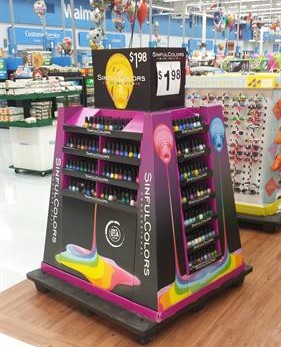
Setting Up: Install your POP displays at the chosen locations. Proper installation is crucial to ensure that the displays are secure and function as intended.
Step 8: Monitoring and Evaluation
Performance Tracking: Monitor the performance of the displays regarding customer engagement and sales impact. This can involve direct sales metrics, customer feedback, and observational studies.
Feedback and Adjustments: Use the data collected to understand what aspects of the display are working and what might need tweaking. Continuous improvement will help maximize the effectiveness of future displays.
Conclusion
The journey from concept to completion for a POP display involves careful planning, creativity, and strategic execution. By understanding each step of the process, packaging buyers can ensure that their POP displays effectively meet their goals, attract customers, and drive sales. Whether it’s a simple cardboard stand or a complex digital interactive display, the right approach to creating a POP display can make a significant difference in any retail environment.
If you are interested in POP displays, then partner with Brown Packaging today to get started.
Sustainable packaging in 2027 will be less about broad claims and more about proof, performance, compliance, and cost control. Buyers will still care about recyclable
Sustainable packaging in 2027 will be less about broad claims and more about proof, performance, compliance, and cost control. Buyers will still care about recyclable
A folding carton may look simple once it reaches the shelf, but it goes through a controlled production process before it becomes a finished package.
Folding carton production is becoming more automated because buyers are asking for faster timelines, tighter consistency, and more flexibility across more SKUs. Shorter product lifecycles,
Folding carton style matters because structure affects more than appearance. The right carton can improve shelf presentation, packing speed, product access, closure security, storage efficiency,
Pouch packaging trends in 2027 will be shaped by convenience, shelf impact, sustainability pressure, sealing performance, automation, ecommerce growth, and total packaging cost. Buyers will
By submitting your information, you agree to our terms and conditions and privacy policy.
Home » Guide to Creating POP Displays: From Concept to Completion

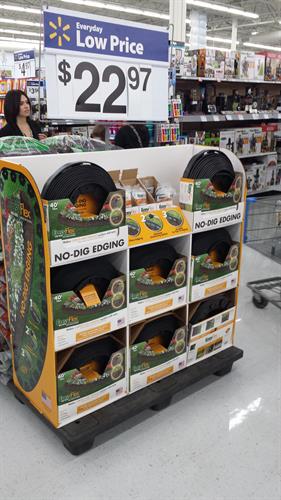

POP displays must balance eye-catching branding with structural integrity. Inadequate load-bearing design can result in product sagging, leaning, or complete collapse, which not only risks
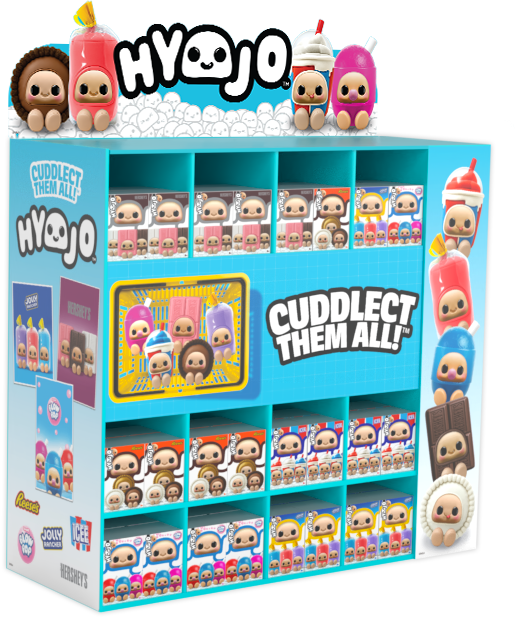
Cutouts sell the product. They improve: Visibility Brand presentation Shopper engagement But they also remove something critical:👉 Structure Every cutout or window reduces material—and with
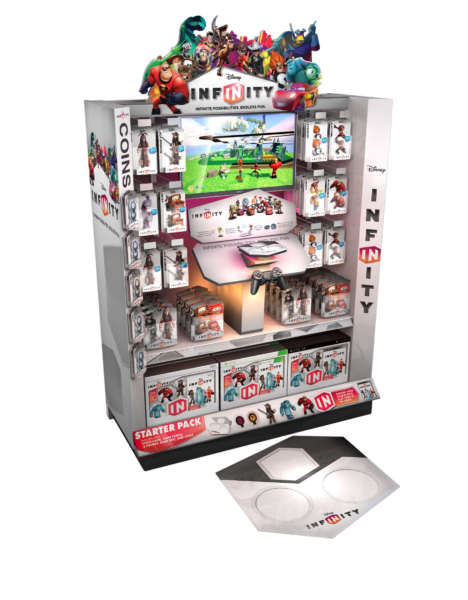
Cross-merchandising is one of the most effective ways to increase basket size in retail. By pairing complementary products in a single point-of-purchase (POP) display, brands