


Home » Customization for Different Segments: A Key Strategy in Packaging
Customization for Different Segments: A Key Strategy in Packaging
In a diverse consumer market, the effectiveness of your packaging strategy can hinge on how well it resonates with specific customer segments. Customization for different segments in packaging allows brands to tailor their approach to meet the unique preferences and needs of various consumer groups. This blog post continues to explore the strategies and benefits of segment-specific packaging customization.
Demographic-Based Customization
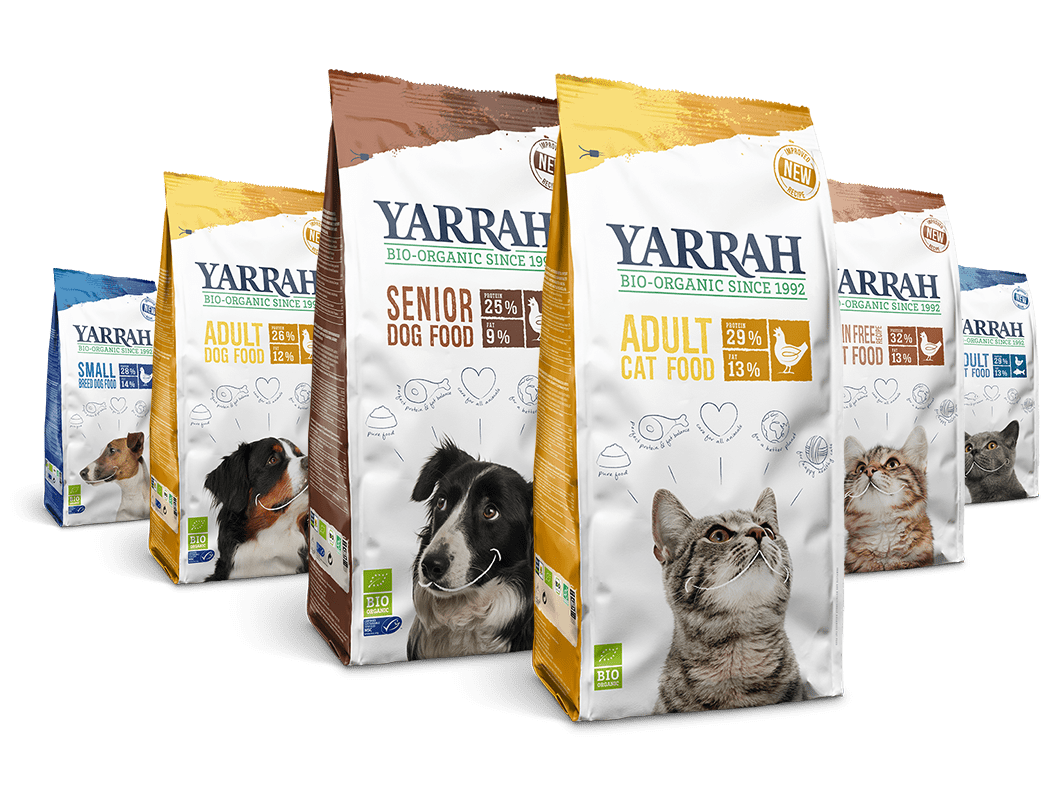
- Age Groups: Packaging for different age groups requires distinct design elements. Bright, bold designs may attract a younger audience, while older consumers might prefer sleek, sophisticated packaging.
- Gender-Specific Design: While moving towards more gender-neutral designs is a growing trend, some products might still benefit from gender-specific packaging, using color schemes and imagery that traditionally appeal more to men or women.
Lifestyle and Interest Customization
- Hobby or Interest-Based Packaging: Products aimed at specific hobbies or interests can benefit from customized packaging that reflects these activities. For instance, sports equipment packaging can feature athletic imagery and dynamic designs.
- Cultural and Geographic Tailoring: Customizing packaging to reflect local cultures, languages, and symbols can significantly increase its appeal in different geographic markets.
Customization Based on Consumer Behavior
- Eco-Conscious Packaging: For environmentally conscious consumers, using sustainable materials and minimalist designs can make the product more appealing.
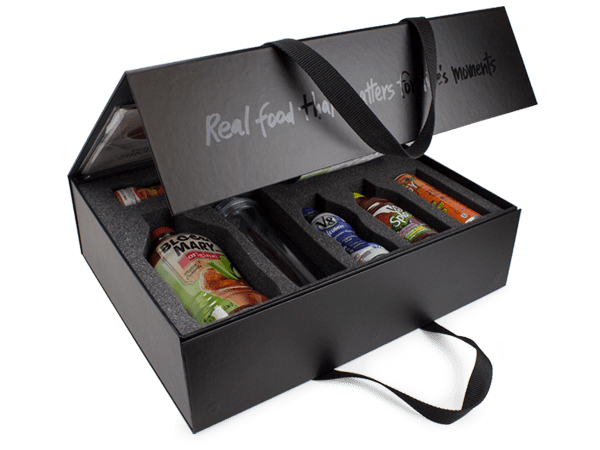
- Luxury and Premium Packaging: High-end products can benefit from packaging that exudes luxury through high-quality materials, elegant designs, and exclusive finishes.
Personalization: The Ultimate Customization
- Individualized Packaging: Advances in printing technology have made it possible to create personalized packaging, such as including a customer’s name or a personalized message, which can greatly enhance the customer experience and loyalty.
Technological Integration for Targeted Segments
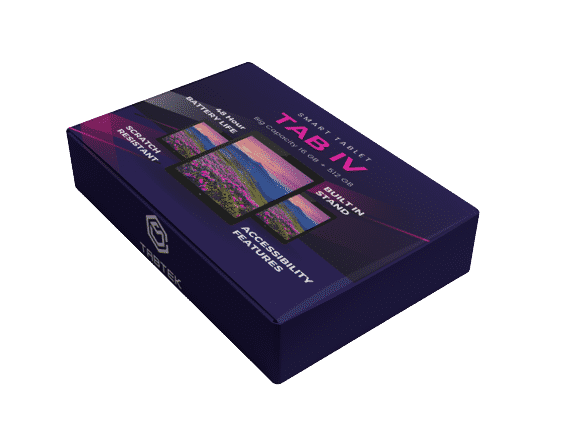
- Smart Packaging Elements: Incorporating technology like QR codes or augmented reality can appeal to tech-savvy segments, offering them an interactive and informative packaging experience.
Testing and Consumer Feedback
- Market Testing: Before fully committing to a new packaging design for a specific segment, conduct market tests to gauge consumer response.
- Feedback Loops: Regularly collecting and analyzing consumer feedback can provide insights into how well your packaging resonates with different segments and what improvements can be made.
Challenges in Segment-Specific Customization
- Balancing Cost and Benefit: While customization can significantly increase appeal, it can also raise production costs. It’s crucial to balance the level of customization with the potential return on investment.
- Avoiding Stereotypes: It’s important to base customization on genuine consumer insights and avoid reinforcing stereotypes that might be offensive or outdated.
A lower unit price doesn’t mean lower cost. In POP display programs, the biggest losses rarely show up on the quote—they show up in damage
A visually impressive POP display doesn’t guarantee performance. In fact, many of the best-looking displays underperform because they’re designed for approval—not for real retail conditions.
Digital printing is often positioned as a short-run solution for emerging brands. But advances in press technology, workflow automation, and material compatibility have expanded its
Most POP displays are designed for day-one appearance—not for what happens after the first few units sell. That’s a problem. Because in retail, performance is
Most POP display decisions eventually come down to a tradeoff:make it look better or make it perform better. The mistake is thinking you have to
Many packaging purchasing decisions are made by comparing price per box. While this metric is easy to evaluate, it often fails to capture the real
Home » Customization for Different Segments: A Key Strategy in Packaging

POP display design must serve two masters — maximizing visual impact in-store while minimizing logistics costs. Engineering the right balance between display footprint, assembly complexity,

As a small business owner, bringing your product to retail is a significant milestone, and the packaging plays a crucial role in making a lasting

After the holiday rush, many packaging buyers face inflated costs from excess materials, rushed procurement, and seasonal surcharges. Q1 is the ideal time to reset,