Home » The Shift to U.S. Corrugated Packaging Suppliers
The Shift to U.S. Corrugated Packaging Suppliers
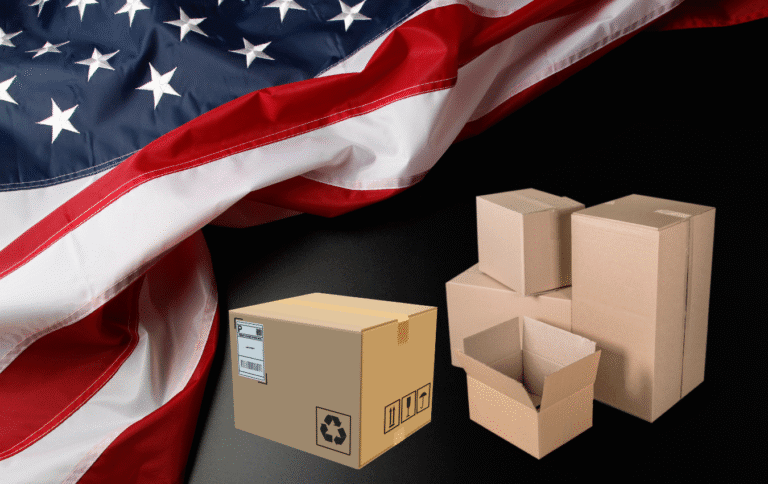
With rising tariffs, unpredictable freight costs, and ongoing supply chain delays, more companies are pulling away from overseas packaging and turning to U.S.-based corrugated box suppliers. While international sourcing once offered significant cost savings, the current landscape has shifted. Now, domestic packaging solutions offer more control, faster turnaround, and better long-term value.
Here’s why this shift is happening—and what buyers need to consider.
Tariffs Are Raising Costs
The return of tariffs on oversea goods has significantly increased the true cost of sourcing corrugated boxes overseas. What used to be a budget-friendly option is now burdened by duties, customs fees, and higher overall import costs—often eliminating any price advantage.
Global Shipping Is Still Unstable
Ocean freight remains volatile, with container costs, port delays, and extended lead times continuing to disrupt planning. Brands relying on overseas box production often face 8–12 week lead times—while U.S. suppliers can typically deliver in 2–4 weeks or less.
Faster Turnarounds for Retail and E-Commerce
In today’s fast-moving market, speed matters. Whether you’re launching new products, fulfilling flash sales, or restocking inventory, long overseas timelines are a major risk. Domestic suppliers offer more responsive service, making it easier to adjust forecasts and scale with demand.
Better Communication and Quality Control
Working with local vendors means easier collaboration, fewer miscommunications, and the ability to address issues quickly. You’re in the same time zone, speaking the same language, and often dealing with someone who knows your business directly.
Retailers Prefer “Made in USA” Packaging
Many retailers are encouraging (or outright requiring) U.S.-sourced packaging to support local economies and simplify logistics. Having a U.S.-made corrugated box can be a selling point, especially in food, cosmetics, or wellness categories where transparency matters.
Sustainability and Local Sourcing Go Hand in Hand
Brands committed to sustainability are realizing that local packaging = lower carbon footprint. Domestic sourcing means less transportation, less fuel usage, and often better access to recyclable or responsibly sourced materials.
Final Thoughts
What once made sense from a cost standpoint may no longer hold up under today’s market pressure. Tariffs, delays, and uncertainty have led many brands to move their printed corrugated box sourcing back to the U.S.—gaining speed, control, and stability in return.
Looking to bring your packaging supply chain closer to home?
We can help you transition smoothly and build a custom corrugated box solution that works for your business.
A folding carton may look simple once it reaches the shelf, but it goes through a controlled production process before it becomes a finished package. Every step — from paperboard
Folding carton production is becoming more automated because buyers are asking for faster timelines, tighter consistency, and more flexibility across more SKUs. Shorter product lifecycles, retail launch windows, labor pressure,
Folding carton style matters because structure affects more than appearance. The right carton can improve shelf presentation, packing speed, product access, closure security, storage efficiency, and overall cost. For retail
Pouch packaging trends in 2027 will be shaped by convenience, shelf impact, sustainability pressure, sealing performance, automation, ecommerce growth, and total packaging cost. Buyers will still want pouches that look
Home » The Shift to U.S. Corrugated Packaging Suppliers


