

Home » Top Printing Methods and Finishes for Rigid Boxes
Top Printing Methods and Finishes for Rigid Boxes
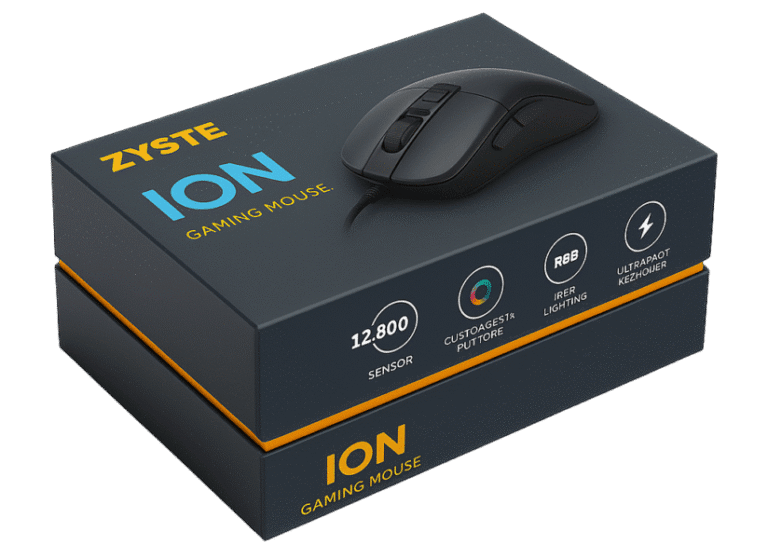
Rigid boxes are known for their premium feel, durability, and high-end presentation, making them the go-to choice for luxury goods, cosmetics, electronics, and gift packaging. But what really sets a rigid box apart isn’t just its structure—it’s the printing and finishing.
Whether you’re aiming for elegance, bold visuals, or a tactile unboxing experience, the right combination of print method and finishing technique is key to bringing your packaging to life.
Here’s a breakdown of the most popular options and what you should know about each.
Most Common Printing Methods for Rigid Boxes
Lithographic (Offset) Printing
This is the most popular method for rigid boxes, offering high-resolution, full-color prints with sharp detail and excellent consistency.
Best For:
- Retail and luxury branding
- Cosmetics, electronics, and fashion
- Complex, photo-quality graphics
Pros:
✔ Sharp, clean visuals
✔ Perfect for detailed or high-color designs
✔ Supports all major finishes (emboss, foil, etc.)

Digital Printing
A growing option for short runs and fast turnarounds, digital printing allows direct-to-substrate printing without the need for plates.
Best For:
- Personalized or versioned packaging
- Low to mid-quantity runs
- Limited editions or fast product launches
Pros:
✔ No plate/setup fees
✔ Great for multi-SKU designs
✔ Fast turnaround for samples and full runs

Screen Printing
Used selectively for rigid boxes, screen printing offers rich, opaque color—especially for specialty applications like matte white on dark backgrounds or bold, single-color graphics.
Best For:
- Minimalist designs
- Bold spot colors
- Specialty textures
Pros:
✔ Vibrant, high-opacity ink
✔ Good for metallics or spot finishes
✔ Works well with textured materials
Hot Stamping (Foil Stamping)
Hot stamping uses heat and pressure to apply metallic or pigmented foil onto the box, creating eye-catching, reflective accents.
Best For: Logos, monograms, premium accents
Pros:
✔ Adds visual and tactile impact
✔ Available in metallics, holographics, and pigment foils
✔ Often used with embossing for layered effects
Popular Finishes for Rigid Boxes
Printing sets the tone, but finishing brings the texture, shine, and impact. Here are the most common enhancements used to make rigid boxes stand out:
Matte and Gloss Lamination
These are protective film coatings added after printing that affect the look and feel of the box.
- Matte: Soft, elegant, non-reflective
- Gloss: Shiny, vibrant, enhances color contrast
Application: Cosmetics, tech, fashion, lifestyle products
Soft-Touch Coating
This ultra-smooth finish adds a velvety, premium texture. Often paired with minimalistic designs or foil accents for a luxury effect.
Application: High-end electronics, skincare, subscription boxes

Foil Stamping
Foil stamping uses heat and pressure to apply metallic foil (gold, silver, copper, holographic) to the box surface.
Application: Logo treatments, luxury branding, gift sets
Popular Foil Colors: Gold, silver, rose gold, holographic
Embossing & Debossing
- Embossing raises elements of the design above the surface
- Debossing presses them into the surface for a recessed effect
Often used with logos, borders, or typography to create tactile contrast and brand emphasis.
Spot UV Coating
This clear, glossy coating is applied only to specific areas—like logos, text, or imagery—to create visual contrast against a matte background.
Application: Branding elements, accent graphics, bold visual focal points
Linen, Leather, or Specialty Wraps
Beyond printing, rigid boxes can be wrapped in textured papers, leather-like materials, or specialty stocks for a distinctive tactile experience.
Application: Jewelry, spirits, promotional packaging
What to Consider When Choosing Print & Finish
- Brand identity: Do you want luxurious, modern, bold, or minimal?
- Product category: Cosmetics, tech, and fashion all have different packaging cues.
- Volume and budget: Offset is great for large runs, while digital suits smaller ones.
- Timeline: Some finishes add production time—factor that into your launch.
- Retail vs. e-commerce: Will customers see the box on a shelf or open it at home?

Final Thoughts
Rigid boxes are already associated with premium quality—but pairing the right printing method with thoughtful finishes takes them to the next level. Whether you’re going for classic elegance or modern minimalism, the combination of design, texture, and detail will shape how customers perceive your product before they even open it.
Need help selecting the right print and finish for your rigid box?
We’ll help you build a packaging solution that reflects your brand and stands out with purpose.
Sustainable packaging in 2027 will be less about broad claims and more about proof, performance, compliance, and cost control. Buyers will still care about recyclable materials, recycled content, and lower
Sustainable packaging in 2027 will be less about broad claims and more about proof, performance, compliance, and cost control. Buyers will still care about recyclable materials, recycled content, and lower
A folding carton may look simple once it reaches the shelf, but it goes through a controlled production process before it becomes a finished package. Every step — from paperboard
Folding carton production is becoming more automated because buyers are asking for faster timelines, tighter consistency, and more flexibility across more SKUs. Shorter product lifecycles, retail launch windows, labor pressure,
By submitting your information, you agree to our terms and conditions and privacy policy.

Home » Top Printing Methods and Finishes for Rigid Boxes


In today’s market, the printing strategy employed on packaging can play a significant role in a product’s success. This guide is tailored to help buyers

Corrugated boxes are essential to shipping, retail, and e-commerce—but when you introduce custom printing, the stakes (and the opportunities) rise. Print isn’t just about looks—it’s

In the competitive pet care industry, packaging graphics can be as influential as product quality when it comes to driving sales. For pet food, treats,