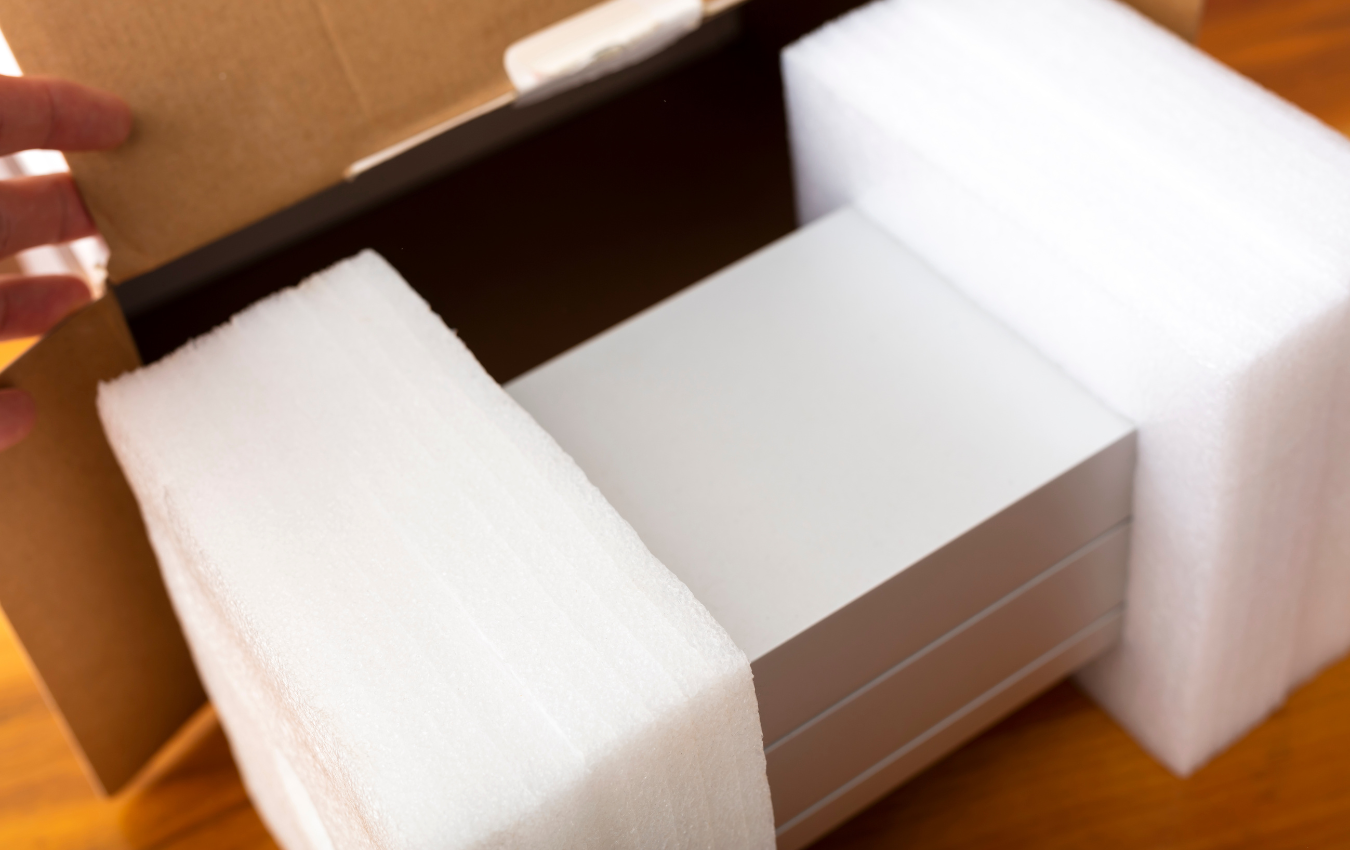
In the realm of packaging materials, the choice between polyethylene (PE) and laminated polyethylene foam can significantly impact the effectiveness and functionality of your packaging solutions. To make informed decisions about your packaging needs, it’s crucial to delve into the distinctions between these two foam materials. In this comprehensive comparison, we will explore the properties, applications, benefits, and drawbacks of polyethylene foam and laminated polyethylene foam specifically in the context of packaging. By the end, you’ll gain insights into which foam material best suits your unique packaging requirements.
Polyethylene Foam: A Closer Look in Packaging
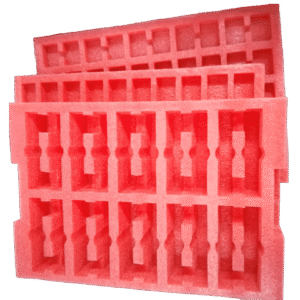
Polyethylene foam, often referred to as PE foam, is a versatile packaging material known for its exceptional cushioning and protective qualities. Here are some key features of polyethylene foam when applied to packaging:
Exceptional Cushioning: In packaging, polyethylene foam stands out for providing superior cushioning and shock absorption, making it an ideal choice for safeguarding fragile items during storage, transit, and handling.
Insulation: PE foam serves as an excellent thermal insulator, which is advantageous when packaging temperature-sensitive goods, ensuring they maintain their intended conditions.
Moisture Resistance: Packaging materials require protection from moisture, and PE foam delivers on this front. It is inherently resistant to moisture, preserving the integrity of packaged items even in damp environments.
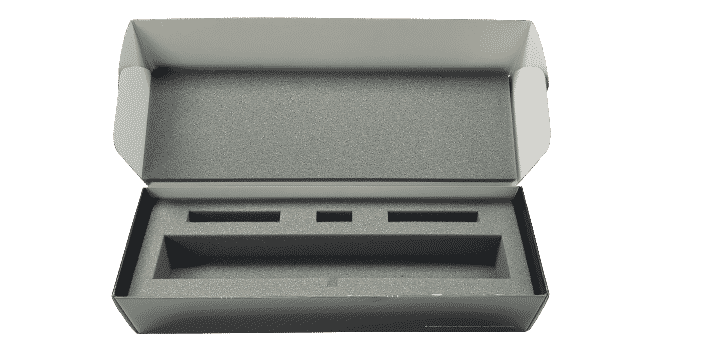
Customization: The flexibility of polyethylene foam allows for easy customization to accommodate the unique shapes and sizes of various products, ensuring a snug fit within the packaging.
Cost-Efficiency: When it comes to packaging costs, polyethylene foam offers an economical solution, which is particularly appealing to businesses looking to balance performance and budget.
Drawbacks of Polyethylene Foam in Packaging
Limited Barrier Properties: While polyethylene foam excels in cushioning, it does not possess significant barrier properties against gases or liquids, which may be essential for certain packaged products.
Compression Set: Over time, polyethylene foam can experience compression set, a phenomenon where it loses some of its cushioning properties if subjected to prolonged pressure.
Laminated Polyethylene Foam: A Closer Look in Packaging
Laminated polyethylene foam takes the versatility of polyethylene foam to another level by combining multiple layers with various materials, enhancing its performance for packaging applications. Here are some key features of laminated polyethylene foam in the context of packaging:
Enhanced Strength and Durability: The lamination process reinforces the foam’s strength and durability, ensuring it can withstand the rigors of the packaging environment, protecting your products effectively.
Moisture Barrier: Laminated polyethylene foam can incorporate moisture-resistant layers, an essential feature when packaging goods that must remain dry and free from water damage.
Customized Properties: Laminated polyethylene foam offers versatility in packaging design. It can be tailored with added barrier films, adhesives, or additional foam layers to meet specific packaging requirements.
Enhanced Insulation: In packaging applications, laminated polyethylene foam can provide superior thermal insulation properties, ensuring that temperature-sensitive items maintain their desired conditions throughout transportation and storage.
Drawbacks of Laminated Polyethylene Foam in Packaging
Cost Considerations: Laminated polyethylene foam typically incurs higher costs compared to standard polyethylene foam due to the additional materials and processing involved in its production.
Environmental Impact: The recyclability of laminated polyethylene foam may be more challenging, depending on the specific composition of the laminate, which can impact sustainability efforts.
Common Packaging Applications
- Polyethylene Foam (PE): PE foam is commonly used in packaging to protect fragile items, provide cushioning, and ensure product integrity during transit. It is also employed in sound insulation within packaging.
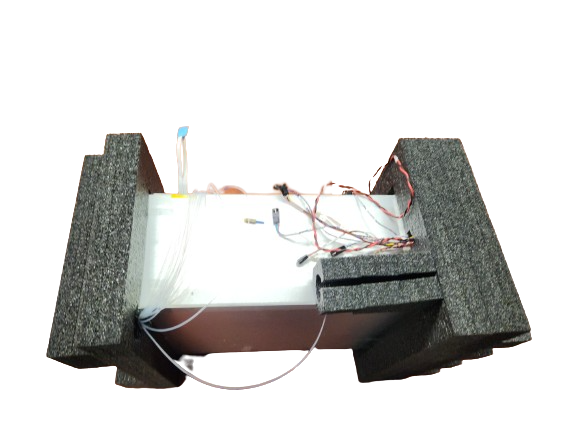
- Laminated Polyethylene Foam: Laminated polyethylene foam is often found in packaging solutions for delicate electronics, glassware, precision instruments, and products requiring superior insulation and moisture resistance.
Conclusion
In the realm of packaging materials, the choice between polyethylene foam and laminated polyethylene foam hinges on your specific packaging requirements and the nature of the products you’re packaging. While polyethylene foam excels in cushioning and cost-effectiveness, laminated polyethylene foam offers enhanced strength, durability, and customizable properties tailored to meet intricate packaging needs. When determining the ideal foam material for your packaging project, consider factors such as insulation, moisture resistance, budget constraints, and performance prerequisites. Both polyethylene foam and laminated polyethylene foam have their unique strengths, making them valuable solutions in the packaging industry, depending on the context and application.
If you are interested in polyethylene or laminated polyethylene foam packaging, then partner with Brown Packaging today to get started.