

Home » Food-Grade Packaging Explained: Safeguarding the Goodness
Food-Grade Packaging Explained: Safeguarding the Goodness
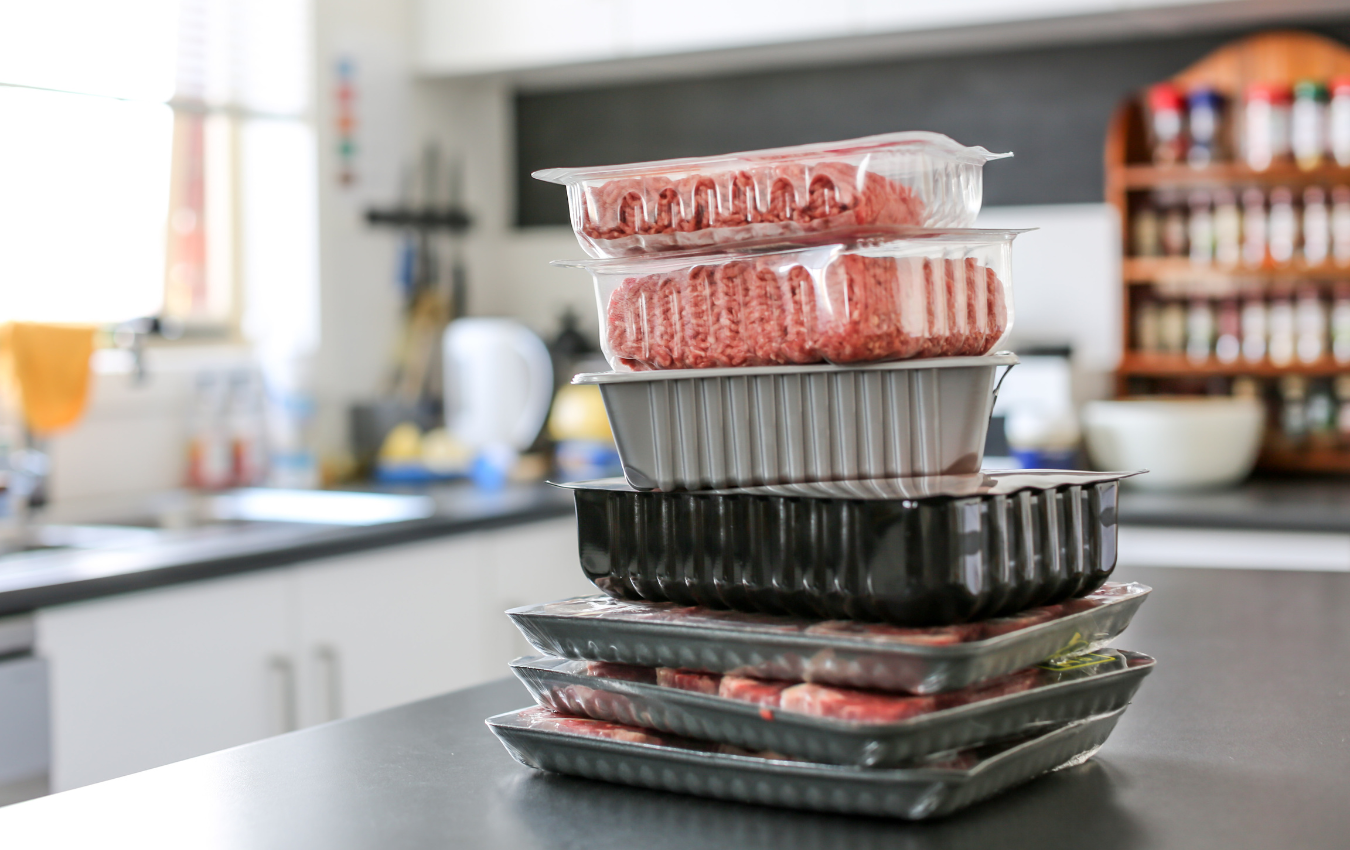
When it comes to food products, packaging plays a crucial role in maintaining freshness, preventing contamination, and ensuring the safety of what we consume. Food-grade packaging materials are specially designed and regulated to meet the unique demands of the food industry. In this blog, we will dive into the world of food-grade packaging, exploring its significance, characteristics, and compliance with food safety regulations.
The Importance of Food-Grade Packaging
Safety First:
- Food-grade packaging materials are chosen to prevent any interaction or contamination between the packaging and the food it contains. This ensures that the product remains safe for consumption.
Preservation of Freshness:
- Food-grade packaging helps preserve the freshness, flavor, and quality of food products, extending their shelf life and reducing food waste.
Consumer Confidence:
- The use of food-grade packaging reassures consumers that the product has been handled and stored with their safety in mind, enhancing trust in the brand.
Regulatory Compliance:
- Compliance with food safety regulations is a legal requirement for packaging used in the food industry. Using food-grade materials ensures adherence to these regulations.

Characteristics of Food-Grade Packaging
Food-grade packaging materials possess specific characteristics that make them suitable for use in the food industry:
Inertness:
- Food-grade materials are inert, meaning they do not react with or alter the composition of the food they come into contact with. This prevents any chemical migration that could compromise food safety.
Barrier Properties:
- Food-grade packaging often has excellent barrier properties to protect the contents from external factors such as moisture, oxygen, and light, which can lead to spoilage and degradation.
Resistance to Contaminants:
- These materials are resistant to contaminants, including microorganisms, mold, and pests, to maintain the purity of the packaged food.
High-Quality Printing:
- Food-grade packaging allows for high-quality printing of labels and graphics, which is essential for conveying information to consumers and enhancing product appeal.
Tamper-Evidence:
- Many food-grade packages incorporate tamper-evident features to provide consumers with assurance that the product has not been tampered with during storage or transportation.
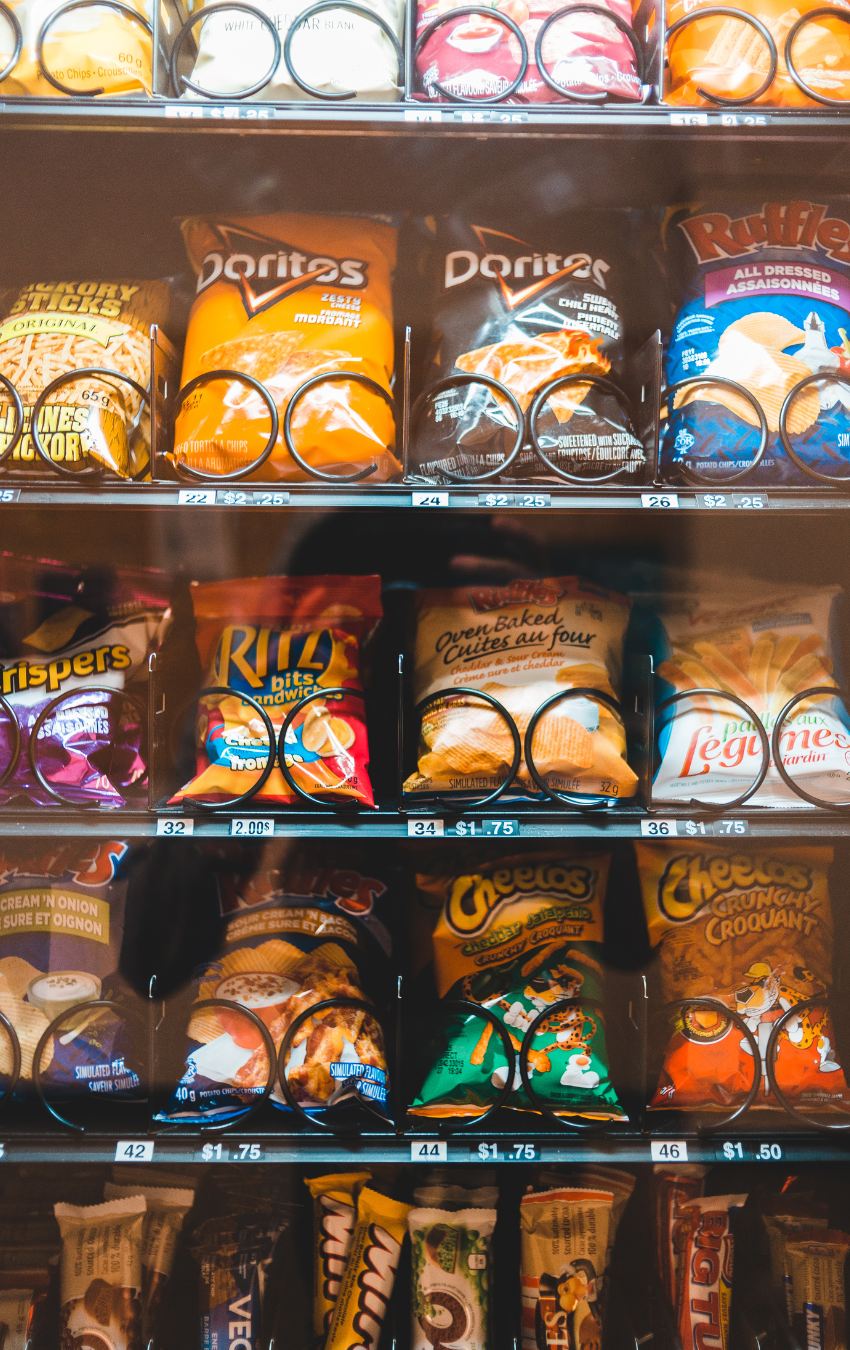
Compliance with Food Safety Regulations
Food-grade packaging must adhere to stringent food safety regulations and standards established by governmental agencies and industry organizations. These regulations vary by region but generally cover aspects such as:
- Materials: The packaging materials must be approved for contact with food and should not contain harmful substances.
- Hygiene: Packaging facilities must adhere to strict hygiene standards to prevent contamination during the packaging process.
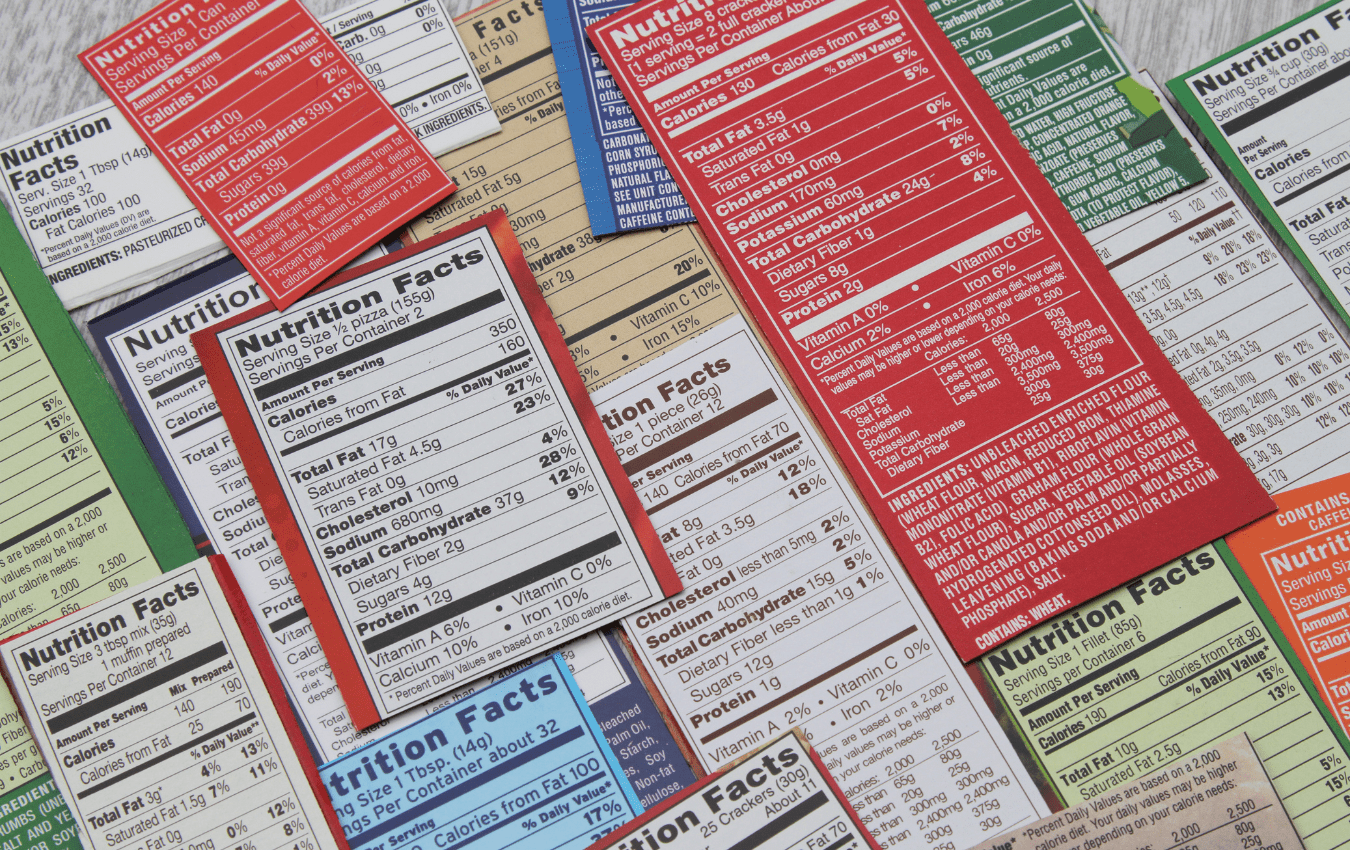
- Labeling: Packaging must include accurate and comprehensive labeling, including ingredients, nutrition information, allergen warnings, and expiration dates.
Common Food-Grade Packaging Materials
Several materials are commonly used for food-grade packaging, including:
- Plastics: Food-grade plastics such as polyethylene (PE), polypropylene (PP), and polyethylene terephthalate (PET) are widely used for their durability and barrier properties.
- Glass: Glass containers are inert and do not interact with food, making them a classic choice for preserving flavor and quality.
- Metals: Aluminum and tinplate cans are often used for canned goods due to their resistance to external factors.
- Paperboard: Food-grade paperboard is used for various types of packaging, including cartons and boxes.
- Corrugated: Corrugated packaging, made from corrugated cardboard, is another food-grade material commonly used for shipping boxes and retail packaging, known for its sturdiness and recyclability. Special coating may be required if in direct contact with food.
Conclusion
Food-grade packaging is an essential component of the food industry, ensuring that the products we consume remain safe, fresh, and of high quality. By selecting packaging materials that comply with food safety regulations and possess the necessary characteristics, food producers and manufacturers can maintain consumer trust, enhance product appeal, and contribute to the overall safety and enjoyment of food products.
If you are interested in food grade packaging, then partner with Brown Packaging today to get started.
Sustainable packaging in 2027 will be less about broad claims and more about proof, performance, compliance, and cost control. Buyers will still care about recyclable
Sustainable packaging in 2027 will be less about broad claims and more about proof, performance, compliance, and cost control. Buyers will still care about recyclable
A folding carton may look simple once it reaches the shelf, but it goes through a controlled production process before it becomes a finished package.
Folding carton production is becoming more automated because buyers are asking for faster timelines, tighter consistency, and more flexibility across more SKUs. Shorter product lifecycles,
Folding carton style matters because structure affects more than appearance. The right carton can improve shelf presentation, packing speed, product access, closure security, storage efficiency,
Pouch packaging trends in 2027 will be shaped by convenience, shelf impact, sustainability pressure, sealing performance, automation, ecommerce growth, and total packaging cost. Buyers will
By submitting your information, you agree to our terms and conditions and privacy policy.
Home » Food-Grade Packaging Explained: Safeguarding the Goodness


When it comes to food products, packaging plays a crucial role in maintaining freshness, preventing contamination, and ensuring the safety of what we consume. Food-grade

In October 2024, California made a groundbreaking move by banning “sell by” dates on food products. This legislation aims to reduce consumer confusion, minimize food

Food packaging waste is a pressing environmental issue that demands our attention. Excessive packaging, single-use plastics, limited recycling facilities, and consumer habits all contribute to