

Home » Quality vs. Quantity: Making Informed Choices in Packaging
Quality vs. Quantity: Making Informed Choices in Packaging

One of the fundamental decisions that buyers face when it comes to packaging is whether to prioritize quality or quantity. This choice can significantly impact your brand image, customer satisfaction, and overall packaging costs. In this detailed blog, we will explore the factors that influence the decision between quality and quantity in packaging, helping you make informed choices that align with your business goals.
Quality Packaging: The Value of Excellence
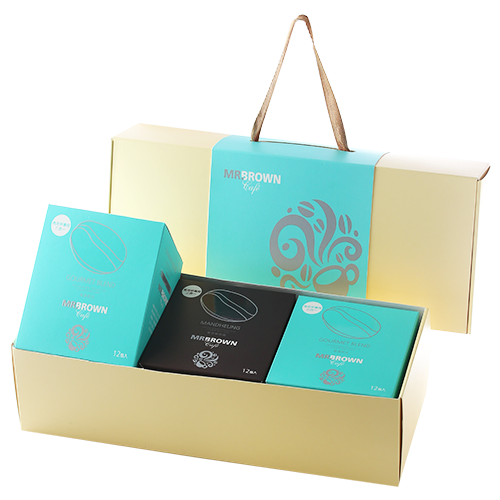
Quality packaging is all about creating a premium and memorable experience for your customers. Here’s why it matters:
- Brand Perception: High-quality packaging communicates that your brand cares about every detail. It reflects a commitment to excellence, which can elevate your brand image.
- Customer Experience: Quality packaging enhances the unboxing experience. It creates anticipation and excitement, leaving a lasting impression on customers.
- Protection: Premium materials and construction offer better protection for your products, reducing the risk of damage during transit.
- Sustainability: Quality packaging often incorporates eco-friendly materials and design, aligning with sustainability goals and customer preferences.
- Reusability: Durable packaging can be reused by customers, extending its lifespan and providing ongoing brand exposure.
Quantity Packaging: Balancing Cost and Efficiency
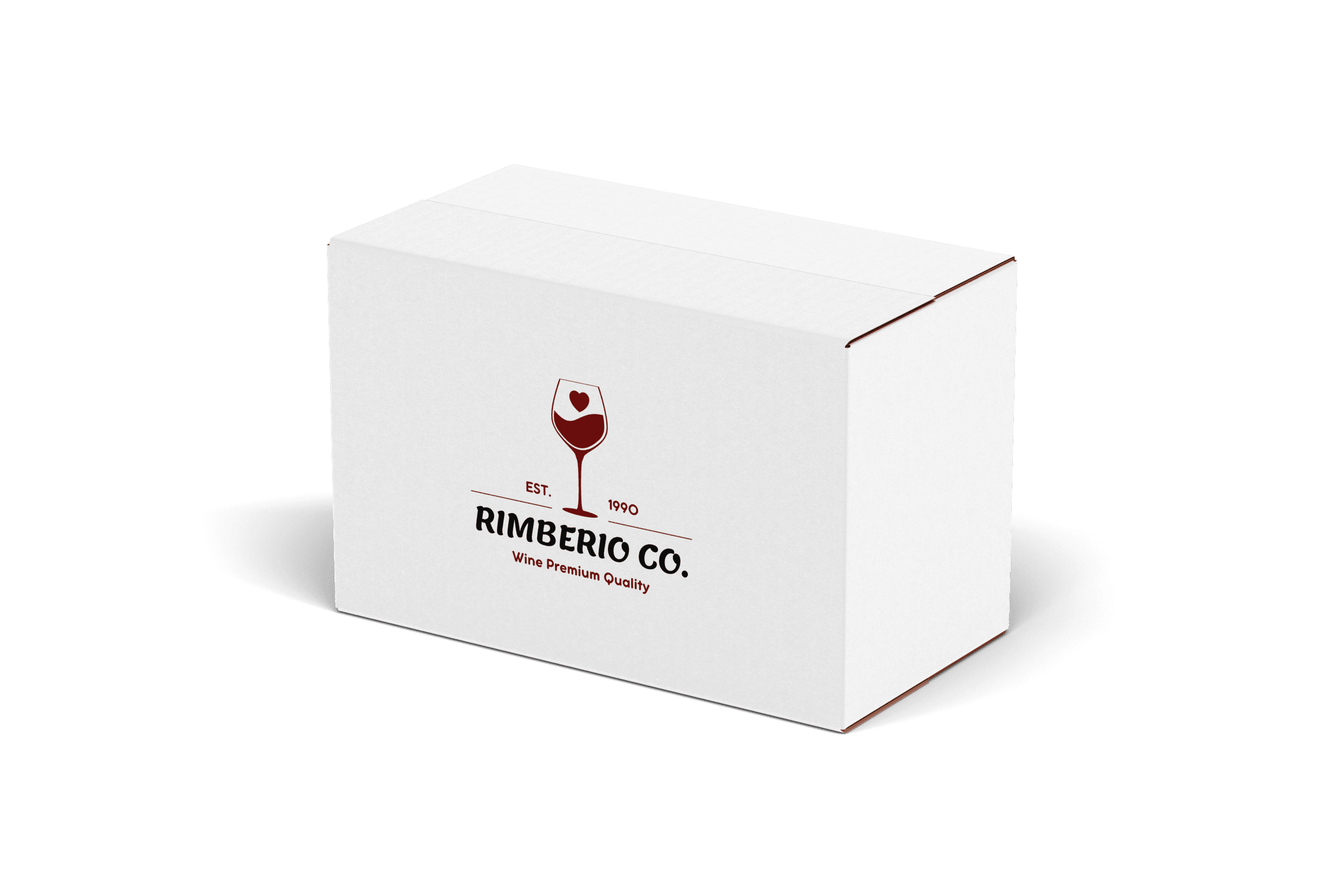
Quantity packaging prioritizes cost-effectiveness and efficiency. Here’s why it’s a practical choice:
- Cost Savings: Quantity packaging is usually more cost-effective due to lower material and production costs. It allows you to allocate resources to other aspects of your business.
- High-Volume Demands: Businesses with high shipping volumes may prioritize quantity packaging to meet demand efficiently.
- Standardization: Standard packaging sizes and designs simplify logistics and reduce lead times.
- Minimalism: Quantity packaging often adopts a minimalist approach, which can be appealing in industries where simplicity is valued.
- Sustainability: Streamlined packaging can reduce waste, supporting sustainability initiatives.
Making the Decision
To make an informed choice between quality and quantity packaging, consider the following factors:
- Product Type: The nature of your product plays a crucial role. Fragile or luxury items may benefit from quality packaging, while standard or non-fragile products may work well with quantity packaging.
- Target Audience: Understand your target audience’s preferences. High-end customers may expect premium packaging, while cost-conscious shoppers may prioritize quantity.
- Brand Identity: Consider your brand identity and values. If your brand is associated with luxury, quality packaging may be essential. For a budget-friendly or minimalist brand, quantity packaging may be more suitable.
- Budget Constraints: Assess your budget and packaging costs. Quality packaging may have a higher upfront cost, but it can yield long-term benefits. Quantity packaging can help you manage costs efficiently.
- Environmental Impact: Sustainability is a growing concern. Evaluate the environmental impact of your packaging choices and opt for eco-friendly options when possible.
- Logistics and Storage: Consider storage space and logistics. Quantity packaging may require more storage space, while quality packaging may reduce returns due to damage.
Finding a Balance
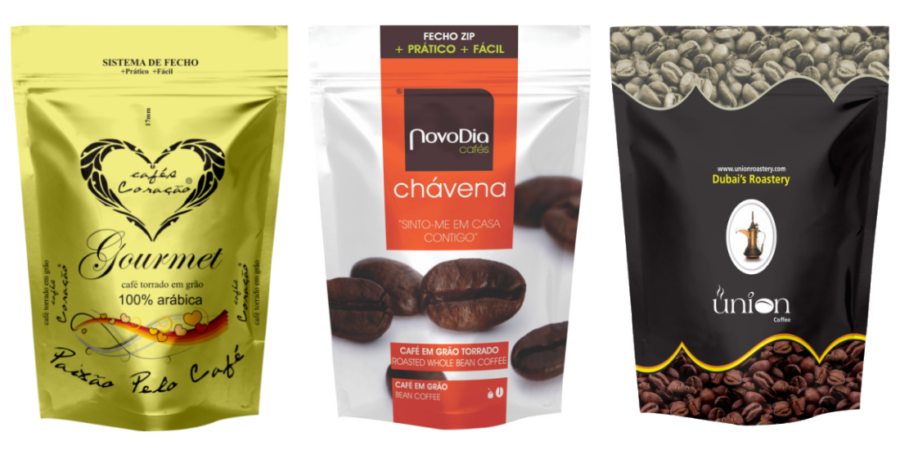
In some cases, finding a balance between quality and quantity packaging is the ideal solution. For example:
- Tiered Packaging: Offer premium packaging options for select products or customers, allowing you to cater to different preferences.
- Seasonal Variations: Adjust your packaging strategy seasonally or during promotions to strike the right balance between quality and quantity.
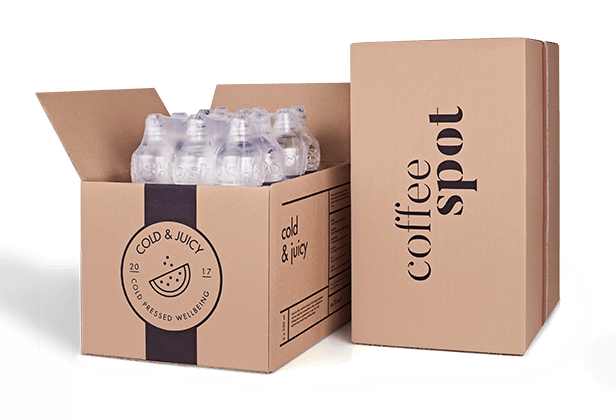
- Customization: Explore customization options that allow you to add branding elements to quantity packaging, enhancing the overall experience.
Conclusion
The choice between quality and quantity packaging is not always straightforward. It depends on various factors, including your product type, target audience, brand identity, budget, and environmental considerations. Ultimately, finding the right balance between the two approaches can help you meet customer expectations, manage costs effectively, and align with your brand’s values. By making informed choices in packaging, you can enhance your brand’s image, customer satisfaction, and overall success.
If you are interested in packaging options, then partner with Brown Packaging today to get started.
Sustainable packaging in 2027 will be less about broad claims and more about proof, performance, compliance, and cost control. Buyers will still care about recyclable
Sustainable packaging in 2027 will be less about broad claims and more about proof, performance, compliance, and cost control. Buyers will still care about recyclable
A folding carton may look simple once it reaches the shelf, but it goes through a controlled production process before it becomes a finished package.
Folding carton production is becoming more automated because buyers are asking for faster timelines, tighter consistency, and more flexibility across more SKUs. Shorter product lifecycles,
Folding carton style matters because structure affects more than appearance. The right carton can improve shelf presentation, packing speed, product access, closure security, storage efficiency,
Pouch packaging trends in 2027 will be shaped by convenience, shelf impact, sustainability pressure, sealing performance, automation, ecommerce growth, and total packaging cost. Buyers will
By submitting your information, you agree to our terms and conditions and privacy policy.
Home » Quality vs. Quantity: Making Informed Choices in Packaging



Custom packaging is an invaluable tool for businesses aiming to make a memorable impression, protect their products, and reinforce their brand identity. While it offers
In the dynamic and ever-evolving food industry, packaging plays a pivotal role in preserving the quality, safety, and freshness of products while also captivating consumers
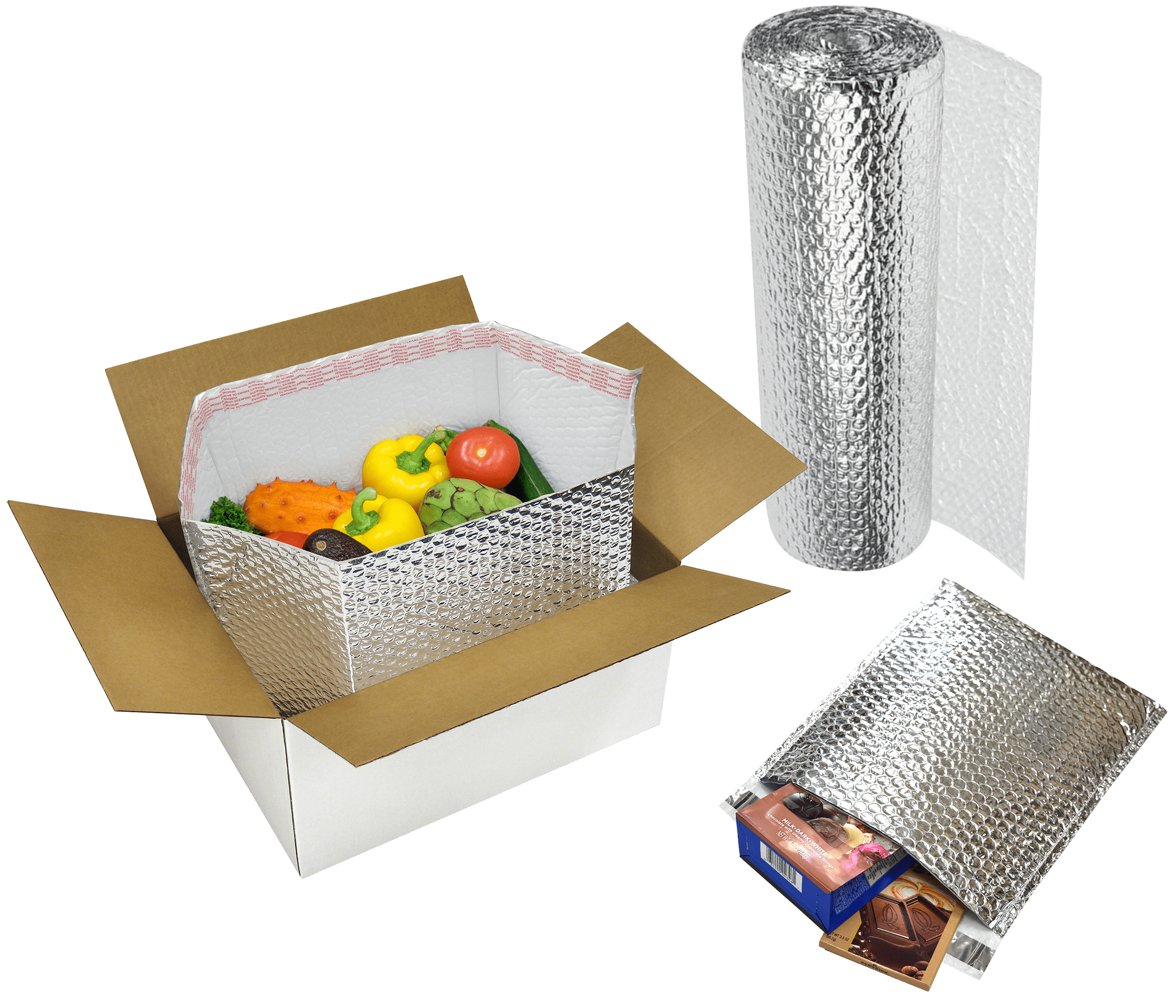
The cold chain is a temperature-controlled supply chain that plays a critical role in ensuring that certain products, such as pharmaceuticals, vaccines, and food, maintain