
Blogs
At Brown Packaging, we provide insightful content about the packaging industry to keep our clients, followers, and partners informed with the latest trends and accurate information. Our goal is to equip you with up-to-date knowledge that helps you stay ahead in the ever-evolving world of packaging.

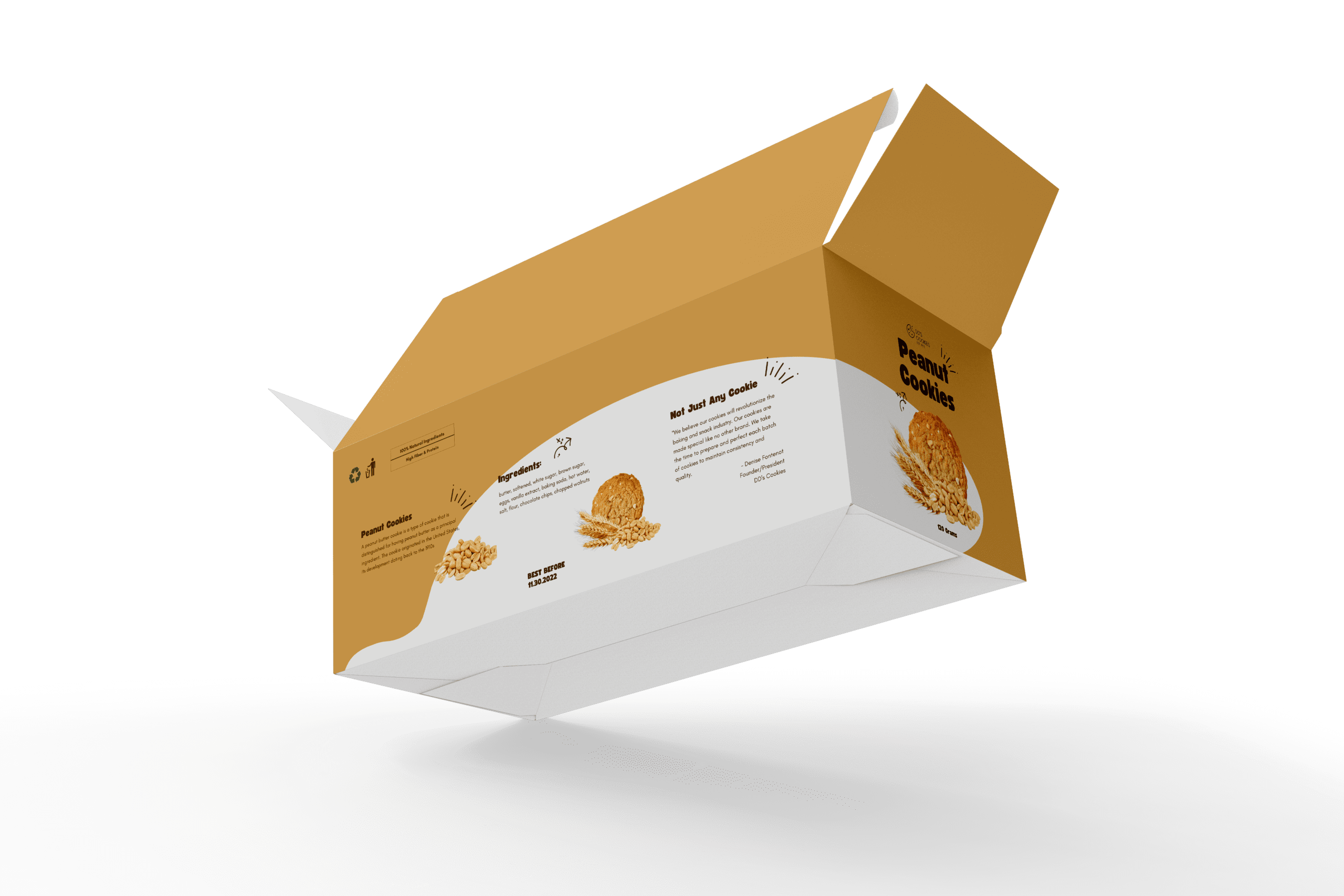
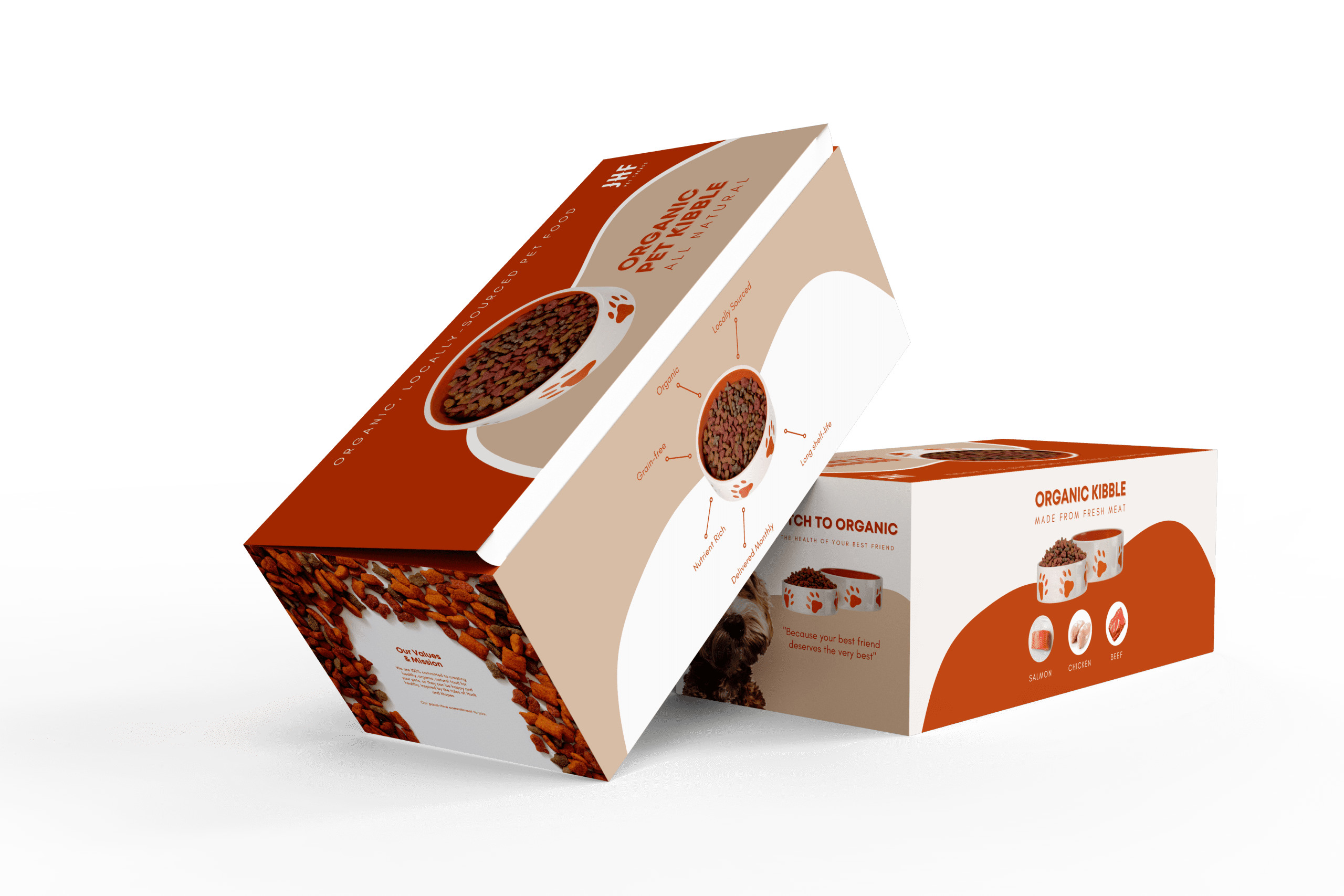
Custom packaging stands as a pivotal element for brands looking to differentiate their products in a crowded market. It is tailored specifically to meet the unique needs of a product while enhancing brand identity and consumer experience. Unlike standard packaging available to all, custom packaging is designed with specific graphics, sizes, shapes, and features unique to one brand, offering a myriad of benefits from protection to marketing. What is Custom Packaging? Custom packaging involves creating packaging solutions that are not only functional but also distinctively designed to reflect the brand’s identity and meet precise product specifications. This includes selecting appropriate materials, employing advanced printing techniques, and incorporating innovative structural designs to enhance both the aesthetic appeal and the protective capabilities of the packaging. Popular Types of Custom Packaging Corrugated Boxes: Known for their strength and durability, used for shipping heavier items like electronics and appliances. Folding Cartons: These are cost-effective, lightweight, and ideal for packaging a wide range of consumer goods from food to pharmaceuticals. Pouches: Flexible and perfect for packaging small, lightweight items like snacks, powders, or liquids. Foam: Added to packages for cushioning and to keep products secure during transit. Blister Packs: Excellent for product visibility and security, commonly used for small consumer goods, electronics, and pharmaceuticals. Clamshells: Ideal for retail display, offering clear visibility and secure packaging for a variety of products. Poly Bags: Flexible bags used for lightweight, non-fragile items, often seen in retail settings. Corrugated Box Stand up Pouch Blister Pack with Corrugated Tray Uses and Benefits of Custom Packaging Enhanced Product Protection One of the primary functions of custom packaging is to improve product protection. This is achieved through: Design: Tailoring the package’s size, shape, and materials to fit the product perfectly, minimizing movement and the potential for damage. Inserts and Dividers: These components are critical for keeping items in place and preventing contact that could lead to damage. Thermoform Insert Foam Insert Branding and Market Differentiation Custom packaging allows for complete control over the presentation of your product, which is vital for standing out on the shelf. It serves as a powerful marketing tool by incorporating: Graphics Design: This includes logos, brand colors, and other graphic elements that reinforce brand identity. Structural Design: Unique packaging shapes and structures can catch the eye of consumers, making the product more noticeable and appealing. Corrugated Box and Folding Carton Rigid Box Efficiency and Sustainability Custom packaging can be designed to be both efficient and sustainable, helping brands align with environmental standards and reducing waste. It offers: Optimal Use of Materials: By using materials that are exactly required for the packaging, brands can minimize waste and reduce costs. Learn how to select the right packaging materials. Sustainable Options: There are opportunities to use materials that are recyclable, biodegradable, or sourced from sustainable practices. Compliance and Safety Ensuring that packaging complies with local, state, or federal regulations is crucial, particularly for products that require specific safety standards. Custom packaging can be tailored to meet these requirements, ensuring that products are not only safe to use but also compliant with regulatory standards. Conclusion: The Strategic Advantage of Custom Packaging Custom packaging is more than just a way to contain a product; it is a strategic tool that enhances product safety, boosts brand recognition, and supports marketing efforts. It allows businesses to convey their brand story, protect their products effectively during transit, and present their goods in the most appealing way possible. By investing in custom packaging, companies can improve customer satisfaction, enhance product visibility, and ultimately, drive sales. For any brand looking to make a significant impact in the marketplace, custom packaging provides a compelling solution. It’s an investment that pays dividends in brand loyalty, customer satisfaction, and overall brand value. If you’re considering custom packaging for your products, partnering with a seasoned provider like Brown Packaging can ensure that your packaging needs are met with expertise and creativity. (714)300-0650 request@brownpackaging.com Most Recent Posts: Categories: Corrugated Folding Carton Display Packaging Rigid Box Subscribe To Our Newsletter By submitting your information, you agree to our terms and conditions and privacy policy. Custom Packaging Facebook Twitter LinkedIn Pinterest Relevant Posts

There are many factors that can contribute to the cost of packaging with freight being no exception. Freight is the process of transporting your product from the manufacturer/distributor to the customer. Generally, freight costs consist of labor, mileage, fuel, wear and tear on a vehicle, special requirements (if applicable) and a company’s markup. These costs can be influenced by a variety of factors including external factors and a packaging design. For this blog, we will cover how packaging design can affect your freight costs and provide you with solutions to help alleviate these costs. Packaging design is how your packaging is built and shaped. This includes the weight of your package, structural integrity and dimensions. Packaging design can affect your freight costs by: Weight Dimension Structural Integrity Weight The weight of your package can dictate how much you pay for freight costs, as some carriers may charge by weight of the load in addition to mileage. This is because heavier cargo requires more cost in fuel and often slows down transportation. Slower transportation results in higher costs of labor. In addition, trucks are limited to carry a certain amount of weight, which may require your loads to be transported separately or by multiple trips if needed. In addition, sea and air transportation usually charge by volumetric weight and distance traveled. In some cases, packaging material is not heavy enough to affect the total weight. However, if you would like to minimize the risk, then you want to resort to lighter packaging solutions such as plastic, chipboard, or paperboard products. Perhaps, you may want to look into your carrier’s shipping options and pick the best option that aligns closest to your packaging needs. You may want to also work with a packaging expert that can help you reduce the weight of your packaging design, while maintaining the structural integrity of your packaging. Structural Design The structural design will impact the way it is shipped, which may also influence the cost of freight. A package’s structural design consists of the packaging size (length, width and height) in addition to how the packaging will fold together. Typically, a finished packaged product or packaging material orders are usually shipped on a pallet. The shape and size of your pallet can influence how much you can fit in a truck, plane, or naval ship. For example, if the packaging has non-uniformed edges, then it will take up more surface area. In addition, packaging that is not easily foldable or stackable can cause an issue in how much inventory you can transport at one time. Irregular shaped pallets can accrue additional cost by adding extra trips, which can contribute to more labor, fuel and other costs. Not to mention, the purchasing of stronger stretch film to hold the merchandise more securely. To solve this issue, it is recommended that you carefully design your product to an optimal structure. In addition, you can better allocate your packages via transportation with CAPE software. CAPE enables you to optimize your pallet and truck loads to maximize your efficiency. This may warrant you to work with a packaging specialist. Structural Integrity The structural integrity plays a huge role in the success of your packaging project. It ensures that your product will get to the end user presentable, undamaged, and within standard. However, this is not always the case as packaging and products inside can become damaged with wear and tear, as they are vulnerable to external environments. Wear and tear is eventually going to happen, however it can be limited or postponed with a proper packaging design and material selection. Packaging can become secure with adequate material strength and thickness. Inserts, dividers and edge protectors help hold your product in place during shipment. Despite these being additional costs, it may greatly reduce your product loss, which will offset your investment. In addition, it is important to keep in mind if your product will require special handling during transport. As some products such as food, beverage, and pharmaceuticals are sensitive to specific temperatures, which can cause them to become spoiled. Ultimately, this may require you to receive some cold chain packaging solutions. To help prevent product loss, you should get your product tested prior to mass producing it. Some tests may offer you certification and quality assurance such as the compression, drop, vibration, and environmental simulation. Furthermore, you want to be sure that the material you use to hold your products can support your product’s weight. Summary: Packaging Design and Freight Costs Ultimately, your packaging design has a very direct influence on freight costs. To avoid these additional costs it is important to be mindful of your packaging’s weight, structural design and structural integrity. To best address each of these potential issues on freight costs, you should reach out to your packaging specialists. If you are interested in stock or custom packaging solutions and would like the most optimal packaging design, then contact Brown Packaging today to get started. (714)300-0650 request@brownpackaging.com Most Recent Posts: Categories: Corrugated Folding Carton Display Packaging Rigid Box Subscribe To Our Newsletter By submitting your information, you agree to our terms and conditions and privacy policy. Custom Packaging Facebook Twitter LinkedIn Pinterest Relevant Posts

In 2022, businesses are experiencing a challenging time with increased cost of packaging materials such as corrugated, plastic, chipboard, thermoform, and other products. In addition, many are experiencing longer lead times for orders and may find themselves unfilled in meeting their deadlines. If you are invested in the packaging industry, then you probably have asked yourself what is causing such an increase in price. Why The Cost Of Packaging Has Increased In 2022 Current events such as the Ukraine-Russia war, Covid-19 pandemic and other world events have impacted the global supply chains of raw materials. In addition, the rise of inflation and fuel prices have also influenced the increased prices. The growth of packaging production is not exceeding the increased demand of consumers. Manufacturers and suppliers are struggling to get required raw materials to fulfill their orders. For example, earlier this year, corrugated suppliers have increased the price of raw materials by $60-$70/ton. Prices of major packaging resins, such as Polyethylene (PET), have increased in price by $0.46/b in the last two years. With increased prices of oil and energy, packaging is expected to continue to increase. Labor shortages in transportation and lack of shipping containers have also added to supply chain inefficiencies and delays. How To Keep Your Packaging Cost Low in 2022 Businesses are struggling to meet their packaging projects and consumer expectations with current costs. Many are often finding themselves having to cut back on their order quantities, design, and expectations. However, by working with an established packaging distributor you can have the best chance of getting the best price for your packaging. Established packaging distributors have a large network of manufacturers that specialize in creating different products, whether they are corrugated, foam, plastic, or printed in a specific way. Distributors are able to outsource your packaging needs to manufacturers that specialize in manufacturing your package. For example, not all corrugated manufacturers can produce large quantities of double sided digital print boxes at the same price. At the same time, not many can produce those boxes at a low quantity at a low price. Every manufacturer specializes in specific packaging needs and distributors have the flexibility and accessibility to working with a wide range of these manufacturers. Additionally, you would want to work one on one with a packaging professional that can advise you on the best approach for all of your packaging needs. A packaging consultant can help you get the most value out of your packaging project while minimizing your costs. For example, if you are packaging a specific product with corrugated material in mind, they may recommend a cheaper and more efficient packaging such as chipboard or paperboard material. Perhaps, digital print may be cheaper for your project or it may be flexoprint. The more informed you are with your packaging decisions the more you will be able to save on cost in 2022. If you are interested in packaging products, services, and consulting, then contact Brown Packaging today to get started. (714)300-0650 request@brownpackaging.com Most Recent Posts: Categories: Corrugated Folding Carton Display Packaging Rigid Box Subscribe To Our Newsletter By submitting your information, you agree to our terms and conditions and privacy policy. Custom Packaging Facebook Twitter LinkedIn Pinterest Relevant Posts

In a supply chain, your packaging is subjected to various stresses, including being pushed, pulled, dropped, and compressed against other packages. Proper packaging techniques are crucial for minimizing product loss, ensuring successful product launches, and avoiding shortages due to damages incurred during shipment. Overview: Effective Strategies to Enhance Packaging Protection Packaging not only needs to be attractive but also robust enough to protect the contents from the rigorous conditions of the supply chain. Here are comprehensive strategies to ensure your packaging holds up under stress and delivers your products safely to their destinations. Consider Packaging Inserts, Partitions, and Dividers Using packaging inserts, partitions, and dividers can greatly enhance the stability of your products within their boxes. These elements are crucial for preventing movement that can lead to damage: Inserts: These are molded or cut to fit the contours of your product, holding it snugly in place. Partitions and Dividers: These help organize the package and add an additional layer of separation and protection, especially useful for packages containing multiple items or products that must not touch each other. Optimize the Structural Design of Your Packaging The shape and size (structural design) of your packaging play a critical role in how well your products are protected: Custom Fit: Design your packaging to precisely fit your product with enough room for protective materials but not so much that items can shift around. Material Selection: Use the appropriate materials that provide enough strength and cushioning to protect your products from shocks and impacts. Don’t Cut Corners on Quality Selecting high-quality packaging materials can prevent a lot of issues down the line: Material Durability: Choose materials that can withstand the pressures of shipping and handling without degrading or failing. Quality vs. Cost: While it’s tempting to go for the cheapest options, investing in higher quality materials can reduce the need for costly replacements and avoid damage to your products. Learn more about cost vs protection. Utilize Edge Protectors for Extra Support Edge protectors can reinforce the corners and edges of your packages, which are often the first to suffer damage: Protection and Stability: Edge protectors keep the package shape intact and protect against impacts and crushing forces. Material Options: Common materials for edge protectors include paperboard and plastic, each offering different levels of protection and recyclability. Use the Right Tape for Your Application Choosing the appropriate tape is crucial for ensuring that your packages remain sealed and intact throughout their journey: Tape Quality: High-quality tape will secure your packages without peeling off or tearing easily. Application Specifics: Consider the environment your packages will be exposed to, such as cold or humid conditions, and choose tape that can handle these environments effectively. Select and Use the Right Stretch Film Stretch film wraps help hold your packages together on a pallet, providing stability and protection against dust, moisture, and movement: Film Type: Choose between cast and blown stretch films depending on your needs—blown film is typically more resistant to puncture and tear. Additives: Consider films with UV protection or anti-static properties if your products require these features. Label Your Packaging Clearly Proper labeling not only helps with handling and shipping but can also reduce the risk of mishandling: Informational Labels: Include handling instructions, product descriptions, and any necessary warnings to ensure proper treatment during transit. Consider Cushioning Products Cushioning materials can absorb shocks and protect your products from impacts and vibrations: Types of Cushioning: Options include bubble wrap, foam inserts, air pillows, and packing peanuts, each suitable for different types of products and levels of protection. Test Your Packaging Material and Products Conducting tests according to standards set by organizations like the International Safe Transit Association (ISTA) ensures your packaging can withstand typical handling and shipping conditions: Testing Standards: Follow established testing protocols to simulate shipping and handling stresses on your packaging to see if they meet the required durability standards. Conclusion: Ensuring Optimal Package Protection By implementing these strategies, you can significantly enhance the protection of your products throughout the supply chain. From choosing the right materials and designs to employing protective inserts and rigorous testing, each step plays a vital role in safeguarding your items against potential damage. Collaborate with packaging experts like Brown Packaging to tailor solutions that meet your specific needs and improve the resilience of your packaging systems. (714)300-0650 request@brownpackaging.com Most Recent Posts: Categories: Corrugated Folding Carton Display Packaging Rigid Box Subscribe To Our Newsletter By submitting your information, you agree to our terms and conditions and privacy policy. Custom Packaging Facebook Twitter LinkedIn Pinterest Relevant Posts

Selecting the right stretch film is essential for ensuring the stability, safety, and integrity of your products during storage and transit. Stretch film plays a crucial role in protecting products on pallets, minimizing damage, and reducing losses. Understanding the basics of stretch film and the specific needs of your application is key to making the right choice. To select the right stretch film for your application, you must consider the following factors: Load Type The Type of Product You Are Shipping Application Methods Cost Detailed Considerations When Selecting Stretch Film Load Type Understanding the type of load you are securing is crucial in selecting the appropriate stretch film. Loads can be categorized into three main types: Type A Loads: Uniform loads with straight edges that are similar in shape to the pallet. These loads are easier to wrap and are less prone to puncturing the film. Type B Loads: Loads with some irregular shapes or slightly overhanging edges which can challenge the film’s integrity and require more durable film to prevent tears. Type C Loads: Highly irregular loads with sharp edges or unstable stacking that pose the highest risk for puncturing and tearing. These require the strongest, most resilient films. Product Type and Weight The type of product and its weight influence the choice of stretch film: Light Loads: For products like tissues or paper goods, a lighter gauge film can suffice. Medium Loads: Products such as canned goods that weigh more but aren’t excessively heavy might need a medium gauge film for better performance. Heavy Loads: For items like bricks or chemicals, a heavy-duty film is necessary to accommodate the increased weight and potential shifting within the load. Application Methods The method of application significantly affects the type of stretch film needed: Hand Rolls: Best for low-volume packaging operations or where machinery is not feasible. Hand rolls are lighter and more manageable for manual application. Machine Rolls: Ideal for high-volume environments where machines can apply the film much faster and more consistently than manual applications. Cost Considerations Budget is always a concern, but balancing cost with quality is key: Economic Films: Typically thinner and less durable, suitable for light, uniform loads that require basic containment. Premium Films: More expensive, these films offer better stretch, durability, and puncture resistance for challenging load types. Special Product Requirements and Additives Depending on the specific needs of the products being shipped, different additives in stretch films can provide necessary protection: UV Protection: Essential for products exposed to sunlight during storage or transit to prevent degradation. Anti-Static Films: Crucial for electronic products to prevent static discharge during handling. Colored Films: Useful for coding shipments by destination or product type, enhancing organization and handling efficiency. Sustainability Options Consider environmentally friendly films that reduce the impact on the environment without compromising on quality or performance: Recycled Content Films: Made from post-consumer or post-industrial recycled materials. Biodegradable Films: Designed to break down more quickly than traditional plastics, reducing waste in landfills. Summary: Making the Right Stretch Film Choice To effectively select the right stretch film, you must analyze the load type and product characteristics to determine the film’s required strength and resistance. Consider the operational context, such as the volume of wrapping needed and whether it will be done manually or with machines. Balance your budget with the need for film performance to avoid over-spending or under-protecting your products. Evaluate any special requirements such as UV protection, anti-static properties, or color coding. Opt for sustainable options where possible to align with environmental goals. By thoroughly assessing these factors, you can choose a stretch film that not only meets your logistical requirements but also enhances the security and integrity of your shipments. For tailored solutions that match your specific needs, consulting with a professional packaging supplier like Brown Packaging can provide you with the expertise and product range to ensure optimal protection and performance. (714)300-0650 request@brownpackaging.com Most Recent Posts: Categories: Corrugated Folding Carton Display Packaging Rigid Box Subscribe To Our Newsletter By submitting your information, you agree to our terms and conditions and privacy policy. Stretch Film Facebook Twitter LinkedIn Pinterest Relevant Posts

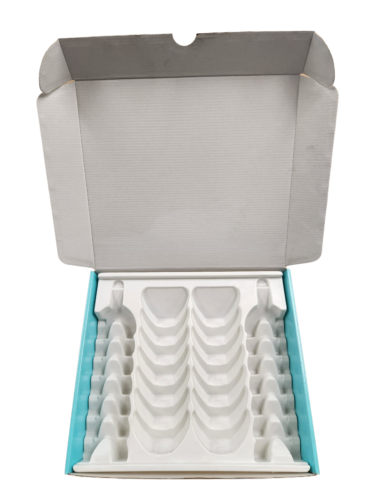
Packaging inserts, also known as inlays or box partitions, play a critical role in the packaging industry by enhancing product protection, presentation, and customer experience. They are designed to stabilize and secure products within a package, ensuring items are well-protected during transit and impeccably presented upon unboxing. Here’s an in-depth look at packaging inserts, their types, customization options, and why they are crucial for effective packaging solutions. Understanding Packaging Inserts Functionality of Packaging Inserts Inserts are specifically crafted to limit and restrict the movement of one or multiple items within a package. They can be made from various materials, including foam, corrugated, paperboard, and thermoform plastics, each offering different levels of protection and aesthetic appeal. Whether in the form of trays or wall dividers, these inserts are essential for preventing product damage and enhancing the unboxing experience. Types of Packaging Inserts Paperboard Inserts: Ideal for lightweight items such as cosmetics and electronic accessories. They provide basic protection and organization within the packaging. Corrugated Inserts: Offer enhanced durability and are suitable for small to medium weight products like light bulbs and small appliances. Foam Inserts: Provide superior protection and are commonly used for fragile items, electronics, and sensitive instruments. Thermoform Inserts: Sturdy and rigid, these inserts are versatile for packaging a diverse range of products including food, medical supplies, and electronics. Chipboard/Paperboard Insert Thermoform Insert Foam Insert Corrugated Insert Importance of Packaging Inserts Protection and Security The primary function of packaging inserts is to secure the packaged items robustly, ensuring they remain immobile and thus less susceptible to damage during shipping and handling. This is particularly important for fragile products or items with several components that need to be kept separate. Enhanced Presentation Custom inserts not only protect but also significantly enhance the presentation of products. They can be designed to fit the contours of specific items, displaying them in an appealing and organized manner that can elevate the customer’s perception of the brand. Improved Customer Experience Inserts contribute to a positive unboxing experience by presenting products in an organized and accessible way. They make unpacking simpler and more enjoyable, which can leave a lasting impression on consumers. Customizing Packaging Inserts Structural Design Custom inserts can be tailored to the specific size and shape of the products they hold. Structural design ensures each product fits snugly within its compartment, providing optimal protection and a professional appearance. Graphic Design Inserts offer an additional surface for branding and communication. Custom graphics such as logos, product information, and brand colors can be added to inserts, furthering brand recognition and enhancing the aesthetic appeal of the packaging. When Do You Need Packaging Inserts? You should consider using packaging inserts if: You have fragile products that require additional protection. Your products have multiple components that need to be organized within the packaging. You are looking to improve the aesthetic presentation of your packaged products. Enhancing the customer unboxing experience is a priority for your brand. Summary Packaging inserts are vital components that help maintain the integrity and presentation of products during shipping and retail display. They not only protect items from physical damage but also play a significant role in brand perception and customer satisfaction. With various materials and customization options available, packaging inserts can be tailored to meet the specific needs of any product, making them a versatile and essential element in modern packaging strategies. If you’re looking to develop customized packaging solutions that include high-quality inserts, consider partnering with a packaging expert like Brown Packaging. They can provide tailored advice and products designed to protect your goods effectively while promoting your brand effectively. (714)300-0650 request@brownpackaging.com Most Recent Posts: Categories: Corrugated Folding Carton Display Packaging Rigid Box Subscribe To Our Newsletter By submitting your information, you agree to our terms and conditions and privacy policy. Packaging Inserts Facebook Twitter LinkedIn Pinterest Relevant Posts

Selecting the right packaging materials is a critical decision for businesses, impacting everything from product protection and shelf life to brand perception and sustainability. With a variety of materials available, each offering different benefits and challenges, understanding what to consider when choosing packaging options can greatly influence your business outcomes. Here are six essential factors to evaluate when selecting packaging materials for your products. Durability and Quality Budget Lead Time Tamper Evident and Secure Sustainability and Compliance Understanding Your Customer Durability and Quality The durability and quality of your packaging are paramount as they protect your product throughout the supply chain and influence customer perceptions of your brand. Considerations for Durability and Quality: Product Requirements: Evaluate the size, shape, weight, and vulnerability of your product. Heavier and more fragile items might require sturdier materials like corrugated fiberboard or thick plastics, whereas lighter items may be sufficiently protected with lighter materials such as paperboard or thin plastic. Protection Needs: Determine the level of protection required against factors such as moisture, UV rays, and mechanical damage. This may influence the choice of material as well as the need for additional protective features like coatings or reinforcements. Budget Your budget will significantly influence the type of packaging materials you can afford. It’s crucial to balance cost with the quality and functionality needed to protect and sell your product effectively. Budgetary Considerations: Material Costs: Compare the cost of various materials and consider their trade-offs in terms of durability and aesthetics. For example, while corrugated solutions might be more expensive than paperboard, they offer enhanced protection. Long-Term Savings: Consider investing in higher-quality materials that might reduce the need for replacements or returns due to damage, potentially saving money in the long run. Lead Time The time it takes to produce and deliver your packaging can impact your ability to meet market demands and maintain inventory levels. Lead Time Factors: Production Schedules: Choose materials that align with your production schedules and inventory needs. High-demand periods may require materials with shorter lead times. Supplier Reliability: Ensure your supplier can consistently meet your lead time requirements to avoid disruptions in your supply chain. Tamper Evident and Secure Securing your products against tampering is crucial for maintaining customer trust and ensuring the integrity of your products upon delivery. Security Features: Tamper-Evident Seals: Consider materials and designs that incorporate tamper-evident features such as seals, shrink wraps, or security tapes. Durability of Seals: Ensure that the materials selected are compatible with security features and will hold up under normal handling conditions. Sustainability and Compliance With increasing consumer and regulatory demands for environmental responsibility, selecting sustainable packaging materials is more important than ever. Sustainable Packaging Choices: Recyclable Materials: Opt for materials that are easily recyclable within most municipal systems, such as certain plastics, paperboard, and corrugated fiberboard. Biodegradable Options: Consider biodegradable or compostable materials if they meet the protective requirements of your products. Understanding Your Customer Knowing your target market is essential in selecting the right packaging materials that resonate with your consumers’ values and expectations. Customer-Centric Packaging: Market Preferences: Tailor your packaging materials to the preferences of your market. Luxury consumers may prefer high-end materials that reflect the quality of the product, whereas eco-conscious consumers may prioritize sustainable materials. User Convenience: Consider ease of use, such as easy-open features or resealable packages, which can enhance the customer experience and satisfaction. Choosing the right packaging materials involves a careful balance of functional, aesthetic, and economic factors. By considering these six aspects, businesses can select materials that not only protect their products effectively but also align with brand values, meet consumer expectations, and stay within budget constraints. Partnering with an experienced packaging provider like Brown Packaging can help navigate these choices, ensuring you select the best materials for your products’ specific needs. Contact Brown Packaging for expert guidance and to explore a wide range of packaging solutions tailored to your business requirements. (714)300-0650 request@brownpackaging.com Most Recent Posts: Categories: Corrugated Folding Carton Display Packaging Rigid Box Subscribe To Our Newsletter By submitting your information, you agree to our terms and conditions and privacy policy. Custom Packaging Facebook Twitter LinkedIn Pinterest Relevant Posts

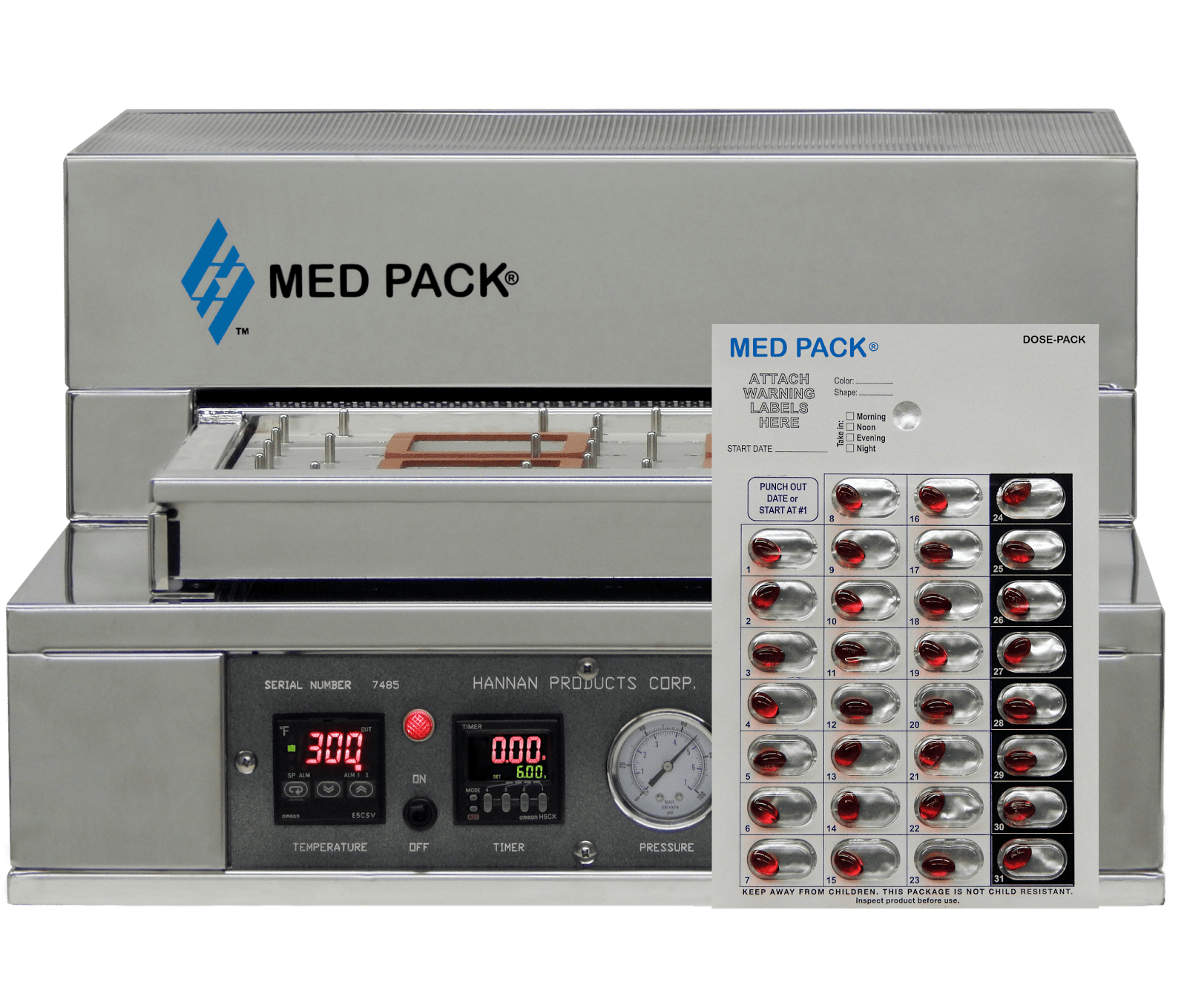
When it comes to product packaging, choosing between blister packaging and clamshell packaging can often be confusing, as they both originate from the thermoforming process and can appear quite similar on retail shelves. However, each has distinct features and benefits, making it crucial to understand their differences to make an informed decision that aligns with your product needs and packaging goals. Understanding Blister Packs and Clamshells What is a Blister Pack? Blister packs are predominantly used to encase products within a pre-formed plastic cavity, sealed against a backing material such as paperboard, foil, or plastic. This packaging is favored for its robustness and ability to clearly display the product. Features of Blister Packs Custom Cavities: Tailored to snugly fit the product, ensuring it remains securely in place. Hanging Tabs: Often included for easy retail display. Sealing Options: Can be heat-sealed or cold-sealed, enhancing tamper resistance. Material Versatility: Available in various materials including PET, HDPE, PP, and PVC. Graphic Customization: Allows for the addition of logos, branding, and product information directly on the backing. Advantages of Blister Packaging Product Visibility: Provides clear visibility of the product, enhancing buyer appeal. Tamper Evident: The sealing process helps prevent tampering and ensures product integrity. Cost-Efficiency: Generally less expensive on a per-unit basis, especially suitable for high-volume products. Consumer Trust: Consumers can view the product without opening the packaging, increasing trust and reducing the decision-making time. Applications of Blister Packs Pharmaceuticals: Ideal for tablets, capsules, and other medications. Electronics: Protects components like batteries, earbuds, and cables. Consumer Goods: Suitable for small items such as toys, hardware accessories, and cosmetics. Clamshells Clamshell packaging consists of a single piece of thermoform plastic that hinges together to enclose the product completely. This type of packaging is resealable and provides a robust shield against external factors. Features of Clamshells Snap Closures: Allows for the packaging to be securely closed and easily reopened. Stackability: Designed to be stacked for efficient transport and display. Visibility Inserts: Accommodates inserts for additional product information and branding. Material Flexibility: Made from a variety of plastics such as PET, HDPE, PP, and even more sustainable options like paperboard or bioplastics. Advantages of Clamshell Packaging Enhanced Protection: Offers superior protection from crushing and puncturing, ideal for delicate items. Versatility: Can be designed to fit a wide range of product shapes and sizes. Consumer Convenience: Easy to open and reseal, enhancing user satisfaction. Brand Presentation: Offers ample space for branding and is highly customizable to fit marketing needs. Applications of Clamshells Food Industry: Commonly used for fruits, salads, and bakery items. Retail Products: Effective for multi-component products or gift sets. Electronics: Provides a secure environment for gadgets, ensuring they remain free from damage. Which Should You Choose? The choice between blister packs and clamshells should be based on specific product requirements, customer handling expectations, and marketing objectives: Consider Blister Packs if: You need cost-effective packaging for high-volume products where visibility and tamper resistance are key. Opt for Clamshells if: Your product requires robust protection, especially if it’s high-value or delicate, and you want to enhance the consumer unboxing experience. Both packaging types can be tailored to meet the specific needs of your products, and choosing the right type can significantly impact your product’s market success. Understanding the unique properties of blister packs and clamshells is crucial for selecting the right packaging solution. Each has its own set of features, advantages, and suitable applications that can align with different product types and business goals. For expert guidance and custom packaging solutions that fit your needs, consider partnering with a specialized provider like Brown Packaging. (714)300-0650 request@brownpackaging.com Most Recent Posts: Categories: Corrugated Folding Carton Display Packaging Rigid Box Subscribe To Our Newsletter By submitting your information, you agree to our terms and conditions and privacy policy. Blister Packaging Facebook Twitter LinkedIn Pinterest Relevant Posts

Color plays a pivotal role in product packaging, serving not just an aesthetic purpose but also communicating values, emotions, and expectations to the consumer. Effective use of color in custom packaging can significantly influence customer perception, enhance brand recognition, and ultimately drive purchasing decisions. Let’s delve into how different colors can convey various messages about your products and how they can be strategically used to achieve your business goals. The Impact of Color in Packaging Overview of Color Psychology in Packaging Colors are a powerful tool in packaging design because they have the ability to trigger different emotional responses and convey specific attributes of a brand or product. Understanding the psychology behind colors can help businesses strategically choose hues that align with their brand identity and appeal to their target audience. Below are a list of the most popular colors used in custom packaging and what they say about your product: White Black Blue Red Orange Green Yellow Purple Pink Using Multiple Colors Shades Of Colors Common Colors Used in Custom Packaging and Their Meanings White Implications: White symbolizes purity, cleanliness, and simplicity. It is often used to create a perception of safety and sterility, which is ideal for healthcare and personal care products. Applications: Commonly used as a background color to make text and graphics pop, enhancing readability and highlighting important product information. Black Implications: Black is associated with sophistication, luxury, and seriousness. It suggests a premium quality and is often used in packaging for high-end products to convey elegance and exclusivity. Applications: Effective for creating contrast and making other elements stand out, particularly in luxury goods packaging. Blue Implications: Blue evokes feelings of trust, security, and calmness. It’s preferred universally and is deemed reliable and dependable. Applications: Widely used in products that aim to promote relaxation and trust, such as in the wellness and financial sectors. Red Implications: Red is a bold color that stimulates excitement, passion, and urgency. It can increase heart rate, which is why it’s commonly used to attract attention and encourage impulse purchases. Applications: Often used to highlight calls to action or special offers on packaging. Orange Implications: Orange combines the energy of red and the happiness of yellow, representing enthusiasm, creativity, and affordability. Applications: Frequently used to draw attention in retail settings and signal affordability without sacrificing quality. Green Implications: Green is synonymous with nature, health, and renewal. Darker greens are associated with wealth and luxury, while lighter greens are used to promote eco-friendly or natural products. Applications: Ideal for products that want to emphasize organic or sustainable attributes Yellow Implications: Yellow is a cheerful color that exudes optimism and youthfulness. It’s also attention-grabbing and can be used to make packaging more eye-catching. Applications: Effective for products targeting young demographics or those looking to convey affordability and fun. Purple Implications: Purple is often associated with creativity, luxury, and spirituality. It tends to attract attention with a sense of mystery and prestige. Applications: Used in beauty and luxury goods to suggest sophistication and rarity. Pink Implications: Pink is traditionally linked to femininity, warmth, and romance. It ranges from playful shades to more serious, muted tones. Applications: Common in products aimed at the female market, particularly in cosmetics and children’s products, to evoke softness and warmth. Using Multiple Colors Utilizing multiple colors in packaging needs a balanced approach to maintain brand integrity and ensure clear communication. Complementary colors can create vibrant dynamics and enhance visual appeal, but they should be used judiciously to avoid overwhelming consumers and diluting the brand message. Shades of Colors The intensity and shade of a color can alter its impact. Darker shades often convey a more professional and luxurious feel, while lighter shades can appear more accessible and soft. Choosing the right shade is crucial in aligning the packaging with the product’s target audience and brand values. Summary: What Does Color of Your Packaging Say About Your Product The color of your packaging is a direct communication tool with your consumers. It not only influences how your product is perceived but can also significantly impact its market performance. By carefully selecting appropriate colors, businesses can effectively position their products, enhance consumer experience, and meet specific market needs. For personalized guidance on leveraging the power of color in your packaging strategy, partnering with packaging experts like Brown Packaging can ensure that your packaging colors align with your brand identity and marketing goals, maximizing the impact of your products on the shelves. (714)300-0650 request@brownpackaging.com Most Recent Posts: Categories: Corrugated Folding Carton Display Packaging Rigid Box Subscribe To Our Newsletter By submitting your information, you agree to our terms and conditions and privacy policy. Custom Packaging Facebook Twitter LinkedIn Pinterest Relevant Posts

Stretch film is a fundamental component in packaging, crucial for securing products on pallets for safe storage and transportation. This versatile plastic wrapping material is used worldwide by businesses of every type to protect and stabilize cargo during transit and in warehouses. Understanding the different types of stretch film and their specific applications is essential for optimizing packaging operations and reducing costs. What You Need To Know About Stretch Film Stretch film is designed to cling tightly to items, providing a secure overwrap that protects them from dust, moisture, and movement. Let’s dive into the details of the extrusion process, types of stretch film, and practical applications to help you make an informed decision when choosing the right stretch film for your needs. Extrusion Process The extrusion process is crucial in stretch film manufacturing, involving the heating or compression of resin to achieve the desired viscosity. This resin is then formed into a plastic layer through either a cast or blown extrusion process. Cast Stretch Film Cast stretch film is produced by melting resin and pushing it through a flat die onto chilled rollers, where it solidifies. This method creates a clear, glossy film with excellent cling and quiet unwind properties. Advantages of Cast Stretch Film: Good for securing pallet loads with smooth and straight edges (A and B loads). Transparent finish that makes it easier to see merchandise, product information, directions, and barcodes. Low noise when wrapping the pallets. Self-adhering properties. Available in single or double side cling (sticky). Medium puncture resistance. Easy to apply. Cheaper alternative compared to blown film. Disadvantages of Cast Stretch Film Not as strong as blown film in holding merchandise. Less memory and more prone to tear than blown film. Blown Stretch Film Blown stretch film is made by extruding melted plastic through an annular slit die, followed by blowing the molten tube up with air to form a thin film. This process results in a film that is strong, puncture-resistant, and has a higher degree of memory. Advantages of Blown Stretch Film: Good for securing pallets with pointed or sharp edges (C- loads). High resistant to tears and punctures Provides a higher carrying and holding capacity High level of memory once stretched Disadvantages of Blown Stretch Film Makes noise when wrapping the pallets Not as clear as cast film More expensive than cast Types of Stretch Film Conventional Stretch Film This is the standard film used for a variety of applications, versatile enough to handle regular load types. Engineered Stretch Film Engineered films are designed with advanced polymers to offer better performance with less material, ideal for reducing waste and improving load stability with less film. Pre-stretched Stretch Film Pre-stretched films are extended close to their ultimate break point prior to being wound onto rolls. This film is lighter and easier to apply, reducing fatigue for operators and material usage. Application Methods Hand Rolls Hand rolls are used for manual application, suitable for businesses that wrap fewer than 50 pallets per day. They are portable and do not require machinery, making them accessible for smaller operations. Machine Rolls Machine rolls are used with automatic or semi-automatic pallet wrapping machines. These are suitable for high-volume environments, providing consistent wrapping and reducing labor costs. Thickness and Additives The thickness of stretch film is typically measured in gauges, with a variety of specifications available to suit different load types and handling conditions. Additives can be incorporated into the film to confer additional properties such as UV resistance, anti-static behavior, or color tinting, enhancing functionality and safety. Hand Rolls Machine Rolls Film With Additives Summary: The Importance of Choosing the Right Stretch Film Selecting the right type of stretch film is vital for effective product protection and operational efficiency. By understanding the different types and their specific benefits, businesses can significantly reduce material waste, enhance cargo security, and optimize costs. Whether you’re wrapping a few pallets a day by hand or managing a large-scale distribution center, the appropriate stretch film can make a significant difference in your packaging operations. For detailed advice and options on stretch films, consider reaching out to packaging experts like Brown Packaging, who can provide tailored solutions based on your specific needs and industry requirements. (714)300-0650 request@brownpackaging.com Most Recent Posts: Categories: Corrugated Folding Carton Display Packaging Rigid Box Subscribe To Our Newsletter By submitting your information, you agree to our terms and conditions and privacy policy. Stretch Film Facebook Twitter LinkedIn Pinterest Relevant Posts

Packaging foam is essential for protecting products against shocks, vibrations, and other potential damages during transportation and storage. Understanding the different types of packaging foam available can help you choose the most suitable option based on your specific needs. This guide covers a variety of foam types, including the primary options—polyurethane, polyethylene, and expanded polystyrene (EPS)—and introduces additional varieties, each with unique properties and applications. Overview of Major Foam Types Polyethylene Polyurethane Expanded Polystyrene Polyethylene Foam (PE) Polyethylene foam is a closed-cell foam known for its durability and versatility. It’s made by heating and molding polymer compounds into millions of tiny bubbles, all sealed off from each other. Benefits: Chemical and Moisture Resistance: Highly resistant to chemicals and moisture. Durability: Offers excellent vibration and compression protection. Versatility: Customizable in multiple densities and colors with additives like fire retardants and anti-static agents. Fabrication Flexibility: Easily processed and fabricated into various shapes. Disadvantages: Environmental Impact: Challenges in recycling and potential toxicity when burned. Cost: More time-consuming and costly to fabricate compared to other materials. Applications: Used in industries such as electronics, medical, and construction for end caps, box liners, and protective blocks. Polyurethane Foam Polyurethane foam is an open-cell foam that is flexible and known for its excellent cushioning properties. Benefits: Cushioning Properties: Superior for protecting delicate items. Lightweight: Reduces shipping costs. Customization: Available in multiple colors and easily laminated. Thermal Insulation: Suitable for temperature-sensitive shipments. Disadvantages: Flammability: Emits toxic gases when burned. Odor: May not be suitable for odor-sensitive applications. Durability: Shorter shelf-life than closed-cell foams. Applications: Commonly used in protective packaging for electronics, medical devices, and specialty packaging designs. Expanded Polystyrene (EPS) EPS is a lightweight, molded, closed-cell foam, often referred to by its brand name, Styrofoam. Benefits: Cost-Effectiveness: Economical for various applications. Lightweight and Strong: Provides excellent protection without significant weight. Insulation: Good thermal resistance. Moisture Resistance: Does not absorb water, ideal for humid environments. Disadvantages: Environmental Concerns: Difficult to recycle and not eco-friendly. Durability: Brittle and degrades under UV exposure. Applications: Widely used in shipping containers for food and medical supplies and protective packaging. Additional Types of Packaging Foam Ethylene-Vinyl Acetate (EVA) EVA foam is known for its rubber-like softness and flexibility, making it ideal for applications requiring a smooth and soft texture. Benefits: Shock Absorption: Excellent for sports equipment and luxury packaging. Water Resistance: Does not absorb water, enhancing its durability. Chemical Resistance: Resists oils and greases, suitable for industrial applications. Applications: Commonly used for padding in equipment, sports gear, and high-end retail packaging. Cross-Linked Polyethylene Foam This type of foam offers superior durability and is ideal for requiring fine, aesthetic finishes. Benefits: Smooth Surface: Provides a clean, professional look. High Durability: Resistant to tearing and punctures. Thermal Stability: Maintains properties over a wide temperature range. Applications: Used for medical devices, automotive interiors, and cases for delicate instruments. Cross-Linked Polyethylene Conclusion: Different Types of Packaging Foam The variety of packaging foams available offers businesses a wide range of options to protect and enhance their products. From the versatile polyethylene and cushioning polyurethane to the economical EPS and specialized foams like EVA and cross-linked polyethylene, each type provides unique benefits suited to different packaging needs. Understanding these options will help you select the best foam type for your specific product protection, branding, and sustainability goals. If you are interested in exploring custom packaging foam solutions tailored to your products, consider partnering with a specialist like Brown Packaging to navigate the selection process and optimize your packaging strategy effectively. (714)300-0650 request@brownpackaging.com Most Recent Posts: Categories: Subscribe To Our Newsletter By submitting your information, you agree to our terms and conditions and privacy policy. Custom Foam Facebook Twitter LinkedIn Pinterest Relevant Posts

In today’s competitive market, differentiation is key. Custom packaging offers a strategic advantage, enabling businesses to tailor their packaging to specific product needs, brand identity, and consumer preferences. Here’s an exploration of the numerous benefits that custom packaging can bring to your business, from enhancing brand visibility to optimizing costs and improving customer experience. Here are 8 reasons to invest in custom packaging: Decreases Your Overhead Improves Storage Efficiency Increase Sales Improve Brand Awareness Better Representation of Your Brand Higher Perceived Value of Products Maximize the Consumer Experience Meet any Requirements Decreases Your Overhead Investing in custom packaging can lead to substantial cost savings over time. By tailoring the design to your specific products, you reduce material waste and improve packing efficiency. This optimization extends to logistics, where custom dimensions can mean more product per shipment, reducing the frequency and cost of deliveries. Moreover, custom packaging can be designed to minimize damage during transit, decreasing the need for replacements and refunds. Improves Storage Efficiency Custom-designed packaging can revolutionize how you use space in your storage facilities and retail environments. By creating packages that are collapsible, stackable, or tailored to fit unique storage configurations, you can maximize the use of available space, reducing storage costs. This is particularly beneficial for businesses with limited warehouse space or those looking to reduce rental costs. Increase Sales Attractive and unique packaging designs can capture the attention of potential buyers, significantly increasing the chances of purchase. Custom packaging allows for the integration of eye-catching graphics, innovative shapes, and enhanced functionality that can make your product stand out on the shelves. This not only helps in attracting new customers but also in retaining interest among existing customers by keeping the product presentation fresh and engaging. Improve Brand Awareness Custom packaging acts as a direct reflection of your brand’s values and quality. Whether your brand emphasizes luxury, eco-friendliness, innovation, or user-friendliness, the packaging can be crafted to convey these traits effectively. For example, using recycled materials can emphasize a commitment to sustainability, while premium materials and finishes can enhance the luxury feel. Better Representation of Your Brand Custom packaging acts as a direct reflection of your brand’s values and quality. Whether your brand emphasizes luxury, eco-friendliness, innovation, or user-friendliness, the packaging can be crafted to convey these traits effectively. For example, using recycled materials can emphasize a commitment to sustainability, while premium materials and finishes can enhance the luxury feel. Higher Perceived Value of Products The quality and design of packaging significantly influence how consumers perceive the value of the product inside. High-quality, well-designed packaging suggests a high-quality product, allowing you to potentially command a higher price point. Custom packaging creates an unboxing experience that can turn routine purchases into memorable moments, enhancing customer satisfaction and perceived product value. Maximize the Consumer Experience Custom packaging goes beyond aesthetics; it enhances the user experience through added functionality. Features such as easy-open tabs, resealable closures, and ergonomic designs can make your products more accessible and enjoyable to use. This attention to the consumer’s needs can greatly enhance satisfaction and encourage repeat purchases. Meet Any Requirements Custom packaging can be specifically designed to meet industry regulations and standards, which is critical for products requiring compliance with safety, handling, and environmental regulations. This ensures that your products are not only well-protected but also legally compliant, avoiding potential legal issues and enhancing consumer trust in your brand. Summary: Why You Should Invest In Custom Packaging The strategic investment in custom packaging provides numerous benefits from operational efficiencies to marketing advantages. By tailoring packaging specifically to your product and brand needs, you can enhance visual appeal, increase functionality, and convey your brand story more effectively. In an era where packaging often serves as a consumer’s first touchpoint with a product, custom packaging is not just advisable; it’s essential. For businesses looking to leverage these benefits, working with a skilled packaging provider like Brown Packaging can ensure that your packaging solutions are not only innovative and appealing but also cost-effective and aligned with your strategic goals. (714)300-0650 request@brownpackaging.com Most Recent Posts: Categories: Corrugated Folding Carton Display Packaging Rigid Box Subscribe To Our Newsletter By submitting your information, you agree to our terms and conditions and privacy policy. Custom Packaging Facebook Twitter LinkedIn Pinterest Relevant Posts

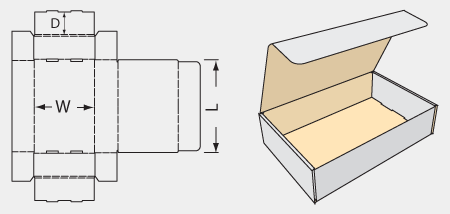
A Half Slotted Container (HSC) is a specific type of corrugated box known for its robustness, versatility, and open-top design. These features make HSCs ideal for applications where quick access to contents is necessary. Widely utilized across various industries, HSC boxes are essential for storage, transportation, and display purposes, providing an efficient and sustainable packaging solution. Understanding Half Slotted Containers Design and Structure The defining characteristic of an HSC is its open top and flaps only at the bottom, which are sealed to provide structural integrity. Unlike Regular Slotted Containers (RSCs), which have flaps on both the top and bottom, HSCs offer easier access to stored items, making them highly convenient for repeated use and content management. Materials Used HSCs are crafted from corrugated fiberboard, a material often mistaken for plain cardboard. Corrugated fiberboard comprises several layers: Top Liner: The outermost layer that can be printed on for branding or labeling. Flute Layer: Provides the corrugated sheet’s rigidity and crush resistance, situated between the liners. Inner Liner: Adds strength and stability to the structure. For added durability, HSCs can be manufactured with double or triple-walled constructions, which include additional layers of corrugated medium and liner. This enhancement is particularly useful for heavier items or when additional protection is necessary during transit. Recyclability An important aspect of HSCs is their environmental friendliness. These containers can be designed to be 100% recyclable, aligning with modern sustainability practices. The materials used in their construction play a crucial role in their ability to be recycled efficiently. Real-Life Applications of Half Slotted Containers To better illustrate the versatility and functionality of HSCs, here are some common applications: Record Storage Boxes: Often used in offices for archiving files, these may feature side handles and optional lids for enhanced usability and security. Gaylord Boxes: Large containers that fit on a pallet, ideal for consolidating multiple packages or bulky items in a single unit for efficient bulk handling. Telescopic Boxes: Comprising two parts, where one box fits into the other, telescopic boxes are adaptable in size and offer variable capacity, making them perfect for products with non-standard dimensions. Shoe Boxes: Typically designed with detachable lids, allowing for easy access and aesthetic display while providing protection and stackability. Record Storage Boxes Gaylord Boxes Telescopic Boxes Summary: The Utility of Half Slotted Containers Understanding the structure, design, and applications of HSCs is crucial for businesses looking to optimize their packaging strategies. HSCs are not just practical but adaptable, capable of accommodating a wide range of products and uses from industrial supplies to consumer goods. Their design allows for easy access and efficient use of space, while the option for enhanced material strength and recyclability supports a broad spectrum of industry needs. Whether for storage, shipping, or display, half slotted containers offer a reliable, cost-effective, and sustainable choice. If you are interested in custom or stock half slotted containers, then partner with Brown Packaging today to get started. (714)300-0650 request@brownpackaging.com Most Recent Posts: Categories: Corrugated Folding Carton Display Packaging Rigid Box Subscribe To Our Newsletter By submitting your information, you agree to our terms and conditions and privacy policy. Facebook Twitter LinkedIn Pinterest Relevant Posts

Flexible packaging stands out in the packaging industry for its adaptability and efficiency. Utilizing materials that can flex and mold, this type of packaging adjusts its shape when filled or sealed, catering to a diverse range of products. The evolution of material technologies has not only made flexible packaging more cost-effective but also reduced material consumption during manufacturing, positioning it as a preferable alternative to traditional rigid and corrugated packaging solutions. Comprehensive Overview of Flexible Packaging Materials Used in Flexible Packaging The foundation of flexible packaging lies in its diverse material selection, each offering unique properties: Low Density Polyethylene (LDPE): Commonly used for its softness and flexibility, ideal for products requiring heat sealing. It’s resistant to various chemicals and is predominantly used in food packaging and consumer goods. High Density Polyethylene (HDPE): Known for its robustness and chemical resistance, making it suitable for household cleaning supplies, poly mailers, and items that encounter stress during shipping. Polypropylene (PP): With its high heat resistance, PP is perfect for packaging products that may be exposed to heat, such as microwaveable foods and certain consumer electronics. Polyethylene Terephthalate (PET): Offers excellent clarity and barrier properties against moisture and gases, widely used in the food and beverage industry. Polyvinyl Chloride (PVC): Chosen for its durability and resistance to environmental factors, PVC is used in non-food packaging such as shrink films and sturdy containers. Flexible Packaging Products and Their Applications Flexible packaging can be customized to suit a broad range of applications, offering unique solutions that are both protective and promotional: Pouches: Available in various styles such as stand-up, flat, and side gusset, pouches are popular for food products, cosmetics, and small consumer goods. Roll Stock: This material is used to create custom bags or pouches, tailored to specific product dimensions, commonly used for snacks, candies, and nutritional bars. Poly Bags: These versatile bags are suitable for a wide array of products, from apparel to food and electronics, featuring options like resealable closures and custom prints. Plastic and Bubble Mailers: Designed for shipping, these mailers are lightweight, durable, and can include bubble cushioning for added protection. Pouch Roll Stock Poly Mailer Benefits of Flexible Packaging The advantages of flexible packaging are numerous, making it a preferred choice for many businesses: Environmental Impact: Many materials used in flexible packaging are recyclable, and ongoing advancements are enhancing biodegradable and compostable options. Customization and Branding: Flexible packaging allows extensive customization in printing and design, enabling effective brand promotion and consumer engagement. Cost Efficiency: The lightweight nature of these materials reduces shipping costs and decreases the overall environmental footprint. Supply Chain Efficiency: Flexible packaging requires less storage space and can be transported more efficiently, allowing for more products per shipment compared to rigid packaging solutions. Pouch Roll Stock Poly Bag Conclusion: Flexible Packaging Explained: Flexible packaging offers a dynamic approach to packaging, combining innovative material use with functional design to meet a variety of industry needs. Whether for food, pharmaceuticals, or consumer goods, flexible packaging provides tailored solutions that enhance product protection, display, and sustainability. For businesses considering this packaging option, understanding the specific material properties and potential applications is crucial for making an informed decision. For further assistance and to explore flexible packaging solutions tailored to your needs, consider reaching out to packaging experts like Brown Packaging. (714)300-0650 request@brownpackaging.com Most Recent Posts: Categories: Corrugated Folding Carton Display Packaging Rigid Box Subscribe To Our Newsletter By submitting your information, you agree to our terms and conditions and privacy policy. Custom Packaging Facebook Twitter LinkedIn Pinterest Relevant Posts

When it comes to packaging your products, the choice between folding cartons and rigid boxes is crucial. Both types serve similar purposes in protecting, displaying, and promoting products but differ significantly in their construction and usage implications. This guide provides an in-depth comparison to help you decide which packaging solution best suits your product plans, budget, and business goals. Understanding Folding Cartons and Rigid Boxes What is a Folding Carton? Folding Carton Benefits Folding Carton Disadvantages Common Folding Carton Applications What is a Rigid Box? Rigid Box Benefits Rigid Box Disadvantages Common Rigid Box Applications What is A Folding Carton? Folding cartons are typically made from thin paperboard, precisely cut, folded, and glued to form a variety of shapes and sizes. These cartons are versatile, customizable, and widely used across various industries for lightweight, durable, and cost-effective packaging solutions. Folding Carton Benefits • Cheaper in costs: folding cartons are less complex and are generally made with cheaper material than rigid boxes.• Storage space efficient: cartons have the flexibility of folding flat, which makes it ideal for storage purposes.• Lower logistics costs: with lightweight material and a flat structure, cartons are cheap in overhead for shipping and handling.• Faster to produce: typically, the simpler the packaging product is the faster it is able to be produced. Folding Carton Disadvantages • Less product protection: the material used to create folding cartons are thinner compared to rigid boxes.• Product set-up required in fulfillment: packagers usually have to fold the carton into its form.• Cannot hold heavy or fragile items: this type of box is not recommended in holding fragile or heavy items. Common Folding Carton Applications • Food snacks• Cereal• Small electronic devices and accessories• Soda packs• Medicine• Consumer goods (small)• Sports accessories• Nutrition and supplements• Ink cartridges What is A Rigid Box? Rigid boxes are made from heavier cardboard than folding cartons and are non-collapsible. Known for their strength and premium quality, these boxes offer enhanced protection and an elevated unboxing experience, often used for luxury or high-value products. Rigid Box Benefits • Higher perceived product value: rigid boxes provide customers with more confidence due to your investment in the products packaging (display and promotion)• Product set-up is easier in fulfillment: these boxes are delivered in their box shape, which will require less labor in fulfillment.• Superior product protection: these boxes provide extra protection compared to other boxes. Rigid Box Disadvantages • More expensive to make: the cost of materials and effort to make rigid boxes is substantially more than a folding carton.• Slower to Produce: these boxes are more complex, which often result in slower production.• Higher logistics costs: these boxes are not as logistic friendly as cartons.• Requires more storage space: boxes have to be stacked and cannot lay perfectly flat like a foldable box. Common Rigid Box Applications • Gift boxes• Cosmetic and beauty set boxes• Medical devices• High-end and luxury products• Jewelry• Smartphones and computers Comparison and Considerations When choosing between folding cartons and rigid boxes, consider the following aspects: Product Type: The nature of the product, its fragility, and value play crucial roles. Rigid boxes are preferable for delicate or premium items, while folding cartons are sufficient for more durable and lower-value products. Budget Constraints: Folding cartons are more budget-friendly, especially for large volumes, making them suitable for businesses looking to minimize costs. Brand Image: The packaging contributes significantly to brand perception. Rigid boxes often convey a higher quality image, appropriate for luxury brands or premium product lines. Environmental Impact: Consider the sustainability of your packaging choice. Both options can be produced with recycled materials, but the overall environmental impact may vary based on the production process and materials used. Final Recommendation Your decision should align with your overall marketing strategy, product requirements, and customer expectations. If presenting a luxury image or ensuring the utmost protection is crucial, rigid boxes are the best choice. However, if cost efficiency and practicality are more significant concerns, folding cartons will serve well. If you are interested in rigid boxes or folding cartons, then partner with Brown Packaging today to get started. (714)300-0650 request@brownpackaging.com Most Recent Posts: Categories: Corrugated Folding Carton Display Packaging Rigid Box Subscribe To Our Newsletter By submitting your information, you agree to our terms and conditions and privacy policy. Custom Packaging Facebook Twitter LinkedIn Pinterest Relevant Posts

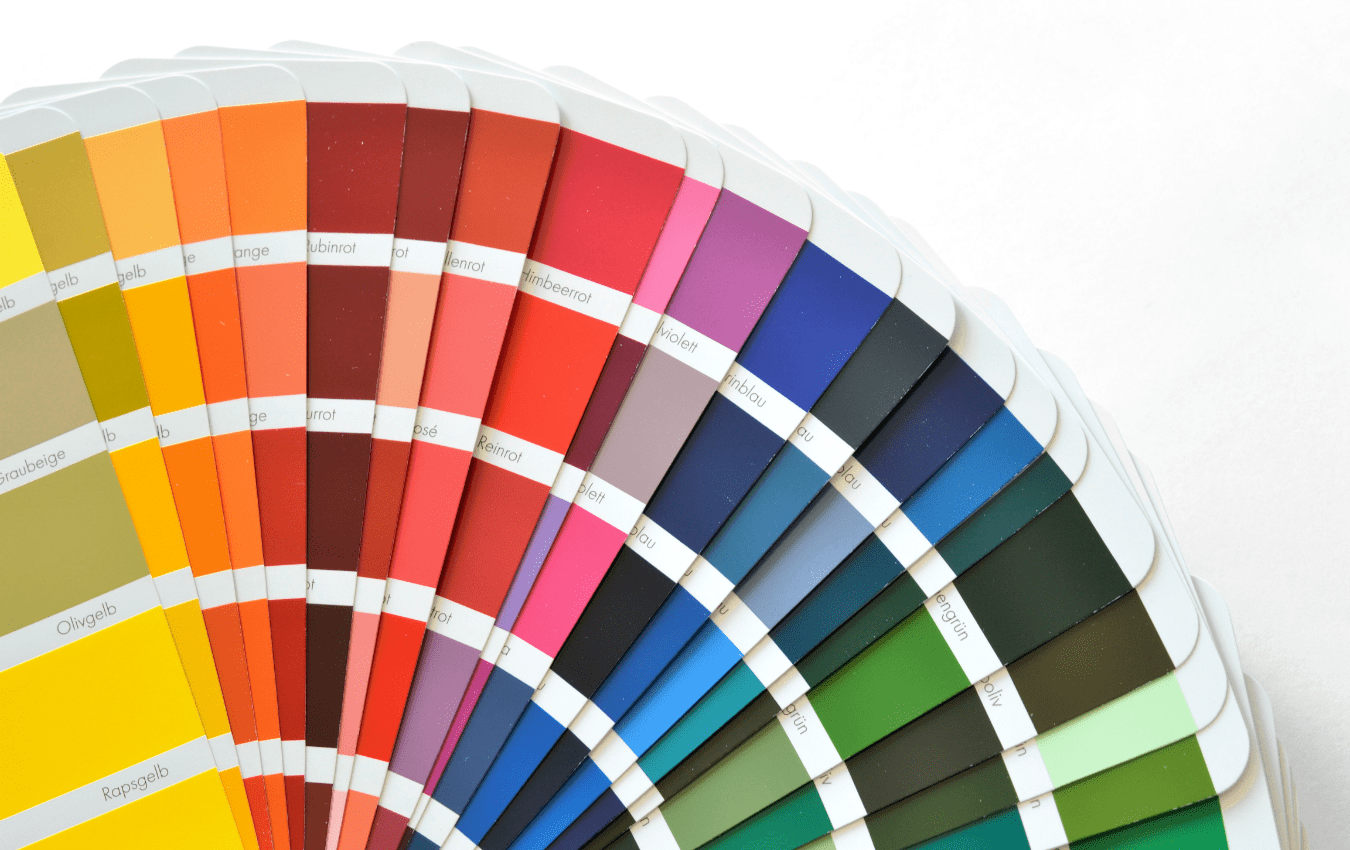
When customizing packaging with logos, brand colors, or designs to enhance product appeal and branding, choosing the right printing technique is crucial. Today’s technology offers several options, each suited to different needs based on budget, volume, and quality requirements. In this guide, we will delve into two popular printing methods—digital and flexographic printing—to help you determine the best option for your packaging needs. Understanding the Complexity of Custom Packaging Custom packaging, which can include boxes, pouches, labels, and cartons, is tailored specifically with unique structures, graphics, materials, and features. Unlike standard products, custom packages require considerable time, planning, effort, and investment, providing significant advantages in product protection, efficiency, and marketability. Digital Printing: Efficiency and Flexibility Digital printing is a modern technique that transfers a digital-based image directly onto the packaging material using advanced printers. This method is ideal for quick turnaround projects due to its minimal setup requirements. Advantages of Digital Printing: Quick Setup: No need for plates or prolonged setup times, making it perfect for tight deadlines. Cost-Effectiveness for Short Runs: Although the cost per unit is higher, the low initial investment makes digital printing cost-effective for small, customized orders. High-Quality Prints: Digital printers can produce detailed, vibrant prints suitable for complex designs and small text. Flexibility: Changes to the artwork or design can be made quickly and inexpensively, allowing for frequent updates and iterations. Ideal Use Cases for Digital Printing: Short runs or low volume orders. Projects requiring high detail and print quality. Customization for limited editions or personalized packaging. Prototypes and samples where frequent modifications are expected. Flexographic Printing: Traditional and Economical Flexographic printing, or flexo, is a more traditional form of printing that involves the use of rubber or plastic plates to apply ink to the packaging material. This method is favored for its efficiency in high-volume production runs. Advantages of Flexographic Printing: Economical for Large Volumes: High initial setup costs are offset by lower costs per unit, making flexo printing cost-effective for large runs. Speed: Once the setup is complete, flexo printing can produce large quantities rapidly. Color Accuracy: Flexo is excellent for projects requiring precise color matching, using GCMI or PMS colors to ensure brand consistency. Ideal Use Cases for Flexographic Printing: High-volume printing where the design does not change frequently. Projects that require exact color specifications. Long-term printing needs where the initial investment in plates can be amortized over time. Making the Right Choice The decision between digital and flexo printing depends on several factors: Volume: Digital printing is more suitable for smaller quantities, while flexo printing is cost-effective for larger runs. Complexity of Design: Digital printing handles complex images and variable data printing more efficiently. Color Accuracy: If exact color matching is critical, flexo printing is the preferred choice. Budget Constraints: Consider the upfront costs associated with flexo printing versus the potentially higher per-unit costs of digital printing for small runs. Choosing between digital and flexo printing for your packaging needs involves weighing the specifics of your project against the strengths of each printing method. For rapid, highly customizable small runs, digital printing offers flexibility and speed. For larger, consistent runs where color accuracy and cost efficiency are paramount, flexo printing provides an effective solution. By carefully considering your project’s requirements, you can select the printing technology that best aligns with your operational goals and budget. If you are interested in flexo or digital print custom packaging, then contact Brown Packaging today to get started. (714)300-0650 request@brownpackaging.com Most Recent Posts: Categories: Corrugated Folding Carton Display Packaging Rigid Box Subscribe To Our Newsletter By submitting your information, you agree to our terms and conditions and privacy policy. Custom Packaging Facebook Twitter LinkedIn Pinterest Relevant Posts

Retail point of purchase (POP) displays are essential tools for marketing products directly to consumers within retail environments. These displays vary widely in shape, size, and design, each tailored to specific marketing and placement needs. Corrugated POP displays, known for their versatility and durability, offer an array of options to suit various retail settings. Here, we explore nine popular types of corrugated POP displays, detailing their applications and benefits to help you choose the right one for your products. What is a Corrugated Retail POP Display? Corrugated retail POP displays are made from corrugated fiberboard, which is notable for its structural sturdiness yet lightweight properties. These displays are customized with unique structures, sizes, shapes, and folds, and are often enhanced with vibrant graphic designs, various print options, and finishes. Designed to be temporarily installed, from a day to several months, they provide a flexible and cost-effective solution for seasonal marketing or promotional campaigns. Detailed Overview of Corrugated Retail POP Displays Floor Displays Full Pallet Display Half Pallet Display Quarter Pallet Display Power Wing/Sidekick Dump Bin Pallet Skirt/Wrap Counter Tops PDQ Trays Floor Display Floor displays, or floor stands, are the quintessential type of POP display used in retail. Positioned in prominent store aisles, they provide access from multiple sides, maximizing consumer interaction. Applications: Ideal for new product launches or special promotions. Benefits: High visibility and easy accessibility increase consumer engagement and potential sales. Full Pallet Display These displays are built directly on a shipping pallet and are commonly seen in wholesale and bulk retail environments. Applications: Best for large-volume promotions or wholesale club stores. Benefits: They facilitate bulk selling and are easy to set up directly from the shipping pallet, reducing setup time and effort. Half Pallet Display Smaller than full pallet displays, these are versatile for both product showcasing and promotional uses in retail environments. Applications: Effective in retail settings where space is more limited but product visibility is still a priority. Benefits: Offers a balance between the bulk promotion of a full pallet and the space-saving design of smaller displays. Quarter Pallet Display Designed for small spaces, quarter pallet displays optimize retail areas by accommodating compact display needs. Applications: Suitable for checkout areas or in narrow aisle endcaps. Benefits: Maximizes retail space efficiency and is ideal for highlighting smaller product quantities. Full Pallet Display Half Pallet Display Power Wing/Sidekick These are secondary displays attached to existing shelving or at the end of aisles using hooks or adhesives. Applications: Perfect for promoting small, impulse-buy items next to related products. Benefits: Enhances product visibility and encourages impulse purchases; easy to install and move. Dump Bin An open container for bulk or loose items, placed strategically to attract customers through ease of access and the allure of rummaging. Applications: Great for clearance items, seasonal goods, or promotional products. Benefits: Encourages spontaneous purchasing by making items easily accessible and visibly appealing. Pallet Skirt/Wrap A decorative and informative wrap around the base of a pallet, this display type is often used in warehouse-style retail environments. Applications: Enhances the aesthetic of bulk product displays on pallets. Benefits: Provides significant branding space to communicate marketing messages effectively; quick to install. Counter Tops Small displays designed to sit on counters or other surfaces where space is at a premium. Applications: Ideal for checkout areas to promote small, last-minute purchase items. Benefits: Utilizes otherwise wasted counter space and captures customer attention during the checkout process. PDQ Trays Pre-packed display trays that are easy to set up and can be placed on shelves, counters, or alongside larger displays. Applications: Suitable for quick setup in retail environments, offering versatility for product placement. Benefits: Streamlines the merchandising process, reducing labor costs and enhancing product turnover. Dump Bin Countertop Display Summary: Different Types of Corrugated POP Displays Choosing the right type of corrugated POP display can significantly impact the effectiveness of your in-store marketing efforts. By understanding the specific features and benefits of each display type, you can tailor your approach to better meet your promotional goals and engage more effectively with your target customers. If you are interested in POP displays, then partner with Brown Packaging today to get started. (714)300-0650 request@brownpackaging.com Most Recent Posts: Categories: Corrugated Folding Carton Display Packaging Rigid Box Subscribe To Our Newsletter By submitting your information, you agree to our terms and conditions and privacy policy. POP Displays Facebook Twitter LinkedIn Pinterest Relevant Posts

Selecting the right packaging supplier can be a daunting task, especially for newcomers in the market. The challenge often lies in balancing cost, value, product selection, order minimums, and design capabilities. While manufacturers offer direct access to production, they typically lack flexibility in product variety and additional services. On the other hand, distributors provide more options and flexibility but may lack direct control over production specifics. This is where hybrid packaging suppliers come into play, offering the best of both worlds. Understanding the Options: Manufacturer vs. Distributor vs. Hybrid Packaging Manufacturer Manufacturers are the primary source for packages, offering a direct line to the production process without a middleman. This direct relationship can lead to a more streamlined process and potentially lower costs. However, manufacturers often specialize in specific types of packaging and may not offer the breadth of services or customization that some businesses require. Advantages Streamlined production process In-house structural design team In-house product and material sampling Potentially lower costs due to direct sourcing. Specialized production capabilities. Disadvantages • Only offers 1 or a few products• Has specific order minimums (can be high or can be low)• Lack of flexibility in combining designs, materials, and other products (inserts, graphics, print options, finishes, and more)• No inventory management or just in time delivery (JIT)• No graphic design capabilities.• Global sourcing: cannot offer prices offered overseas Traditional Packaging Distributor Distributors act as intermediaries who source from various manufacturers, providing a broader range of products and greater flexibility. They can cater to clients who need diverse materials and design options under one roof, often with lower minimums than direct manufacturers. Advantages • Wide product selection• Flexible quantity minimums• Product, material, and design combination• Flexibility of machine capabilities (size, print, speed, and more)• JIT/Inventory Management Services Disadvantages • No in-house graphic design team• No in-house product and material sampling• Does not globally source • No project management from concept to completion The Hybrid Packaging Supplier Advantage Hybrid packaging suppliers combine the strengths of both manufacturers and distributors. They maintain control over the manufacturing process while offering the flexibility and variety typically associated with distributors. This model allows for a more tailored approach to packaging solutions, addressing specific needs without the typical trade-offs associated with other supply routes. Benefits of Choosing a Hybrid Supplier: Comprehensive Solutions: Hybrid suppliers manage the entire process from design through production, ensuring that all aspects of packaging are harmonized. Customization and Flexibility: They offer the customization capabilities of manufacturers with the product variety and flexibility of distributors. Cost-Effectiveness: By managing both production and supply, hybrid suppliers can optimize costs across the supply chain, potentially offering more competitive pricing. Reduced Lead Times: Integrating services under one roof can reduce the time from design to delivery. Quality Control: With direct involvement in manufacturing and design, hybrid suppliers can ensure higher standards of quality control. Ideal for Complex Projects Hybrid suppliers are particularly beneficial for clients with complex packaging needs. They are equipped to handle intricate designs that require a blend of different materials and technologies. Additionally, they can provide valuable input during the design phase to ensure that the packaging is not only visually appealing but also functional and compliant with any necessary regulations. Conclusion For businesses looking to streamline their packaging procurement process without sacrificing quality or flexibility, hybrid packaging suppliers represent an optimal choice. They eliminate the inefficiencies commonly encountered when dealing with separate manufacturers and distributors, providing a seamless, cost-effective, and highly adaptable packaging solution. In today’s market, where efficiency and adaptability are paramount, partnering with a hybrid packaging supplier can give businesses a significant competitive edge. By offering tailored solutions that meet specific packaging needs, hybrid suppliers ensure that their clients can focus on their core products without worrying about the complexities of the packaging process. If you are interested in working with a hybrid packaging supplier, then partner with Brown Packaging today to get started. (714)300-0650 request@brownpackaging.com Most Recent Posts: Categories: Corrugated Folding Carton Display Packaging Rigid Box Subscribe To Our Newsletter By submitting your information, you agree to our terms and conditions and privacy policy. Custom Packaging Facebook Twitter LinkedIn Pinterest Relevant Posts

The custom packaging process can be quite confusing, especially for a new or inexperienced buyer. However, this process can be broken down into 8 simple steps, making it easier to understand and manage. Knowing these steps will help you develop realistic expectations and plan your course of action effectively. Why Custom Packaging? Custom packaging differs significantly from purchasing standard or stock products. It involves creating packages that are tailor-made for your product, including specific structures, graphics, materials, and features. While custom packaging offers significant advantages in terms of protection, efficiency, and marketability, it also requires more time, planning, effort, and capital. Planning Market Research Dieline Design Graphic Design Testing and Sampling Production Market Review Optimize Step 1: Planning Planning is the foundational step in the custom packaging process. It’s where you define what you want to achieve with your packaging. Establish your project’s goals, budget, materials, roles, deadlines, and overall course of action. Consulting with packaging experts during this phase is crucial to set realistic expectations and lay down a strategic roadmap. Step 2: Market Research Effective market research is critical to understanding your target audience and positioning your brand strategically. This step involves analyzing market trends, customer behavior, and competitor packaging strategies. The insights gained here will guide the design and functionality of your custom package, ensuring it appeals effectively to your customers. Step 3: Dieline Design The dieline design is your packaging blueprint. It outlines the exact size, shape, and folding lines of your package. Working with a skilled packaging designer at this stage is recommended to ensure the structure of your package is both attractive and functional. Step 4: Graphic Design Graphic design brings your package to life visually. This step involves integrating your brand’s logos, colors, and thematic elements into the packaging design. It’s also crucial to include essential product information and adhere to any regulatory labeling requirements. Step 5: Testing and Sampling Before moving into mass production, testing and sampling your packaging is essential. This phase allows you to evaluate the package’s physical durability and aesthetic appeal. Adjustments can be made based on this feedback to enhance the design. Step 6: Production Production begins once your design is finalized and approved. This stage requires close coordination with your manufacturer to ensure the packaging is produced to exact specifications. Maintaining high quality control standards during production is crucial to prevent any issues that could impact the effectiveness of your packaging. Step 7: Market Review After production, evaluate how your packaging is performing in the market. Monitor sales data, customer feedback, and any logistical issues. This review can provide valuable insights into how well your packaging meets your business goals and customer needs. Step 8: Optimize The final step is optimization. Based on the feedback and data collected, look for ways to improve your packaging. Whether it’s a design tweak, a material change, or an adjustment in the production process, continuous improvement will help maximize the effectiveness of your packaging. Summary: Custom Packaging Process Understanding the custom packaging process in these eight steps can significantly simplify the complexities involved. By carefully managing each stage, from planning to optimization, you can ensure that your packaging not only protects your product but also powerfully enhances its market presence. At Brown Packaging we are experienced in working with clients from concept to completion. We can provide you all your packaging needs will maintaining a consultative approach. (714)300-0650 request@brownpackaging.com Most Recent Posts: Categories: Corrugated Folding Carton Display Packaging Rigid Box Subscribe To Our Newsletter By submitting your information, you agree to our terms and conditions and privacy policy. Custom Packaging Facebook Twitter LinkedIn Pinterest Relevant Posts