
Home » Poly Bags: Polyethylene Vs Polypropylene
Poly Bags: Polyethylene Vs Polypropylene
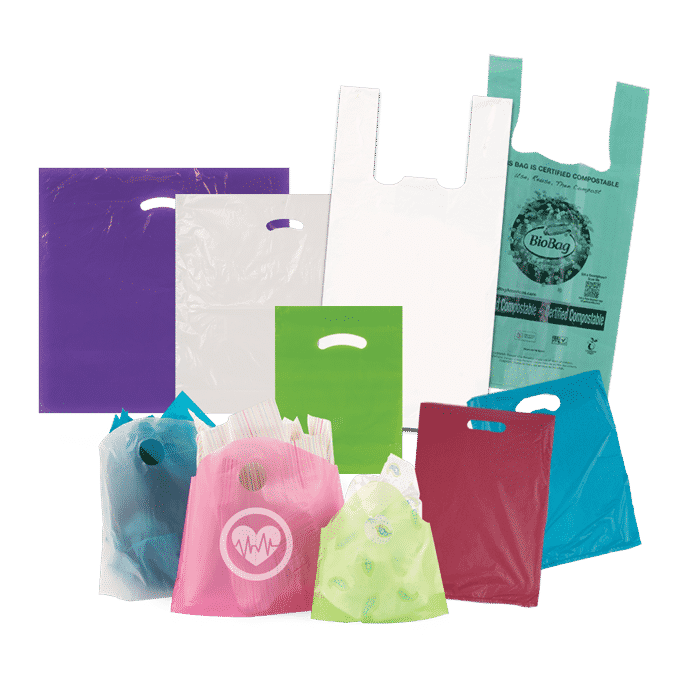
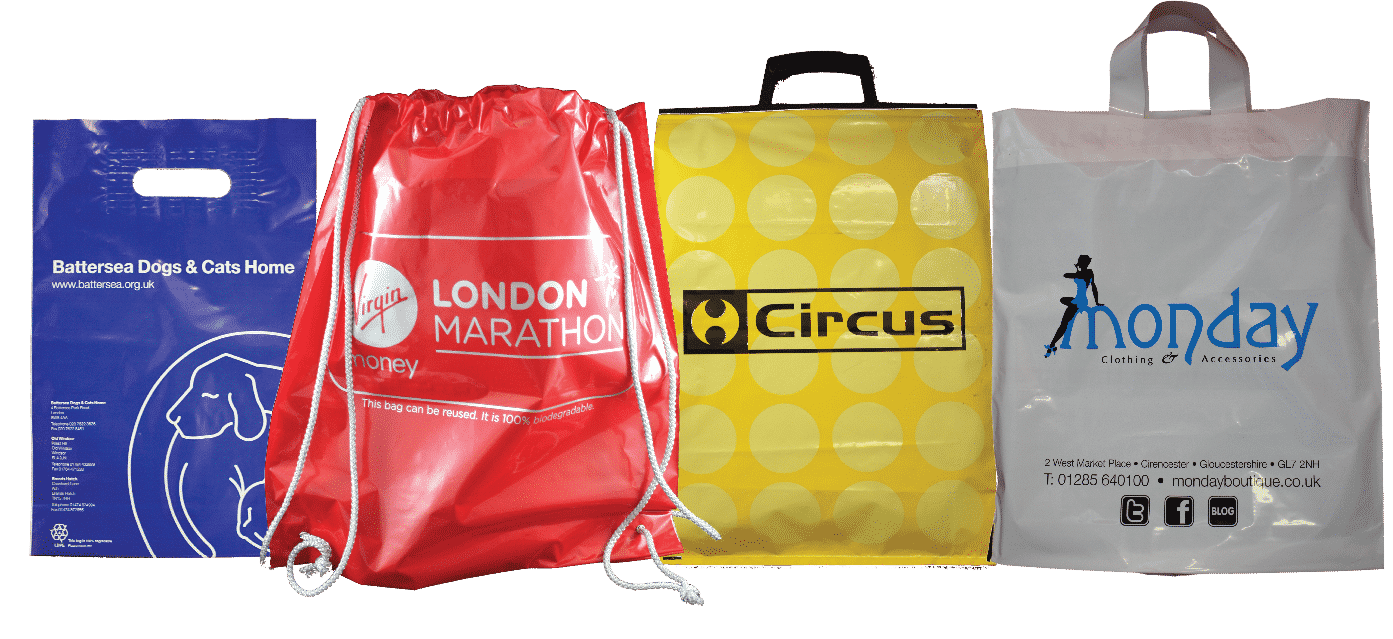
Poly bags are a staple in the packaging industry, offering a lightweight, cost-effective, and versatile solution for packaging various products, from food and consumer goods to medical supplies and industrial materials. The two most common materials used in poly bag manufacturing are polyethylene (PE) and polypropylene (PP), each with distinct properties that influence their performance, strength, and clarity. Understanding the differences between these materials is crucial for selecting the right bag for your application.
Polyethylene (PE) Bags
Polyethylene bags are made from the polymerization of ethylene gas, forming flexible plastic materials available in different densities—high-density (HDPE), low-density (LDPE), linear low-density (LLDPE), and medium-density (MDPE)—each with varying levels of strength, clarity, and durability.
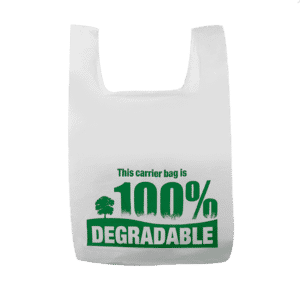
- High-Density Polyethylene (HDPE): Known for its superior strength and puncture resistance, HDPE is ideal for heavy-duty applications, such as bulk food storage, industrial packaging, and carrying sharp or irregular-shaped items like fertilizers, sand, or mulch. These bags are rigid, moisture-resistant, and commonly used in shopping bags and take-out packaging.
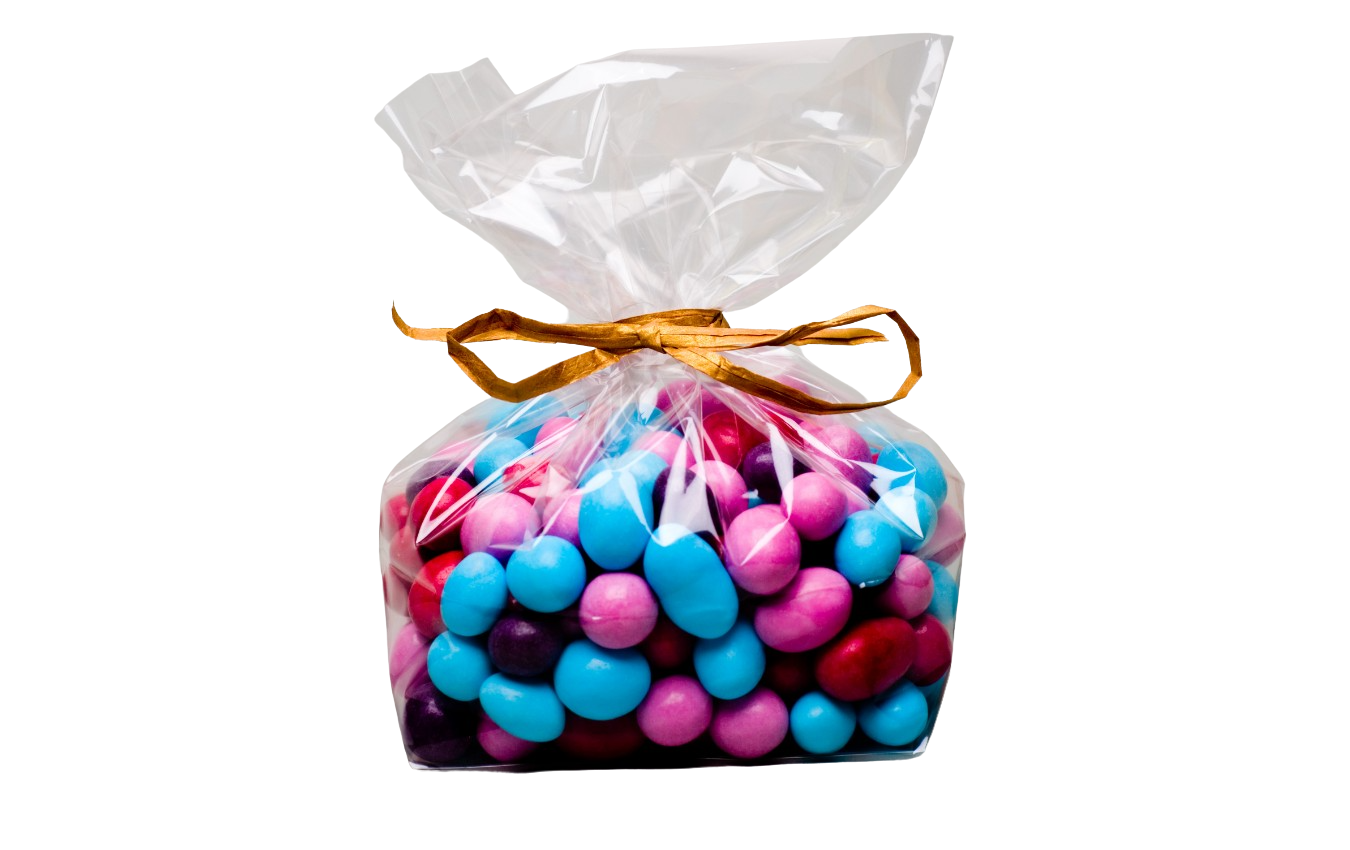
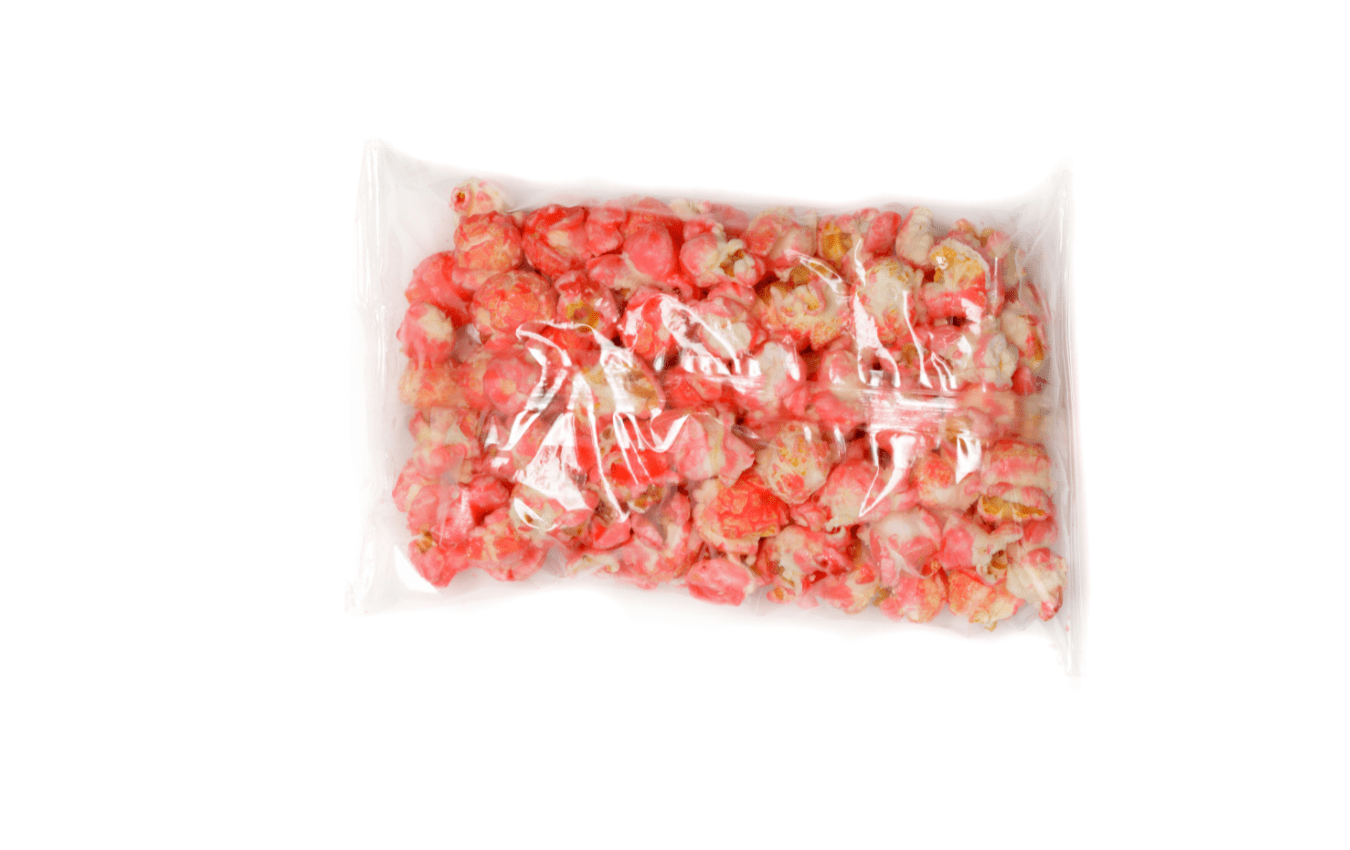
- Low-Density Polyethylene (LDPE): More flexible and clearer than HDPE, LDPE bags are widely used for lightweight products like bread, candies, snacks, and small consumer goods. While they offer high clarity and softness, they lack the durability required for heavy or sharp-edged products.
- Linear Low-Density Polyethylene (LLDPE): Offering a balance between strength and flexibility, LLDPE is commonly used in food-grade packaging, grocery bags, and lawn care products due to its chemical resistance and contamination-free properties.
- Medium-Density Polyethylene (MDPE): Positioned between HDPE and LDPE in terms of flexibility and strength, MDPE bags provide a well-rounded option for cosmetics, food packaging, electronics, and retail applications.
Polypropylene (PP) Bags
Polypropylene bags are made from the polymerization of propylene, resulting in a rigid, high-clarity material that excels in moisture resistance, chemical protection, and heat resistance. These bags are widely used in applications where product visibility and contamination prevention are critical.
- Applications: PP bags are commonly used in medical, food, beauty, and electronics packaging, as they provide superior clarity for product display and ensure protection against moisture, debris, and bacteria. Their resistance to high temperatures also makes them ideal for outdoor packaging and sterilized environments.
- Advantages Over Polyethylene: PP bags do not absorb moisture, are more resistant to tearing, and have a crisper structure, making them suitable for premium product presentation.
Which Poly Bag Should You Choose?
The decision between polyethylene and polypropylene largely depends on your packaging requirements:
- For strength and durability → Choose HDPE or LLDPE for heavy, industrial, or bulk items.
- For flexibility and affordability → Choose LDPE or MDPE for lightweight products.
- For high clarity and contamination resistance → Choose Polypropylene (PP) for food, medical, or electronics packaging.
Brown Packaging offers a wide selection of custom and stock poly bags to suit your needs. Contact us today to discuss the best solution for your packaging application!
Rising tariffs and trade restrictions on Chinese manufacturing are accelerating the need for U.S. companies to reevaluate their packaging supply chains. Many packaging buyers who
POP display design must serve two masters — maximizing visual impact in-store while minimizing logistics costs. Engineering the right balance between display footprint, assembly complexity,
Functional features like tear strips, windows, and hang tabs can enhance consumer experience and retail appeal—but they also introduce engineering challenges. Each modification affects structural
Phat Snax is redefining the snack aisle with a mission to make America’s snacks better for you — without killing the flavor. Their products, like
When choosing corrugated packaging, box style directly impacts cost, strength, speed of packing, and customer experience. Two of the most common options are the Regular
The holiday season pushes packaging supply chains to their limits. With surging e-commerce demand, constrained carrier capacity, and rising material costs, packaging buyers must navigate
Home » Poly Bags: Polyethylene Vs Polypropylene

Poly bags, known for their versatility and cost-effectiveness, are widely used in various industries for packaging. However, their durability can sometimes be a concern, especially

Effective packaging can play a critical role in the success of any business. The right type of packaging can make all the difference when it

The food industry has undergone a variety of changes over the years, with one of the most prominent shifts being in the area of packaging.