Home » Gusseted Bags Explained: Types, Uses & Applications
Gusseted Bags Explained: Types, Uses & Applications
Gusseted bags are designed with extra folds of material at the sides or bottom to increase capacity and structural support. This feature makes them ideal for products requiring more volume, weight capacity, or shelf stability. Available in both poly (plastic) and flexible pouch formats, gusseted bags are widely used across food, retail, and industrial markets.
Side Gusset Bags
Design
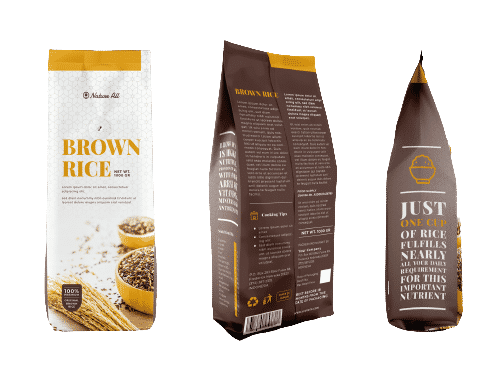
Additional material on the sides allows expansion for greater volume.
Slimmer profile takes up less shelf space compared to bottom gusset designs.
Advantages
Efficient storage and shipping due to compact shape.
Strong capacity for heavier or bulkier products.
Limitations
Harder to stack neatly for retail displays.
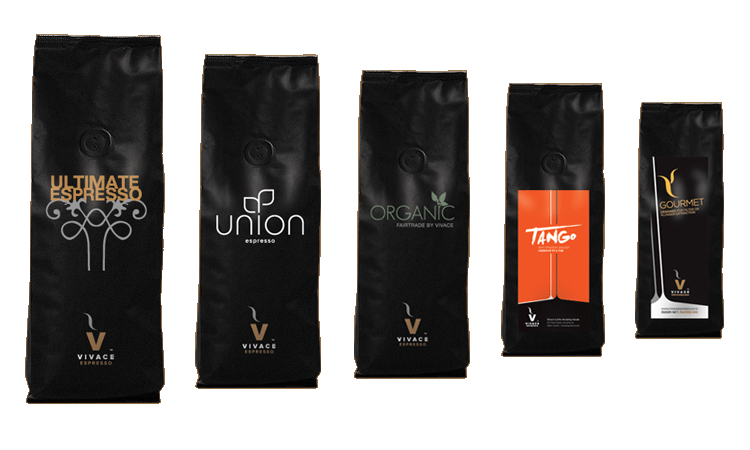
Less stable when standing upright compared to bottom gusset bags.
Common Applications
Pet food
Dry ingredients (flour, rice, grains)
Frozen foods
Snacks and confectionery
Personal care items or textiles
Bottom Gusset Bags
Design
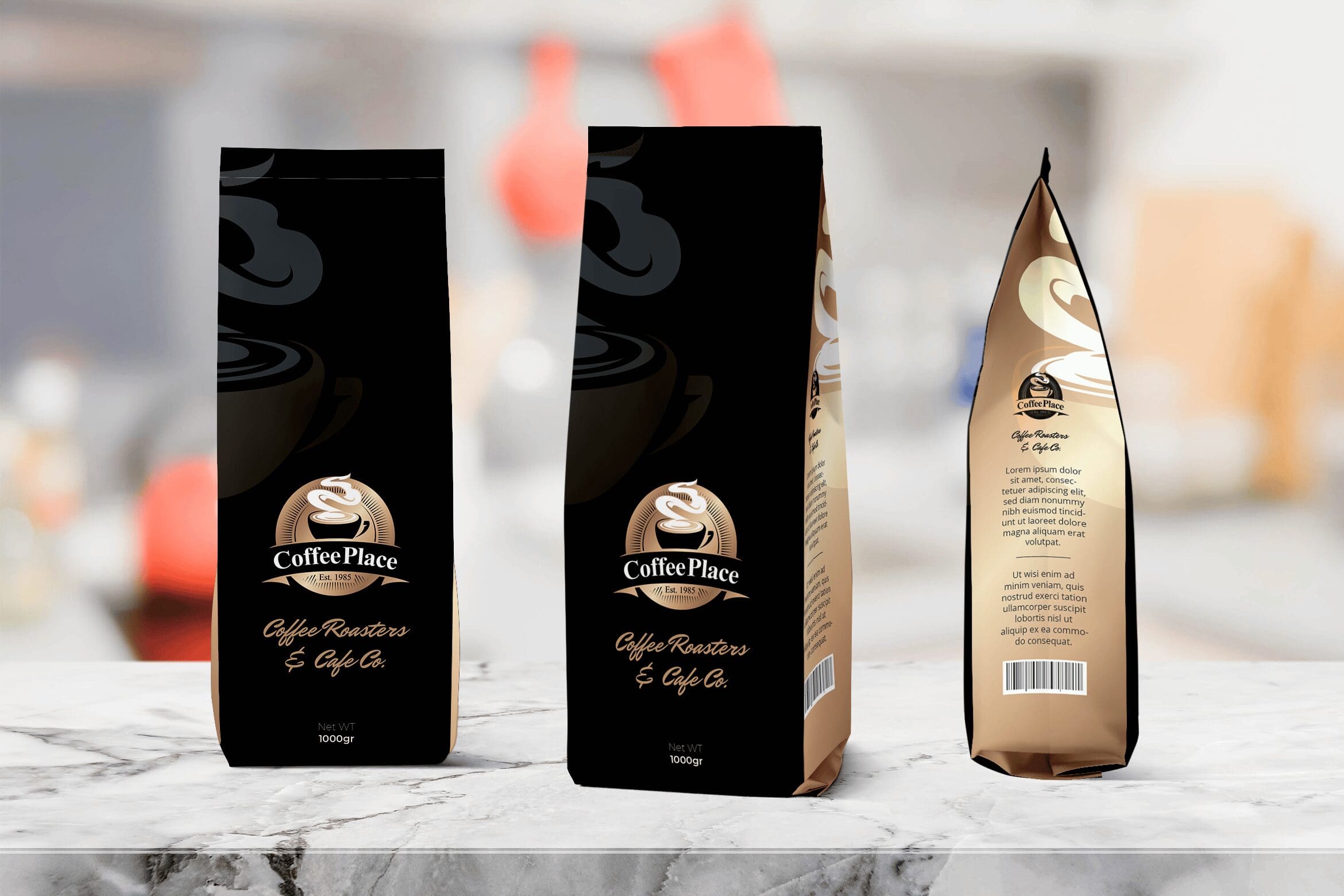
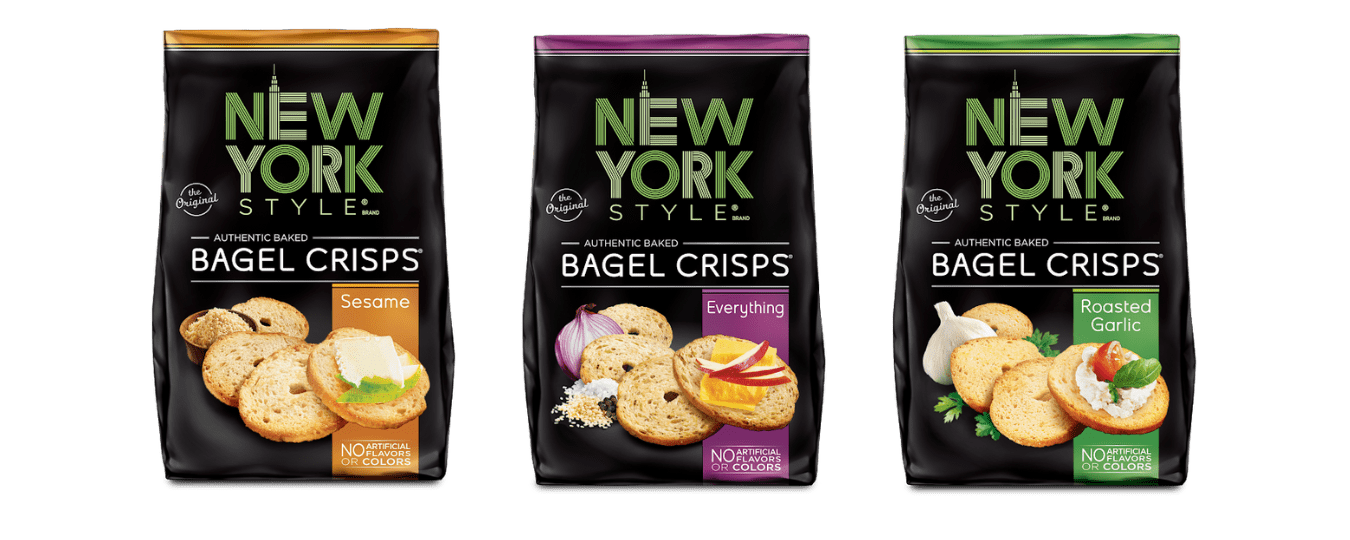
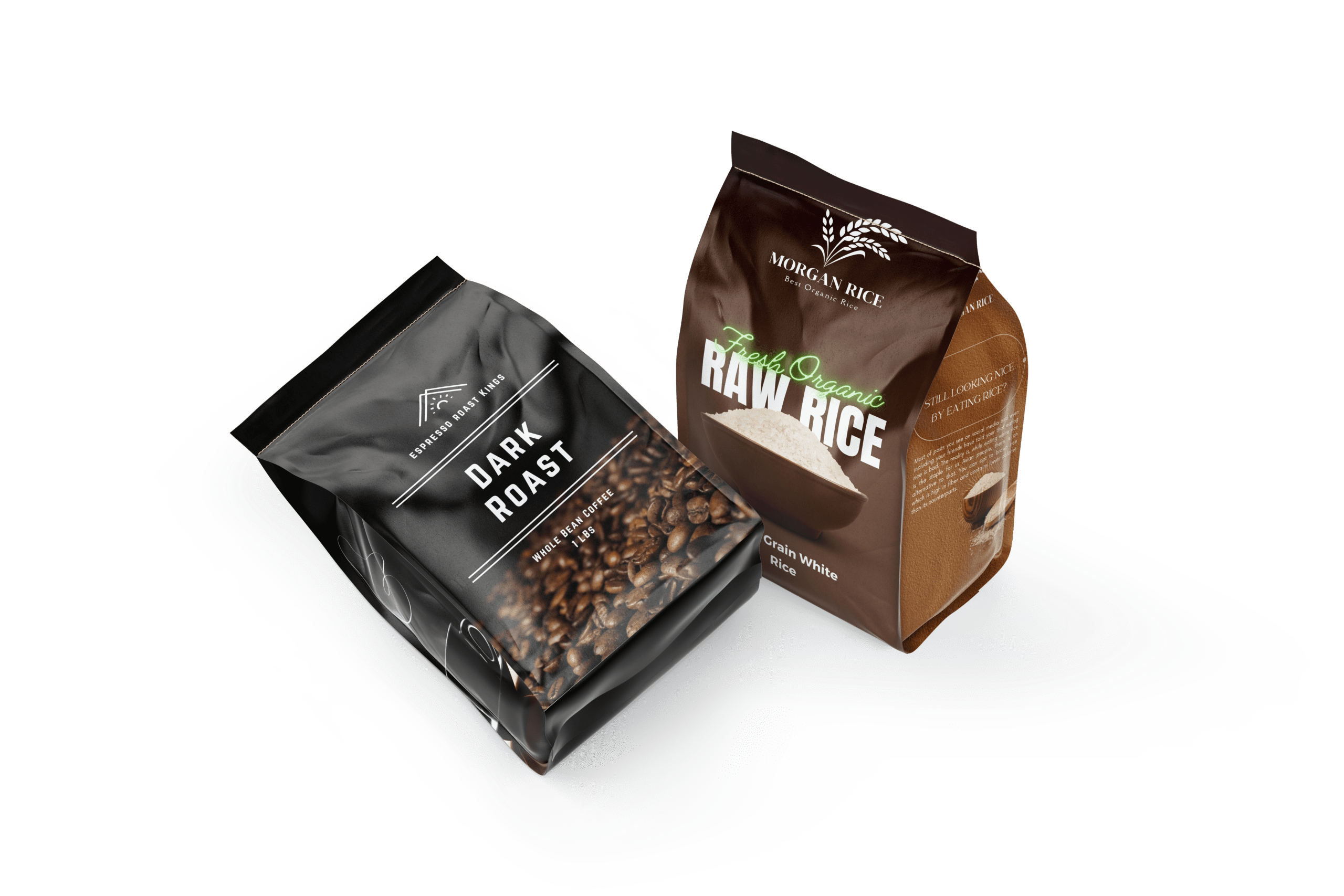
Extra material at the bottom expands outward, allowing the package to stand upright.
Offers greater display appeal with more visible front-facing branding.
Advantages
Excellent stability on shelves and counters.
Versatile for liquid, powder, or irregularly shaped products.
Limitations
Occupies more shelf space compared to side gusset designs.
May require stronger sealing for heavier or sharp-edged products.
Common Applications
Candy and baked goods
Coffee and powdered beverages
Sanitary and personal care products
Pharmaceuticals
Liquid products (soups, sauces, supplements)
Choosing Between Side and Bottom Gussets
The right gusset design depends on product needs, distribution, and retail goals:
Side Gusset: Best for products needing compact storage and high-volume capacity with less emphasis on shelf display.
Bottom Gusset: Best for stand-up presentation, premium branding, and consumer visibility.
Consider whether you need packaging that will be stackable vs. stand-up, space-saving vs. display-ready, and how your graphics or branding will appear on the chosen format.
Buyer Takeaway
Choose side gusset bags when storage efficiency and capacity are key priorities.
Choose bottom gusset bags when branding, display visibility, and consumer presentation matter most.
Both styles can be fully customized with graphics, colors, and finishes to support your product and marketing strategy.
References
Flexible Packaging Association. (2023). Guide to Pouch Formats and Applications. Retrieved from https://www.flexpack.org
Robertson, G. L. (2016). Food Packaging: Principles and Practice (3rd ed.). CRC Press.
Plastics Industry Association. (2022). Trends in Flexible Packaging. Retrieved from https://www.plasticsindustry.org
Corrugated box trends in 2027 will be driven by a practical mix of cost control, sustainability, ecommerce growth, automation, retail requirements, and supply chain performance.
Packaging trends in 2027 will be shaped by one major reality: buyers are no longer looking at packaging as just a box, carton, insert, pouch,
Folding cartons are often treated as a simple retail packaging option, but the best folding carton programs are built around more than appearance. The right
Box Compression Test (BCT) measures how much vertical load a corrugated box can last before it collapses. This matters when: Boxes are stacked on pallets
Most companies don’t realize how much they’re paying to ship empty space. Packaging is often designed around convenience or standard sizes, not efficiency. The result
Excess moisture in pet food packaging can cause mold growth, nutrient degradation, clumping, and product spoilage. Effective moisture control combines barrier material selection, packaging design,
Home » Gusseted Bags Explained: Types, Uses & Applications
A pouch is a flexible packaging product which is made up of layers of plastic film, metalized, barrier film and other materials. Typically they are
Pouches are a go-to for flexibility and convenience, but they can fail in critical ways—from poor seals to punctures and delamination—that hurt performance and brand
The integrity of a pouch package is only as strong as its seal. Sealing technologies determine not just the strength of closure but also shelf