Home » It’s Not Cardboard, It’s Corrugated
It’s Not Cardboard, It’s Corrugated
The terms cardboard and corrugated are often used interchangeably, but in packaging, they mean very different things. Cardboard is a catch-all term used by consumers, while corrugated and chipboard each have specific material definitions and applications. Knowing the difference helps buyers choose the right packaging solution and avoid costly mistakes.
Corrugated: Material and Products
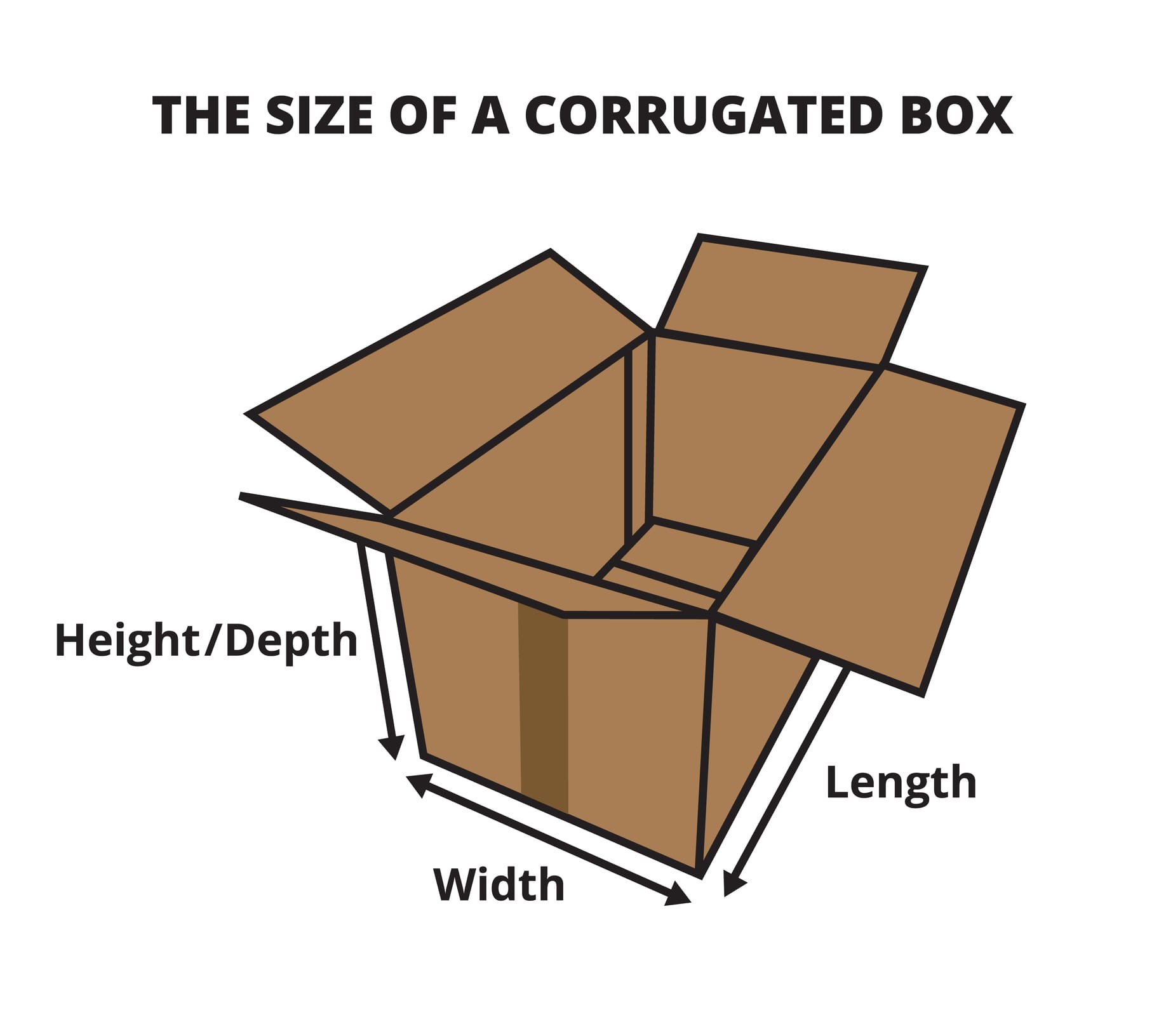
Corrugated material is built from at least three layers: an inside liner, an outside liner, and a fluted medium in between. Additional layers can be added to improve compression and stacking strength. This structure makes corrugated ideal for protective and high-strength packaging.
Products Made with Corrugated
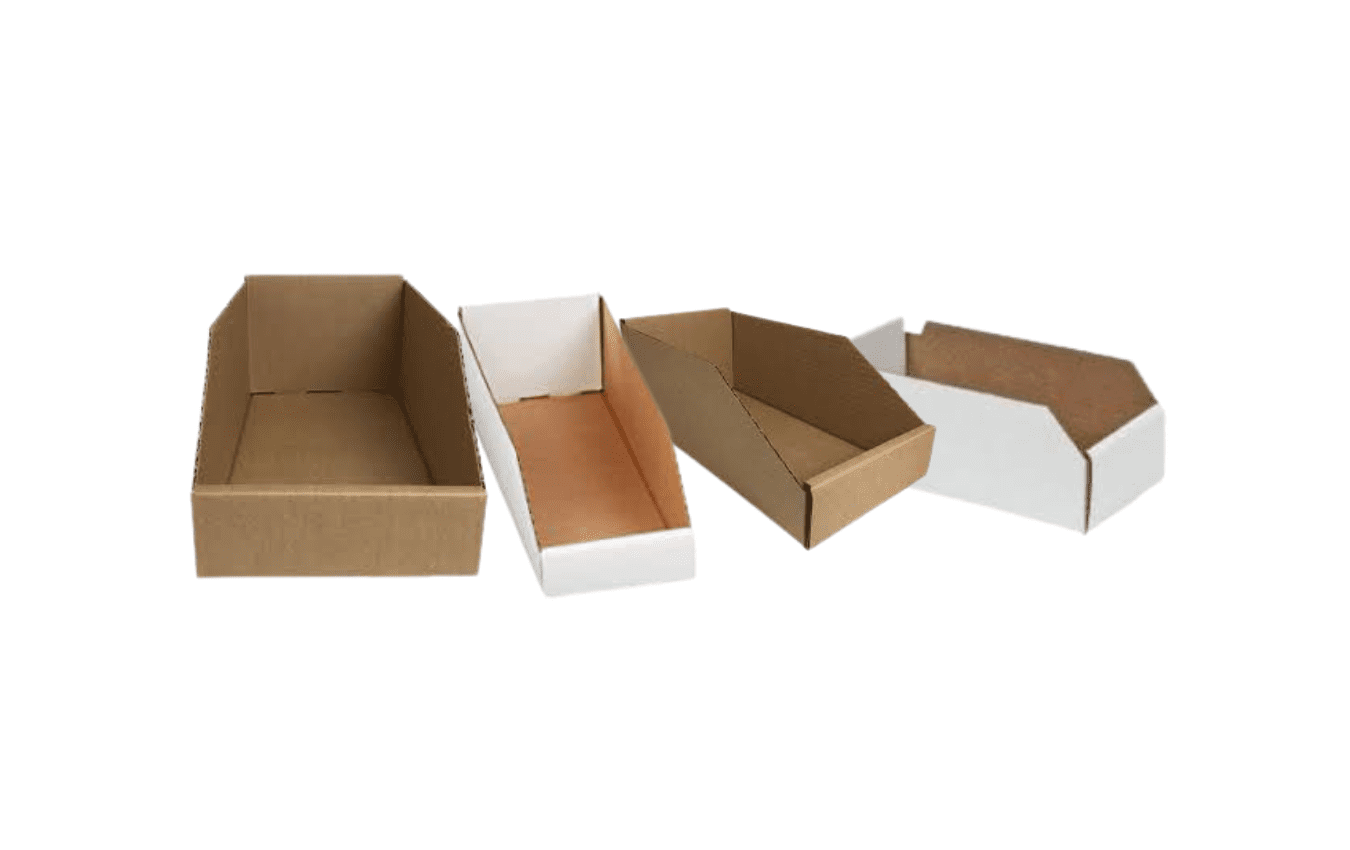
Sheets and inserts
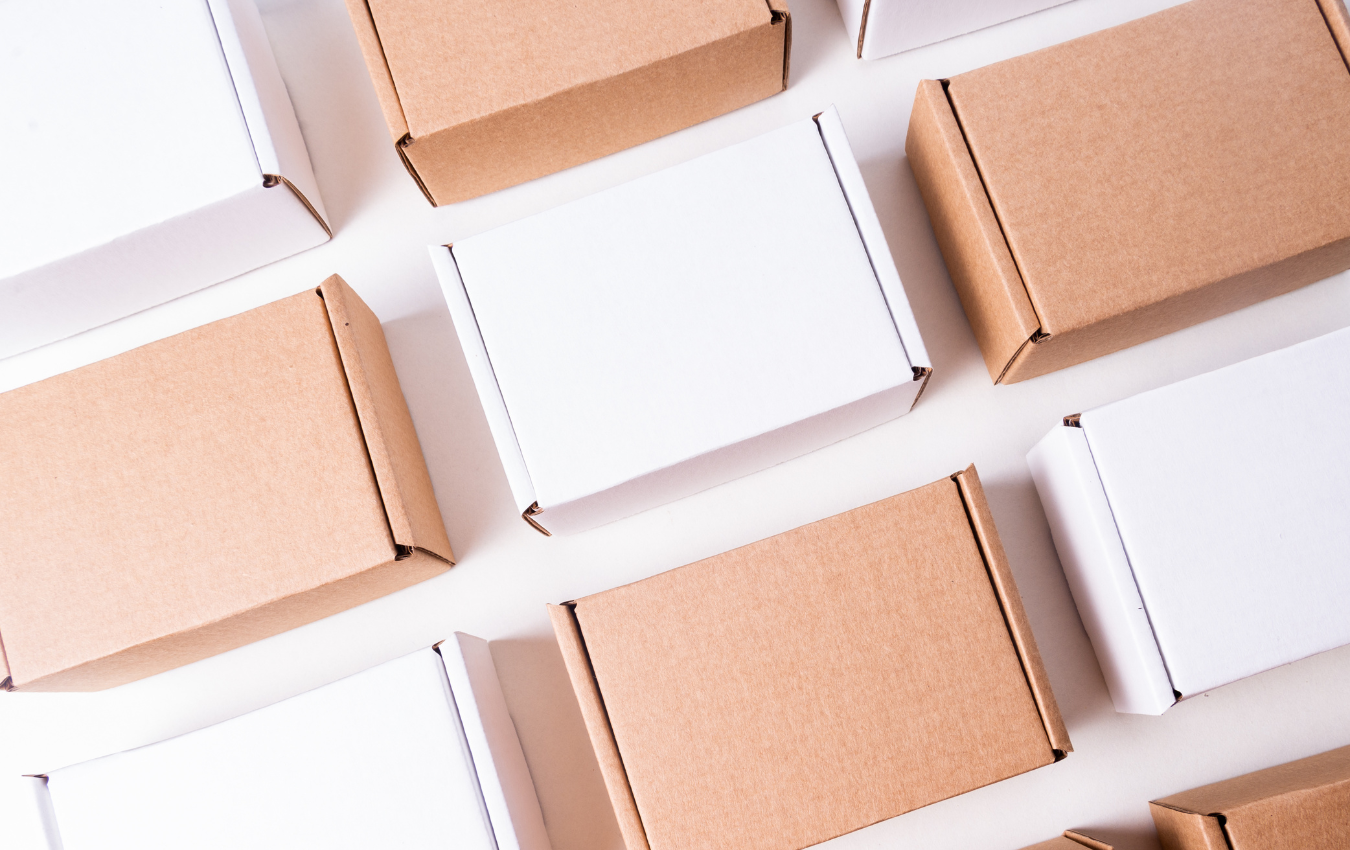
Corrugated is available in natural kraft brown or bleached white. The brown color often leads consumers to mistakenly call it “cardboard.”
Chipboard: Material and Products
Chipboard (sometimes called paperboard) is manufactured by pressing small wood particles with resin under heat and pressure to form a smooth, rigid sheet. While it is lightweight and inexpensive, it does not provide the same compression or stacking strength as corrugated.
Products Made with Chipboard
Folding cartons for small, lightweight goods
Dividers and partitions
Inserts and sleeves
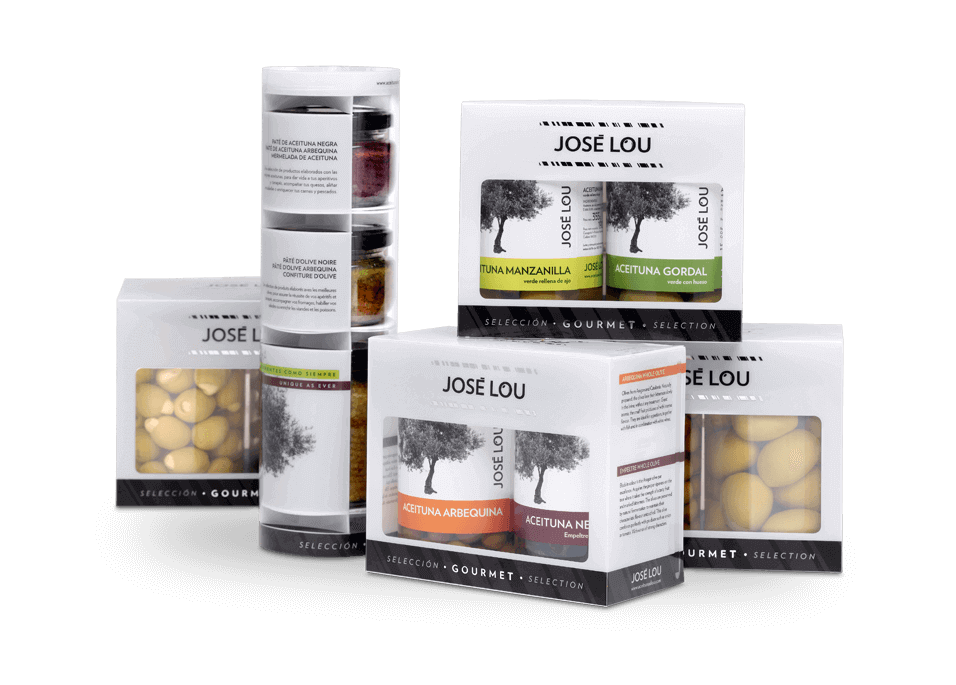
Chipboard is commonly used in retail-ready cartons for cereal, cosmetics, and lightweight consumer goods. Like corrugated, it typically appears in white or brown, reinforcing the consumer misuse of the word “cardboard.”
Why the Difference Matters
Using the wrong material for packaging can affect cost, product safety, and supply chain efficiency. For example:
Corrugated is essential when structural strength and stacking are required (shipping boxes, displays, bulk distribution).
Chipboard works when lightweight retail packaging is sufficient (folding cartons, retail sleeves).
Referring to corrugated as “cardboard” may cause confusion when sourcing from suppliers who distinguish between the two.
Selecting the right supplier also matters — not all packaging providers manufacture or stock both corrugated and chipboard. Working with one that does ensures consistent quality, efficiency, and fewer inventory issues.
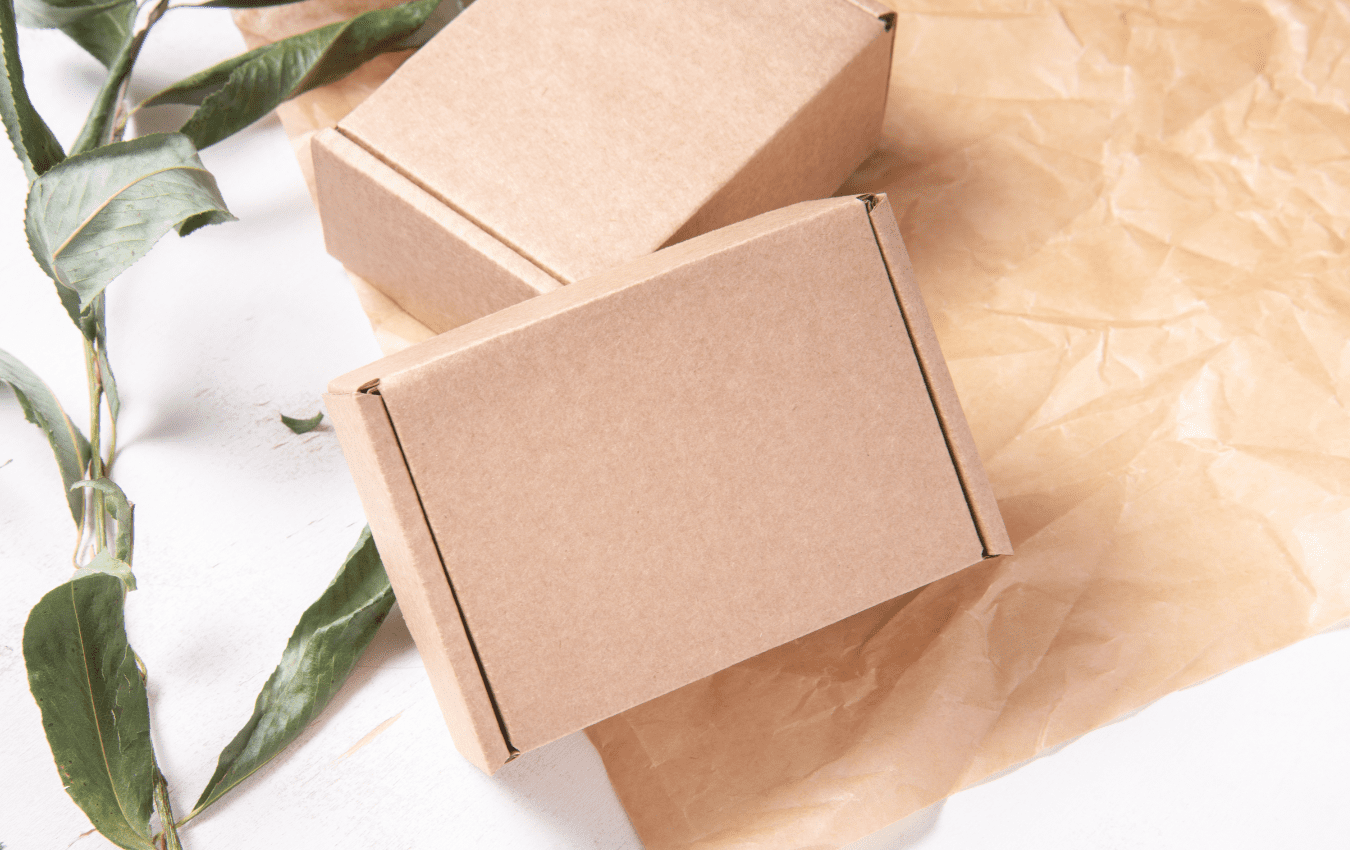
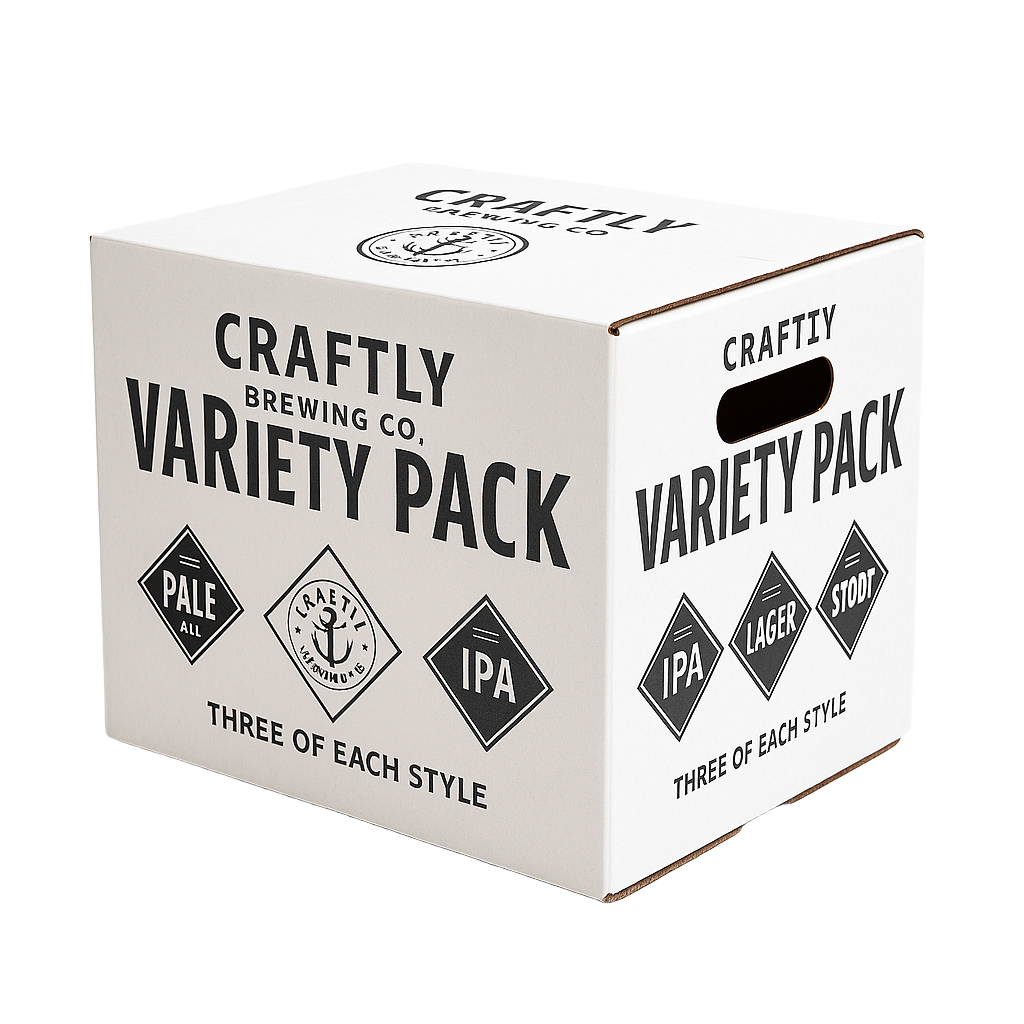
Corrugated Box
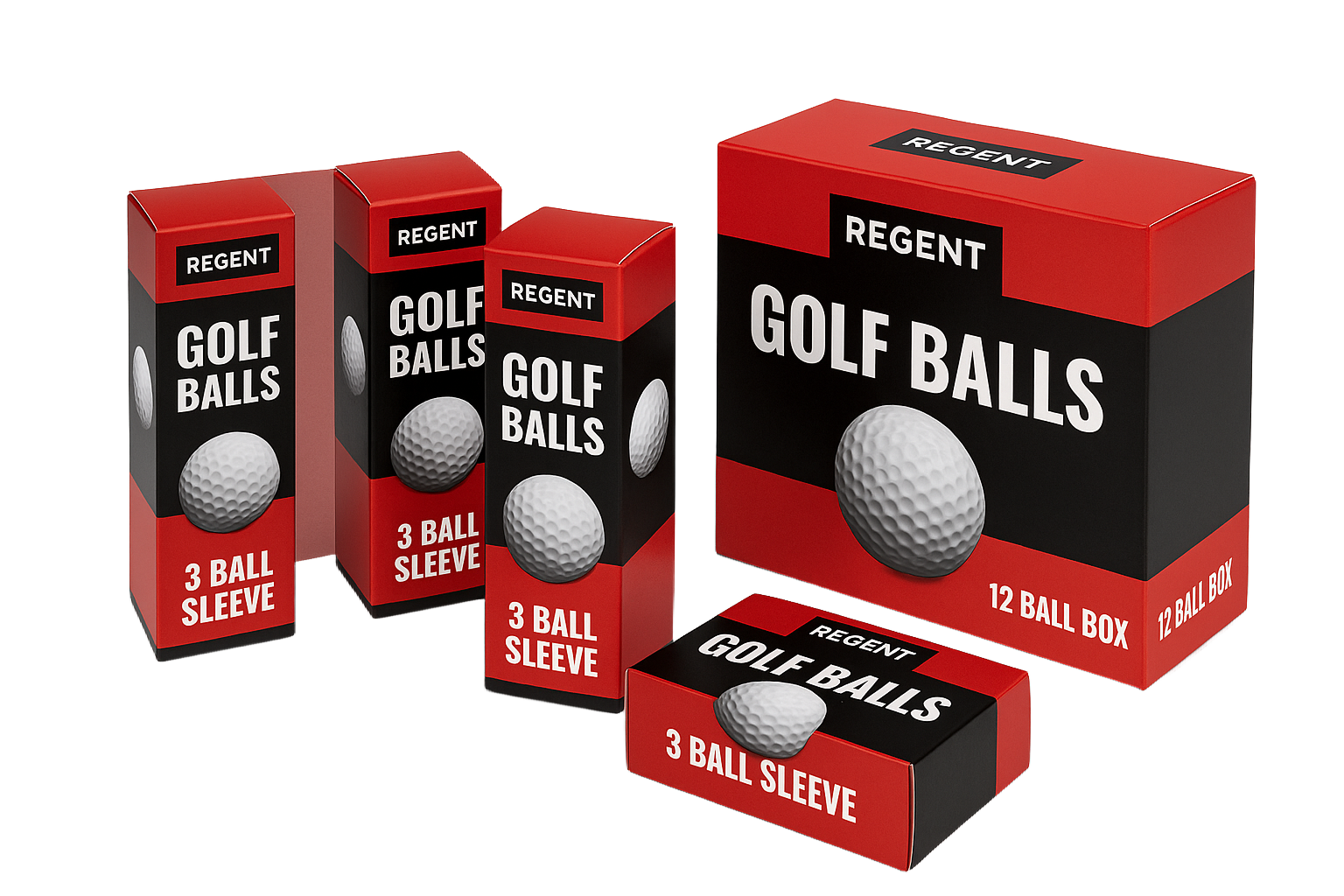
Folding Carton (Chipboard)
Work With Brown Packaging
At Brown Packaging, we help businesses choose between corrugated, chipboard, and other packaging materials based on product needs, cost goals, and supply chain requirements. Whether you need protective shipping boxes or retail-ready cartons, our team can guide you through every step. Contact Brown Packaging today to get started.
References
Fibre Box Association. (2023). Corrugated Material Basics. Retrieved from https://www.fibrebox.org
Paperboard Packaging Council. (2023). Chipboard and Folding Carton Applications. Retrieved from https://paperbox.org
Soroka, W. (2016). Fundamentals of Packaging Technology (5th ed.). Institute of Packaging Professionals.
The integrity of a pouch package is only as strong as its seal. Sealing technologies determine not just the strength of closure but also shelf
Frozen and fresh pet foods are highly perishable and require strict temperature control throughout the supply chain. Packaging must maintain safe product temperatures during transit,
Dry pet food and treats require packaging that not only attracts buyers but also protects product quality throughout its shelf life. The right barrier properties
The pressure to stay affordable has never been higher. Between rising material costs, consumer price sensitivity, and evolving retail expectations, brands are being forced to
Full Overlap (FOL) boxes are among the strongest corrugated packaging styles, with flaps that fully overlap to provide double-thickness protection. But the strength of the
Industrial supply chains demand packaging that can withstand heavy loads, long transit routes, and rugged handling environments. Full Overlap (FOL) boxes offer superior performance in
Home » It’s Not Cardboard, It’s Corrugated

Regular Slotted Containers (RSC) are the most widely used corrugated boxes in packaging. Their standardized design, strength options, and cost efficiency make them suitable for

RSC boxes dominate corrugated packaging, but they aren’t always the best fit. Specialty box styles like Full Overlap (FOL), RETT mailers, and die-cut formats offer

Venture into a sizable retail store, roam the pathways of an expansive warehouse, or take a behind-the-scenes glance at a bustling e-commerce fulfillment center, and