

Home » The Imperative Role of Protective Packaging in eCommerce
The Imperative Role of Protective Packaging in eCommerce

The surge of eCommerce has fundamentally altered the methods in which products are bought and sold. Amid these alterations, one element consistently remains vital — the significance of protective packaging. This blog post aims to examine the essential role that protective packaging plays in eCommerce, highlighting the various types, and assessing its influence on customer satisfaction and brand reputation.
Setting the Scene: The Fundamentals of Protective Packaging
The principle of protective packaging is straightforward. It’s designed to guard goods from potential damage during transit. It cloaks the product, offering a defensive layer against shocks, vibrations, or unfavorable environmental conditions that may take place during the delivery process. This makes sure the item arrives in the best condition, ready for the customer’s unboxing delight.
Protective Packaging: A Cornerstone of eCommerce Victory
The prominence of protective packaging in eCommerce is indisputable. Let’s delve into why:
Consumer Gratification and Recurring Business
Picture a customer, their anticipation high, unboxing their long-awaited purchase, only to discover it’s broken or damaged. The consequent disappointment can result in negative feedback, a claim for a refund, or worst still, a customer lost forever. In contrast, a product delivered in immaculate condition, thanks to sturdy protective packaging, culminates in a content customer who’s more likely to make subsequent purchases.
Corporate Image and Reputation
The condition in which a product is delivered significantly influences a company’s professionalism and dedication to quality. An undamaged product suggests that the company values its customers and takes pride in its quality product delivery. Conversely, repeated delivery of damaged goods can smear a company’s reputation.
Ecological Considerations
Modern consumers are more eco-conscious than ever about their purchasing impact. Employing environmentally friendly, recyclable protective packaging not only diminishes a company’s ecological footprint but also resonates with this burgeoning market demographic.
A Variety of Protective Packaging Options
Different types of protective packaging are frequently employed in eCommerce. Here’s a brief introduction:
Air Pillows
These lightweight, inflatable packaging materials secure items within the box and prevent them from shifting during transit. They provide a space-efficient, reusable, and recyclable solution.

Bubble Wrap
Bubble wrap is a pliable plastic sheeting with small, air-filled bubbles providing cushioning for fragile or delicate items.
Foam Inserts
Custom foam inserts are cut to fit around the specific shape of a product, offering excellent protection. They are perfect for shipping electronics, glassware, and other fragile items.
Kraft Paper
Kraft paper is a robust and versatile packaging material, ideal for filling voids and providing cushioning in the packaging. It’s also recyclable and biodegradable, making it a popular eco-friendly choice.
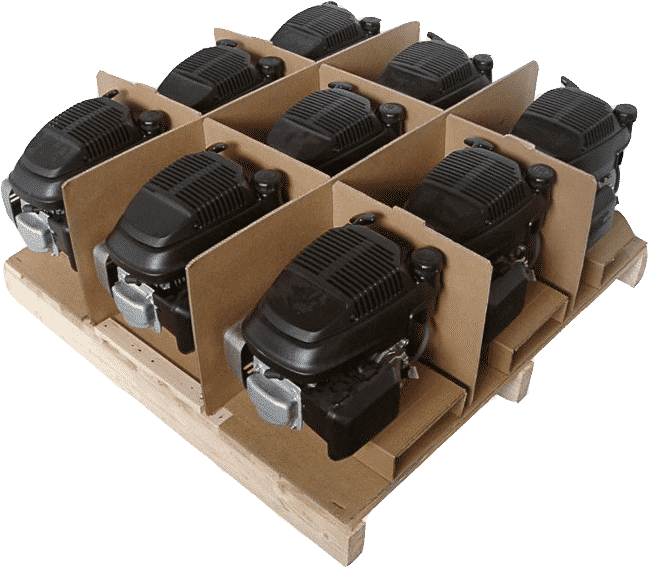
Corrugated Inserts
Corrugated inserts, made from sturdy paper-pulp, are a favored choice for due to their strength, durability, and cost-effectiveness.
Selecting the Ideal Solution for Your eCommerce Enterprise
Selecting the right protective packaging for your eCommerce business is a juggling act. It demands consideration of the nature of the products you ship, your budget, the customer experience, and your company’s commitment to the environment.
Experiment with various packaging materials and techniques to find what suits your products best. Involve your customers by seeking their feedback. Most importantly, keep sustainability at the forefront of your packaging strategy, as it can be a significant differentiator in the highly competitive eCommerce environment.
If you are interested in protective packaging for ecommerce, then partner with Brown Packaging today to get started today.
Sustainable packaging in 2027 will be less about broad claims and more about proof, performance, compliance, and cost control. Buyers will still care about recyclable
A folding carton may look simple once it reaches the shelf, but it goes through a controlled production process before it becomes a finished package.
Folding carton production is becoming more automated because buyers are asking for faster timelines, tighter consistency, and more flexibility across more SKUs. Shorter product lifecycles,
Folding carton style matters because structure affects more than appearance. The right carton can improve shelf presentation, packing speed, product access, closure security, storage efficiency,
Pouch packaging trends in 2027 will be shaped by convenience, shelf impact, sustainability pressure, sealing performance, automation, ecommerce growth, and total packaging cost. Buyers will
Corrugated box trends in 2027 will be driven by a practical mix of cost control, sustainability, ecommerce growth, automation, retail requirements, and supply chain performance.
By submitting your information, you agree to our terms and conditions and privacy policy.
Home » The Imperative Role of Protective Packaging in eCommerce



In the world of ecommerce, packaging plays a crucial role in ensuring that products reach customers in perfect condition while also reflecting the brand’s image
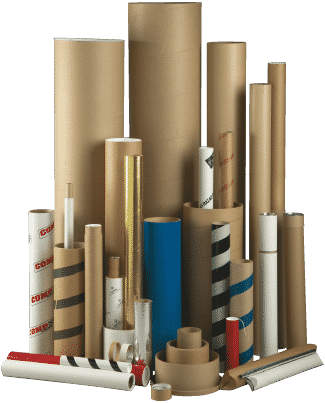
Mailing tubes have long been a popular choice for shipping and storing various items, from posters and blueprints to documents and delicate artworks. While they

In recent years, the world has seen a rapid growth in the e-commerce industry. With the convenience of online shopping and the ability to purchase