
Home » Mastering Ecommerce Packaging Optimization for Shipping Success
Mastering Ecommerce Packaging Optimization for Shipping Success
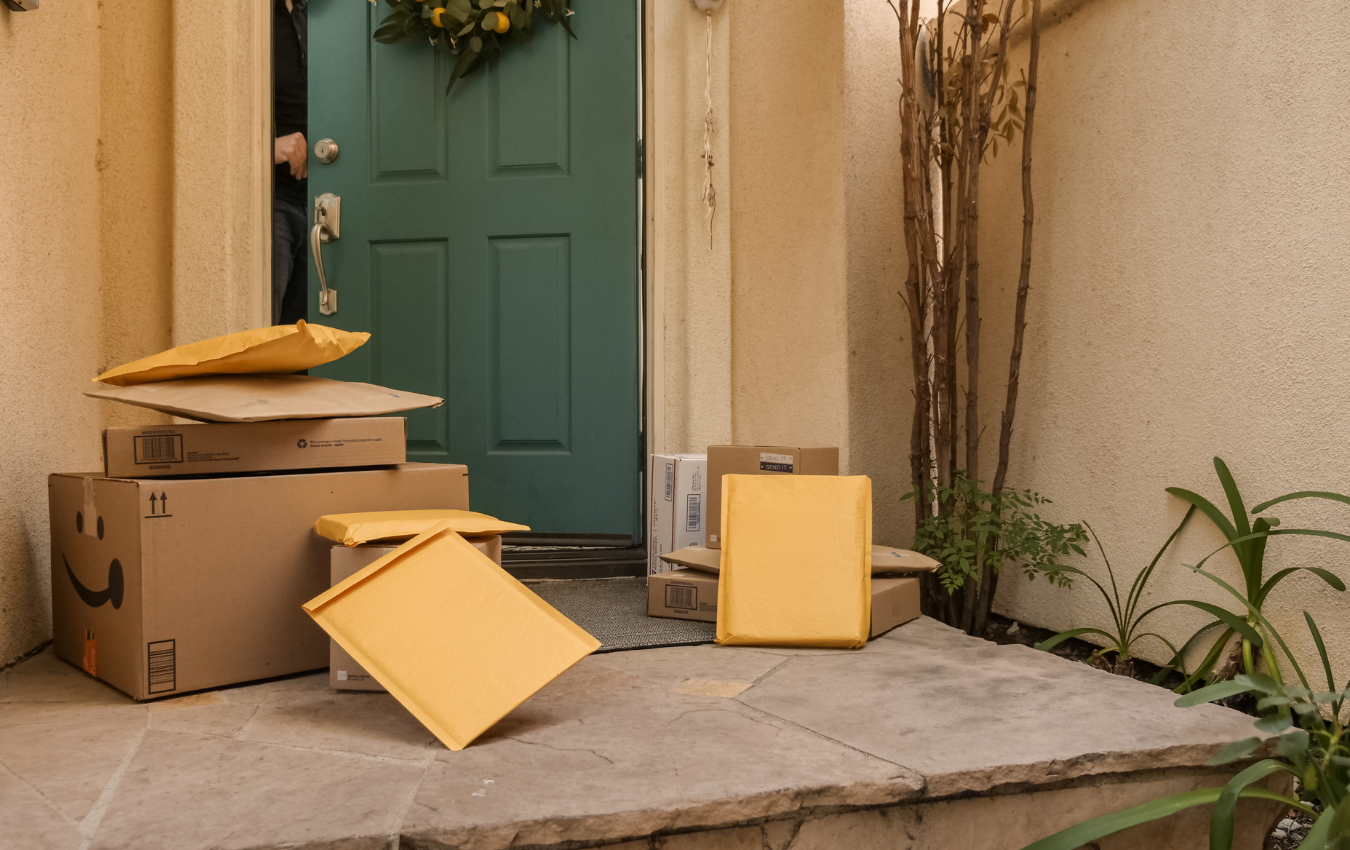
Efficient and effective packaging is a cornerstone of successful ecommerce operations. It’s not just about protecting your products; it’s also about minimizing costs, reducing environmental impact, and providing an excellent customer experience. In this blog post, we’ll look into key strategies to optimize your ecommerce packaging for shipping, ensuring your products arrive safely and your business thrives.
Right-Sizing is Key
Select packaging that fits your products snugly, without excess space. This minimizes the need for fillers and reduces the risk of items moving around during transit. Use packaging solutions that come in various sizes to match your diverse product range.
Quality is Non-Negotiable
Invest in high-quality packaging materials that provide adequate protection. Fragile items require extra padding, while sturdy items might need less cushioning. Bubble wrap, air pillows, and foam and corrugated inserts can be tailored to different product needs.
Consider Dimensional Weight Pricing
Shipping carriers often charge based on the dimensional weight (size) of a package rather than just its actual weight. Opt for packaging that keeps your dimensional weight as low as possible without compromising product safety.
Choose Environmentally Friendly Options
Sustainability is crucial. Opt for recyclable, biodegradable, or reusable packaging materials. Not only does this appeal to environmentally conscious consumers, but it also reduces waste and shipping costs in the long run.
Automate Packaging Processes
Automated packaging systems can accurately measure, cut, and assemble packaging materials to fit each order. This reduces human error and speeds up the packing process, leading to more consistent results.
Standardize Packaging Across Products
Standardizing your packaging as much as possible simplifies the packing process. When your team knows exactly how to pack each type of product, it minimizes confusion and ensures uniform quality.
Avoid Overly Complex Designs
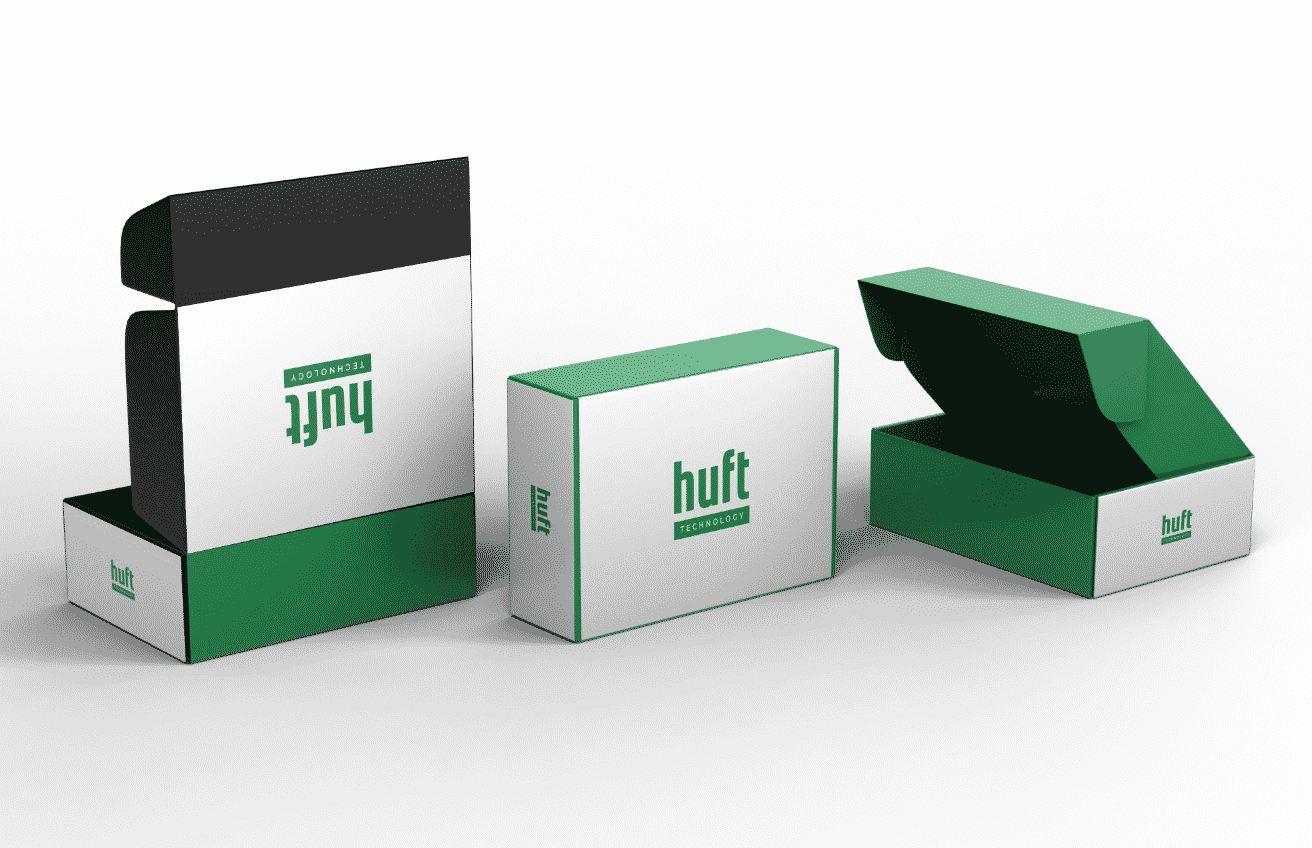
While branding is important, overly complex packaging designs can lead to errors in packing and increase production costs. Find a balance between branding and practicality.
Implement Barcoding and Labeling
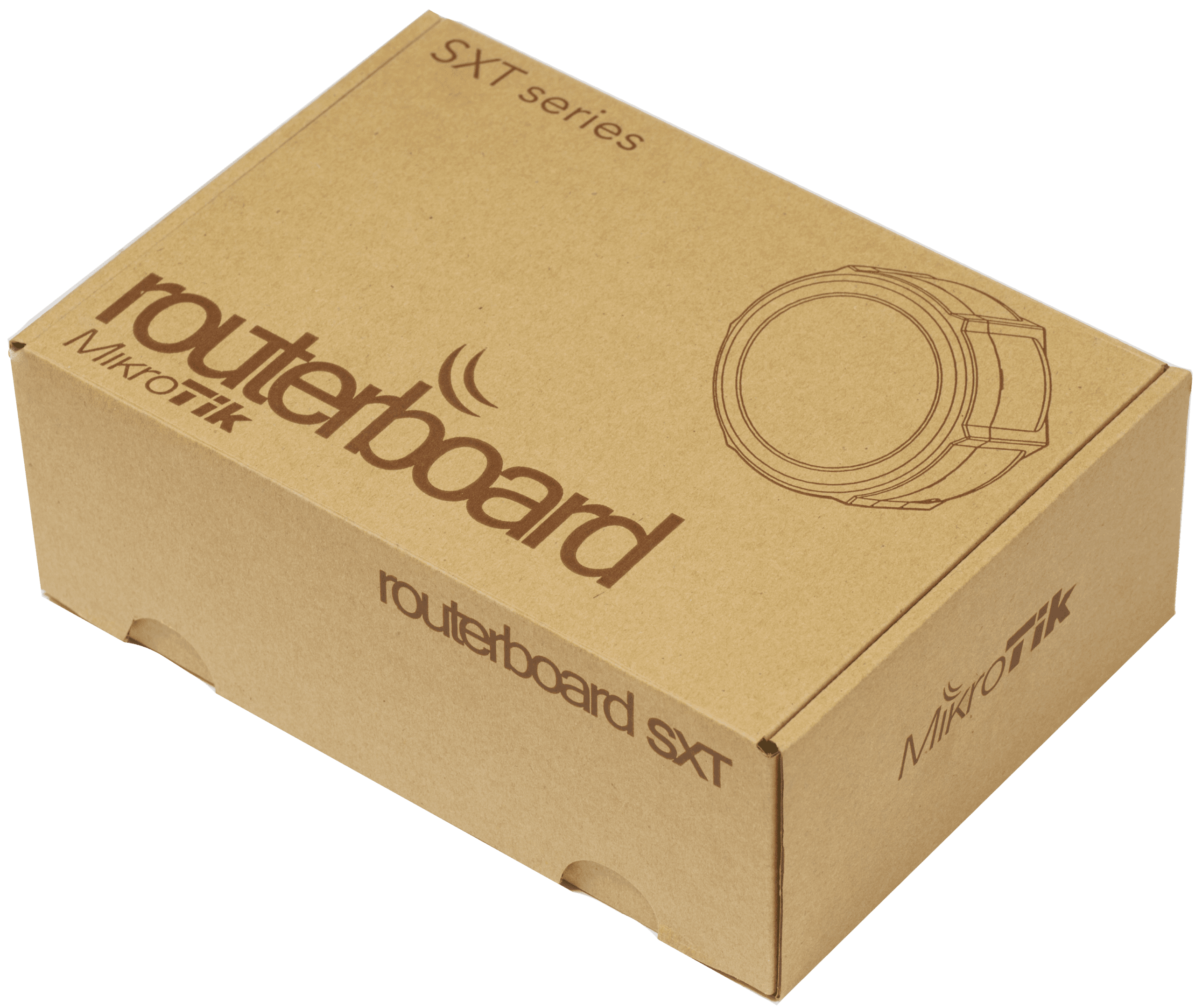
Ensure every package has a clear and scannable barcode label. This not only aids in tracking but also reduces the chances of misdelivery.
Test, Test, Test
Regularly test your packaging’s durability by simulating shipping conditions. This helps you identify weaknesses and make necessary improvements.
Leverage Technology for Data Insights
Use data analytics to identify patterns in product damage during shipping. This can help you refine your packaging strategy and make data-driven decisions.
Provide Unboxing Instructions
Include instructions for opening the package safely. This can prevent accidental damage caused by customers struggling to open the package.
Collaborate with Shipping Partners
Engage with your shipping partners to understand their packaging guidelines and requirements. Following these guidelines can lead to smoother operations and potentially reduced shipping costs.
Opt for Flat-Folding Options
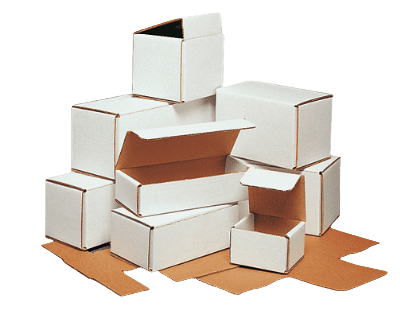
Whenever possible, choose packaging solutions that can be flat-folded. This saves storage space, reduces shipping costs, and allows for easier packing.
Customer Feedback Loop
Encourage customers to provide feedback on the packaging. Their insights can reveal pain points and guide improvements.
Continuous Improvement Mindset
Ecommerce packaging is not a static endeavor. Regularly assess and improve your packaging strategy based on customer feedback, industry trends, and technological advancements.
By optimizing your ecommerce packaging for shipping, you’re not only ensuring the safe delivery of your products but also enhancing your brand’s reputation and operational efficiency. Keep the customer experience at the forefront of your efforts, and let your packaging become a testament to your commitment to quality and care.
If you are interested in ecommerce packaging and want to optimize your packaging for shipping success, then partner with Brown Packaging today to get started.
Most cost savings in packaging come from:👉 Ordering more volume But increasing MOQ isn’t always possible. Storage is limited Cash flow is constrained Demand is
Minimum order quantities (MOQs) aren’t arbitrary. They exist because packaging production has fixed costs that don’t scale down—only up. When you order one unit, you
Most POP display programs don’t lose money on materials. They lose it in:👉 empty space Displays are often shipped with: Excess void space Poor stacking
Taller displays get attention. But they also get: Rejected by retailers Unstable under load More likely to fail in-store Height isn’t just a design choice—it’s
Cutouts sell the product. They improve: Visibility Brand presentation Shopper engagement But they also remove something critical:👉 Structure Every cutout or window reduces material—and with
Most POP displays are designed for full, balanced product loads. But that’s not how they perform in-store. Within days: One SKU sells faster than another
Home » Mastering Ecommerce Packaging Optimization for Shipping Success

As the holiday season approaches, the world of e-commerce gears up for a surge in online shopping. With changing consumer behaviors and heightened expectations, brands

Holiday e-commerce volumes push packaging to its limits. Trailers are overfilled, handling is rushed, and parcels endure more drops and vibration than usual. Without proper

In recent years, the world has seen a rapid growth in the e-commerce industry. With the convenience of online shopping and the ability to purchase