
Blogs
At Brown Packaging, we provide insightful content about the packaging industry to keep our clients, followers, and partners informed with the latest trends and accurate information. Our goal is to equip you with up-to-date knowledge that helps you stay ahead in the ever-evolving world of packaging.

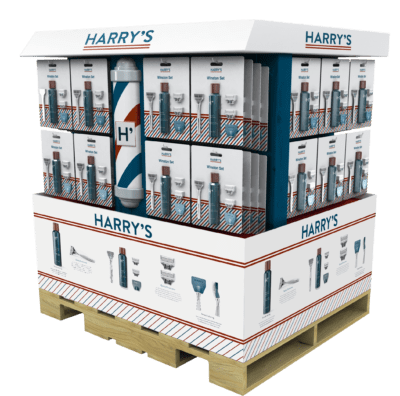
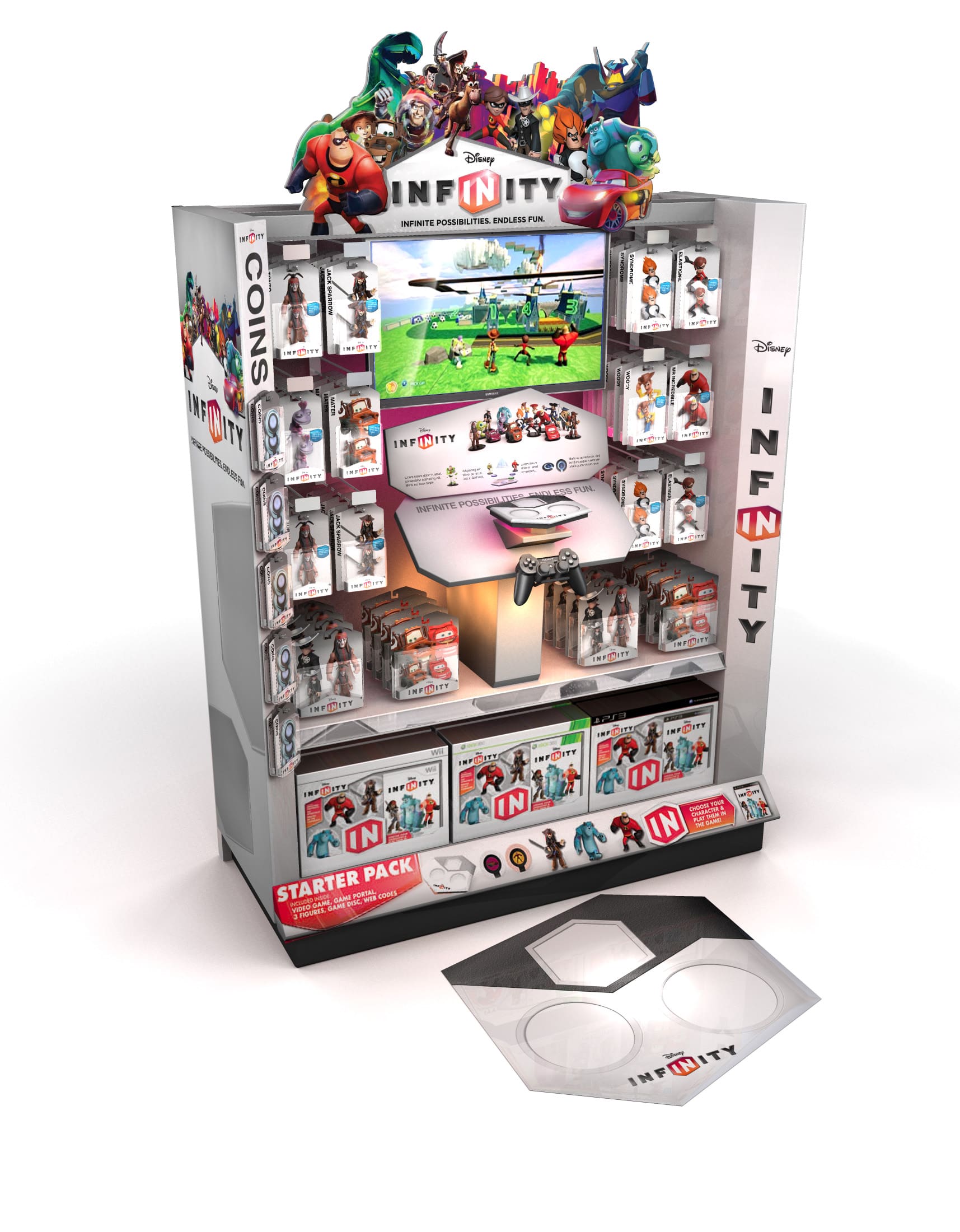
In the fiercely competitive world of retail, brand recognition is the key to success. Standing out amidst a sea of choices requires a strategic approach, and one effective method to achieve this is through the art of consistent Point-of-Purchase (POP) displays. These displays are more than just functional; they are an opportunity to reinforce your brand identity and leave a lasting imprint on your customers’ minds. The Role of Brand Recognition in Retail Brand recognition is the ability of consumers to identify and associate a brand with specific attributes, values, and emotions. It’s not just about recalling a company’s name; it’s about forging a strong connection that leads to trust, loyalty, and increased sales. The Power of Consistency in Branding Consistency is the cornerstone of effective branding. It entails presenting a unified and harmonious image across all touchpoints, whether online, on packaging, or in-store displays. Consistency builds familiarity, making it easier for customers to connect with your brand on a profound level. Leveraging POP Displays for Cohesive Branding POP displays, strategically placed within a retail environment, offer a golden opportunity to reinforce consistent branding. These displays serve as visual ambassadors, conveying your brand’s essence in a matter of seconds. When executed seamlessly, they bridge the gap between online and offline experiences. Key Elements of Consistent POP Displays Color Palette and Typography Consistency in color and typography is a visual hallmark of your brand. Opt for a color palette that aligns with your brand’s personality and resonates with your audience. Whether bold and vibrant or minimalistic and subdued, the colors you choose should reflect your brand’s identity. The same holds true for typography—choose fonts that are not only readable but also reflective of your brand’s tone. Logo Placement and Sizing Your logo is your brand’s visual signature. Ensure it’s prominently placed on all your POP displays. Maintain a consistent logo size, regardless of the display’s dimensions. This consistency reinforces brand recognition and fosters a cohesive appearance. Messaging and Tone Craft a clear and succinct brand message that effectively communicates your value proposition. Keep a consistent tone across your messaging—whether it’s light-hearted, professional, or inspirational. A unified tone helps customers identify and resonate with your brand’s voice. Visual Style and Imagery Select a visual style that aligns with your brand’s essence. Whether through photography, illustrations, or graphics, make sure your chosen style remains consistent across all displays. A cohesive visual approach enhances brand recognition and makes your displays instantly recognizable. Creating a Unified In-Store Experience Consistent POP displays contribute to a unified in-store experience. When customers encounter consistent visual elements across various products and displays, it reinforces a sense of familiarity and trust. This experience plays a vital role in cultivating long-lasting customer relationships. Benefits of Consistent Branding in POP Displays Instant Recognition: Customers can quickly identify your brand. Professionalism: Consistency conveys professionalism and dependability. Trust and Loyalty: Familiarity fosters trust, leading to customer loyalty. Unified Brand Identity: Consistency maintains a unified brand image across touchpoints. Tips for Implementing Consistent Branding in POP Displays Conduct a brand audit to identify key visual elements. Establish clear brand guidelines for your POP displays. Educate your staff on the significance of consistent branding. Regularly review and update displays to ensure alignment with your brand. Measuring the Impact of Brand-Centric POP Displays Monitor metrics such as customer engagement, sales lift, and customer feedback to gauge the impact of consistent POP displays on brand recognition and overall performance. Future Trends in Brand-Focused POP Displays Explore emerging trends like interactive displays, personalized experiences, and the integration of technology. Discuss how brands can incorporate these trends while maintaining consistency. By harnessing the potential of consistent POP displays, retailers can forge a commanding brand presence that resonates with customers, nurtures loyalty, and propels long-term success in today’s dynamic retail landscape. If you are interested in Point of purchase displays, then partner with Brown Packaging today to get started. (714)300-0650 request@brownpackaging.com Most Recent Posts: Categories: Corrugated Ecommerce ESD Design Display Flexible Packaging Foam Folding Carton Packaging Plastic Packaging Pouch Printing Protection Retail Rigid Box Thermoform Sustainability Subscribe To Our Newsletter By submitting your information, you agree to our terms and conditions and privacy policy. POP Displays Facebook Twitter LinkedIn Pinterest Relevant Posts

In the fast-paced world of retail, every moment counts when it comes to capturing the attention of customers and driving sales. This is where Point of Purchase (POP) displays come into play as invaluable tools that can make or break a retailer’s success. In this comprehensive guide, we’ll dive deep into the reasons why retail POP displays matter and how they can significantly impact your business. The Power of First Impressions Imagine a shopper walking into a store. Their eyes scan the surroundings, looking for something that catches their interest. This is the moment when the power of a well-designed POP display comes into play. These displays are strategically placed to attract attention and create an immediate connection with your products. The first impression can be the deciding factor in whether a customer explores further or simply walks by. Visual Appeal and Branding Effective POP displays go beyond just showcasing products – they also convey your brand’s identity and values. The design, colors, and overall aesthetics of your displays should align with your brand image. Consistency in branding across all displays creates a cohesive and memorable shopping experience for customers. When done right, POP displays not only attract attention but also help build brand recognition and loyalty. Influence on Purchasing Decisions The primary goal of any retail business is to convert browsers into buyers. POP displays play a critical role in influencing purchasing decisions at the point of sale. By strategically placing products and using eye-catching visuals, you can guide customers towards specific items or promotions. Whether it’s a limited-time offer or a new product launch, a well-executed POP display can create a sense of urgency and encourage impulse buys. Enhanced Product Visibility With the vast array of products available in a store, it’s easy for certain items to get lost in the shuffle. POP displays solve this problem by giving your products a dedicated space to shine. By elevating products to eye level and using creative design elements, you ensure that they’re noticed by customers who might have otherwise overlooked them. Improved visibility can lead to increased sales and customer satisfaction. Creating Engaging Shopping Experiences Shopping is not just about transactions; it’s an experience. POP displays can transform a mundane trip to the store into an exciting and interactive journey. Incorporating elements like product demonstrations, interactive screens, or QR codes can engage customers on a deeper level. These experiences not only provide valuable information but also create a memorable visit that customers are likely to share with others. Flexibility and Versatility POP displays come in various shapes, sizes, and types, offering flexibility to suit different products and promotions. Whether it’s a temporary display for a seasonal campaign or a permanent fixture, these displays can adapt to your evolving needs. This versatility allows retailers to tailor their displays to specific goals, ensuring maximum impact. Targeted Marketing POP displays offer a targeted approach to marketing. Instead of trying to reach a broad audience, you can focus on specific segments by placing displays in relevant sections of your store. For example, if you’re promoting fitness products, you can position displays near the athletic wear or gym equipment section. This precision in targeting enhances the effectiveness of your marketing efforts. Measurable Results One of the significant advantages of POP displays is their measurability. Retailers can track the success of each display by monitoring sales data before and after implementation. This data-driven approach allows you to fine-tune your strategies and make informed decisions about future displays. By analyzing which displays resonate most with your customers, you can continually optimize your approach. Competitive Edge In today’s competitive retail landscape, standing out is essential. A well-designed POP display can give you a competitive edge by showcasing your products in a unique and memorable way. It’s a chance to differentiate yourself from competitors and create a lasting impression on customers. Investing in innovative displays can help position your brand as a leader in the industry. Building Customer Relationships Beyond the transactional aspect, successful retailers aim to build lasting relationships with their customers. Effective POP displays can contribute to this by creating positive experiences. When customers feel excited and engaged during their shopping journey, they’re more likely to associate those emotions with your brand. This emotional connection can lead to repeat business and word-of-mouth recommendations. If you are interested in pop displays, then partner with Brown Packaging today to get started. (714)300-0650 request@brownpackaging.com Most Recent Posts: Categories: Corrugated Ecommerce ESD Design Display Flexible Packaging Foam Folding Carton Packaging Plastic Packaging Pouch Printing Protection Retail Rigid Box Thermoform Sustainability Subscribe To Our Newsletter By submitting your information, you agree to our terms and conditions and privacy policy. POP Displays Facebook Twitter LinkedIn Pinterest Relevant Posts

In our increasingly eco-conscious society, it is becoming crucial for businesses to strive for sustainability in every possible area. One often-overlooked sector with considerable potential for environmental impact is packaging. Specifically, protective packaging, which is critical in ensuring the safe transit of goods, has traditionally been produced using non-biodegradable materials. But is a switch to biodegradable protective packaging possible? Let’s explore. The Need for a Sustainable Shift Every year, millions of tons of packaging waste end up in landfills, much of which could take hundreds or even thousands of years to break down. As e-commerce continues to rise, the packaging industry faces increased pressure to reduce its environmental footprint. Fortunately, biodegradable materials have emerged as an attractive alternative to conventional plastic-based packaging, offering a promising solution to this urgent issue. What Does Biodegradable Mean? Before we delve deeper into the subject, it’s important to clarify what “biodegradable” means. A material is considered biodegradable if it can be broken down by microorganisms, such as bacteria or fungi, into natural substances like water, carbon dioxide, and compost over time. This process should occur without producing toxic residues and ideally in a reasonable timeframe. Types of Biodegradable Protective Packaging Let’s now explore the types of biodegradable protective packaging currently available on the market. Biodegradable Air Pillows Air pillows made from biodegradable film are a great eco-friendly substitute for bubble wrap. They provide excellent protection for fragile items during shipment and can decompose under the right conditions. Cornstarch Packaging Peanuts Cornstarch packaging peanuts have similar cushioning properties as their traditional Styrofoam counterparts but break down easily in water, making them a much more sustainable option. Molded Pulp Packaging This type of packaging is made from recycled materials such as paper or corrugated and water. The mixture is formed into a desired shape and then dried. This eco-friendly packaging option is commonly used for consumer electronics, wine bottles, and egg cartons. Plant-Based Packaging based materials mixed with agricultural waste, forms a strong and compostable material. It can be molded into various shapes, providing an excellent, earth-friendly alternative for Styrofoam. Challenges to Adoption Despite the promising potential of these alternatives, several challenges hinder their widespread adoption. First, cost remains a significant barrier, as biodegradable materials tend to be more expensive than conventional plastic counterparts. Second, there are logistical issues to consider. For instance, biodegradable materials are generally more sensitive to environmental conditions such as humidity and temperature, which could limit their application in certain scenarios. Lastly, there’s the issue of disposal. For biodegradable materials to break down effectively, they need to be composted under specific conditions, which may not always be available in typical waste management facilities. The Future of Biodegradable Protective Packaging Despite these challenges, the future for biodegradable protective packaging looks bright. Continued advancements in material science and biotechnology are expected to lead to new, cost-effective, and efficient biodegradable packaging solutions. Moreover, as consumers continue to demand environmentally friendly practices from businesses, companies may feel increased pressure to adopt these sustainable alternatives. It’s also worth noting the potential role of policy in this transition. Legislation aimed at reducing single-use plastics and encouraging sustainable practices can create a conducive environment for the growth of the biodegradable packaging sector. If you are interested in biodegradable protective packaging, then partner with Brown Packaging today to get started. (714)300-0650 request@brownpackaging.com Most Recent Posts: Categories: Corrugated Ecommerce ESD Design Display Flexible Packaging Foam Folding Carton Packaging Plastic Packaging Pouch Printing Protection Retail Rigid Box Thermoform Sustainability Subscribe To Our Newsletter Custom Packaging By submitting your information, you agree to our terms and conditions and privacy policy. Facebook Twitter LinkedIn Pinterest Relevant Posts

In an increasingly competitive and environmentally conscious world, protective packaging has become an essential component of product manufacturing and delivery. The demand for efficient and sustainable packaging solutions has driven innovation in this sector. From reducing waste to improving product protection, several emerging trends are shaping the future of protective packaging. In this blog post, we will explore some of these trends and their potential impact on the industry. Sustainable Materials One of the most significant trends in protective packaging is the shift towards sustainable materials. With growing concerns about plastic pollution and environmental impact, companies are actively seeking alternative packaging materials. Biodegradable and compostable materials such as plant-based plastics and recycled paper are gaining popularity. These materials offer the same level of protection while minimizing environmental harm and reducing waste. Minimalism and Right-Sizing As consumers become more conscious of excessive packaging, the trend of minimalism has gained traction. Right-sizing packaging involves using the smallest amount of material necessary to protect the product adequately. This approach not only reduces waste but also lowers shipping costs and improves overall efficiency. Custom-fit packaging solutions and innovative designs that eliminate unnecessary components are becoming more prevalent. Protective Cushioning Innovations Protective cushioning is a critical aspect of packaging that ensures products are delivered intact. Traditional cushioning materials like expanded polystyrene (EPS) foam are being replaced with more sustainable alternatives. Biodegradable air pillows, paper bubble wrap, and molded pulp inserts are gaining popularity as they offer excellent protection and are eco-friendly. Additionally, advances in technology are enabling the development of smart cushioning materials that adapt to different product shapes and provide optimal protection. Intelligent Packaging Intelligent packaging, also known as active packaging, is an emerging trend that integrates smart technology into protective packaging. It involves incorporating sensors, indicators, and RFID (Radio-Frequency Identification) tags to monitor various aspects of the product, such as temperature, humidity, and shock during transit. This real-time data helps identify any potential issues or damage, enabling proactive measures to be taken. Intelligent packaging not only enhances product safety but also improves supply chain visibility and customer experience. E-commerce-Focused Packaging With the exponential growth of e-commerce, packaging requirements have undergone significant changes. The rise in online shopping has increased the need for protective packaging that can withstand the rigors of long-distance shipping and handling. Additionally, packaging designs are now being optimized for efficiency, as bulky packages not only occupy more space but also contribute to higher shipping costs and environmental impact. E-commerce-focused packaging aims to strike a balance between protection, cost-effectiveness, and sustainability. Personalized and Interactive Packaging In the era of personalization, packaging is also evolving to provide a unique and interactive experience for consumers. Brands are using innovative printing techniques, augmented reality (AR), and QR codes to create engaging packaging designs. Interactive packaging not only enhances brand visibility but also allows customers to access additional product information, promotions, and loyalty rewards. It adds value to the overall consumer experience and helps foster brand loyalty. Recyclability and Circular Economy The concept of a circular economy, where resources are kept in use for as long as possible, is gaining momentum in the packaging industry. Manufacturers are focusing on developing packaging materials that are easily recyclable or made from recycled content. Designing packaging with disassembly in mind facilitates the recycling process. Furthermore, initiatives such as take-back programs and partnerships with recycling facilities help ensure the proper disposal and recycling of packaging materials. Conclusion: Protective Packaging Trends Protective packaging is continuously evolving to meet the demands of an ever-changing business landscape. Sustainable materials, minimalism, intelligent packaging, and personalized experiences are shaping the future of this industry. As consumer preferences and environmental concerns continue to drive innovation, companies must stay abreast of these trends to remain competitive and meet the evolving needs of their customers. By embracing these trends, the protective packaging industry has the potential to create a more sustainable and efficient future. If you are interested in protective packaging solutions, then partner with Brown Packaging today to get started. (714)300-0650 request@brownpackaging.com Most Recent Posts: Categories: Corrugated Ecommerce ESD Design Display Flexible Packaging Foam Folding Carton Packaging Plastic Packaging Pouch Printing Protection Retail Rigid Box Thermoform Sustainability Subscribe To Our Newsletter Custom Packaging By submitting your information, you agree to our terms and conditions and privacy policy. Facebook Twitter LinkedIn Pinterest Relevant Posts

Packaging plays a crucial role in protecting products during transportation and handling. However, not all packaging materials, such as corrugated are created equal, and choosing the wrong materials can lead to damaged or lost products. That’s why testing the strength and durability of packaging materials is crucial to the packaging industry. Edge crush testing are processes that measure the strength and durability of packaging materials, particularly corrugated boxes. Corrugated boxes are made of a fluted sheet sandwiched between two flat sheets of paper and are commonly used for shipping and storing products. The strength of the corrugated box depends on the number and size of the flutes, as well as the quality of the paper used. Corrugated Strength and Durability The strength and resistance of corrugated board is determined by the maximum force that the board can withstand before collapsing, known as the compression strength. These board consists of a fluted sheet sandwiched between two flat sheets of paper, providing cushioning and support. Various types of flutes, such as A, B, C, E, F, and N flutes, offer durability and cushioning options for manufacturers to choose from. Edge Crush Testing Edge crush testing evaluates the edge crush resistance of corrugated board. It measures the board’s ability to withstand pressure along its edges without collapsing. As the edges of corrugated boxes are often the weakest points, measuring edge crush resistance is crucial. The testing procedure involves compressing a sample of corrugated board between two plates until it fails. The results are expressed in pounds per inch (PPI) or kilonewtons per meter (kN/m). The Importance of Corrugated and Edge Crush Testing Corrugated and edge crush testing are essential for several reasons. They help manufacturers and distributors choose the right packaging materials based on the fragility, weight, and dimensions of their products. By conducting these tests, businesses can ensure that their packaging materials can withstand the rigors of transportation and handling, reducing the risk of damage or loss. Additionally, meeting industry standards and regulations is crucial, and these tests help ensure compliance. To determine the appropriate packaging material strength, factors such as product weight, dimensions, and fragility should be considered. For example, a small, lightweight product with low fragility may require an Edge Crush Test (ECT) rating of 23 or higher. On the other hand, a large, heavy product with high fragility may require an ECT rating of 44 or higher. The chart below illustrates some general recommendations for product weight, dimensions, fragility, and the required ECT rating: Corrugated Board Strength Equivalencies: Single Wall Corrugated Edit Minimum Edge Crush Test Maximum Suggested Loading Limit Per Carton 23 ECT 20 lbs. 26 ECT 35 lbs. 29 ECT 50 lbs. 32 ECT 65 lbs. 44 ECT 95 lbs. 55 ECT 120 lbs. Corrugated Board Strength Equivalencies: Double Wall Corrugated Edit Minimum Edge Crush Test Maximum Suggested Loading Limit Per Carton 42 ECT 80 lbs. 48 ECT 100 lbs. 51 ECT 120 lbs. 61 ECT 140 lbs. 71 ECT 160 lbs. 82 ECT 180 lbs. ** Please note that the additional factors such as dimensions and fragility are general descriptors and may vary depending on the specific product being packaged. It is essential to consider these factors in conjunction with the weight and consult with a packaging expert to determine the appropriate ECT rating for your specific product and shipping needs.** Benefits of Corrugated and Edge Crush Testing The benefits of corrugated and edge crush testing extend beyond ensuring product safety during transportation. By using the appropriate packaging materials based on the results of these tests, manufacturers and distributors can experience several advantages. Cost Savings: Selecting the right packaging materials reduces the risk of damage or loss during transit, saving businesses costs associated with product replacement, shipping, and customer service. Enhanced Product Quality: Using packaging materials that have been tested for strength and durability ensures that products arrive in good condition, enhancing the overall product quality and customer satisfaction. Environmental Impact Reduction: Choosing materials that are strong and durable helps minimize waste generation and reduce the environmental impact of packaging operations. Brand Image Enhancement: Packaging materials that effectively protect products and deliver them in pristine condition contribute to positive customer experiences, repeat business, and a strong brand image. Future of Corrugated and Edge Crush Testing As technology continues to advance, we can expect improvements in the methods and equipment used for corrugated and edge crush testing. These advancements may include enhanced accuracy, faster testing processes, and the ability to test a broader range of materials. The continuous improvement of testing methods will further enhance the reliability and efficiency of these tests, benefiting the packaging industry as a whole. If you are interested in corrugated packaging that meets your desired edge crush ratings, then partner with Brown Packaging today to get started. (714)300-0650 request@brownpackaging.com Most Recent Posts: Categories: Corrugated Ecommerce ESD Design Display Flexible Packaging Foam Folding Carton Packaging Plastic Packaging Pouch Printing Protection Retail Rigid Box Thermoform Sustainability Subscribe To Our Newsletter By submitting your information, you agree to our terms and conditions and privacy policy. Custom Corrugated Boxes Facebook Twitter LinkedIn Pinterest Relevant Posts

In the dynamic realm of retail, crafting the perfect display goes beyond just showcasing products – it’s about sparking customer interest, driving sales, and making a lasting impression. Key to this success is the strategic use of point-of-purchase (POP) displays, which have the power to influence buying decisions at the crucial moment. This guide delves into the essential factors to consider when choosing the right materials for your retail displays, ensuring that your creations stand out and make a genuine impact. Balancing Cost and Quality Your choice of materials significantly affects your display’s overall cost and quality. While cardboard offers an affordable option, plastic strikes a balance between cost and durability. Higher-end materials like wood and metal communicate luxury, potentially enhancing the perceived value of your products. Ensuring Longevity and Durability Consider the intended lifespan of your displays. Corrugated cardboard suits short-term promotions, while plastic, metal, and wood are better suited for long-lasting and semi-permanent installations. Plastic excels in semi-permanent setups, whereas wood and metal offer robustness for prolonged use. Flexibility for In-Store Mobility The ease of movement is vital for logistics and adaptability within the store. Well-designed displays simplify assembly, shipping, and rearrangement. Lightweight materials like cardboard are easy to transport and assemble, while plastic and metal provide flexibility in placement. Safeguarding Products with Smart Design Product protection is paramount, especially for fragile or valuable items. Metal, plastic, and wood offer enhanced impact resistance compared to cardboard. Secure display options like wire tethers can deter theft and prevent accidental damage. Aesthetic Appeal and Brand Alignment Materials contribute to the overall visual and tactile experience of your displays, playing a pivotal role in conveying your brand’s identity. Cardboard offers versatility in design, plastic exudes modernity, wood brings in natural charm, and metal adds a touch of sophistication. The inclusion of electronic components elevates interactivity and brand engagement. Sustainability and Environmental Responsibility In today’s eco-conscious landscape, consider the environmental impact of your display materials. Cardboard is a standout option due to its recyclability, while permanent materials generate less waste. Wood can often be repurposed, and metal is endlessly recyclable – align your choices with your brand’s commitment to sustainability. Materials that Complement Product Vibes Harmonize your display materials with your product type to create a coherent and captivating presentation. Cardboard’s adaptability suits a range of products, plastic shines for clothing and sleek items, wood adds warmth for food and wine displays, and metal lends an industrial edge for electronics and snacks. If you are interested in point of purchase displays, then partner with Brown Packaging today. (714)300-0650 request@brownpackaging.com Most Recent Posts: Categories: Corrugated Ecommerce ESD Design Display Flexible Packaging Foam Folding Carton Packaging Plastic Packaging Pouch Printing Protection Retail Rigid Box Thermoform Sustainability Subscribe To Our Newsletter By submitting your information, you agree to our terms and conditions and privacy policy. POP Displays Facebook Twitter LinkedIn Pinterest Relevant Posts

In the intricate world of retail, Point-of-Purchase (POP) displays play a critical role in influencing consumer decisions and driving sales. When it comes to choosing between temporary and permanent POP displays, retailers face a crucial decision that can significantly impact their marketing strategy and brand visibility. Each option comes with its own set of advantages and drawbacks, making it essential to understand the pros and cons of both approaches. Temporary POP Displays Pros Flexibility: Temporary displays are ideal for short-term promotions, seasonal campaigns, or product launches. They can be quickly set up and removed, allowing retailers to adapt to changing marketing strategies. Cost-Effective: These displays often require lower upfront costs, making them suitable for brands with budget constraints. Variety: Temporary displays come in various shapes, sizes, and materials, providing room for creativity and experimentation. Cons Limited Durability: As the name suggests, temporary displays are not built for long-term use and may not withstand heavy wear and tear. Brand Consistency: Achieving consistent branding can be challenging across various temporary displays, potentially affecting brand recognition. Environmental Impact: Frequent replacement of temporary displays can contribute to waste and environmental concerns. Permanent POP Displays Pros Durability: Permanent displays are designed to withstand continuous use and are suitable for long-term campaigns. They offer a more robust solution that can last for years. Consistent Branding: Permanent displays offer a consistent brand image throughout the store, enhancing brand recognition and customer familiarity. Sustainability: While they may involve higher upfront costs, permanent displays can be more environmentally friendly in the long run due to their extended lifespan. Cons Higher Costs: Permanent displays often require a larger investment upfront, including design, manufacturing, and installation expenses. Limited Flexibility: Once installed, making changes to permanent displays can be challenging and costly. Space Considerations: Permanent displays require dedicated space within the store, limiting flexibility in layout changes. Making the Right Choice The decision between temporary and permanent POP displays ultimately depends on your specific goals, budget, and brand strategy. Temporary Displays Are Ideal When: You have short-term promotions or seasonal campaigns. You want to test different display concepts and measure their effectiveness. Budget constraints are a concern. You want to keep your displays fresh and engaging by frequently updating them. Permanent Displays Are Ideal When: You have a consistent brand message that you want to convey throughout the year. You’re looking for a long-term solution that offers durability and sustainability. You have the budget for upfront investment and are willing to commit to a more substantial display presence. You want to establish a strong and recognizable brand presence within the store. A Hybrid Approach In some cases, it may be beneficial to opt for a hybrid approach, combining both temporary and permanent displays to leverage the strengths of each. For instance, permanent displays can serve as the foundation, while temporary displays are used for specific promotions or new product launches. If you are interested in pop displays, then partner with Brown Packaging today to get started. (714)300-0650 request@brownpackaging.com Most Recent Posts: Categories: Corrugated Ecommerce ESD Design Display Flexible Packaging Foam Folding Carton Packaging Plastic Packaging Pouch Printing Protection Retail Rigid Box Thermoform Sustainability Subscribe To Our Newsletter By submitting your information, you agree to our terms and conditions and privacy policy. POP Displays Facebook Twitter LinkedIn Pinterest Relevant Posts

Rigid boxes, also known as set-up boxes, are high-quality packaging boxes that offer an unmatched level of durability and sturdiness. They are often used for luxury products like cosmetics, electronics, and other high-end products that require extra protection during shipping and handling. While rigid boxes are known for their superior quality, they can be more costly than alternatives. In this blog, we will explore why rigid boxes are more expensive than people think and what factors contribute to their higher cost. Why Rigid Boxes Are Costly Material Costs One of the primary reasons why rigid boxes are more expensive than alternatives is the cost of the materials used to make them. Unlike regular corrugated boxes, rigid boxes are made from thicker and sturdier materials, such as heavier gauge chipboard. These materials are more expensive than regular cardboard, and the thickness of the material increases the cost of the box further. In addition, rigid boxes often require additional materials, such as foam inserts or magnetic closures, which can increase the overall cost of the box. Production Rigid boxes require a more complicated manufacturing process than regular cardboard boxes. The production process involves several steps, including cutting, folding, gluing, and assembly, which require specialized machinery and skilled labor. The production process for rigid boxes is more time-consuming and requires more manual labor, which adds to the overall cost of the box. Customization Rigid boxes are often used for high-end products that require a unique and personalized packaging solution. Customization options like embossing, debossing, foil stamping, and printing can add to the cost of the box. The cost of customization depends on the complexity of the design, the number of colors used, and the printing method used. In addition, the cost of customization increases with the size of the box, making larger boxes more expensive to customize. Shipping Costs Rigid boxes are heavier and bulkier than regular cardboard boxes, which can increase the cost of shipping. The additional weight and size of the box can also affect the cost of storage and warehousing. Brand Value Finally, the brand value associated with rigid boxes can also add to the overall cost. Rigid boxes are often associated with high-end products and luxury brands, and the premium packaging can enhance the overall customer experience. While the cost of the box may be higher, the perceived value of the product is also higher, which can justify the increased cost. Minimum Order Quantity Rigid boxes are often custom-made, which means that there may be a minimum order quantity (MOQ) requirement. The MOQ can vary depending on the size, material, and customization options of the box. A higher MOQ can increase the overall cost of the box, especially if you don’t need a large quantity. Design Costs If you don’t have an existing packaging design, you may need to hire a graphic designer or packaging specialist to create a design that fits your brand and product. Design costs can add to the overall cost of the box, especially if you require a complex or detailed design. Storage and Warehousing Costs Rigid boxes are bulkier than regular cardboard boxes, which can affect the storage and warehousing costs. If you’re ordering a large quantity of rigid boxes, you may need to find additional storage space to keep them until they’re ready to be shipped. Storage and warehousing costs can add to the overall cost of the box, especially if you’re working with a tight budget. When Should You Invest in a Rigid Box? When it comes to packaging, choosing the right box for your product is crucial for its protection during shipping and handling, as well as for the overall customer experience. While rigid boxes may be more expensive than regular cardboard boxes, there are several instances when investing in a rigid box can be a worthwhile investment for your product. Here are some of the scenarios when you should consider investing in a rigid box: High-End Products If you’re selling high-end products like luxury cosmetics, electronics, or other premium products, a rigid box is an excellent investment to enhance the overall customer experience. Rigid boxes offer a premium and sophisticated look and feel, which can increase the perceived value of the product. Fragile or Heavy Products If your product is fragile or heavy, a rigid box can provide the necessary protection during shipping and handling. The thick and sturdy material of rigid boxes can prevent damage or breakage, which can save you money in the long run by reducing the number of damaged or returned products. Customization Needs If you want to create a unique and personalized packaging solution for your product, a rigid box is an excellent choice. Rigid boxes offer a variety of customization options, including embossing, debossing, foil stamping, and printing. These customization options can help you create a packaging design that reflects your brand and enhances the overall customer experience. Retail Display Needs If your product will be displayed in a retail store, a rigid box can provide a more professional and polished look than regular cardboard boxes. Rigid boxes are sturdy and can be customized with your brand’s logo and design, making them an excellent choice for retail displays. Reusability Rigid boxes are durable and can be reused, making them a sustainable choice for packaging. If you’re selling a product that has a long shelf life or can be repurposed, a rigid box can be a great investment, as customers are more likely to keep the box and reuse it for storage or other purposes. Product Differentiation Investing in a rigid box can help your product stand out on the shelf and differentiate it from competitors. By customizing your rigid box with unique design elements, such as embossing or foiling, you can create a packaging solution that reflects your brand and product and captures the attention of consumers. If you are interested in rigid boxes or more cost-effective alternatives for your product, then partner with Brown Packaging today to get started. (714)300-0650 request@brownpackaging.com Most

In today’s fast-paced world, protecting fragile and valuable items during transportation is of utmost importance. Whether it’s delicate electronics, intricate machinery, or even perishable goods, reliable and innovative protective packaging solutions are essential to ensure products reach their destination unharmed. Over the years, advancements in technology have revolutionized the field of protective packaging, offering improved safety, efficiency, and sustainability. In this blog, we will delve into some of the most exciting technology innovations in protective packaging and explore their potential to transform the industry. Smart Packaging The integration of smart technologies into packaging has brought about a paradigm shift in protective packaging. Sensors and embedded devices now enable real-time monitoring of various environmental conditions, including temperature, humidity, pressure, and even shock. This data helps companies identify potential risks and take proactive measures to prevent damage. For instance, pharmaceutical companies can monitor temperature-sensitive medications to ensure they remain within the required temperature range during transit. Furthermore, smart packaging can also provide end-to-end visibility, allowing customers and businesses to track their packages in real-time, enhancing security and peace of mind. Active Packaging Active packaging involves incorporating active substances or systems within packaging materials to extend the shelf life of perishable products. For instance, oxygen absorbers and moisture control packets help maintain the freshness of food items, reducing spoilage and waste. Similarly, antimicrobial packaging inhibits the growth of bacteria, ensuring the safety and longevity of medical supplies and food products. By actively interacting with the product or its environment, these packaging solutions actively contribute to preserving the quality and integrity of goods during storage and transportation. Eco-friendly Materials Sustainability is a key focus in the packaging industry, and protective packaging is no exception. Innovations in eco-friendly materials have paved the way for greener packaging solutions. Biodegradable and compostable packaging materials derived from renewable resources, such as plant-based plastics are gaining popularity. These materials offer comparable protective properties while significantly reducing the environmental impact associated with traditional packaging. Moreover, advancements in recycling technologies allow for the efficient reprocessing of packaging materials, promoting a circular economy. Shock-Resistant Packaging One of the primary challenges in protective packaging is mitigating the impact of shocks and vibrations during transportation. Recent technological advancements have led to the development of shock-resistant packaging materials with enhanced cushioning properties. For instance, advanced foam materials, such as polyethylene (PE or EPE) foams, polyurethane (PU) foams, and cross-linked foams, offer excellent shock absorption capabilities. Final Thoughts: Protective Packaging Technology Innovations Technology innovations in protective packaging have revolutionized the way we safeguard valuable and fragile items during transportation. From smart packaging with real-time monitoring capabilities to active packaging that extends the shelf life of perishable goods, these advancements have significantly improved safety and efficiency. Additionally, the adoption of eco-friendly materials and the development of shock-resistant packaging have contributed to reducing environmental impact and mitigating damage caused by transportation hazards. As technology continues to evolve, we can expect further advancements in protective packaging, ensuring the safe and secure delivery of products in the future. If you are interested in protective packaging, then partner with Brown Packaging today to get started. (714)300-0650 request@brownpackaging.com Most Recent Posts: Categories: Corrugated Ecommerce ESD Design Display Flexible Packaging Foam Folding Carton Packaging Plastic Packaging Pouch Printing Protection Retail Rigid Box Thermoform Sustainability Subscribe To Our Newsletter By submitting your information, you agree to our terms and conditions and privacy policy. Custom Packaging Facebook Twitter LinkedIn Pinterest Relevant Posts

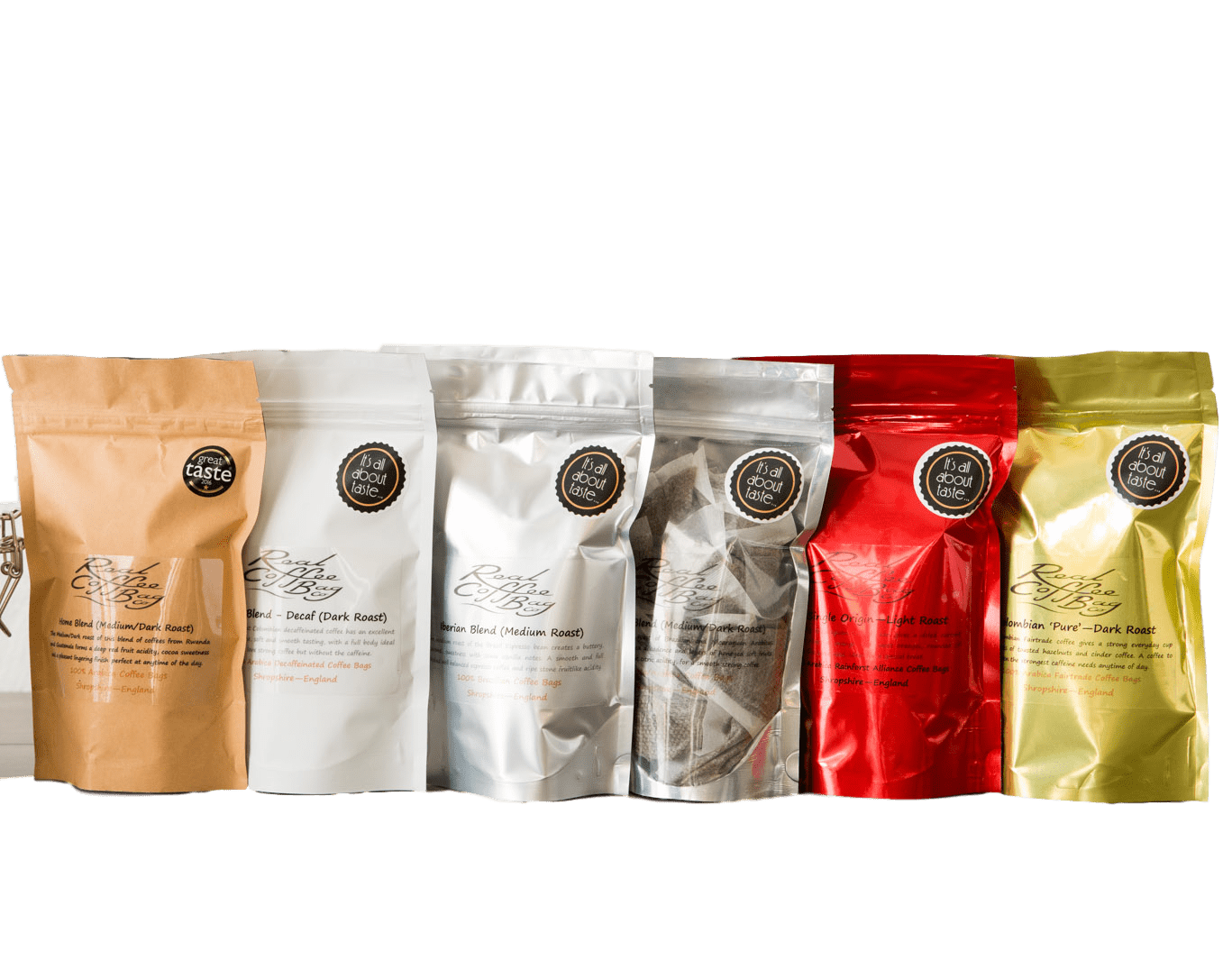
A pouch is a flexible packaging product which is made up of layers of plastic film, metalized, barrier film and other materials. Typically they are used to package small, lightweight products. Pouches are ideal solutions for a variety of markets with solid, liquid and powder products. They are highly customizable, environmentally friendly, cost efficient, consumer friendly, and can extend the shelf life of products. Choosing the right pouches for your packaging needs can be complicated due to the many options available and the various feature combinations you can create for your final packaging solution. There is 3 main things you need to consider when making this decision; style, material, and feature functionality. It is important to learn about all options in order to choose the right one for your packaging needs. Styles Stand up: Stand up pouches are designed to stand up from the bottom for display, storage and usage. They are made up of one to three layers of high quality materials that keep the product fresh and secure. The first layer is designed to seal, second is to protect and third is for customization. There are three main styles of a stand up pouch, those being; K-Style Bottom Gusset, W-Fold Bottom Gusset and Doyen Style Gusset. A gusset bag is a bag that has been designed with extra space and support structure typically on the side or bottom of the bag. These bags are ideal for packaging applications that require more filling volume or weight capacity. These pouches come in many materials, features, and finishes which makes them ideal for a wide variety of products. They are resealable which makes them ideal for perishables because it will keep them fresh longer, overall extending shelf life. Ideal for: Food and Beverages Pet food and Treats Cosmetics Home supplies and Gardening Electronics Outdoor supplies Lay Flat: A lay flat pouch is designed to lay flat for display, storage and usage. These pouches are usually smaller and for single use. They are sized to fit tightly around the product in order to reduce packaging waste. Similar to stand up pouches, they also have one to three layers dependent on product needs. Lay flat pouches are typically sealed on all sides, whereas stand up pouches are only sealed on three sides. It is commonly best used for samples and to fit inside a box or tray. Ideal for: Sachet: Sample packaging Static Shielding Bags: Electronics Roll Stock Roll stock also known as a film for horizontal or vertical wrapper, is printed laminated film on a roll, which is used to form, fill, and seal a product. Roll stock seals around a product using a Form Fill Sealing Machine (FFS Machine). This packaging is for single use items. It is mainly used to package candy bars, snacks, chips and other consumer goods. Ideal for: Single serve snacks Single serve samples Material In addition to regular pouch materials, there are a few different material types for special applications. The main ones being; Vacuum Bags, Mil-Spec and Static Control. Vacuum bags are used for food products in which the air needs to be sucked out in order to keep the product fresh. This is commonly used for meat products. Mil-Spec is meant for military grade products, they must meet a certain standard in order to be considered mil-spec. If you are needing mil-spec packaging that is something we offer. Static control bags are designed to keep technology products safe. If you are packaging any electronics, this is the type of material you will need to use. If you aren’t needing any of these special materials, then you would just use the standard one to three layer materials dependent on your product needs. There are three main film laminations used for these pouches. High Barrier: Create long shelf-life, comes in foil and clear. Blocks gases, moisture and chemicals. Bi-Oriented Polypropylene: Superior strength and durability Metalized: Best for customizing your packaging. Features/Functionality Features for Stand up: Multi-Sku Gusseted/Block or Flat Bottom Puncture & Tear Resistant Clouded & Transparent windows Hanger Holes Spout Pouches Cold Chain Solutions Fully customizable for design, size and finish Features for Lay Flat: Samples Multi-Sku Clouded & Transparent Windows High Vapor Barriers Puncture & Tear Resistant Hanger Holes Fully customizable for design, size and finish Features for Roll stock: Samples Multi-Sku Width and Impression Length Adjustment Clouded & Transparent Semi or Full Automation Fully customizable for design, size and finish If you are interested in custom pouches or roll stock for your products, then partner with Brown Packaging today to get started. (714)300-0650 request@brownpackaging.com Most Recent Posts: Categories: Corrugated Ecommerce ESD Design Display Flexible Packaging Foam Folding Carton Packaging Plastic Packaging Pouch Printing Protection Retail Rigid Box Thermoform Sustainability Subscribe To Our Newsletter By submitting your information, you agree to our terms and conditions and privacy policy. Custom Pouches Facebook Twitter LinkedIn Pinterest Relevant Posts

In recent years, sustainability has become a key focus in various industries, including packaging. As companies strive to minimize their environmental footprint, innovative solutions are being developed to promote sustainable practices. One such solution is the use of edge protectors in the packaging industry. Edge protectors not only provide structural support and protection for packaged goods, but they also contribute significantly to enhancing sustainability. This blog explores the various ways in which edge protectors are enhancing sustainability in the packaging industry. Understanding Edge Protectors Before delving into their sustainable benefits, let’s understand what edge protectors are. Edge protectors, also known as corner protectors, are typically made from materials like cardboard, paperboard, or plastic. They are designed to reinforce and protect the edges and corners of packaging, preventing damage during transit and handling. Edge protectors are available in various sizes and configurations to suit different packaging needs. Reducing Material Waste One of the significant advantages of using edge protectors is their ability to reduce material waste in the packaging industry. By reinforcing the edges and corners of packages, they minimize the risk of damage during transportation. This reduces the need for excessive cushioning materials, such as foam or bubble wrap, which are often used to protect vulnerable areas. Edge protectors act as a first line of defense, enabling packaging to withstand external pressures and reducing the overall material waste. Enhancing Product Protection Another way edge protectors contribute to sustainability is by enhancing product protection. When packaged goods are damaged during transit, they often end up as waste, resulting in financial losses for businesses and environmental impact. By providing additional structural support, edge protectors minimize the likelihood of product damage. This not only reduces the waste generated but also extends the lifespan of the packaged goods, leading to a more sustainable approach. Facilitating Reusability and Recyclability Edge protectors are often made from recyclable materials such as cardboard or paperboard. This makes them highly suitable for reuse and recycling. Unlike some other packaging materials, edge protectors can be easily separated from the primary packaging and recycled separately. This promotes a circular economy, where materials are reused and recycled rather than disposed of after a single use. By incorporating recyclable edge protectors, companies can minimize their environmental impact and contribute to sustainable packaging practices. Optimizing Packaging Efficiency Efficiency plays a crucial role in sustainable packaging practices. Edge protectors can help optimize packaging efficiency by allowing for better stacking and utilization of space. By reinforcing the edges and corners, packages can be stacked more securely, reducing the risk of collapse and maximizing the use of available storage and transportation space. This, in turn, leads to fewer trips required for transportation, reduced fuel consumption, and lower carbon emissions. By improving packaging efficiency, edge protectors contribute to overall sustainability efforts. Supporting Lightweight Packaging With the rising focus on reducing carbon emissions and transportation costs, lightweight packaging has gained prominence. Edge protectors enable the use of lighter packaging materials by providing structural integrity to the package. By reinforcing the edges and corners, edge protectors allow companies to use thinner materials without compromising the protection of the packaged goods. This helps reduce the overall weight of the packaging, leading to lower transportation costs and reduced energy consumption during transportation. Summary: Edge Protectors and Sustainability Edge protectors play a vital role in enhancing sustainability within the packaging industry. They not only reduce material waste but also enhance product protection, facilitate reusability and recyclability, optimize packaging efficiency, and support lightweight packaging. As companies increasingly adopt sustainable practices, incorporating edge protectors into their packaging solutions becomes an essential step towards reducing environmental impact. By embracing edge protectors, businesses can contribute to a greener future and promote a more sustainable packaging industry overall. If you are interested in edge protectors and/or sustainable solutions, then partner with Brown Packaging today to get started. (714)300-0650 request@brownpackaging.com Most Recent Posts: Categories: Corrugated Ecommerce ESD Design Display Flexible Packaging Foam Folding Carton Packaging Plastic Packaging Pouch Printing Protection Retail Rigid Box Thermoform Sustainability Subscribe To Our Newsletter By submitting your information, you agree to our terms and conditions and privacy policy. Edge Protectors Facebook Twitter LinkedIn Pinterest Relevant Posts

The world of packaging design has undergone a remarkable transformation in recent years, with new and innovative designs emerging to meet the ever-changing needs of consumers and businesses. Packaging is no longer just a means of protection for products, but a crucial component of a brand’s identity and marketing strategy. With the rise of e-commerce and a growing focus on sustainability, packaging design has become increasingly sophisticated and technology-driven, offering consumers a more engaging and interactive experience. Overview: Innovations in Packaging Design In this blog, we will explore the latest advancements in packaging design and how they are revolutionizing the packaging industry. Unique Shapes Interactive Packaging Innovative Printing Techniques Sustainability Smart Packaging Modular Packaging Unique Shapes Unique shapes in packaging design refer to packaging that is not limited to the traditional rectangular or cylindrical shapes. Instead, these designs feature unconventional shapes that are often more eye-catching and memorable for consumers. Unique shapes can be used to convey the brand identity of a product, its purpose, or even its personality. One of the most popular forms of unique shape packaging is custom molding. This allows manufacturers to create packaging in any shape they desire, limited only by their imagination and the capabilities of the manufacturing process. Custom molding is often used to create packaging that is a perfect fit for the product it contains, reducing waste and improving product protection. Another example of unique shape packaging is shaped bottles, such as a shaped soda bottle or a unique shaped liquor bottle. These bottles are often designed to stand out on store shelves and draw the consumer’s attention, while also communicating the brand’s image and values. Unique shape packaging can also be used to create interactive packaging. For example, a package in the shape of a puzzle can be used to engage consumers in a fun, interactive experience. Similarly, packages in the shape of a game board or a book can also create a memorable and enjoyable experience for the consumer. Interactive Packaging Interactive packaging refers to packaging that engages the consumer beyond simply holding and protecting the product. It is designed to create a memorable and enjoyable experience that enhances the consumer’s relationship with the brand. Interactive packaging often employs unique shapes, but it can also include elements such as pop-ups, movable parts, or augmented reality. One example of interactive packaging is the use of pop-up elements. This can include 3D designs that pop up when the package is opened, adding an element of surprise and delight for the consumer. Pop-up elements can also be used to create a sense of excitement and anticipation, such as in the case of a mystery toy inside a box. Another form of interactive packaging is the use of movable parts. This can include packages that have moving gears or levers, allowing the consumer to interact with the package in a fun and playful way. This type of packaging can also be used to provide information or instructions, such as a flip-open package that reveals instructions on how to use a product. Augmented reality is another innovative approach to interactive packaging. This technology allows the consumer to use their smartphone to access additional information, such as product demonstrations or virtual tours. Augmented reality can also be used to bring the packaging to life, creating an immersive experience for the consumer. Innovative Printing Techniques Innovative printing techniques refer to new and advanced methods of printing on packaging that enhance its appearance and functionality. From high-quality images and graphics to intricate patterns and textures, printing techniques have come a long way in recent years, offering brands new and exciting ways to communicate their message and convey their brand identity. One of the most significant advancements in printing technology is digital printing. Digital printing allows for the production of high-quality, full-color images and graphics with a quick turnaround time, making it ideal for short runs or custom packaging. Digital printing also enables brands to print variable data, such as a product’s expiration date or individualized marketing messages, making each package unique and personalized. Another innovative printing technique is the use of raised printing, also known as embossing or debossing. This technique creates a raised or recessed image or text on the packaging, adding a tactile element that can make a strong impact on the consumer. Raised printing can also be combined with other printing techniques, such as foil stamping or spot UV, to create an even more striking and memorable package. Metallized printing is another innovative printing technique that creates a metallic shine on the packaging, adding a premium and sophisticated look. This technique is often used for luxury or high-end products, and it can be combined with other printing techniques, such as embossing or foil stamping, to create an even more eye-catching package. Sustainability Sustainability has become an increasingly important consideration in packaging design, as consumers, businesses, and governments seek to reduce waste and minimize the environmental impact of packaging. Packaging designers are responding to this trend by creating packaging that is environmentally friendly, reducing waste, and promoting recycling. One approach to sustainable packaging design is to use renewable and biodegradable materials, such as paper, plant-based plastics, and bioplastics. These materials are made from renewable resources and are biodegradable, reducing the environmental impact of packaging waste. For example, plant-based plastics can be made from crops like corn or sugarcane and can biodegrade in a matter of months, rather than years like traditional petroleum-based plastics. Another approach to sustainable packaging design is to reduce packaging waste through the use of minimalist designs. This involves using the minimum amount of packaging necessary to protect the product, without any excess or unnecessary materials. This can be achieved through the use of smaller packages, multi-use packaging, or even packages that can be used again after the product has been consumed. Recyclability is also a critical aspect of sustainable packaging design. Packaging designers are incorporating materials and designs that are recyclable and encourage consumers to recycle the packaging. For example, the

Corrugated boxes are one of the most popular packaging materials used by businesses worldwide to ship and store their products. They are made of corrugated paperboard, which consists of three layers: an inside liner, an outside liner, and a fluting medium. This type of paperboard provides excellent protection to products during shipping and storage, and in this blog post, we will explore the science behind corrugated boxes and how they keep products safe. The Fluting Medium: The Key to Corrugated Boxes’ Strength The fluting medium is the most important component of corrugated boxes as it provides the box with its strength and rigidity. It is made of a series of arches that are pressed between the two liners, creating a series of columns that can support heavy weights without collapsing. These channels allow air to circulates, reducing the amount of pressure on the boxes and helping to prevent them from collapsing. Flutes are the main component of a corrugated that creates the cushioning properties. The Quality of the Liners Affects the Strength of Corrugated Boxes The liners in corrugated boxes also play a critical role in the strength and protection of the box. They are typically made of Kraft paper, which is a high-strength paper made from wood pulp. The quality of the liners affects the strength and durability of the box. Higher-quality liners are more resistant to crushing and tearing, making them ideal for shipping heavy or fragile products. The thickness of the liners also affects the strength of the box. Thicker liners provide additional protection to the products inside the box and are more durable during shipping and storage. Cushioning: Protecting Products from Impact and Vibration During shipping and handling, products are subjected to various external forces, such as impact and vibration, which can damage or even destroy them. Corrugated boxes are designed to protect products from these forces through cushioning. The fluting medium in corrugated boxes acts as a shock absorber, absorbing and reducing the energy of any external forces. When a box is subjected to impact or vibration, the fluting medium compresses, absorbing the energy of the impact, and reducing the force that is transmitted to the products inside the box. In addition to the fluting medium, corrugated boxes can also be lined with various cushioning materials, such as foam or bubble wrap. These materials provide an additional layer of protection and help to prevent damage to fragile products. Compression Strength: Protecting Products from Crushing Corrugated boxes also protect products from crushing or deformation during shipping and handling. Heavy products or boxes stacked on top of each other can cause a box to crush or deform, damaging the products inside. The fluting medium in corrugated boxes provides excellent compression strength, allowing the box to withstand heavy weights without collapsing or deforming. The arches in the fluting medium create a series of columns that can support heavy weights without collapsing, making corrugated boxes ideal for shipping heavy products. Stacking Strength: Protecting Products During Storage Corrugated boxes also have excellent stacking strength, which means they can be stacked on top of each other without collapsing or deforming. This is important for businesses that need to store large quantities of products in a small space. The fluting medium in corrugated boxes also provides them with their stacking strength. The arches in the fluting medium create a series of channels that allow air to circulate between the boxes, reducing the amount of pressure on the boxes and helping to prevent them from collapsing. In addition to the fluting medium, the design of the box can also affect its stacking strength. Boxes with interlocking flaps or reinforced corners are more resistant to collapsing, making them ideal for stacking. Moisture Resistance: Protecting Products from Water Damage Moisture can cause significant damage to many products, especially those that are sensitive to water, such as electronics, food, and pharmaceuticals. Corrugated boxes can be treated with moisture-resistant coatings to protect the products inside from moisture damage. There are different types of moisture-resistant coatings that can be applied to corrugated boxes. Some coatings are applied to the surface of the box, creating a barrier that prevents moisture from penetrating the box. Other coatings are applied to the fluting medium, creating a moisture-resistant layer throughout the box. Customization: Tailoring Corrugated Boxes to Specific Needs Corrugated boxes are highly customizable, which means they can be designed to fit the specific needs of the products being shipped. Customization allows businesses to create packaging that is tailored to the unique requirements of their products. Customization options include custom sizes, shapes, and printing options. Some products may require a box with a particular shape or size to fit securely inside. Custom printing can also be used to create branding and marketing materials, adding value to the packaging beyond its protective capabilities. The Advantages and Disadvantages of Corrugated Boxes Corrugated boxes have many advantages, which make them a popular packaging material for businesses worldwide. They are customizable, affordable, lightweight, and provide excellent protection to products during shipping and storage. However, they also have some disadvantages. They are not entirely water-resistant, and exposure to moisture can cause the box to weaken and lose its strength. Additionally, corrugated boxes are not as durable as other packaging materials, such as plastic or metal, and may not be suitable for certain products. The Sustainability of Corrugated Boxes Beyond their functionality, corrugated boxes also carry significant environmental benefits, adding another dimension to their popularity. They are typically made from a high percentage of recycled content, including old corrugated containers and other forms of waste paper. This makes them a more sustainable choice compared to other types of packaging materials that rely heavily on non-renewable resources. Moreover, corrugated boxes are recyclable themselves, contributing to the closed-loop recycling process. After they’ve served their primary purpose, they can be recovered, reprocessed, and transformed into new boxes or other paper products, reducing the amount of waste sent to landfills. The corrugated industry is also continuously innovating to improve the energy

As a packaging buyer, it is important to understand the regulations and requirements surrounding food labels to ensure that the packaging you purchase complies with all relevant laws and regulations. In this article, we will discuss what a packaging buyer should know about food labels before they buy their packaging. Understand Food Labeling Regulations Understanding food labeling regulations is crucial for packaging buyers to ensure that the packaging they purchase complies with all relevant laws and regulations. Food labeling regulations are designed to protect consumers by providing them with accurate and complete information about the products they purchase. The following are some key aspects of food labeling regulations that packaging buyers should be aware of: Mandatory Labeling Information The regulations require specific mandatory information to be included on food labels, such as the name of the product, list of ingredients, nutrition information, and allergen warnings. The label should also include the name and address of the manufacturer or distributor, along with the product’s country of origin. Serving Size Food labeling regulations require that the serving size be clearly indicated on the packaging. The serving size is important because it affects the number of calories and nutrients per serving. This information is crucial for consumers who want to monitor their intake of calories, sugar, fat, and other nutrients. Nutrition Information Food labeling regulations require that the nutrition information be provided on the label. This information includes the total amount of fat, protein, carbohydrates, vitamins, and minerals present in the product. The nutrition information should be presented per serving. Allergen Warnings Food labeling regulations require that allergen warnings be included on the label. If the product contains any of the eight major food allergens, including milk, eggs, peanuts, tree nuts, soy, wheat, fish, or shellfish, these must be clearly identified on the label. Claims and Descriptors Food labeling regulations also regulate the use of claims and descriptors on packaging. Claims such as “low-fat” or “high-fiber” must meet specific criteria, and any descriptors such as “natural” or “organic” must comply with strict labeling guidelines. Consider Label Space When designing or selecting packaging, it is essential to consider the amount of space available for labeling. Food labels can be quite detailed, and it is crucial to ensure that there is enough space on the packaging to include all necessary information. Here are some key considerations for packaging buyers when it comes to label space: Regulatory Requirements Buyers need to ensure that their packaging complies with regulatory requirements for labeling. These regulations specify the minimum required font size, layout, and location of certain label elements. Packaging buyers should work with their suppliers to ensure that the design of their packaging allows for all regulatory requirements to be met without compromising other essential elements of the packaging design. Branding and Design Buyers need to consider the branding and design of their packaging when planning for label space. Branding is essential for creating a strong brand identity and increasing consumer recognition of the product. It is essential to ensure that branding elements such as logos and graphics are given enough space on the packaging and are not obscured by label information. Product Information Food labels provide consumers with essential information about the product, such as ingredients, nutritional information, and allergen warnings. Packaging buyers need to ensure that there is enough space on the packaging to include all this information in a clear and legible format. It is essential to prioritize the information that needs to be displayed on the packaging and ensure that there is enough space for all required information. Design Flexibility Packaging buyers should also consider the flexibility of their packaging design when it comes to label space. The product may require additional labeling in the future due to changes in regulatory requirements or other factors. It is essential to ensure that the packaging design allows for flexibility and can accommodate any additional labeling requirements. Ensure Compliance with Allergen Regulations One of the most critical aspects of food labeling regulations is compliance with allergen regulations. As a packaging buyer, it is crucial to ensure that any packaging used for food products complies with regulations regarding allergen warnings. Here are some key considerations for packaging buyers when it comes to allergen regulations: Know the Regulations Food labeling regulations require that any product that contains one of the eight major food allergens, including milk, eggs, peanuts, tree nuts, soy, wheat, fish, or shellfish, must clearly identify the allergen on the label. Packaging buyers must know and understand these regulations and ensure that any packaging used for food products complies with them. Use of Fonts and Colors Regulations specify that allergen warnings must be easily visible and identifiable. Packaging buyers should work with their suppliers to ensure that the allergen warning is clear and easy to read. This may involve using specific fonts or colors for allergen warnings to make them stand out from other information on the label. Prevent Cross-Contamination In addition to labeling requirements, packaging buyers need to consider the risk of cross-contamination when selecting packaging for allergen-containing products. It is essential to ensure that any packaging used for these products does not pose a risk of cross-contamination with allergens. For example, if a packaging facility produces a variety of products, including those that contain allergens, the packaging buyer should ensure that all products are packaged in separate areas to prevent cross-contamination. Packaging buyers should also consider the materials used in packaging and ensure that they do not contain any allergens that could migrate into the food. Ensure Accurate Labeling Allergen labeling must be accurate, and any changes to the product formulation or ingredients must be reflected in the labeling. Packaging buyers should work closely with their suppliers to ensure that any changes to the product are reflected in the packaging labeling. Keep Up-to-Date with Changes in Regulations As a packaging buyer, it is crucial to keep up-to-date with any changes in food labeling regulations that may impact the products you are packaging. Food labeling

In the world of packaging and delivery, corrugated boxes have long been the workhorse of choice. Known for their durability, flexibility, and affordability, these boxes protect and secure a wide variety of items during transport. However, with the increased demand for shipping fragile products, innovations in corrugated box design have become an absolute necessity. This blog aims to delve into the most recent advances and creative solutions that aim to provide more reliable and safer packaging for fragile items. Why Corrugated Boxes? Before we dive into the innovations, it’s important to understand why corrugated boxes have become so popular. Corrugated boxes offer significant advantages over other types of packaging: Strength: The wavy, ruffled design, or ‘fluting,’ sandwiched between two liners provide corrugated boxes with impressive strength-to-weight ratio. Cost-effective: They are inexpensive to produce, which makes them a cost-effective solution for businesses of all sizes. Sustainable: Corrugated boxes are often made from recycled materials, making them an environmentally friendly choice. Innovations in Corrugated Box Design As technology and manufacturing processes have evolved, so too have the designs of corrugated boxes. The following are some of the most significant innovations in the design of these boxes for the packaging of fragile products: Customizable Inserts Corrugated boxes with customizable inserts have provided an ingenious solution to the problem of shipping products with unusual shapes or sizes. These inserts can be tailored to fit the specific product, providing superior protection compared to generic packaging solutions. The inserts not only keep the product firmly in place but also provide an extra layer of cushioning against impacts. Thermal Insulation For products sensitive to temperature changes, like certain foods or medical supplies, corrugated box manufacturers have innovated several thermal insulations. This involves lining the corrugated boxes with insulating material to maintain the desired temperature inside the box for extended periods. Advanced Protective Coatings New protective coatings, such as moisture barriers and anti-static coatings, have been developed to enhance the protective qualities of corrugated boxes. These innovative treatments make the boxes more resistant to moisture, dust, and electrostatic discharge, further safeguarding the contents within. Smart Corrugated Boxes In the digital era, smart corrugated boxes represent one of the most groundbreaking innovations. These boxes come equipped with sensors and tracking devices that can provide real-time information about the condition of the product, including location, temperature, humidity, and even if the box has been dropped or tilted excessively. Future Trends in Corrugated Box Design The world of corrugated box design is continually evolving. As e-commerce continues to grow, the demand for more secure and innovative packaging solutions is likely to increase. Future trends could include the development of even more sophisticated smart boxes, the use of more sustainable materials, and further customization options to cater to a wider range of products. If you are interested in protecting your fragile products with custom corrugated boxes, then partner with Brown Packaging today to get started. (714)300-0650 request@brownpackaging.com Most Recent Posts: Categories: Corrugated Ecommerce ESD Design Display Flexible Packaging Foam Folding Carton Packaging Plastic Packaging Pouch Printing Protection Retail Rigid Box Thermoform Sustainability Subscribe To Our Newsletter By submitting your information, you agree to our terms and conditions and privacy policy. Custom Corrugated Boxes Facebook Twitter LinkedIn Pinterest Relevant Posts

Lithography and digital print are two of the most commonly used methods in packaging printing. They both have unique advantages and disadvantages, and understanding these differences can help you make an informed decision about which method is best for your packaging needs. In this blog, we’ll compare and contrast digital print and lithography in packaging. Lithography Lithography, also known as offset printing, is a traditional printing process that has been used for over a century. It involves the transfer of ink from a printing plate to a rubber blanket, which is then pressed onto the paper or packaging material. Lithography is a high-quality printing method that produces sharp, crisp, and detailed images with consistent color and density. Advantages of Lithography Lithography is a high-quality printing method that has been used for over a century and is known for its superior print quality. It is widely used in packaging printing for a variety of reasons, including its versatility, consistency, and cost-effectiveness for large runs. Here are some advantages of lithography in more detail: High-Quality Prints: Lithography produces high-quality prints with accurate color reproduction, sharp images, and consistent color and density. The printing plates used in lithography are carefully prepared, ensuring that each print is of the same quality as the first. Versatility: Lithography can be used on a wide range of packaging materials, including paper, corrugated and plastic. It is also suitable for printing on various shapes and sizes of packaging, making it a versatile option for packaging printing. Consistency: Because lithography uses printing plates, each print is consistent in quality and color. This makes it an ideal choice for large runs where consistency is essential. Cost-Effective for Large Runs: Lithography becomes more cost-effective for large runs because the cost of the printing plates can be spread over a large number of prints. This makes lithography a popular choice for large packaging orders. Excellent Detail and Resolution: Lithography produces prints with excellent detail and resolution, making it the ideal choice for printing complex designs and fine text. Disadvantages of Lithography While lithography has many advantages, it also has some disadvantages that should be considered when deciding whether to use this printing method for packaging. Here are some disadvantages of lithography in more detail: High Setup Costs: Lithography has a high setup cost because it requires the creation of a printing plate and the preparation of the printing press. This can make it less cost-effective for smaller runs of packaging. Long Lead Times: The setup process for lithography can take a long time, which can be a disadvantage when you need your packaging printed quickly. The process of creating the printing plates and preparing the printing press can take several days or even weeks, depending on the complexity of the design and the size of the print run. Limited Customization: Lithography is not the best choice for highly customized packaging as it requires the creation of a new printing plate for each design. This can be time-consuming and expensive, making lithography less suitable for small runs of packaging with different designs. Environmental Concerns: Lithography is not the most environmentally friendly printing method. The process uses chemicals and produces a lot of waste, including used ink, paper waste, and printing plates, which can be harmful to the environment if not disposed of properly. Digital Printing Digital printing is a newer printing technology that has been rapidly gaining popularity in recent years. It involves the direct transfer of digital files to the printing press, eliminating the need for printing plates. Advantages of Digital Print Digital print offers a range of advantages over traditional printing methods like lithography, making it an attractive option for many packaging applications. Here are some advantages of digital printing in more detail: Quick Turnaround: Digital printing has a much faster setup time than lithography, which means that your packaging can be printed quickly. There is no need to create printing plates, which eliminates the time-consuming process of plate making and setup. Cost-Effective for Small Runs: Digital printing is cost-effective for small runs of packaging because there are no setup costs associated with the printing plates. This makes digital printing an ideal choice for startups or small businesses that need a smaller number of packaging prints. Customization: Digital printing allows for a high degree of customization, making it ideal for unique and personalized packaging. Each print can be different without any additional costs, which is perfect for packaging with multiple versions or personalized designs. High-Quality Prints: While digital printing may not match the print quality of lithography, it has come a long way in recent years and can produce high-quality prints with accurate color reproduction, sharp images, and excellent detail and resolution. Versatility: Digital printing is suitable for a wide range of packaging materials, including paper, corrugated, plastic, and some types of metal. This makes it a versatile option for packaging printing that can be used in a variety of applications. Disadvantages of Digital Print Although digital printing has many advantages, it also has some disadvantages that should be considered when deciding whether to use this printing method for packaging. Here are some disadvantages of digital printing in more detail: Lower Print Quality: While digital printing has come a long way in recent years, it still cannot match the print quality of lithography. Digital printing can produce high-quality prints, but the color reproduction, sharpness, and detail may not be as accurate or consistent as lithography. Limited Versatility: While digital printing is suitable for a wide range of packaging materials, it may not be the best choice for all materials. Digital printing may not be suitable for some packaging materials like glass or some types of metal. Additionally, digital printing may not be able to achieve some specialty finishes, such as metallic inks or embossing. Inconsistent Color Matching: Because digital printing does not use the same ink as lithography, color matching can be challenging, especially when it comes to Pantone colors. Variations in temperature, humidity, and the printing substrate can also

Packaging is a crucial aspect of any business that deals with physical products. Custom die-cut foam is a popular packaging material that offers excellent cushioning and protection to the product during transportation and storage. However, before buying custom die-cut foam for packaging, packaging buyers (businesses) should consider several factors to ensure that they choose the right foam for their product. Foam Types Packaging buyers should know that there are different types of foam available in the market, including polyethylene (PE) foam, cross-linked polyethylene (XLPE) foam, polyurethane (PU) foam, and polystyrene (PS) foam. Each type of foam has its own set of characteristics, such as density, thickness, color, and durability. The weight and fragility of the product should be considered when selecting the right type of foam. Customization Custom die-cut foam offers endless possibilities in terms of customization. The packaging buyer can choose from a wide range of foam colors, thicknesses, and densities to create a unique packaging solution for their product. The foam can also be cut into various shapes and sizes to fit the product snugly. Partner with a foam manufacturer to design a custom foam insert that meets their specific packaging requirements. Protection The primary purpose of custom die-cut foam is to provide protection to the product during transportation and storage. The foam should be able to absorb shock and vibration, preventing any damage to the product. You should ensure that the foam is of high quality and has the right density to provide adequate cushioning to the product. The foam should also be able to withstand temperature changes, humidity, and moisture, especially if the product is being shipped long distances. Foam Density and Thickness The foam’s density and thickness are essential factors that affect the cushioning and protection offered by the foam. Low-density foam is suitable for lightweight products, while high-density foam is suitable for heavy and fragile products. Thicker foam is generally better for heavy and fragile products, while thinner foam is suitable for lightweight products. The packaging buyer should work with the foam manufacturer to determine the right foam density and thickness for their product. Foam Color Custom die-cut foam is available in a wide range of colors, which helps brands utilize their colors. The foam color can also be used to enhance the product’s presentation and increase brand recognition. However, you should keep in mind that certain foam colors may be more expensive than others. Foam Manufacturing Process The foam manufacturing process is an important aspect that packaging buyers should consider when choosing a foam supplier. The foam manufacturing process can affect the foam’s quality, consistency, and lead times. Look for a foam manufacturer that uses the latest manufacturing technology and equipment for accuracies and tolerances. It has a proven track record of delivering high-quality foam products. The foam manufacturer should also have a reliable and efficient supply chain to ensure on-time delivery of the foam. Cost Custom die-cut foam is generally more expensive than other types of packaging materials. The packaging buyer should factor in the cost of the foam when budgeting for their packaging needs. However, the cost of the foam can be offset by the benefits it offers in terms of product protection, branding, and customer satisfaction. It is important to consider the value of the foam in relation to the product’s value and the customer’s perceived value. Sustainability Sustainability is an increasingly important aspect of packaging, and packaging buyers should consider the environmental impact of the foam they choose. Foam is not biodegradable and can take hundreds of years to decompose. The packaging buyer should look for foam manufacturers that use recycled materials or have a closed-loop recycling system in place. The packaging buyer can also consider using other eco-friendly packaging materials, such as paper or biodegradable plastics, instead of foam. If you are interested in custom foam packaging solutions, then partner with Brown Packaging today to get started. (714)300-0650 request@brownpackaging.com Most Recent Posts: Categories: Corrugated Ecommerce ESD Design Display Flexible Packaging Foam Folding Carton Packaging Plastic Packaging Pouch Printing Protection Retail Rigid Box Thermoform Sustainability Subscribe To Our Newsletter By submitting your information, you agree to our terms and conditions and privacy policy. Custom Foam Facebook Twitter LinkedIn Pinterest Relevant Posts

Effective packaging can play a critical role in the success of any business. The right type of packaging can make all the difference when it comes to product protection, ease of transport, and customer satisfaction. In recent years, there has been a growing trend towards the use of pouches as a more convenient and eco-friendly option. Here are some of the main advantages of using these innovative pouches. Lightweight and Easy to Store Durable and Protective Preserve Product Freshness Flexibility and Customization Building Brand Recognition Customization Options Cost-Effective Packaging Brand Recognition Versatile Packaging Option Lightweight and Easy to Store Compared to traditional packaging materials like glass or metal, pouches are incredibly lightweight. This makes them ideal for businesses that need to transport and store products over long distances or in large quantities. Furthermore, because they require less material to produce, pouches are also a more cost-effective solution that reduces environmental impact. Durable and Protective The high-quality materials used to make pouches ensure that they are puncture-resistant and can withstand wear and tear during shipping or handling. For this reason, they are an ideal option for products that need extra protection, such as food, pharmaceuticals, and electronics. The water-resistant properties of these pouches also help prevent moisture damage to products. Preserve Product Freshness Pouches are known for their ability to keep products fresh for longer periods. Their airtight seal design helps prevent oxygen and moisture from entering the package, which is particularly important for products that are sensitive to air and moisture, such as food and pharmaceuticals. By preserving products, companies can reduce waste and increase customer satisfaction. Flexibility and Customization Poches come in various sizes, shapes, and designs, making them an ideal packaging option for companies that require different quantities and sizes. This flexibility allows businesses to tailor their packaging to specific product needs, ensuring that packaging is optimized and efficient. Customization options such as adding a resealable zipper or a spout can make them even more functional and convenient for customers. Building Brand Recognition Customizing pouches with a company’s logo or design can increase brand visibility and make products more recognizable to customers. This can help businesses build brand recognition and stand out in a crowded market. Customization Options Customization is one of the major benefits of using pouches for packaging, which can help a product stand out on store shelves and create a unique experience for customers. For instance, a company that sells coffee could use a it with a valve to keep the coffee fresh while allowing customers to smell the aroma. Similarly, a company that sells nuts could use it with a clear window to showcase the product’s natural appeal. Cost-Effective Packaging Pouches are also cost-effective. They require less material to produce than other types of packaging, which can reduce costs. Additionally, they are lightweight, which reduces shipping costs. Customizing the pouches means that companies can create packaging that fits their specific needs, reducing the likelihood of waste or excess packaging. Versatile Packaging Option Pouches are a versatile packaging option that can be used for various products. They are commonly used to package food products like snacks, pet food, and coffee, as well as non-food products like laundry detergent and personal care products. Their flexibility in size and shape makes them ideal for packaging different quantities and sizes. This type of packaging is often as a secondary packaging option. For example, a company that sells frozen food products could use it as an outer layer to protect the product during shipping and a smaller pouch inside for individual servings. If you are interested in custom pouches, then partner with Brown Packaging today to get started. (714)300-0650 request@brownpackaging.com Most Recent Posts: Categories: Corrugated Ecommerce ESD Design Display Flexible Packaging Foam Folding Carton Packaging Plastic Packaging Pouch Printing Protection Retail Rigid Box Thermoform Sustainability Subscribe To Our Newsletter By submitting your information, you agree to our terms and conditions and privacy policy. Custom Pouches Facebook Twitter LinkedIn Pinterest Relevant Posts

In today’s fast-paced world, protective packaging plays a crucial role in safeguarding products during transportation, handling, and storage. It acts as a shield against various external factors, including impacts, vibrations, moisture, temperature variations, and more. However, businesses often face the challenge of balancing the cost of packaging materials and the level of protection required. This blog explores the delicate balance between cost and protection and provides detailed insights into optimizing packaging choices. Understanding the Importance of Protective Packaging Protective packaging serves two primary purposes: preserving product integrity and minimizing damage risks. Whether it’s fragile electronics, delicate glassware, or perishable goods, proper packaging ensures that products reach customers in pristine condition. It helps prevent loss, enhances customer satisfaction, and maintains brand reputation. Factors Influencing Packaging Choices Nature of the Product Fragility: Fragile items, such as glass or electronic components, require extra layers of cushioning to protect against impacts and vibrations. Perishability: Perishable goods, like food or pharmaceuticals, may require temperature-controlled packaging to maintain product freshness and quality. Transportation Method Air Transportation: Air freight involves multiple handling points and potential turbulence. Packaging for air transportation should be designed to withstand these challenges, providing adequate protection against impacts and pressure changes. Sea Transportation: Shipping by sea introduces the risk of moisture and salt exposure. Packaging materials should be moisture-resistant and provide corrosion protection. Land Transportation: Road or rail transportation involves various vibrations and rough handling. Packaging should be robust enough to withstand these conditions. Storage Conditions Duration of Storage: If products are stored for an extended period, protection against environmental factors such as humidity, dust, and temperature fluctuations become crucial. Packaging materials should provide insulation and barrier properties as needed. Storage Environment: Warehouses or storage facilities may have specific conditions that impact packaging requirements. For example, if products are stored outdoors, packaging should offer protection against UV radiation and weather elements. Regulatory Compliance Industries such as pharmaceuticals, hazardous goods, or food products have specific packaging regulations to ensure safety and compliance. Packaging materials must meet these requirements, which may impact costs. Cost Considerations in Protective Packaging Material Selection Traditional Materials: Bubble wrap, foam inserts, corrugated cardboard, and air pillows are widely used and cost-effective options for protection. They provide cushioning, shock absorption, and product support. Sustainable Materials: Eco-friendly packaging materials, such as recycled paper, biodegradable plastics, and compostable materials, offer a more environmentally responsible option. While these materials may have a higher upfront cost, they can enhance brand image and customer perception. Quantity and Volume Discounts Businesses that require large volumes of packaging materials can explore bulk purchasing options. Suppliers often offer discounts for bulk orders, reducing the overall packaging costs. Customization Tailoring packaging solutions to the specific needs of the product can optimize costs. Custom-sized boxes, inserts, or dividers can reduce material waste and improve overall protection. Custom packaging also provides a more tailored and professional presentation. Optimizing Cost-Effective Protection Packaging Design Efficient designs maximize the use of materials, reduce waste, and minimize costs. Packaging engineers can create innovative designs that achieve optimal protection while using fewer materials. Utilizing standardized packaging sizes can improve efficiency in terms of storage space, transportation, and handling. Testing and Prototyping Conducting thorough testing and prototyping can help identify the minimum level of protection required. By simulating real-world conditions, businesses can determine the most cost-effective packaging solution that meets the necessary protective standards. Testing may involve drop tests, compression tests, or vibration tests. Supply Chain Collaboration Collaborating with suppliers and logistics partners can provide valuable insights into cost-effective protective packaging solutions. By working together, it’s possible to identify opportunities for efficiency improvements and cost reduction. Partnerships can also facilitate the sharing of best practices and industry knowledge. Sustainable Packaging Solutions In recent years, sustainability has become a significant concern for both businesses and consumers. Balancing cost and protection while also addressing environmental considerations is essential. Opting for eco-friendly materials, reducing packaging waste, and adopting recyclable or biodegradable options can align cost savings with environmental responsibility. These measures can enhance brand reputation, attract eco-conscious customers, and contribute to a greener future. If you are interested in protective packaging or packaging designed to protect your product, then partner with Brown Packaging today. Our experts will help you maintain cost, while optimizing your product’s protection. (714)300-0650 request@brownpackaging.com Most Recent Posts: Categories: Corrugated Ecommerce ESD Design Display Flexible Packaging Foam Folding Carton Packaging Plastic Packaging Pouch Printing Protection Retail Rigid Box Thermoform Sustainability Subscribe To Our Newsletter By submitting your information, you agree to our terms and conditions and privacy policy. Custom Packaging Facebook Twitter LinkedIn Pinterest Relevant Posts

When it comes to packaging, boxes made from a material called corrugated board are among the most commonly used types today. Corrugated board consists of a fluted sheet sandwiched between two flat sheets of paperboard. This type of board is available in different grades and thicknesses, and is classified into three types: single wall, double wall, and triple wall. Single Wall Board Single wall board is the most basic type of corrugated board, consisting of a single layer of fluted paperboard sandwiched between two flat sheets of paperboard. Single wall board is available in different grades and thicknesses, and is ideal for packaging applications that require a lightweight and cost-effective solution. It is often used for shipping and storing small items such as books, clothing, and electronics, as well as for product displays, storage bins, and mailers. Double Wall Board Double wall board is made by combining two layers of fluted paperboard with three flat sheets of paperboard. This type of board is thicker and more durable than single wall board, and is ideal for packaging applications that require extra protection and strength. It is often used for shipping and storing heavier items such as appliances, furniture, and automotive parts, as well as for industrial packaging, retail displays, and point-of-purchase displays. Triple Wall Board Triple wall board is the thickest and strongest type of corrugated board, made by combining three layers of fluted paperboard with four flat sheets of paperboard. This type of board is ideal for packaging applications that require maximum protection and strength. It is often used for shipping and storing extremely heavy items such as machinery, equipment, and bulk products, as well as for pallet boxes, crates, and reusable containers. Choosing the Right Type of Board When choosing the type of board for packaging, factors such as the weight and size of the product being shipped or stored, the shipping and handling conditions, and the intended use of the packaging should be considered. Single wall board is suitable for smaller and lighter items, while double wall or triple wall board is necessary for heavier and larger items that require extra protection and strength. For products that require maximum protection against shock, vibration, and impact, triple wall board is the best choice. Summary: Corrugated Boards Explained In conclusion, corrugated board is a versatile packaging material that offers various options for different packaging needs. By selecting the right type of board, businesses can ensure that their products are properly protected during transportation and storage. If you are interested in any stock or custom corrugated packaging, then partner with Brown Packaging today to get started. (714)300-0650 request@brownpackaging.com Most Recent Posts: Categories: Corrugated Ecommerce ESD Design Display Flexible Packaging Foam Folding Carton Packaging Plastic Packaging Pouch Printing Protection Retail Rigid Box Thermoform Sustainability Subscribe To Our Newsletter By submitting your information, you agree to our terms and conditions and privacy policy. Custom Corrugated Facebook Twitter LinkedIn Pinterest Relevant Posts

As the world becomes more environmentally conscious, companies are looking for ways to reduce their impact on the planet. One of the ways that they can do this is by using biodegradable packaging. Biodegradable packaging is made from materials that can be broken down by natural processes, such as microorganisms or sunlight. What is Biodegradable Packaging? Biodegradable packaging is packaging that can be broken down by natural processes. This means that the packaging is made from materials that can be decomposed by microorganisms, such as bacteria or fungi. Biodegradable packaging is often made from plant-based materials, such as cornstarch or cellulose, which are renewable resources. Types of Biodegradable Packaging There are several types of biodegradable packaging, each with its own set of advantages and disadvantages. Starch-Based This type of biodegradable packaging is made from plant-based starches, such as corn, wheat, or potatoes. These starches are processed to create a plastic-like material that can be used for a variety of applications, including packaging. Starch-based biodegradable packaging is biodegradable and compostable, which means that it can be broken down in a composting facility. Cellulose-Based This type of biodegradable packaging is made from cellulose, which is the main component of plant cell walls. Cellulose-based biodegradable packaging is biodegradable and compostable, and it is often used for products that require a longer shelf life than starch-based packaging, such as food or medical supplies. Bioplastics Bioplastics are plastics that are made from renewable resources, such as cornstarch or sugarcane. Bioplastics can be biodegradable or compostable, and they are often used for products that require a longer shelf life than starch-based or cellulose-based packaging. Mushroom-Based Mushroom-based packaging is made from mycelium, which is the root structure of mushrooms. Mycelium can be grown in molds to create packaging that is biodegradable and compostable. How does Biodegradable Packaging Work? Biodegradable packaging works by breaking down into natural elements that can be safely absorbed back into the environment. When biodegradable packaging is exposed to natural processes, such as moisture, heat, and microorganisms, it begins to break down. This process is called biodegradation, and it occurs when microorganisms break down the packaging into smaller and smaller pieces until they are no longer visible to the naked eye. Benefits of Biodegradable Packaging Environmentally Friendly Biodegradable packaging is environmentally friendly because it can be broken down by natural processes. This means that it does not contribute to pollution or waste in the same way that traditional packaging does. Renewable Resources Biodegradable packaging is often made from renewable resources, such as cornstarch or cellulose, which means that it is more sustainable than traditional packaging that is made from non-renewable resources, such as oil or gas. Reduced Carbon Footprint Biodegradable packaging has a lower carbon footprint than traditional packaging because it requires less energy to produce and transport. This is because biodegradable packaging is often made from local, renewable resources, which means that it does not need to be transported long distances. Versatile Biodegradable packaging can be used for a wide range of products, including food, cosmetics, and household items. This means that it is a versatile solution that can be used by many different types of businesses. Better for Wildlife Biodegradable packaging can also be better for wildlife. Traditional packaging, such as plastic bags or Styrofoam, can pose a significant threat to wildlife. Animals can mistake these items for food, which can lead to choking, suffocation, or starvation. Biodegradable packaging, on the other hand, breaks down into natural elements, which are less harmful to wildlife. Improved Brand Image Using biodegradable packaging can improve a company’s brand image. As consumers become more environmentally conscious, they are more likely to support companies that use sustainable practices. By using biodegradable packaging, companies can demonstrate their commitment to sustainability and attract environmentally conscious consumers. Drawbacks of Biodegradable Packaging Cost Biodegradable packaging can be more expensive than traditional packaging because it is often made from more expensive materials, such as plant-based materials. This can be a barrier for some businesses that are trying to reduce their environmental impact but are also working within a limited budget. Shelf Life Biodegradable packaging may not have the same shelf life as traditional packaging because it is more susceptible to degradation. This means that it may not be suitable for some products that need to be stored for longer periods of time. Recycling Challenges Biodegradable packaging cannot be recycled in the same way that traditional packaging can because it is designed to break down. This means that it may need to be disposed of in a special composting facility, which may not be available in all areas. Composting Requirements Biodegradable packaging may require specific composting requirements, such as temperature or humidity, to fully biodegrade. If these conditions are not met, the packaging may not break down as quickly or efficiently as intended. Confusion with Traditional Plastics Biodegradable packaging may look similar to traditional plastics, which can lead to confusion in the recycling process. If biodegradable packaging is not properly sorted and sent to a composting facility, it may end up in a landfill, where it will not biodegrade. Land Use Issues Some biodegradable packaging is made from crops, such as corn or sugarcane, which can compete with food crops for land use. This can lead to environmental issues, such as deforestation or loss of biodiversity. Summary: Biodegradable Packaging Biodegradable packaging is a sustainable alternative to traditional packaging that can help to reduce the environmental impact of businesses. As the world becomes more environmentally conscious, it is likely that biodegradable packaging will become more widely used as businesses look for ways to reduce their impact on the planet. By choosing biodegradable packaging, companies can demonstrate their commitment to sustainability and help to create a more environmentally friendly future. If you are interested in biodegradable packaging solutions, then partner with Brown Packaging today to get started. (714)300-0650 request@brownpackaging.com Most Recent Posts: Categories: Corrugated Ecommerce ESD Design Display Flexible Packaging Foam Folding Carton Packaging Plastic Packaging Pouch Printing Protection Retail Rigid Box Thermoform Sustainability